Updated: November 26, 2026
Why food on camera needs a specialist
Food looks easy until a camera gets close to it. A burger that looked fine on the counter sags under the lights in four minutes. Lettuce wilts, cheese sets into a shiny shell, coffee loses its crema, ice melts and the condensation on a glass turns into streaks. On a restaurant commercial, a menu video or a packaged food spot shot in Miami, these small failures add up to retakes, a longer day and a product that looks worse on screen than it does in real life.
A food stylist is the crew member who prevents that. This guide explains what a food stylist does on a Miami video shoot, when a producer should hire one, how the booking usually works and how the stylist fits in with the rest of the crew.
What a food stylist actually does
The job starts well before the shoot day and covers far more than arranging a plate.
- Planning: reads the script and shot list, asks which dishes appear in which shots and how close the camera gets.
- Shopping: buys ingredients, often picking through several stores to find the best-looking produce, buns, cuts of meat or pastries.
- Prep: cooks, assembles and builds dishes so they hold their shape on camera, sometimes partially cooking food so it keeps color and texture.
- On set: places each element, adjusts garnish, adds moisture or shine, and swaps a tired plate for a fresh one between takes.
- Action shots: handles pours, drips, cheese pulls, steam and sauce drizzles, often by hand just out of frame.
Good stylists know how food behaves under heat, time and light. They also know the rules that apply when the product itself is being advertised, which matters a lot for packaged food brands.
The stand-in plate and the hero plate
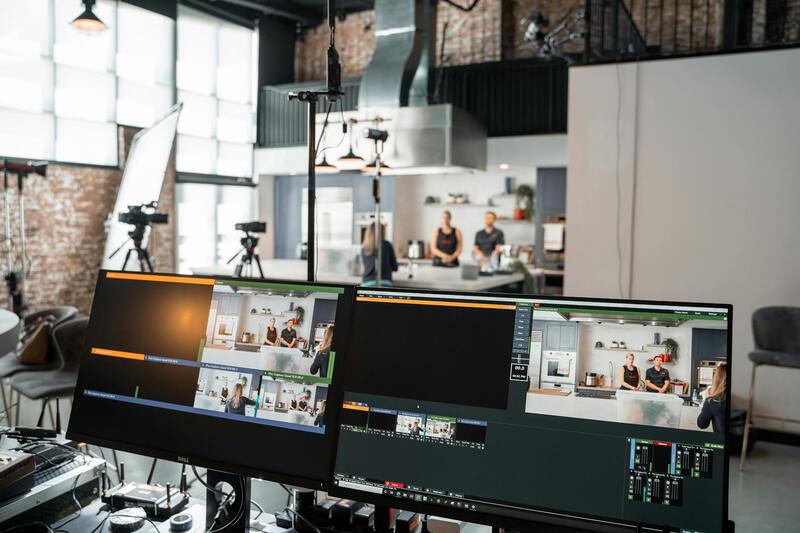
Every food shoot runs on a simple idea: the plate the camera team uses for lighting is never the plate you shoot. While the gaffer and the director of photography set up, a stand-in sits on set. It can be an older plate, a mock-up or the previous take. When the light is ready, the stylist brings in a fresh hero plate, makes final touches and the camera rolls.
That rhythm means the stylist always needs several versions of each dish in progress. A burger spot may need a dozen buns, multiple patties cooked to different stages and a pile of produce for picking the best leaves. Producers who plan for one plate per dish usually discover the problem around the second setup.
When a Miami production should hire one
Not every shoot with food on screen needs a food stylist. A corporate interview with a coffee cup on the table is fine without one. A few signs that you need a specialist:
- Food is the subject of the shot, as in restaurant promos, menu videos, food brand ads and recipe content.
- The camera goes close, with macro lenses, slow motion or slow push-ins.
- The script includes action such as pouring, cutting, biting or melting.
- The shoot is for a packaged food brand, where the product on screen has to match what customers buy.
- Food must hold up over a long day under lights or outdoors in Miami heat.
For restaurant shoots, the chef may want to cook the dishes. That can work for some shots, and a good food stylist will work alongside the kitchen. Chefs cook to be eaten, though, and stylists build for the camera. Many productions use both: the kitchen provides the dishes, the stylist adjusts and maintains them on set.
How the booking usually works
Food stylists in Miami generally work freelance, like most of the crew. When you contact one, have these details ready:
- The script or a description of each food shot
- The number of dishes and how many hero versions of each you expect
- The location and whether it has a working kitchen
- The shoot dates and the call time
- Whether the client supplies the product, as with packaged foods, or the stylist shops for it
Stylists commonly quote a day rate for the shoot, plus separate prep and shopping days, plus the cost of ingredients and supplies, which is often billed as a separate line with receipts. Larger jobs may need an assistant stylist, who also gets a day rate. Ask what the quote includes and how overtime is handled, and put the terms in a deal memo like any other crew position.
Good food stylists are booked early, especially in the busy season from late fall through spring when many commercial productions come to South Florida. Place a hold as soon as dates firm up, using the same hold and booking etiquette you use for the rest of the crew.
The kitchen on location
A food stylist needs a place to work. In a restaurant this is easy, though you must agree with the owner which parts of the kitchen the stylist can use and when, so service is not disrupted. In a studio or a rented house, the stylist may bring a portable kitchen: induction burners, a small oven, coolers, prep tables and a long list of tools.
Plan power and space for it. A portable kitchen draws real power, and it should be close enough to set that a fresh plate can arrive in seconds, but far enough away that steam and smells do not drift into the shot. Work this out on the scout with the stylist and the gaffer.
How the stylist works with other departments
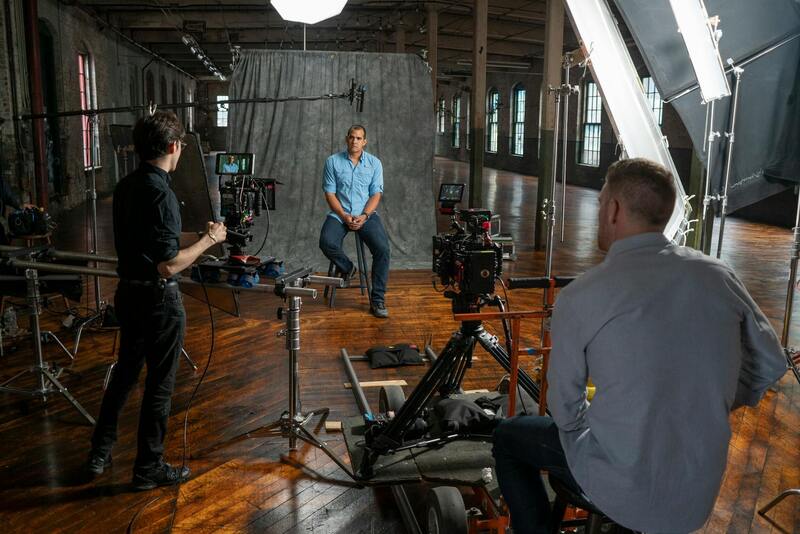
The food stylist sits between several crew members. The prop stylist or art department provides plates, glasses, cutlery, linens and surfaces, so the two need to agree on the look before the shoot. The director of photography decides the angle and the lens, which tells the stylist which side of the dish faces the camera. The first assistant director schedules food shots so the hero plates are ready at the right moment.
Keep the line clear between styled food and crew food. The plates on set are not lunch. Some styling methods make food unsafe or unpleasant to eat, and everything has been sitting under hot lights. Crew meals come from craft services and catering, not from the set.
Rules for advertising food products
If you are shooting an ad for a specific food product, the product shown is usually expected to be the real product as sold. Advertising rules and network standards in the United States generally do not allow a brand to make its product look better than it is through fake substitutes. A stylist can pick the best units, arrange them carefully and light them well, but the soup in a soup ad should be that soup. Surrounding items, such as the bowl, the garnish or the bread on the side, have more freedom.
The details depend on the brand, the channel and the client's legal team. Ask the client early whether legal guidelines apply, and share them with the stylist before shopping starts.
How we staff food shoots in Miami
When a project involves food, we bring a food stylist into pre-production, not just the shoot day. We share the script, agree on dishes and quantities, plan the kitchen space and power with the location, and build the schedule so hero plates are ready when the light is. If the client is a restaurant, we coordinate the stylist with the chef so both kitchens work together.
If you are planning a restaurant promo, a menu video or a food brand commercial in Miami, contact us with your script or brief. We will tell you whether you need a food stylist, how many prep days to plan and how it fits the rest of your crew and budget.