Updated: October 12, 2026
The department that decides what is in the frame
When people picture a video crew, they think of the camera, the lights and the sound mixer. Yet a large share of what the audience actually sees on screen is chosen, built or placed by someone else: the art department. The color of the wall behind the CEO, the props on the kitchen counter in a food commercial, the fake storefront sign in a music video, the clean desk in a fintech explainer. All of it is design work, and on a professional Miami shoot it is usually led by a production designer or an art director.
This guide explains what those roles do, how the art department is structured on shoots of different sizes, and how to tell whether your project needs one person with a van full of props or a full team that builds sets. If you are booking a crew in Miami for a commercial, brand film or music video, it will help you understand the line items on the budget and ask the right questions.
Production designer versus art director
The two titles are often confused, and on smaller shoots one person may do both jobs. On larger productions they are different positions.
- Production designer. Responsible for the overall visual design of the project. Works closely with the director and the director of photography on the look: color palettes, period, textures, the feel of each location. Creates or approves sketches, references and mood boards and decides what needs to be built, rented or changed.
- Art director. Takes the production designer's plan and makes it happen. Manages the art budget, the schedule for builds and the team doing the work. On a smaller shoot without a production designer, the art director is usually the senior design person on the crew.
Under them, depending on the size of the job, you may see a set decorator, a prop master, set dressers, an on-set dresser, carpenters, scenic painters and art department assistants. A full list of how these positions fit with the rest of the crew is in our article on video production crew roles.
What the art department does, step by step
In pre-production
The art department starts working long before the shoot day. After reading the script or treatment, the production designer meets the director and DP to talk about the look. Then the team scouts locations with an eye for what needs to change: furniture to remove, walls to repaint, branding to hide, plants to add. They build a list of every visible element by scene, source props and set dressing from rental houses, stores and their own stock, and plan any construction.
In Miami this stage often includes practical questions specific to the city. Can the condo board approve painting a wall that will be repainted after? Will a set built outside survive an afternoon storm? Is there air-conditioned storage near the location for props that warp in heat and humidity, such as candles, chocolate, paper goods and some plastics?
On the shoot day
The art team arrives early to dress the set. During the day, an on-set dresser stays near the camera to adjust objects between takes, maintain continuity, hide logos the client did not clear and react when the director wants a different background. A prop master manages any item an actor touches or uses, keeping duplicates ready for repeated takes.
After wrap
The location has to be returned to its original state. Furniture goes back, walls get repainted if they were changed, rentals are returned on time. A careful art department photographs each room before touching it so it can be restored exactly. This step matters a great deal in Miami, where so many shoots happen in private homes, restaurants and offices that still need to open the next morning.
When a shoot needs an art department
Not every video needs a production designer. A simple interview in an existing office may only need a producer moving a plant and clearing papers off a desk. Here is a rough way to think about it:
- No dedicated art person: interview-only corporate videos, simple event coverage, documentary work where the real environment is the point.
- One art director or stylist with a small kit: testimonial shoots that need a styled background, product videos on a tabletop, social content with a branded look.
- Art director plus a small team: commercials in real locations that need dressing, food and beverage spots, music videos with designed looks.
- Production designer and full department: anything with built sets, studio builds, period or fantasy looks, or several heavily dressed locations.
If you are unsure, ask what the frame will show. When the answer is "whatever is already there," you may not need much. When it is "a specific space that does not exist yet," you need design help. The number of people also affects the overall team, which our guide to video production crew size walks through.
How the art department works with other crew
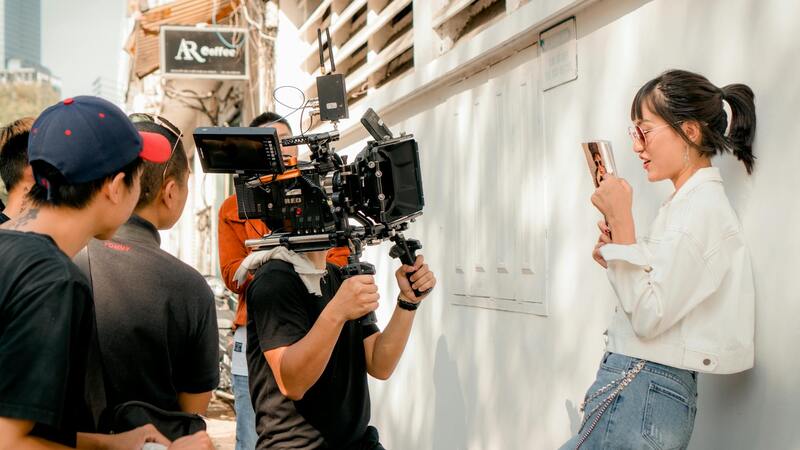
The art department sits between several other teams. It works with the camera department on what the lens will see and what can be left out of frame. It coordinates with the lighting team, because practical lamps, neon signs and colored surfaces affect the lighting plan and the gaffer may need to wire them. The gaffers and grips often help move heavy pieces and rig items that hang.
It also works closely with the hair, makeup and wardrobe team so that costume colors and set colors support each other and do not clash. Our article on hiring the HMU and styling team covers that side of the look. And the art department stays in constant contact with the location manager, who knows what the property owner will and will not allow.
Budgeting for design
An art budget usually has two parts: labor and materials. Labor covers the designer, art director and team, often including prep days before the shoot and a wrap day after. Materials cover prop and furniture rentals, purchases, paint, construction supplies, transport and storage. The second part is where budgets surprise people, because a single hero prop or a small set build can cost more than the whole crew for a day.
Two habits keep it under control. First, decide early which elements truly matter to the story and the brand, and spend there. Second, give the art department enough prep time. A designer with one prep day has to buy whatever is available nearby. With three or four days, they can find better items at lower cost and rent instead of buy.
Questions to ask an art director before booking
- How many prep and wrap days do you need for this scope?
- Will you supply a kit of common items, or is everything rented or bought for this job?
- Who on your team will be on set during shooting to handle adjustments?
- How do you handle restoring locations after the shoot?
- Can you share examples of similar projects, ideally shot in Miami?
Building the right crew for your Miami shoot
Miami Video Producers helps companies and agencies put together the right crew for each project, from a single producer and camera operator to a full team with art, lighting and styling departments. When we plan a shoot, we look at what the frame needs to show and recommend the smallest art department that will get the look right, whether that is one stylist with a kit or a designer with builders and dressers.
If your next project needs a designed look, a styled location or a set build, tell us about it and we will suggest a crew structure and a realistic prep schedule. You can also read more about how we work with clients across Miami.