Updated: November 22, 2026
Why a producer hires a colorist at all
Editing software now ships with capable color tools, so a producer can reasonably ask why a Miami video needs a separate color specialist. Many small projects don't. A short internal update shot in one room under controlled light can come out fine with an editor's balance pass. The picture changes when footage comes from several cameras, when an exterior in hard Miami sun has to cut against an interior under mixed LEDs, or when a brand has a specific look it has paid for.
A colorist is the person who makes every shot in the finished piece look like it belongs together, then shapes that picture into the feeling the director and client asked for. They balance exposure and white point shot by shot, match cameras, protect skin tones and build the final look. This guide is written from the producer's chair: when to bring one in, how colorists charge in Miami, what the hand-off needs to contain and who should be in the room.
What a colorist does that an editor usually does not
Editors can grade, and some grade very well. The difference is time, tools and focus. A dedicated colorist normally works in DaVinci Resolve or a similar grading system, on a calibrated reference monitor, in a room with controlled light. They look at waveforms and vectorscopes all day and have an eye trained on skin. That matters in Miami, where a single commercial might feature several different skin tones under harsh sun and mixed interior light.
Typical colorist work on a project includes:
- Primary correction so exposure, contrast and white balance are consistent from shot to shot
- Camera matching when a drone, a gimbal camera and a main cinema camera all appear in one sequence
- Secondary work such as isolating a face, calming a blown sky or bringing a product color back to the brand reference
- Building the look, often from reference frames or a LUT the DP tested in prep
- Delivering versions for web and broadcast, and HDR when the project calls for it
When you need one, and when you can skip it
Use this as a quick filter when you are scoping a job:
| Project | Usual color approach |
|---|---|
| Internal talking-head update, one camera | Editor's color pass is usually enough |
| Social cutdowns from an already graded film | Editor applies the existing grade |
| Corporate brand film with several locations | Colorist for a short session, often worth it |
| TV commercial, branded content or fashion | Dedicated colorist |
| Log footage from a cinema camera with a planned look | Dedicated colorist, ideally involved before the shoot |
The earlier you talk to them, the better. A ten-minute call before the shoot lets the colorist weigh in on camera settings, recording format and how the look will be judged on set. It also means your director of photography and colorist agree on a plan before a single frame is recorded. That one conversation regularly costs nothing and heads off an expensive surprise in post.
How colorists bill
Rates vary widely with experience, the room and the type of job, so ask for current quotes and don't rely on a figure you saw online. The billing structures are fairly consistent, though:
- Hourly: common for short corporate work and small jobs. Agree on a minimum and on whether prep time counts.
- Day or half-day: typical for commercials and longer films, especially in a supervised session at a post house.
- Per project or per finished minute: some freelancers prefer this for simple, repeatable content. Be clear about the number of versions and rounds it includes.
- Room or facility fee: a post house may bill the suite and the colorist together, sometimes separately. Ask which applies.
The questions that keep the bill predictable are mostly about scope. How many rounds of notes are included? Does the quote cover conforming the timeline, or should the editor deliver it clean? Are the HDR version, the vertical cutdowns and the broadcast master extras? What happens if the cut changes after the grade? That last one is the most common cause of overages, so make sure picture is truly locked first. Put the answers in the same paperwork you use for your other vendors, and let your production manager track them against the post budget.
What to send the colorist
A messy hand-off burns paid hours before any color work happens. Before the session, get the following from your editor and the camera team:
- A locked timeline exported as XML, EDL or AAF, plus a reference video of the approved cut with burned-in timecode
- Camera-original media, unaltered and organized as it was on the shoot drive, along with notes on any proxies
- Details of the camera, color space, gamma and any show LUT used on set
- Reference frames, a mood board or a previous brand film that shows the intended look
- Any brand color specs for product or logo work, including physical swatches when color accuracy really matters
- The list of deliverables with target platform, color space and delivery date
If a DIT worked on the shoot, ask for the on-set notes and any looks they applied. Also flag known problems in advance. "Shot 14 was underexposed because we lost the sun" saves the colorist from guessing whether it was intentional.
Who attends the session
Having fewer people in the room usually gives you a better session. Everyone at the monitor has an opinion, and the clock runs while they share it.
Supervised sessions
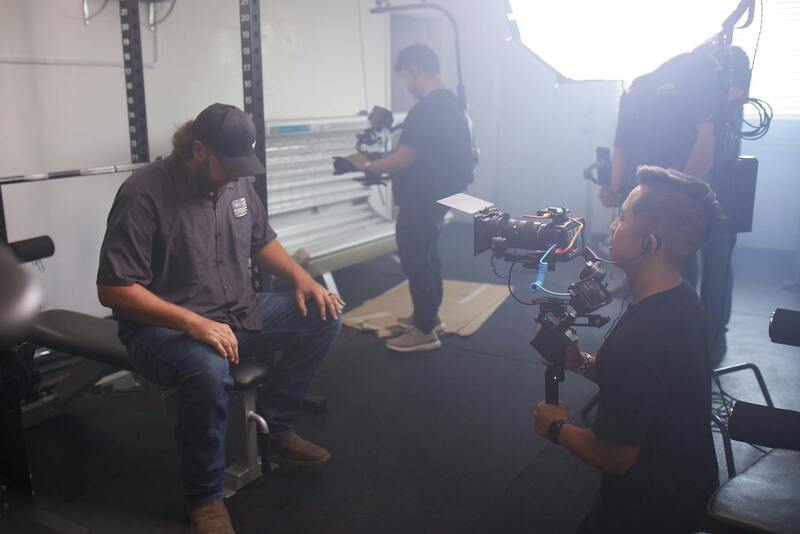
For a commercial or brand film, the usual group is the director, the DP if available, and one decision-maker from the client or agency. The producer attends to keep time and answer budget questions. Name in advance the person who can approve the look so a discussion doesn't turn into a vote.
Unattended and remote grading
Many projects run unattended now. The colorist grades a first pass, shares a review file or a calibrated stream, and collects notes. This is efficient, particularly for out-of-town clients who want Miami footage finished without traveling. Keep in mind that a phone or a bright office laptop won't show what the colorist sees, so ask reviewers to compare against a reference and keep notes in plain language: "her skin looks too yellow in the kitchen" is more useful than "more cinematic."
Common hiring mistakes
A few patterns repeat. Producers hire from a showreel full of moody commercials and then need clean, bright corporate work. Ask to see graded footage similar to yours, with before and after clips if the colorist can share them. Another mistake is budgeting color as an afterthought, so the session gets squeezed once the edit overruns. A third is sending compressed files because they are easier to upload, which throws away the latitude you paid for on set. A final one: changing the edit after the grade starts without telling anyone, which can force shots to be re-conformed and re-matched.
How our producers handle color on Miami projects
At Miami Video Producers, we decide on the color plan at the same time as the camera plan. We match the job to the right person, whether that is a skilled editor for a simple piece or a dedicated colorist for a commercial, and we connect the DP and colorist before the shoot. Our producers manage the hand-off files, keep the notes in one place and hold the review schedule so the grade finishes on budget.
If you are planning a Miami video and want to know what level of color work it needs, send us the details of your project and we will give you a straight recommendation. You can also browse more crew guides on the Miami Video Producers blog.