Updated: October 12, 2026
The camera assistant on a Miami shoot: focus pulling, slates, lens changes and caring for the camera
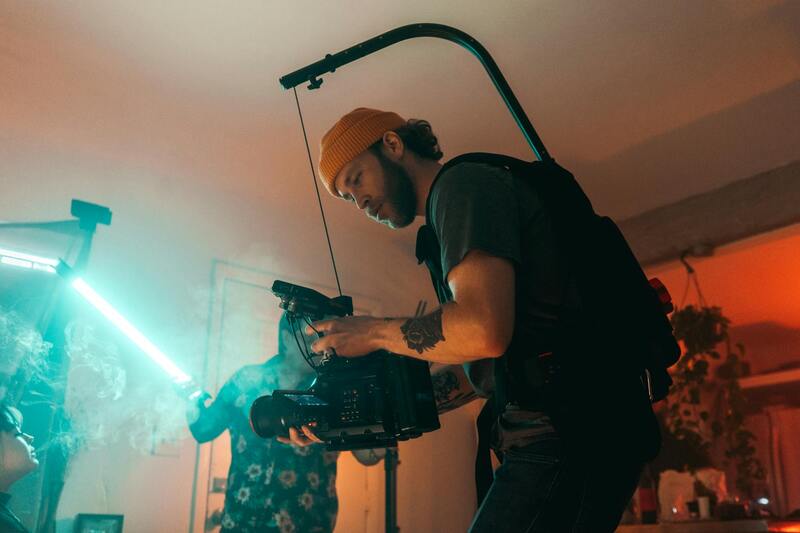
Watch a professional camera team for ten minutes and you will notice that the person operating the camera is rarely the one touching the lens. Next to the camera, usually with a small wireless handset or a hand on the follow focus, is the first assistant camera, the 1st AC. Behind them, with a slate, a cart full of cases and a roll of tape, is often a second assistant, the 2nd AC. These two roles decide whether the footage is sharp, whether every clip can be found in the edit and whether a camera package worth more than a car comes back from a Miami beach day in working order. This guide explains what camera assistants do, when a production needs one or two of them, and what to ask when you book them.
What the first assistant camera does
The 1st AC is responsible for focus and for the physical camera. On most commercial and corporate shoots in Miami, that includes:
- Pulling focus during every take, following actors and moving camera by measuring distances, marking positions on the floor and adjusting the lens in real time.
- Building the camera each morning and for every setup change: body, lens, matte box or filters, monitor, wireless video, follow focus and power.
- Lens changes between setups, cleaning glass and checking for dust or fingerprints before each shot.
- Checking the camera settings the director of photography chose, such as resolution, frame rate, shutter and codec, so nothing silently changes between setups.
- Keeping the camera safe, including when it goes on a gimbal, a car mount or a boat.
Focus is the part people underestimate. On a large sensor camera with a fast lens, the zone that is sharp can be a few centimeters deep. An operator cannot frame a moving subject and hold that focus by eye at the same time, especially on a small monitor in bright Miami sun. A good focus puller is the difference between a take the director can use and a take that looked fine on set and turns out soft on a large screen.
What the second assistant camera does
The 2nd AC supports the 1st and handles the paperwork of the camera department:
- Slating each take, so that picture and separately recorded sound can be synced and the editor knows what each clip is.
- Keeping camera reports: scene, take, lens, notes on good takes and any problems.
- Laying focus marks for talent and helping the 1st with measurements.
- Managing batteries, media cards and the handoff to the DIT or data wrangler.
- Moving and organizing camera carts and cases, which matters more than it sounds on a location with stairs, sand or a long walk from basecamp.
On many Miami corporate shoots, the 2nd AC and the data role are combined. That can work on a single-camera day with modest data, but the guide to the DIT role explains why larger productions keep data management separate.
When a production needs camera assistants
Not every shoot needs a full camera department. A seated interview with a locked-off camera and a zoom lens may run with a camera operator alone. The picture changes when any of these apply:
| Situation | Camera assistant need | Why |
|---|---|---|
| Single interview, locked-off, deep focus | Often none, or a shared 2nd AC for data | Focus is set once and checked between answers |
| Cinema camera with prime lenses and shallow depth of field | 1st AC | Lens changes and focus pulling are constant |
| Moving camera: gimbal, dolly, handheld with talent walking | 1st AC with wireless focus | The operator cannot also pull focus |
| Commercial with dialogue and separate sound | 1st and 2nd AC | Slates, reports and continuous resets |
| Two or more cinema cameras | 1st AC per camera, shared or separate 2nd | Each camera needs its own focus and build |
| Car mounts, boats, beaches, rain | 1st AC at minimum | Camera safety and protection from salt, sand and water |
If you are unsure, ask the director of photography. The DP knows how they plan to shoot and will usually request the assistants they need. Our article on what a director of photography does explains how the DP and camera team work together, and the crew size guide shows where camera assistants fit into different budgets.
Miami conditions that make the job harder
Camera assistants in South Florida deal with a few problems that crews in drier cities do not. Moving a cold camera from an air-conditioned lobby into humid outdoor air fogs the lenses and sometimes the sensor cover, and it can take many minutes to clear. Experienced ACs plan for this by letting cases acclimate in the shade before the shot, not by wiping glass in a hurry. Sand and salt spray on beach and waterfront days are a steady risk to lenses and connectors. Heat drains batteries faster and can push some cameras into overheating warnings in direct afternoon sun, so ACs rig sun shades, rotate batteries and keep spares in a cooler place. Afternoon storms mean rain covers ready to go at short notice. These are small habits, and they are exactly what you are paying for when you book an experienced assistant.
Rates, kits and booking
Camera assistants in Miami are usually booked on a day rate for a set number of hours, with overtime beyond that, similar to the rest of the crew. Our article on overtime and the ten-hour day explains how that works. Many ACs also bring a kit: tools, lens cleaning supplies, tape, markers, a slate, sometimes a wireless focus system or a monitor. A kit fee for owned equipment is normal and should be agreed before the shoot, not discovered on the invoice. When you book, confirm:
- Which camera system they know well, since a focus puller who knows the camera menus works faster.
- Whether they own a wireless follow focus and what it costs to include it.
- The call time and whether they need a prep day at the rental house to check the package.
- Who handles media and backup if there is no separate DIT.
A prep day is worth budgeting on any shoot with a rented cinema package. The 1st AC tests every lens, cable and battery at the rental house, so problems are found there and not at a location with no replacement parts nearby.
How we staff the camera department
As Miami producers, we build the camera team around the way a project is actually going to be shot. We talk with the director of photography first, then book 1st and 2nd ACs who know the specific camera and have worked Miami exteriors before. On interview-heavy corporate days we keep the team lean. On commercials, moving-camera work or multi-camera shoots, we staff up so the operator can focus on the frame and nobody is racing to change a lens while talent waits. Rates, kit fees and overtime are agreed in writing through a deal memo before the first call time. If you are planning a shoot and want a crew list that fits your budget, send us the brief through the contact page. You can read more about how we work on the about page.