Updated: September 21, 2026
How people actually get in
There is no application form for the Miami production industry. Nobody advertises an entry-level role in the way other sectors do, and most crew positions are filled by someone calling a person they have worked with before.
That sounds discouraging and is not. It means the route in is not a qualification, it is a set of people who know you are reliable. Building that is slower than sending a CV and considerably more within your control.
Start as a production assistant
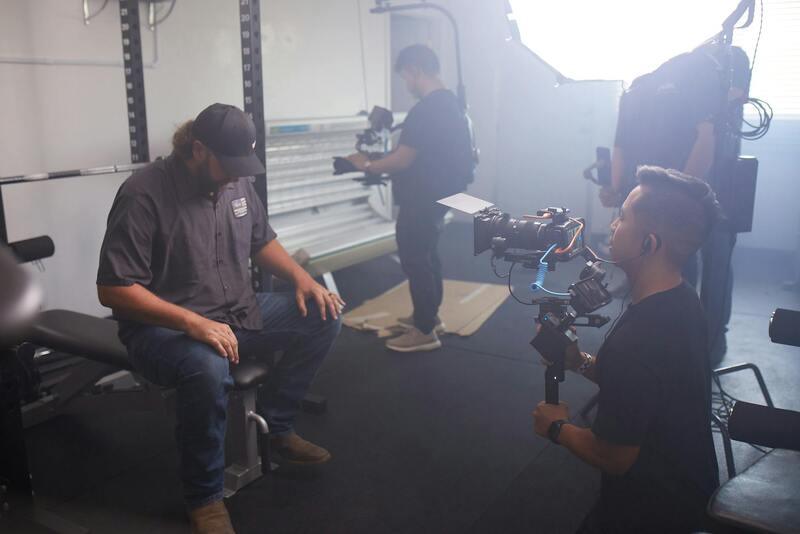
Almost everyone starts here. The PA is the person who does whatever the day requires: lockups, runs, moving gear, watching a corner of a street, keeping the water cold and the crew fed.
It is not glamorous and it is the best classroom available. In a week on set you will see how a call sheet turns into a day, how departments hand off to each other, how a schedule slips and gets recovered. That knowledge is not available from a course.
What gets a PA hired again is boringly simple. Turn up early. Say yes without drama. Ask where you should be rather than waiting to be told. Learn names on day one and use them. Keep your phone in your pocket. Never sit down when other people are working. Do the unglamorous task well enough that nobody has to check it.
Almost every producer in this city can tell you the name of the PA who did those things, because they hired them ten more times.
Where to look for that first day
- Local production companies, contacted directly and briefly, with your availability stated
- Rental houses, which are full of people who know which shoots are crewing up this week
- Film commission and permit office listings, which show what is shooting locally
- Student and independent shoots, which pay little or nothing but put you on a set with credits attached
- Corporate and event work, which is steadier and less competitive than commercial or narrative
- Crew groups and local industry meetups, where most short-notice hiring actually happens
The corporate and event route is underrated. It runs year round in Miami, the days are shorter, and the work teaches you exactly the same fundamentals. It also pays sooner, which matters when you are starting out.
Picking a direction, eventually
You do not need to choose a department on day one, and choosing too early is a common mistake. Spend enough days on set to see what the work is actually like before deciding.
Camera is the department everyone imagines. It is also the most competitive, and the path runs through years as an assistant handling focus, media and gear rather than operating. Sound is smaller, in constant demand, and much easier to get consistent work in. Lighting and grip reward physical reliability and a head for problem solving, and there is steady work for people who are good at it. Production, meaning coordination and producing, suits people who like logistics and negotiation more than the technical craft. Post-production is a different life entirely, mostly indoors and mostly alone.
What each of those roles does day to day is worth understanding before you commit. The director of photography and production sound articles cover two of them in detail.
The reel question
Everyone is told to build a reel. For crew roles below director or DP, this is less important than people assume, and often less important than a credit list and a reference.
If you are aiming at camera or editing, a reel matters. Keep it under ninety seconds, lead with the strongest thing you have, and only include work you genuinely contributed to. Say what your role was on each piece. A reel padded with footage you assisted on and presented as your own is discovered quickly in a city with a small industry.
If you are aiming at sound, grip, electric or production, a clear list of what you have worked on and who can vouch for you does more. So does a short note about what gear you own and what licences you hold.
Things worth having early
A car, realistically, because the metro area is spread out and call times are early. A working knowledge of Spanish, which is genuinely useful on Miami sets and occasionally decisive. Your own basic kit: gloves, a headlamp, a multitool, gaffer tape, a rain jacket, comfortable boots and more water than you think.
Beyond that, learn to read a call sheet properly and to understand a shooting schedule. Understand what a company move is and why it costs an hour. Know what turnaround means. Someone who speaks the language of the schedule is treated as crew rather than as help, and that happens faster than most newcomers expect.
Take set safety seriously from the first day. Heat, water, electrical loads and long hours are the real hazards on a Miami shoot, and being the person who works safely is part of being the person who gets hired again. The specifics are in set safety on a Miami video shoot.
Rates, invoices and getting paid
You will be working as a freelancer almost immediately, which means you are running a small business whether you thought about it that way or not.
Agree the rate before the day, in writing, even if the writing is a text message. Include what length of day it covers and whether anything else is being charged, such as your own gear. Vagueness here is not politeness; it is how people end up feeling cheated on both sides.
Send an invoice promptly, within a day or two of the shoot, with your name, the date worked, the production name, the agreed rate and your payment details. Number your invoices. Chase politely at thirty days and keep chasing. Production companies are not usually trying to avoid paying you, they are trying to remember which of forty invoices is yours, and a clear one gets paid first.
Do not work for free repeatedly for a company that has a budget. A student short is one thing. A commercial client with a paying brand behind it is another, and the person asking knows the difference.
Keep records from the start: what you worked on, for whom, what you were paid, what you spent on fuel and parking. Set money aside for tax as it comes in rather than discovering the problem later. This is dull and it is the part that decides whether a freelance career is sustainable past the second year.
The realistic timeline
The first year is inconsistent. You will work a few days a month, chase invoices, and wonder whether it is going anywhere. Around the point where three or four different people start calling you directly, it changes, and after that the problem becomes managing a calendar rather than filling it.
The people who make it through that first stretch are rarely the most talented ones. They are the ones who answered the phone, showed up on time, and were pleasant to be around at hour eleven of a hot day.
We take on PAs and junior crew on productions regularly, and we would rather hire someone local who is learning than fly in someone who is not. If you are trying to get started, look at the blog for how our shoots are structured, read the about page, and send us a short note with your availability, what you own and what you have done. Short and specific beats long and general.