Updated: October 12, 2026
Hiring a production sound team for a video shoot in Miami.
Clients often spend weeks selecting the perfect camera and location, yet they frequently treat audio as an afterthought. The result is footage that looks sharp but sounds as if it were recorded in a parking garage. Good sound is the fastest way to make a video feel professional, while bad sound is the quickest way to lose a viewer. This is why searches like "Do I need a sound guy for my video?" are continually on the rise. For any content involving talking, such as interviews, testimonials, founders sharing stories, the answer on a Miami set is almost always yes.
The production sound department is small but specific. Understanding each team member's role simplifies the hiring process and prevents overpaying for a full team when a single person can manage. Conversely, it also ensures that jobs requiring two people are not understaffed.
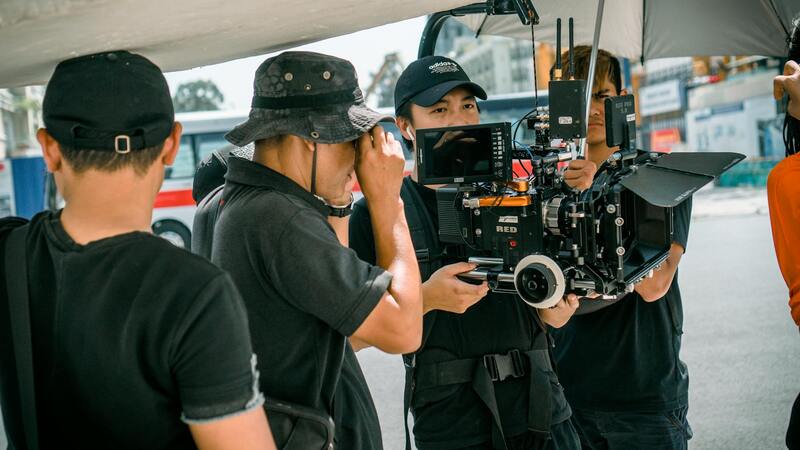
Who is on a sound team
People search boom operator vs sound mixer as if they are competing roles. They are two seats on the same team. The production sound mixer runs the recorder, sets levels, and is responsible for clean audio going to the deliverable. The boom operator holds the microphone on a pole above or below the frame, keeping it close to whoever is speaking while staying out of shot. On a Miami corporate interview, one experienced sound mixer often covers both jobs alone using wireless lavalier mics. On a scripted commercial with actors moving through a scene, you want a dedicated boom operator so the mixer can focus on levels.
What does a sound recordist do is another common phrasing, and recordist is just another word for the sound mixer in most crews. The title changes by region and by the kind of production, but the responsibility is the same: capture usable dialogue and ambient sound on location so the editor is not fighting the audio later. If you want the full crew map, the video production crew roles explained guide places the sound team next to camera and lighting.
The gear question
When someone asks what a sound package is, they are referring to the kit that the mixer brings to a location. In Miami, a typical working location sound setup usually includes a multi-track field recorder, a boom microphone, several wireless lavalier microphones, and headphones for monitoring. Two common ideas that often come up in searches are important for planning.
- Lavalier and boom microphones are not mutually exclusive. Many productions utilize both types. A lavalier microphone clipped to the speaker provides a consistent close-up signal. Meanwhile, a boom microphone positioned overhead captures a fuller, more natural sound. The mixer records these signals on separate tracks, allowing the editor to choose the best option for each scene.
- Double-system sound refers to recording audio on a separate device rather than recording it directly into the camera. This approach results in cleaner audio tracks and provides a backup. It is standard practice for productions beyond a simple run-and-gun job. However, this method does require timecode synchronization to ensure that the audio and video align correctly during the editing process, thus avoiding hours of manual work.
For a straightforward audio for corporate interview setup, a single mixer with a wireless lav mic interview rig and a backup lav is usually enough. Ask any prospective hire what their sound package includes so gear does not become a surprise line item. Our producer folds the sound kit into the shoot budget so you see one clear number.
Clients also ask about the best microphone for interview video, hoping for one right answer. There is not one. A lav mic gives a close, consistent signal that survives a speaker turning their head, which is why it is the workhorse for talking heads. A shotgun mic on a boom captures a warmer, more open sound that many editors prefer for scripted work. The mixer chooses based on the room, the movement, and how the audio will be used. On a busy Miami rooftop the lav wins because it rejects wind and traffic. In a controlled studio the boom can shine. This is the kind of judgment call you want an experienced person making rather than a checkbox on a rental order.
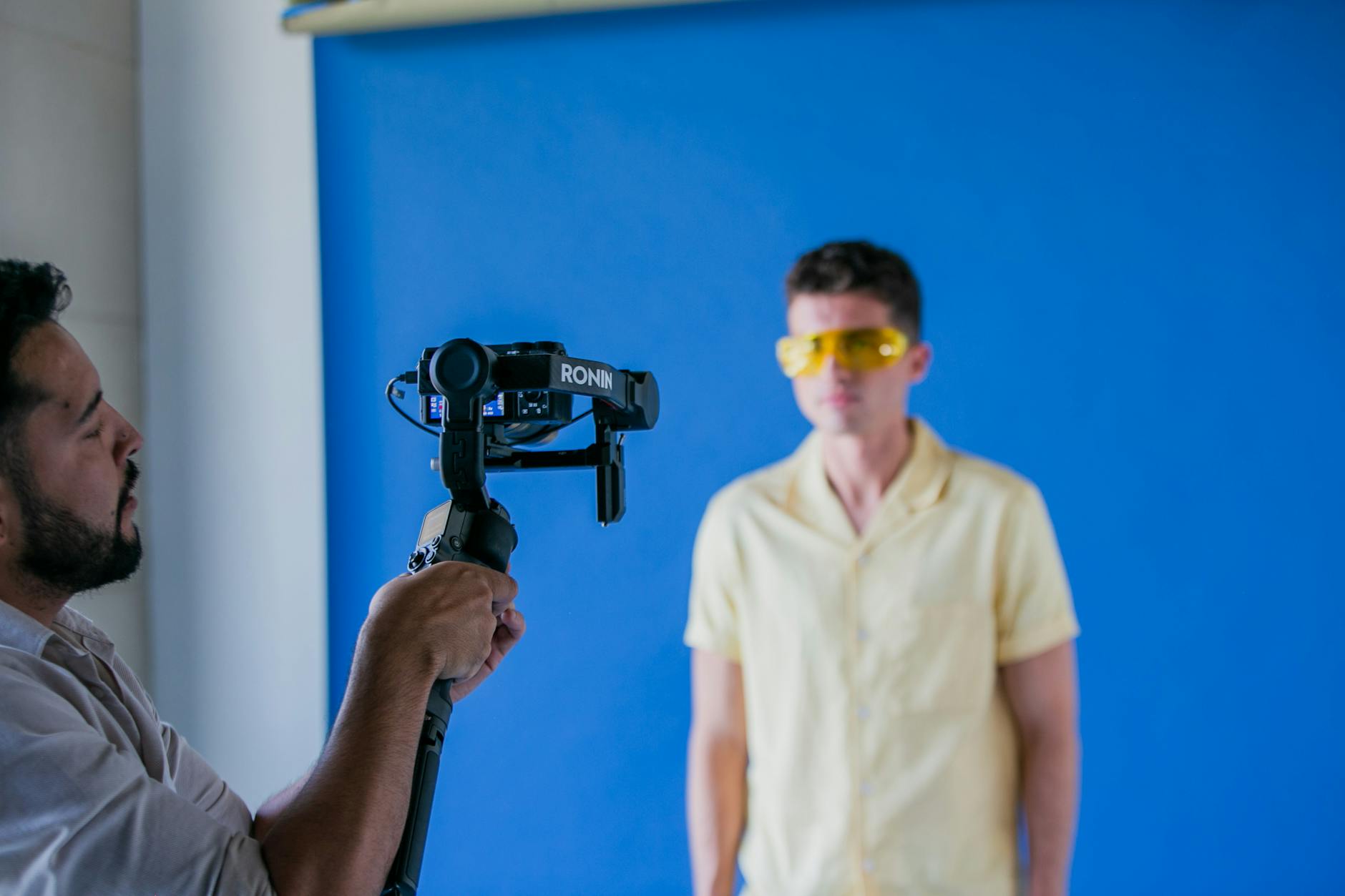
What it costs
The cost of hiring a sound mixer per day can vary depending on whether the mixer provides their own equipment and the complexity of the audio requirements. Below is a realistic overview of the production sound day rate in this market.
| Setup | Typical Miami day rate | Good for |
|---|---|---|
| Sound mixer, own kit, single operator | $500 to $900 | Interviews, testimonials, and corporate presentations |
| Mixer plus boom operator | $900 to $1,600 | Scripted scenes featuring multi-person dialogues and events. |
| Broadcast or live event sound | $1,500 and up | Panel discussions, streamed shows, and complex multi-source mixes. |
Gear is typically included when the mixer owns the equipment, which is common. Location sound recording in Miami can come with a few local challenges that can prolong the day and consequently increase the cost. These challenges include managing ocean winds, reducing the hum from air conditioning in condos, and minimizing traffic noise near Brickell. A skilled mixer will plan for these issues, which is part of what you are paying for.
How to hire well
Hiring a sound recordist is less about the reel and more about references and gear. Since audio does not show up in a portfolio the way images do, a few practical steps can make the choice easier:
- Ask what type of recorder and microphones they use, and confirm that they carry backups. A dead lavalier microphone mid-interview should never bring a shoot to an end.
- Confirm that they deliver a double system sound with timecode sync, if your editor expects it.
- Get a reference from a producer, not just a peer. You want to know that they arrived on time and remained calm when the filming location became noisy.
- Match the hire to the job. A single mixer is sufficient for a founder interview. However, a moving scene with several actors requires a boom operator as well.
If you are still mapping out how many people your shoot needs, our production coordinator role article explains how a coordinator locks the crew list, and the call sheet guide shows where the sound team lands in the day plan.
Booking production sound through our team.
Miami Video Producers maintains a roster of skilled location sound mixers and boom operators who work throughout the city. Whether it's a quiet studio interview or a loud outdoor event, our team is well-equipped to handle any audio requirements.
The process is simple. You share the shoot date, the format, and where it happens. We quote the sound team and gear together so nothing gets added later. The mixer joins the prep and flags anything about the location that could hurt audio, an echoey lobby or a rooftop with wind, before the day arrives. On set they capture clean tracks and hand off organized files that drop straight into the edit. That handoff is where careful sound pays for itself, because a clean recording saves hours of repair work in post.
To scope the audio side of your next project, browse more planning pieces on the blog, learn how we work on the about page, or send us the details through contact. Tell us the format and the date, and we will put the right production sound team on your Miami shoot so the finished video sounds as good as it looks.