Updated: October 12, 2026
How a video producer creates a call sheet for a shoot in Miami.
The call sheet transforms a plan into a functional day. On a Miami video shoot, it informs every crew member about their location, arrival time, weather conditions, and whom to contact for changes. A competent video producer regards the call sheet as the final pre-production checkpoint, not an afterthought sent at midnight. When the call sheet is clear and accurate, the morning runs on time. Conversely, when it is vague, the first hour of the shoot is consumed by phone calls and parking confusion.
This guide explains how a professional producer creates a video production call sheet. It details what should be included and highlights Miami-specific considerations that help maintain a shooting schedule.
What a call sheet actually is
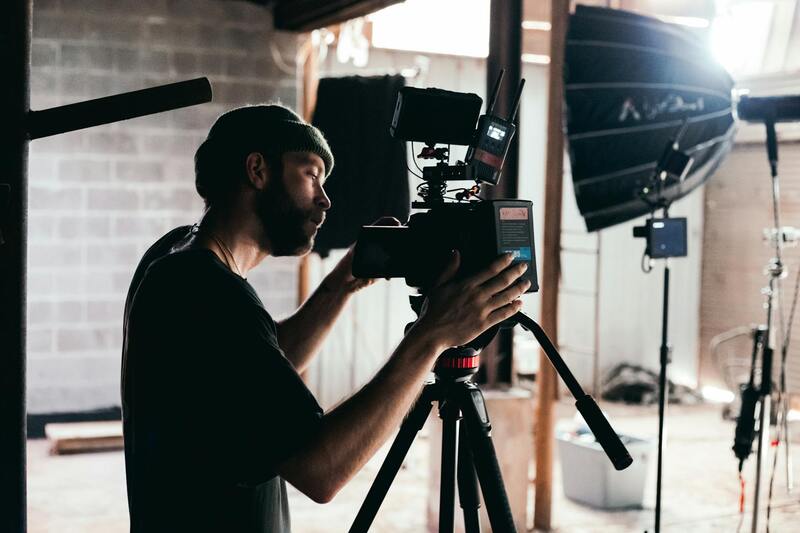
A call sheet is a one-page document issued the night before each shoot day. It addresses the practical questions a crew might have at 6 a.m., such as what time is the crew call, where the location is, where to park, what is being shot, and who is running the day. All other information resides in the larger production book. The call sheet, however, is the concise version that everyone carries.
Producers distinguish between two related terms. The general call time is when the entire crew is expected on location. Individual call times can vary, so a gaffer might be called earlier than an interview subject. The call sheet lists both these times, and ensuring that staggered times are correct is part of what distinguishes a smooth load-in from a crowded one.
The header block
The top of the sheet includes the project title, the shoot date, the day number (e.g., day 2 of 3), and key contacts. In Miami, the header should also list sunrise and sunset times, along with a brief weather update. Afternoon thunderstorms are a regular feature of the summer weather forecast here. Therefore, a producer who notes a 3 p.m. rain probability can plan for interior coverage during that window, rather than scrambling at the last minute.
The essential sections that every call sheet must include
Once the header is set, the body of the sheet is constructed from a few predictable blocks. A producer fills in these blocks in the same order each time to ensure nothing is missed.
- Location details: full address, a nearby cross street, parking and load-in notes, the name of the on-site contact, and any building access codes or security desk instructions. Miami parking is its own subject, so a line about garage clearance height for a grip truck saves a real headache.
- Schedule: the shooting schedule broken into scenes or setups with rough time blocks. This is not a minute-by-minute promise, it is a realistic order of the day that the director and producer agreed on.
- Crew list: every crew member with their role, individual call time, and phone number. This doubles as the contact sheet if someone is running late.
- Talent and appearances: on-camera people, their call times, and who is greeting them.
- Gear and department notes: short reminders for camera, lighting, and audio, plus anything special like a drone permit or a generator.
- Meals: when and where lunch happens. Crews watch this line closely, and a late meal on a long Miami day costs goodwill and focus.
Emergency and safety information
The nearest hospital, the nearest urgent care facility, and the address to provide a 911 dispatcher should be included on every sheet. Although this information is rarely needed, having it on hand matters the moment an emergency hits. This is a fundamental practice in professional settings, not just bureaucratic paperwork.
How the producer collects information
A call sheet is only as good as the inputs behind it. The producer pulls the schedule from the director and the shot list, the crew times from the department heads, and the location facts from the scout or the location contact. On a well-run job the production coordinator owns the mechanics of collecting phone numbers and confirming call times, while the producer signs off on the logic of the day.
Timing the send matters. If you push the call sheet too early, half the details may change; send it too late, and people might go to bed without knowing when to wake up. Most Miami producers aim to distribute the finished sheet by early evening the night before. They send a short update only if something significant changes.
Miami-specific details that should be included on the sheet.
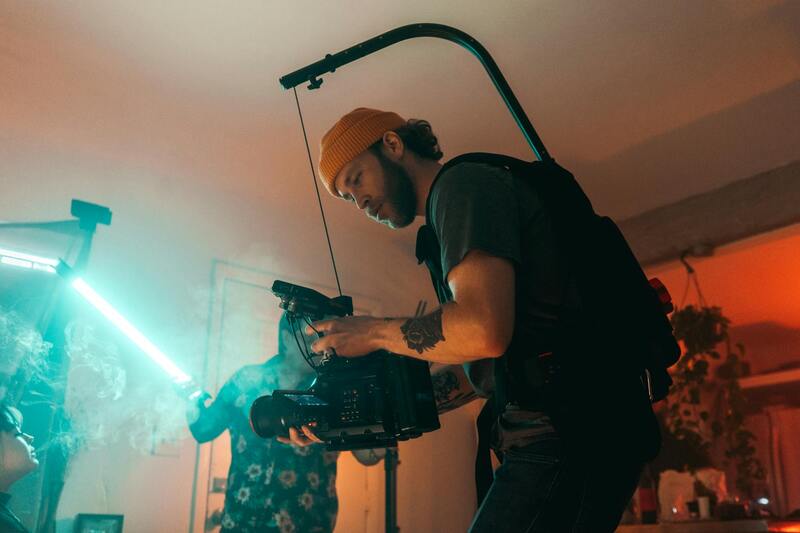
Shooting in South Florida introduces several local variables that are worth highlighting. The heat and humidity can affect both the crew and the equipment. Therefore, it's practical to remind everyone to bring water and sun protection, rather than being seen as overly cautious.
Traffic is another constant factor. Call times that do not account for rush hour on the causeways can set the entire day back. Incorporating realistic travel buffers and noting them on the schedule helps keep the first setup on time. Bilingual crews are common here as well, so clear and straightforward instructions are essential to ensure everyone is on the same page.
Common call sheet errors and how producers prevent them
Most call sheet problems can be traced back to a few common errors. The most frequent issues involve incorrect or missing phone numbers. A single wrong digit can transform a quick call into a stressful situation, especially if someone is lost on the way to the set.
Optimistic scheduling is another common pitfall. A shooting schedule that assumes every setup will go perfectly leaves no room for resets, missed takes, or unexpected weather conditions like thunderstorms. Experienced Miami producers pad the schedule honestly and prioritize the most important shots. This way, if time runs short, everyone already knows what must be captured.
- Sending the sheet so late that the crew has already gone to sleep.
- Leaving out the parking and load-in notes, which延误了第一个小时的工作进度。
- Departments arriving early often find nobody to let them in, as individual call times are frequently forgotten.
- Skipping the meal line can erode crew trust, especially on long days.
A clean call sheet is a habit, not a talent. Producers who consistently send good ones simply follow the same template every time and refuse to cut corners on the details that seem small until they are not.
Working with a Miami-based producer who maintains a tightly controlled call sheet.
If you are booking a shoot rather than running one, the quality of the call sheet is a fair proxy for how the whole production will go. Our team at Miami Video Producers builds detailed, accurate call sheets for every shoot day, from single-camera interviews to multi-location commercial jobs. We coordinate crew call times, confirm parking and permits ahead of the shoot, and account for the local realities of weather and traffic so your day starts on time.
Whether you are hiring a full crew or a lean team, the producing side is where a project either stays organized or drifts. You can see how the wider crew fits together in our guide to video production crew roles, and if your project needs someone dedicated to running the floor, our overview of hiring a line producer explains when that role earns its keep. The below-the-line crew listed on any sheet, from gaffers to grips, all take their timing from the same document.
To talk through a shoot and the crew it needs, browse more planning guides on our blog or reach us through the contact page. A well-built call sheet is a small document that quietly decides how the whole day feels.