Understanding Livestream Video Production
Livestream video production has become an essential component for businesses, event organizers, and content creators seeking to expand their reach through real-time digital broadcasting. This process involves planning, capturing, transmitting, and sometimes editing live video content for audiences viewing remotely via the internet. The importance of high-quality livestream production cannot be overstated, especially in vibrant markets like Miami, where events range from corporate conferences and concerts to local festivals and religious gatherings. A well-executed livestream allows organizations to connect with wider audiences beyond physical attendance, providing interactive and engaging experiences that can significantly enhance brand visibility and customer engagement.
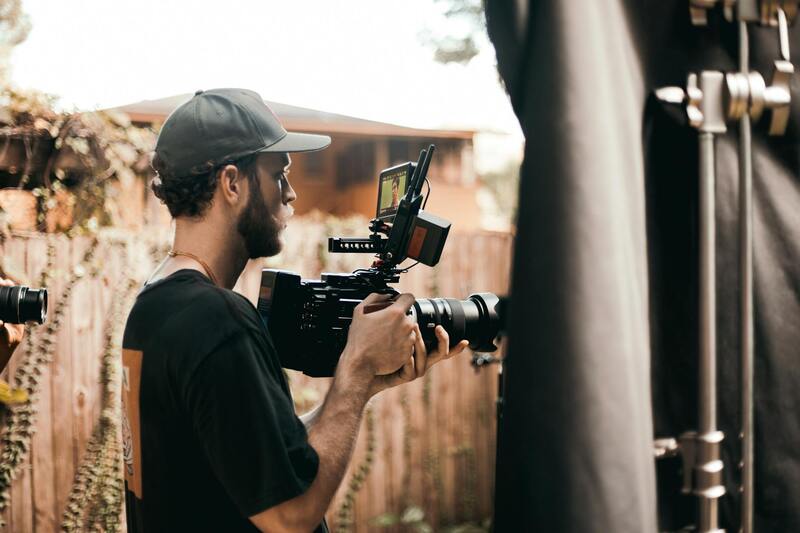
Engaging viewers in real-time requires a combination of technical expertise and creative vision. Effective livestream production not only ensures seamless streaming but also delivers clear audio, high-definition video, and a professional presentation style. With Miami’s diverse and dynamic event scene, the demand for professional livestreaming services has risen sharply. Businesses and organizations recognize the value of a polished digital broadcast that elevates their events and captures the attention of audiences both locally and globally. From managing multi-camera setups to integrating live graphics and split screens, every element in livestream production contributes to creating an immersive online experience that rivals traditional in-person engagement.
The Significance of Livestream Video Production in Miami
Miami’s vibrant economy and diverse cultural landscape make livestream video production especially vital for impactful communication and event promotion. Whether it’s a product launch, a community fundraiser, or a marquee fashion show, producing high-quality live content provides the opportunity to increase outreach, generate interest, and foster community involvement. The live format also allows for immediate interaction through chat features and social media integration, creating an interactive platform that boosts participant engagement. As digital consumption continues to grow, the ability to deliver professional livestream content has become a strategic imperative for organizations looking to solidify their presence within Miami’s competitive landscape and beyond.
Why Professional Livestream Production Matters
- Enhanced visual and audio quality for a more engaging experience
- Expert handling of technical elements, reducing downtime and technical issues
- Creativity in utilizing multimedia tools like animations, overlays, and lower thirds
- Seamless integration of multiple camera angles and live graphics
- On-site support to adapt in real-time and troubleshoot
- Post-broadcast analytics and content repurposing opportunities
Understanding the core components of livestream video production sets the foundation for executing successful live broadcasts that resonate with audiences. As Miami continues to grow as a hub for entertainment, commerce, and cultural exchange, the demand for expert livestreaming services will only increase, making it a vital element of modern event strategy.
Key Equipment and Technology
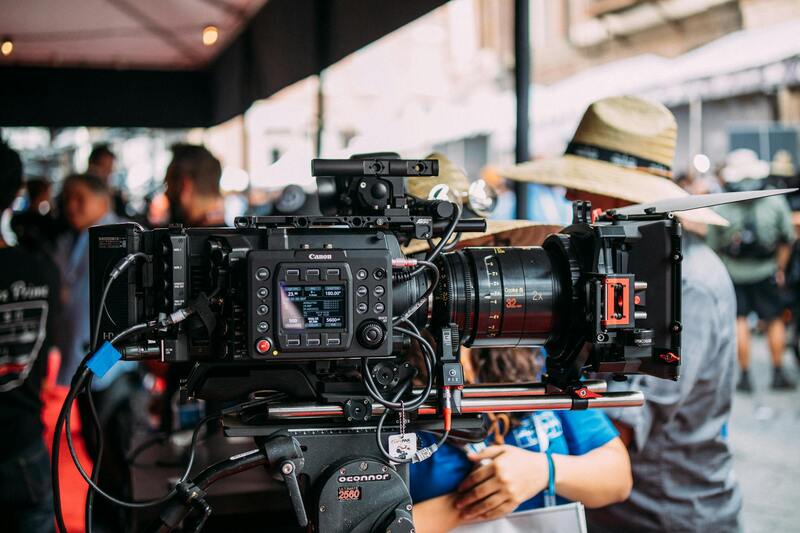
In professional livestream video production, the selection and integration of advanced equipment are fundamental to delivering seamless, high-quality broadcasts. This includes high-resolution cameras capable of capturing detailed visuals from multiple angles, allowing producers to create dynamic and engaging content. These cameras often feature features such as smooth pan, tilt, and zoom capabilities, which are essential for capturing different segments of live events effectively.
Audio quality is equally critical, requiring the use of professional-grade microphones—such as lavalier, shotgun, or boundary microphones—to ensure clarity and minimize background noise. An audio mixer may also be employed to balance multiple audio sources, providing consistent sound throughout the broadcast.
Encoding hardware and software serve as the bridge between the camera feed and the streaming platform. Hardware encoders are dedicated devices that compress and convert video signals into digital streams, while software encoders operate on computers, offering flexibility and customization. Platforms like Wirecast, vMix, and OBS Studio are popular choices for managing live streams, enabling producers to incorporate overlays, graphics, and multiple video sources in real-time.
Streaming platforms or services, such as YouTube Live, Facebook Live, or custom RTMP servers, facilitate content delivery to audiences worldwide. They offer features for monitoring stream health, analytics, and viewer interaction, ensuring content reaches the targeted audience effectively.
Complementing the core technology are peripheral devices like teleprompters, lighting setups, and switchers, which enhance the overall production quality. Proper integration and calibration of this equipment enable smooth switching between camera feeds, precise audio synchronization, and optimal visual presentation, key factors in maintaining viewer engagement throughout the event.
Pre-Production Planning and Strategy
Every successful livestream begins with meticulous planning. This phase includes defining clear objectives, understanding the target audience, and selecting the appropriate technology to meet the event’s needs. A detailed script or outline ensures that all participants know their roles and timing, minimizing on-air surprises.
Coordination with all stakeholders—content creators, technical staff, and on-camera talent—helps align expectations and establish effective communication channels. Pre-event rehearsals are vital, providing an opportunity to test equipment, execute camera cues, and troubleshoot potential issues before the live broadcast. Equipment checks are also a critical part of pre-production to confirm that all devices operate correctly, connections are secure, and backups are available. Additionally, selecting the right streaming platform, setting up necessary accounts, and preparing graphics or overlays in advance streamline the broadcast process.
It’s essential to develop a contingency plan to address potential technical issues or delays, ensuring the live stream maintains professionalism and minimizes disruptions for viewers. This comprehensive approach to pre-production establishes a strong foundation for a successful livestream that aligns with the organization’s goals and audience expectations.
Understanding Livestream Video Production
One of the most critical aspects of successful livestreams is the meticulous execution of the production process, which involves a combination of technical expertise, artistic vision, and real-time problem-solving skills. During the live event, the production team monitors multiple elements simultaneously, including camera angles, audio levels, and visual effects, ensuring that each component aligns seamlessly to deliver a polished viewing experience.
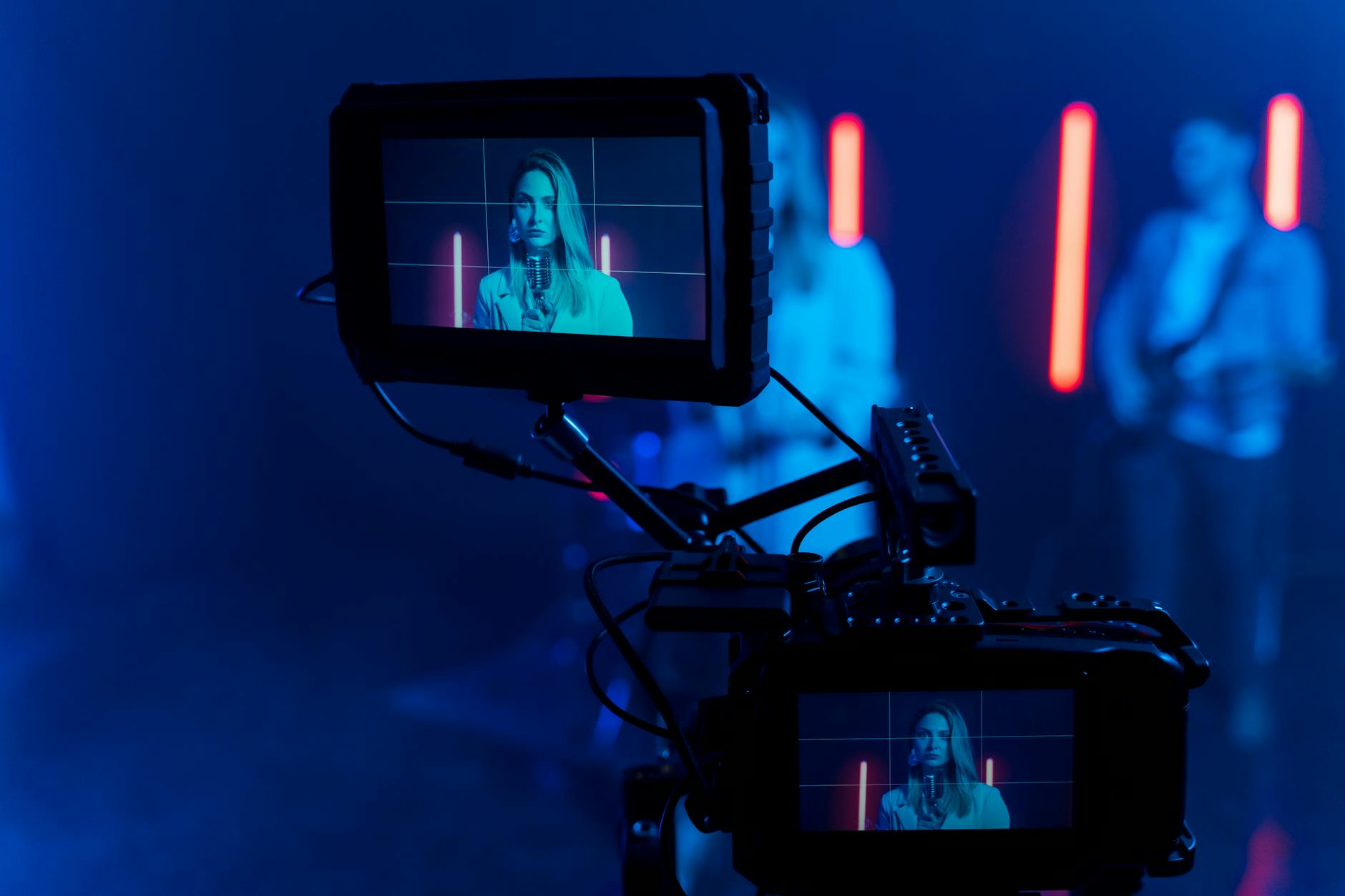
Effective coordination among camera operators, sound engineers, and directors is essential to respond swiftly to unfolding scenarios, adjust camera shots, and manage transitions smoothly. This coordination often involves real-time communication through headsets and monitoring screens, allowing the production crew to maintain a cohesive flow despite the dynamic nature of live content.
Lighting design also plays a pivotal role in enhancing the visual appeal of a broadcast, especially when filming in diverse locations or varied settings. Proper lighting ensures clarity, minimizes shadows, and highlights the on-camera talent, contributing to a professional look that resonates with viewers.
Integrating graphics, overlays, and lower thirds in real-time can significantly elevate the production quality. These visual elements convey additional information, showcase branding, or add visual appeal without disrupting the flow of the live event. Skillful use of these tools can result in a more engaging and informative broadcast for the audience.
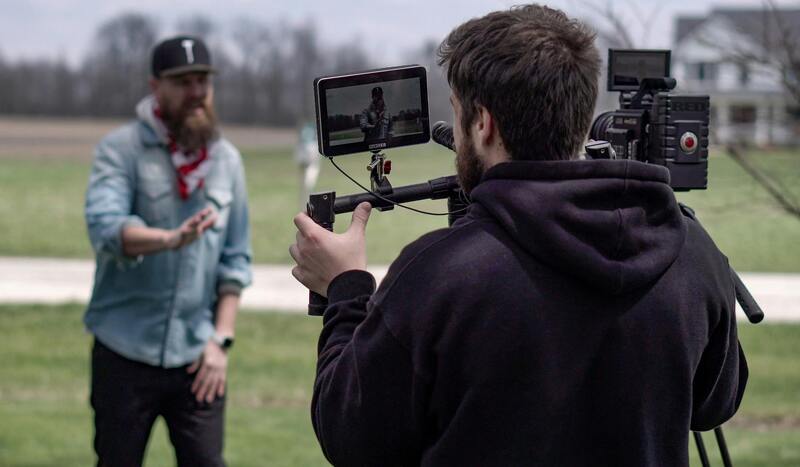
Managing the streaming platform is also a critical task during the live presentation. Producers ensure that the stream stays stable, error-free, and accessible across various devices and connection speeds. They continuously monitor the feed for glitches, buffering, or synchronization issues, swiftly resolving any technical challenges that arise to prevent viewer disruption.
Post-production editing can fine-tune the content for later distribution, including trimming segments, enhancing audio quality, and adding branding elements. Repurposing livestream content into shorter clips or highlights for social media expands its reach and extends the event’s lifespan, enabling audiences to engage with the content beyond the initial broadcast.
Implementing Reliable Streaming Protocols and Server Infrastructure
Achieving a seamless live broadcast relies heavily on the selection and configuration of the streaming protocols and server infrastructure. Protocols such as RTMP (Real-Time Messaging Protocol) are fundamental in transmitting high-quality video data from the production studio to the streaming platform. Ensuring that the streaming setup supports adaptive bitrate streaming allows viewers to receive the best possible quality based on their internet connection, preventing buffering and minimizing latency.
Robust server infrastructure, including content delivery networks (CDNs) and redundant streaming servers, plays a critical role in maintaining stream stability. Deploying multiple servers geographically distributed across various regions ensures that the stream remains accessible and resilient to regional outages or network congestion. Proper load balancing distributes incoming traffic efficiently, preventing any single server from becoming overwhelmed, which can cause interruptions or degraded video quality.
High-Quality Video Capture and Transmission
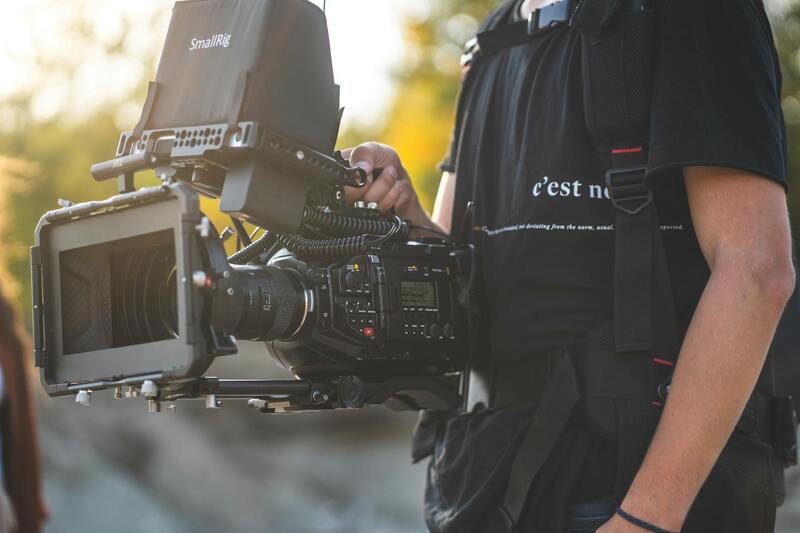
High-resolution cameras, combined with professional video switchers, form the core of the live production setup. Using 4K or at least 1080p resolution cameras ensures crisp visuals that appeal to viewers' expectations for clarity and detail. Properly managing camera framing, focus, and exposure is paramount for a professional presentation.
Transmission of the video signal from cameras to the production control room must preserve signal integrity. This is typically achieved via SDI (Serial Digital Interface) or HDMI connections, which provide stable, high-bandwidth links. Additionally, encoders convert the raw video feed into streamable formats, often H.264 or H.265 codecs, which encode the video efficiently for broadcasting over the internet while maintaining quality.
Audio Capture and Management
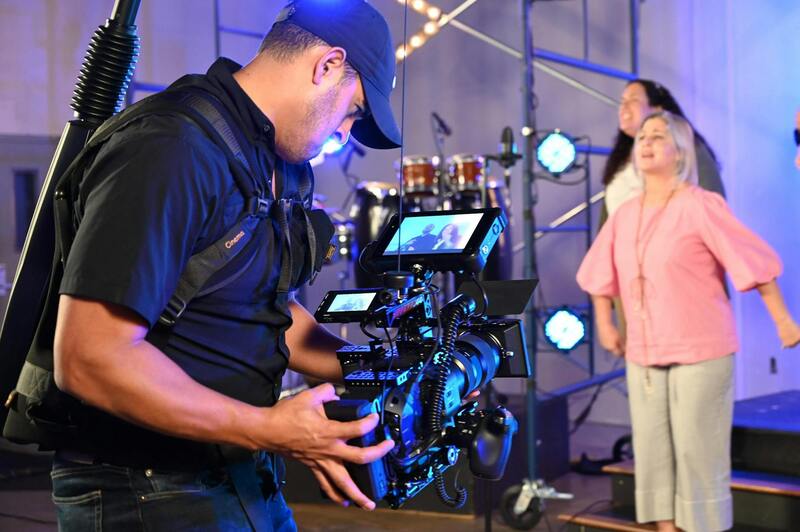
Clear audio is vital to a successful livestream, making the selection of microphones and audio processing equipment equally important. Directional microphones, lapel mics, or shotgun mics are commonly used to capture the spoken content, while audio mixers allow technicians to balance audio levels, reduce background noise, and add effects if necessary.
Monitoring audio continuously during the broadcast ensures that sound quality remains consistent and free of distortions. Digital audio interfaces and mixing consoles facilitate real-time adjustments, which are crucial in dynamic live scenarios where on-the-fly changes may be required.

Live Switching and Video Mixing
A production switcher, or vision mixer, allows operators to seamlessly transition between multiple video sources, add graphic overlays, and incorporate special effects in real-time. This capability enhances the visual storytelling of the live event, making it more engaging for the viewers. Skilled switching ensures that visuals are aligned with the event flow, whether showcasing speakers, product demos, or behind-the-scenes footage.
Modern switchers often support multi-view monitoring and integration with streaming software, providing a comprehensive control interface that simplifies live production management.

Handling Live Interactions and Engagement
Engaging with the live audience through live chats, polls, or Q&A sessions can significantly boost viewer interaction and retention. Dedicated operators manage these interactions in real-time, filtering questions and integrating audience feedback into the live stream. This enhances the sense of community and makes the event more interactive.
Incorporating live graphics, branding elements, and real-time updates also requires meticulous coordination to ensure they do not distract or interfere with the core content. Proper management of these components is essential for maintaining a smooth broadcast flow and delivering a memorable experience for viewers.
Ensuring Authenticity and Security During Livestreams
Maintaining security and authenticity in livestream video production is paramount to ensure a professional and trustworthy broadcast. Establishing secure connections through encrypted streaming protocols prevents unauthorized access and tampering, safeguarding the integrity of the content. Employing dedicated streaming servers or content delivery networks (CDNs) designed for high bandwidth and resilience ensures smooth delivery, minimizing risks of interruptions or unauthorized interference.
Implementing multi-factor authentication for operators and moderators enhances control over who manages editing, switching, and live interactions. Secure login credentials and access controls limit exposure to potential disruptions or disruptions from malicious actors. Additionally, real-time monitoring systems enable the technical team to detect anomalies or unauthorized activity, allowing swift action to mitigate risks.
Quality Assurance and Testing
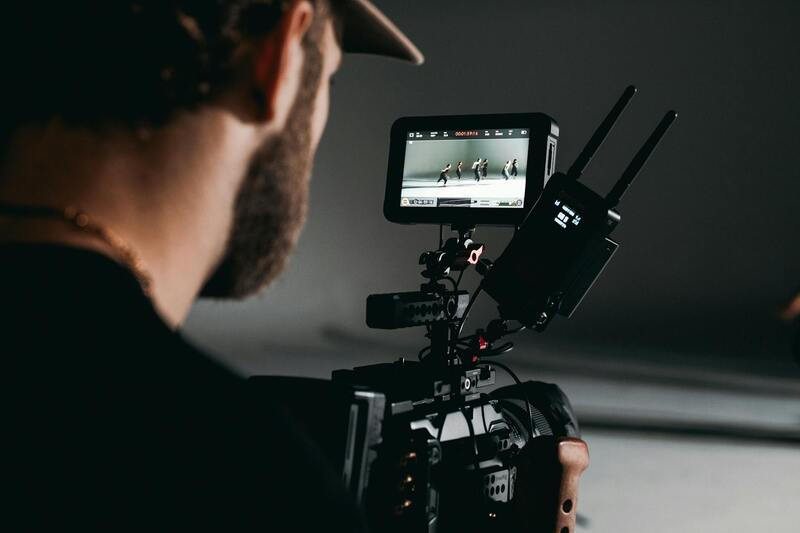
Before going live, comprehensive testing of all equipment and software components is essential. This includes evaluating audio and video synchronization, checking streaming bandwidth capacity, and verifying that all visual overlays and graphics display correctly. Run-throughs help identify potential issues, allowing adjustments to be made in advance to prevent disruptions during the live event.
Audio clarity significantly influences viewer satisfaction. Conducting sound checks with microphones, mixers, and external audio feeds ensures optimal clarity and volume consistency. Testing different camera angles, lighting conditions, and graphics integration helps create a seamless visual experience that aligns with the event's tone.
Training and Staffing
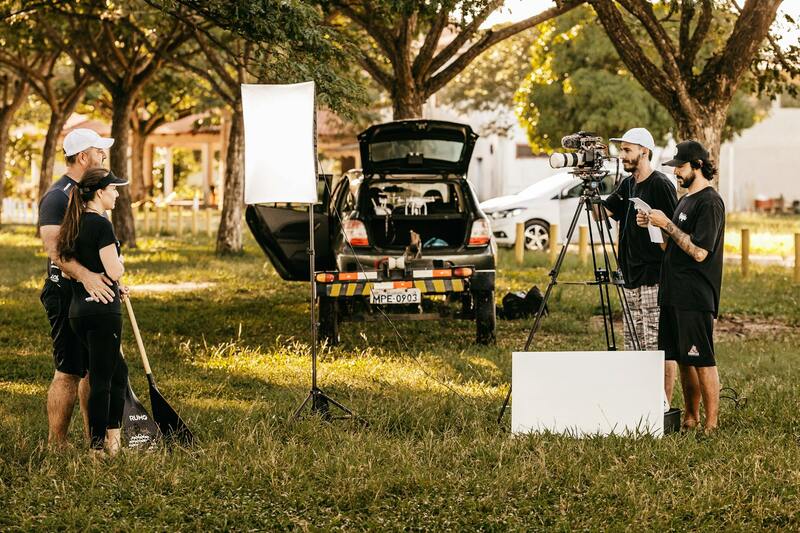
Professional livestreams rely heavily on skilled personnel trained in live production techniques. This includes camera operators, video switchers, audio engineers, and moderators who understand the flow of the event and the specific requirements of the broadcast. Proper training ensures that staff can operate equipment efficiently, troubleshoot technical issues swiftly, and adapt to unforeseen circumstances during the live stream.
Scheduling rehearsals allows the team to familiarize themselves with the event's itinerary and test all transitions, graphics, and interactions. This preparation reduces on-air errors and enhances overall broadcast quality by fostering a coordinated effort among technical staff and presenters.
Implementing Reliable Streaming Protocols and Platforms
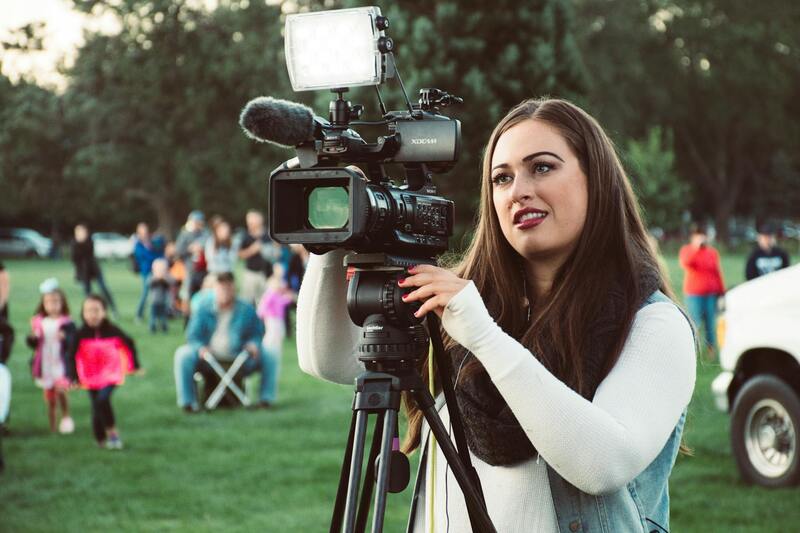
To ensure smooth and uninterrupted delivery of live video content, selecting the appropriate streaming protocols and platforms is paramount. The most commonly utilized protocols include Real-Time Messaging Protocol (RTMP), Hypertext Transfer Protocol Live Streaming (HLS), and Dynamic Adaptive Streaming over HTTP (DASH). Each serves a unique purpose, with RTMP often used for ingest, while HLS and DASH are preferred for distribution to end-users due to their ability to adapt quality based on network conditions.
Choosing a robust Content Delivery Network (CDN) is critical for reaching large audiences without buffering delays or interruptions. CDNs distribute streaming data across multiple servers geographically dispersed, reducing latency and improving stream stability. When partnering with a livestream production provider, confirm their use of reputable CDN services that offer extensive global coverage and high bandwidth capacity.
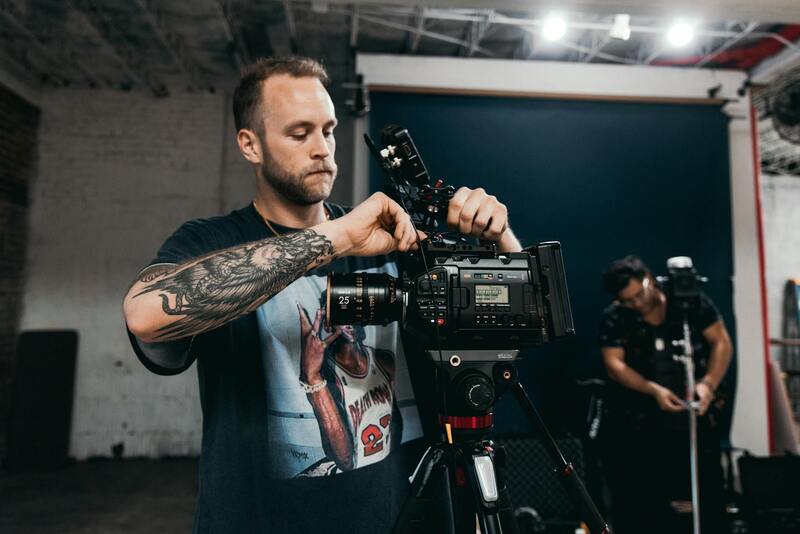
Another vital aspect involves implementing secure streaming solutions. Encrypting live streams with Secure Real-Time Protocol (SRTP) or Transport Layer Security (TLS) ensures protection against unauthorized access and content piracy. Moreover, authentication measures such as token-based access control and IP whitelisting can further safeguard the broadcast, especially for exclusive or proprietary events.
Utilizing Advanced Video Encoders and Transcoders
High-quality video encoding is essential for delivering crisp visuals and optimal streaming performance. Modern encoders compress raw video signals into formats suitable for internet broadcast, often supporting multiple resolutions and bitrates simultaneously. This flexibility allows viewers on different devices and network conditions to access the stream seamlessly.
Transcoders dynamically adapt the video stream, changing the resolution and bitrates in real-time based on viewer bandwidth. This adaptive streaming technology enhances viewer experience by minimizing buffering and maintaining picture quality, regardless of their internet connection stability.
Implementing Redundancy and Failover Systems
To mitigate potential disruptions during a live event, it is critical to incorporate redundancy within the streaming infrastructure. This involves setting up backup encoders, internet connections, and servers that can automatically take over if the primary system encounters issues. Redundancy ensures continuous streaming even in unforeseen circumstances, safeguarding the event's impact and reputation.
Failover configurations typically include automated scripts that detect stream interruptions and switch to standby sources instantaneously. Additionally, real-time monitoring tools provide immediate alerts for technical anomalies, enabling proactive intervention before viewers experience disruptions.
Conclusion
Implementing official and robust streaming methods forms the backbone of a successful livestream video production. From choosing reliable protocols and content delivery networks to utilizing advanced encoders and establishing fail-safe redundancies, these technical essentials guarantee a high-quality, secure live broadcast. Partnering with experienced producers who prioritize these legitimate practices ensures that your Miami-based events reach audiences with professionalism and technological excellence.
Implementing Multiple Streaming Protocols for Reliability
Ensuring a smooth live broadcast involves utilizing multiple streaming protocols that work concurrently to deliver content efficiently across various devices and network conditions. HTTP Live Streaming (HLS) and Dynamic Adaptive Streaming over HTTP (DASH) are widely adopted protocols in professional livestream video production. These protocols enable adaptive bitrate streaming, dynamically adjusting the quality of the video based on the viewer's bandwidth, which minimizes buffering and provides a seamless viewing experience. Implementing these protocols allows broadcasters to reach a broader audience, including viewers with limited or fluctuating internet speeds.
During setup, a multi-bitrate stream is encoded and simultaneously sent via different protocols. The streaming server or content delivery network (CDN) manages the distribution, intelligently switching between streams to optimize viewing quality in real-time. This approach helps maintain uninterrupted service even during sudden network issues, proving essential for high-stakes live events where viewer satisfaction is paramount.
Utilizing Content Delivery Networks (CDNs) for Global Reach
Content Delivery Networks (CDNs) play a crucial role in distributing high-quality livestream content efficiently. By caching streams at multiple geographically dispersed servers, CDNs reduce latency and alleviate network congestion, ensuring fast content delivery to viewers regardless of location. For events hosted in Miami, leveraging a CDN with nodes in key regions can dramatically improve access speeds and stability for local and international audiences alike.
Partnering with a reputable CDN provider involves selecting a service that offers robust security measures, scalable bandwidth options, and real-time analytics. These analytics offer insights into viewership patterns, buffering issues, and geographic distribution, facilitating continuous optimization of the stream. Effective CDN integration is a vital step in guaranteeing a reliable, high-fidelity livestream experience.
Implementing Encryption and Security Measures
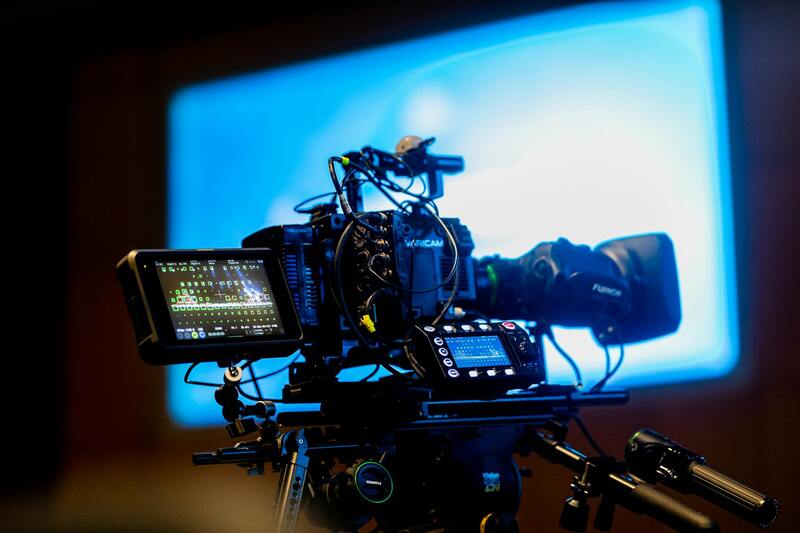
Protecting live stream content from unauthorized access is paramount in professional video production. Employing encryption protocols such as Secure Real-time Transport Protocol (SRTP) and TLS encrypts the data transmitted between encoders, servers, and viewers, preventing interception and tampering. Additionally, integrating Digital Rights Management (DRM) systems enables content owners to control how and where their streams are accessed.
Security measures extend to network architecture, where firewalls, Virtual Private Networks (VPNs), and strict access controls safeguard production infrastructure. Regular security audits, including vulnerability assessments and real-time threat monitoring, help identify potential weaknesses. These practices ensure a secure environment for live broadcasts, reinforcing viewer trust and content integrity.

Automation and Monitoring for Seamless Broadcasts
Advanced automation tools streamline the livestream production workflow, from encoding and switching to real-time monitoring. Automated failover systems detect issues such as encoder failures or network drops and switch to backup sources with minimal latency, ensuring continuous broadcast flow. Coupled with comprehensive monitoring dashboards, technical teams receive immediate alerts on potential disruptions, allowing swift responses to technical anomalies.
This proactive approach minimizes downtime and mitigates the risk of degraded quality, elevating the professionalism of the event. Automation also allows for scheduled start times, predetermined scene changes, and integration of graphics, making the production more dynamic and engaging without extensive manual intervention.
Advanced Techniques for Effective Livestream Video Production
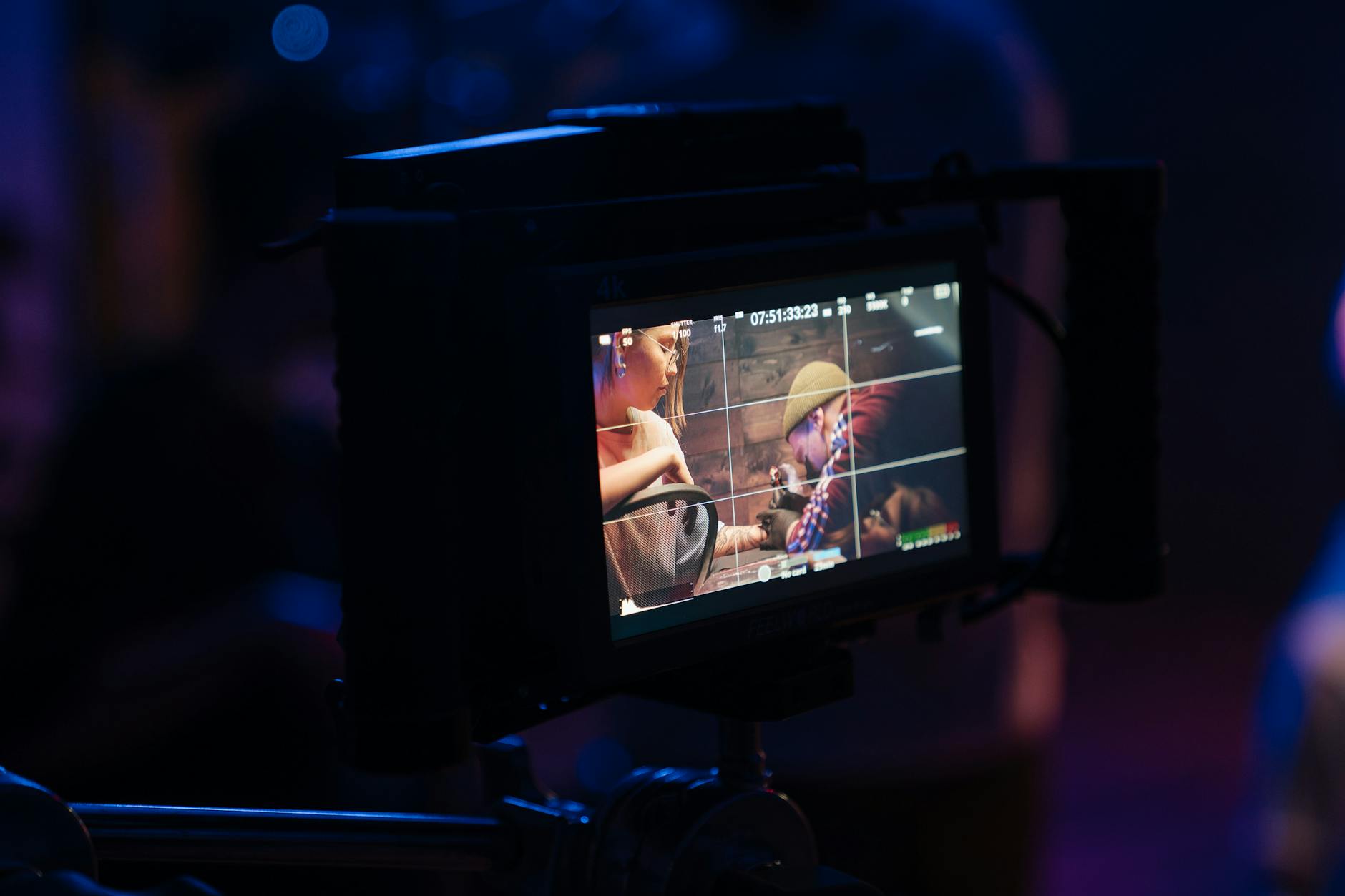
Implementing sophisticated methods to enhance the quality and reliability of livestreams is essential for engaging audiences in Miami's dynamic event landscape. One such technique is the integration of remote guest participation, which involves deploying high-quality multi-camera setups with encrypted feeds to ensure seamless interaction. Utilizing professional-grade communication platforms allows remote speakers and performers to be integrated smoothly into the live broadcast, maintaining synchronization and minimizing latency.
Another critical aspect is multi-platform streaming, where the feed is simultaneously transmitted across different social media channels and dedicated streaming platforms. This approach broadens reach and caters to diverse viewer preferences. To manage this efficiently, content delivery networks (CDNs) equipped with adaptive bitrate streaming are employed, which optimize the viewing experience based on each viewer's internet speed and device capabilities.
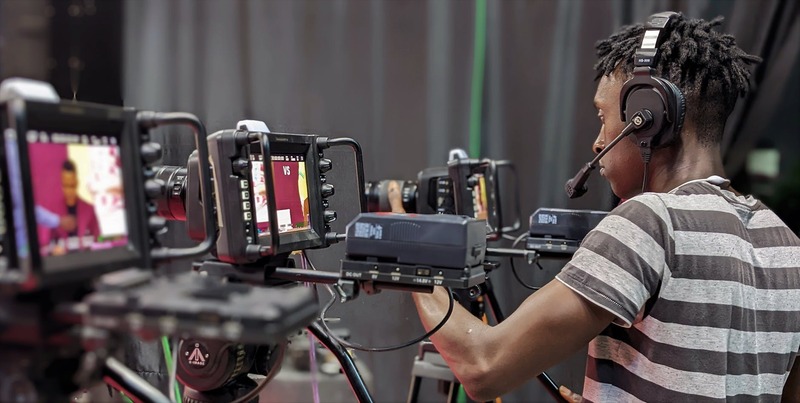
High Dynamic Range (HDR) and 4K resolution are increasingly being adopted in Miami livestreams, providing sharper visuals and richer colorDepths. These technologies require robust encoding hardware and optimized pipelines to prevent lag and buffering, especially when streaming at high bitrates. Pairing these visual enhancements with professional audio capture, including multiple microphones with noise suppression, elevates the production quality and viewer immersion.
In addition to equipment, implementing real-time data analytics during broadcasts allows producers to monitor viewer engagement metrics, such as viewer counts, interaction rates, and geographic data. This live feedback loop enables dynamic content adjustments, such as loading additional graphics or switching camera angles, to maximize audience retention.
Ensuring Content Security and Compliance
Maintaining the integrity and security of livestream content is a top priority. Techniques such as digital watermarking can subtly embed identifiable markers into the video feed, assisting in tracing the origins of any unauthorized recordings or transmissions. Encryption remains a cornerstone, with streamers using Secure Real-Time Protocol (SRTP) or other robust methods to prevent interception and unauthorized access.
To streamline content distribution while safeguarding intellectual property, license management systems are employed. These systems control who can access the stream, at what times, and under what conditions, ensuring compliance with contractual agreements and content rights.
Training and Skill Development for Livestream Teams
As livestreaming technology evolves, continuous training for production staff is essential. Miami-based production teams often participate in workshops and certification courses focusing on the latest broadcasting tools, security protocols, and troubleshooting techniques. Mastery of these skills ensures that every broadcast meets high standards, providing viewers with a smooth and engaging experience.
Incorporating real-time troubleshooting protocols and checklists into the production workflow helps teams respond swiftly to technical challenges, such as audio discrepancies or connection issues. Regular rehearsals, including equipment tests and run-throughs, are fundamental for identifying potential glitches before the live event.