Overview of Live Streaming Video Production
Live streaming video production services encompass the comprehensive planning, setup, and execution of broadcasting live events over the internet. These services enable organizations, venues, and individuals to reach wide audiences in real-time, providing an immersive and engaging viewing experience. Utilizing advanced broadcasting equipment, skilled technical crews, and robust streaming platforms, professional live streaming aims to deliver high-quality video content seamlessly across various devices and networks.
By integrating multiple video sources, including cameras, computer feeds, and multimedia elements, live streaming production creates a dynamic presentation that can include real-time graphics, overlays, and interactive components. The primary goal of these services is to ensure that the broadcast remains stable, visually appealing, and synchronized, regardless of the complexity or scale of the event.
In corporate environments, live streaming plays an essential role in broadcasting conferences, product launches, webinars, and meetings. For entertainment, it enhances concerts, sports events, and festivals, offering viewers a first-rate experience from remote locations. As more organizations recognize the value of digital engagement, the demand for reliable live streaming video production services continues to grow.
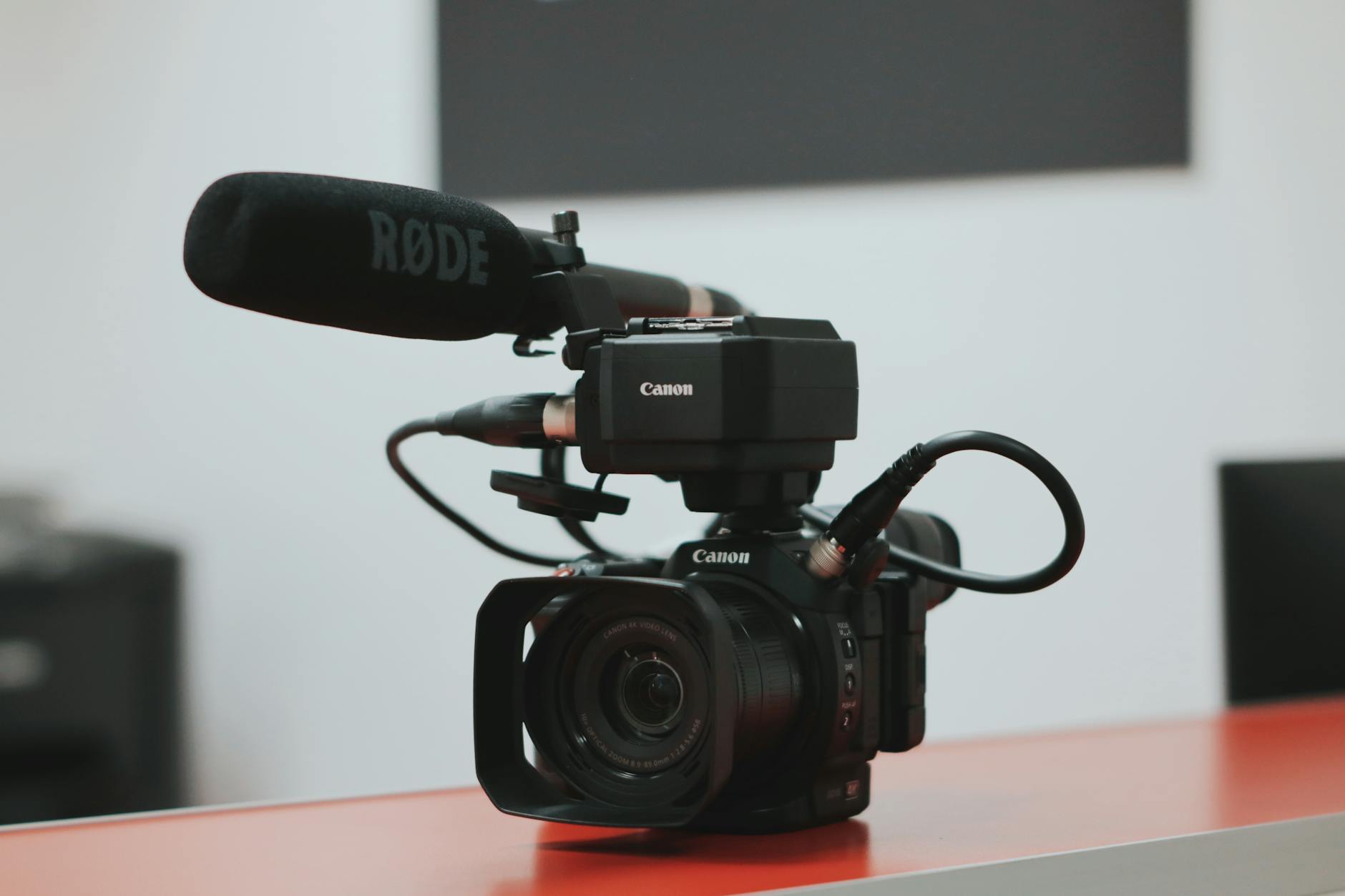
Quality production involves meticulous coordination between the technical crew, content creators, and on-site personnel. This team manages all aspects, including camera operations, audio-visual integration, encoding, streaming platform setup, and audience interaction tools. With resilient backup systems and live troubleshooting capabilities, professional services guarantee minimal disruptions during live broadcasts.
Organizations seeking to leverage live streaming as part of their communication strategy benefit significantly from professional services. These services elevate the perceived quality of broadcasts, broaden reach, and facilitate real-time interaction with audiences, thus enhancing overall engagement and brand visibility.
Key Components of Live Streaming Production
- Video Capture Equipment: High-definition cameras capable of delivering crisp visuals suitable for large screens and mobile devices.
- Audio System: Clear and balanced sound input and output to ensure audience comprehension and engagement.
- Streaming Software and Hardware: Encoders and platforms that facilitate live data transmission with minimal latency.
- Production Crew: Skilled technicians managing camera angles, graphics, switching, and quality control.
- Network Infrastructure: Reliable internet connections with adequate bandwidth to handle high data flow and prevent buffering issues.
- Graphics and Interactive Elements: On-screen overlays, lower thirds, and real-time engagement features to enrich the broadcast experience.
Each component plays a critical role in ensuring a professional and smooth live stream, capable of meeting the specific needs of diverse events and audiences.
Core Elements of Professional Live Streaming Video Production
Achieving high-quality live streaming content requires precise coordination of multiple technical and creative elements. The foundation begins with robust camera systems, typically high-definition and capable of capturing detailed visuals across various lighting conditions. Multiple camera angles add depth and professionalism to the broadcast, allowing directors to switch seamlessly between different perspectives for a dynamic viewer experience.
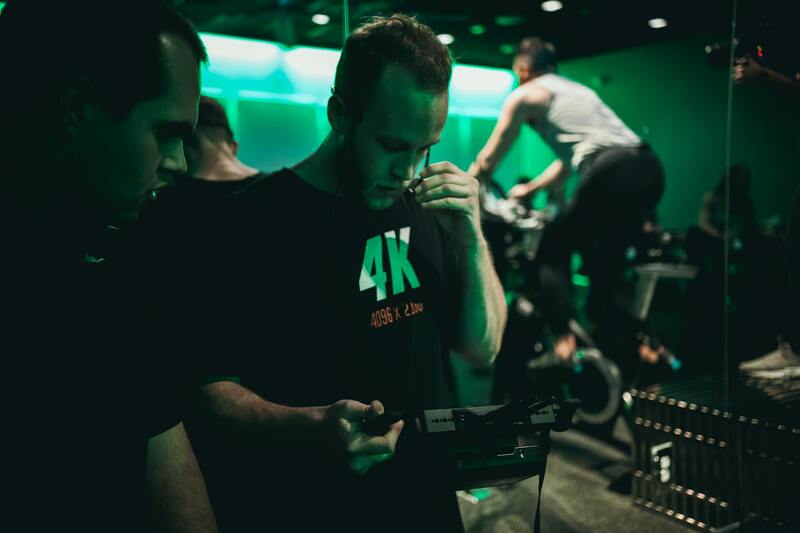
Complementing the visual setup is a sophisticated audio system that ensures clear, balanced sound. Microphones, mixers, and audio processors work together to eliminate background noise, prevent feedback, and deliver a natural soundscape. Well-calibrated audio enhances comprehension and keeps viewers engaged throughout the live event.
Lighting plays a pivotal role in optimizing image quality. Proper lighting not only accentuates set design and presenters but also minimizes shadows and glare, resulting in visually appealing streams. Using a combination of key lights, fill lights, and backlights creates a balanced environment conducive to high-quality video output.
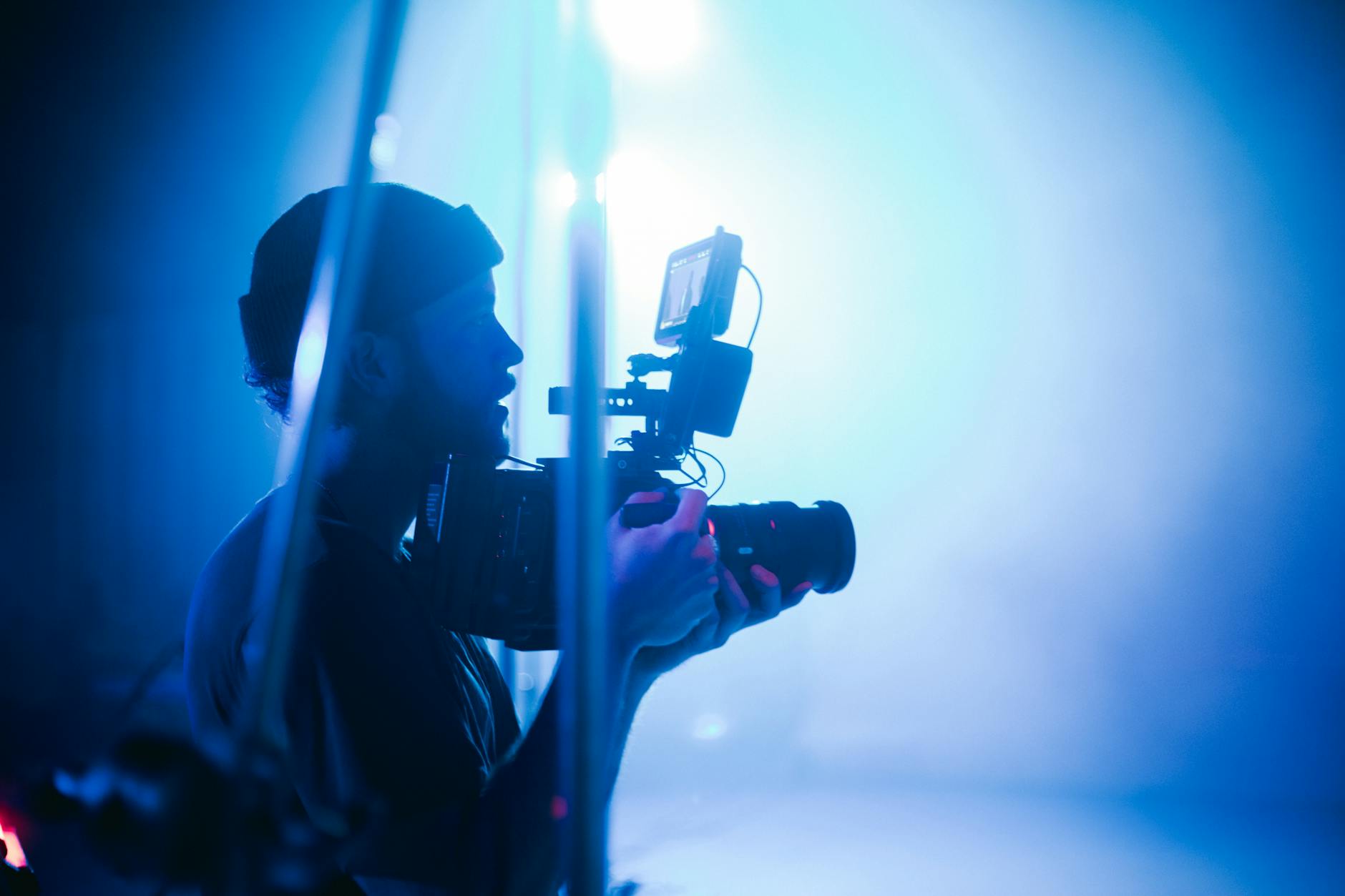
At the heart of the technical infrastructure are streaming platforms and hardware encoders. These devices efficiently convert audio-visual signals into digital data suitable for transmission over the internet. They manage encoding settings, bandwidth adjustments, and streaming protocols, ensuring minimal latency and smooth data flow.
Behind the scenes, a skilled production crew monitors every aspect of the broadcast. Camera operators, director, graphics operators, and technicians coordinate to manage shot composition, transitions, on-screen overlays, and troubleshoot real-time issues. Their expertise ensures that technical hiccups are addressed swiftly, maintaining broadcast flow.
Reliable network infrastructure is non-negotiable. High-speed internet connections with maximum available bandwidth prevent buffering and dropped streams. Redundant internet solutions, such as backup connections or cellular data, serve as fail-safes during critical live events.
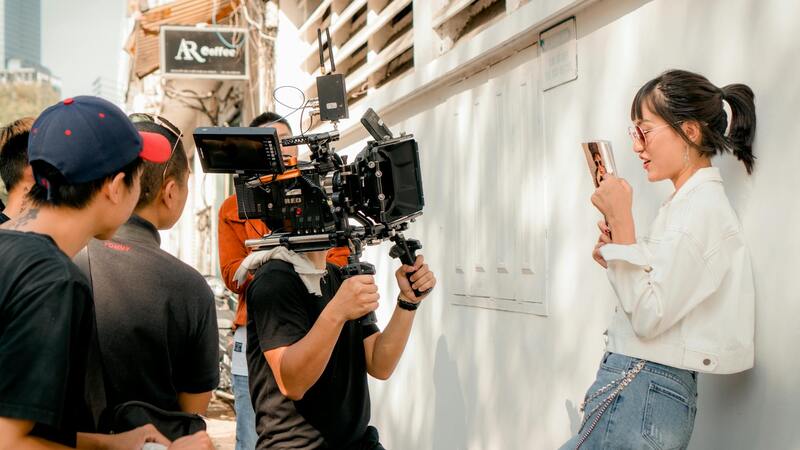
Interactive features like on-screen graphics, real-time viewer engagement tools, and live chat integrations heighten viewer interaction. These elements not only enhance the audience experience but also provide valuable feedback opportunities for organizers. Incorporating dynamic overlays, lower thirds, and live polls makes broadcasts more engaging and professional.
Key Technical Components in Live Streaming Production
- Cameras: High-definition, multiple angles, remote PTZ cameras for flexibility.
- Audio Equipment: Lavalier and shotgun microphones, mixers, audio processors.
- Lighting: Softboxes, LED panels, adjustable lights for consistent illumination.
- Encoding Hardware and Software: Hardware encoders, live streaming software platforms.
- Graphics and Overlays: Lower thirds, branding elements, real-time data display.
- Network Infrastructure: High-bandwidth internet, backup connections.
- Production Crew: Directors, camera operators, audio/video technicians.
Each component's integration is essential to produce a polished, professional live stream that can be tailored to a variety of event types and scales, ensuring the content reaches audiences with clarity and impact.
Overview of Live Streaming Video Production
Live streaming video production is a complex process that involves meticulous planning and execution to deliver real-time content to viewers across various platforms. It encompasses everything from pre-production logistics to the technical operations during the broadcast, requiring a seamless integration of hardware, software, and skilled personnel. With the increasing demand for engaging online content, live streaming has become an essential tool for organizations, brands, and content creators seeking to connect visually with their audiences in authentic and interactive ways.
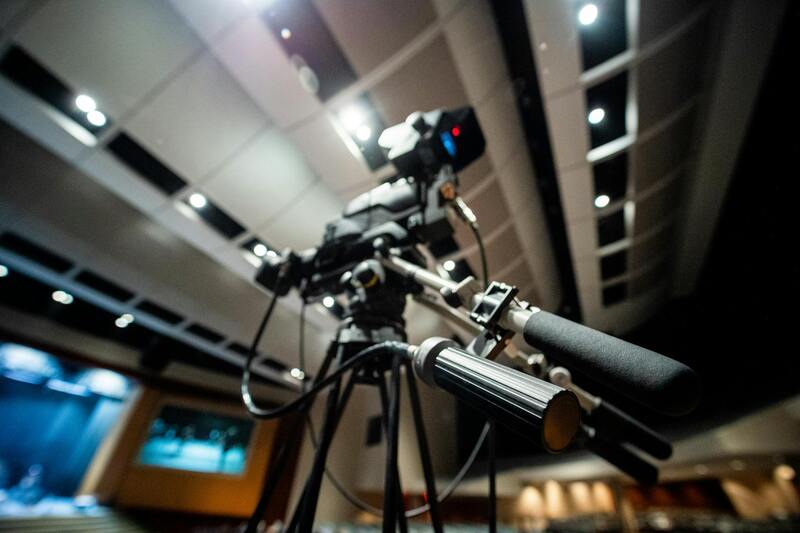
Effective live streaming production ensures high-quality delivery, minimal latency, and engaging viewer experiences. This is achieved through advanced technical infrastructure, skilled crew members, and strategic planning. As the content needs evolve, so do the technologies and methodologies involved, making it crucial to comprehend the core elements that contribute to successful live streaming initiatives.
Key Components of Live Streaming Production
Understanding the building blocks of live streaming production highlights its complexity and the importance of professionalism in execution. The integration of these elements results in a polished, reliable broadcast that captivates audiences and accurately represents the brand or event's essence.
Networking and Internet Connectivity
At the core of any live streaming operation lies the quality and stability of the internet connection. High broadband speeds with high upload bandwidth are critical to transmitting HD or 4K video streams without buffering or interruptions. Redundant internet pathways, such as secondary connections or cellular data, are configured to automatically take over if primary links experience failures, ensuring an uninterrupted broadcast. Proper network management minimizes latency and packet loss, maintaining broadcast stability even in high-demand situations.
Cameras and Video Capture Technology
Utilizing multiple cameras allows for dynamic shot selection and visual variety. High-definition professional-grade cameras, including remote-controlled PTZ (pan-tilt-zoom) units, enable operators to switch angles seamlessly and remotely. This flexibility enhances viewer engagement and provides a cinematic feel to the live stream, whether capturing an expansive stage setup or close-ups for detailed content.
Audio Systems and Sound Engineering
Clear, crisp audio is vital for a compelling broadcasting experience. Lavalier microphones offer mobility for speakers, while shotgun microphones provide focused sound capture in noisy environments. Mixing consoles and audio processors dynamically balance sound levels, suppress background noise, and deliver a professional auditory experience. Proper placement and calibration of audio equipment guarantee that viewers hear every word and nuance accurately, reinforcing the authenticity of the broadcast.
Lighting and Environment Control
Lighting plays a crucial role in ensuring visual clarity and mood setting. Adjustable LED panels, softboxes, and other professional lighting fixtures are used to illuminate subjects uniformly. Proper lighting not only enhances image quality but also helps prevent flickering or shadows that could distract viewers. Environmental considerations, like controlling ambient light and reflections, further optimize the visual experience.
Encoding Hardware and Streaming Platforms
Encoding hardware devices or software solutions compress and convert video feeds into formats suitable for online transmission. These encoders manage data rates, resolutions, and streaming protocols, allowing for efficient delivery to multiple platforms such as social media, company websites, or dedicated streaming services. Compatibility and scalability of encoding solutions enable live streams to adapt to varied event sizes and audience demands.
Graphics, Overlays, and Interactive Features
Augmenting live broadcasts with graphics, lower thirds, branding, and real-time data enhances professionalism and viewer engagement. Interactive elements like live polls, Q&A, and viewer chat foster audience participation and make events more memorable. Dynamic overlays can display sponsorships, event information, or social media handles, adding layers of value and branding consistency throughout the stream.
Production Crew and Technical Support
A team of experienced professionals, including directors, camera operators, audio technicians, and technical support staff, coordinates the various elements to ensure smooth production flow. Their expertise in problem-solving, timing, and technical adjustments is essential, especially during live events where swift responses to unforeseen issues are vital.
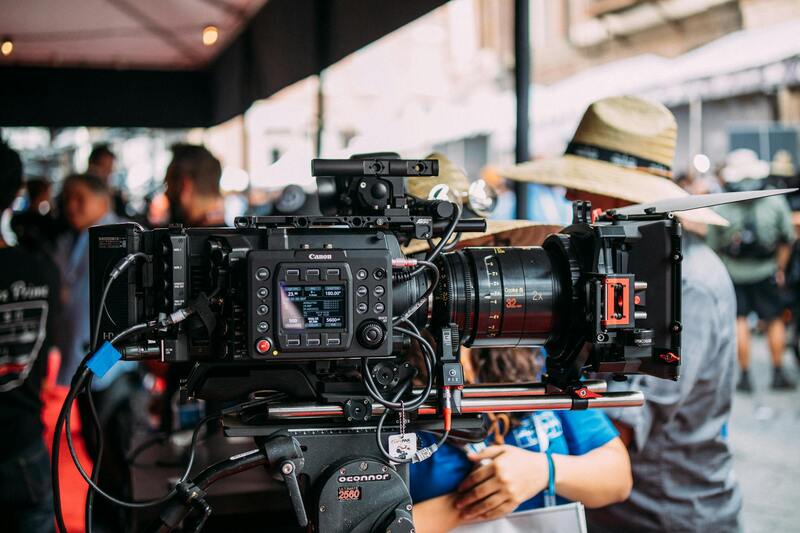
Integrating these components across a well-structured workflow guarantees the production of high-quality live streams. Each element plays a vital role in delivering an engaging, stable, and professional viewer experience that effectively communicates the intended message and sustains audience interest throughout the broadcast.
Overview of Live Streaming Video Production
Live streaming video production has become an essential tool for organizations, brands, and creators seeking to reach audiences in real-time with high-quality content. This process involves capturing live footage, processing it through encoding software or hardware, and transmitting it over the internet to viewers across various platforms. Professional live streaming services ensure that each phase—from pre-production planning through to broadcast execution—is meticulously managed to deliver uninterrupted, crystal-clear streams. The sophistication of these services allows clients to customize their broadcasts with branding, graphics, and interactive features, elevating audience engagement and message clarity.
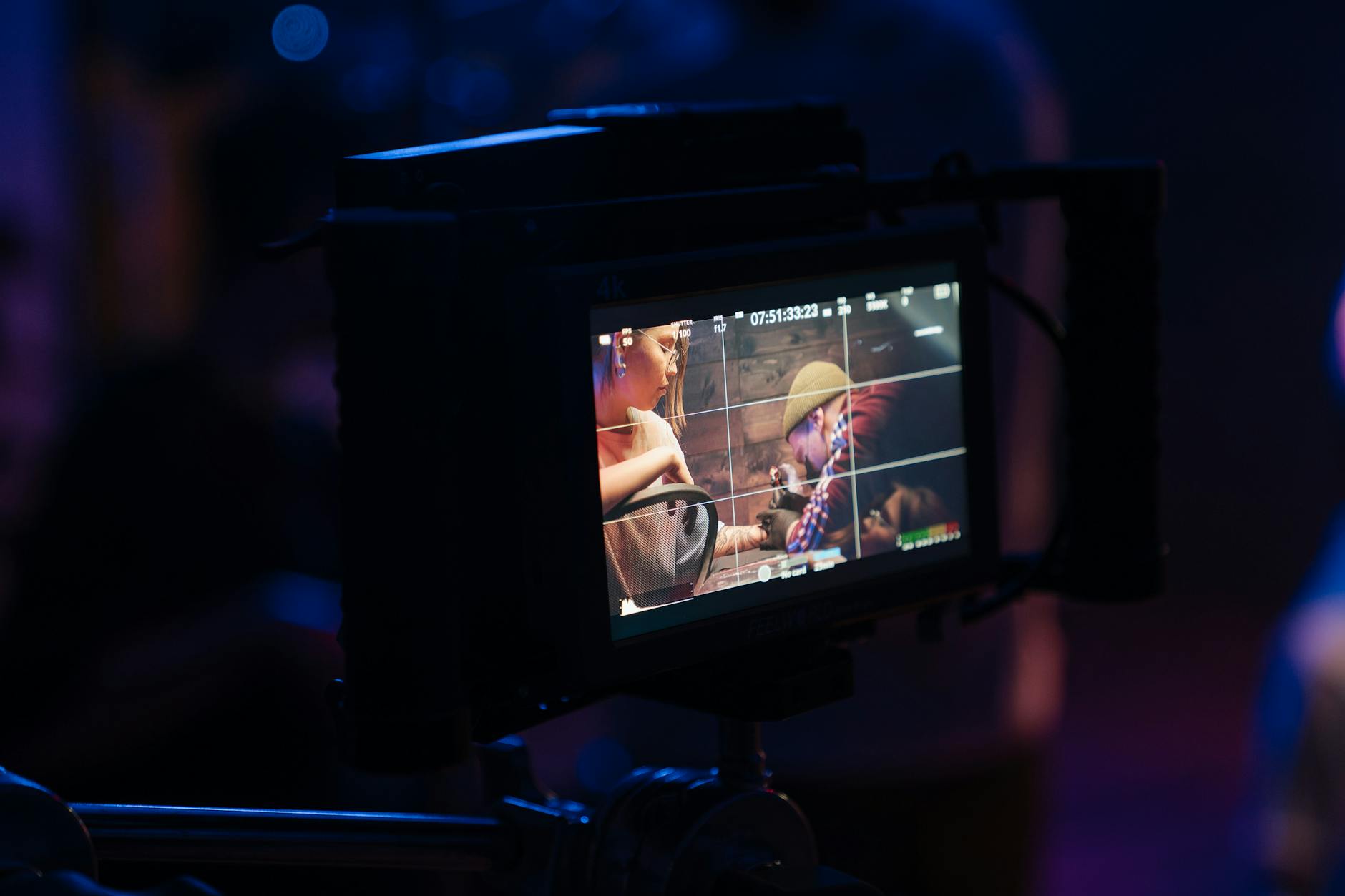
Key Components of Live Streaming Production
Executing a successful live stream involves multiple interconnected components that must work in harmony. These include:
- Pre-Production Planning: Defining the event's objectives, logistics, and technical requirements, including venue setup, camera placements, and internet stability checks.
- High-Quality Capture Devices: Utilization of professional cameras and microphones to ensure crisp visuals and clear audio, which are crucial for viewer retention.
- Encoding and Streaming Hardware/Software: Selection of reliable encoders that convert video signals into live streams compatible with various platforms such as social media or dedicated servers.
- Graphics and Interactive Elements: Integration of overlays, branding, real-time statistics, and viewer engagement tools to make the broadcast more dynamic and memorable.
- Production Crew and Technical Support: Skilled professionals managing camera switching, audio mixing, and broadcast quality control to address issues promptly and maintain stream stability.
- Delivery Platform: Choice of streaming venues—be it social media, corporate websites, or specialized streaming services—optimized for audience size and event type.
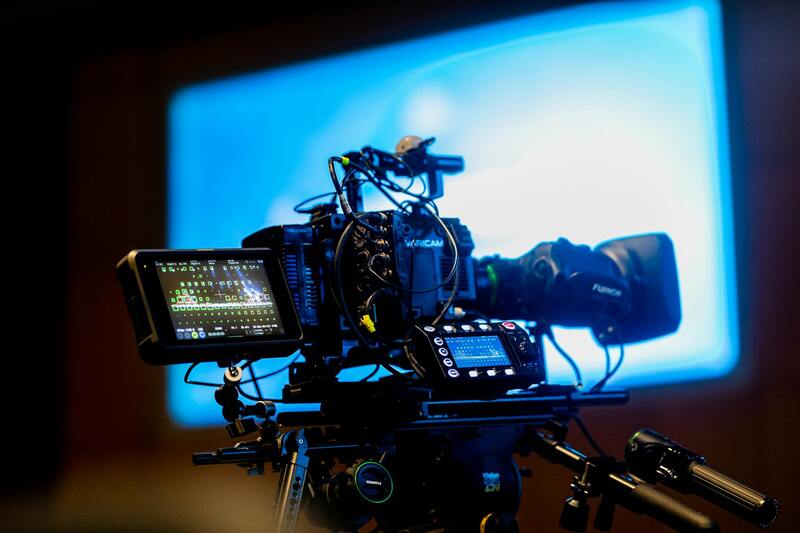
Maintaining Quality and Reliability
Reputability in live streaming hinges on minimizing latency, avoiding buffering, and ensuring high-definition output. This is achieved through robust internet connections, redundant streaming paths, and real-time monitoring. Advanced compression technology allows high-quality streams to be transmitted efficiently, even in bandwidth-constrained environments. Furthermore, comprehensive testing of the entire setup before the event helps identify potential issues, ensuring a smooth broadcast without disruptions.
Advantages of Hiring Professional Live Streaming Services
Partnering with experienced service providers offers numerous benefits:
- Technical Expertise: Access to specialized knowledge in video production, encoding settings, and troubleshooting.
- High Production Value: Use of professional equipment and crew elevates the overall quality and credibility of the broadcast.
- Time and Resource Efficiency: Outsourcing complex technical tasks allows clients to focus on content and audience engagement rather than logistics.
- Scalability and Flexibility: Customized solutions accommodate small meetings or large-scale events, ensuring the right setup for each occasion.
- Post-Event Analytics: Detailed reports on viewer metrics and engagement help refine future streaming strategies and enhance ROI.
By choosing seasoned professionals in Miami, organizations ensure their live streams are produced seamlessly, with superior audiovisual quality and comprehensive technical support. This dedication to excellence results in increased viewer engagement and a more impactful message dissemination.
Visual Enhancements to Elevate Broadcasts
Incorporating visual elements such as animated graphics, lower thirds, and branded overlays can significantly enhance viewer experience. Interactive features like live polls, Q&A sessions, and comment integrations foster direct audience participation, transforming passive viewers into active participants. Dynamic overlays that display sponsorships or event timelines continue to add value and visibility throughout the broadcast, reinforcing branding and promotional efforts.
The Live Streaming Production Process
Executing a successful live streaming event involves a meticulous production process that ensures high-quality delivery and audience engagement. This process typically begins with comprehensive planning, where the production team collaborates closely with clients to understand their objectives, target audience, and content requirements. Detailed pre-production planning includes selecting suitable locations, determining camera angles, lighting setups, and audio configurations tailored to the event's scope.
Once the planning phase is complete, the focus shifts to technical setup. This involves deploying professional-grade cameras, encoders, switchers, and audio equipment to capture and transmit the content seamlessly. Skilled technicians execute tests to verify signal strength, video quality, and audio clarity, addressing potential issues before the live event begins. Advanced streaming hardware and reliable internet connectivity are crucial at this stage, often supplemented with backup solutions to mitigate disruptions.

During the live broadcast, the director and technical crew manage the production in real-time, switching between camera feeds, adjusting audio levels, and adding graphics or overlays to enhance visual appeal. Coordinating with on-screen talent and sponsors ensures a cohesive presentation that aligns with branding and messaging goals. Effective communication systems are vital for maintaining smooth operation, especially during complex multi-camera setups or interactive segments.
Post-broadcast, the production team conducts an in-depth review, analyzing viewer metrics, stream stability, and overall quality. These insights help to refine future workflows and troubleshoot any issues encountered during the live event. The delivery of recorded footage and detailed analytics reports provides clients with valuable data for evaluating their outreach effectiveness.
Key Elements of a Successful Live Streaming Workflow
- Pre-Production Planning: Define objectives, content format, and technical requirements.
- Equipment Setup: Deploy professional cameras, audio, lighting, and encoding hardware.
- Technical Testing: Verify signal integrity, internet stability, and visual/audio quality.
- Content Execution: Manage live feeds, graphics, and audience interaction in real-time.
- Post-Event Analysis: Collect viewer data and review stream performance for improvements.
Engaging a specialized live streaming provider equipped with industry-grade technology and experienced personnel ensures that every phase of the production process maintains the highest standards. The result is a professional broadcast experience that reflects your brand's credibility and professionalism, capturing audience attention effectively across digital platforms.
Factors to Consider When Choosing a Live Streaming Provider in Miami
When selecting a live streaming video production service in Miami, numerous factors come into play to ensure a seamless broadcasting experience that aligns with your objectives. A comprehensive approach involves evaluating the provider’s technological capabilities, industry experience, and the scope of services offered.
Technological Infrastructure and Equipment Quality
High-quality video production demands state-of-the-art equipment and robust infrastructure. Leading providers utilize 4K-capable cameras, professional-grade audio gear, and advanced encoding systems to deliver crisp visuals and clear sound. Additionally, redundant internet connections and backup power supplies are crucial to minimize disruptions during live events. Providers equipped with the latest streaming hardware and software can adapt swiftly to technical challenges and handle complex broadcast requirements.
Experience and Expertise in Live Event Management
The complexity of live streaming necessitates a team with specialized knowledge. An experienced provider understands various event formats—whether concerts, corporate conferences, or sports—allowing for tailored solutions. They possess a proven track record of managing different scales of live broadcasts, adeptly coordinating multiple cameras, graphics, and real-time audience interactions. Their familiarity with industry best practices ensures high production value and smooth execution.
Customization and Flexibility of Services
Every live event has unique needs, making customization a vital factor. The provider should offer flexible packages that can include multi-camera setups, live graphics, interactive audience engagement, and on-demand streaming options. Clear communication about available features allows clients to design a broadcast that authentically represents their brand and meets specific goals.
Technical Support and On-Site Presence
Reliable technical support is essential for troubleshooting issues promptly. Opt for providers that offer on-site technicians during the event, ensuring real-time problem resolution. Their presence enhances stream stability and helps manage unforeseen circumstances effectively, preserving the professional quality of your broadcast.
Compliance with Industry Standards and Security Measures
Data security and privacy are paramount in live broadcasting. Proper encryption protocols and secure streaming platforms protect content from unauthorized access. Compliance with industry standards ensures that the provider adheres to best practices in content delivery, audience protection, and copyright considerations.
Choosing the right live streaming provider involves a balance between technological excellence, proven experience, and tailored services. Prioritizing these elements will result in a broadcast that not only meets your expectations but also elevates your brand’s digital presence through high-quality, engaging live content.
Factors to Consider When Choosing a Live Streaming Provider in Miami
Selecting an optimal partner for live streaming video production in Miami involves evaluating multiple critical aspects that directly influence the success and quality of the broadcast. First and foremost, the technological infrastructure employed by the provider is paramount. This includes the availability of high-definition cameras, professional audio equipment, and advanced encoding hardware that facilitate a seamless streaming experience. Providers leveraging top-tier equipment and reliable internet connections are better positioned to deliver high-quality streams with minimal latency and buffering issues.
An understanding of the providers experience, especially within the Miami market, is essential. An established company with a proven track record in managing diverse live events can adapt to varying demands and troubleshoot unforeseen issues swiftly. Their familiarity with local venues, regulations, and audience expectations enhances the overall broadcast quality.
Customer service and communication also play vital roles in the decision-making process. A client-centric provider maintains transparent communication channels, ensuring that clients are well-informed about the production plan, technical requirements, and contingency procedures. Clear, open dialogue helps align expectations and fosters an environment conducive to a smooth execution of the live stream.
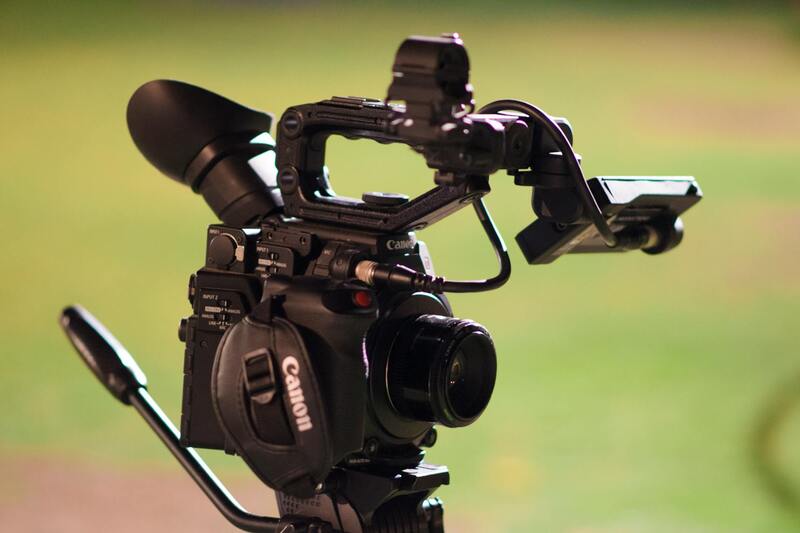
Security considerations cannot be overlooked when selecting a provider. It is crucial that the company adheres to rigorous data protection standards, employs encryption protocols, and uses secure streaming platforms to safeguard the content from unauthorized access. Additionally, understanding the providers compliance with industry regulations ensures that the broadcast aligns with licensing, copyright, and audience privacy requirements.
Flexibility in service offerings is also of importance. The ideal live streaming partner should provide customizable packages that cater to diverse event types—from corporate conferences and concerts to webinars and sports broadcasts. The ability to scale services up or down based on specific needs allows for efficient resource allocation and maximizes return on investment.
Lastly, evaluating the provider's capacity for on-site support and real-time technical troubleshooting is critical. On-location technicians can address technical issues promptly, preventing potential disruptions and maintaining broadcast stability. Their presence ensures that any unforeseen technical complications are managed with minimal impact on the audience experience.
Final Considerations for Live Streaming Video Production Services in Miami
Choosing the appropriate provider for live streaming video production is a decisive factor in the success of your event. Miami hosts numerous professionals with varying expertise, equipment, and service offerings. To ensure you receive the highest level of service, clients should scrutinize providers for their technological capacity, experience in handling events similar to yours, and their ability to adapt to evolving needs. It's essential that the selected team demonstrates a comprehensive understanding of streaming protocols, content delivery networks (CDNs), and audience engagement strategies. They should also possess a strong track record of managing live streams with minimal downtime, even during high-traffic events.
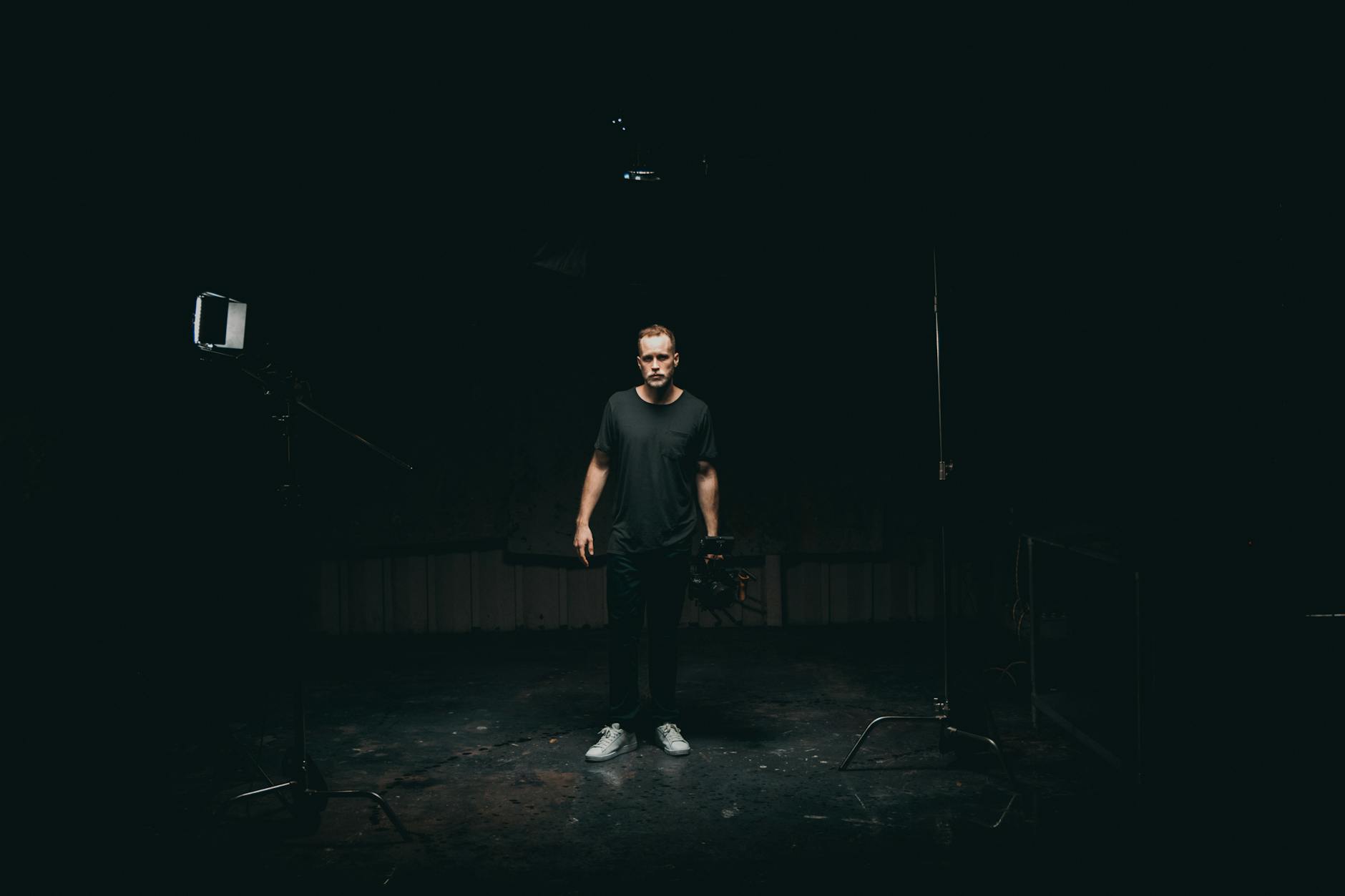
Furthermore, an effective provider will prioritize the security and confidentiality of your content through rigorous data protection measures. This includes the use of secure platforms with end-to-end encryption, controlled access, and continuous monitoring for potential vulnerabilities. Compliance with industry standards and best practices not only safeguards your intellectual property but also enhances your brand’s reputation for professionalism and integrity. Transparent communication regarding data practices and contingency plans offers peace of mind, ensuring that unexpected technical challenges are swiftly addressed without compromising the broadcast.
Another vital aspect to consider is the scalability and customization of services. Different events demand tailored solutions—whether it's a small corporate webinar or a large-scale live concert. A reliable provider offers flexible packages that can be adjusted based on your audience size, geographic reach, and specific technical requirements. The ability to integrate multiple camera feeds, graphic overlays, live chat features, and social media integration enhances viewer engagement and creates a more interactive experience.
Technical support extends beyond the initial setup. On-site technicians should be available throughout the event to troubleshoot issues as they arise, minimizing disruptions. Experience with various live streaming platforms and hardware ensures that technical hiccups are managed promptly, maintaining the stream’s integrity and delivering a seamless viewing experience for your audience.
Effective communication before, during, and after the event solidifies a successful partnership. This includes detailed planning sessions, clear timelines for content delivery, and post-event analytics to assess viewer engagement. Such insights can guide future live streaming initiatives, helping to refine your approach and improve overall results.
As Miami continues to grow as a hub for digital media and live events, the demand for sophisticated and reliable live streaming services will likely increase. Staying informed about emerging trends—such as 4K streaming, augmented reality overlays, and cloud-based production workflows—can position your organization ahead of the curve. Partnering with experienced professionals ensures that you leverage the latest technologies effectively, delivering impactful content that resonates with your audience.