Overview of Live Streaming Production
Live streaming production encompasses the comprehensive process of broadcasting real-time video and audio content over the internet. This dynamic method of content delivery has become an integral part of modern communication strategies for events, corporate presentations, and entertainment. Its primary purpose is to provide immediate, engaging access to audiences regardless of geographic location, fostering broader reach and interaction. The importance of live streaming production lies in its ability to deliver high-quality, uninterrupted coverage that captures the essence and immediacy of live events.
Effective live streaming requires meticulous coordination of multiple technical and creative elements, ensuring the broadcast maintains a professional standard from start to finish. For organizations and event organizers, high-caliber live streaming serves as a powerful tool to enhance visibility, engage audiences in real time, and facilitate valuable interactions. Beyond entertainment, live streaming is instrumental in education, corporate communications, religious services, and sports broadcasting, where immediacy and authenticity are paramount.
In the current digital landscape, the demand for live streaming experiences continues to grow, driven by advancements in internet connectivity and the proliferation of accessible streaming platforms. This trend underscores the essential nature of well-executed live streaming production as a cornerstone for effective digital engagement.
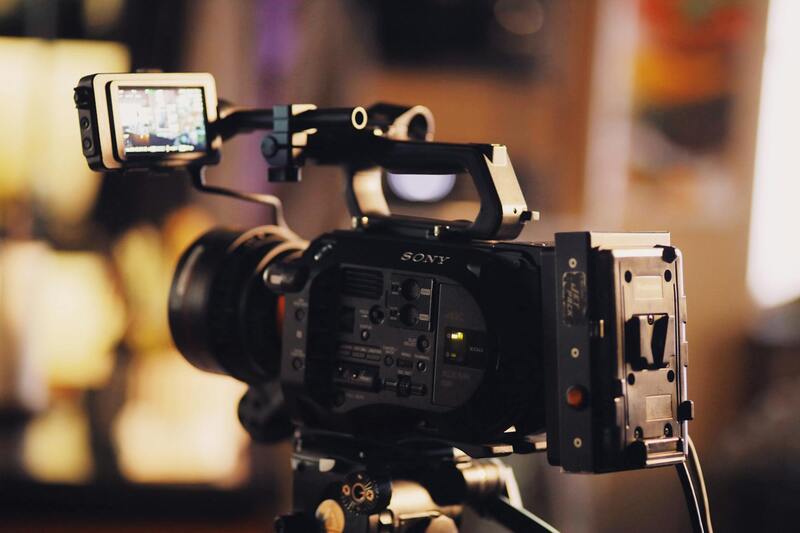
From small corporate meetings to large-scale entertainment festivals, live streaming production involves careful planning, high-quality equipment, precise execution, and post-event content management. The adoption of official production methods guarantees the integrity and clarity of the broadcast, making it a vital component of any event or organizational strategy aiming for impactful digital presence.
Overview of Live Streaming Production
Pre-Production Planning and Coordination
Successful live streaming begins long before the event airs. Detailed pre-production planning is essential for ensuring a smooth broadcast and optimal viewer experience. This phase involves defining the broadcast’s objectives, audience analysis, and content outline. Clear communication with all stakeholders, including technical staff, performers, and organizers, lays the foundation for effective coordination.
During pre-production, a comprehensive equipment checklist is compiled, ensuring that all hardware such as cameras, microphones, and streaming hardware are available and functioning correctly. Rigorous testing of audio, video, and internet connections helps identify potential issues that could compromise the broadcast quality. Location reconnaissance ensures suitable setups for lighting, acoustics, and camera angles, facilitating seamless camera movements and visual framing during live segments.
Production Techniques and Best Practices
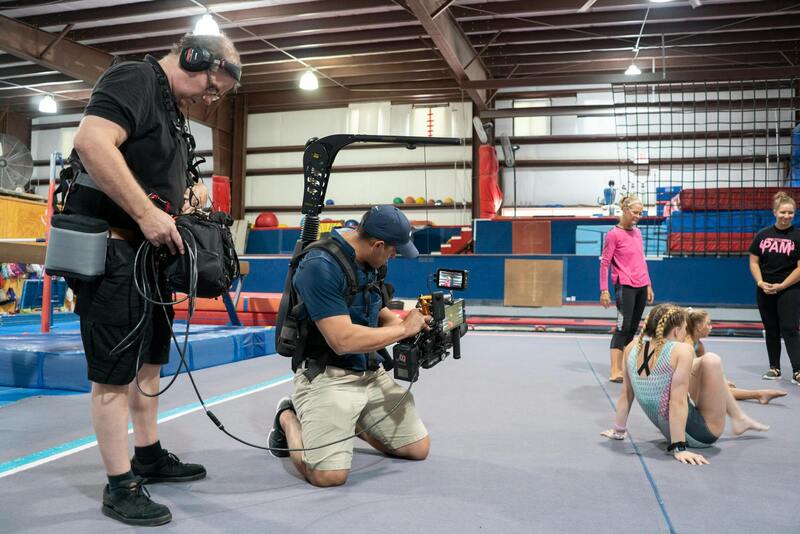
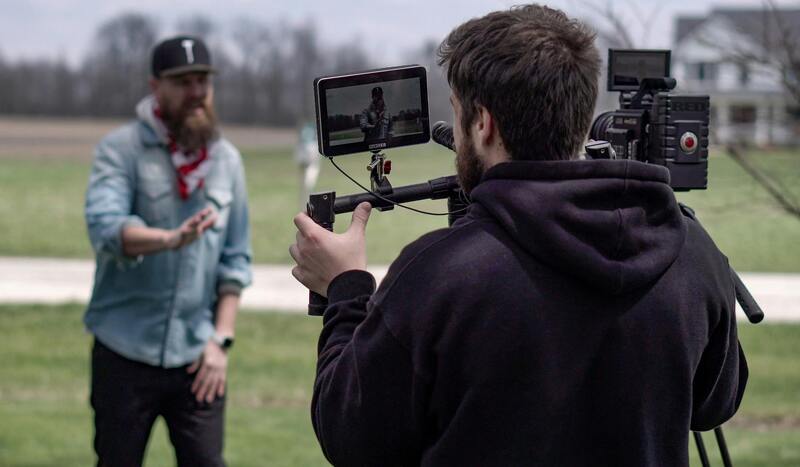
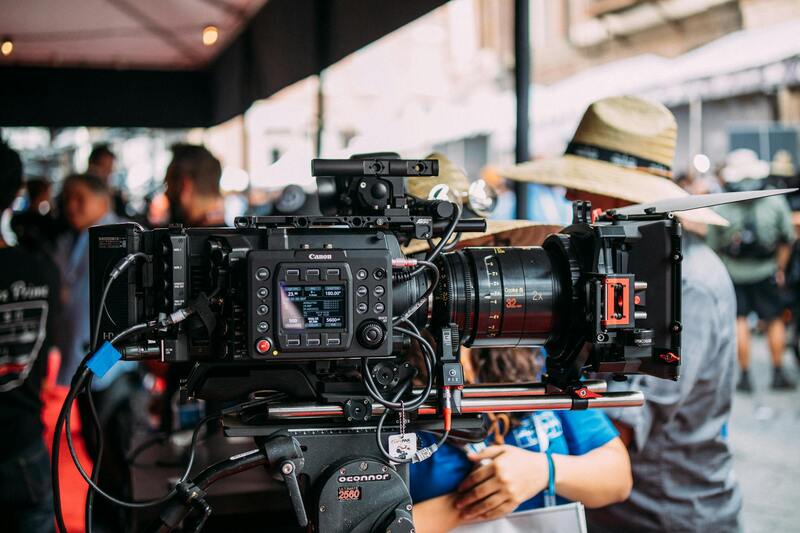
Executing a high-quality live streaming event demands adherence to established production techniques designed to maximize engagement and professionalism. Camera placement should be strategic, capturing key moments from multiple angles to create a dynamic viewing experience. Skilled camera operators are crucial for maintaining visual interest, especially during fast-paced segments.
Audio quality plays a vital role in live streams. Using professional microphones, ensuring proper placement, and employing audio mixers can optimize sound clarity and balance. Visual transitions, graphics, and lower thirds should be pre-designed and integrated seamlessly into the broadcast, adding informational value without distracting viewers.
Lighting also significantly impacts video quality. Proper lighting setups eliminate shadows, improve color accuracy, and enhance the overall aesthetic. Consistent monitoring and adjustments during the broadcast help maintain visual consistency. In addition, employing reliable switching equipment ensures smooth transitions between camera feeds, enhancing the broadcast’s overall professionalism.
Choosing the Right Streaming Platforms
Selecting suitable streaming platforms is a critical step that aligns with the target audience, content type, and desired reach. Reputable platforms offer robust infrastructure, security features, and analytics tools that help track viewer engagement and performance metrics. The choice of platform also influences stream quality, latency, and interaction capabilities.
More advanced options provide customizable branding options, monetization features, and integration with social media channels, expanding the event’s outreach. Deploying a multi-platform strategy allows broadcasters to reach diverse audiences across different channels, ensuring maximum exposure.
When evaluating streaming services, consider factors like server stability, scalability for audience size, compatibility with existing hardware, and support for high-resolution streams. Official partnerships with industry-leading providers guarantee access to reliable streaming delivery and dedicated support should technical issues arise.
Troubleshooting Common Issues
Even with meticulous planning, technical difficulties can occur during live broadcasts. Common problems include internet connectivity fluctuations, hardware malfunctions, and audio/video sync issues. Establishing redundant internet connections and backup power supplies can mitigate connectivity disruptions. Routine equipment checks and real-time monitoring help detect issues early, allowing immediate corrective actions.
Technical teams should be equipped with troubleshooting protocols, including diagnostic tools and quick replacement parts. Clear communication channels among production staff ensure swift responses to unforeseen issues, minimizing disruptions and maintaining broadcast integrity.
Addressing audio dropouts, video lag, or signal interruptions requires a combination of proactive maintenance and reactive expertise. Consistent practice runs before the actual event not only acquaints the team with the setup but also helps identify vulnerabilities that could impact the live stream.
Technical Setup and Signal Transmission for Live Streaming
Ensuring Optimal Signal Flow
Achieving high-quality live streams requires meticulous attention to the entire signal transmission process. The pathway of audio and video signals from the source to the audience relies on a carefully configured network infrastructure that supports stable and fast data transfer rates. This begins with selecting high-bandwidth internet connections capable of handling the data load without interruptions. Multiple internet sources can be combined using load balancing techniques, ensuring continuous streaming even if one connection experiences issues.
For professional live streaming production, the use of dedicated encoding hardware or software is essential. These encoders convert raw audio-visual data into digital streams optimized for transmission over the internet. High-performance encoders with hardware acceleration can reduce latency and improve stream reliability, especially during complex productions involving multiple camera feeds and overlays.

Once encoded, the stream is transmitted via Content Delivery Networks (CDNs) designed specifically for media distribution. CDNs facilitate the distribution of the streaming content across different geographic locations, reducing latency and buffering for viewers worldwide. Working with reputable CDN providers that have extensive server networks ensures seamless delivery, even during peak traffic times.
Layering Redundancies for Continuous Broadcasts
To mitigate potential disruptions, live streaming setups should incorporate redundancies at various stages. Dual streaming setups involve transmitting the same content through two different routes or platforms simultaneously. In case of failure on one route, the backup stream takes over, maintaining continuous broadcast delivery. This approach is particularly vital for large-scale events with high audience expectations.
Redundant hardware, such as second cameras and backup power supplies, also plays a crucial role. Regularly testing these backups through dry runs ensures that they function correctly when needed. Additionally, employing uninterruptible power supplies (UPS) can prevent equipment shutdowns caused by power outages, safeguarding the integrity of the live broadcast.
Optimizing Audio and Video Quality
Clear and crisp audio, combined with sharp video, distinguishes professional-grade live streams. It starts with selecting high-quality microphones and cameras. Audio quality can be compromised by poor acoustics or background noise; therefore, soundproofing and proper mic placement are essential.
Video quality depends on factors such as camera resolution, lens quality, and lighting conditions. Ensuring adequate lighting enhances image clarity, while using multi-camera setups allows for dynamic production angles. The synchronization of audio and video streams—known as lip sync—is maintained through precise timing protocols within encoding equipment.
Monitoring and Quality Control During Live Transmission
Active monitoring during a live event is indispensable for early detection of potential issues. Real-time dashboards display critical metrics such as stream health, bandwidth usage, and latency. Dedicated technical personnel should oversee these parameters, ready to intervene if anomalies arise.
In-depth troubleshooting protocols, including diagnostic software tools, allow rapid identification of the root causes of issues like audio dropouts or video lag. Pre-event rehearsals facilitate the calibration of equipment and synchronization checks, reducing the likelihood of failures during the actual broadcast. It’s also advisable to establish clear communication channels among crew members, ensuring prompt responses to technical challenges.
Ultimately, seamless live streaming depends on diligent preparation, robust infrastructure, and proactive monitoring. These elements combined guarantee a professional broadcast that meets audience expectations and enhances brand reputation.
Advanced Techniques in Live Streaming Production
Maintaining a high standard in live streaming production involves adopting advanced techniques that elevate the viewer experience and ensure broadcast reliability. Implementing multi-camera setups allows for diverse shots and angles, which can be seamlessly switched during the live event to create a dynamic viewing experience. These setups often involve selecting high-quality, broadcast-grade cameras that support resolutions such as 4K and feature fast autofocus and stabilizers to prevent shaky footage. Using professional video switchers, producers can instantly transition between camera feeds, incorporate overlays, and add special effects to engage viewers actively.
Furthermore, audio management plays a crucial role. Employing digital audio mixers enables precise control over multiple audio sources, such as microphones, instrument feeds, and playback tracks. Incorporating lavalier and shotgun microphones ensures clean audio capture across various scenarios, while monitoring audio levels in real-time prevents distortion or dropouts. To enhance production quality, integrating audio processing tools—like noise reduction, equalization, and compression—can significantly improve sound clarity and consistency.
Implementing Graphic Overlays and Real-Time Content
Real-time graphics enrich the broadcast by displaying relevant information, branding elements, and visual cues. Professional graphics engines or integrated production software facilitate the overlay of lower thirds, logos, timers, and social media feeds without disrupting the live stream. These graphics not only make the presentation more professional but also aid in viewer understanding and engagement.
Stream Encryption and Secure Data Transmission
Securing live streams involves encrypting data during transmission to prevent unauthorized access or interception. Utilizing protocols like Secure Reliable Transport (SRT) or Real-Time Messaging Protocol (RTMP) with encryption ensures data integrity and privacy. This approach is especially critical when streaming sensitive content or proprietary material, as it maintains viewer trust and complies with best practices for digital security.
Monitoring and Adaptive Streaming Technologies
Implementing real-time monitoring tools allows operators to keep track of stream health, bandwidth utilization, and viewer engagement metrics. Adaptive bitrate streaming dynamically adjusts video quality based on the viewer’s network conditions, reducing buffering and improving overall viewing experiences. These capabilities are essential to sustain high-quality broadcasts, especially in environments where internet bandwidth fluctuates.
Equipment Maintenance and Calibration
Regular maintenance of all live streaming equipment ensures optimal performance. Calibration of cameras, audio devices, and encoders prevents technical discrepancies during events. Establishing routine checks and having backup equipment readily available minimizes downtime and helps address unexpected issues promptly. Furthermore, pre-event rehearsals and dry runs serve as valuable opportunities to fine-tune settings and coordinate team efforts.
Advanced Production Techniques for Optimized Live Streaming
Enhancing the quality and professionalism of live streaming content requires the integration of sophisticated production techniques that can elevate the viewer experience and ensure the broadcast’s success. Implementing multi-camera setups allows for dynamic shot compositions, capturing various angles and providing a more engaging visual experience for viewers. Proper coordination during multi-camera production involves real-time switching and scene transitions, which can be facilitated by hardware video switchers or advanced software solutions.
Utilizing professional-grade audio equipment is essential to maintain clear and balanced sound quality. This includes using multiple microphones tailored for different environments—such as lapel, shotgun, or handheld microphones—and employing audio mixers to fine-tune sound levels during the event. Noise reduction and audio filtering software can further improve clarity, especially in noisy or uncontrolled environments.
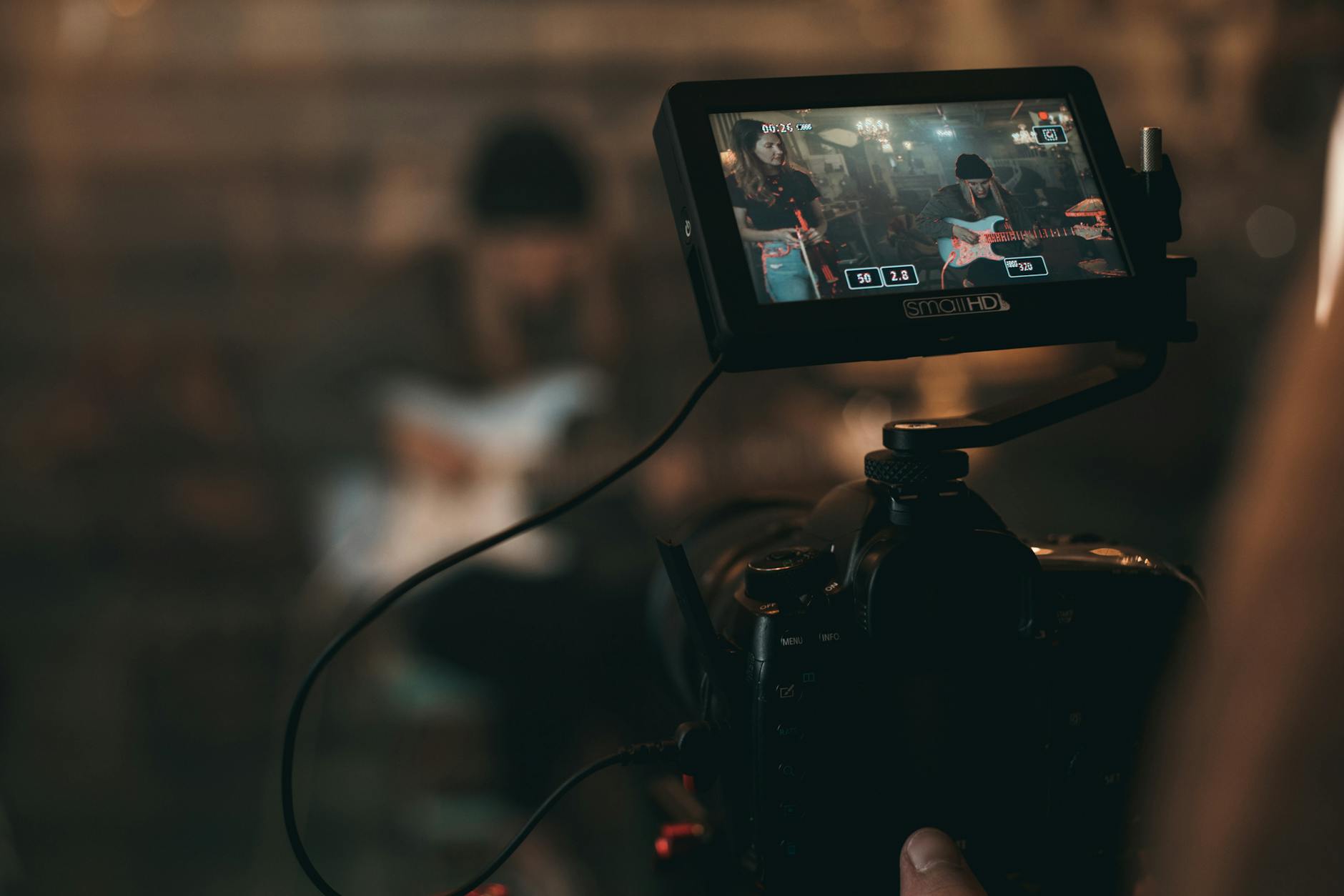
Lighting is another critical aspect, particularly in indoor settings or venues with challenging ambient conditions. Strategic lighting enhances the visibility of presenters and subjects, ensuring they are well-illuminated without causing glare or shadows. Advanced lighting control systems can be synchronized with camera switches to produce seamless visual transitions.
Incorporating graphics, overlays, and real-time data displays adds professionalism to broadcasts. These elements can include lower thirds for titles, logos, timers, or live social media feeds, all integrated smoothly with the video stream. Using a dedicated graphics composer or overlay software allows for customization and quick updates during the broadcast, maintaining viewer engagement and conveying important information effectively.
Another advanced technique involves the implementation of remote production (REMI) setups, where some production elements are handled off-site by dedicated teams or cloud-based services. This approach reduces on-site infrastructure requirements and enables multiple camera feeds or multimedia sources to be coordinated remotely, expanding flexibility and operational efficiency.
Strategies for Maintaining Stream Quality and Stability
To ensure consistent streaming performance, it is vital to employ robust encoding solutions that can adapt dynamically to fluctuating network conditions. Hardware encoders with built-in adaptive bitrate technologies can automatically adjust the streaming quality, preventing interruptions and buffering issues. Additionally, using multiple redundant internet connections—such as wired Ethernet, 4G/5G wireless modems, or satellite links—can provide failover capabilities, ensuring continuous transmission even if one connection experiences disruptions.
Real-time monitoring tools are crucial during live events, providing continuous insights into stream health, latency, viewer engagement, and bandwidth usage. This data allows operators to make swift adjustments, such as lowering video quality or switching to backup links, to maintain a high-quality broadcast.
Content delivery networks (CDNs) play a significant role in distributing streams globally with minimal latency. Choosing a reputable CDN provider ensures that the live content reaches viewers smoothly, with optimal buffering times and high availability. Properly configuring these networks contributes to the overall reliability and professionalism of the live stream.
Effective Communication and Team Coordination
The success of a live streaming production hinges on meticulous planning and seamless coordination among team members, including technical staff, camera operators, on-screen talent, and the director. Pre-event meetings are essential to establish roles, review the production plan, and run rehearsals to synchronize cues and transitions. Clear communication channels, such as headsets or dedicated chat systems, are vital to address on-the-fly adjustments swiftly.
Designating a central control team to oversee the production ensures that everyone remains aligned with the event’s flow and technical requirements. Assigning specific responsibilities for monitoring audio levels, camera switches, graphics inserters, and stream health streamlines the workflow and minimizes errors during live broadcasting.
Implementing Official Methods for Live Streaming Production
Ensuring the authenticity and effectiveness of a live streaming event involves a strict adherence to established procedures and reliable practices. A core aspect of this is selecting authorized equipment and platforms that meet industry standards for quality, security, and performance. Using approved hardware, such as broadcast-grade cameras, professional-grade encoders, and certified streaming servers provides a solid foundation for a seamless broadcast. These tools are designed to operate within current technical regulations and compatibility frameworks, which helps prevent issues that can arise from incompatible or substandard gear.
Another crucial step is employing official streaming platforms that are geared towards professional broadcasting. These platforms often come with rigorous security measures, comprehensive analytics, and robust infrastructure supporting high traffic volumes. Utilizing licensed CDN services ensures consistent stream delivery, reducing buffering and downtime, which is essential for maintaining viewer trust and engagement. In addition, verifying licensing and permissions related to content rights prevents legal complications and ensures compliance with content distribution laws.

Furthermore, engagement with authorized technical service providers helps establish protocols for troubleshooting and disaster recovery. These entities have experience managing live broadcasts and possess operational certifications that ensure they adhere to industry best practices and benchmarks.
Legal and Ethical Considerations
Adopting compliant practices involves thorough vetting of content rights and clearances before broadcasting. This involves verifying licensing agreements for all visual, audio, and music components included in the stream. Employing official licensing bodies, such as performing rights organizations, and securing necessary permissions reflect a commitment to ethical broadcasting standards.
For organizational transparency, documenting all licensing acquisitions and procedural steps adds an additional layer of integrity to the production process. Establishing internal policies aligned with recognized industry standards helps guide staff behavior and ensures that all live content complies with relevant industry regulations.
Training and Certification
Ensuring that personnel involved in live streaming are trained through accredited programs increases operational excellence. Certified technicians and producers demonstrate proficiency with official equipment and procedures, which results in a reduction of errors and smoother broadcasts. Regular training updates keep teams current on technological advances, compliance requirements, and best practices, fostering a culture of professionalism.
In integrating official methods into a live streaming production, it is vital to stay informed on evolving industry standards and technological innovations. Consistent adherence to these practices not only elevates the quality of the broadcast but also upholds the credibility and reputation of the hosting organization.
Post-Production and Content Repurposing
Once a live streaming session concludes, the post-production phase begins, which is critical for maximizing the content’s value. Although the primary goal of live streaming is real-time engagement, the recorded footage offers ongoing opportunities for outreach and branding efforts. High-quality editing not only enhances visual appeal but also ensures the content aligns with strategic messaging and brand standards.
Effective editing involves trimming unnecessary segments, enhancing visuals and audio, and adding branding elements such as logos and overlays. This refined content can be archived for future use or repurposed across various marketing channels. Repurposing includes creating shorter clips for social media snippets, promotional trailers, or teaser content to generate additional interest before future live events.
Archiving live streams with proper metadata and storage solutions ensures easy retrieval for future initiatives. Organizations should implement structured storage systems to categorize content by event date, topic, and target audience. This organization facilitates rapid access when referencing past broadcasts or developing new content from existing footage.
Content repurposing extends beyond social media. It includes creating educational videos, highlight reels, or multimedia presentations used in client pitches or internal training. Reliable editing software and experienced technicians play an essential role in transforming raw live stream footage into versatile marketing assets. Ultimately, the efficacy of post-production efforts directly impacts the longevity and reach of your live streaming investments.
Business Considerations for Live Streaming Services in Miami
Operating a live streaming service in Miami requires a comprehensive understanding of the local market environment, client needs, and technical infrastructure. Recognizing the city's diverse cultural landscape allows providers to tailor content and delivery methods that resonate locally while maintaining high standards of professionalism and technical excellence.
Pricing strategies should be informed by the complexity of the production, the equipment involved, and the level of support required. Transparent and flexible packages attract both small-scale organizations and larger enterprises seeking scalable solutions. Additionally, forming strategic partnerships with local venues, event organizers, and content creators enhances market presence and service offerings.
Strict adherence to official technical standards and legal guidelines not only ensures seamless service delivery but also builds credibility with clients. Investing in ongoing training for staff and acquiring the latest official equipment upholds a high-quality reputation. By aligning operational practices with recognized industry standards and technological developments, Miami-based live streaming services can establish a solid foundation for sustainable growth.
Final Steps in Live Streaming Production: Post-Event Integration and Content Optimization
After completing a live broadcast, the focus shifts toward maximizing the content’s potential and ensuring ongoing engagement. Post-event procedures include detailed content review, editing, and organization, which facilitate broader distribution and reuse. Advanced editing tools enable producers to trim segments, enhance audio-visual quality, and add branding elements that reinforce the event’s message. This refined content can be repurposed across various channels, extending the event’s lifespan and strengthening audience engagement.
Content repurposing strategies involve transforming live streams into a series of shorter clips, highlight reels, or standalone videos tailored for social media platforms, corporate websites, or internal training resources. Proper metadata tagging, keyword optimization, and descriptive summaries improve the visibility of these materials in search engine results, enhancing audience reach. Embedding these videos in blogs, newsletters, or marketing campaigns further amplifies their impact, creating multiple touchpoints for audience interaction and brand awareness.
Analytics play a crucial role in evaluating the success of a live streaming event. Metrics such as viewer count, engagement rates, geographic distribution, and viewer retention provide insights into audience behavior and preferences. These data points inform future production decisions, allowing providers to refine content strategies and technical approaches for subsequent broadcasts.
Technical follow-up includes archiving footage securely, maintaining detailed records of equipment and settings used, and documenting any encountered issues to improve future workflows. This comprehensive approach contributes to improved reliability, reduced technical disruptions, and enhanced overall quality of live streaming services.
Training staff members on the latest post-production software and content distribution best practices ensures a consistent standard of quality. Keeping abreast of evolving digital marketing trends enables live streaming providers to adapt content for emerging platforms and audience preferences, ultimately broadening reach and reinforcing the value of the service offerings provided to clients. The integration of these post-production and content optimization strategies serves as a vital component in establishing a sustainable and highly effective live streaming operation.