Overview of Live Event Video Production
Live event video production is a specialized service dedicated to capturing, producing, and broadcasting live events with high-quality visual and audio capabilities. This industry involves a combination of technical expertise, creative vision, and strategic planning to ensure that live events are seamlessly documented and broadcast to a broad audience. The core responsibilities encompass multi-camera setups, real-time switching, professional sound engineering, and live streaming solutions.
In Miami—a vibrant hub for corporate events, entertainment, sports, and cultural festivals—the significance of a skilled live event video production company cannot be overstated. Such companies serve as the backbone for ensuring that every detail of an event is captured dynamically, engaging viewers both onsite and remotely with crisp visuals and clear sound. They also provide tailored solutions for different types of productions, ensuring the unique requirements of each event are met with precision.
Key services offered by a live event video production company include pre-event planning, camera operation, live switching, video mixing, streaming management, and post-production editing. They harness advanced equipment and cutting-edge technology to deliver a polished final product, whether it’s a multi-camera live broadcast, a corporate presentation, or an entertainment showcase. The ability to deliver a seamless viewing experience directly impacts the visibility and impact of an event, making it a vital element in modern event management.
Essential Equipment and Technology
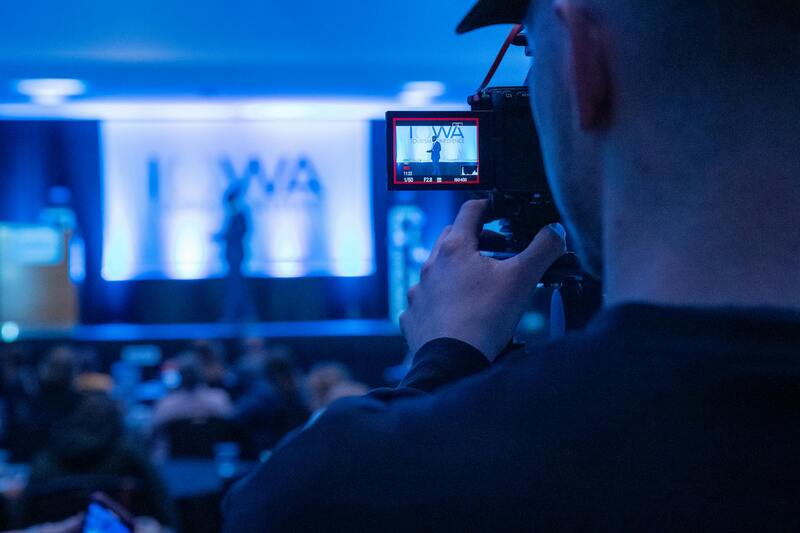
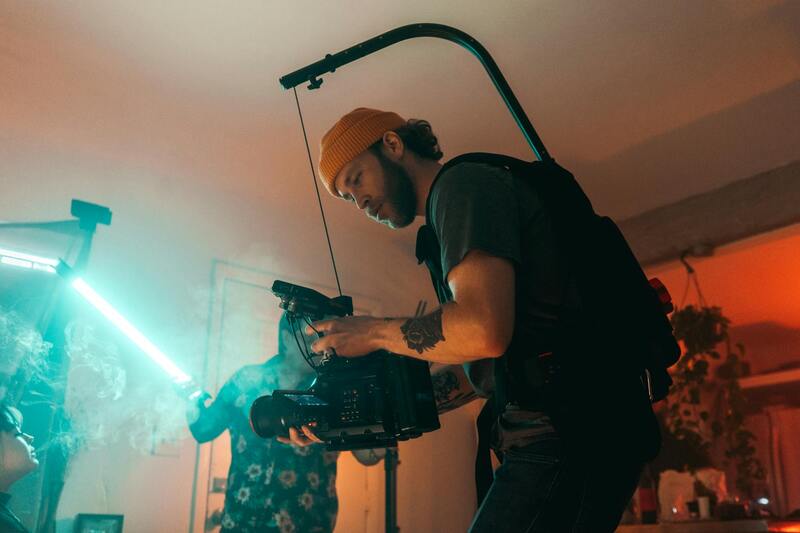
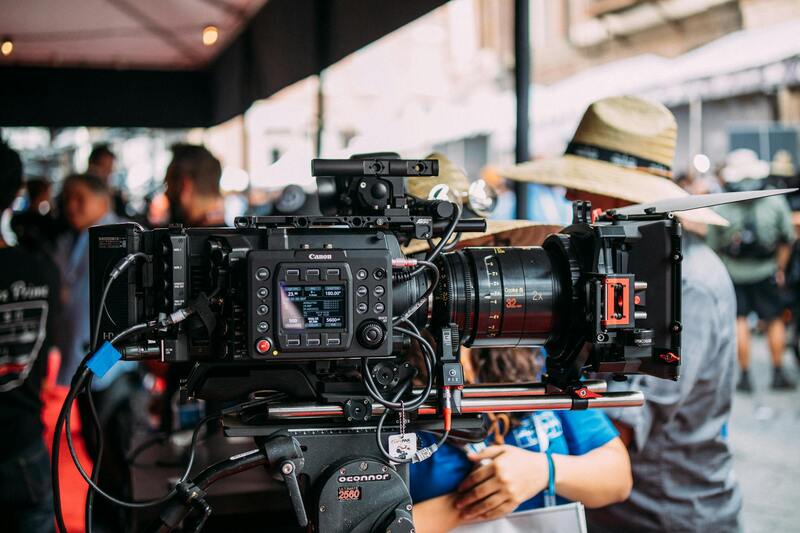
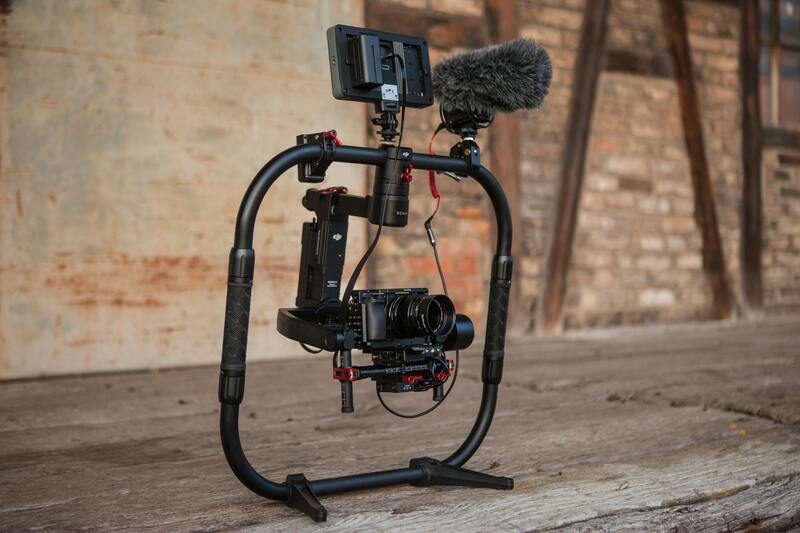
In the realm of live event video production, the use of advanced equipment and cutting-edge technology is fundamental to capturing and broadcasting high-quality footage. Professional-grade cameras, such as 4K and HD models, ensure crystal-clear visuals that maintain clarity even when projected onto large screens or streamed across various platforms. These cameras are often stabilized with gimbals and tripods to provide smooth footage, especially in dynamic environments.
Broadcasting tools like switchers, encoders, and audio mixers play a crucial role in managing multiple camera feeds and ensuring seamless transitions between shots. Remote control systems enable operators to adjust camera angles, focus, and exposure in real-time, which is especially useful for large or complex setups.
Additionally, streaming hardware is vital for live broadcasts, enabling real-time transmission to online platforms. Interactive streaming solutions integrated with chat features, polls, or audience engagement tools can significantly enhance viewer participation. The use of wireless transmission technology reduces cabling clutter and allows for more flexible camera placement, providing wider coverage of the event space.
Key Roles and Team Structure
Effective live event video production relies on a coordinated team of skilled professionals. The core team typically includes a director, camera operators, audio technicians, and technical engineers. The director oversees the entire broadcast, making creative and technical decisions to ensure the event's visual narrative aligns with its objectives.
Camera operators are responsible for capturing shots according to the director’s cues, and audio technicians manage sound inputs from microphones and other audio sources. Technical engineers handle the setup, calibration, and continuous operation of broadcasting equipment, troubleshooting technical issues promptly.
For larger or more complex productions, additional roles such as graphic operators, teleprompter operators, and on-site producers may be included. Clear communication and meticulous planning are essential to synchronize all team members and guarantee a professional live broadcast.
Planning and Coordination Process
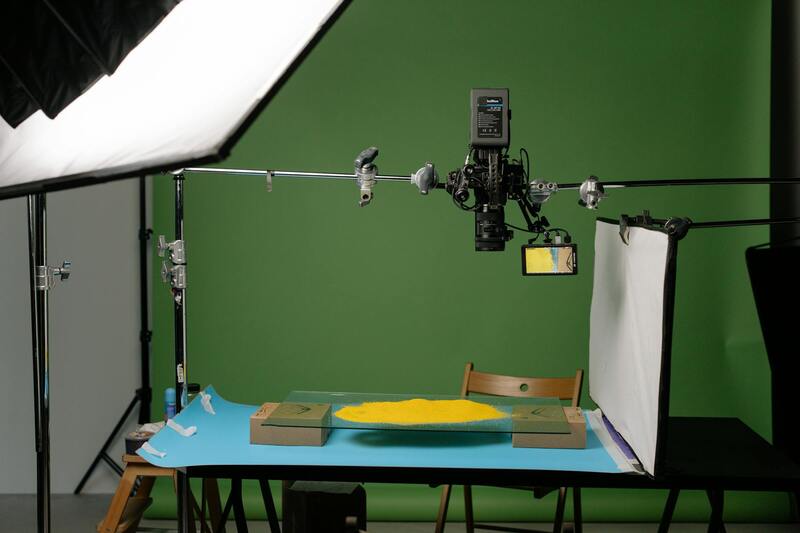
The planning phase for live event video production involves comprehensive pre-production meetings to outline objectives, discuss technical requirements, and establish a timeline. This process includes site surveys to determine optimal camera placements, power and internet connectivity assessments, and equipment logistics.
Coordination with event organizers ensures that the video coverage aligns with the overall event schedule. A detailed production plan is developed, covering camera shots, transitions, graphics, and streaming platforms. Regular rehearsals and equipment tests are conducted to identify and resolve potential issues ahead of the live event.
Contingency plans are also established to adapt to unforeseen circumstances, such as technical failures or schedule changes. Effective communication channels between all team members and the event staff contribute to a smooth production process from start to finish.
Essential Equipment and Technology in Live Event Video Production
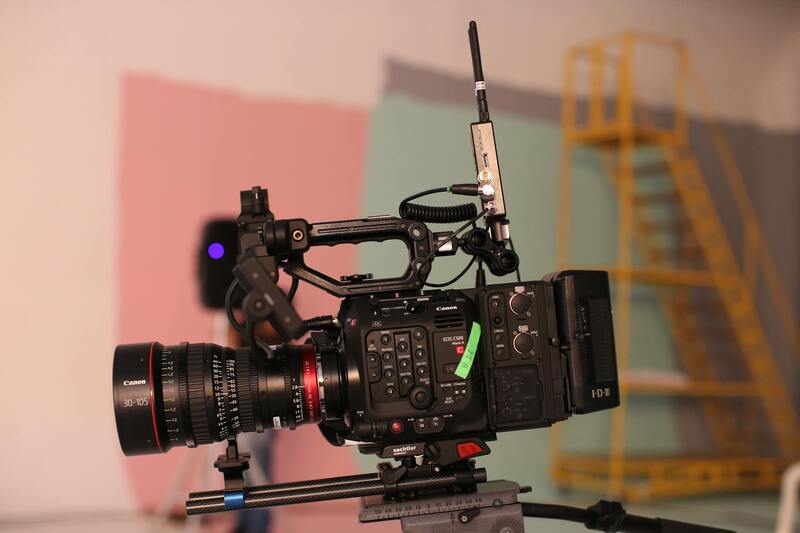
In the realm of live event video production, the quality of equipment directly influences the professionalism and clarity of the broadcast. High-definition cameras are the backbone of capturing crisp visuals, with choices ranging from broadcast-grade models to advanced camcorders suited for live coverage. These cameras often employ multiple angles to provide dynamic viewing experiences, necessitating robust switching systems to seamlessly blend footage during the event.
Audio quality is equally critical. Professional-grade microphones, including wireless lavaliers, shotgun mics, and ambient noise reducers, ensure dialogue, music, and environmental sounds are captured clearly. This equipment must be synchronized with the video feeds to deliver an immersive experience without distracting audio issues.
Lighting setup plays a fundamental role, especially in indoor venues where ambient light may be insufficient or uneven. Portable LED lights, spotlights, and diffusers are employed to illuminate subjects evenly and highlight key moments, enhancing overall visual appeal. Proper lighting not only elevates image quality but also simplifies post-production editing if needed.
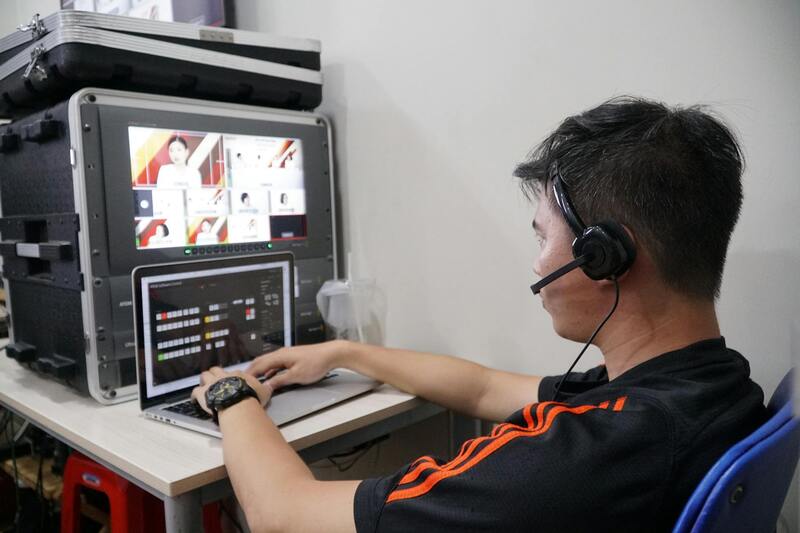
Switching and streaming technology ensure a smooth transition between camera feeds and reliable delivery to viewers. Video switchers allow real-time editing of different input sources, adding graphics and visual effects as needed. Live streaming encoders and distribution platforms facilitate the broadcast across multiple digital channels, including social media and dedicated portals, reaching audiences seamlessly.
Support Systems and Network Infrastructure
Beyond the core equipment, a stable and high-capacity network infrastructure is vital for uninterrupted streaming. Ethernet connections, Wi-Fi networks tested for high bandwidth, and backup internet options safeguard against connectivity issues. Power supplies, surge protectors, and backup generators are also integral to prevent disruptions during live coverage.
Operator expertise in handling and troubleshooting equipment ensures minimal downtime. Their familiarity with the equipment enables quick resolution of technical glitches, keeping the live event on schedule and maintaining a high-quality broadcast experience.
Essential Techniques for Live Event Video Quality
Achieving high-caliber live event video requires meticulous attention to production techniques that enhance visual clarity, audio fidelity, and overall viewer engagement. Strategic camera placement is fundamental; multi-camera setups enable dynamic shots, allowing editors or operators to switch seamlessly between wide, close-up, and specialty angles. Camera operators must have a keen understanding of framing, focus, and exposure to adapt to changing lighting conditions and movement on stage or event areas.
In addition to camera placement, the integration of professional audio systems is essential. Sound engineers deploy directional microphones, wireless transmitters, and mixing consoles to capture clear, balanced sound from speakers, performers, and audience members. Proper audio sync with video feeds is crucial for a cohesive broadcast that maintains the audience’s immersion.
Use of real-time graphics and overlays further enhances the viewer’s experience, providing context, branding, and pertinent information without detracting from the main content. Live titling, scoreboard updates, and sponsor banners are integrated through advanced graphics systems controlled by skilled operators.
Advanced Transmission Techniques
Reliable live streaming demands robust encoding solutions that compress high-definition video streams for internet transmission without sacrificing quality. Low latency encoders are preferred to minimize delays, preserving real-time interaction. Adaptive bitrate streaming ensures viewers with varying internet speeds receive the best experience possible, reducing buffering and interruptions.
Multiple streaming channels are often utilized to reach broader audiences, including social media platforms, proprietary websites, and dedicated streaming portals. This multilayered approach increases accessibility while mitigating the risk of complete broadcast failure due to platform-specific issues.
Security and Data Management
Ensuring the security of live feeds is paramount. Encryption protocols and secure login procedures inhibit unauthorized access, protecting sensitive content and proprietary event visuals. Additionally, backup recording systems capture the feed concurrently, facilitating post-event editing, archiving, or additional distribution as needed.
Another consideration involves data management for viewers, where tools such as analytics and viewer engagement tracking provide valuable feedback. These insights help tailor content for future events, ensuring continuous improvement in delivery strategies.
Operational logistics, including network stability, power management, and technical staffing, underpin the entire production process. Dedicated technical teams perform pre-event testing, monitor live feeds, and troubleshoot in real time to sustain seamless coverage from start to finish. With sophisticated coordination and top-tier equipment, professional live event production companies transform planned events into visually compelling, interactive broadcasts that leave lasting impressions and reach audiences far beyond the physical venue.
Comprehensive Audience Engagement and Distribution Strategies
Effective audience engagement extends beyond the live broadcast, involving strategic multi-platform distribution and interactive features. A skilled live event video production company will leverage social media channels, dedicated streaming platforms, and proprietary websites to maximize reach. This multi-channel approach ensures that content is accessible to a broader audience, regardless of their preferred viewing platform, and helps build a stronger connection with viewers.
Incorporating interactive elements such as live chat, polls, Q&A sessions, and real-time reactions enhances viewer participation. These features foster a sense of community and immediacy, encouraging viewers to stay engaged throughout the event. Advanced technology enables real-time analytics, providing insights into viewer demographics, engagement levels, and content preferences. These data points inform future content strategies and improve the overall viewing experience.
Stream Management, Monitoring, and Troubleshooting
Maintaining a stable and high-quality live stream requires meticulous planning and robust technology solutions. Production teams utilize dedicated streaming servers, load balancers, and redundancy systems to mitigate disruptions. Continuous monitoring of stream health through real-time diagnostics allows technical staff to identify and address issues promptly, minimizing viewer buffering, interruptions, or quality degradation.
Implementing multi-source switching and failover protocols ensures continuity even if primary systems encounter failures. This might include backup internet connections, redundant hardware, and fail-safe encoding pathways. Skilled operators are crucial during the event, ready to perform quick adjustments and troubleshoot technical problems immediately, thereby preserving the integrity of the broadcast.
Content Archiving and Post-Event Coverage
Post-event, the captured content becomes a valuable asset. High-resolution recordings are archived for future use, such as highlight reels, promotional materials, or on-demand access. Post-production editing can enhance visuals, add graphical overlays, and incorporate additional content to create engaging post-event videos that extend the lifespan of the live broadcast.
Distributing on-demand videos through various digital channels maximizes content visibility and audience retention. Detailed analytics from post-event views help evaluate the effectiveness of different distribution strategies, guiding improvements for upcoming productions. Properly archived footage also serves as a repository for maintaining a comprehensive visual history of the event, useful for promotional, archival, or reference purposes.
Choosing a Live Event Video Production Partner in Miami
When selecting a live event video production company in Miami, it is essential to evaluate their expertise, technological capabilities, and experience with events similar in size and scope to your own. An established firm will have a demonstrated track record of delivering high-quality broadcasts, leveraging cutting-edge equipment, and organizing efficient onsite teams. Besides technical proficiency, understanding of local venues, permits, and logistical nuances unique to Miami enhances the overall execution of your event.
Prospective clients should assess the company’s portfolio, request detailed proposals, and review references from past clients. This due diligence ensures the selected team can handle the specific requirements of your event, whether it’s a corporate conference, music festival, sports event, or a hybrid setup combining live and virtual components. Clear communication regarding project timelines, deliverables, and potential challenges also plays a vital role in establishing a successful partnership.
Criteria for Selecting a Reliable Production Partner
- Technical Competency: The company should utilize state-of-the-art broadcasting equipment, including high-definition cameras, professional audio gear, and efficient switching systems.
- Experience in Diverse Event Types: A versatile team capable of managing different live event formats ensures adaptability and creative problem-solving during the event.
- Team Expertise: Skilled directors, camera operators, sound engineers, and technical directors are crucial for smooth operations and quality output.
- Pre-Event Planning and Collaboration: Effective planning sessions to understand your vision, venue specifics, and technical needs contribute significantly to a seamless broadcast.
- Reputation and Client Feedback: Reviewing testimonials and case studies can provide insights into their reliability and service quality.
Assessing Equipment and Technological Capabilities
A top-tier live event video production company invests in advanced technology systems capable of handling complex multi-camera setups, live switching, graphics, and real-time editing. High-quality streaming platforms that support scalability, multiple sources, and stable connections are indispensable. Additionally, equipment redundancy, such as backup cameras and power supplies, assures continuous operation even during technical hiccups.
For virtual components, capabilities like 4K streaming, multi-language support, and interactive features expand audience engagement. Incorporating modern wireless microphones, steady cam stabilization, and drone footage can elevate the visual appeal and overall production quality, providing dynamic coverage that captures both wide shots and detailed close-ups seamlessly.
A comprehensive assessment of the available technology ensures your event’s broadcast meets industry standards and reaches audiences with clarity and professionalism.
Overview of Live Event Video Production
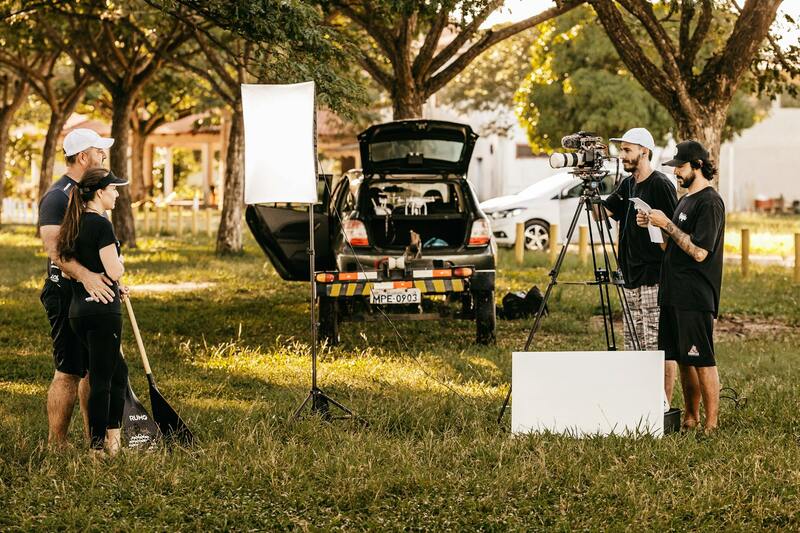
Live event video production encompasses the comprehensive process of capturing, broadcasting, and delivering real-time video content to audiences. This specialized service ensures that events such as corporate gatherings, concerts, sports competitions, and community festivals are visually documented and streamed with high quality, engaging viewers both on-site and remotely. A proficient live event video production company integrates advanced technology, strategic planning, and creative execution to produce seamless broadcasts that accurately represent the event’s ambiance and objectives. In addition to live streaming, these productions often include multi-camera setups, real-time graphics, instant replays, and audience interaction features that enhance viewer engagement and event impact. The infrastructure behind these productions involves a blend of skilled technical staff, state-of-the-art equipment, and meticulous planning to deliver a professional, reliable, and visually captivating broadcast experience.
Types of Events Covered
A seasoned live event video production company can handle a diverse range of occasions, tailoring their approach to meet specific event requirements. These include:
- Corporate Conferences and Seminars – delivering professional presentations with live streams and post-event recordings.
- Concerts and Music Festivals – capturing live performances with dynamic camera angles and immersive audio.
- Sports Events – providing instant replays, multi-angle coverage, and detailed commentary feeds.
- Weddings and Private Celebrations – documenting milestones with cinematic quality for future memories.
- Religious Services and Community Events – broadcasting to reach wider congregations and audiences.
- Trade Shows and Product Launches – showcasing live demos and keynote speeches to engagement platforms.
Essential Equipment and Technology
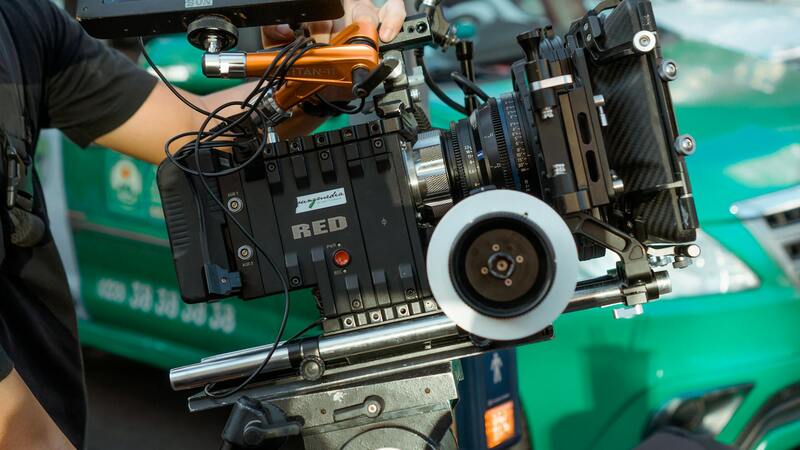
Advanced live event video production relies on a robust array of equipment designed to deliver crisp visuals and stable audio. Critical components include multi-camera systems equipped with high-definition and 4K capabilities, professional video switches, and real-time graphics generators. High-performance streaming hardware and reliable internet connections are fundamental to ensure uninterrupted broadcast quality. Redundant systems, such as backup cameras, power supplies, and network paths, safeguard against technical failures during the event. For virtual or hybrid components, equipment like multi-language audio channels, interactive chat interfaces, and 4K streaming platforms extend the event’s reach and engagement potential.
Additional equipment such as wireless microphones, DSLR or cinema cameras, steady cams, and drone footage contributes to a visually dynamic and immersive experience. Modern stabilization technologies and wireless data transmission improve mobility and flexibility for现场 coverage, enabling capturing both sweeping wide shots and detailed close-ups without compromising quality. Integrating these advanced tools ensures the production meets high industry standards and captures every critical moment flawlessly.
Key Roles and Team Structure
Given the complexity of live event video production, assembling a skilled team with clearly defined roles is essential. Typically, the core team includes:
- Producer: Oversees the entire project, coordinating logistics, schedules, and communication with clients.
- Director: Responsible for the creative vision, deciding camera angles, shot composition, and real-time switching.
- Technical Director: Manages video switching, signal flow, and ensures technical quality during the broadcast.
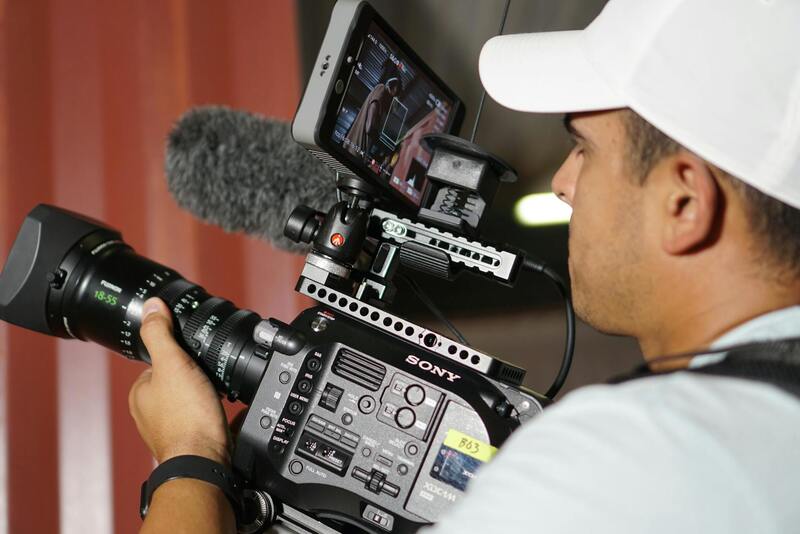
- Camerapersons: Operate the cameras, capturing various angles to add visual depth and variety.
- Audiovisual Technicians: Handle sound mixing, microphone setup, and audio levels to ensure clear audio quality.
- Graphics Operator: Creates and inserts real-time graphics, titles, and overlays to enhance on-screen information.
- Support Staff: Include staging crew, lighting technicians, and internet connectivity specialists to ensure smooth operation.
An effective team communicates seamlessly, with each member understanding their role in delivering a flawless live broadcast. Proper coordination and rehearsals help to mitigate unforeseen issues and ensure the event’s technical execution aligns with the overall vision.
Planning and Coordination Process
Successful live event video production hinges on meticulous planning and proactive coordination between the production team and clients. The process typically involves several key steps:
- Initial Consultation: Understanding the event’s objectives, audience, and technical specifications to develop a detailed production plan.
- Venue Site Survey: Assessing the location to identify optimal camera placements, power sources, internet bandwidth, and lighting needs.
- Technical Script and Shot List: Creating a blueprint for camera shots, transitions, graphic overlays, and audio configurations.
- Rehearsals and Test Runs: Conducting on-site rehearsals to troubleshoot potential issues, verify equipment functionality, and refine camera and sound cues.
- Communication Protocols: Establishing clear communication channels among team members through headsets, hand signals, or digital tools to facilitate real-time coordination.
- Contingency Planning: Preparing backup plans for technical failures, including spare equipment and alternative internet solutions.
Continuous collaboration with stakeholders ensures the production aligns seamlessly with event timing, content expectations, and branding requirements. A well-structured plan minimizes disruptions and enhances the overall viewer experience.
Post-Production and Content Delivery
After the live event, the focus shifts to post-production activities that refine the captured footage, create on-demand content, and maximize the event’s reach. This stage involves editing captured footage to highlight key moments, inserting additional graphics or effects, and ensuring content quality. Multiple distribution channels are employed to disseminate the final content seamlessly, including online platforms, social media, and internal networks.
Providing clients with comprehensive access to recordings and highlights enhances their engagement with audiences and supports future marketing efforts. Advances in cloud-based storage and workflows enable efficient editing and faster delivery. Furthermore, detailed analytics and viewer feedback help evaluate coverage effectiveness, guiding improvements for future productions.
Choosing a Live Event Video Production Partner in Miami
Partnering with a reputable live event video production company in Miami offers numerous benefits that directly influence the success of your event. Leveraging local expertise ensures that logistical challenges are minimized and that the production team possesses an in-depth understanding of the city’s unique landscape, venues, and vendor networks. This localized knowledge translates into smoother coordination, timely setup, and the ability to anticipate and handle unforeseen circumstances swiftly.
Advantages of Working with a Miami-Based Production Company
- Customized Services: Local providers are better positioned to tailor solutions that suit regional event themes, audience preferences, and logistical considerations.
- On-Site Support: Immediate presence enables real-time troubleshooting, rapid decision-making, and hands-on management of equipment and personnel.
- Cost-Effective Solutions: Proximity reduces transportation and logistics costs, often resulting in more competitive pricing without compromising quality.
- Industry Connections: Established relationships with Miami venues, vendors, and local talent facilitate smoother planning and execution.
- Familiarity with Local Regulations and Permits: Ensures compliance with city-specific requirements, avoiding delays or legal complications during the event.
Enhanced Audience Engagement and Content Excellence
A Miami-based live event video production team brings a nuanced approach to capturing your event’s essence, ensuring high-quality visuals and sound. Their local presence allows for adaptable shooting strategies, dynamic camera angles, and customized storytelling that resonate with regional audiences. This attention to detail and cultural relevance enhances viewer engagement, whether the broadcast is live streaming to remote audiences or producing highlights for future marketing use.
Strategic Planning and Seamless Execution
Choosing a Miami-based partner also means access to local project managers who understand the city’s event calendar, traffic patterns, and venue layouts. This knowledge leads to more precise scheduling and setup, reducing the risk of delays that could impact the quality of the live coverage. Their familiarity with Miami’s diverse cultural landscape allows for incorporating region-specific elements into the production, creating a more authentic and compelling broadcast experience.
Additionally, local teams tend to have established relationships with event staff, technical vendors, and venue management, facilitating smoother logistical coordination. Having a dedicated team on-site also ensures that technical issues are addressed rapidly, minimizing disruptions and maintaining broadcast continuity.
Future Opportunities and Long-term Partnerships
Building a relationship with a Miami-based live event video production company opens doors for ongoing collaborations, whether for annual corporate functions, music festivals, or community celebrations. Familiarity with your brand, preferences, and previous event dynamics streamlines future planning and allows for more sophisticated audiovisual storytelling. These partnerships often lead to innovative production solutions, consistent quality, and a deeper understanding of your evolving needs.