Understanding Live Webcasting Services
Live webcasting services have become an integral part of modern communication strategies, enabling organizations and individuals to broadcast events, presentations, and content to a global audience in real-time. These services leverage high-quality streaming technology to deliver seamless, uninterrupted video and audio, ensuring viewers experience the event as if they were physically present. For businesses, event organizers, and content creators in Miami, live webcasting offers a powerful platform to increase engagement, reach wider audiences, and enhance their brand visibility.
At its core, a live webcasting service involves the encoding, transmission, and playback of video content through the internet. This process requires specialized technology to capture live footage, compress it for efficient transmission, and distribute it via secure servers to viewers' devices. Such services are crucial for a variety of applications including corporate conferences, product launches, training seminars, educational webinars, and community events. They enable organizations to connect with remote audiences in real-time, bypassing geographical limitations and reducing costs associated with physical event setups.
In Miami, a vibrant hub for commerce, entertainment, and culture, live webcasting has gained significant momentum. It provides local businesses, government agencies, and entertainment entities an opportunity to showcase their events to a broader demographic without the constraints of location or size. Whether broadcasting a corporate keynote, a cultural festival, or a charity fundraiser, a reliable live webcasting service ensures that the content reaches viewers with clarity and professionalism. High-quality streaming can also complement marketing campaigns, offering potential clients and stakeholders a dynamic view of the organization’s activities and initiatives.
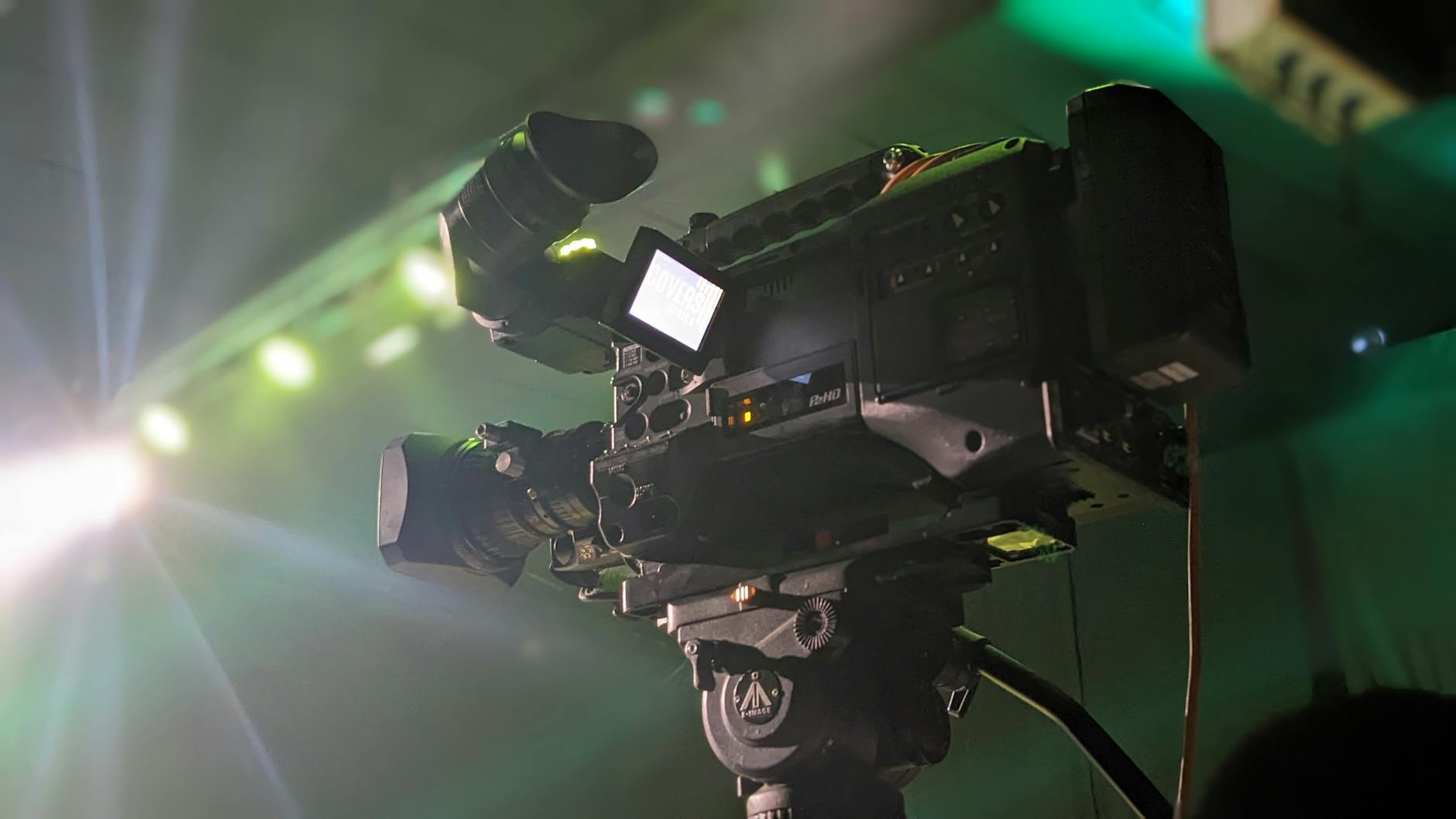
As the demand for real-time digital content continues to grow, understanding the core aspects of live webcasting becomes essential. It’s not only about broadcasting a live event but also about ensuring a smooth, engaging experience for viewers through technical excellence and strategic planning. A proficient live webcasting service in Miami combines cutting-edge technology with local expertise to deliver broadcasts that are professional, reliable, and tailored to specific needs. From encoding and transmission to audience interaction and analytics, every component plays a role in creating impactful live experiences.
For anyone considering a live webcasting solution, it’s crucial to recognize the role of quality infrastructure, knowledgeable support teams, and comprehensive planning in achieving success. By integrating these elements, organizations can maximize their event's visibility and effectiveness, making live webcasting a valuable component of modern communication and marketing strategies in Miami and beyond.
Understanding Live Webcasting Services
Live webcasting services have become essential tools for organizations aiming to extend their reach and enhance engagement through real-time digital broadcasts. A robust live webcasting solution allows content providers to transmit high-quality video and audio streams directly to viewers across various devices and platforms. Miami-based organizations value these services for their ability to deliver seamless broadcasts, whether for corporate events, cultural festivals, or community initiatives. These services rely on sophisticated encoding hardware, dedicated transmission networks, and user-friendly online interfaces to ensure every viewer experiences the event as intended.
One of the critical strengths of professional live webcasting is the capacity to provide scalable streaming options. As audience sizes fluctuate, from small internal meetings to large-scale public events, a reliable webcasting platform dynamically adapts to ensure consistent quality without buffering or interruptions. Technicians carefully plan the upload bandwidth, encoding settings, and CDN (Content Delivery Network) distribution to optimize performance in Miami's diverse network environments. This meticulous planning allows organizations to confidently host live streams that engage viewers with crisp visuals, clear sound, and minimal latency.
Beyond technical excellence, effective live webcasting involves a strategic approach that considers audience interaction, branding, and content delivery. Features such as real-time chat, Q&A sessions, and interactive polls foster viewer engagement, transforming passive viewing into an immersive experience. Content producers often incorporate branding elements—logos, watermarks, and customized overlays—to reinforce organizational identity during broadcasts. Analytics tools integrated into the webcasting platform offer insights into viewer behavior, locations, and engagement levels, enabling continuous improvement for future streams.
Technical reliability is foundational to successful live streaming. This involves not only high-performance cameras and encoders but also redundant power supplies, backup internet connections, and monitoring systems to detect and address issues proactively. Skilled support teams routinely perform pre-event testing, configure the streaming parameters, and are available on-site or remotely during the event to troubleshoot any technical difficulties promptly.
Another vital aspect is compliance with data security protocols, especially when streaming sensitive or proprietary content. Live webcasting services in Miami employ encryption and secure transmission channels to safeguard information and uphold confidentiality. The integration of content management systems also streamlines the organization and archiving of event recordings, allowing for post-event distribution or on-demand access.
Choosing the right live webcasting partner involves assessing their technical capabilities, experience with similar events, and ability to customize solutions according to specific requirements. Miami-based providers often offer comprehensive packages that include everything from initial planning and content setup to post-broadcast analytics and support. Local expertise plays a crucial role in understanding the regional network infrastructure, audience preferences, and logistical considerations, ensuring the delivery of a professional streaming experience that meets organizational objectives.
In summary, understanding the multifaceted nature of live webcasting services—covering technical, strategic, and operational aspects—is vital for organizations seeking to maximize the potential of digital event broadcasting. Carefully selecting a provider with proven expertise and cutting-edge technology ensures that every live stream is impactful, reliable, and aligned with organizational goals.
Technical Aspects and Setup of Live Webcasting
Effective live webcasting hinges on meticulous technical preparation and robust infrastructure. This encompasses selecting high-quality broadcasting equipment such as professional cameras, microphones, and encoding devices that ensure crisp video and audio clarity. Reliable internet connectivity is paramount; fiber-optic connections or redundant network pathways significantly reduce the risk of interruptions during the live stream. Backup solutions like portable hotspots and secondary streaming servers are integral to maintaining uninterrupted broadcasts in case of unforeseen technical issues.
Beyond hardware, software configurations play a crucial role in delivering seamless live streams. Streaming platforms used in Miami-based services typically include advanced encoding software that compresses video data without sacrificing quality. This ensures compatibility across a spectrum of devices and bandwidth conditions. Properly configuring streaming parameters, such as bitrate and resolution, balances image quality and streaming stability, especially for audiences with varied internet speeds.

Optimal setup also involves comprehensive pre-broadcast testing. Conducting dry runs to check audio-visual synchronization, latency, and stream stability helps identify potential flaws that could compromise the viewer experience. On the day of the broadcast, dedicated technical support teams monitor the feed continuously, ready to address issues as they arise. Integrating multi-camera angles, graphics, and real-time statistics can elevate the production quality, engaging viewers more effectively.
Data security measures, including stream encryption and secure login credentials, are implemented to protect proprietary content during transmission. Synchronization with content management systems facilitates efficient organization, captions, and post-event archiving. These measures are fundamental for maintaining professionalism and ensuring that the webcast runs smoothly from start to finish.
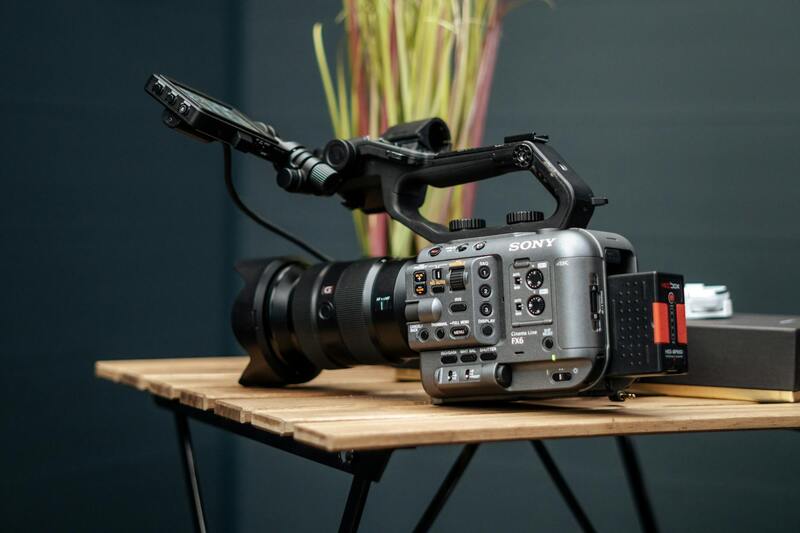
In summary, a comprehensive approach to the technical aspects of live webcasting—covering hardware, software, connectivity, and security—is key to delivering a dependable, high-quality stream. Organizations partnering with Miami-based webcasting providers can leverage local expertise to set up sophisticated broadcasting environments tailored to their specific event requirements, thus ensuring a memorable digital experience for all viewers.
Implementing Advanced Streaming Technologies for Superior Webcasting
To ensure an engaging and seamless live webcasting experience, the deployment of cutting-edge streaming technologies is essential. These technologies include adaptive bitrate streaming, which automatically adjusts video quality in real-time based on the viewer's internet speed, minimizing buffering and enhancing viewer satisfaction. Additionally, multicast streaming protocols enable multiple streams to be delivered simultaneously across diverse networks, fostering wider coverage without compromising quality.
Leveraging cloud-based streaming platforms allows content providers to scale effortlessly during peak demand periods while maintaining consistent performance levels. Cloud infrastructure offers the flexibility to handle high traffic volumes, ensuring that viewers across Miami and beyond receive uninterrupted access regardless of the event's scale.
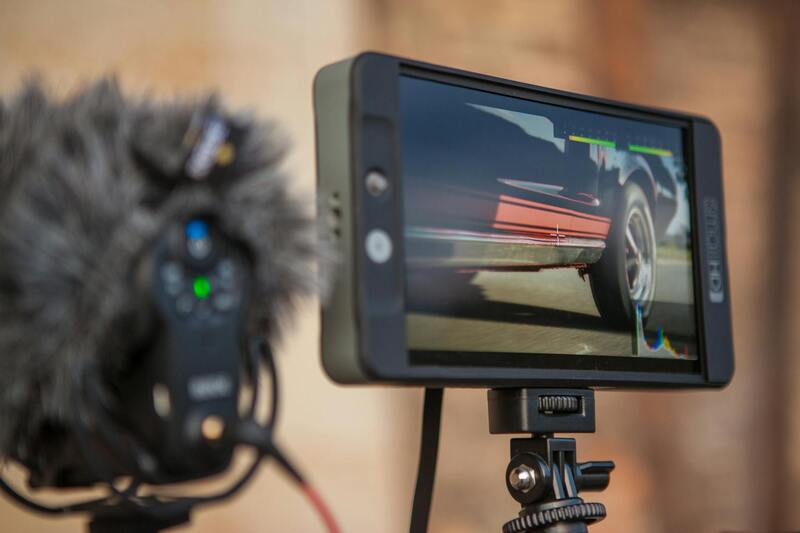
The integration of robust encoding hardware with sophisticated streaming software facilitates multi-format delivery, accommodating various devices such as desktops, tablets, and smartphones. This ensures that viewers can access the webcast conveniently without compromising on visual or audio fidelity.
Content Delivery Networks (CDNs) and Their Role in Live Streaming
Content Delivery Networks (CDNs) are critical to the success of live webcasting, especially in areas like Miami where network congestion can impact stream stability. CDNs distribute content across multiple geographically dispersed servers, reducing latency and preventing overloading of any single point. This network architecture results in faster load times, lower latency, and a resilient streaming experience even during unexpected spikes in viewer numbers.
When selecting a webcasting provider in Miami, it is vital to assess their use of CDN technology and their ability to optimize for regional network conditions. A reliable provider will employ a multi-CDN approach, further enhancing the robustness and reliability of the webcast.
Ensuring Cross-Platform Compatibility and Accessibility
Successful live webcasts are characterized by compatibility across a multitude of devices and operating systems. Providers must utilize adaptive streaming protocols, such as HLS or DASH, which dynamically select the optimal video quality based on the viewer's device and bandwidth capabilities.
Inclusivity also involves integrating accessibility features like closed captions, sign language interpretation, and audio descriptions. These enhancements broaden audience reach and comply with best practices for accessible content delivery.
Implementing Security Measures to Safeguard Live Content
Maintaining the integrity of live broadcasts involves sophisticated security measures such as end-to-end encryption, secure token-based authentication, and geo-restrictions. Encryption ensures that data remains confidential during transmission, while secure login protocols authenticate authorized viewers, preventing unauthorized access.
Further, implementing watermarking and digital rights management (DRM) tools helps protect proprietary content from unauthorized redistribution or piracy. For events hosted in Miami, employing these security strategies ensures that sensitive content is protected and the event's digital integrity maintained.
Technical Aspects and Setup of Live Webcasting
Implementing a live webcasting service requires meticulous preparation to ensure a seamless experience for viewers. The process begins with selecting appropriate hardware, including high-quality cameras, professional microphones, and robust encoders that convert raw video signals into streaming formats. A stable internet connection with sufficient bandwidth is essential; upload speeds should typically exceed the required streaming bitrate to prevent interruptions.
Network infrastructure plays a vital role, especially in a bustling city like Miami where high internet traffic can impact live streams. Utilizing dedicated network lines or bonding multiple internet sources can mitigate potential disruptions. Additionally, configuring the encoder settings for optimal bitrate and resolution ensures clarity without overloading network capacity.
On the software side, choosing a scalable streaming platform that supports adaptive bitrate streaming is crucial. This technology adjusts video quality in real time based on viewers' device and connection, minimizing buffering and enhancing viewing experiences. It’s equally important to test the entire setup thoroughly before the live event, calibrating audio and video levels and verifying synchronization.
For live webcasting in Miami, integrating backup systems such as secondary encoders and redundant internet connections provides fail-safes in case primary components encounter issues. Producing a quality live stream involves not only technology but also a dedicated team capable of managing the broadcast, addressing technical challenges promptly, and communicating effectively with the audience.

Best Practices for Successful Live Webcasts
Achieving a successful live webcast involves adhering to a series of best practices designed to optimize viewer engagement and broadcast quality. First, comprehensive pre-event testing is fundamental. Conduct run-throughs to verify internet stability, audio and video synchronization, and platform functionality.
Next, creating a detailed production plan helps streamline the live event. This plan should include a rundown of segments, cue points for transitions, and designated roles for team members, such as camera operators, technical support, and moderators.
Engaging the audience through interactive features like live chat, polls, and Q&A sessions keeps viewers involved and enhances their overall experience. Incorporating branding elements—such as custom graphics, overlays, and countdown timers—also adds professionalism to the broadcast.
Another critical aspect is ensuring accessibility. Providing closed captions, multiple language options, and audio descriptions expands reach and inclusivity. In Miami’s diverse environment, catering to various audience needs can significantly boost participation.
Security remains paramount; employing encrypted streams, secure access links, and authentication measures shield content from unauthorized access. Additionally, maintaining a dedicated technical support team on hand during the webcast can address unexpected issues swiftly, minimizing downtime.
Post-event, analyzing viewership metrics and gathering feedback are vital for continuous improvement. Recognizing perceived challenges and audience preferences enables the refinement of future broadcasts, ensuring ongoing success.
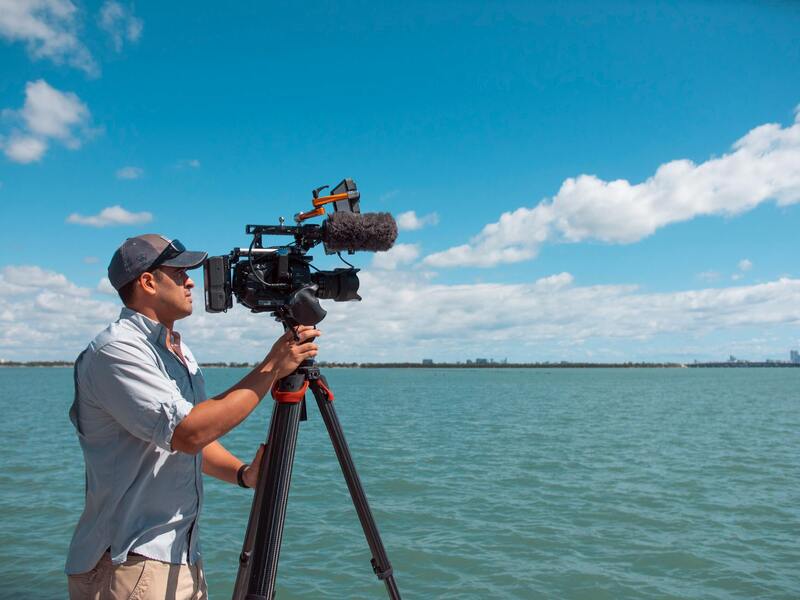
Employing Official and Certified Methods for Live Webcasting in Miami
To deliver high-quality live webcasting experiences that meet professional standards, utilizing endorsed methods and tools is imperative. This involves leveraging reputable streaming platforms and hardware solutions that are recognized for their robustness and compliance with industry standards. For instance, employing dedicated encoding devices such as hardware encoders ensures stable and high-definition streams, reducing latency and buffering issues. These devices are integrated with secure, encrypted connections to safeguard content integrity during transmission.
Pairing state-of-the-art broadcast equipment with reliable internet connectivity is essential. Miami hosts a variety of locally available services that offer dedicated fiber-optic lines, offering unparalleled bandwidth and network stability suitable for live streaming requirements. Redundant internet connections, including 4G LTE or 5G backup links, provide an additional layer of security against disruptions, ensuring continuous broadcast flow.

Another crucial element involves the use of compliant streaming platforms that conform to industry standards such as RTMP, HLS, or MPEG-DASH protocols. These protocols facilitate adaptable streaming to different devices and network conditions, maintaining a consistent viewer experience. Choosing a platform with built-in security features such as DRM (Digital Rights Management), SSL encryption, and access controls safeguards content from unauthorized viewing. When selecting a Miami-based provider, verifying their adherence to these standards is a vital step.
In addition, implementing professional audio and video equipment, including high-definition cameras, lapel and shotgun microphones, and professional lighting, grants a polished and credible presentation. All hardware components must undergo calibration and regular maintenance to assure optimal performance. Properly configured video switchers and cloud-based management tools enable real-time editing, overlays, and transitions, enriching the broadcast quality.
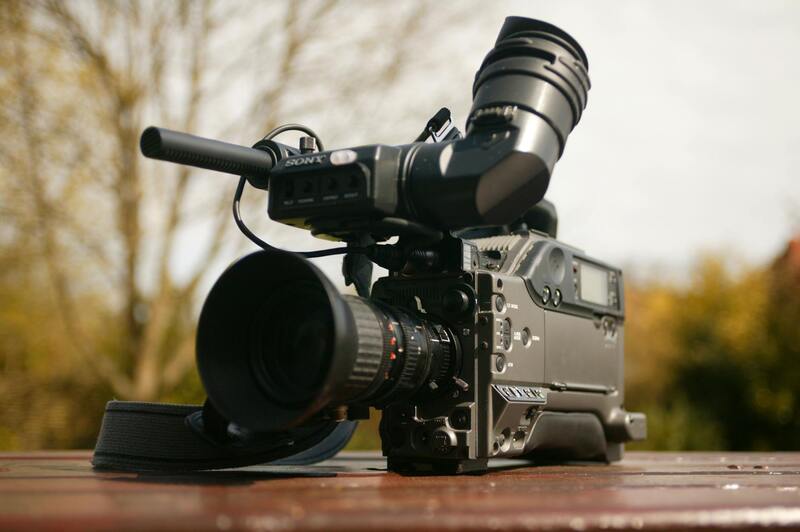
Personnel involved in the setup and operation should be trained in the latest standards and best practices. This includes understanding how to handle encoding configurations, troubleshoot connectivity issues, and manage live interactions smoothly. Strict adherence to these operational protocols facilitates a seamless viewing experience that fulfills the expectations of a professional audience.
Finally, documenting the entire setup process and establishing standard operating procedures (SOPs) enhances operational consistency. Conducting test runs prior to the live event verifies all technical components are functioning in unison, reducing the risk of unforeseen problems during the broadcast. When these official, proven methods are employed systematically, content creators and organizers in Miami can uphold the highest standards of live webcasting.
Technical Aspects and Setup of Live Webcasting
Implementing a professional live webcasting service requires careful attention to the technical infrastructure that underpins a seamless broadcast. High-quality content delivery hinges on robust hardware and optimized software configurations. Central to this setup are high-definition cameras that capture visuals with clarity, paired with professional-grade audio equipment such as lapel microphones, shotgun microphones, and sound mixers to ensure crystal-clear sound quality. Proper lighting setups not only enhance visual appeal but also prevent shadows and color distortions, contributing to a polished presentation.
Hardware calibration and routine maintenance are fundamental to sustain peak performance. This includes verifying camera focus, adjusting lighting levels, and ensuring audio levels are balanced throughout the broadcast. Video switchers facilitate switching between multiple camera feeds, while overlay graphics and lower thirds can be added in real-time, enriching the viewer’s experience. Cloud-based management platforms enable remote control of these features, allowing operators to adjust live content dynamically.
On the software front, encoders are essential for converting live video into streaming formats compatible with various devices and internet speeds. Reliable internet connectivity, often via dedicated fiber lines or bonded internet solutions, minimizes latency and prevents buffering issues. Ensuring sufficient upload bandwidth is crucial, especially when streaming in high definition or incorporating multiple video sources.
Operational personnel responsible for live streaming should be proficient in configuring encoding settings, troubleshooting connectivity issues, and managing live interactions such as chat moderation or Q&A sessions. Training staff on the latest protocols and using up-to-date tools results in a more resilient and adaptable broadcast pipeline.
Documenting procedures—such as setup checklists, troubleshooting guides, and contingency plans—helps standardize operations. Conducting comprehensive test runs before the scheduled event verifies that all components function harmoniously. These practices not only prevent technical failures but also instill confidence among organizers and viewers. When specific, proven methods are implemented systematically, the quality and reliability of live webcasts significantly improve, fostering a positive image and better audience engagement.
Technical Aspects and Setup of Live Webcasting
Executing a high-quality live webcast in Miami requires meticulous planning and deployment of advanced technical infrastructure. Central to this process are the hardware and software components that ensure seamless streaming and optimal viewer experience. A typical setup includes professional-grade cameras capable of capturing crisp, high-definition video from multiple angles, enhancing the overall production quality.
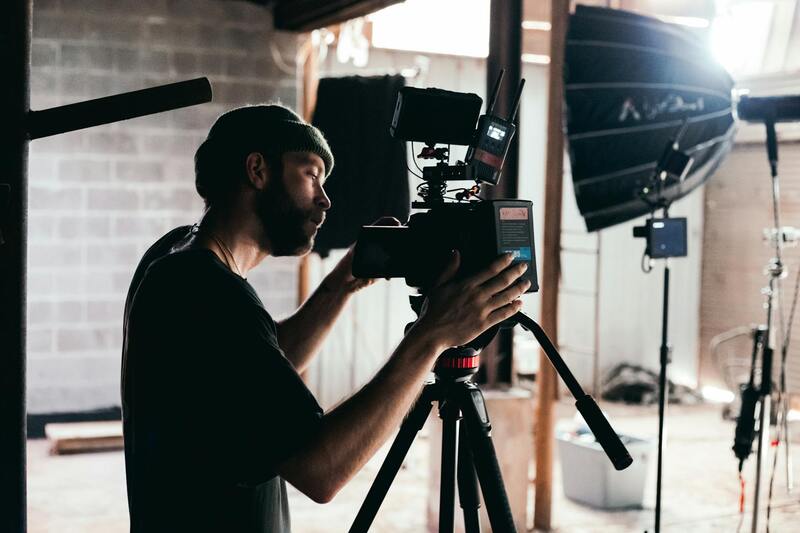
Video encoders transform raw footage into streaming-compatible formats. These encoders can be hardware-based or software solutions, both of which should be chosen based on the complexity and scale of the webcast. Proper encoding settings are vital for balancing video quality with bandwidth limitations, ensuring viewers receive a smooth stream regardless of their device or internet speed.
Reliable internet connectivity is a cornerstone of successful live broadcasts. Utilizing dedicated fiber optic lines or bonded internet connections helps maintain consistent upload speeds and reduces latency. It's important to have a backup internet solution, such as a secondary cellular connection or satellite link, ready to activate in case of primary connection failure.
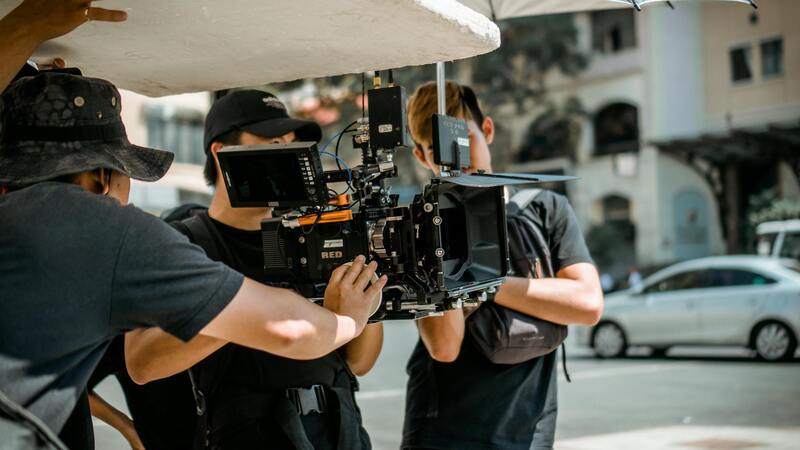
The use of hardware or software switching equipment allows for dynamic transitions between different video sources, including pre-recorded segments, live cameras, or remote feeds. This flexibility creates a more engaging and professional broadcast. Additionally, integrated audio equipment ensures clear sound quality, which is essential for keeping viewers engaged.
Operational Personnel and Workflow
Effective live webcasting depends heavily on skilled technical staff. Their responsibilities include configuring encoding settings, managing live camera feeds, monitoring internet stability, and troubleshooting issues as they arise. Training staff on the latest equipment and protocols reduces the likelihood of errors during the broadcast.
Prior to the event, comprehensive testing of all equipment is essential. Conducting dry-runs helps identify potential issues, verify camera angles, audio levels, and internet stability. Creating detailed setup checklists and troubleshooting guides can streamline this process and serve as reference during the live event.
Ensuring High-Quality Broadcasts
To optimize viewer experience, it's crucial to optimize streaming parameters for different platforms and devices. Adaptive bitrate streaming adjusts quality in real-time based on viewer bandwidth, preventing buffering and reducing viewer frustration. Additionally, closed captioning options and multilingual subtitles can expand accessibility and reach a broader audience.
Implementing interactive features such as live chat, Q&A sessions, and polls can foster engagement and make the webcast more dynamic. Moderating these interactions ensures a professional environment and prevents spam or disruptive comments from affecting the broadcast’s flow.
Documentation and Continuous Improvement
Documenting each step—from equipment setup to troubleshooting procedures—facilitates continuous process improvement. Post-event reviews should analyze the stream’s performance, audience engagement metrics, and technical issues encountered. Applying these insights enables teams to refine their setup, adopt new technologies, and elevate the quality of future live webcasts.