Overview of 3D Property Photography
In the competitive Miami real estate landscape, visual presentation plays a crucial role in attracting potential buyers and accelerating sales. Among the most innovative and impactful visual marketing tools is 3D property photography. This technology enables the creation of immersive, highly detailed virtual representations of properties, allowing viewers to explore interior and exterior spaces in a simulated three-dimensional environment. As a result, prospective buyers can experience a property remotely, gaining a realistic sense of layout, spatial relationships, and design elements without physically being present.
3D property photography has seen a significant rise in adoption across Miami’s diverse real estate market, ranging from luxurious condominiums and waterfront estates to commercial properties. Its ability to depict properties with precision enhances listing quality and attracts more engagement from online audiences. The technique elevates traditional photography by providing an interactive experience, making property listings stand out in a crowded marketplace. Additionally, the visual clarity and accuracy offered by 3D imaging streamline the decision-making process for buyers, reducing uncertainty and increasing the likelihood of in-person visits or offers.
Furthermore, the integration of advanced 3D visuals aligns with the increasing demand for digital-first real estate experiences. Prospective buyers often start their property search online, where engaging visual content influences their initial impression and interest levels. The use of 3D property photography not only enhances the aesthetic appeal but also bolsters credibility and professionalism in listings, fostering trust between agents and clients. As Miami continues to grow as a hub for luxury living and international real estate investment, leveraging cutting-edge visual solutions like 3D photography has become an essential component of effective marketing strategies.

In essence, 3D property photography is redefining how real estate professionals showcase properties, delivering immersive experiences that facilitate faster sales and provide an edge in a competitive market. Its utility extends beyond simple visual enhancement, serving as a strategic tool that complements traditional marketing efforts and sets a property apart in the digital age.
Key Technologies and Equipment
Creating compelling 3D property imagery involves a sophisticated combination of hardware and software designed to produce precise, detailed, and engaging visuals. The primary hardware includes high-resolution 360-degree cameras, lidar scanners, and tripod systems that allow for comprehensive spatial data collection. These devices enable capture of every aspect of a property’s interior and exterior, ensuring no detail is overlooked.
On the software front, specialized 3D modeling and rendering programs transform raw data into polished visual representations. Programs such as Matterport, Cupix, and iGUIDE facilitate the creation of virtual tours and layered 3D images with realistic textures and lighting adjustments. These platforms often include user-friendly interfaces for editing and enhancing visuals, allowing professionals to fine-tune presentations before delivery.
Additional equipment like drone cameras may be employed for exterior shots, especially for properties with expansive grounds or scenic surroundings. The synchronization of drone data with interior scans provides a cohesive visual narrative that highlights the property’s full potential.
The combination of these advanced tools ensures the final product is not only visually stunning but also accurately representative of the property. As technology evolves, integration of augmented reality (AR) and virtual reality (VR) capabilities is becoming more common, offering interactive experiences that go beyond traditional virtual tours.

Benefits for Real Estate Listings
Utilizing state-of-the-art 3D property photography provides tangible benefits for listings aiming to attract serious buyers. First, 3D visuals significantly increase online engagement by offering immersive experiences that static images cannot match. This heightened engagement leads to increased traffic to property listings and longer browsing durations, fostering greater interest from prospective buyers.
The enhanced clarity and realism of 3D visualizations help eliminate ambiguities about a property’s layout and features, reducing the number of in-person visits necessary before making an offer. Buyers can virtually walk through properties at their convenience, which saves time for both agents and clients and helps swiftly narrow down choices.
Moreover, detailed 3D images and virtual tours instill confidence in potential buyers by providing transparent, accurate representations of the property. This transparency can expedite negotiations and facilitate faster transactions.
The visual appeal of high-quality 3D content also elevates the overall professionalism of listings, positioning sellers as committed and detail-oriented. This perception not only attracts more viewers but also enhances trust, particularly in competitive markets or luxury real estate segments.
Key Technologies and Equipment
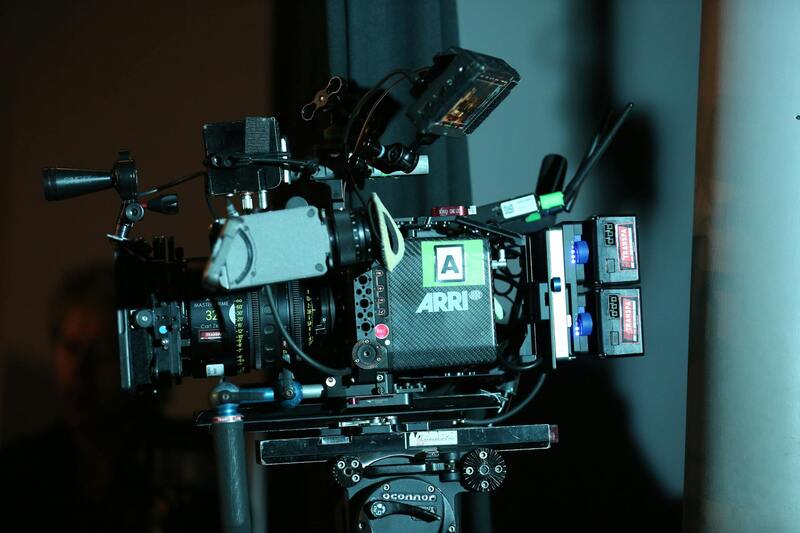
Successful 3D property photography relies on a suite of advanced technologies and specialized equipment that work together to produce detailed, accurate, and immersive visualizations. At the core is the use of high-resolution 360-degree cameras, which capture comprehensive views of interior and exterior spaces with precise clarity. These cameras are often paired with laser scanners or LiDAR (Light Detection and Ranging) devices that measure distances meticulously, creating highly accurate spatial data that forms the foundation of the 3D models.
In addition to capturing images and spatial measurements, professional-grade software plays a crucial role in the processing and rendering of these elements into seamless, navigable 3D environments. These applications enable the stitching of images, correction of distortions, and integration of spatial data to produce photorealistic virtual models of properties.
Lighting equipment is also vital to ensure consistent, even illumination across all captured visuals, eliminating shadows or glare that could obscure details. Drones equipped with high-definition cameras are often utilized for capturing aerial views, providing comprehensive coverage of larger properties and outdoor amenities. Such multi-angle perspectives help in creating a holistic visual story of the property, enhancing its appeal.
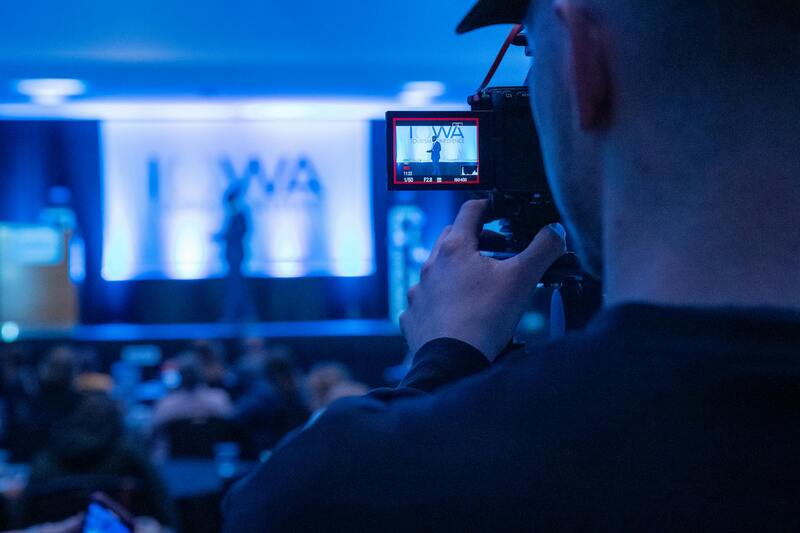
All of these tools are operated by trained professionals who understand the nuances of capturing high-quality, accurate data essential for creating compelling 3D visualizations. The deployment of these technologies ensures that the final output not only meets the aesthetic standards but also provides reliable and detailed spatial representations that prospective buyers or tenants can explore virtually.
Utilizing 3D Property Photography for Virtual Tours and Marketing Campaigns
One of the primary ways 3D property photography enhances real estate marketing is through the creation of immersive virtual tours. These tours allow prospective buyers or renters to navigate a property remotely, providing a detailed and realistic sense of space and layout without physically visiting the site. By integrating 3D models into an online listing or dedicated platform, real estate professionals can offer engaging, interactive experiences that significantly increase user engagement and inquiry rates.
These virtual tours are often augmented with features such as clickable hotspots, floor plan overlays, and detailed informational elements. Such integrations enable viewers to explore specific areas in greater depth, highlighting unique architectural features or recent upgrades. This level of engagement can reduce the need for multiple in-person visits, streamlining the sales process and expanding reach to a broader audience, including out-of-town buyers or international investors.

Furthermore, 3D property photography can be incorporated into digital marketing campaigns across various channels. For example, dynamic 3D walkthroughs can be embedded into real estate websites, email marketing campaigns, and social media ads, offering an eye-catching and informative preview that increases traffic and lead generation. When paired with professional content strategies, these virtual assets serve as powerful tools to differentiate listings in a competitive marketplace, attracting serious buyers and expediting sales.
Another key advantage of using 3D imagery in marketing is the ability to generate high-quality promotional content. Still images extracted from the 3D model can be optimized for SEO, used in print advertisements, or included in virtual open house events. This versatility ensures that the property’s presentation remains consistent and visually compelling across all platforms, maximizing exposure and engagement rates.
Moreover, integrating 3D property photography with augmented reality (AR) applications is increasingly popular. This technology allows clients to visualize a property in their own environment or customize interior elements virtually. Such innovative marketing solutions provide a personalized experience, greatly influencing purchasing decisions and fostering higher confidence in the property’s potential.
Integration with Broader Marketing Strategies
Effective market positioning of a property requires a cohesive strategy that amplifies its visual appeal across multiple digital and traditional channels. Integration of 3D property photography into broader marketing efforts significantly enhances a listing’s visibility and attractiveness. High-quality 3D visual content can seamlessly be embedded on listing websites, providing potential buyers with an immersive experience that goes beyond static images. These virtual tours facilitate deeper engagement by allowing viewers to navigate through a property at their convenience, thereby increasing the likelihood of connection and inquiry. Social media platforms serve as powerful channels for disseminating 3D visuals, where eye-catching virtual tours and images can be shared to reach a wider audience. Shortened clips or interactive snippets utilizing 3D technology generate buzz and encourage shares, further expanding property exposure. Additionally, virtual open house events enable prospective buyers to tour properties remotely, offering a dynamic, real-time experience that mimics physical visits. Incorporating 3D property walkthroughs into email marketing campaigns creates personalized, engaging content that can prompt immediate action.
Real estate professionals should also consider pairing 3D imagery with targeted advertising efforts. PPC (pay-per-click) campaigns and social media ads featuring 3D assets tend to outperform traditional formats, drawing attention to listings with innovative, high-quality visuals. These strategies cultivate a competitive edge in bustling markets like Miami, where distinctive presentation attracts discerning buyers. Furthermore, the ability to incorporate 3D visuals into virtual staging enhances the property’s appeal. Virtual staging allows potential buyers to envision the space with different interior designs without physically altering the environment. This flexibility not only broadens the property's attractiveness but also simplifies the customization process for prospective owners.
Overview of 3D Property Photography
3D property photography offers an innovative approach to showcasing real estate by creating immersive, high-resolution virtual representations of properties. Unlike traditional photos, 3D imaging captures every aspect of a space with precise detail, allowing potential buyers or tenants to explore properties remotely as if they were physically present. The technology leverages advanced imaging and rendering techniques to produce accurate spatial layouts, detailed textures, and realistic lighting effects. This method enhances the overall viewing experience, enabling more informed decisions and fostering a stronger emotional connection to the property.
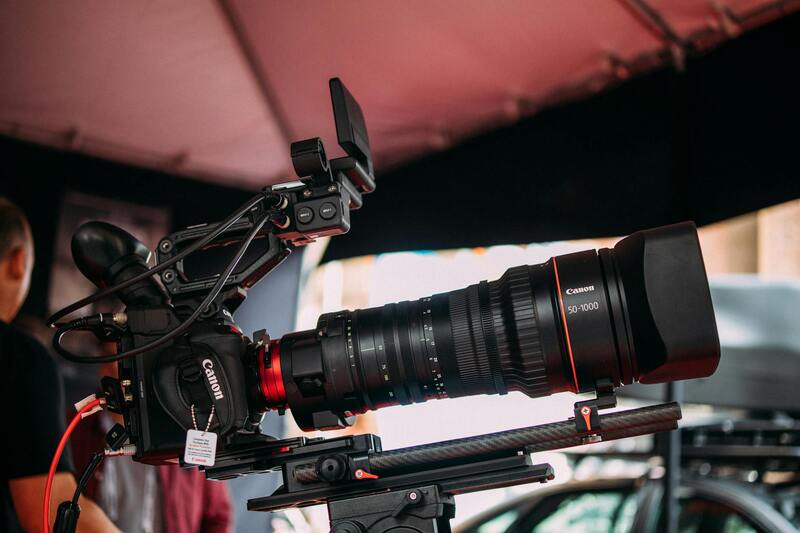
3D property photography has become an essential component in modern real estate marketing strategies. It caters to the increasing demand for remote viewing options and aligns with the expectations of tech-savvy buyers who seek a more interactive and engaging property exploration process. As buyers often browse multiple listings online before scheduling physical visits, high-quality 3D visualizations serve to distinguish listings from competitors and can significantly increase engagement and inquiry rates.
Key Technologies and Equipment
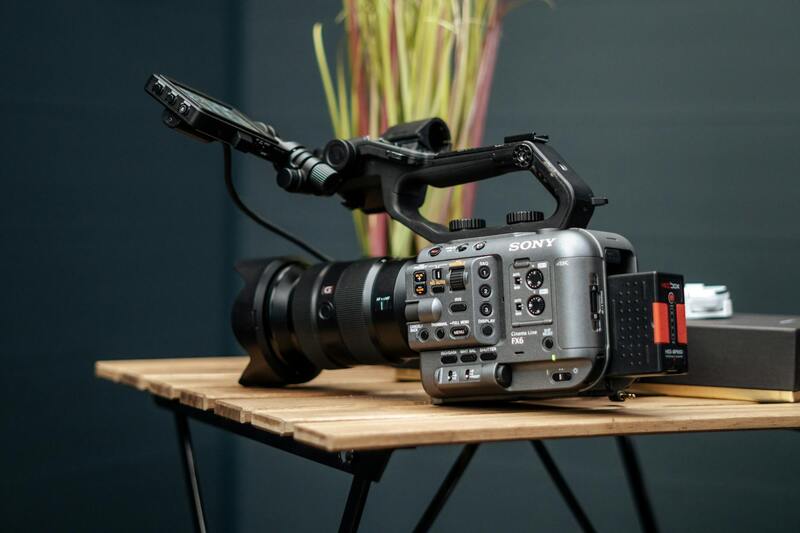
Creating compelling 3D property images involves specialized hardware and software. The core equipment includes high-resolution 360-degree cameras, which capture comprehensive panoramic images of each room. These cameras can vary from dedicated 3D scanners to multi-lens devices that stitch images together seamlessly. Additional tools such as laser scanners or LiDAR (Light Detection and Ranging) technology enhance accuracy by capturing detailed measurements of interior spaces and structural elements.
On the software front, photogrammetry and 3D modeling applications process raw data into interactive virtual tours and detailed floor plans. These programs enable professionals to add annotations, hotspots, and navigable pathways, creating user-friendly virtual environments. Optimization of these visuals for web dissemination involves compression techniques that balance quality and load times, ensuring accessibility across various devices and internet speeds.
Image Placeholder
Benefits for Real Estate Listings
Deploying 3D property photography enhances listing visibility and perceived value by providing potential buyers with an interactive experience. Visual content that allows users to navigate through rooms, examine details up close, and visualize different angles leads to increased engagement and time spent on listings. This immersive approach also reduces uncertainty, helping buyers make quicker decisions without the need for immediate physical visits.
- Increased viewer engagement and longer viewing times
- Greater clarity of property features and layout
- Enhanced trust and professionalism in listings
- Better qualification of leads, saving time for agents
- Potential to attract remote or international buyers, expanding market reach
Image Placeholder

Process of Creating 3D Property Visuals
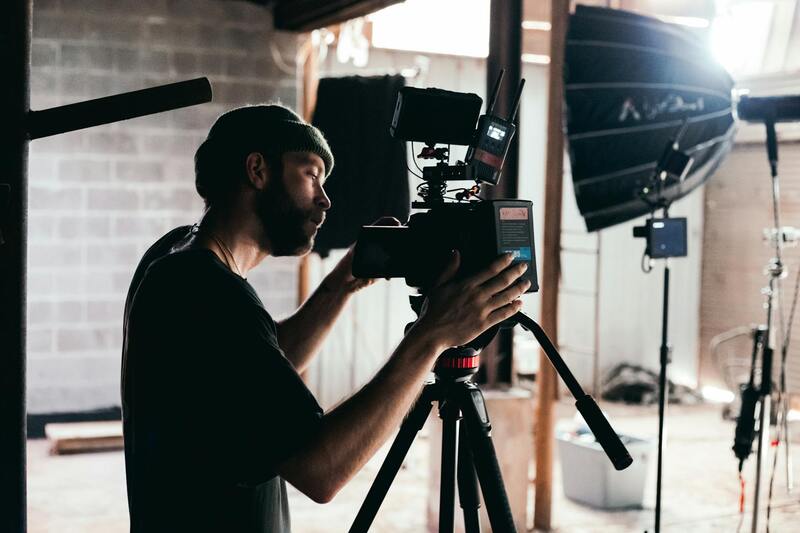
The production of 3D property visuals involves a systematic approach, starting with planning and site preparation. Ensuring good lighting, tidiness, and accessibility helps streamline data capture. The initial step is capturing images and measurements with specialized equipment, such as 360-degree cameras or laser scanners. Once the raw data is collected, it undergoes processing using dedicated software to generate accurate digital reconstructions.
This software stitches images into panoramic views, creating a virtual walkthrough that can be navigated interactively. Further enhancements include adding descriptive hotspots, labels, and multimedia elements like voiceovers or virtual staging overlays. Final rendering involves optimizing file sizes for online use while maintaining visual fidelity, which ensures seamless viewing experiences across desktops, tablets, and smartphones.
Image Placeholder
Integration with Other Marketing Strategies
3D property visuals integrate seamlessly into broader marketing campaigns, reinforcing online and offline outreach efforts. Embedding virtual tours on listings and social media platforms amplifies visibility, capturing attention and encouraging shares. When paired with targeted digital advertising, such as social media ads or search engine marketing, these visuals can significantly enhance lead conversion rates.
Additionally, virtual staging through 3D technology offers the flexibility to showcase different interior design options without physical renovations. This adaptability appeals to buyers' imagination and helps visualize potential upgrades or customization, further boosting listing appeal. Interactive features like virtual open houses and instant chat options within the 3D environment provide real-time engagement opportunities that complement traditional marketing methods.
Considerations and Cost Factors
When selecting professional 3D property photography services, several critical aspects influence the overall value and outcome of the visual marketing assets. Cost is a primary consideration, varying based on the complexity of the property, the level of detail required, and the geographic region of the service provider. Pricing structures can be transparent, often incorporating flat fees per property, or may include additional charges for specialized features such as virtual staging, detailed hotspot annotations, or interactive model customizations.
Service providers offering 3D property photography typically use a combination of standard imaging packages and bespoke solutions tailored to specific listing needs. It is essential to assess the scope of services offered, including the number of 3D renders, the resolution quality, and the extent of post-production editing. High-quality visuals that accurately portray the property's features and atmosphere contribute significantly to attracting potential buyers or tenants.
Project timelines vary depending on the size of the property and the complexity of the visual presentation. Efficient service providers can deliver fully rendered interactive tours within 24 to 72 hours after data collection. It is advisable to clarify turnaround times upfront to align with marketing schedules. Exceptional providers also offer flexible scheduling options to ensure timely integration into listing campaigns, especially during high-demand periods or open house events.

Choosing the Right Service Provider
- Verify experience and portfolio: Select firms with proven expertise in residential and commercial property visualization.
- Assess technology use: Ensure advanced equipment such as high-resolution cameras and specialized 3D imaging software.
- Review client testimonials and case studies: Gain insights into professionalism, reliability, and quality of output.
- Clarify deliverables and revisions: Confirm the scope of work and policies for edits or adjustments post-delivery.
- Consider ongoing support services: Opt for providers offering updates, maintenance, and integration assistance for marketing platforms.
Investing in reputable 3D property photography requires an understanding of these factors to maximize return on investment, enhance property appeal, and accelerate sales or leasing processes. Due diligence in selecting a qualified service provider ensures that properties are showcased with professionalism, engaging visuals, and interactive features that resonate with modern buyers and tenants.
Considerations and Cost Factors
When evaluating 3D property photography services, several key considerations impact both the quality of the final product and the overall campaign efficiency. These include the desired level of detail, project scope, and specific property features that need highlighting. High-resolution imaging equipment coupled with sophisticated 3D rendering software ensures that each visualization accurately reflects the property's spatial arrangements, finishes, and unique attributes.
Cost factors tend to vary based on the complexity of the property and the depth of the interactive features required. Larger residential estates or commercial spaces with intricate layouts may necessitate additional scanning and editing time, which can influence pricing. Providers often offer tiered packages, enabling clients to select services tailored to their budget and marketing goals. Standard offerings typically include a comprehensive 3D walkthrough, high-resolution imagery, and interactive floor plans, while premium packages may incorporate drone footage, virtual staging, or augmented reality integrations.
Another important consideration is the turnaround time. Reputable service providers prioritize punctual delivery, often providing initial drafts within 24 to 48 hours, allowing sufficient time for revisions before listing deadlines. Clarifying these timelines upfront helps align production schedules with marketing campaigns or open house events, ensuring seamless integration.
Effective communication with the service provider about expectations and desired outcomes reduces the risk of costly misunderstandings or revisions. A detailed contract outlining deliverables, revision policies, and post-project support is advisable. This ensures that the final visuals meet quality standards and that any necessary adjustments are handled efficiently.
Investments in professional-grade 3D photography not only elevate visual presentation but also contribute significantly to faster property sales and increased market engagement. Strategically balancing quality, scope, and cost results in a compelling visual narrative that resonates with prospective buyers and tenants alike, especially in competitive markets such as Miami where modern, immersive visuals are highly valued.