Importance of High-Quality Real Estate Photos
In the competitive Miami real estate market, compelling property images are essential for attracting potential buyers and closing sales efficiently. High-quality real estate photos serve as a powerful first impression, highlighting the unique features and overall appeal of a property. They play a critical role in online listings, where potential buyers often narrow their search based on visual impressions alone. When a property’s images are professionally captured with clarity, proper lighting, and strategic composition, they create an inviting and accurate representation that entices viewers to explore further.
Real estate photography influences buyer interest significantly. Listings with crisp, vibrant images gain more clicks, longer viewing times, and higher engagement. In Miami’s dynamic market, where buyers often browse through dozens of listings daily, standout photos can make the difference between a quick sale and a missed opportunity. Furthermore, high-quality photos help set realistic expectations, reducing showroom surprises and fostering trust. This trust facilitates a smoother transaction process, fostering confidence in the property's perceived value.
Professional images not only capture the property's best features but also communicate a sense of professionalism and credibility for the seller. When agents or property owners invest in high-resolution, well-composed photos, it reflects the property's quality and encourages serious inquiries from motivated buyers. Given Miami’s diverse and vibrant real estate landscape, leveraging top-tier photography can significantly elevate a listing’s visibility and desirability.
Ultimately, the impact of high-quality property photos extends beyond mere aesthetics. They are a vital component of strategic marketing efforts, harnessing visual storytelling to position a property as the ideal choice for prospective homeowners or investors. Properly captured images help portray the property’s ambiance, layout, and scale, creating an emotional connection that can lead to faster sales at optimal prices.


Preparing a Property for Photography
Successful real estate photography begins long before the camera is poised to capture images. Proper preparation ensures that each photograph accurately represents the property’s best features and creates a compelling visual narrative for potential buyers. Start by thoroughly decluttering each room to eliminate unnecessary items that can distract viewers from the property’s architectural elements and space. This includes clearing countertops, removing personal items, and organizing furniture to enhance the flow and functionality of each space.
Next, pay attention to staging. A well-staged home highlights its potential, making spaces appear inviting and functional. It can involve minor adjustments such as arranging furniture to showcase open layouts or adding tasteful decor to create a warm atmosphere. Ensuring the property is clean and well-maintained is paramount; fresh paint, neat landscaping, and spotless windows significantly improve the visual appeal.
Timing also plays a crucial role. Schedule the photoshoot during the day when natural light floods the interiors, typically in the late morning or early afternoon. Natural light enhances colors and creates a welcoming ambiance, making spaces look larger and more vibrant. If natural light is limited, professional lighting equipment can be used to brighten dark areas evenly, avoiding harsh shadows or overexposed sections.
In addition, consider the exterior presentation. The lawn should be mowed, and landscaping trimmed. Any clutter or debris around the property should be cleared. Enhancing curb appeal through minor repairs or outdoor beautification methods can significantly impact first impressions, compelling viewers to explore further.
Taking these preparatory steps ensures that every shot captures the property’s essence, ultimately translating into more engaging and effective real estate property pictures.
Choosing the Right Equipment and Techniques
Quality real estate images rely heavily on the right tools and imaging methods. Professional-grade cameras, wide-angle lenses, and stable tripods are fundamentals for capturing expansive, distortion-free views. Wide-angle lenses are especially valuable in real estate photography as they can make rooms appear larger and more inviting without compromising image quality.
Proper lighting is equally important. A combination of ambient natural light and supplementary flash or strobe lighting helps achieve balanced illumination. HDR (High Dynamic Range) imaging is a popular technique where multiple exposures are merged to ensure details are visible in both bright and shadowed areas, presenting an accurate depiction of the property’s lighting conditions.
Utilizing these tools and techniques minimizes distortions and enhances clarity, making every image a compelling showcase of the property’s strengths. Additionally, panoramic or 360-degree photography is increasingly popular, allowing potential buyers to virtually tour the property, which can be especially advantageous in the Miami market where remote viewings support wider reach and convenience.
As technology advances, incorporating drones for aerial shots offers unique perspectives, showcasing property boundaries, surrounding amenities, and the local environment. Such imagery elevates listings by providing a comprehensive view that traditional shots cannot achieve.
Importance of Professional Photography Services in Miami
Miami’s vibrant real estate market demands high-impact visuals that stand out amid fierce competition. Engaging professional photography services ensures that every aspect of the property is captured with precision, creativity, and technical expertise. Local professionals are well-versed in the nuances of Miami’s architectural styles and outdoor landscapes, enabling tailored approaches that highlight the property's distinctive features effectively.
Partnering with experienced photographers also ensures adherence to the latest industry standards and innovations, such as image editing, drone photography, and virtual tours. This expertise results in images that are not only visually appealing but also optimized for various online platforms, maximizing reach and engagement.
This professional approach reduces the time a property spends on the market by attracting serious inquiries early in the listing process. Ultimately, high-caliber visuals built upon expert services communicate the property’s value convincingly and leave a memorable impression on prospective buyers, whether they are local residents or international investors seeking Miami real estate opportunities.
Preparing a Property for Photography
Proper preparation of a property is essential to achieve compelling real estate images that attract potential buyers. Staging the space involves arranging furniture and decor to highlight each room’s purpose and maximize perceived space. Decluttering surfaces, removing personal items, and ensuring each area is clean and well-maintained help create an inviting atmosphere. Natural light plays a crucial role; therefore, opening curtains and blinds before the shoot allows sunlight to illuminate the property effectively.
Organizing the home involves ensuring that all amenities and appliances are in working order, and that the property is free of any visible damages or disarray. This preparation reduces the need for post-shoot corrections and helps capture authentic, appealing visuals. Additionally, minor repairs such as fixing loose doorknobs, ensuring the absence of scuff marks, or addressing small paint touch-ups can significantly elevate the overall impression conveyed through photos.
Outside spaces, including gardens, patios, or balconies, should be tidied and landscaped. Cutting grass, trimming bushes, and removing debris create a polished look that emphasizes outdoor living potential. Removing parked vehicles, clutter, and personal belongings from driveways and walkways allows the focus to remain solely on the property’s exterior features.
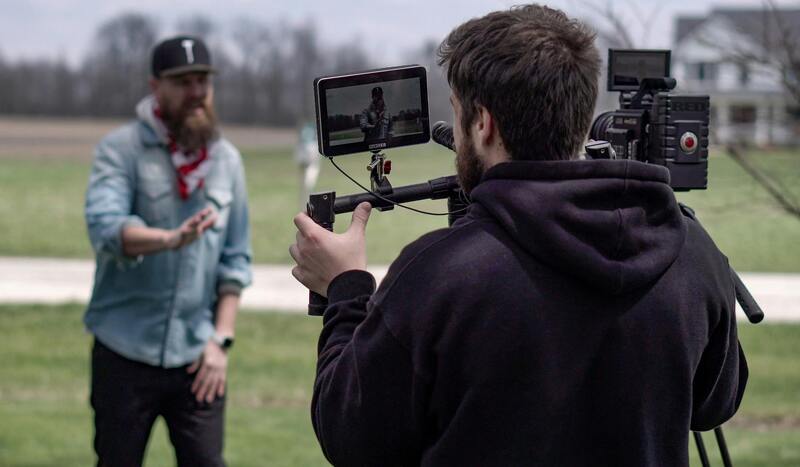
Following these guidelines boosts the visual appeal in final images, helping listings stand out across various online platforms and marketing channels.
Choosing the Right Equipment and Techniques
The selection of photography equipment directly influences the quality of images captured. Professional-grade cameras equipped with wide-angle lenses are standard, as they enable a broader field of view and help showcase interior and exterior spaces more effectively. Tripods are essential for stabilizing shots, especially in lower light conditions, ensuring crisp and clear images.
In addition to traditional photography, drones are increasingly utilized to capture high-altitude views of the property and surrounding areas. This technique provides potential buyers with a comprehensive perspective of the land, nearby amenities, and neighborhood layout. The elevation offered by drone footage can reveal aspects of the property that are difficult to convey through static images alone.
Utilizing advanced techniques such as HDR (High Dynamic Range) imaging balances exposure between bright and dark areas within a scene, preventing washed-out highlights or underexposed shadows. Bracketing multiple shots and merging them during post-processing results in images that display detail across all lighting conditions. Techniques like panoramic stitching can also produce wide-angle shots that encapsulate the entire property or scenic surroundings in a single frame.
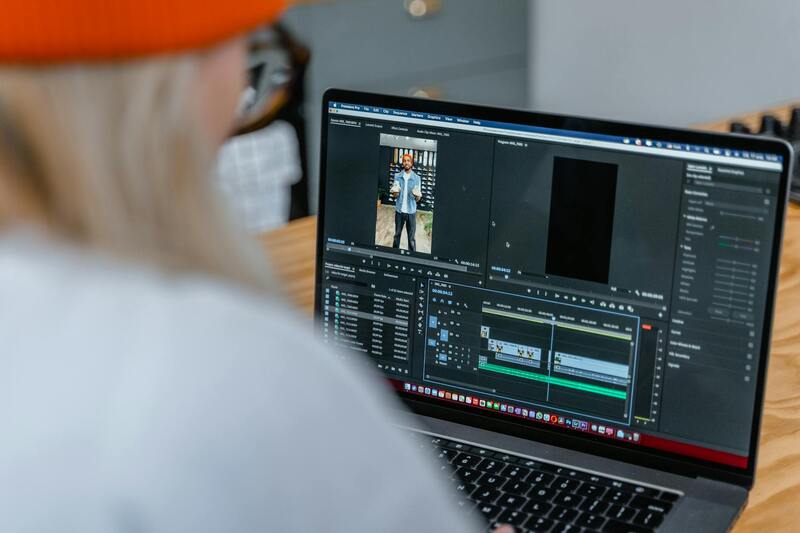
Employing the right equipment and methods ensures a high standard of visual quality that effectively markets the property’s unique features and lifestyle potential.
Using Official Methods for Capturing Authentic Property Images
To ensure the most accurate and appealing representation of a property, it is essential to utilize tried-and-true photography techniques that adhere to established standards. Employing professional-grade cameras with appropriate settings, such as proper aperture, shutter speed, and ISO, guarantees high-resolution images that showcase the property’s true features. These adjustments help in capturing sharp, detailed pictures without artifacts or blur, which are crucial for both online listings and printed materials.
Wide-angle lenses are indispensable in real estate photography as they allow capturing more of a space within a single shot. This minimizes the need for multiple images and provides viewers with a comprehensive view of rooms and outdoor areas. When used correctly, wide-angle lenses can enhance spatial perceptions, making rooms appear more spacious and inviting, which is highly influential in the decision-making process for potential buyers.
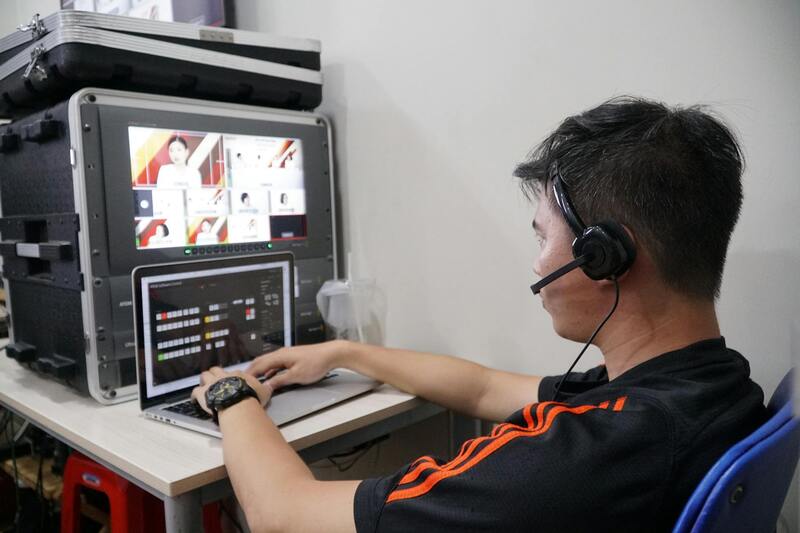
Optimal lighting plays a pivotal role in elevating the quality of property images. Utilizing natural sunlight during early morning or late afternoon creates soft, warm light that enhances the property’s appeal. Additionally, supplementary lighting such as portable flash units or LED panels can fill shadows in interior spaces without creating harsh reflections. Off-camera flash techniques are also effective for evenly illuminating rooms, ensuring that details are visible, and colors are true to life.
Another critical component is composing images with purpose. This involves selecting angles that highlight the property’s unique features, such as architectural details, spaciousness, or scenic views. For exterior shots, positioning the camera to include attractive landscaping or outdoor amenities helps create an inviting atmosphere. Interior shots should focus on key rooms like the living room, kitchen, master bedroom, and bathrooms, emphasizing their spaciousness and functionality.
Methodical post-processing is necessary to refine images while maintaining authenticity. Adjustments that improve exposure, contrast, and color balance should be applied carefully to avoid misrepresenting the property. Techniques such as perspective correction ensure straight lines and balanced compositions, which contribute to a professional appearance. Avoiding overly saturated or heavily edited images sustains credibility and aligns with best practices in real estate marketing.
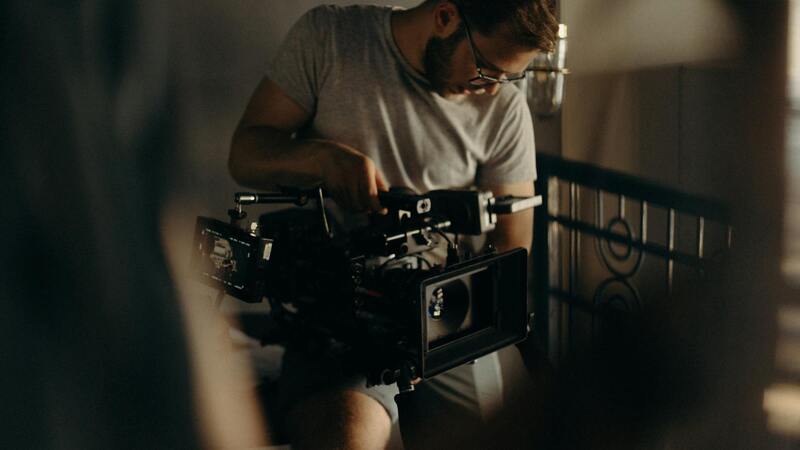
Incorporating a variety of official methods in property photography guarantees that every visual asset accurately represents the property, emphasizing its best qualities and creating a compelling narrative for prospective buyers. Effective use of camera technology, lighting, composition, and post-production allows real estate professionals to produce visually striking images that stand out in a competitive market. These practices not only enhance online listings but also strengthen the overall marketing strategy, ultimately facilitating quicker sales and maximizing property value.
Post-Processing and Editing Tips
A meticulous post-processing workflow is essential to refine real estate photographs, ensuring they effectively showcase the property’s potential without compromising authenticity. The primary goal is to enhance the natural appeal of images, attracting prospective buyers through visually compelling yet truthful representations.
Begin with global adjustments to correct exposure problems, ensuring that bright areas are not overexposed and darker areas retain detail. Adjust contrast and brightness levels cautiously to create depth and vibrancy while preserving realistic tones. White balance correction is crucial to prevent color casts that might distort the true appearance of walls, fixtures, or landscaping.
Next, focus on color correction to enhance earthy tones and ensure that interior colors accurately reflect their real-world counterparts. This step is important for maintaining trust with potential clients and providing an honest portrayal of the property.
Perspective correction and lens distortion removal are also vital. Wide-angle lenses often produce curvature or distortion at the edges; software tools can correct these anomalies, resulting in more visually balanced images with straight lines that enhance viewer confidence.
Retouching should be subtle and focused on cleaning up minor imperfections, such as distracting objects or blemishes, while ensuring that the overall image remains a genuine and fair representation of the property. Over-editing or excessive filters can undermine authenticity and deter serious buyers who value transparency.
Sharpening images slightly can improve clarity, especially for details like fixtures or architectural features. Additionally, a soft vignette effect around the edges can subtly draw viewers’ attention toward the center of the image, emphasizing key areas of each room.
Consistent application of these editing techniques across the entire property gallery maintains a professional and cohesive look that appeals to discerning clients. The goal remains to produce images that are visually appealing and accurately reflect the property's true qualities, ultimately supporting effective marketing campaigns and facilitating quicker sales.

Optimizing Property Photos for Online Marketing
Visual content plays a pivotal role in attracting prospective buyers online. To maximize engagement, property photographs must be tailored to the platforms they will be featured on, ensuring that they are both impactful and appropriately formatted.
Start by selecting the most striking images from the shoot—these should highlight the property’s best features, bustling spaces, and unique selling points. High-resolution images are essential to allow potential buyers to zoom in and examine details, instilling confidence in the listing.
Utilize image compression tools to reduce file sizes without sacrificing quality. This step optimizes loading times, improving user experience across devices and ensuring that images display swiftly on property portals or social media.
It's equally important to create a balanced image aspect ratio that fits the different online platforms. Square images work well for social media, while landscape orientations are preferred for MLS listings and website galleries.
Crafting captivating thumbnails that are clear, well-lit, and accurately represent the property encourages more clicks and visits to the full listing. Including a mix of wide-angle shots and detailed close-ups gives prospective buyers a comprehensive view and stokes their curiosity.
Finally, hosting high-quality images on a fast and reliable platform supports seamless user navigation. This increases the likelihood of engagement, inquiries, and ultimately, a successful transaction.
Trends and Innovations in Real Estate Photography
As the real estate market evolves, so do the visual presentation techniques used to entice buyers. Cutting-edge trends and technological innovations continue to shape the industry, offering new ways to capture and showcase properties effectively.
Virtual staging has become increasingly popular, enabling potential buyers to visualize living spaces with digitally added furniture and decor, without the need for physical staging. This approach saves costs and allows for easier customization based on target demographics.
Drone photography offers a unique perspective on outdoor spaces, surrounding neighborhoods, and property boundaries. Aerial shots provide a comprehensive view that enhances the property's appeal and context, especially in scenic or expansive locations.
360-degree tours and interactive virtual reality experiences foster an immersive viewing environment, enabling buyers to explore properties remotely from their devices. These tools increase engagement and can significantly shorten decision-making timelines.
Advanced lighting solutions, including HDR (High Dynamic Range) imaging, allow photographers to capture a full spectrum of light within a single shot, ensuring that both interior and exterior images are bright, balanced, and true to life, regardless of challenging lighting conditions.
Artificial intelligence-driven editing software is also emerging, helping streamline post-production by intelligently adjusting images for optimal clarity and color accuracy, often with minimal manual input.
By integrating these innovations into real estate marketing strategies, professionals can differentiate their listings, offer superior visual experiences, and respond to the increasing demand for high-quality, engaging property visuals.
Key Elements of Successful Property Photography
Achieving compelling real estate property pictures requires a keen understanding of the fundamental elements that make images stand out and accurately depict the property's true appeal. Attention to detail, proper camera setup, lighting consistency, and strategic composition are vital. Professional photographers focus on capturing the property's best features while ensuring the images are clear, bright, and inviting, which directly influences potential buyers’ interest and engagement.
One of the most critical aspects is ensuring that the images highlight the architectural features and spatial layout effectively. Wide-angle lenses, when used correctly, can make rooms appear more spacious and emphasize key areas such as kitchens, living rooms, and master bedrooms. Proper perspective helps portray depth and scale accurately, providing realistic visuals that meet buyers' expectations.
Lighting plays a pivotal role in quality real estate images. Natural daylight is preferred whenever possible, as it reveals the true colors and details of interior and exterior spaces. Photographers often schedule shoots during the day, leveraging the soft, even light that minimizes harsh shadows and highlights. In settings where natural light isn’t sufficient, artificial lighting setups should be employed to evenly illuminate the space, avoiding overly dark or washed-out images.

Composition Techniques for Effective Property Images
- Rule of Thirds: Position primary features along grid lines to create balanced and engaging images.
- Leading Lines: Use architectural elements like hallways or furniture to guide the viewer's eye through the image.
- Foreground Interest: Incorporate objects or decor in the front of the shot to add depth and context.
- Framing: Use doorways, windows, or natural elements to frame your subject and create a focused composition.
Maintaining Consistency Across Images
When presenting multiple property images, consistency in style, lighting, and perspective helps maintain a professional aesthetic. This uniformity offers potential buyers a seamless viewing experience, making it easier for them to imagine themselves within the space. Ensuring that each shot aligns with the overall visual tone enhances the credibility and appeal of your listing.
Preparing a Property for Photography
Preparation is essential for capturing high-quality real estate images that accurately represent the property’s potential. It involves strategic staging, decluttering, and minor repairs to ensure the space appears inviting and well-maintained.
Staging the property with thoughtfully chosen furniture, accessories, and decor can significantly enhance its visual appeal. This helps prospective buyers visualize how they might utilize the space and highlights the property's best features. Minimalist setups often work best, avoiding clutter that can distract viewers.
Decluttering involves removing personal items, excess furniture, and clutter to create a sense of spaciousness. Cleanliness is paramount; surfaces should be spotless, and carpets or floors should be cleaned thoroughly. Small repairs, such as fixing leaky faucets, replacing burnt-out bulbs, or touching up paint, contribute to a polished appearance that fosters trust and interest.
Exterior and Landscaping
First impressions matter, so ensure outdoor spaces are tidy and inviting. Mowing lawns, trimming bushes, and cleaning walkways enhance curb appeal. Details such as blooming plants or decorative accents can add charm, making the exterior more photogenic.
Timing and Weather Conditions
Scheduling shoots during optimal weather conditions ensures the best natural lighting and minimizes disruptions caused by unpredictable weather. Clear, sunny days provide vibrant images, while overcast conditions can offer soft, diffused light that reduces shadows and glare.
Post-Processing and Editing Tips
Optimizing real estate images through meticulous post-processing is essential to highlight a property's best features and create a captivating visual presentation. High-quality editing ensures that photos are bright, balanced, and true to the actual space without misrepresenting its condition or size. This step involves adjusting parameters such as exposure, contrast, white balance, and saturation to enhance the overall appeal.
Retouching minor imperfections, like small blemishes on walls or distracting background objects, can make a significant difference in how prospective buyers perceive the property. Careful cropping and straightening help maintain a professional composition, ensuring the primary focus remains on the property's key elements.
Advanced editing tools also enable the enhancement of interior lighting, especially in areas that may be underexposed due to challenging lighting conditions. Conversely, outdoor images can benefit from adjustments that emphasize vibrant landscaping and curb appeal. It’s important to strike a balance, avoiding overly processed images that could lead to disappointment during property visits.
Furthermore, consistency across all images in a listing is crucial. A uniform editing style creates coherence that keeps viewers engaged and aids in building a compelling story about the property. This includes maintaining similar color balances, lighting adjustments, and perspectives throughout the collection of photos.
Export settings also play a vital role in online marketing. High-resolution images should be saved in formats like JPEG or WebP, optimized for fast loading without sacrificing quality. Proper image sizing ensures that photos display sharply across various devices, from desktops to smartphones, thus maximizing their impact and reach.
Importance of High-Quality Real Estate Photos
Investing in high-quality real estate property pictures is essential for capturing the true essence of a property and attracting serious buyers. In a competitive Miami market, listing images serve as the initial touchpoint that can either pique interest or cause potential buyers to scroll past. Professional photography elevates the property's presentation by showcasing its best features, emphasizing spaciousness, natural light, and unique architectural details. Properly crafted images not only attract more views but also generate higher engagement, leading to quicker sales and potentially better offers. High-resolution photos provide clarity, enabling viewers to examine details, and create a visual narrative that fosters emotional connection with the property.
Key Elements of Successful Property Photography
- Lighting: Utilizing natural light is paramount; balanced interior and exterior lighting ensure spaces appear warm and inviting. Employing additional lighting or reflectors can eliminate shadows and brighten dark corners.
- Composition: Framing the space to showcase its best angles emphasizes room size and layout. Leading lines, symmetry, and strategic vantage points guide viewers through the property visually.
- Staging: Tidying up and decluttering spaces makes rooms appear larger and more appealing. Appropriate furniture placement and minimal decor accentuate the space without overwhelming it.
- Angles and Perspectives: Shooting from eye level or slightly elevated positions offers a comprehensive view of rooms. Wide-angle lenses help in capturing entire rooms, but should be used judiciously to avoid distortion.
- Exterior Detailing: Capturing curb appeal through professional shots of the facade, landscaping, and outdoor amenities creates a compelling first impression.
Preparing a Property for Photography
Preparation is critical to ensure photographs reflect the property's best qualities. This includes deep cleaning, staging, and optimizing lighting conditions. Removing personal items and clutter helps potential buyers envision themselves in the space. Ensuring that windows are clean maximizes natural light influx, while opening curtains or blinds increases brightness. Additionally, scheduling shoots during the day when sunlight is at its peak can dramatically improve image quality. Checking for and repairing minor issues like chipped paint or broken fixtures contributes to a polished appearance. It's equally important to consider the weather—shooting on clear, sunny days yields vibrant outdoor images that highlight landscaping and exterior features.
Choosing the Right Equipment and Techniques
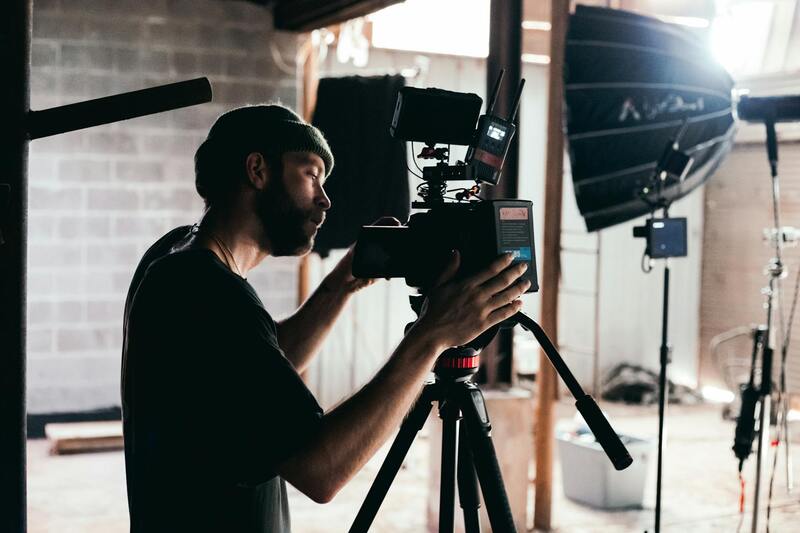
Using professional-grade cameras with wide-angle lenses is fundamental for capturing expansive indoor spaces and outdoor areas. A tripod stabilizes shots, allowing for precise framing and longer exposures, especially in low-light conditions. Cloud-based HDR (High Dynamic Range) techniques combine multiple exposures to balance interior brightness with exterior views, preventing windows from appearing washed out or overly dark. Drones are revolutionizing exterior marketing by offering aerial shots that showcase property size, landscaping, and neighborhood context from unique perspectives. Additionally, utilizing panoramic and 360-degree imaging provides immersive virtual tours, engaging prospective buyers online and reducing the need for in-person visits.
Importance of Professional Photography Services in Miami
Miami's vibrant real estate market demands visual content that stands out. Professional photography services bring specialized skills and equipment essential for capturing properties at their best — from optimal lighting setups to post-processing finesse. Local photographers familiar with Miami's diverse architecture and unique landscape features can tailor shoots to highlight the property's strengths effectively. These experts also understand the market trends and the image standards expected by online platforms and potential buyers. Engaging seasoned professionals ensures consistency, high quality, and a compelling visual story that resonates with target audiences, helping agents and sellers achieve faster, more lucrative transactions.
Post-Processing and Editing Tips
After the photo shoot, editing enhances the initial images, adding clarity, vibrancy, and polish. Adjusting brightness, contrast, and color balance ensures the photos accurately reflect the real environment. Retouching minor imperfections, such as wall blemishes or distracting objects, creates a cleaner, more appealing visual. Cropping and straightening maintain professional composition and focus attention on key features. Interior images benefit from brightness adjustments to counteract shadowy areas, while exterior photos can be enhanced with vibrancy boosts to showcase lush landscaping. Maintaining a natural look is crucial; overly processed images can set unrealistic expectations. Consistency across all images in a listing reinforces a cohesive, professional presentation.
Optimizing Property Photos for Online Marketing
Uploading high-resolution images optimized for web ensures rapid loading times and sharp display across devices. Images should be resized appropriately—large enough for detail but not so large as to hinder site performance. Incorporating relevant keywords into image file names enhances search engine visibility, making listings more discoverable. Using descriptive alt text improves accessibility and provides context for search engines. Creating an image gallery that loads sequentially or uses lazy loading techniques enhances user experience. In addition to website listings, formatted images should be compatible with social media platforms, allowing for consistent branding and wider reach. The visual presentation directly influences engagement metrics and the perceived value of the property, helping to generate more inquiries and viewings.