Importance of Professional Real Estate Pictures
In the vibrant and highly competitive Miami real estate market, the quality of property visuals can significantly influence the success of a listing. Professional real estate images serve as a critical marketing tool, capturing the essence and appeal of a property in a way that resonates with potential buyers. These high-quality pictures not only highlight the property’s unique features but also create an emotional connection that can accelerate the decision-making process. In an environment where online listings are often the first impression a prospective buyer receives, investing in professional photography ensures that properties stand out among a sea of listings.
Effective real estate photography can influence buyer perception by showcasing the property’s space, light, and layout accurately. Clear, well-composed images provide a truthful representation of what prospective buyers can expect, reducing misunderstandings and fostering trust. Furthermore, eye-catching photos can increase online engagement, leading to more inquiries, viewings, and ultimately faster sales processes. As Miami’s market continues to grow and evolve, the importance of professional imagery becomes increasingly evident for agents and property owners seeking to maximize their property's visibility and desirability.
Key Elements of Effective Real Estate Photos
- Lighting: Natural light plays a crucial role in enhancing the ambiance of each space, making rooms appear larger and more inviting. Professional photographers often utilize appropriate lighting techniques to eliminate shadows and highlight architectural details.
- Composition: Proper framing and perspective ensure that each room’s best features are accentuated. Consideration of angles and symmetry helps create a visually appealing flow throughout the images.
- Clarity and Sharpness: High-resolution images with crisp details allow viewers to discern space and quality, providing an authentic preview of the property.
- Staging: Well-staged spaces look more appealing and are easier for potential buyers to envision as their own. Professional photographers can work with staged interiors to produce compelling visuals.
Choosing a Skilled Photography Service in Miami
Selecting the right photography service is vital for ensuring high-quality images that meet the specific needs of Miami’s diverse property market. Experienced photographers understand local architectural styles and know how to capture features that resonate with regional buyers. Look for service providers with a proven track record, a portfolio of successful real estate shoots, and familiarity with current industry trends. Effective communication about your expectations and the property’s unique selling points will help achieve results that elevate your listing and attract more potential buyers.
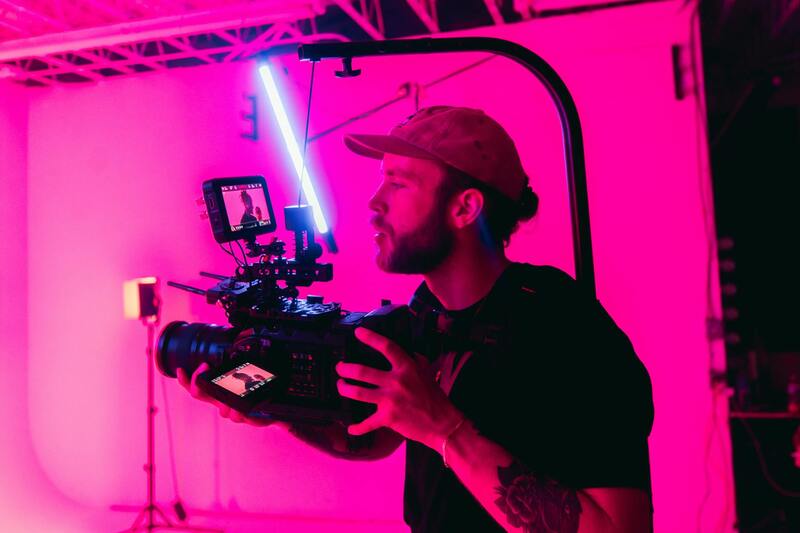
High-end Miami properties demand images that match their luxury appeal. The right photography service will utilize advanced techniques, proper equipment, and aesthetic sensibilities to produce pictures that do justice to premium listings. Partnering with skilled professionals ensures that your property’s visual presentation aligns with market expectations and helps maximize its sales potential.
Key Elements of Effective Real Estate Photos
Achieving visually compelling real estate images requires meticulous attention to several critical aspects. Lighting stands at the forefront, as it determines the brightness, mood, and clarity of the photographs. Natural light, when harnessed correctly, enhances the space’s openness and highlights architectural features, while supplemental artificial lighting can be used strategically to eliminate shadows and emphasize key areas.
Composition plays a pivotal role in guiding the viewer’s eye across the space. Skilled photographers employ techniques such as the rule of thirds, leading lines, and symmetry to create balanced and engaging images. Proper framing ensures that important elements are prominently displayed, avoiding clutter or distracting background objects that might detract from the property’s appeal.
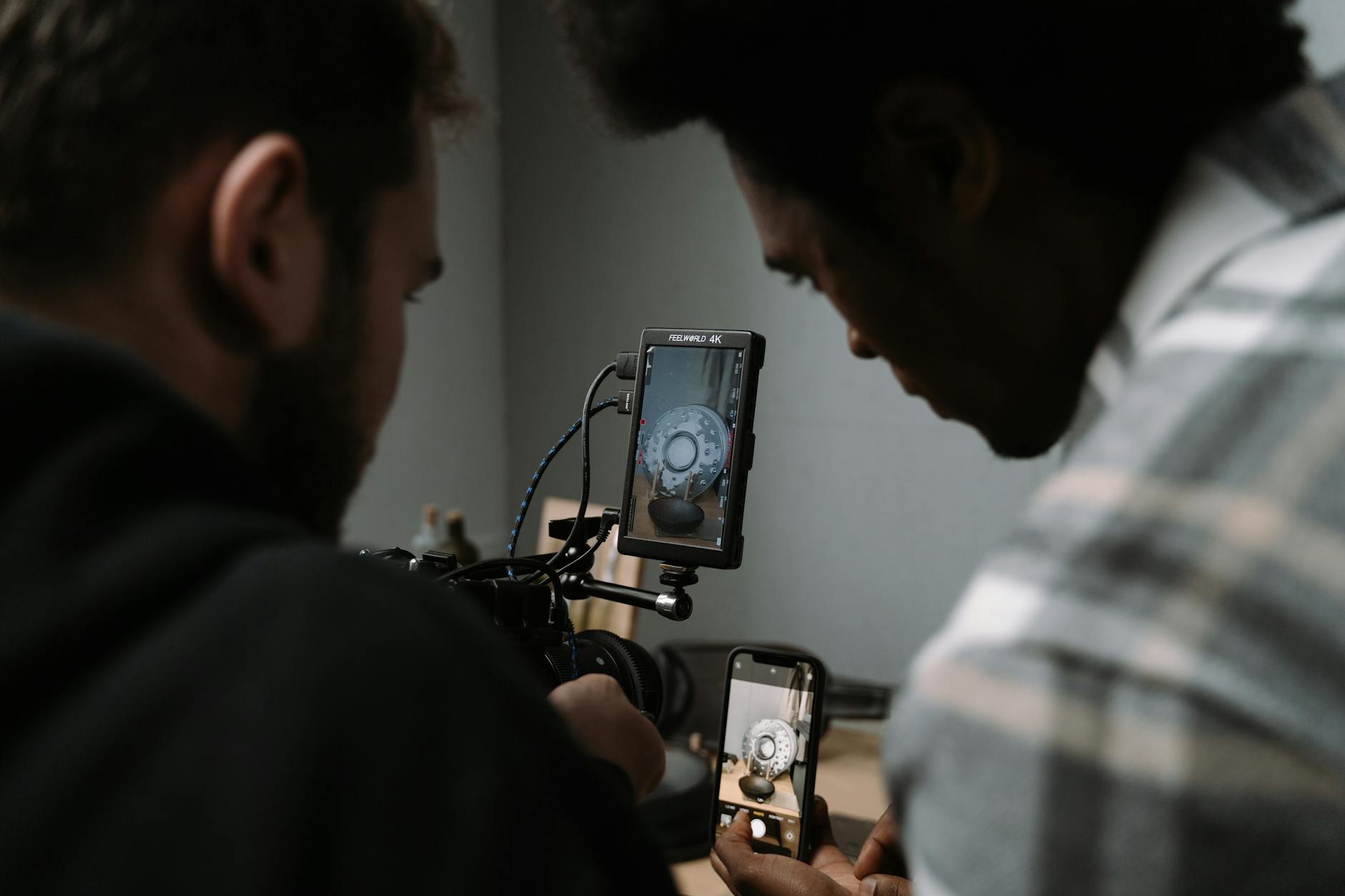
Staging significantly influences the overall perception of a property. Well-organized, decluttered interiors with thoughtfully placed furniture and accessories not only showcase the space’s potential but also help prospective buyers visualize living there. Professional photographers can capture these staged environments from angles that enhance depth and dimension, making the rooms appear more spacious and inviting.
Angles and vantage points contribute to the storytelling aspect of real estate photography. Capturing wide-angle shots provides a comprehensive view of rooms, emphasizing size and flow, while strategic corner shots can highlight architectural details. A variety of perspectives ensures that listings appear dynamic and thoroughly represent the property’s features.
Choosing a Skilled Photography Service in Miami
Selecting a professional photographer with expertise in real estate imagery involves assessing their portfolio, understanding their familiarity with Miami’s architectural diversity, and evaluating their technical proficiency. Experienced practitioners know how to adjust settings for optimal exposure, color accuracy, and perspective correction. They also recognize the importance of seasonality and weather conditions in capturing the best possible images.
Clear communication about the property's unique characteristics enables photographers to tailor their approach for maximum impact. Whether highlighting luxurious outdoor amenities, panoramic city views, or intricate interior details, a seasoned provider ensures that each shot aligns with the property’s selling points and target market expectations.
It’s equally important to consider the technical capabilities of the service, such as the use of high-resolution cameras, professional lighting equipment, and editing software. A reputable provider combines these tools with artistic sensibility, delivering images that stand out in competitive listings.
Technical Aspects of Real Estate Photography
Achieving high-quality real estate images demands a comprehensive understanding of various technical elements. The use of high-resolution digital cameras equipped with wide-angle lenses allows photographers to capture expansive views of interior and exterior spaces, making rooms appear larger and more inviting. Proper lens selection is essential for avoiding distortion and ensuring accurate representation of dimensions, especially in tight or architecturally complex spaces.
Lighting plays a critical role in real estate photography. Skilled photographers employ professional lighting equipment, including diffusers and reflectors, to eliminate harsh shadows and evenly illuminate all areas of a property. In many cases, natural light is optimized by scheduling shoots during optimal times of the day; however, supplemental lighting ensures consistency regardless of external conditions.
Mastering camera settings such as aperture, shutter speed, and ISO is fundamental. For interior shots, a small aperture (high f-stop number) increases depth of field, keeping more of the scene in sharp focus. A tripod is indispensable for stabilizing the camera during long exposures, especially in low-light situations. This technical precision results in images that are crisp, well-exposed, and true to the property's appearance.
Post-processing also significantly enhances the final images. Professional editing software is used to correct color balance, straighten lines, and adjust brightness and contrast. These adjustments emphasize the property's best features while maintaining authenticity, ensuring that images accurately reflect what potential buyers will see in person.
Impact of Professional Photos on Listings and Sales
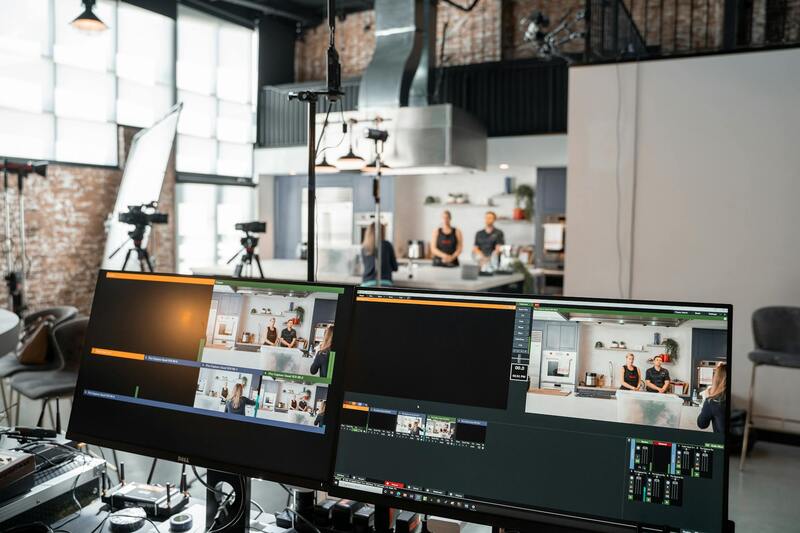
High-quality images are a cornerstone of effective property marketing. They significantly influence a potential buyer’s first impression and engagement with a listing. Listings featuring professional real estate pictures tend to attract more views and generate higher interest within a shorter timeframe.
Research consistently shows that properties with superior images sell faster and often at a more favorable price point. Clear, well-composed photos allow prospective buyers to envision themselves inhabiting the space, reducing uncertainty and accelerating the decision-making process.
Moreover, professional pictures enhance online presence across multiple platforms, including real estate portals, social media, and company websites. Well-crafted imagery ensures that a property stands out amidst a sea of competing listings, elevating its perceived value and appeal.
Legal and Ethical Considerations
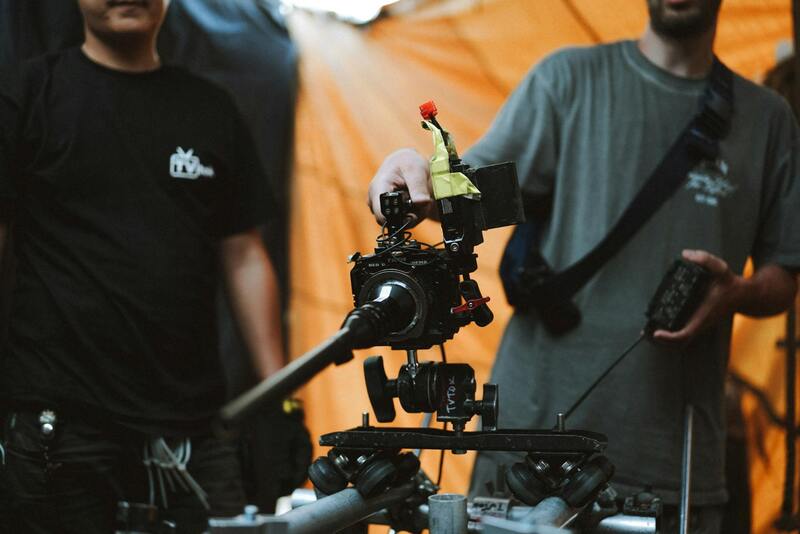
Maintaining transparency and integrity is essential when capturing and using real estate photographs. Realtors and photographers should adhere strictly to established guidelines that promote honesty and respect for property owners. This includes obtaining proper consent before photographing interiors or exteriors, especially when areas are restricted or private. Ensuring that images accurately portray the property's condition and features avoids any potential misunderstandings that could arise during negotiations.
It is also important to use editing techniques responsibly. While enhancing photos through color correction, brightness adjustment, or minor retouching is common, over-altering images can lead to misrepresentation. Such practices, often called "image manipulation," should be applied judiciously, aiming to reflect the true appearance of the property without creating deceptive illusions.
Respect for privacy extends beyond consent for photographs. This includes careful consideration when photographing neighboring properties or including personal items that could unintentionally reveal private information. Ethical photography practices foster trust with clients and uphold the professional standards of the industry.
Additionally, it is advisable to keep detailed records of the photography process, including permissions, editing history, and the date images were taken. Such documentation can be invaluable in establishing credibility and transparency throughout the selling process.
Technical Aspects of Real Estate Photography
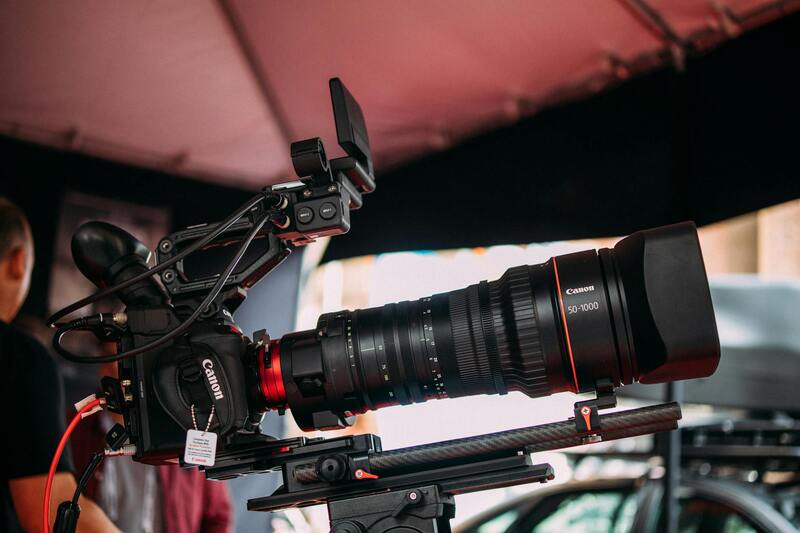
Achieving high-quality real estate images requires careful attention to several technical components. Proper lighting is paramount; natural light should be utilized during the day to illuminate interior spaces and highlight their features without harsh shadows or overexposure. When natural light is insufficient, professional photographers employ diffused artificial lighting, ensuring consistent and balanced illumination across all areas of a property.
Equally important is the use of high-resolution cameras equipped with wide-angle lenses. These tools help capture expansive views of rooms and exteriors, providing potential buyers with a comprehensive perspective. Wide-angle lenses, when used appropriately, can make spaces appear more spacious and inviting—an essential aspect of effective property marketing. However, they should be used judiciously to avoid distortion that could misrepresent dimensions or proportions.

Stability during shooting is critical, and professional photographers typically utilize tripods to prevent blurring caused by hand movement. Precise framing and composition guide viewers’ eyes to the property's best features, creating an engaging and visually balanced presentation. Pay attention to decluttering spaces prior to shooting; a clean environment helps spotlight the property’s features without distraction.
Post-processing also plays a role in the technical execution. Adjustments such as color correction, straightening images, and enhancing brightness are performed to optimize visual appeal. These edits should serve to enhance the clarity and attractiveness of images while maintaining an honest representation of the property’s appearance. Over-editing risks creating unrealistic expectations, which can erode buyer trust if the actual property differs significantly from its photos.
Lighting techniques extend beyond natural and artificial sources; HDR (High Dynamic Range) imaging can combine multiple shots taken at different exposures, resulting in balanced images that reveal details in shadows and highlights simultaneously. This method is particularly effective in high-contrast scenarios, ensuring a detailed and vibrant portrayal of both interiors and exteriors.
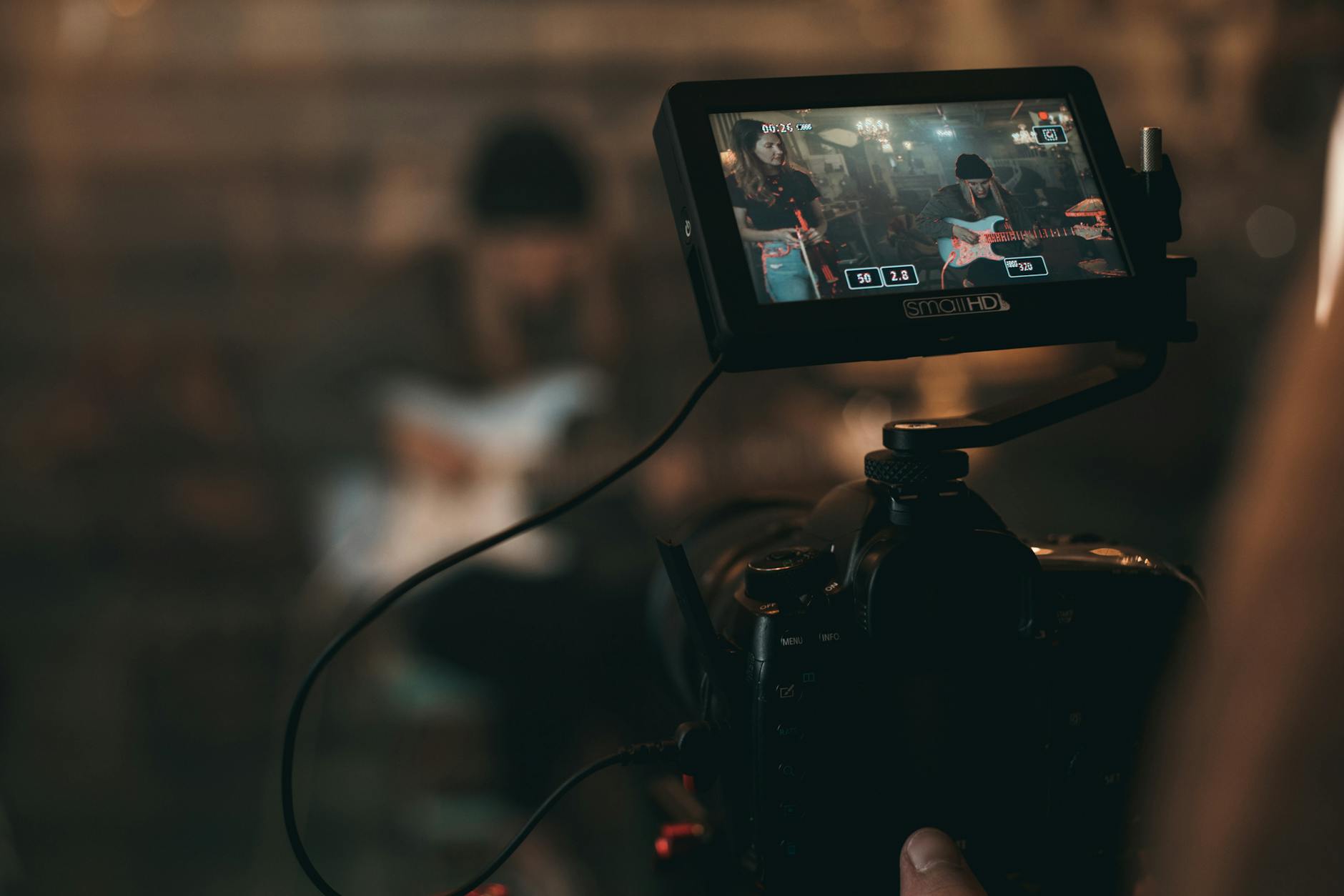
Finally, consistency in style and tone across all images in a listing reinforces a professional brand image. Maintaining a unified visual approach—such as similar color tones, angles, and lighting conditions—creates a cohesive presentation that appeals to potential buyers and enhances the listing’s overall appeal.
Legal and Ethical Considerations
When conducting real estate photography, adhering to legal and ethical standards is paramount to ensure the integrity of the listing and to foster trust with clients. Responsible photography involves obtaining proper permissions from property owners or authorized representatives before capturing images. This step not only respects privacy but also prevents possible disputes that could arise from unauthorized photo sessions.
One critical aspect is accurately representing the property. Photographers must avoid excessive manipulation or omission of features that could mislead prospective buyers. Visual honesty maintains the credibility of the listing and ensures that buyers can make informed decisions based on authentic depictions.
Additionally, respecting intellectual property rights is essential. Photographers should use only their own images or images for which they hold exclusive rights, avoiding the use of stock photos or copyrighted content without permission. This practice protects both the photographer and the real estate agent from potential legal complications.
It is also advisable to align photography practices with the applicable regulations governing advertising and property disclosures within Miami. Ensuring transparency regarding the scope of the images and the time frame of the photoshoot can further uphold ethical standards in real estate marketing.
By maintaining these standards, real estate professionals and photographers can foster a trustworthy environment that benefits all parties involved, promoting a smooth sales process rooted in honesty and professionalism.
Best Practices for Maximizing Photography Benefits
To fully leverage the impact of professional real estate pictures, adherence to strict ethical and legal standards must be complemented by strategic practices. Ensuring the consistency of images across all marketing platforms reinforces the property’s appeal and sustains a professional image. This includes standardizing lighting, angles, and editing styles to produce a cohesive visual narrative.
Incorporating comprehensive before-and-after shots or highlighting unique property features can draw more attention and provide potential buyers with a detailed understanding of what the property offers. Moreover, scheduling shoots during optimal lighting hours and preparing the property thoroughly—removing clutter, staging furniture where appropriate—are fundamental steps in delivering high-quality visuals.
Effective use of editing tools to enhance images should aim to present the property at its best without exaggeration. Properly balanced exposure, complementary color correction, and strategic focus adjustments help produce compelling images that accurately reflect the property's true appearance.
Collaborating with a dedicated professional real estate photography service in Miami can streamline this process, ensuring all legal and ethical considerations are met while maximizing visual appeal. These providers often possess the expertise to handle sensitive issues responsibly and produce images that resonate with discerning buyers, ultimately leading to a faster and more profitable sale.
Legal and Ethical Considerations
Adhering to proper image use and respecting property rights are fundamental components of professional real estate photography. High-quality images are essential tools in marketing, but they must be used responsibly to protect all parties involved. When working with a photography service, it is crucial to ensure that consent has been obtained for the use of all images and that any private or sensitive areas are appropriately managed or excluded from promotional materials.
Maintaining a professional demeanor extends to transparency about the scope of work and usage rights. It's advisable to have clear contractual agreements that specify how the images can be used, distributed, and reproduced across various platforms. This avoids misunderstandings and guarantees that the property owner’s interests are safeguarded.
Additionally, respecting property boundaries and privacy during the shoot is a top priority. Photographers should avoid capturing images of restricted areas or private spaces without explicit permission. In outdoor settings, maintaining a respectful distance from neighboring properties demonstrates professionalism and ethical responsibility. The goal is to produce compelling images that showcase the property while upholding integrity and trust within the real estate transaction process.
Collaborating with photographers who prioritize ethical standards and transparency ensures that marketing efforts are both effective and compliant with industry expectations. This approach fosters confidence among clients and buyers, reinforcing the credibility of the listings and the professional reputation of the agents involved.
By carefully managing image rights and respecting property privacy, real estate professionals can leverage high-quality visuals to their advantage while maintaining the highest standards of integrity and professionalism. This commitment not only enhances the property's appeal but also builds lasting trust with clients and prospective buyers, ultimately contributing to more successful transactions in a competitive market.
Legal and Ethical Considerations in Real Estate Photography
When engaging in professional real estate photography, adhering to ethical standards ensures a transparent and trustworthy process that benefits all parties involved. It is essential to obtain proper permissions before conducting shoots, particularly when photographing private or restricted areas within a property. Clear communication with property owners regarding the scope of the shoot, usage rights, and confidentiality helps prevent misunderstandings and sets appropriate expectations.
Respect for privacy extends beyond the interior of the property. Photographers should avoid capturing images of neighboring properties or private spaces without explicit consent, especially in outdoor settings. Maintaining a respectful distance from neighboring homes and boundaries demonstrates professionalism and reinforces ethical standards. These practices not only preserve the integrity of the process but also uphold the reputation of both the photographer and the real estate agent.
In addition, clear documentation regarding the rights to images is crucial. This includes agreements on how images will be used, distributed, and reproduced across various marketing platforms. Such transparency protects the interests of property owners and ensures that images are used in accordance with agreed-upon terms. It also guards against unauthorized usage or misrepresentation, which can impact the property's marketing credibility.
Ensuring that photography services follow established industry standards fosters confidence among clients and prospective buyers alike. Ethical practices in real estate photography serve as a foundation for long-term professional relationships, helping to sustain trust and credibility in competitive markets like Miami. By demonstrating a commitment to integrity and transparency, real estate professionals can leverage high-quality visuals effectively, ultimately driving more successful sales and fostering positive reputation growth.