Understanding Corporate Film Production
Corporate film production is a specialized process that transforms a company's vision into dynamic visual content aimed at strengthening brand identity, enhancing communication, and engaging diverse audiences. This process involves a series of meticulously coordinated phases, each critical to ensuring that the final product aligns with strategic business objectives. From conceptual development through post-production editing, the goal is to craft a compelling narrative that resonates with viewers, builds trust, and creates a lasting impression.
Corporate films serve multiple purposes within an organization's communication framework. They are powerful tools for brand storytelling, conveying company values, showcasing products or services, and sharing success stories. These films are often used in marketing campaigns, investor relations, internal communications, and at corporate events, making their quality and clarity paramount. Well-produced corporate videos can elevate a brand’s positioning in competitive markets, foster stakeholder loyalty, and communicate complex messages succinctly and visually.
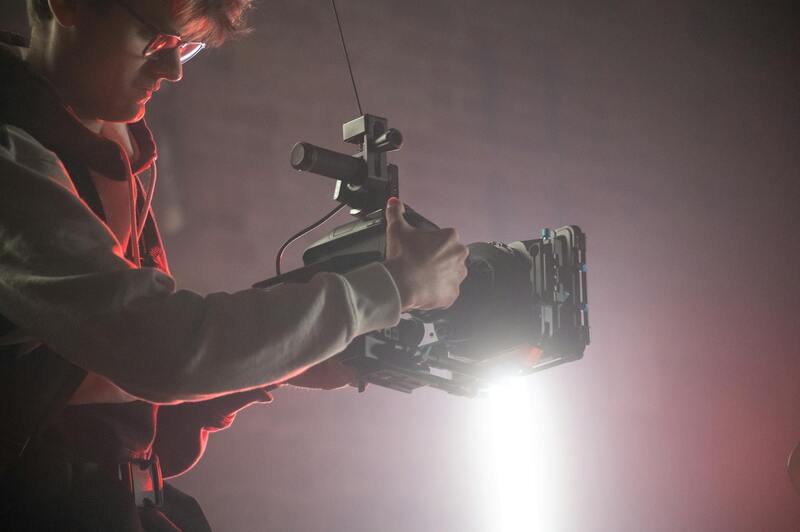
The production process encompasses several essential phases, each requiring detailed planning, technical expertise, and creative innovation. Effective corporate films often combine compelling storytelling with high production values, ensuring the message is delivered clearly and professionally. As Miami continues to grow as a hub for media production, local agencies provide comprehensive services that facilitate seamless project execution from initial concept to final delivery, ensuring that every aspect aligns with a company’s communication goals.
Understanding the intricacies of corporate film production is vital for businesses seeking to maximize their visual storytelling impact. An emphasis on quality, strategic alignment, and audience engagement ensures that these productions serve their intended purpose—strengthening brand presence and fostering meaningful connections with viewers.
Choosing a Miami-Based Production Agency
When it comes to executing a corporate film, selecting an experienced and reputable production agency is crucial. Miami's vibrant media scene offers a variety of skilled firms specializing in corporate film production, each with unique strengths. It is essential to evaluate agencies based on their portfolio, industry experience, and understanding of your brand’s objectives. A reliable agency will demonstrate a clear process, from concept development through to final delivery, ensuring alignment with strategic communication goals.
Clients should seek agencies that prioritize a collaborative approach, providing comprehensive consultations to understand their vision thoroughly. A proven track record of delivering projects on time and within budget underscores an agency’s professionalism and operational efficiency. Local production teams can leverage Miami’s diverse locations and talented crew members to create high-quality visuals that resonate with regional and global audiences alike.
Furthermore, transparent communication during all project phases fosters trust and facilitates prompt adjustments. Agencies that employ cutting-edge equipment and stay current with industry best practices are better positioned to produce visually compelling content that meets modern digital standards. Reliable Miami-based firms also offer expertise in integrating corporate identity elements seamlessly into the narrative, boosting brand recognition across various platforms.
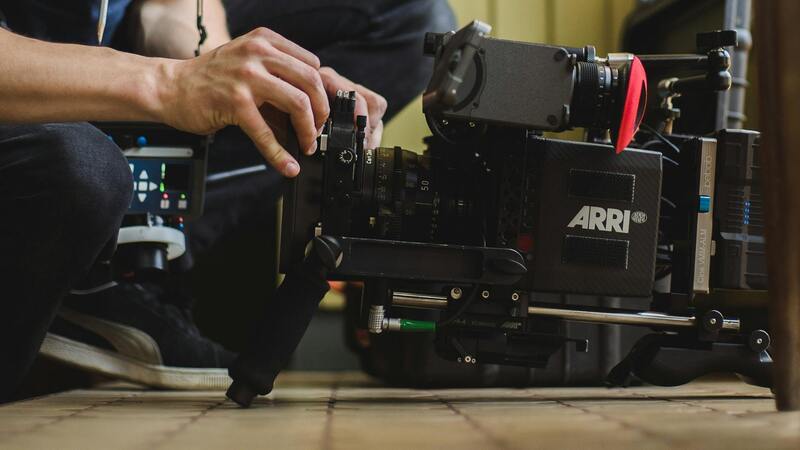
Another critical aspect is an agency's ability to understand and adapt to your company's specific messaging and tone. Whether the focus is on investor relations, internal communication, or client engagement, the chosen partner should have the capacity to craft a narrative that aligns with your core values. This alignment translates into authentic storytelling, which significantly enhances viewer engagement and the overall effectiveness of the film.
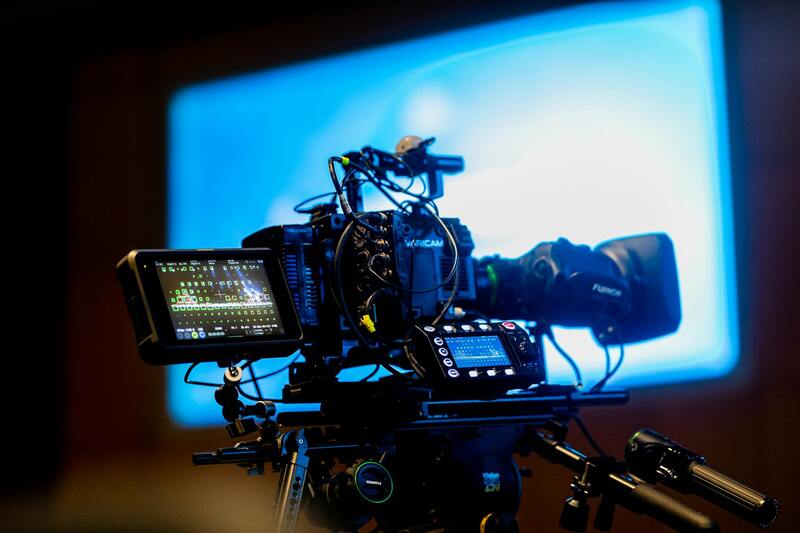
Ensuring Content Authenticity and Confirmed Production Methods
When engaging in corporate film production, it is vital to utilize well-established, proven methodologies that guarantee the authenticity and integrity of the final product. Relying on tried-and-true production techniques ensures that every phase— from pre-production planning to distribution— adheres to industry standards, providing consistency and high-quality results.
One of the fundamental approaches involves comprehensive project documentation and clear contractual agreements. These documents outline scope, deliverables, timelines, and responsibilities, effectively creating a roadmap that all parties commit to. This formalized process minimizes misunderstandings and maintains transparency throughout the project.
Pre-production preparations should include detailed scripts, storyboards, and shot lists, which serve as the blueprint for filming sessions. Implementing location assessments and scouting ensures that the setting aligns with the envisioned narrative while verifying logistical feasibility. Additionally, selecting a team with proven credentials and familiarity with corporate messaging guarantees that the production maintains the appropriate tone and voice.
During the filming stage, utilizing industry-standard equipment and techniques— such as multi-camera setups, high-resolution cinematography, and professional lighting— guarantees that visuals are compelling and suitable for multi-platform use. Directors with experience in corporate storytelling are adept at guiding actors or presenters to deliver authentic performances that resonate with target audiences.
Post-production incorporates meticulous editing, color grading, sound design, and visual effects to refine the footage. Employing editing systems recognized industry-wide— from Adobe Premiere Pro to DaVinci Resolve— helps in managing complex projects and achieving precise results. This phase also involves reviews and approvals, where feedback from stakeholders ensures the content aligns with strategic goals.
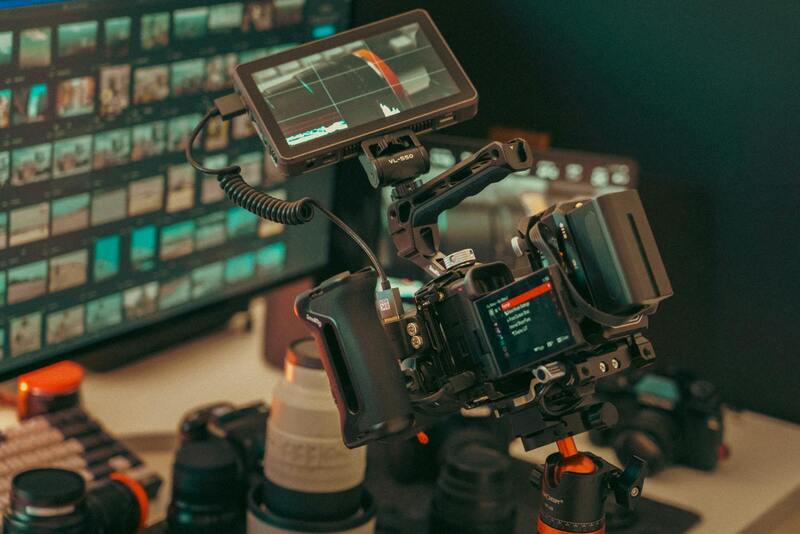
Distribution methods should be chosen based on the target audience and campaign objectives. Using verified channels such as official company websites, professional social media platforms, and industry-specific portals enhances reach and engagement. Additionally, measuring performance metrics post-launch informs future production strategies and maximizes return on investment.
Adhering to proven production techniques not only elevates the quality of the corporate film but also reinforces stakeholder confidence. When every step is based on legitimate, recognized practices, the final product stands as a true reflection of your brand’s professionalism and commitment to excellence.
Production Process: Filming and Direction
Once the pre-production planning has been meticulously completed, the focus shifts to the actual filming phase. This stage involves capturing high-quality footage that aligns with the storyboard and script, ensuring that every scene contributes to the overarching narrative of the corporate film. Effective direction during filming is crucial; it guides talent, manages technical teams, and ensures the visual storytelling resonates with the target audience.
Filming typically takes place on-location or in controlled studio environments, depending on the script and logistical considerations. Both settings demand strict adherence to planned schedules and shot lists to avoid costly delays. During this phase, a professional director works hand-in-hand with the cinematographer, production manager, and technical crew. They leverage advanced filming equipment such as 4K or higher resolution cameras, professional-grade lenses, and stabilizers to achieve crisp, visually compelling footage that meets commercial standards.
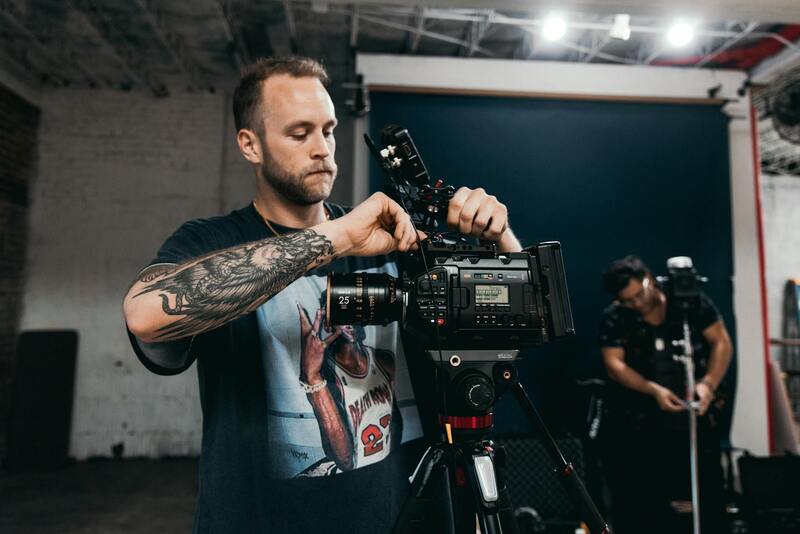
Direction plays a pivotal role in ensuring the talent’s performance is authentic and aligned with the brand’s messaging. Clear communication, precise instructions, and a well-structured shot list help in capturing the ideal takes that will later be used in post-production. Additionally, maintaining consistency in lighting and audio quality during filming is essential to create a seamless viewing experience. Shooting in controlled environments minimizes external disruptions— such as noise or weather— that could compromise footage integrity.
Lighting design is tailored to accentuate the subject, evoke the desired mood, and reinforce brand identity. Use of professional lighting setups, such as softboxes or LED panels, helps in creating even illumination and avoiding unwanted shadows. Sound recording employs lavalier microphones, boom mics, and portable audio recorders to ensure crisp dialogue and ambient sound capture, which are crucial for an immersive viewer experience.
During filming, real-time review of footage, often via video village or on-set monitors, allows directors and producers to assess shot quality immediately. This practice reduces the need for reshoots and ensures that each scene fulfills the project’s quality standards. Collaboration among the crew ensures that the vision is accurately realized, with every element— from framing to framing— harmoniously contributing to the storytelling.
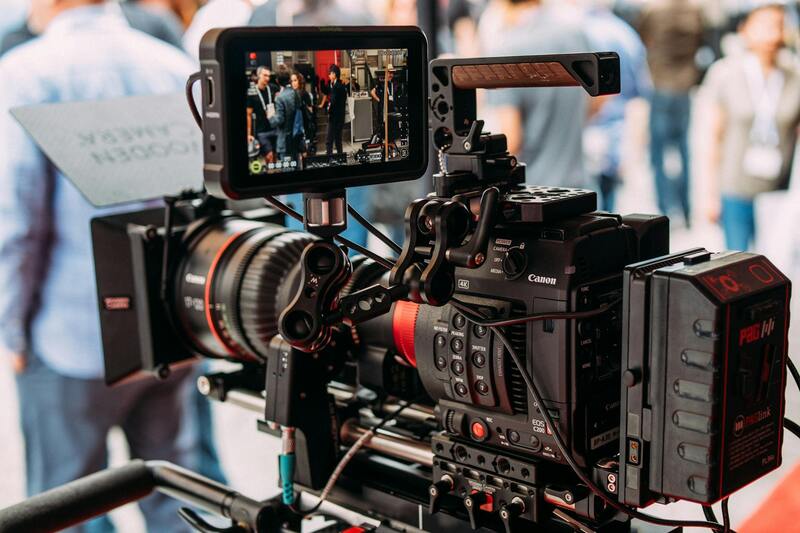
Incorporating industry-best practices during the filming process guarantees that the raw footage possesses high production value. This foundation simplifies the editing phase, facilitating a smooth transition from capture to polished final product. Observing structured workflows, maintaining clear communication channels, and employing high-caliber equipment collectively enhance the overall quality of the corporate film, ultimately delivering a compelling visual narrative that embodies the client’s brand and strategic goals.
Production Process: Filming and Direction
Filming Logistics and Equipment Preparation
Executing a corporate film requires meticulous planning of filming logistics to ensure seamless operations on set. Coordination with Miami-based location managers helps secure permits, acquire necessary access, and minimize disruptions. This enables the crew to work efficiently within the designated environment, respecting local regulations and community standards. Detailed scheduling ensures that every aspect of the shoot—from setup to wrap—is organized to maximize productivity and adhere to time constraints.
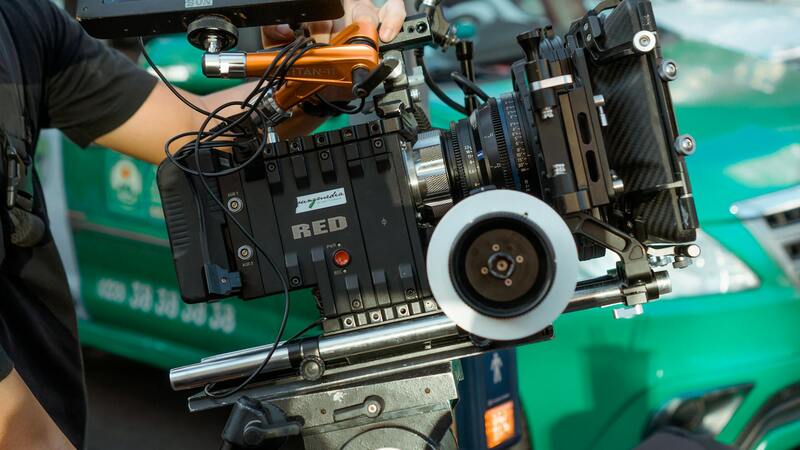
When preparing equipment, selection of professional cameras, stabilization gear, and lighting instruments is vital. High-definition cameras with cinematic capabilities capture crisp visuals that reflect the professionalism of the brand. Tripods, gimbals, and dollies facilitate smooth movements, while lighting rigs, including softboxes and LED panels, are adjusted to optimize scene illumination. To ensure audiovisual clarity, sound equipment such as shotgun microphones, wireless lavaliers, and portable recorders are tested and calibrated beforehand.
Location Management in Miami
Miami offers diverse landscapes and urban settings that can enhance corporate narratives significantly. Location scouts identify suitable sites that align with the visual story, considering lighting conditions and ambient noise. Securing permits and establishing access routes are integral steps that prevent potential delays and legal complications during the shoot. Additionally, discreet management of equipment and crew ensures minimal impact on the surroundings and maintains a professional image.
Direction Techniques for Capturing High-Quality Footage
Effective direction during filming hinges on clear communication of the creative vision to the crew. Directors guide talent and crew through shot setups, ensuring alignment with the strategic message and brand identity. Using storyboard references or shot lists helps maintain focus and consistency. Techniques such as dynamic camera movements, creative framing, and innovative angles bring visual interest and reinforce storytelling objectives. Moreover, real-time monitor reviews allow immediate adjustments, maintaining high standards throughout the production process.
Engaging Miami’s vibrant backdrop requires an understanding of natural lighting patterns and weather conditions, which influence shot planning. Time-lapse sequences, drone footage, and B-roll capture add depth and variety to the final film, making the corporate narrative more compelling and visually appealing.
Production Process: Filming and Direction
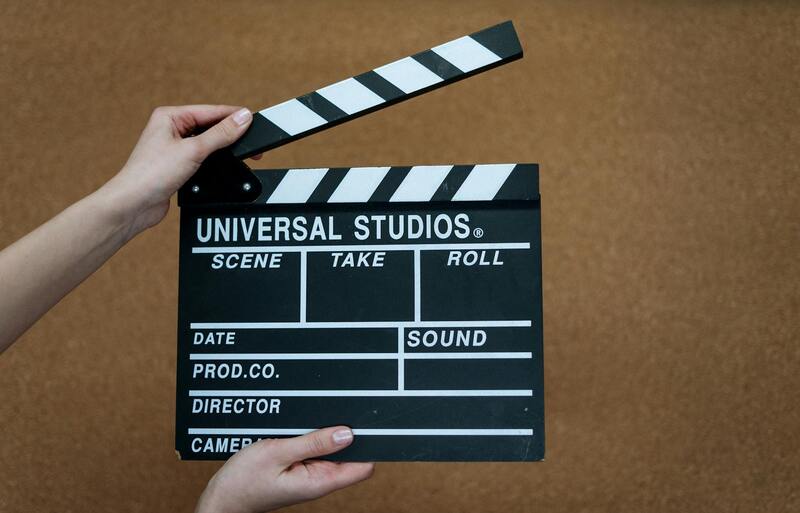
Executing a successful corporate film hinges on meticulous coordination during the filming phase. A comprehensive understanding of the location dynamics, talent management, equipment setup, and crew coordination is essential to produce footage that aligns with the strategic branding goals. Utilizing professionalism and adherence to planned schedules ensures smooth operations while maintaining the desired quality standards.
One critical aspect is establishing a clear and concise communication line among all team members. This facilitates seamless adjustments during shooting, especially when unforeseen challenges arise, such as changing weather conditions or external noise disturbances. Experienced directors employ a combination of storyboarding, shot lists, and real-time monitor reviews to keep the production aligned with the creative vision and client expectations.
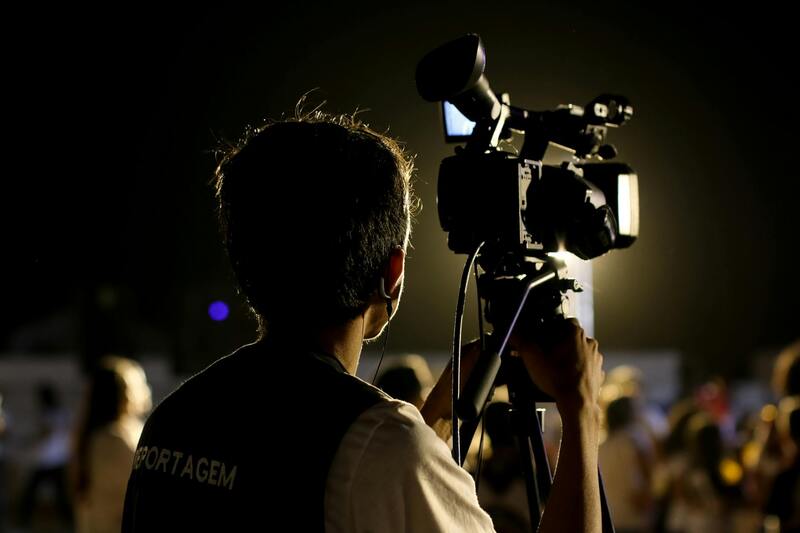
Effective direction involves guiding talent and crew through each shot to ensure proper framing, focus, and lighting. Direction techniques such as dynamic camera movements, creative angles, and the use of stabilizers enhance visual storytelling, making the message compelling. Incorporating different filming styles—like time-lapse, drone shots, or slow-motion sequences—adds visual diversity, reinforcing the corporate narrative's emotional and informational appeal.
Adapting to Miami’s vibrant environment requires an understanding of natural lighting and weather patterns. Filmmakers often plan for optimal shooting times to utilize the city’s natural ambiance, whether capturing sunrise views over the bay or twilight cityscapes. Drone footage provides breathtaking panoramas of Miami’s urban landscape, offering viewers an expansive perspective that emphasizes the company’s connection to this dynamic location.
Attention to detail during filming, including managing permissions and crew logistics, safeguards against delays and ensures that each scene is shot according to the predefined plan. This disciplined approach guarantees that each element of the footage contributes cohesively to the overall marketing message, resulting in a polished final product that accurately reflects the corporate identity and resonates with the target audience.
Distribution and Promotion Strategies
Once the corporate film is finalized, the deployment phase begins, focusing on strategic distribution to maximize reach and engagement. A well-executed promotion plan is essential to ensure the content resonates with the target audience and enhances brand visibility. Leveraging diverse digital platforms, social media channels, and internal communication tools allows for a tailored approach that aligns with the company's marketing objectives.
Digital platforms such as YouTube, Vimeo, and industry-specific streaming services serve as primary channels for broadcasting corporate films. These channels provide easy access to a broad audience while offering analytics features to track viewer engagement and demographics. Embedding videos on the company's official website or landing pages ensures visitors can quickly access engaging content, increasing time spent on the site and boosting conversions.
Social media platforms like LinkedIn, Facebook, Instagram, and Twitter are crucial for targeted outreach. Creating teaser clips, behind-the-scenes footage, and shareable snippets can significantly enhance audience interaction and organic reach. Incorporating strategic hashtags, geotags, and call-to-action prompts encourages viewers to share the content, expanding its visibility across networks.
Internal channels such as corporate intranet, email newsletters, and town hall meetings are effective for disseminating the film to employees, partners, and stakeholders. Internal distribution fosters a sense of community and shared purpose, while also reinforcing the company's message internally, ensuring alignment across departments.
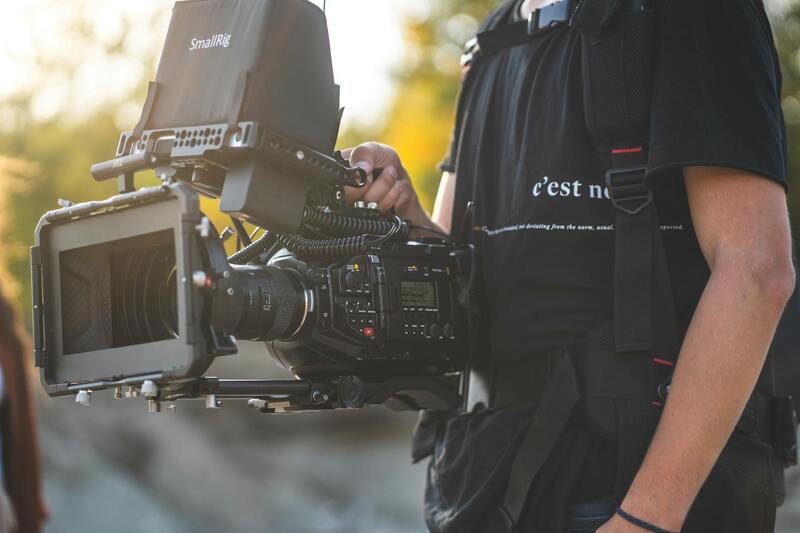
When planning promotional efforts, timing is critical. Coordinating the release with industry events, product launches, or company milestones increases the film’s impact. Paid advertising campaigns across social media and digital platforms can further boost visibility, especially when targeted toward specific demographics or industries.
Monitoring performance metrics such as view counts, engagement rates, and audience feedback enables continuous refinement of the promotional approach. This data-driven strategy helps optimize resource allocation, ensuring that promotional efforts are both cost-effective and impactful, ultimately enhancing the film’s contribution to the company’s broader marketing and branding initiatives.
Legal Framework and Compliance in Corporate Film Production
Securing the proper legal framework for your corporate film production is fundamental to safeguarding your project from potential risks and ensuring smooth execution. One of the primary steps involves drafting and executing comprehensive contracts with every party involved, including production crew, talent, locations, and vendors. These agreements clearly delineate responsibilities, rights, and obligations, covering aspects such as intellectual property rights, licensing rights, confidentiality, and usage rights. Clear contractual arrangements help prevent misunderstandings and disputes that could delay or compromise the project.
Moreover, adherence to intellectual property laws is crucial when incorporating music, footage, images, or proprietary content. Implementing proper licensing agreements and ensuring the necessary permissions are obtained protects your project from infringements that may lead to legal complications. For instance, when using copyrighted music or stock footage, it's essential to acquire the appropriate licenses that specify the scope of use, duration, and distribution channels.
Location releases are another vital legal consideration. Securing filming permits and releases from property owners not only complies with local regulations but also avoids potential disruptions during production. Each jurisdiction might have specific procedures and documentation requirements for filming permits, which must be diligently followed—especially when filming in restricted or sensitive areas.
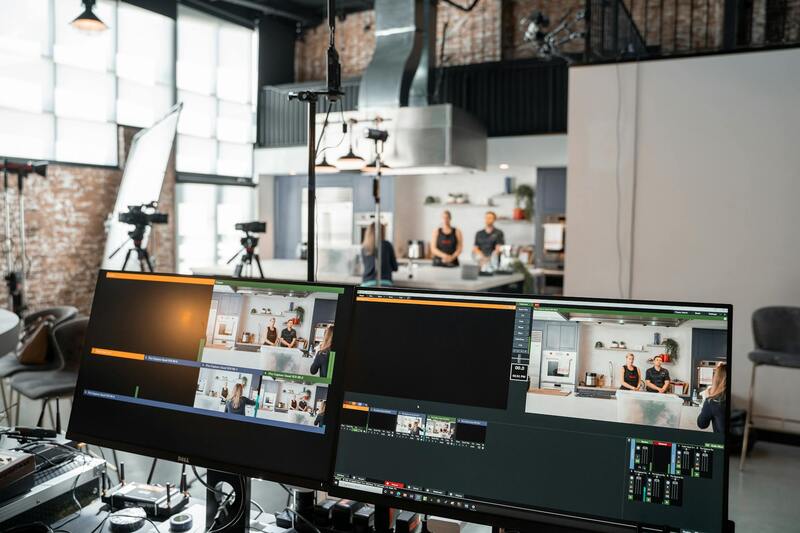
Data protection and privacy laws also play a significant role, particularly if the project involves capturing identifiable individuals. Obtaining signed model releases ensures that the company has the rights to use individuals’ images in the final product across all platforms. In the digital age, compliance with privacy regulations, such as GDPR or CCPA, is essential when handling personal data, facial recognition, or biometric information.
To uphold standards and best practices, engaging legal counsel experienced in media and entertainment law is advisable. This proactive approach guarantees that all legal aspects are meticulously addressed, minimizing exposure to legal risks and establishing a robust foundation for the project.
Finally, maintaining proper documentation throughout the project lifecycle—contracts, releases, permits, and licensing agreements—serves as an official record in case of future inquiries or audits. Ensuring that all legal measures are met not only supports the integrity of your corporate film but also demonstrates a commitment to responsible production practices.