Understanding Corporate Video Production
Corporate video production encompasses the comprehensive process of creating visual content tailored for business communication and branding. It involves a series of meticulously coordinated steps, starting from concept development and scripting to filming, editing, and final delivery. These videos serve as a dynamic tool to showcase a company's values, products, services, and culture, providing an engaging medium for connecting with clients, partners, and employees.
In today’s digital-centric environment, the significance of corporate video production cannot be overstated. It enhances brand visibility, improves communication clarity, and fosters a stronger emotional connection with target audiences. Businesses leveraging professionally produced videos demonstrate higher credibility and trustworthiness, which can lead to increased customer engagement and loyalty. Moreover, corporate videos play a strategic role in marketing campaigns, internal communications, training modules, and investor relations, making them an indispensable component of a comprehensive business strategy.

Effective corporate video production requires a strategic approach, emphasizing clarity of message and aesthetic quality. It involves careful planning to ensure the content aligns with specific business objectives, target audience preferences, and broader marketing initiatives. Professional production teams employ state-of-the-art equipment, expert scripting, and cinematic techniques to craft compelling stories that resonate and motivate action. This multi-faceted process underscores the importance of expertise and experience in delivering videos that meet professional standards and achieve desired outcomes.

As the corporate landscape evolves, so do the methods and platforms for video deployment. Organizations that prioritize high-quality content benefit from increased engagement metrics, including longer view durations and more sharing across social media channels. This progression highlights the essential role of corporate video production in shaping public perception, strengthening internal culture, and supporting sales efforts. With the right approach, corporate videos become a critical asset that drives business growth and competitive advantage, especially when executed by experienced professionals familiar with current industry standards and practices.
Understanding Corporate Video Production
Corporate video production is a meticulous process that combines creative storytelling with technical precision to produce content that aligns with the strategic goals of a business. It involves orchestrating various stages, from pre-production planning through to post-production editing, ensuring every element serves a specific purpose in conveying the intended message. This process not only enhances brand recognition but also fosters a deeper connection with the target audience.
Pre-Production Planning
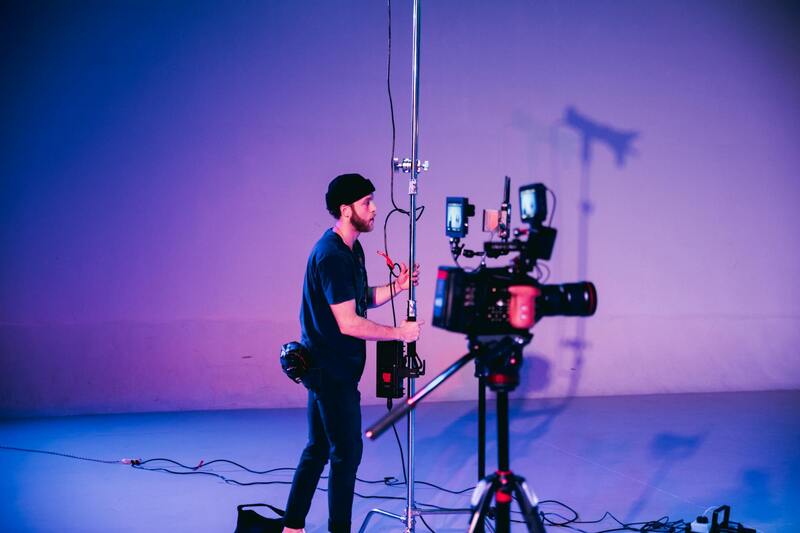
Effective corporate video production begins with comprehensive planning. During this phase, key aspects such as defining the core message, understanding the target demographic, and establishing the video’s purpose are prioritized. Scriptwriting is refined to communicate clarity and engagement, ensuring the message is succinct and impactful. Storyboarding helps visualize the sequence, framing, and transitions, serving as a blueprint for the production team.
Budgeting also plays a crucial role, as it influences the scope of the project, location choices, talent, and equipment needed. A well-structured plan considers distribution channels, whether the video will be used internally for training or externally across digital platforms to maximize reach and engagement. Collaboration with stakeholders ensures alignment with business objectives and branding standards.
Production Phase
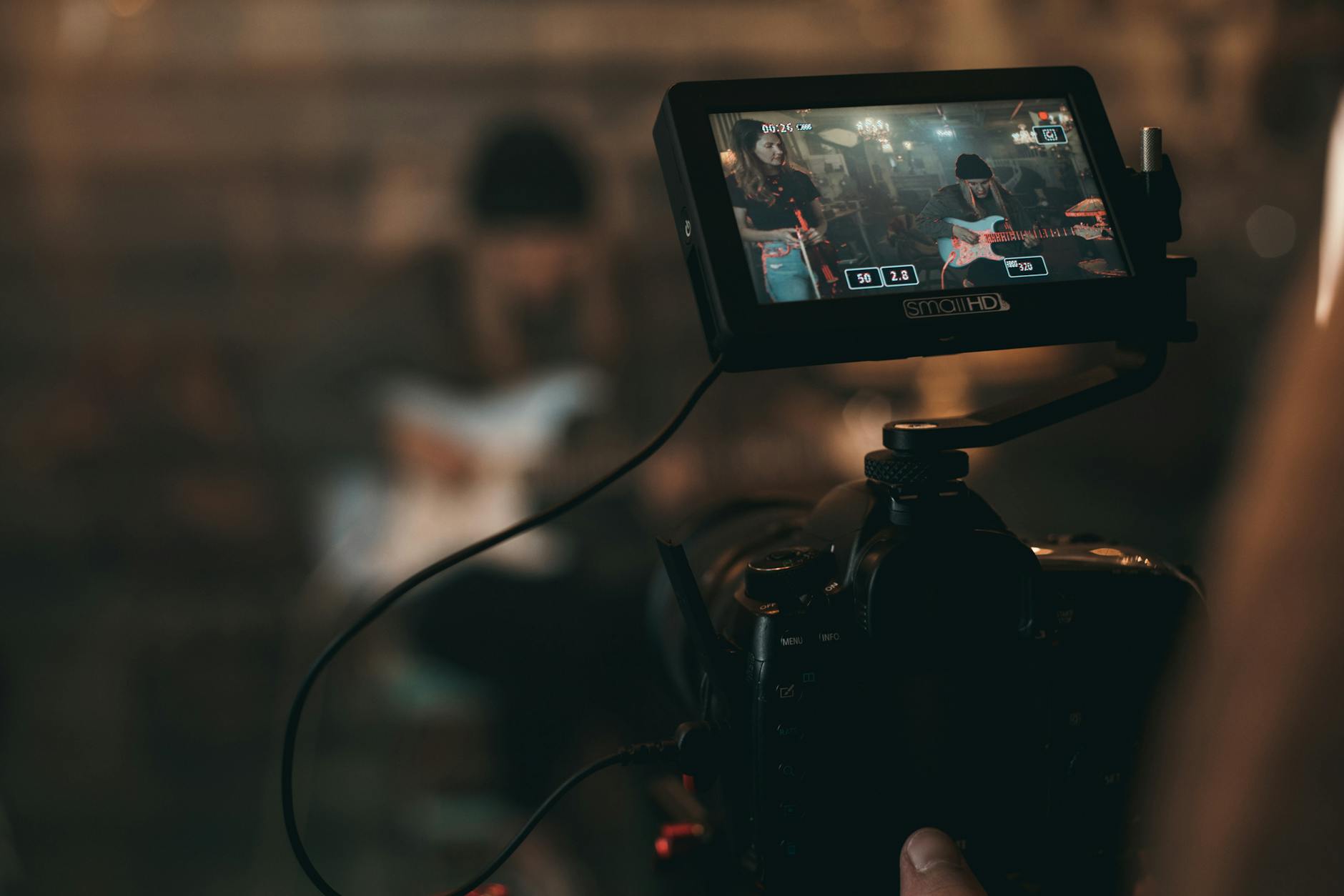
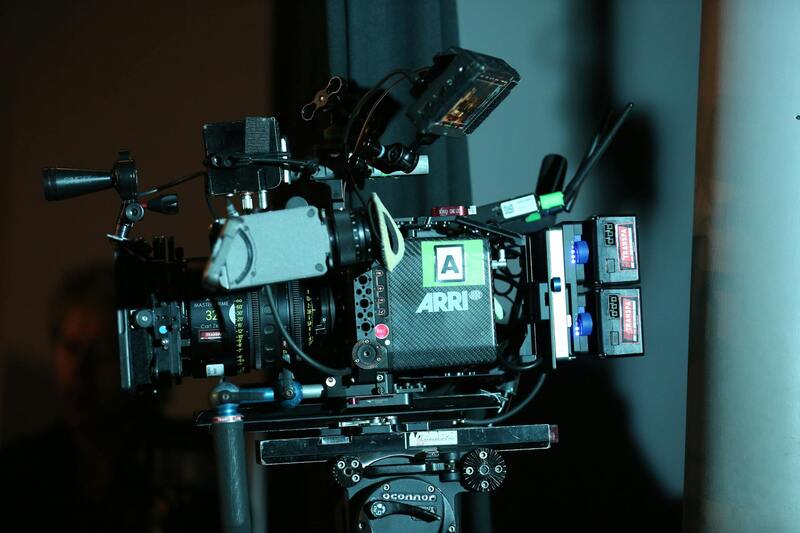
The production phase involves capturing high-quality footage using professional-grade equipment. It’s essential that cinematography, lighting, and sound recording are executed with precision, adhering to the established storyboard. Direction during filming ensures that actors or presenters deliver authentic performances that convey the desired message effectively. Cinematic techniques such as strategic framing, camera angles, and lighting nuances enhance visual appeal and emotional impact.
Post-Production and Editing
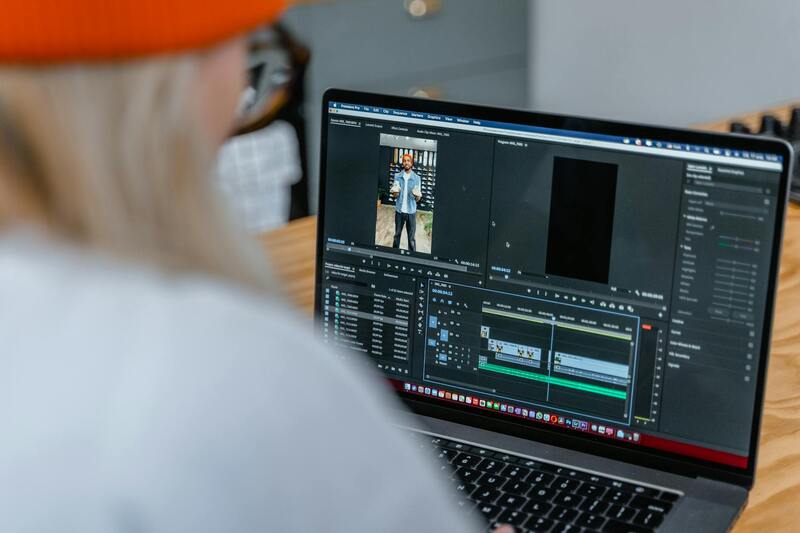
Post-production is where the raw footage is transformed into a polished final product. Skilled editors assemble the footage, applying color correction, sound mixing, and visual effects to enhance storytelling. Incorporating branding elements such as logos and taglines ensures consistency across all marketing assets. Music and voiceovers are added strategically to evoke the right audience response.
In this stage, multiple review cycles are essential to refine the content, ensuring it aligns perfectly with the original objectives. The final edit is formatted appropriately for various distribution channels, whether for social media, corporate websites, or internal presentations, guaranteeing optimal playback quality and engagement potential.
Distribution and Deployment Strategies
Once the corporate video is finalized, strategic deployment amplifies its effectiveness. Uploading videos to prominent platforms enhances visibility and accessibility. Tailoring content for specific channels—such as short-form clips for social media or detailed presentations for internal use—maximizes audience engagement. Incorporating SEO optimization with relevant keywords and descriptive metadata further improves discoverability.
Complementing digital distribution with email marketing, presentations, and B2B networking events broadens the reach and impact. Consistent branding across all touchpoints reinforces recognition and trust, transforming viewers into loyal clients or engaged employees.
Utilizing Approved Methods for Corporate Video Production
Implementing official and recognized approaches during the production of corporate videos ensures a professional result that aligns with your business goals. It is essential to rely on legitimate techniques such as hiring experienced production teams, adhering to industry standards, and employing compliant equipment to achieve high-quality content. These methods not only elevate the production value but also reinforce your company's commitment to professionalism and integrity.
One of the foundational steps involves collaborating with licensed videographers, editors, and motion graphic artists who follow approved standards for filming and post-production. This partnership guarantees that the final product adheres to accepted industry practices, minimizing risks associated with copyright infringement or unauthorized use of proprietary content. When selecting vendors, verify their credentials and previous work to ensure they maintain a consistent track record of delivering authentic and compliant corporate videos.
Officers responsible for video projects should utilize certified equipment, such as cameras, lighting, and sound gear that meet safety and quality benchmarks. This not only produces clear visuals and crisp audio but also ensures durability and reliability throughout the production process. Additionally, following established scripting and storyboard development protocols helps maintain coherence, professionalism, and brand consistency across all visual assets.

Rigorous planning and pre-production consultations are vital to identify appropriate content, establish clear objectives, and adhere to budget constraints. Using approved project management frameworks and formalized approval workflows enhances transparency and accountability. This structured approach helps avoid unnecessary rework, reduces delays, and maintains alignment with intended messaging.
Legal compliance is also a critical aspect of official video production practices. Ensuring all creative materials, such as music tracks, stock footage, and visual effects, are properly licensed and credited prevents potential disputes and preserves your company’s reputation. Employing reputable sources for visual and audio assets that offer clear rights and usage terms demonstrates a commitment to ethical standards and best practices.
In the digital age, distributing corporate videos through approved channels—such as company websites, authorized streaming platforms, and secure internal portals—maximizes control and ensures quality assurance. Integrating metadata, descriptive tags, and optimized titles according to industry guidelines improves discoverability without compromising content integrity. Maintaining consistent branding and messaging further solidifies your company’s position in the marketplace.

Adhering to these officially sanctioned methods throughout the entire production lifecycle of your corporate video fosters trust, credibility, and excellence in your visual communications. By maintaining a focus on reputable techniques and compliant practices, your business can leverage the full potential of corporate video as a powerful branding and engagement tool, ensuring lasting success and industry respect.
Steps to Planning Effective Corporate Videos
Developing successful corporate videos begins with meticulous planning, ensuring that each phase aligns with overarching business objectives. Clarity of purpose is fundamental; whether the goal is brand awareness, product launch, or internal training, establishing clear, measurable objectives guides the entire production process. Defining key performance indicators (KPIs) early on allows businesses to evaluate success objectively.
Target audience analysis is essential to tailor content that resonates effectively. Gathering insights into demographics, preferences, and consumption habits informs storytelling and visual styles, enhancing engagement. Once the audience is understood, scriptwriting becomes a cornerstone of the process. Crafting concise, compelling scripts that communicate core messages avoids ambiguity, maintains viewer interest, and reinforces branding consistency.
Storyboarding visualizes scenes, sequence, and camera angles, providing a roadmap for production teams and ensuring that the narrative flows smoothly. It also facilitates communication among stakeholders, enabling feedback and refinements before actual filming begins. Additionally, selecting appropriate locations, actors, and technical requirements—such as lighting and sound equipment—lays the groundwork for a seamless production phase.
Collaborating with Professionals for Quality Production
Partnering with experienced corporate video producers—such as those specializing in high-quality content creation in Miami—ensures adherence to best practices and industry standards. These professionals utilize state-of-the-art equipment, employ proven filming techniques, and bring creative expertise to craft compelling visuals and narratives. Their knowledge of local regulations, permits, and logistical considerations helps streamline the process, mitigating potential delays or complications.
Legal Compliance and Ethical Standards
Maintaining official procedures throughout the production ensures all content complies with intellectual property rights, licensing agreements, and consent protocols. Employing licensed music, stock footage, and visual effects, along with securing necessary releases from talent and location owners, reinforces your company's commitment to integrity. This careful approach also safeguards against infringing on third-party rights, preserving your organization’s reputation and fostering long-term trust with viewers.
Official Distribution Channels for Corporate Videos
Distributing corporate videos through authorized platforms—such as your company website, secure internal portals, or approved streaming services—maximizes control over content quality and distribution scope. Proper metadata management, including descriptive tags and optimized titles, improves the discoverability of videos across search engines and content management systems without compromising content integrity. Upholding consistent branding and messaging during distribution enhances your company’s professional image, reinforcing your brand identity across audiences.

Leveraging official channels also ensures compliance with industry standards and content guidelines, protecting your organization from potential issues. Maintaining a cohesive digital footprint across platforms aids in delivering a unified message, fostering brand recognition and credibility. Regularly updating content and monitoring performance metrics allows for ongoing optimization, ensuring your corporate videos continue to deliver value and support your strategic goals.
Ensuring Legal and Ethical Compliance in Corporate Video Distribution
Distributing corporate videos through official and authorized channels is essential to maintain the integrity and professionalism of your content. Platforms such as your company's secure website, internal communication portals, and approved streaming services serve as the primary channels for sharing your message with intended audiences. These channels allow for meticulous control over how the content is presented, ensuring that branding guidelines are consistently followed and that the message aligns with your company's strategic objectives.
Proper metadata management plays a crucial role in this process. By including descriptive tags, accurate titles, and relevant keywords, your videos become more discoverable within search engines and internal content repositories. This boosts visibility without compromising content security or integrity. Additionally, maintaining high-quality visuals and audio during distribution reinforces your company's professional image, fostering trust and credibility among viewers.
Strategic selection of distribution platforms not only enhances the reach of your corporate message but also ensures uniformity across multiple channels, reinforcing your brand identity. Utilizing official channels also means adhering to industry standards and content guidelines, which mitigates the risk of content misuse or misrepresentation. This consistency helps build a coherent digital footprint that resonates with your target audience, positioning your organization as a reliable and authoritative information source.

Monitoring performance metrics such as viewer engagement, watch time, and conversion rates offers valuable insights into how well your videos resonate with your audience. Regular analysis allows your team to identify areas for improvement, enabling ongoing optimization of content strategy. Staying updated on evolving content standards and platform-specific requirements also ensures your videos remain compliant and effective in delivering your intended message.
Ultimately, leveraging official distribution channels helps protect your organization from potential issues related to content misuse or misrepresentation, while maximizing the reach and impact of your corporate videos. Ensuring a cohesive and professional digital presence not only elevates your brand image but also fosters long-term relationships with your audience, clients, and stakeholders.
Post-Production and Distribution Strategies
Once the initial filming phase concludes, the focus shifts to post-production—an essential stage where raw footage transforms into a polished, professional corporate video. Effective editing not only involves cutting and rearranging scenes but also integrating visual effects, color correction, and sound design to enhance the overall quality. Incorporating consistent branding elements like logos, color schemes, and taglines ensures that the video aligns seamlessly with your company’s identity.
Strategic placement of call-to-actions (CTAs) within the video increases viewer engagement and guides audiences toward desired actions, whether it’s visiting a website, contacting sales, or subscribing to updates. The choice of channels for distribution profoundly impacts the video's reach and effectiveness. Leveraging official platforms such as your company website, official social media profiles, and industry-specific portals guarantees that content is delivered through reputable pathways, maximizing visibility and audience trust.
Additional Distribution Tactics
- Segmented Sharing: Distribute tailored versions of your videos to target specific audiences or departments, ensuring content relevance and engagement.
- Email Campaigns: Incorporate videos into newsletters and email sequences to nurture relationships with prospects and clients.
- Industry Events and Conferences: Use video content during presentations and displays to enhance your reputation as an industry leader.
- Employee Training and Internal Communication: Share corporate videos internally to foster a cohesive company culture and inform staff about new initiatives.
Importance of Monitoring and Optimization
Post-distribution, analyzing performance metrics such as viewer engagement, completion rates, and conversion actions provides insights into how well your content resonates. This data facilitates ongoing refinement, ensuring future videos are more impactful and aligned with your audience’s preferences. Maintaining compliance with platform-specific standards and evolving content guidelines further ensures that your videos remain effective and maintain brand integrity.
Post-Production and Distribution Strategies
After capturing high-quality footage, the next critical phase involves meticulous post-production processes that elevate the overall professional appearance and message clarity of your corporate video. Effective editing ensures seamless storytelling, appropriate pacing, and the integration of visual effects, graphics, and branding elements that align with your company's identity. Color correction and sound design are vital to enhance the visual appeal and auditory experience, ensuring the final product resonates with viewers across various platforms.
Once the editing phase is complete, strategic distribution becomes paramount. Employing official and reputable channels not only broadens the reach but also reinforces brand credibility. Your company website serves as a primary hub for hosting corporate videos, allowing visitors to engage with your content directly. Embedding videos on dedicated landing pages enhances user experience and facilitates call-to-action engagement, whether it involves signing up for newsletters or requesting consultation.
Social media platforms offer dynamic avenues to showcase corporate videos, reaching targeted demographics efficiently. Content tailored for specific platforms—short snippets for Twitter or Instagram, detailed narratives on LinkedIn—maximizes audience engagement. Additionally, partnering with industry-specific portals or accredited digital platforms ensures your videos appear in relevant, trusted environments, thereby increasing authority and exposure.

Implementing segmented sharing strategies allows for customization based on viewer interests and organizational goals. For instance, short intro videos can be directed towards potential clients, while comprehensive case studies may target industry peers or partners. Email campaigns incorporating embedded videos or links can nurture leads and strengthen client relationships through personalized messaging.
Participation in industry events, conferences, and trade shows provides opportunities for live video presentations and displays that demonstrate industry expertise and innovation. Internal distribution within the organization using employee communication channels fosters transparency, morale, and alignment with corporate objectives. Sharing training videos or messages from leadership internally encourages a cohesive company culture and ensures key messages are consistently disseminated across teams.
Monitoring the performance of distributed videos is essential for continuous improvement. Key metrics such as viewer engagement, watch time, click-through and conversion rates offer valuable insights into content effectiveness. Advanced analytics tools enable detailed performance tracking, helping refine future content strategies. Ensuring compliance with platform-specific standards, like video length, captioning, and branding guidelines, maintains content integrity and optimizes viewer experience.
In an era where visual content increasingly influences consumer decisions and corporate reputation, integrating meticulous post-production techniques with strategic distribution channels guarantees your corporate videos achieve maximum impact. This deliberate approach ensures your business’s message resonates authentically with your target audiences, reinforcing your position as an industry leader.
Future Trends in Corporate Video Production
As the digital landscape continues to evolve, corporate video production is increasingly leveraging innovative technologies that redefine how businesses communicate with their audiences. Emerging trends such as 360-degree videos, virtual reality (VR), and interactive content are transforming the traditional approach, creating more immersive and engaging experiences that resonate effectively across diverse platforms.
Adoption of 360-Degree and VR Technologies
This technology allows viewers to explore environments from multiple angles, offering a sense of presence and involvement that standard videos cannot match. For example, virtual tours of office spaces or manufacturing facilities can be produced, giving prospective clients or partners an authentic feel of the company's operations without physical presence. Companies investing in 360-degree video and VR experiences demonstrate innovation and a commitment to transparency, building trust and credibility with their audience.
Impacts of Interactive Content
- Higher viewer engagement through clickable elements and embedded calls to action.
- Enhanced storytelling by allowing audiences to choose story paths or explore topics in-depth.
- Improved information retention as viewers interact actively with content.
The Role of Data and Personalization
Advancements in data analytics facilitate the creation of personalized video experiences. By analyzing viewer behavior and preferences, companies can tailor content to specific audience segments, increasing relevance and effectiveness. Personalized videos not only enhance user experience but also foster stronger connections, leading to higher conversion rates and improved brand loyalty.
Integration of Artificial Intelligence and Automation
Artificial intelligence (AI) is streamlining various aspects of production and distribution. Automated editing tools enhance efficiency, while AI-driven content recommendations improve targeted outreach. Additionally, AI chatbots integrated within videos can provide real-time assistance or gather feedback, creating a dynamic interaction that can elevate the overall impact of corporate messaging.
Furthermore, high-quality CGI and visual effects are becoming more accessible, allowing companies to produce visually stunning content without excessive costs. This technological integration empowers businesses to craft innovative narratives, showcase products more vividly, and deliver messages with heightened clarity and appeal.
Conclusion
Staying ahead in corporate video production involves embracing these technological trends while maintaining a focus on authenticity, strategic messaging, and audience engagement. As Miami continues to grow as a hub for media innovation, leveraging emerging technologies can position your business as a leader in visual communication, setting new standards for storytelling and brand differentiation.