Understanding Video Streaming Production
Video streaming production encompasses the entire process of creating, managing, and broadcasting live or pre-recorded video content over the internet. It integrates a range of technical and creative components to deliver high-quality visual experiences to audiences in real time or on demand. For Miami-based production companies, mastering video streaming production is vital for competing in today's digital-first landscape, where instant access and interactive media are increasingly expected.
The core components of video streaming production include video capture, encoding, transmission, and playback. Video capture involves capturing live footage or pre-recorded content using professional cameras and audio equipment. Encoding converts this raw footage into compressed digital formats suitable for internet transmission, facilitating efficient streaming across diverse network conditions. Transmission then involves sending this encoded data via content delivery networks (CDNs) or streaming platforms to viewers around the globe. The final step, playback, ensures viewers can access seamless, high-quality streams on multiple devices, from desktops to smartphones.

Importance of proficient video streaming production extends beyond merely broadcasting content. It enhances audience engagement, widens reach, and provides versatile options for live interactions, event broadcasts, corporate presentations, and entertainment. For Miami companies, staying at the forefront of this technology not only elevates professional standards but also opens opportunities for innovative storytelling, brand visibility, and revenue growth.
Core Components of Video Streaming Production
- Video Capture Devices: Professional cameras, microphones, and lighting ensure clear visuals and sound quality.
- Encoding Hardware and Software: Tools that compress raw footage into streaming-optimized formats.
- Streaming Platforms and CDNs: Infrastructure that distributes content reliably and efficiently to global audiences.
- Monitoring and Control Systems: Real-time management of streams to address quality issues or technical glitches promptly.
Effective implementation of these components guarantees a polished final product that resonates with viewers. Understanding these fundamentals empowers Miami’s production firms to leverage cutting-edge technology, optimize workflows, and deliver content that meets high expectations for quality and reliability.
Essential Equipment and Technology
Achieving high-quality video streaming production depends heavily on the selection and integration of advanced equipment and up-to-date technology. For professional streaming, it is critical to utilize equipment that ensures clarity, stability, and seamless delivery of content. Key hardware components include high-definition cameras capable of capturing detailed visuals, professional-grade microphones to deliver pristine audio, and versatile lighting systems that enhance visual appeal and reduce shadows. Additionally, multi-angle camera setups and robotic camera systems can provide dynamic perspectives, elevating the production value.
Streaming quality is optimized through robust encoding hardware and software, which compress raw footage into formats suitable for online transmission. Hardware encoders generally offer lower latency and greater reliability, but software encoders on high-performance computers can also be effective with proper configuration. The use of reliable switching equipment, such as video mixers and switchers, allows seamless transitioning between different camera feeds, graphics, and video sources.
Networking infrastructure plays a pivotal role in maintaining consistent stream quality. High-bandwidth, wired internet connections reduce lag and buffering issues, especially during high-traffic events. For wireless solutions, employing enterprise-grade Wi-Fi or mobile data hotspots with sufficient upload speeds is vital. Content Delivery Networks (CDNs) are integral to distributing streams efficiently across regions, minimizing latency and ensuring viewers experience uninterrupted access.
Monitoring tools are vital throughout the production to oversee stream integrity, quality, and performance. Real-time feedback systems can detect issues such as frame drops, audio sync problems, or connectivity failures, enabling immediate corrective actions.
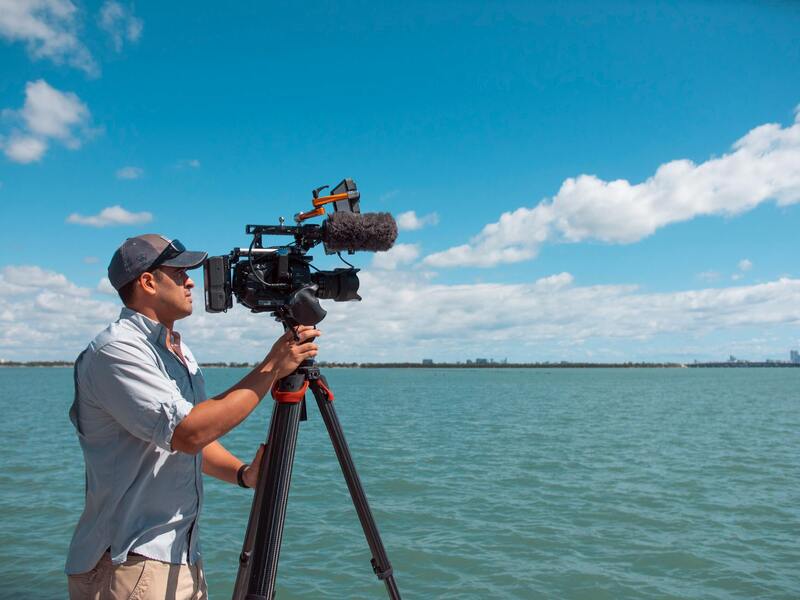
Understanding Video Streaming Production
Video streaming production encompasses a wide array of technical and creative processes that combine to deliver high-quality content to viewers in real time. A key element in this process is the seamless integration of hardware and software solutions designed to capture, encode, transmit, and display video content effectively. Achieving professional-grade streaming results requires meticulous planning, state-of-the-art equipment, and expert handling of each stage of production.

At the core of proficient video streaming production lies a sophisticated infrastructure that ensures minimal latency, consistent quality, and scalable delivery options. This infrastructure involves selecting the appropriate broadcasting equipment, establishing reliable data transmission channels, and choosing optimized content distribution methods. Maintenance of constant quality control, real-time monitoring, and immediate troubleshooting are essential to uphold a successful streaming operation. The blend of hardware reliability, software stability, and network resilience defines the overall effectiveness of a video streaming project.
Optimizing the Production Workflow
Efficient video streaming production depends heavily on the coordination of multiple technical components and human expertise, all aligned to meet the project's specific demands. Pre-production planning involves detailed scheduling, content scripting, and technical rehearsals to preempt potential issues. During the actual event, skilled operators manage multiple camera feeds, switch between various visual elements, and ensure audio-visual synchronization to produce an engaging viewer experience.
Real-time monitoring tools allow operators to continuously assess video quality, audio clarity, and stream stability. By employing advanced encoding techniques, such as adaptive bitrate streaming, productions can dynamically adjust quality based on viewers' bandwidth capabilities, minimizing buffering and lag issues. In addition, setting up redundancy measures, like backup internet connections and redundant streaming servers, greatly enhances production resilience in case of technical failures.
Post-Production and Content Delivery
After the live event concludes, the focus shifts to post-production editing, content archiving, and distribution. Recorded streams can be edited for repurposing, optimized for various platforms, and embedded with metadata to improve discoverability. Distributing content effectively across multiple streaming platforms involves encoding videos into multiple formats and resolutions, ensuring compatibility with diverse devices and network conditions.
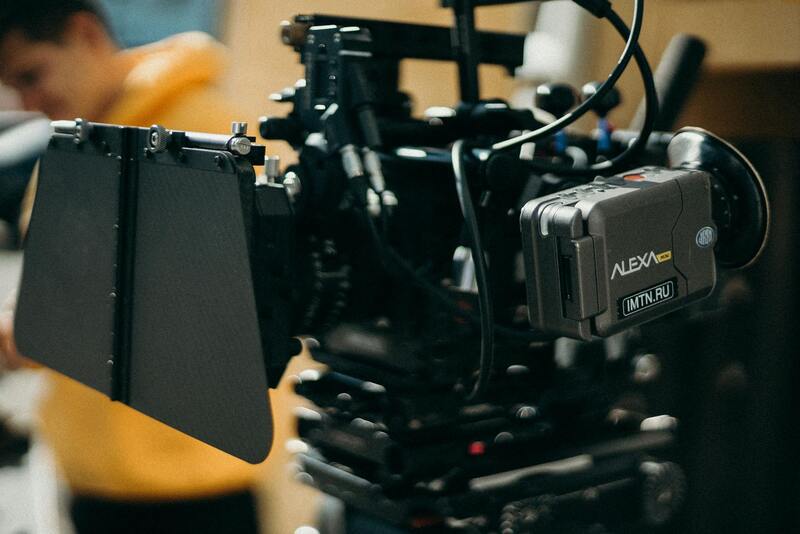
Choosing the right content management and delivery systems is crucial for expanding reach and maximizing engagement. These systems enable scheduled broadcasts, on-demand access, and analytics tracking to assess audience interaction and preferences. Strategic content distribution combined with targeted marketing efforts can significantly enhance viewer retention and overall impact of the streaming initiative.
Overcoming Challenges in Video Streaming Production
Technical difficulties such as bandwidth limitations, equipment malfunctions, or unforeseen network disruptions can pose significant challenges. To mitigate these risks, it's vital to conduct comprehensive pre-event testing, employ reliable hardware, and utilize adaptive streaming protocols. Training personnel to troubleshoot problems efficiently, preparing contingency plans, and maintaining communication with all team members contribute to smooth operations under pressure.
Emerging Trends and Innovative Approaches
Advancements in compression algorithms, 4K and 8K high-definition streaming, and virtual production techniques are transforming the landscape of video streaming. Additionally, integrating live interactive features, augmented reality, and real-time data overlays enhances the viewer experience and engagement. Staying abreast of these technological developments allows production teams to deliver cutting-edge content that aligns with evolving audience expectations and industry standards.
Production Process and Best Practices
The production phase of video streaming involves meticulous coordination of multiple technical and creative elements to ensure a seamless live broadcast. A well-defined production workflow begins with setting up the necessary infrastructure, including cameras, audio equipment, and encoding hardware, which must be calibrated for optimal performance. During live sessions, real-time monitoring of video and audio feeds helps identify and resolve issues promptly, maintaining high-quality delivery throughout the broadcast.
Critical to successful live streaming is effective communication among production team members. Designating roles such as director, technical director, camera operators, and sound engineers fosters an organized environment where each individual understands their responsibilities. The director oversees the overall flow, coordinating shot selections, switching between camera angles, and managing cues for talent and crew members.
Employing multi-camera setups allows for dynamic and engaging content, but it requires precise coordination to prevent mismatched shots or delays. Utilizing professional-grade switching equipment facilitates smooth transitions, while high-quality audio mixers ensure clarity and consistency in sound. Maintaining redundancy, such as backup power supplies and secondary streaming sources, adds resilience against potential disruptions.
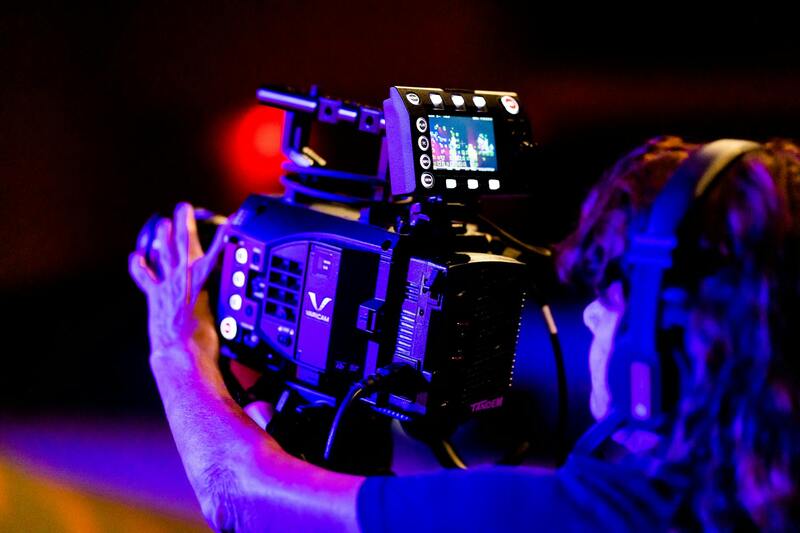
Production Process and Best Practices
Executing a seamless live stream requires meticulous coordination of multiple technical facets to ensure optimal broadcast quality. A well-structured production process begins with clear workflow documentation that delineates each team member's responsibilities, from camera operators to audio engineers. This structure minimizes misunderstandings and streamlines transitions during the event.
Camera operation is central to delivering visually engaging content. Operators should be proficient in framing, focus, and exposure adjustments tailored to the environment and subject matter. Steady camera movement and strategic shot selections enhance viewer engagement, making shots appear natural and deliberate.
Switching between multiple video sources is facilitated through hardware or software switchers. Professional switchers offer real-time control over transitions, allowing producers to seamlessly alternate between cameras, pre-recorded segments, and graphics. Using high-quality chroma key setups and graphics overlays adds polish and branding consistency.
Audio management is equally critical. Mixing consoles enable real-time balancing of microphones, ambient sound, and playback audio. Clear audio contributes significantly to viewer retention, so checks for sound levels and clarity are essential. Additionally, incorporating backup microphones and redundant audio feeds ensures continuity in case of technical issues.
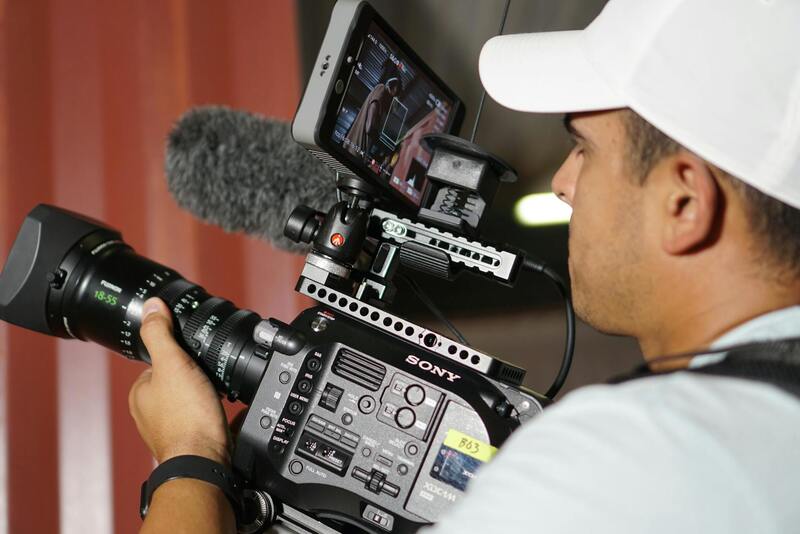
Maintaining high streaming quality involves continuous monitoring of streaming metrics, such as bitrate, latency, and buffer rate. Real-time analytics tools allow the production team to identify potential issues before they impact viewers. Adjustments to encoding settings or switching to backup feeds can prevent disruptions and buffer failures.
Cost-effective solutions include implementing redundancy at critical points—such as secondary internet connections or backup streaming servers—to mitigate the impact of unforeseen failures. Automated alerts notify the team of performance drops, prompting prompt corrective actions.
Effective communication channels, like intercom systems or dedicated chat platforms, facilitate immediate coordination among crew members. Clear, concise directives ensure timely camera cues, transitions, and audio adjustments. Conducting rehearsals and technical dry runs helps identify and address bottlenecks, fostering a smoother production flow.
Understanding Video Streaming Production
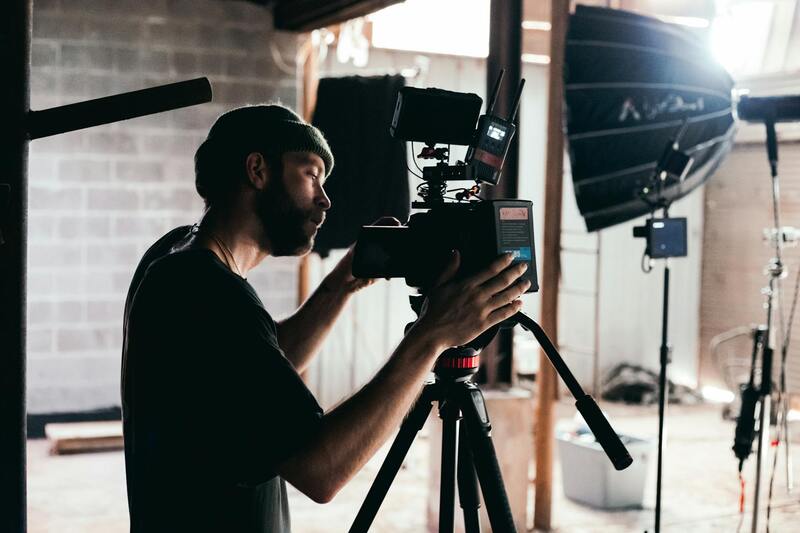
Video streaming production involves a comprehensive process that transforms raw footage into polished, broadcast-ready content distributed over digital platforms. Central to this process are both the technical components that enable seamless streaming and the strategic planning that ensures content engages the target audience effectively. Professions specializing in this domain combine expertise in camera operation, audio engineering, lighting, and live editing software, ensuring each element aligns perfectly for the final broadcast.
Key Elements of Video Streaming Production
- Content Planning and Coordination: Outlining the program flow, scheduling segments, and assigning roles to crew members.
- Technical Setup: Configuring cameras, audio equipment, lighting, and streaming hardware/software to optimize quality.
- Live Execution: Managing video feeds, audio levels, transitions, and real-time graphics to deliver a cohesive viewing experience.
- Post-Production Editing: Refining recorded streams, adding graphics or overlays, and preparing the content for archival or future distribution.
Insights into Streaming Infrastructure
Efficient video streaming production hinges on reliable internet connectivity, robust encoding solutions, and high-performance content delivery networks (CDNs). These components work together to minimize latency, prevent buffering, and optimize picture quality. Incorporating redundancy through backup servers and multiple internet sources enhances resilience, ensuring uninterrupted streaming even under adverse conditions.
Implementing Quality Control Measures
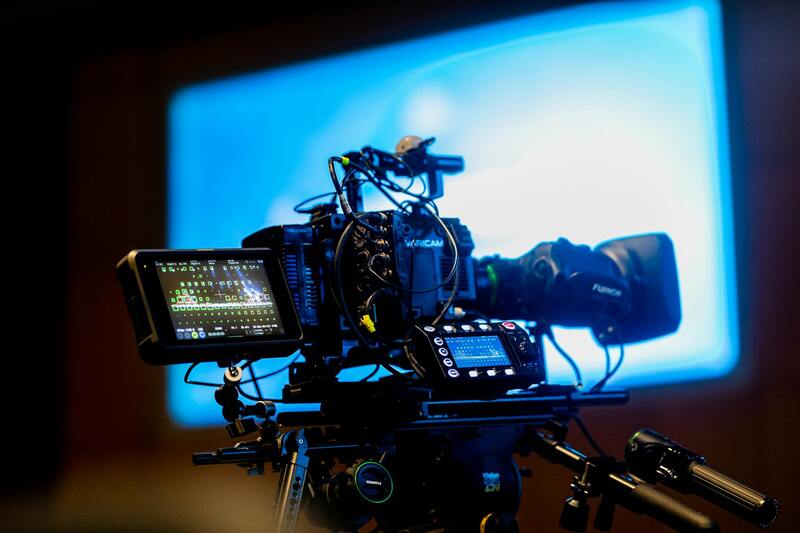
Proactive quality assurance involves continuous testing and monitoring throughout the production process. Using real-time feedback tools allows technicians to promptly identify issues with video clarity, audio fidelity, or stream stability. Performing test streams before live events can reveal potential bottlenecks, enabling adjustments to encoding parameters or network configurations to optimize viewer experience.
Security and Privacy Considerations
Secure streaming practices protect content from unauthorized access and ensure compliance with privacy standards. Employing encryption protocols, secure login procedures, and access controls safeguard sensitive information during transmission. Additionally, monitoring for unauthorized streams or recording attempts helps maintain content ownership and integrity.
Understanding Video Streaming Production
Video streaming production requires meticulous coordination of various technical elements to deliver high-quality content seamlessly to viewers. From establishing a reliable streaming infrastructure to managing the nuances of live environments, producers must employ strategic methods to ensure smooth execution. Effective planning starts well before the broadcast begins, encompassing pre-production setups, equipment calibration, and comprehensive testing of all systems involved.

Operational Workflow for Video Streaming
The production workflow involves a series of carefully orchestrated steps, including content creation, live switching, encoding, delivery, and post-broadcast analysis. Each phase demands specific tools and expertise to preserve video quality, manage audio levels, and coordinate graphics or overlays. Skilled technicians monitor the stream continuously, making adjustments in real time to respond to any unforeseen issues.
Technical Foundations of Streaming Infrastructure
The backbone of successful video streaming production hinges on a resilient and scalable infrastructure. This includes stable high-speed internet connections, advanced encoding hardware or software, and efficient Content Delivery Networks (CDNs) that distribute content globally. Redundancy systems like backup servers and multiple network sources are essential in maintaining uninterrupted service, even during technical disruptions. Integration of reliable hardware such as professional-grade cameras, switchers, and audio mixers ensures optimal visual and sound quality during live broadcasts.
Key Components of Production Technology
- Encoding solutions that compress and prepare video signals for streaming without losing quality
- Stream management platforms that allow real-time control and analytics
- Lighting and audio equipment tailored for video clarity and sound fidelity
- Mixers and switchers for seamless scene transitions and graphic insertions
Challenges in Video Streaming Production
Common hurdles include internet instability, latency issues, and real-time technical failures. Fluctuations in network performance can result in buffering or dropped frames, impacting viewer experience. To counter these challenges, comprehensive pre-broadcast testing, adaptive streaming protocols, and dedicated network resources are implemented. Regular system checks and having contingency plans ready are vital components of operational risk management.
Security and Privacy Measures
Protecting stream content from unauthorized access is paramount. Employing encryption techniques, secure login procedures, and strict access controls ensures that only authorized viewers can access secured streams. Continuous monitoring for potential security breaches, including unauthorized recording or streaming, helps maintain content ownership and prevents intellectual property theft.
Technical Support and Operator Training
Having experienced technical staff onboard significantly impacts the success of live streaming production. Training operators on the latest equipment functionalities, troubleshooting procedures, and emergency protocols enhances the team’s ability to handle unexpected issues swiftly. Ongoing professional development ensures that the production aligns with evolving technological standards and best practices.
Addressing Technical Issues and Ensuring Seamless Playback
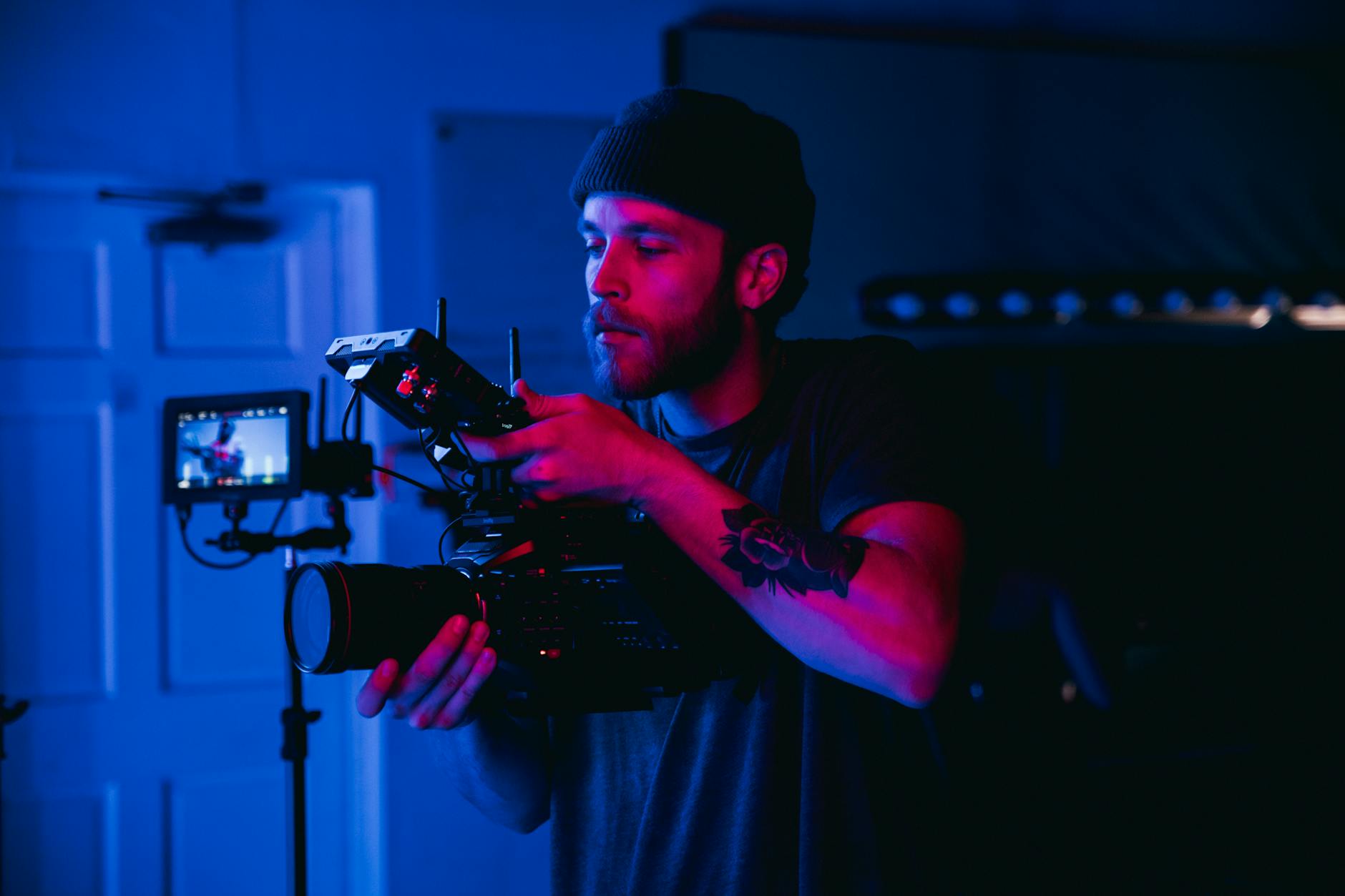
One of the critical aspects of high-quality video streaming production involves proactive management of technical challenges that can arise during live broadcasts or on-demand streaming. Ensuring a smooth viewing experience requires more than just reliable equipment; it demands rigorous preparation, real-time monitoring, and quick troubleshooting strategies. Technical issues such as bandwidth limitations, equipment malfunction, or compatibility conflicts can severely disrupt the flow of content, leading to viewer dissatisfaction and potential loss of audience loyalty.
To minimize these risks, production teams employ redundancy strategies, including backup servers and alternate streaming pathways. These measures provide fallback options in case primary systems encounter failure, maintaining continuous delivery of content. Implementing adaptive bitrate streaming technology allows the stream to adjust dynamically based on viewers' connection quality, reducing buffering and improving overall quality regardless of network conditions.

Regularly scheduled maintenance and comprehensive pre-broadcast testing are essential to identify and rectify potential issues before the live event or scheduled release. This process includes checking network stability, verifying that encoding hardware and software are functioning optimally, and confirming the integrity of audio and video feeds. Successful production teams also maintain detailed checklists and rapid-response protocols to address unforeseen problems swiftly, ensuring minimal impact on the stream's continuity.
Implementing Robust Content Security Measures
Safeguarding streaming content not only preserves intellectual property rights but also reinforces the integrity of the broadcast. Deploying encryption methods for data transmission ensures that the content remains secure against interception or unauthorized access during delivery. Secure login procedures, including multi-factor authentication and novel access control systems, restrict entry to authorized users only, safeguarding sensitive streams.
Monitoring for anomalies and unauthorized recording attempts is a vital component of stream security. Continuous surveillance teams can detect and respond to breaches promptly, while digital watermarking techniques provide traceability and proof of ownership in cases of content misuse. These strategies collectively create a resilient environment for high-value productions, maintaining viewer trust and content integrity.
Training and Supporting Technical Personnel
The proficiency of technical operators can dramatically influence the success of a streaming event. Well-trained staff equipped with the latest knowledge of production hardware and software components can preemptively troubleshoot issues, reduce downtime, and respond efficiently to emergencies. Ongoing education programs ensure that technicians remain up-to-date with emerging technology trends and best practices in streaming workflows.
Operational excellence also involves clear communication channels, detailed procedures, and access to rapid support resources. In high-pressure situations, such coordinated efforts help sustain a stable broadcast environment. Additionally, simulation exercises and mock streams serve as valuable training tools, preparing teams for real-world challenges and enhancing response readiness.
Handling Viewer Engagement and Feedback Post-Stream
After the content has been delivered, engaging with viewers and analyzing streaming performance become crucial for continuous improvement. Collecting feedback through surveys, social media interactions, or direct communication channels provides insights into viewer satisfaction and technical quality. Monitoring analytics, such as viewer retention, buffering rates, and geographic distribution, helps identify areas for enhancement.
This data-driven approach informs future production strategies, guiding choices regarding content presentation, equipment upgrades, and distribution channels. Responsive support and active engagement also foster a loyal community, encouraging viewers to participate in shaping future streaming experiences.
Exploring the Future of Video Streaming Technology
Emerging advances in streaming technology continue to push the boundaries of what's possible. The adoption of 4K and even 8K resolution streaming meets increasing consumer demand for higher visual fidelity, demanding more sophisticated equipment and bandwidth management. Interactive features such as live chat, real-time polling, and viewer-controlled framing significantly enhance engagement, transforming passive viewers into active participants.
AI-powered tools streamline production workflows by automating tasks like content tagging, captioning, and quality enhancement. These innovations not only improve efficiency but also increase accessibility and personalization, delivering a more tailored viewing experience. As technology evolves, integrating seamless multi-platform delivery and immersive formats like virtual reality will redefine how audiences engage with streamed content.