Overview of Live Video Streaming Production
Live video streaming production involves the real-time broadcasting of visual and audio content over the internet to a broad audience. This process encompasses a range of technical and creative elements, from pre-production planning to post-broadcast analysis, aimed at delivering seamless and engaging live experiences. As Miami continues to grow as a hub for events, entertainment, and corporate communications, the demand for high-quality live streaming services has surged, reflecting its critical role in reaching audiences both locally and globally.
In essence, live video streaming production integrates sophisticated equipment, expert technical knowledge, and strategic planning to transmit content in real-time. It empowers businesses, event organizers, and content creators to connect with viewers instantly, providing interactive opportunities that are pivotal in today’s digital-driven environment. The importance of professional live streaming is evident across various sectors—be it concerts, conferences, sports events, or religious services—where immediacy and visual impact significantly influence audience engagement.
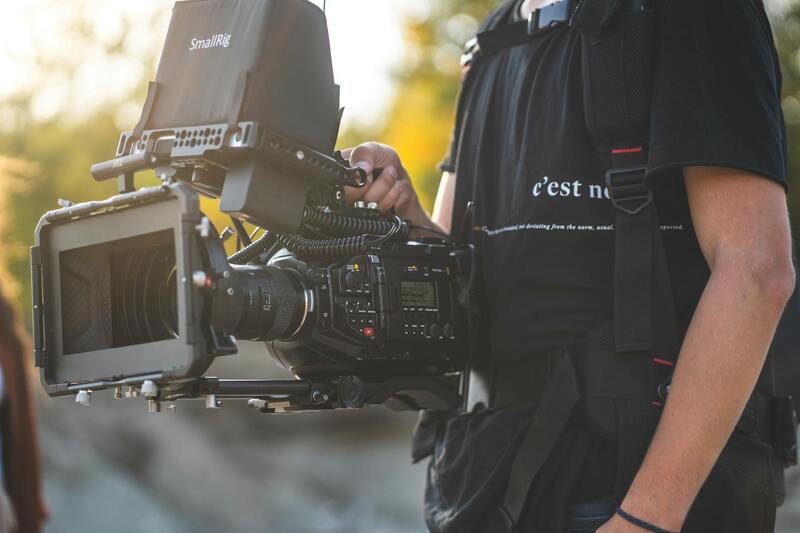
Miami’s media landscape is rapidly evolving, with an increasing number of organizations recognizing the value of live streaming as a means to extend their reach. From luxury events at Miami Beach to corporate product launches downtown, live video production enables real-time engagement with audiences that might be thousands of miles away, ensuring that content is not only accessible but also compelling and visually striking.
Furthermore, the dynamic nature of live streaming allows for immediate feedback and interaction, fostering a more personal connection between hosts and viewers. This immediacy often results in higher viewer retention and brand recognition, making live video production an essential tool in modern marketing and communications strategies.
As technology advances and internet infrastructure continues to improve, the quality and complexity of live streaming productions also evolve. Advanced techniques such as multi-camera switching, on-screen graphics, and real-time audience interaction are now commonplace, elevating the standard of live broadcasts in Miami and beyond. The growing popularity of live streaming signifies its vital role in shaping the future of media coverage, entertainment, and business interactions in Miami’s vibrant environment.
Key Components of Live Streaming Setups
Implementing a professional live video streaming production requires meticulous selection and integration of various technical elements. At the core are high-definition cameras, which serve as the primary tools for capturing visual content. These devices must be capable of delivering crisp, clear images under different lighting conditions, often requiring features such as optical zoom and optical image stabilization to maintain image quality during dynamic shots.
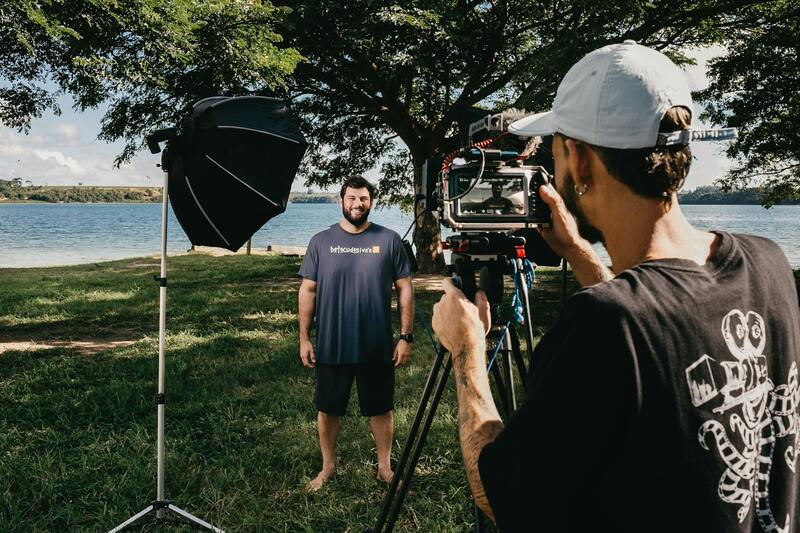
Additionally, encoders play a critical role in transmitting live video streams. Hardware encoders convert raw footage into digital formats compatible with streaming platforms, ensuring minimal latency and optimal quality. For high-profile events, software encoders integrated into powerful computers can provide flexible control over encoding settings, including bitrate and resolution, allowing seamless adaptation to varying network conditions.
Audio systems comprise microphones, mixers, and output devices that guarantee the clarity of voice and ambient sound. Directional microphones are often employed to isolate dialogue from background noise, while audio mixers facilitate real-time adjustments to audio levels, maintaining consistent sound quality throughout the broadcast.
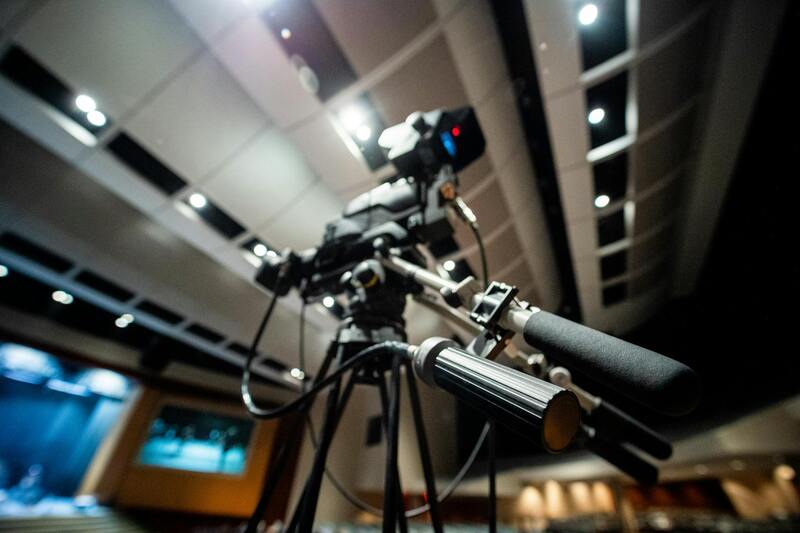
The selection of streaming platforms influences both the distribution and viewer experience. Integration with reliable services supporting adaptive streaming protocols helps deliver consistent playback across devices and network environments. When paired with content delivery networks (CDNs), the distribution process becomes more resilient, reducing buffering and stream interruptions, which sustains viewer engagement.
Complementing the hardware and platform choices are robust internet connections, which underpin the entire live stream. Fiber optic connections or dedicated broadband lines are preferred for their stability and high data transfer rates, minimizing latency and preventing stream drops during intensive broadcasts.
Pre-Production Planning and Strategy
Successful live streaming begins well before the camera rolls. Pre-production preparations include detailed planning of the event schedule, key messaging, and visual layout. A comprehensive storyboard helps visualize camera angles, graphics, and presenter cues, minimizing on-site confusion and ensuring a smooth flow. Additionally, rehearsals are vital to troubleshoot technical issues, coordinate cue points, and familiarize hosts and crew with their roles.
Strategic planning also involves considering audience interaction elements, such as live polls, Q&A sessions, and social media integration, designed to boost engagement. These features need to be scheduled and tested thoroughly to guarantee flawless execution during the live broadcast.
Technical Workflow and Execution
On the day of the event, a well-defined technical workflow ensures efficiency and quality control. This workflow typically begins with a technical check of all equipment — verifying camera functions, audio clarity, and internet stability. A dedicated control room manages live switching between camera feeds, overlays, and on-screen graphics, ensuring a polished final presentation.
During the broadcast, real-time monitoring systems track stream health, bandwidth usage, and viewer metrics. Immediate troubleshooting protocols are in place to address any technical disruptions, such as adjusting encoding settings or switching to backup internet sources if necessary.
Selecting the Proper Streaming Platform
The platform selection hinges on factors like audience reach, customization options, and integration capabilities. For instance, platforms that offer multi-device compatibility and analytics tools enable broadcasters to optimize content delivery and gauge engagement metrics effectively. Some platforms provide advanced features such as multicast streaming, which allows simultaneous distribution across several channels, maximizing exposure.
Maintaining Quality and Reliability
Quality assurance is maintained through rigorous testing and redundancy mechanisms. Employing backup cameras, alternate internet lines, and redundant encoders ensures continuity even when unforeseen issues arise. Continuous network optimization, including reducing network congestion and securing sufficient bandwidth, plays a vital role in delivering a seamless viewing experience.
Furthermore, post-production review sessions help identify potential improvements and refine future live streams. Analyzing viewer feedback and stream performance metrics inform adjustments that enhance the overall broadcast quality.
Technical Execution and Production Workflow
The core of a successful live video streaming production lies in executing a well-structured technical workflow that seamlessly integrates various elements, from camera operation to content switching, audio management, and broadcasting. Establishing a comprehensive production workflow involves meticulous planning, clear role assignments, and synchronized coordination among team members.
At the heart of technical execution is the control room setup, equipped with a production switcher, streaming encoders, and audio consoles. These tools enable producers to monitor multiple video feeds, overlay graphics, and manage audio levels in real-time, ensuring a polished output. Professional-grade switchers facilitate swift and smooth transitions between cameras, graphics, and pre-recorded content, maintaining viewer engagement.
Pre-configuration of scenes, overlays, and transitions ensures rapid deployment during live broadcasts, minimizing delays and technical hitches. Each camera feed is calibrated for optimal color and exposure settings, and audio inputs are synchronized to prevent latency issues. Additionally, multiview monitoring displays all active feeds simultaneously, enabling real-time adjustments during the stream.
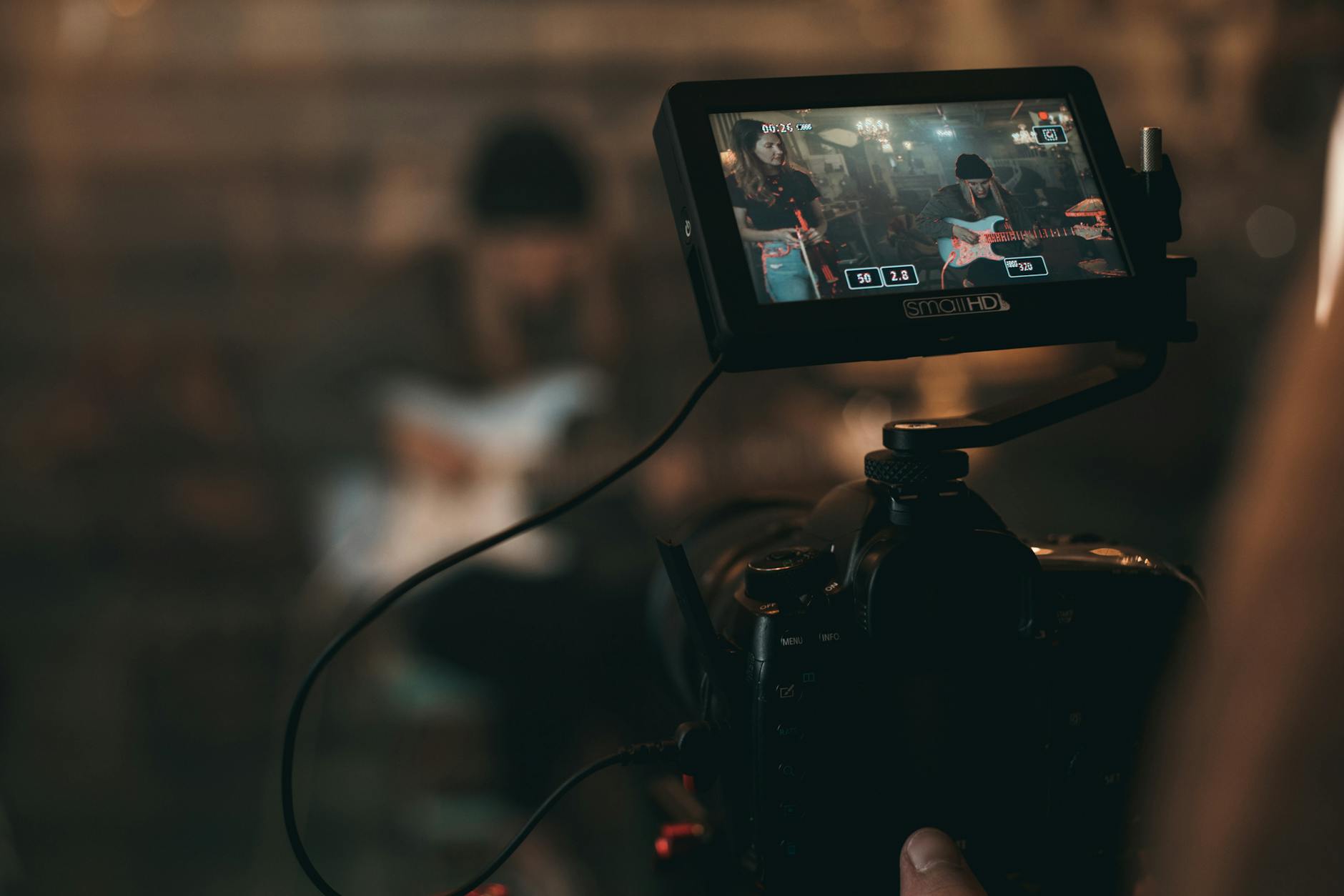
Implementing an efficient production workflow often involves the use of software platforms that support real-time editing and media management. These platforms can automate certain functions, such as inserting pre-made graphics or lower thirds, thereby streamlining the overall process.
Audio management remains a critical aspect, with dedicated sound engineers ensuring clear audio quality and managing multiple audio sources, including microphones, background music, and system sounds. Proper audio balancing and mixing prevent audio from overpowering the visuals or causing viewer fatigue.
Moreover, robust internet connectivity consistency is essential. Utilizing bonded internet connections or dedicated fiber lines can provide the bandwidth necessary for high-quality streams. During production, monitoring tools track stream stability, bandwidth usage, and latency, offering real-time insights for proactive adjustments.
Post-production workflows also play a vital role in enhancing future broadcasts. After the live event, review sessions examine stream performance metrics, identify any technical challenges encountered, and gather viewer feedback. These insights inform ongoing training, equipment upgrades, and procedural improvements, ensuring that each subsequent live stream maintains high standards.
Technical Execution and Production Workflow
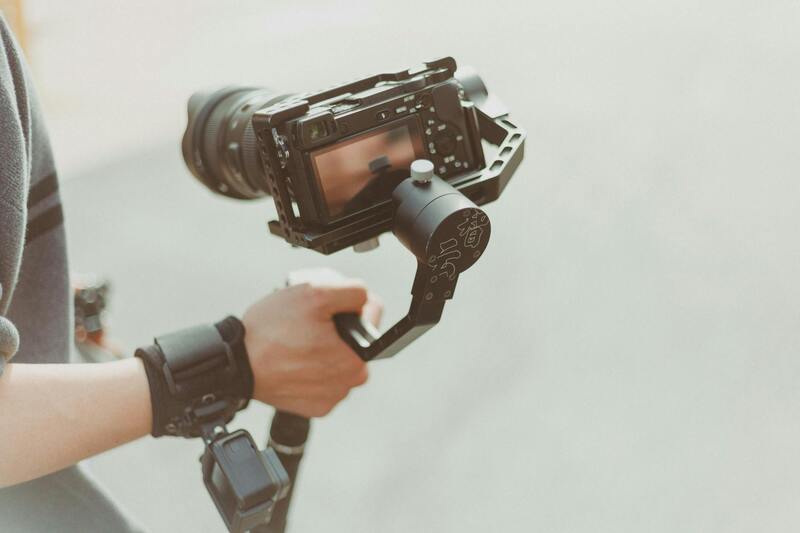
Executing a successful live video streaming event requires meticulous coordination of multiple technical elements to ensure seamless delivery. The process begins with camera operation, where skilled technicians deploy a combination of fixed and mobile cameras to capture all critical angles. High-definition cameras with professional-grade lenses provide sharp, clear visuals, essential for engaging viewers.
Camera feeds are transmitted to a centralized control room, often equipped with an advanced switching console. This console enables the director or technical team to select and transition between different camera angles smoothly, integrating close-ups, wide shots, and alternative perspectives in real-time. Proper use of transitions and effects enhances the visual flow and maintains viewer engagement.
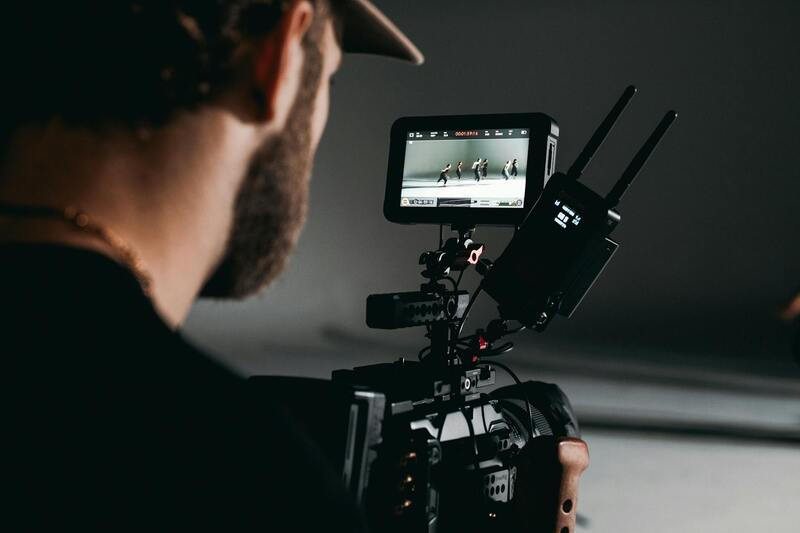
Encoding plays a critical role in live streaming. Encoders convert the high-quality video signals into web-compatible formats, balancing quality and bandwidth considerations. Hardware encoders deliver reliable, high-performance encoding, while software-based encoders offer flexibility and ease of updates. Selecting an encoder suited to the event's scope ensures minimal latency and maximum clarity.
Once encoded, the stream is broadcast via a streaming server or platform, which distributes the content to viewers across various devices and locations. The live broadcast requires constant monitoring to detect any issues promptly, such as signal dropouts or lag. Technical staff utilize monitoring tools that provide real-time data on streaming health, bandwidth utilization, and latency, enabling swift corrective actions.
From a workflow perspective, pre-event checks are vital. These include verifying camera positioning, ensuring all audio sources are functioning correctly, testing encoding equipment, and confirming a stable internet connection. During the broadcast, a dedicated team manages the entire process, from switching camera feeds to troubleshooting unexpected technical challenges, maintaining professionalism throughout.
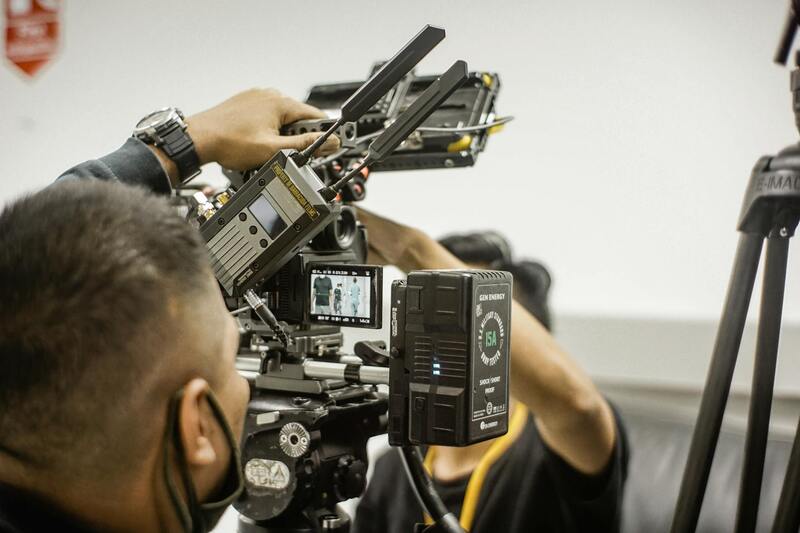
Post-production is equally important for maximizing the quality and impact of a live stream. After the event concludes, recorded footage can be edited, segmented, or repurposed for on-demand viewing. Technical teams review key performance metrics like viewer count, buffer rates, and stream stability, along with gathering detailed viewer feedback. These insights are critical for refining future live streaming strategies and upgrading equipment or workflows where needed.
Overall, executing a live video stream with precision involves a combination of advanced hardware, reliable software, experienced personnel, and thorough planning. Each step— from camera operation to encoding and broadcast—must be carefully coordinated to deliver a professional, engaging live experience that meets high operational standards and viewer expectations.
Technical Execution and Production Workflow
Executing a high-quality live video stream requires meticulous coordination among various technical components and personnel. Central to this process is the encoding equipment, which compresses the video feed into a format suitable for transmission over the internet. Reliable hardware encoders or software-based solutions are employed to ensure minimal latency and optimal video quality. Parallel to encoding, robust audio management—using professional mixers and microphones—ensures clear sound, which is as vital as the visual component.
During the event, a dedicated production team handles multiple operations seamlessly. Camera operators switch between different angles based on the director’s input, often utilizing a video switcher or switcher software. Meanwhile, the technical director oversees the entire broadcast, ensuring that each camera feed transitions smoothly and that graphics or overlays are correctly incorporated.
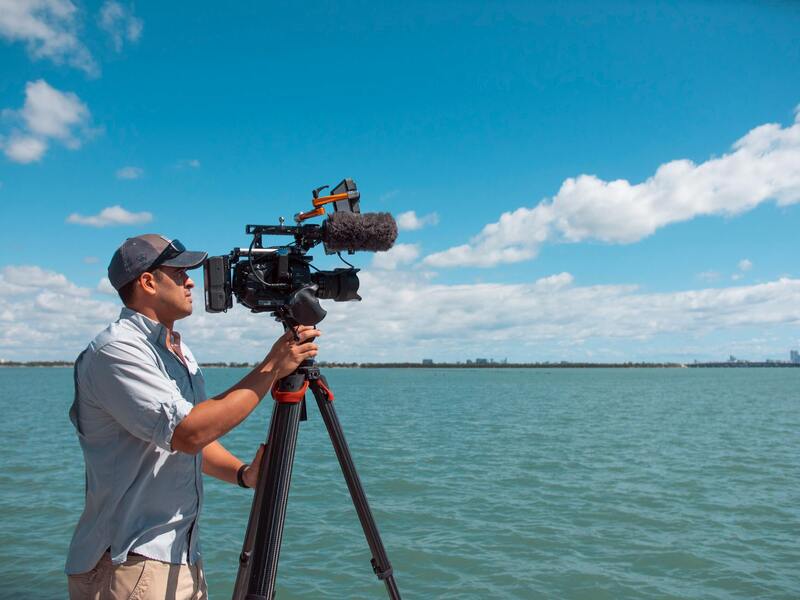
Real-time monitoring is critical throughout the streaming process. Operators keep an eye on bandwidth consumption, stream stability, and viewer engagement metrics via monitoring tools integrated into streaming platforms or third-party services. These tools alert the team immediately if there are issues such as buffering, latency spikes, or dropped connections, allowing for rapid intervention.
Managing Live Stream Transitions and Troubleshooting
- Camera Switching: Skilled operators seamlessly transition between cameras, ensuring continuous flow and visual interest.
- Graphics and Overlays: Incorporating lower thirds, branding, and real-time information enhances professionalism.
- Troubleshooting: Preparedness for potential technical hiccups is vital. Having backup equipment, such as spare encoders, batteries, and internet sources, minimizes disruption.
- Connectivity Backup: Utilizing redundant internet connections ensures continued stream stability amid network fluctuations.
Post-Stream Review and Optimization
Following the live event, the recorded stream undergoes comprehensive review. This includes evaluating stream quality, viewer engagement, and technical performance data. These insights help identify bottlenecks or weaknesses in the production workflow. Edited versions or highlights may be prepared for on-demand distribution, expanding the reach and longevity of the content. Technical teams also implement upgrades based on feedback and observed issues, fostering continuous improvement for future broadcasts.
Post-Stream Quality Assurance and Technical Review
Effective live video streaming production extends beyond the broadcast itself. Once the live event concludes, a thorough review process ensures that broadcast standards were met and insightful adjustments are identified for future streams. The recorded stream serves as a vital resource for detailed analysis, capturing technical performance, stream stability, and audience engagement metrics. These data points provide a comprehensive understanding of how the stream was received and where improvements can be made.
Technical teams utilize specialized review tools and editing suites to analyze performance metrics such as bitrate fluctuations, resolution consistency, and audio synchronization. This post-event assessment uncovers potential bottlenecks, signal degradation points, or latency issues encountered during the broadcast. Through careful evaluation, teams can pinpoint underlying causes of any disruptions and explore corrective measures for upcoming productions.
Furthermore, this phase often involves creating edited versions or highlight reels that can be distributed on-demand. These snippets enable organizations to maximize their content’s reach and engagement even after the live event ends. Employing high-quality editing workflows, including color correction, sound polishing, and overlay adjustments, ensures the final material remains polished and professional.
Ensuring Consistent Quality and Reliability
Maintaining a high standard of quality and reliability in live streaming demands diligent oversight and strategic preparedness. Constant monitoring of signal integrity is essential, encompassing both video and audio streams. This involves real-time checks on encoding parameters, bitrates, and network stability to prevent degradation that could impact viewer experience.
Latency management is critical; minimizing delays between the live event and its broadcast ensures a synchronized experience across all viewing platforms. Technical issues, such as dropped connections, equipment failures, or signal interference, must be swiftly identified and addressed. Redundant systems, including backup internet sources, spare cables, and alternative encoders, are instrumental in mitigating unexpected disruptions.
Key practices for ensuring seamless streaming include:
- Implementing automated alerts for signal degradation or equipment malfunction.
- Employing hardware redundancies, like dual encoders or power supplies.
- Performing pre-broadcast systems checks and dry-runs to validate setup integrity.
- Utilizing quality assurance protocols during the live event to detect and resolve issues promptly.
These measures collectively contribute to a stable and professional broadcast, fostering viewer trust and engagement.
Legal and Compliance Considerations
Operating within the realm of live video streaming production necessitates a comprehensive understanding of legal standards and compliance protocols to ensure smooth and lawful broadcasting. Securing proper rights and permissions for all content, including music, visuals, logos, and branded elements, forms the foundation of responsible streaming operations. This includes obtaining licenses for copyrighted materials and verifying permissions from content owners prior to going live.
Additionally, adherence to privacy regulations ensures that viewer data is handled appropriately, especially when dealing with personal information or sensitive content. Streaming providers should implement measures to protect data privacy and inform viewers about data collection practices according to applicable regulations.
Maintaining transparency about content sources and ownership helps to avoid potential disputes and copyright infringement issues. This involves meticulous record-keeping of licensing agreements and permissions obtained for all multimedia components used during broadcasts. Clearly displaying disclosures and acknowledgments can further demonstrate compliance and bolster your organization's reputation.
Content moderation also plays a crucial role in ensuring that live streams do not inadvertently feature prohibited material or violate platform policies. Many streaming platforms have community standards designed to promote respectful and lawful broadcasts. Monitoring streams in real-time and having response plans in place for flagged content fosters a professional and compliant streaming environment.
High-quality live video production teams frequently work with legal consultants or compliance officers to stay updated on evolving standards, regulations, and best practices. This proactive approach mitigates risks, helps navigate complex licensing landscapes, and strengthens the overall integrity of live streaming operations. By implementing thorough legal and compliance protocols, organizations can confidently deliver seamless, professional broadcasts that respect rights and adhere to regulatory requirements.
Legal and Compliance Considerations in Live Video Streaming Production
When executing a live video streaming production, adherence to official protocols and standards is vital to uphold the integrity of the broadcast and ensure a smooth viewing experience. This includes understanding and implementing established procedures for data privacy, copyright management, and content moderation, which are integral parts of maintaining a professional streaming environment.
Content Ownership and Rights Management
One of the foundational elements of a legitimate streaming operation involves securing proper rights and permissions for all multimedia content used during a broadcast. This encompasses music, video clips, images, and any other copyrighted material. Organizations often work with licensing agencies or obtain direct permissions from rights holders prior to streaming to prevent disputes and protect against potential content removal or takedown notices.
Documenting licensing agreements and permissions is crucial. Keeping detailed records serves as evidence of authorized use, especially in cases where content ownership might be challenged. Proper attributions, including acknowledgments within on-screen graphics or descriptions, further demonstrate compliance with licensing terms.
Content Moderation and Platform Policies
Most streaming platforms have specific community standards and policies designed to promote lawful and respectful content sharing. Hosts and production teams should familiarize themselves with these guidelines to avoid inadvertent violations. Continual monitoring of live streams allows for quick correction of issues and removal of inappropriate or prohibited material.
Having a dedicated response team or protocol for flagging and addressing problematic content enhances the professionalism of live broadcasts. This proactive approach minimizes disruptions and reinforces trust with viewers, advertisers, and platform partners.
Data Privacy and Viewer Transparency
Ensuring the privacy of viewers and participants is pivotal. Clear disclosures regarding data collection, usage, and storage practices help build transparency and confidence. Implementing secure data handling procedures, in line with regulatory standards, further protects all parties involved.
Collaborating with Legal and Compliance Experts
High-quality live video productions often involve consultation with legal specialists who can provide guidance on emerging regulations, intellectual property rights, and platform policies. Staying informed about changes in standards can prevent unintentional infractions and foster a compliant production environment. Regular reviews and audits of streaming practices reinforce adherence to evolving legal frameworks and industry best practices.