Overview of Live Streaming Services in Miami
Miami has rapidly become a prominent hub for live streaming services, driven by the city’s vibrant cultural scene, thriving business environment, and expanding digital footprint. Live streaming services are essential tools for effective communication, allowing event organizers, corporations, and content creators to reach global audiences in real time. These services facilitate a wide array of applications, including corporate conferences, live concerts, sports events, religious gatherings, and community outreach programs, among others. The growing demand for seamless broadcast quality and reliable streaming solutions has fueled the proliferation of specialized companies within the Miami area, making it a strategic location for high-quality live streaming production. The role of Miami-based live streaming service providers extends beyond just broadcasting events. They serve as crucial partners in content delivery, ensuring optimal audio and visual quality, robust platform integration, and smooth viewer experience. This ecosystem supports a diverse landscape of industries, from tourism and hospitality to finance and education, enhancing their digital communication strategies. As Miami continues to position itself as a technological and media innovation center, the scope and sophistication of its live streaming services are set to advance, catering to an increasingly digital-first audience.
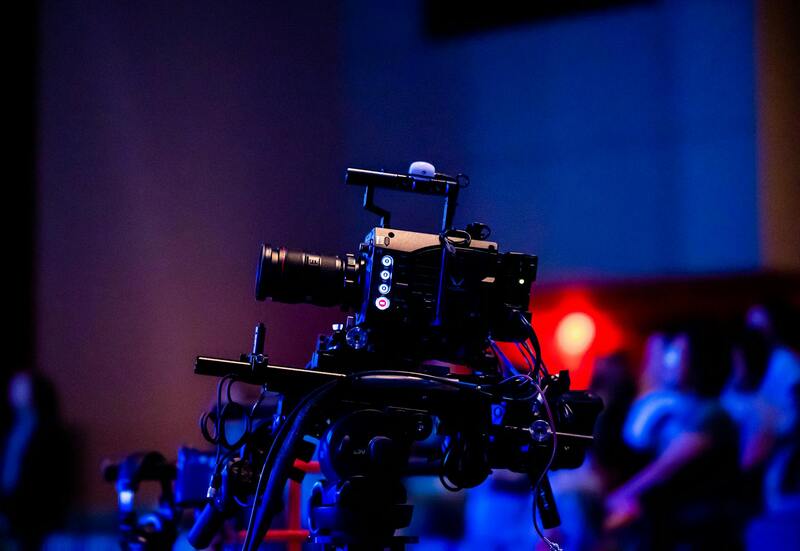
In addition to supporting local and national events, Miami’s live streaming companies also provide customized solutions tailored to specific client needs. Whether the requirement is for a simple broadcast, multi-camera production, or multi-platform streaming, providers utilize cutting-edge technologies to deliver professional results. This flexibility and commitment to quality make Miami an ideal location for organizations seeking to amplify their message through live digital content. As digital trends evolve, the importance of trustworthy, innovative live streaming services continues to grow, establishing Miami as a key player in this dynamic industry landscape.

Types of Live Streaming Services Offered
Miami-based live streaming services companies provide a comprehensive array of solutions tailored to meet diverse industry needs. From corporate events to entertainment productions, these providers employ specialized tools and methods to ensure seamless transmission across multiple platforms.
- Corporate Live Streams: Companies leverage live streaming for product launches, corporate meetings, investor presentations, and internal communications. These services facilitate real-time engagement with stakeholders worldwide, offering features such as multi-camera feeds, branded overlay graphics, and interactive chat functionalities.
- Live Concerts and Entertainment: Music festivals, theater performances, and entertainment shows benefit from high-fidelity streaming technologies that deliver immersive audio-visual experiences. These services often include multiple camera angles, real-time editing, and integration with social media channels to amplify audience reach.
- Webinars and Virtual Conferences: Educational institutions, corporations, and industry associations utilize webinar solutions that support large audiences, breakout sessions, and Q&A features. Professional live streaming companies deploy scalable infrastructure designed to handle high traffic while maintaining stability and clarity.
- Sports Broadcasting: Live sports events require specialized setups capable of capturing action from multiple perspectives, instant replays, and high-speed data transfer. Miami providers cater to local teams and leagues by offering end-to-end solutions that comply with broadcast standards and viewer engagement metrics.
- Specialized Multi-Platform Streaming: The integration of streaming content across various platforms such as YouTube Live, Facebook Live, LinkedIn, and proprietary websites ensures broad accessibility. Professional services often include transcoding capabilities to optimize content for different devices and network conditions.

To deliver these services effectively, providers rely on advanced hardware, software automation, and dedicated technical teams. This approach ensures high audio-visual fidelity, low latency, and consistent streaming quality regardless of device or network variability.
Key Features of a Professional Live Streaming Company
Choosing a professional live streaming partner involves assessing several critical features that impact the quality and reliability of the broadcast. These features include:
- Technical Expertise and Experience: Experienced operators capable of managing complex setups, multi-camera arrangements, and live editing are essential for producing polished streams.
- Advanced Equipment: State-of-the-art cameras, encoders, switchers, and audio mixers contribute to superior broadcast quality and operational flexibility.
- Platform Compatibility and Integration: Ability to stream seamlessly across multiple platforms, including social media and custom websites, with proper encoding and adaptive streaming capabilities.
- Scalability and Reliability: Infrastructure that supports high viewer counts and offers fail-safes such as backup streams or redundant systems minimizes disruptions.
- Interactive Features: Real-time chat, audience polling, and donation functions enhance viewer engagement during live sessions.
- Post-Streaming Services: Availability of recordings, highlight clips, and analytics helps clients measure performance and extend content lifespan.

Evaluating these aspects ensures organizations partner with service providers capable of delivering high-quality, dependable broadcasts that align with their strategic goals and audience expectations. The integration of advanced technology and seasoned personnel marks a professional live streaming company's commitment to excellence and innovation in Miami's vibrant media landscape.
Types of Live Streaming Services Offered
Miami-based live streaming services companies provide a diverse range of solutions tailored to meet different client needs and event formats. These offerings include corporate broadcasts, live concerts, sports events, religious services, webinars, and special event coverage. Each type of service requires specific technical and logistical arrangements to ensure a seamless viewing experience.
For corporate clients, live streaming companies often provide event broadcasting for conferences, product launches, and executive meetings. These projects demand high-quality video, reliable platforms, and interactive options such as Q&A sessions or polling to maximize audience engagement. Similarly, live concert and entertainment streaming require advanced audio-visual equipment and multi-camera setups to capture performances from multiple angles, creating an immersive experience for viewers.
Sports event streaming benefits from specialized equipment designed for fast-paced action capture and low-latency transmission. These companies often employ dedicated encoders and robust servers to manage high volume traffic during popular events.
Religious and community organizations turn to live streaming services for virtual services and outreach, choosing solutions that support multi-platform broadcasting and integrate features like donation buttons or prayer request chat functions.
Moreover, the infrastructure for these services often includes on-site technical support during live events, ensuring real-time troubleshooting and smooth operation. Post-event, editing, highlight clips, and analytics services further add value by helping clients assess audience engagement and content impact.

Overview of Live Streaming Services in Miami
Miami has established itself as a dynamic hub for live streaming services, reflecting the city’s vibrant media landscape and diverse event market. The demand spans across corporate conferences, entertainment broadcasts, sports events, religious gatherings, and community outreach programs. Local live streaming companies leverage advanced technology and strategic infrastructure to meet the unique needs of clients, providing high-definition video quality, low-latency streaming, and multi-platform distribution. With Miami’s multicultural audience and a steady influx of international events, live streaming services must incorporate multilingual options and global content delivery networks to ensure accessibility and engagement for diverse viewers.
The city’s geographic positioning and robust digital infrastructure support rapid deployment of streaming solutions, enabling real-time broadcasting of events with minimal delay. Miami-based providers often have close connections with regional event organizers, venues, and media outlets, granting them a better understanding of local logistics and logistical nuances. This proximity allows for tailored solutions that adapt swiftly to changing event requirements, whether for large-scale festivals or small corporate meetings. Additionally, Miami’s vibrant tech scene fosters innovation, leading to the integration of emerging technologies such as 4K or 8K streaming, virtual reality (VR), and augmented reality (AR) elements, thus enhancing viewer immersion.

Types of Live Streaming Services Offered
- Corporate Event Streaming: Providing comprehensive solutions for conferences, product launches, and business meetings, with options for interactive engagement such as Q&A sessions and live polling.
- Entertainment and Concert Streaming: Utilizing multiple cameras, professional audio, and immersive visual effects to broadcast concerts, festivals, and entertainment events to a broad audience.
- Sports Broadcasts: Specialized services for live sports, including high-speed encoding, instant replays, and multi-angle coverage to capture fast-paced action accurately.
- Religious and Community Services: Virtual dissemination of sermons, religious ceremonies, and community outreach events, often incorporating donation features and multilingual support.
- Educational and Webinar Platforms: Facilitating remote learning sessions, seminars, and workshops with collaborative tools, recording options, and analytics for post-event review.
Each type of service requires tailored technical configurations, including encoding hardware, content delivery networks, and support staff to troubleshoot potential issues swiftly. These offerings are designed to maximize audience engagement while maintaining high operational standards throughout the event lifecycle.
Key Features of a Professional Live Streaming Company
Choosing a dependable live streaming partner involves evaluating several key attributes. First, infrastructure quality is paramount, encompassing high-bandwidth internet connections, redundant streaming servers, and state-of-the-art broadcasting equipment. Second, technical expertise and on-site support are critical to address any unforeseen challenges during live broadcasts, ensuring minimal disruptions.
Content flexibility also plays a significant role, with offerings such as multi-platform distribution, customizable player interfaces, and integration with social media channels. High-quality audio and video production capabilities, including professional cameras, mixers, and editing tools, contribute to polished presentations. Additionally, features like real-time analytics deliver insights into viewer engagement and content performance, guiding future content strategies.
Furthermore, a client-focused approach involves understanding the specific event goals and audience demographics, tailoring services accordingly. Robust security measures, compliance with content rights, and data privacy protocols are also integral to maintaining trust and safeguarding content integrity during transmission.
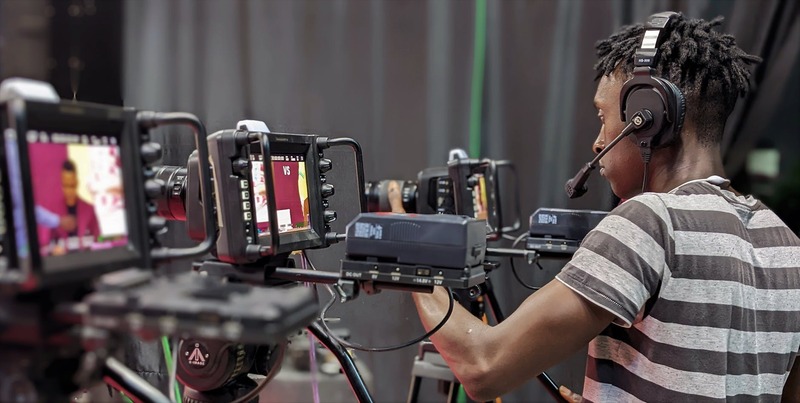
Legal and Technical Considerations in Live Streaming
When engaging with a live streaming services company in Miami, understanding the essential technical and contractual aspects is crucial to ensure a smooth broadcast and safeguard all involved parties. These considerations encompass a range of operational standards, content management protocols, and contractual agreements that collectively ensure reliability, quality, and compliance throughout the live stream.
Technical Infrastructure and Equipment Standards
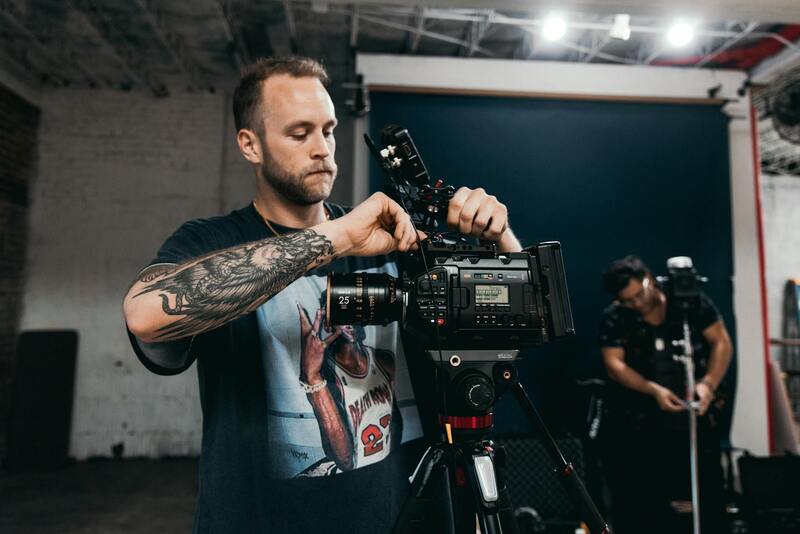
High-quality live streaming hinges on advanced infrastructure. A reputable Miami-based provider invests in robust internet connectivity featuring dedicated fiber-optic lines, multiple redundant pathways, and load-balanced servers to prevent interruptions. The use of professional-grade cameras, video switchers, and audio equipment ensures crisp visuals and clear sound, directly impacting viewer experience. Equipment calibration and real-time troubleshooting capabilities are also vital, as they allow rapid responses to technical issues that may arise during the broadcast.
Content Rights and Intellectual Property Protections
Securing appropriate rights for all content being streamed is fundamental. A professional provider should verify permissions for copyrighted material, music, and visuals used during broadcasts. Clear agreements regarding content ownership and licensing prevent unauthorized use and potential disputes. Ensuring compliance with content rights also involves implementing secure streaming protocols and watermarking where necessary to track distribution and usage.
Data Privacy and Security Protocols
Live streaming entails transmitting potentially sensitive information, making security protocols a priority. Encryption during transmission, secure login credentials, and access controls are standard practices. Additionally, compliance with data privacy regulations helps protect audience data and personal information, reinforcing trust in the service provider’s commitment to confidentiality and integrity.
Legal Documentation and Contractual Agreements
Establishing detailed contracts with a clear scope of work, deliverables, timelines, and payment terms is essential. These agreements should outline responsibilities related to technical setup, audience engagement, and content management. Moreover, including clauses on liability, dispute resolution, and termination procedures safeguards both parties. Transparent communication about expectations minimizes misunderstandings and facilitates a seamless collaboration.
Content Delivery and Platform Compatibility
Ensuring compatibility with multiple streaming platforms and devices is key for maximizing reach. Official, well-established services utilize adaptive streaming technology that adjusts quality based on viewers’ internet speeds, providing uninterrupted viewing experiences. Compatibility with popular social media platforms, corporate websites, or dedicated apps expands audience engagement and enhances content visibility.
Compliance with Industry Standards and Regulations
Adherence to broadcasting standards, including those related to accessibility (such as closed captioning) and broadcast quality, reflects a commitment to professionalism. Regular audits, certifications, and ongoing staff training ensure the company remains compliant with evolving industry regulations. This proactive approach promotes content quality, legal adherence, and audience satisfaction.
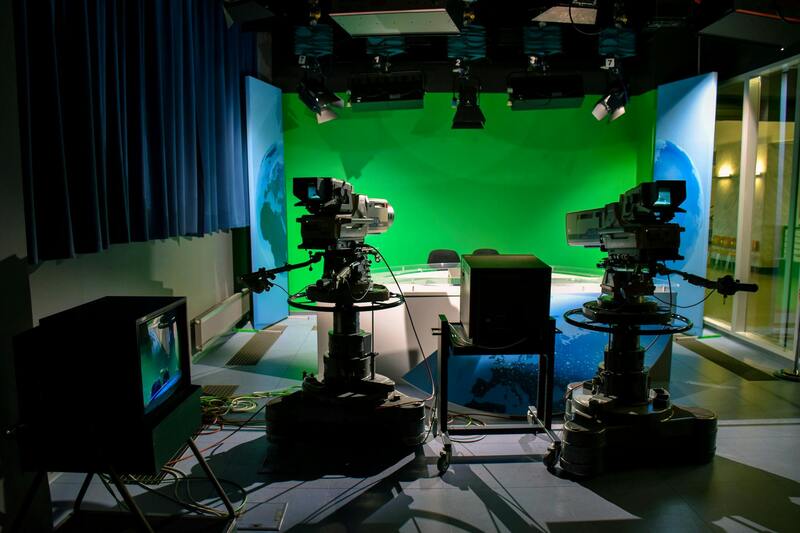
Legal and Technical Considerations in Live Streaming
When engaging with a live streaming services company in Miami, it is essential to address several key legal and technical factors to ensure a successful broadcast. These considerations encompass content rights, data security, platform compliance, and technical robustness, all of which contribute to delivering a smooth and legally sound streaming experience.
**Content Rights and Permissions** ensure that all media elements—such as videos, music, logos, and proprietary visuals—are used with proper authorization. This prevents potential copyright infringements that could disrupt the broadcast or result in content takedown notices. Working with a reputable streaming partner involves verifying that rights are secured for all content, and ensuring licensing agreements are up to date.
**Data Privacy and Security** are paramount, especially when handling viewer data or participant information. An industry-leading live streaming company employs encryption protocols, secure data storage, and compliance with applicable privacy standards to safeguard sensitive information. This not only preserves audience trust but also aligns with best practices in data management.
**Platform Compatibility and Infrastructure** form the backbone of a reliable live stream. This involves leveraging robust streaming servers, adaptive bitrate technology, and redundant systems to prevent interruptions. Technical teams must also conduct rigorous testing across devices and platforms, including social media, corporate websites, and third-party apps, to ensure compatibility and smooth operation.

**Network and Bandwidth Considerations** play a crucial role, particularly in Miami, where local network infrastructure can vary. A proficient live streaming firm assesses available bandwidth, optimizes network paths, and adopts technologies like content delivery networks (CDNs) to minimize latency and buffering issues. This ensures viewers in different locations experience consistent quality regardless of their connection speed.
**Compliance with Industry Standards** is also critical. Adhering to broadcast standards—including closed captioning, audio clarity, and visual resolutions—enhances accessibility and professionalism. Additionally, staying updated with regional regulations and industry guidelines helps avoid disruptions during the live event.
In sum, addressing these legal and technical aspects not only safeguards the integrity of the live stream but also elevates the overall quality and viewer satisfaction. A Miami-based live streaming company committed to excellence integrates these considerations into every project, ensuring a seamless broadcast that meets both industry benchmarks and audience expectations.
Legal and Technical Considerations in Live Streaming
When executing live streaming projects, a comprehensive approach to law and technology is essential to ensure seamless and secure broadcasts. Proper rights management involves verifying ownership and securing permissions for all content, including videos, music, and images. This prevents potential disputes and facilitates transparent distribution of content to viewers.
Data security remains a critical factor, especially when handling sensitive corporate information or proprietary content. Utilization of secure streaming protocols, encryption methods, and secure storage solutions helps protect intellectual property and viewer data. Employing firewalls and VPNs further minimizes the risk of interception or unauthorized access during transmission.
Bandwidth management is paramount to delivering high-quality streams. Live streaming companies in Miami assess local network conditions and collaborate with internet service providers (ISPs) to ensure adequate capacity. Advanced analytical tools are used to monitor network performance continuously, allowing for real-time adjustments to prevent buffering and lag. Content delivery networks (CDNs) are indispensable in distributing streams efficiently across various geographical locations, ensuring consistency and minimal latency.
Compliance with local regulations involves understanding regional broadcasting policies, including those related to content restrictions, licensing, and public safety guidelines. Adherence to broadcast standards, such as those for audio clarity and visual resolution, bolsters professionalism and viewer engagement. Moreover, integrating features like closed captioning and audio descriptions enhances accessibility, aligning with best practices for inclusivity.

Employing cutting-edge technology combined with meticulous planning and compliance measures creates a resilient live streaming environment. As a result, the audience receives a high-quality experience that reflects well on the content creators and broadcasters alike. Engaging with a seasoned Miami-based live streaming services company guarantees that both technical integrity and legal responsibilities are managed with precision, leading to successful and impactful live events.
Legal and Technical Considerations in Live Streaming
Operating a seamless and professional live streaming service in Miami involves meticulous attention to both legal frameworks and technical standards. Ensuring compliance with regional broadcasting policies, content licensing, and safety regulations helps maintain integrity and trust in the services provided. Content should be carefully curated to align with local laws and community standards, especially when streaming publicly accessible events, sports, or cultural festivals.
From a technical perspective, high-quality audio and visual standards are non-negotiable. Employing the latest encoding technologies ensures clarity and vibrancy in streaming content, preventing common issues such as buffering, pixelation, and audio desynchronization. Network infrastructure must be robust enough to handle high traffic volumes, with dedicated bandwidth and load balancing to support uninterrupted streams. Maintaining real-time analytics allows for proactive management of streaming quality, promptly addressing any disruptions that might occur.
Security measures are equally essential to safeguard content and viewer data. Implementing encryption protocols and secure streaming delivery helps prevent unauthorized access and piracy. Additionally, integrating accessibility features such as subtitles and audio descriptions complies with inclusivity standards and broadens audience reach.
Technical considerations extend to choosing reliable streaming software and hardware. Professional-grade encoders, dependable CDN providers, and resilient network devices are crucial for maintaining stream stability and quality. Continuous testing before events, along with parallel redundancy systems, can mitigate potential failures. It is also vital to stay updated with evolving streaming protocols and industry best practices to keep pace with technological innovations.
Lastly, documentation and regular audits ensure that all operations adhere to industry standards and regional requirements. Establishing clear protocols for emergency response and troubleshooting further enhances the reliability of live streaming services. A comprehensive approach to legal and technical compliance not only elevates the quality of live broadcasts but also builds confidence among clients and viewers alike.