Understanding Live Video Stream Production
Live video stream production involves the real-time creation and broadcasting of video content over the internet, enabling audiences to view events, presentations, or performances from virtually any location. This process requires a combination of technical expertise and strategic planning to ensure a seamless and engaging viewing experience. For businesses and event organizers in Miami, effective live streaming can significantly expand reach, increase engagement, and elevate brand presence in a competitive market.
Key elements integral to live video stream production include high-quality video capture, reliable internet connectivity, synchronized audio, and professional streaming platforms. The live production process often involves multiple camera angles, real-time switching, and live graphics to enhance viewer engagement. Additionally, effective live stream production necessitates meticulous planning for content flow, audience interaction, and technical contingency measures to anticipate and mitigate potential disruptions.
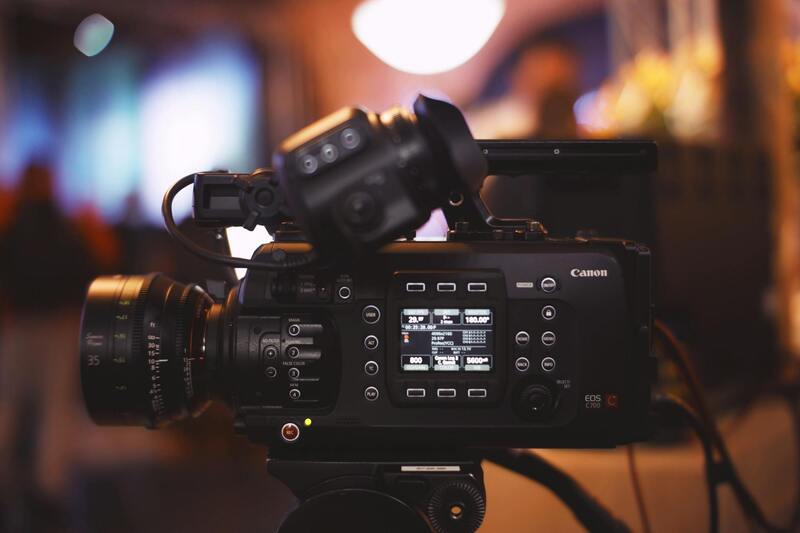
In the context of Miami’s vibrant business landscape, live video stream production has become an essential tool for corporate conferences, marketing campaigns, and entertainment events. It allows organizations to reach clients, partners, and fans across the globe with real-time precision and professionalism. The importance of producing polished and compelling live streams cannot be overstated, as it directly influences an organization’s reputation and connection with its audience.
Essential elements involved in live video stream production include comprehensive pre-production planning, professional-grade equipment, advanced broadcasting technology, and skilled personnel to operate the systems. These components work together to deliver high-definition video content, ensuring that the broadcast runs smoothly from start to finish. Every aspect, from camera placement to audio mixing, is carefully orchestrated to produce a captivating live experience that aligns with the client’s objectives.
Moreover, live video stream production requires thorough knowledge of the relevant platforms and distribution channels. Choosing the right live streaming platform depends on factors such as target audience, content type, and desired interaction level. Analytics and audience metrics collected during the broadcast can also guide future improvements, making live streaming an ongoing strategic asset for businesses and event organizers in Miami.
Investing in professional live stream production services ensures high production values, technical reliability, and an engaging viewer experience—key factors that distinguish a simple broadcast from a memorable digital event. As live video streaming continues to evolve, staying current with technological advancements and industry best practices is essential for maximizing its benefits and achieving strategic goals.
Essential Equipment and Technologies
Maximizing the quality and reliability of a live video stream hinges on utilizing the proper equipment and cutting-edge technologies. High-definition cameras are fundamental; they capture clear, detailed footage that engages viewers across various platforms. For dynamic live events, multi-camera setups are often employed to provide different angles, enhancing the visual experience and maintaining audience interest.
Audio quality is equally critical. Professional-grade microphones, mixers, and audio processors ensure crisp, balanced sound, reducingEcho and background noise. Clear audio complements high-quality visuals, creating an immersive experience that captures audience attention and maintains professional standards.
Video switchers, or production switchers, are essential for seamless scene changes and multi-source transitions during a broadcast. They enable producers to switch between different camera feeds, graphics, or pre-recorded segments smoothly. Alongside this, broadcast encoders are used to convert raw video signals into streaming-compatible formats, facilitating efficient transmission over the internet.

Reliable streaming hardware, such as capture cards and routers, ensures stable connection to streaming platforms. The use of hardware and software-based streaming solutions, including live encoding software, allows for advanced customization and quality control during the broadcast.
In addition to equipment, modern streaming relies heavily on internet bandwidth. High-speed internet connections with sufficient upload speeds minimize buffering and latency issues, ensuring viewers experience a smooth, uninterrupted stream. Backup solutions like secondary internet connections or failover systems are recommended to mitigate potential technical disruptions.
Advanced streaming technologies such as adaptive bitrate streaming dynamically adjust video quality based on audience bandwidth, preventing buffering for viewers with variable internet connections. Cloud-based solutions enable scalable streaming infrastructure, allowing seamless management of large audiences without hardware limitations.

Setting Up for Live Stream Events
Preparation is multifaceted, involving meticulous planning around location, lighting, and auditorium acoustics. Professional lighting setups ensure the subject is clearly visible and visually appealing, especially in varying lighting conditions. Proper placement of lights reduces shadows and enhances image clarity.
Audio equipment must be tested extensively beforehand to avoid issues during the broadcast. This includes placement of microphones, checking audio levels, and verifying compatibility with mixing consoles. Proper soundcheck procedures are crucial, especially in live event environments with unpredictable acoustic challenges.
Camera positions should be strategically chosen based on the event layout. Multiple angles help create a dynamic viewing experience and allow professional editors to produce engaging content in real-time. Camera operators require training to handle live footage and respond swiftly to direction cues.
Network infrastructure must be validated to support the streaming workload. This includes verifying internet bandwidth, ensuring proper network security measures, and establishing robust Wi-Fi or wired connections to prevent interruptions.
Managing Live Broadcasts
During the live event, seamless coordination among technical staff maximizes broadcast quality. A dedicated director oversees camera feeds, graphics, and audio, making real-time decisions to align with the event’s flow. This role is critical for maintaining a professional broadcast standard.
Technical personnel monitor system performance continuously, watching for latency, signal drops, or glitches. Immediate troubleshooting and contingency plans—such as switching to backup feeds or lower quality streams—are vital to minimize disruption.
Real-time audience engagement tools, like live chat moderation, polls, and Q&A sessions, are managed by specialized staff to foster interaction without compromising broadcast stability. Proper management of these features enhances viewer experience and helps gather valuable engagement metrics.
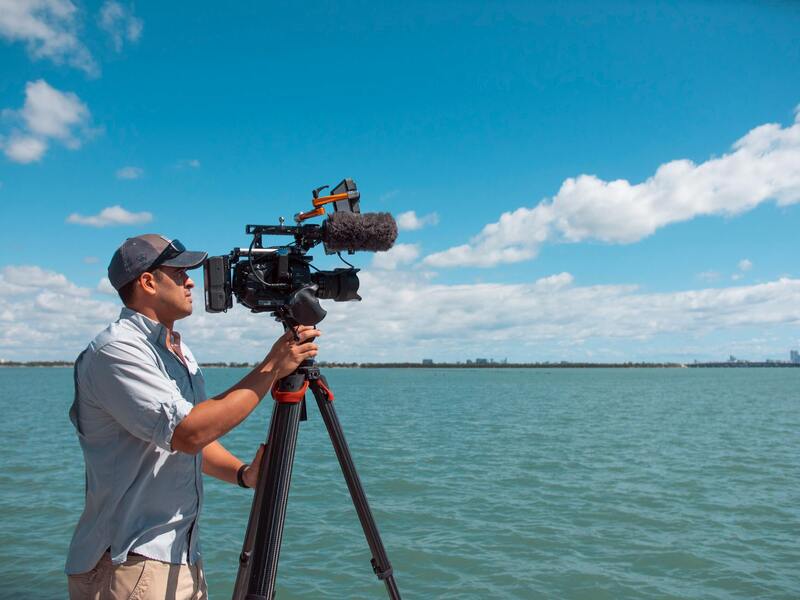
Post-broadcast activities include analyzing stream performance metrics, content archival, and content repurposing. These steps turn a single live event into multiple content opportunities, extending its value and reach.
Efficient handling of post-stream processes ensures high-quality recordings are available for on-demand viewing, marketing, or repurposed clips. Forward-thinking organizations leverage this content in social media campaigns, training material, or promotional segments, further maximizing the impact of their live video production efforts.
Understanding Live Video Stream Production
Creating a high-quality live video stream requires meticulous preparation, state-of-the-art technology, and a skilled team capable of adapting to dynamic broadcasting conditions. The core of a successful live stream lies in the seamless integration of pre-production, production, and post-production phases, each contributing to the overall viewer experience and outreach effectiveness.
Pre-production begins with comprehensive planning—defining event objectives, audience engagement strategies, and technical requirements. Detailed storyboarding and scripting help establish a clear broadcast flow, while securing necessary permits and coordinating with talent and crew set the foundation for smooth execution. Technical rehearsals serve as vital checkpoints, allowing the team to identify and resolve potential issues before going live.
Technical Planning and Infrastructure Setup
An effective live stream depends on selecting the right infrastructure tailored for content complexity and audience size. Reliable high-speed internet connections are essential to handle the data load without buffering or interruptions. Multiple redundant internet sources ensure connectivity stability, providing fallback options in case of primary connection failure.
Server configurations, including load balancing and content delivery networks (CDNs), are configured to optimize streaming performance across different devices and locations. Adequate bandwidth allocation and firewall settings safeguard against sudden disruptions.
Equipment Selection and Configuration
- Cameras: Professional-grade cameras with flexible connectivity options ensure high-definition video capture adaptable to various shooting conditions.
- Encoders: Hardware or software encoders compress video signals for streaming while maintaining quality and latency requirements.
- Audio Equipment: High-quality microphones and mixers provide clear sound, which is integral to a professional broadcast.
- Streaming Software: Platforms capable of multi-camera switching, graphics overlay, and real-time analytics enhance engagement and production value.
- Backup Solutions: Redundant power supplies, secondary encoders, and backup internet feeds prevent data loss or broadcast interruption.
Implementing Effective Live Streaming Technologies
Technological advancements continually enhance the quality and accessibility of live broadcasts. Modern streaming platforms support ultra-high-definition formats, cloud-based production tools, and integrated audience analytics, allowing producers to tailor content and optimize viewer engagement in real time.
Artificial intelligence (AI) and machine learning (ML) are increasingly incorporated into live streaming workflows. These technologies facilitate features like automatic camera switching based on speaker detection, real-time content moderation, and personalized viewing experiences, thereby elevating the production standards.
Integrating Multi-Stream Capabilities
Producing multi-angle streams from different camera perspectives or offering interactive multiple-choice options for viewers can significantly increase engagement. Advanced switchers and multi-platform streaming solutions enable simultaneous broadcasts across various channels, maximizing reach and accessibility.
Enhancing Viewer Interaction and Experience
Live chat moderation, real-time polls, and Q&A segments deepen audience interaction, making viewers feel part of the event. These features require dedicated moderation teams and sophisticated integration tools to operate smoothly alongside the core streaming infrastructure.
Summary
Achieving impeccable live video production hinges on deliberate planning, robust equipment, and cutting-edge technology. Maintaining a focus on detailed pre-production workflows, utilizing reliable infrastructure, and staying abreast of technological advancements ensures that each broadcast exceeds viewer expectations and opens doors to expanded content opportunities.
Managing Live Broadcasts
Effective management of live video streams is fundamental to delivering a seamless viewing experience. This process includes meticulous coordination of technical operations, real-time troubleshooting, and ensuring that all elements of the broadcast align with the planned schedule. A dedicated production crew, consisting of a director, technical operators, and on-air talent, plays a crucial role in orchestrating the live event from start to finish.
- Real-Time Monitoring: Continuous oversight of video and audio feeds is necessary to identify and rectify any issues immediately. Monitoring platforms provide live feedback on stream quality, bandwidth usage, and viewer engagement, enabling prompt responses to potential disruptions.
- Transition Management: Smooth transitions between camera angles and content segments maintain viewer engagement. Professionals utilize multi-view monitors and switchers to execute seamless cuts, overlays, and dynamic transitions that enhance storytelling.
- Audio Control: High-quality audio ensures clarity and maintains audience connection. Sound engineers manage microphone levels, balance sound sources, and incorporate sound effects or music to enrich the broadcast.
- Encoding and Streaming Optimization: Proper encoder configurations are essential for maximizing video quality while minimizing latency. Adaptive streaming technologies automatically adjust bitrates based on viewer connection speeds, reducing buffering and ensuring consistent playback across devices.
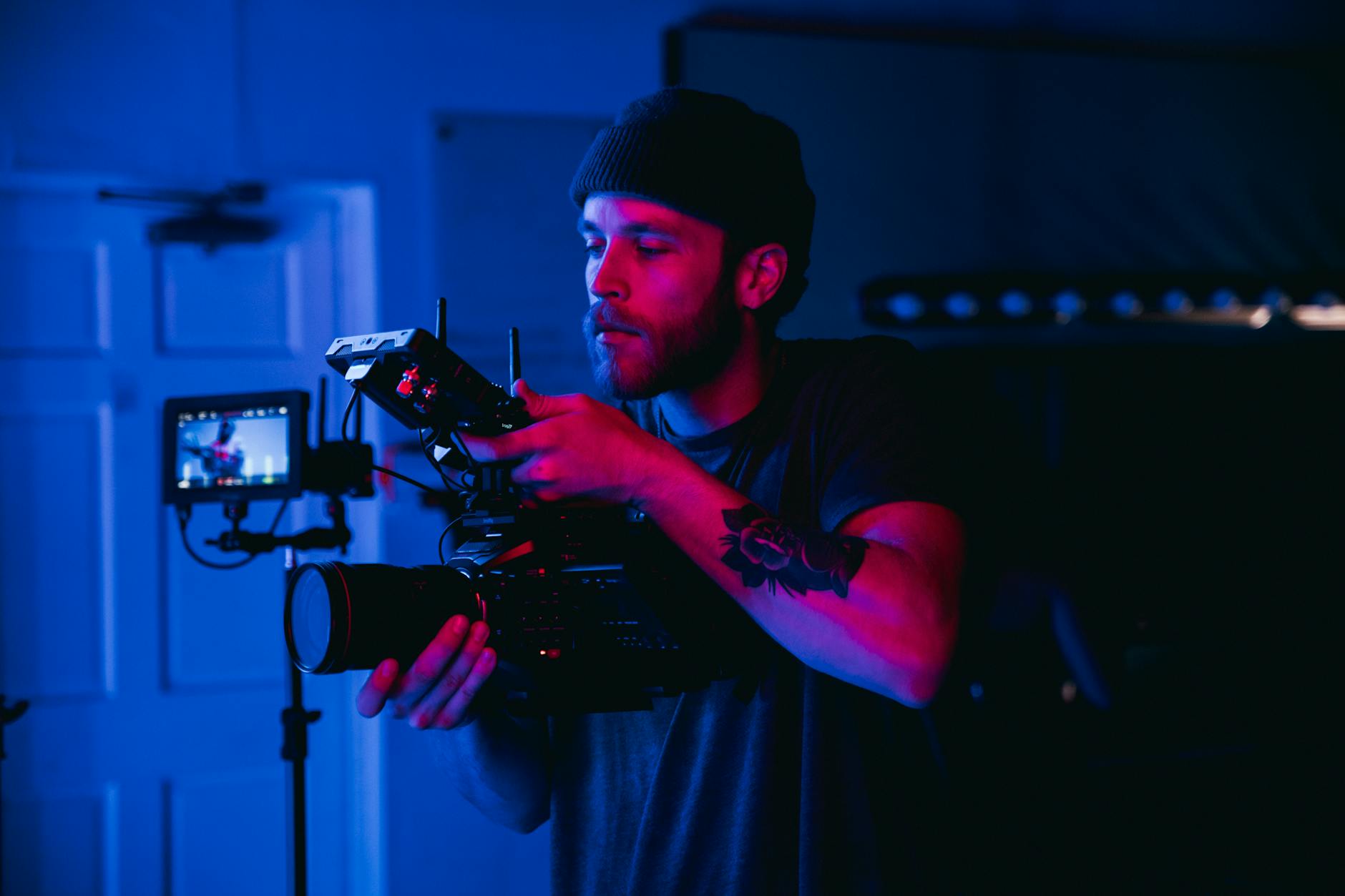
In addition to technical management, live stream producers must stay responsive to audience feedback and engagement metrics. Incorporating live polls, chat moderation, and real-time analytics allows producers to make informed decisions during the broadcast. This agility helps in addressing viewer concerns quickly and capitalizing on moments of heightened interest to boost overall engagement.
The integration of sophisticated software solutions, such as production control dashboards and automated alert systems, provides comprehensive oversight. These tools facilitate coordination among team members and ensure that each aspect of the broadcast operates smoothly. Properly managing these elements not only enhances the professionalism of the live stream but also builds trust with viewers and sponsors.
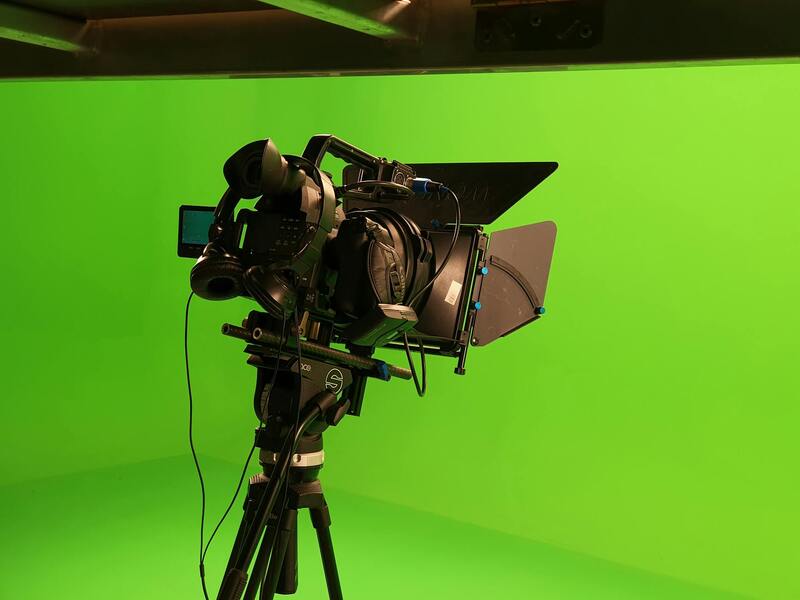
Another key component of live broadcast management involves contingency planning. Having backup systems for internet failure, power outages, or hardware malfunctions minimizes downtime. Redundant connections, portable power sources, and pre-tested equipment setups are vital for maintaining broadcast continuity. Staff training and rehearsals further ensure that all team members are prepared to respond swiftly to unforeseen challenges, preserving the quality and reliability of each live event.
Ultimately, the success of a live video stream depends on the coordination of technical expertise, strategic planning, and proactive management. Applying best practices in live broadcast operations guarantees a professional presentation, maximizes viewer engagement, and reinforces confidence in the production team’s capabilities for future streaming projects.
Advanced Techniques for Optimizing Live Video Stream Quality
Achieving a high-quality live video stream demands meticulous attention to technical details and the integration of sophisticated methods that ensure clarity, stability, and professionalism. One of the key components involves choosing the appropriate encoding settings. Utilizing hardware encoders that support high bitrates and multiple resolutions can significantly enhance the visual output, providing crisp images even in challenging network conditions. Employing adaptive bitrate streaming technologies enables the stream to adjust dynamically based on viewer bandwidth, reducing buffering and improving overall viewer experience.
Furthermore, implementing multi-camera setups with synchronized workflows contributes to a dynamic and engaging broadcast. Strategic placement of cameras allows for varied angles and perspectives, capturing the event from multiple viewpoints. This multi-angle approach requires seamless switching, often facilitated through professional switchers that integrate smoothly with live graphics and overlays. Proper calibration and color matching between cameras further ensure visual consistency throughout the broadcast.
Utilizing Network Infrastructure for Stream Stability
Network reliability forms the backbone of successful live video streaming. Leveraging multiple internet connections through bonding solutions—combining two or more internet sources—can provide a resilient connection that mitigates interruptions. This approach, known as network bonding or link aggregation, distributes the data load across several pathways, ensuring continuous transmission even if one connection falters. Additionally, having a dedicated upload speed that exceeds the required streaming bandwidth helps maintain a buffer for unforeseen fluctuations.
Enhancing Viewer Engagement with Interactive Elements
Interactive features are instrumental in fostering viewer participation and extending engagement during live streams. Incorporating real-time polls, Q&A sessions, and social media integration allows audiences to actively contribute to the broadcast. Using software solutions that overlay live comments and feedback on the stream creates a sense of community and involvement. These elements not only increase viewer retention but also provide valuable insights into audience preferences, guiding future content strategies.
Monitoring and Troubleshooting During Live Events
Constant oversight during broadcasts is essential to quickly identify and resolve issues that may arise. Deploying comprehensive monitoring dashboards that display key performance metrics—such as stream latency, bitrate, and frame rate—enables producers to maintain an optimal viewing experience. Diagnostic tools and automated alert systems can notify the team of anomalies, prompting immediate corrective actions. Common troubleshooting efforts involve adjusting encoder settings, re-establishing connectivity, or switching to backup systems seamlessly to avoid disruptions.
In addition, staff training on troubleshooting procedures is vital. Familiarity with hardware and software interfaces ensures rapid response times, minimizing potential downtime. Routine pre-event checks and real-time communication among technical staff further enhance the reliability of the stream, reinforcing a professional presentation that viewers can trust.
Managing Live Broadcasts
Ensuring Stream Security and Integrity
When engaging in live video stream production, protecting the content from unauthorized access and ensuring data integrity are fundamental. Implementing secure streaming protocols such as Secure Reliable Transport (SRT) or Real-Time Messaging Protocol (RTMP) with encryption helps safeguard the broadcast. Utilizing access controls, such as password protection and token-based authentication, restricts viewership to authorized audiences. Content delivery networks (CDNs) that support advanced security features further distribute the stream efficiently while maintaining protection against potential cyber threats.
Monitoring Video Quality in Real-Time
Maintaining high-quality video output throughout the live event requires continuous monitoring of stream parameters. Advanced monitoring tools track crucial metrics like bit rate, frame rate, resolution, and latency, providing a comprehensive overview of the broadcast quality. Real-time adjustments can be made by technical staff to compensate for fluctuations, ensuring viewers receive a seamless experience. This proactive approach helps prevent buffer issues, pixelation, or audio-video synchronization problems, which can negatively impact viewer perception.
Engaging the Audience During Live Broadcasts
Active audience engagement is a key factor in successful live stream production. Incorporating live chat features, social media integration, or interactive polls encourages viewer participation. Displaying comments or questions on the stream fosters a sense of community and allows the producer team to address viewer input promptly. Utilizing overlay graphics to highlight viewer interactions and real-time feedback creates a dynamic broadcast atmosphere, heightening viewer retention and increasing chances for shareability across platforms.
Seamless Transition and Backup Systems
Technical contingencies are vital to avoid disruptions during live streaming. Having redundant hardware—such as backup encoders, secondary internet connections, and mirrored servers—ensures continuity in case of hardware failure or connectivity issues. Implementing automated failover mechanisms allows the stream to switch instantly to backup systems without noticeable interruption, preserving the professional quality of the broadcast and maintaining audience trust. Staff should be trained to execute contingency plans swiftly to handle unexpected situations effectively.
Post-Broadcast Data Analysis and Feedback
After completing a live stream, conducting a thorough review of broadcast performance provides insights into viewer engagement, technical issues, and overall quality. Data from analytical tools highlights viewer demographics, peak viewing times, and drop-off points, guiding future production adjustments. Collecting feedback through surveys or social media comments helps understand audience preferences and areas for improvement. This evaluation ensures continuous enhancement of live video stream production practices, ultimately fostering more engaging and reliable broadcasts in the Miami market.
Implementing Proper Live Video Stream Production Methods
Executing a successful live video stream requires adherence to meticulously verified techniques that prioritize authenticity, quality, and viewer engagement. One primary method involves utilizing hardware and software solutions that are officially recognized within the industry, ensuring a stable and professional broadcast. High-definition cameras, reliable encoders, and robust streaming platforms form the backbone of a seamless live production. To further enhance broadcast integrity, reputable software like licensed streaming encoders—such as Wirecast, vMix, or OBS Studio—are recommended, each offering features that are regularly updated and supported by official channels.
Practicing proper audio and visual synchronization is essential. This can be achieved through hardware timers and synchronization tools integrated within professional streaming software, aligning all video feeds accurately. Additionally, ensuring proper lighting, sound quality, and camera angles through skilled operators builds a polished viewing experience. For content authenticity, employing legally licensed media, music, and graphics prevents issues related to copyright infringement and preserves the content’s integrity.

To maintain a high standard, also consider integrating official graphic overlays, real-time analytics, and closed captioning, which enhance accessibility and viewer interaction. Live moderation tools allow for timely management of viewer comments, feedback, and potential disruptions, fostering a more controlled and engaging broadcast environment. These official methods combined ensure every element of the live stream aligns with industry standards, boosting audience trust and platform reputation.
Furthermore, strict adherence to verified streaming protocols minimizes latency and buffering issues. Employing a dedicated internet connection with sufficient bandwidth and redundancy, alongside monitored network infrastructure, guarantees a consistent feed. Official content delivery networks (CDNs) such as Akamai or Cloudflare can be utilized for distributing streams efficiently and securely, especially during high-traffic events. This approach not only improves stream reliability but also protects against data breaches or unauthorized access, which is vital for maintaining authenticity and credibility.
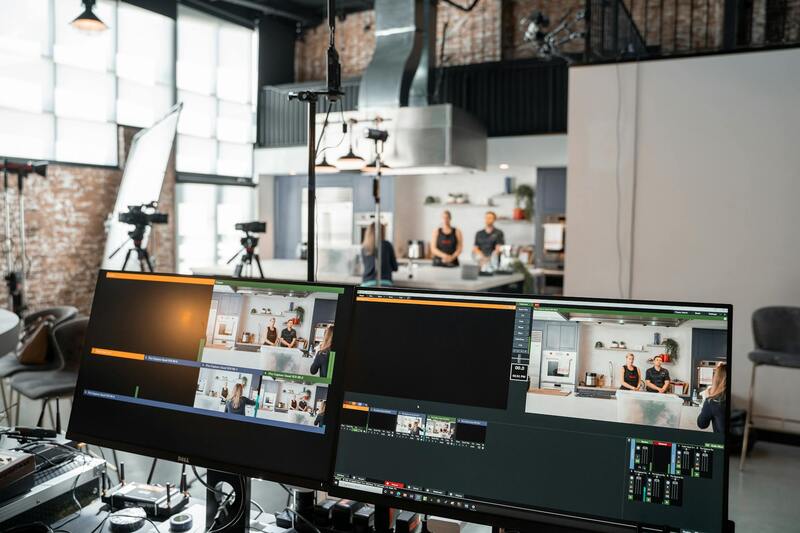
The application of official certification for equipment and workflows, such as ISO standards or industry-recognized certifications, affirms adherence to quality benchmarks. Continuous training for production staff on the latest operational procedures and technical updates further ensures that live video stream projects meet evolving industry demands. Compliance with these verified practices guarantees a professional, engaging, and authoritative live broadcast experience that resonates with viewers and meets platform standards.
Implementing Secure and Reliable Content Delivery Methods
Successfully executing a high-quality live video stream hinges on utilizing the most reliable and secure content delivery methods available. Deployment of official Content Delivery Networks (CDNs), such as Akamai, Cloudflare, or Amazon CloudFront, is a fundamental step. These platforms are designed to optimize the distribution of live streams by caching content at geographically dispersed servers, thus reducing latency and buffering issues for viewers regardless of their location. Their robust infrastructure ensures continuous, uninterrupted streams even during high-traffic periods, which is vital for maintaining viewer engagement and brand credibility.
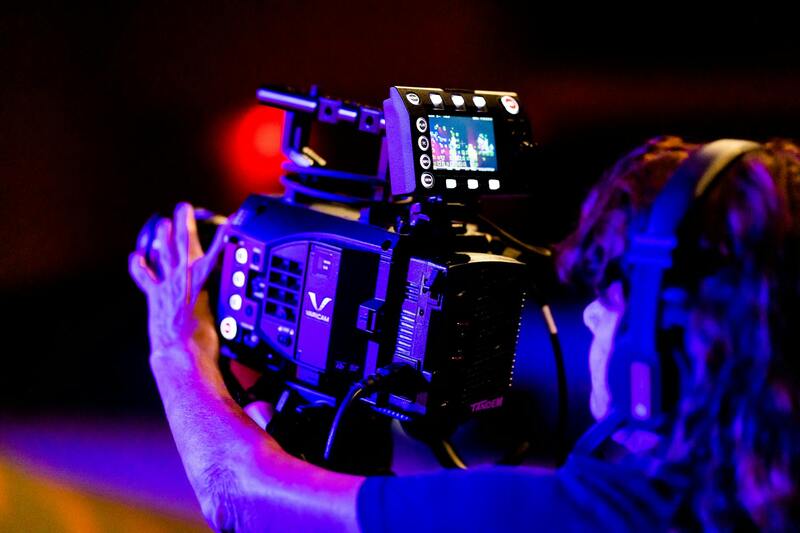
Incorporating these services entails establishing secure, encrypted channels for data transmission, which protect the integrity of the stream against unauthorized access or tampering. Using Secure Real-time Transport Protocol (SRTP) and Transport Layer Security (TLS) helps safeguard sensitive content, fostering viewer trust and compliance with data security standards. Additionally, implementing redundancy protocols, such as backup internet connections and failover systems, ensures that any network disruptions are automatically mitigated without impacting the broadcast quality.
Certification and Standardization of Equipment and Processes
Employing equipment and workflows certified under recognized standards offers an additional layer of assurance. Standards like ISO certifications for quality management or industry-specific benchmarks for broadcasting equipment uphold operational excellence. These certifications verify that all hardware, including cameras, encoders, and audio devices, meet stringent quality and performance criteria. Regular calibration and maintenance routines aligned with these standards contribute to consistent output quality, reducing technical errors during live production.
Continuous Staff Training and Industry Compliance
Ongoing training programs for production personnel are critical for adapting to technological advancements and procedural updates. This continuous education ensures the team is adept at troubleshooting, equipment operation, and new workflows, maintaining smooth on-air performance. Moreover, staying abreast of evolving industry regulations and compliance requirements reinforces the professionalism of the live streaming operation and enhances viewer confidence.
Legal and Ethical Content Restrictions
Strict adherence to legal and ethical standards in content production prevents copyright infringements and unauthorized usage. This involves securing all necessary permissions before broadcasting copyrighted materials, such as music, footage, and images. Implementing comprehensive content review processes prior to the stream and during the broadcast minimizes the risk of infringing content appearing in the live feed. Moreover, establishing clear guidelines on acceptable content and enforcing real-time moderation protocols during the broadcast ensures a respectful and compliant viewer environment.
Engaging with the Audience Responsibly
Effective management of viewer interactions during live streams enhances engagement while maintaining control over the broadcast environment. Official moderation practices involve employing trusted personnel or automated filtering tools to oversee comments, feedback, and user-generated content. Proper moderation prevents the dissemination of inappropriate material and reinforces the professionalism of the broadcast, fostering a positive viewer experience.
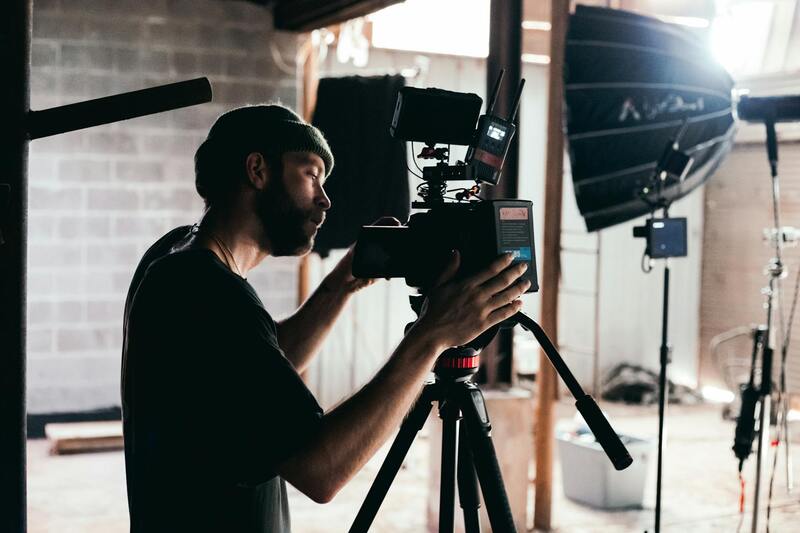
This combination of verified delivery methods, rigorous standards, ongoing staff training, and content management safeguards the integrity of live video streams. It not only bolsters viewer trust but also aligns each broadcast with recognized best practices, ensuring that the live production process remains transparent, secure, and professional at all times.