Understanding Live Event Streaming Production
Live event streaming production involves the comprehensive process of capturing, encoding, and transmitting live events to audiences who are remote from the physical location. This sophisticated operation integrates multiple technical components to ensure real-time broadcasting with high quality and minimal latency. In Miami's vibrant event scene, live streaming has become an essential tool for expanding reach, enhancing audience engagement, and providing seamless access to conferences, concerts, corporate gatherings, and cultural festivals.
At its core, live event streaming production requires precise coordination between technical teams, creative direction, and logistical planning. It combines the capabilities of high-definition video capture, audio engineering, real-time data encoding, and efficient content delivery channels. As Miami continues to thrive as a hub for corporate events, entertainment, and international festivals, the demand for reliable live streaming solutions has surged, making it a cornerstone of modern event broadcasting strategies.
Successful live streaming not only depends on advanced technology but also on understanding audience expectations and delivering content that is both engaging and visually appealing. Miami-based producers leverage their local knowledge and industry expertise to craft customized streaming solutions that align with event objectives. Whether broadcasting a large-scale conference or a boutique music event, the focus remains on delivering a professional and uninterrupted viewing experience for viewers worldwide.
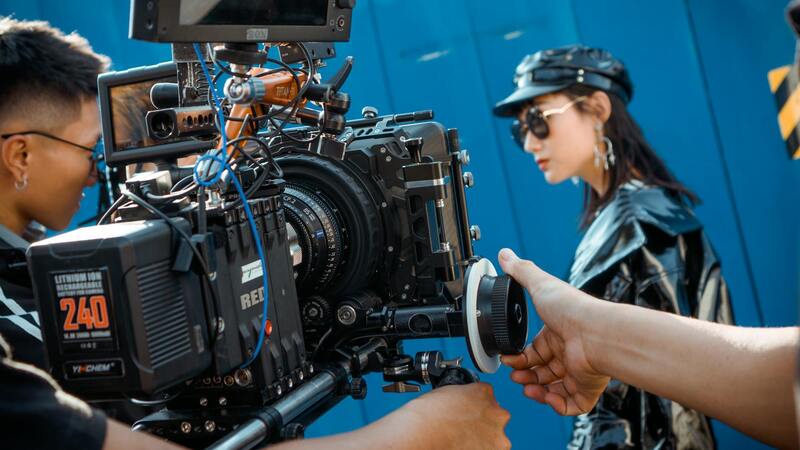
Through meticulous planning and execution, live event streaming production transforms in-person gatherings into accessible, dynamic experiences that extend beyond geographic boundaries. This approach empowers event organizers to maximize visibility, foster engagement, and generate broader reach—all while maintaining the high standards expected of professional broadcasts.
Key Components of Live Streaming Setup
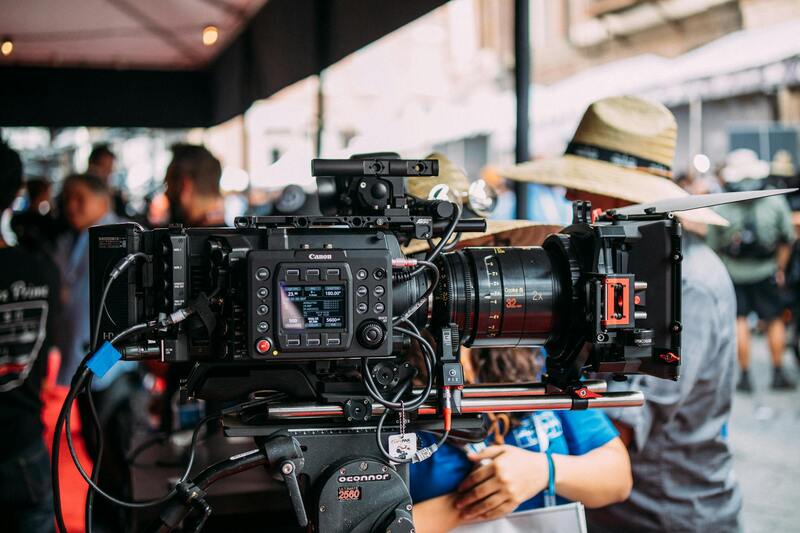
Establishing a seamless live event stream hinges on integrating a range of professional-grade equipment tailored to meet the specific demands of each event. Central to this setup are high-definition cameras capable of capturing the event from multiple angles, ensuring a dynamic and engaging viewing experience. These cameras often include pan-tilt-zoom (PTZ) models for precise control and flexibility during live coverage.
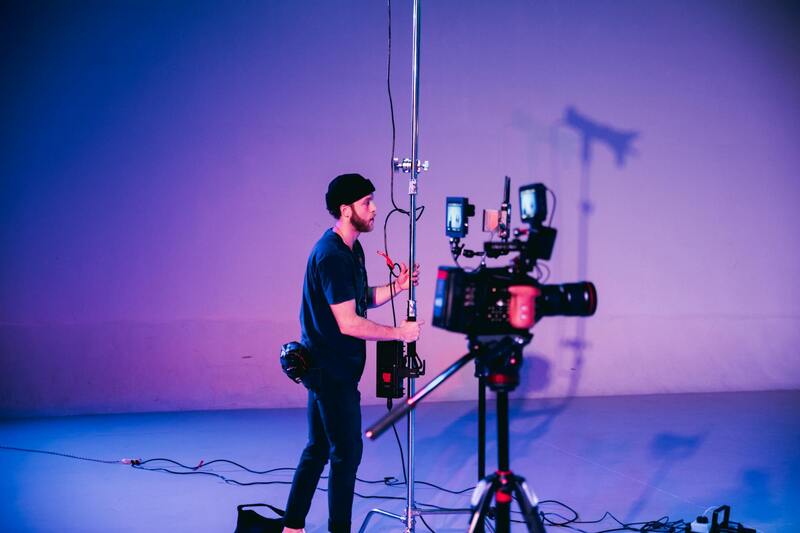
To translate visual content into high-quality digital signals, encoders are indispensable. They compress video and audio streams in real time, facilitating smooth transmission over the internet. Hardware encoders are preferred for their reliability and low latency, especially for events demanding real-time interactions.
- Audio Equipment: Robust microphones, audio mixers, and wireless systems ensure clear sound, which is crucial for maintaining audience engagement. Use of audio processors can help balance levels and reduce background noise.
- Streaming Platforms: Selecting appropriate streaming software and hardware, such as professional-grade encoders and content delivery networks (CDNs), guarantees stability and high availability during the event. These platforms must support adaptive streaming to accommodate various viewer bandwidths.
- Networking Infrastructure: Reliable, high-speed internet connections with backup options are vital. Fiber optic links and dedicated bandwidth minimize disruptions, while load balancers and firewalls secure data transmission.
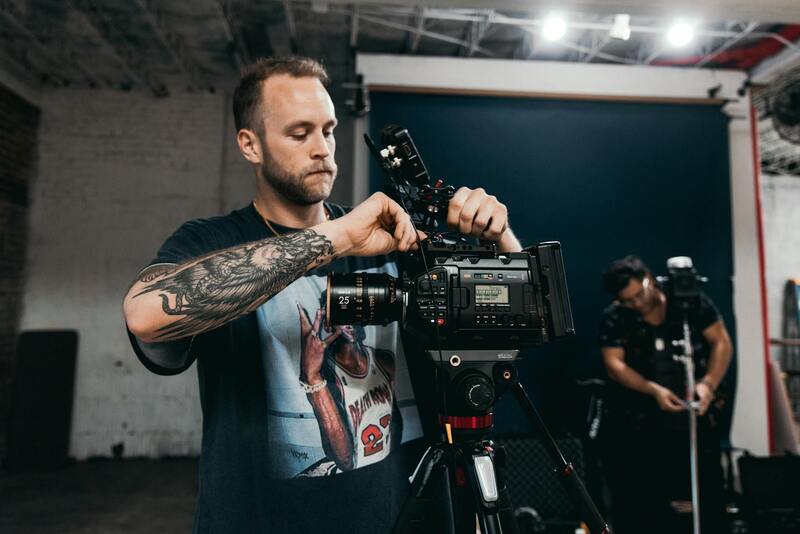
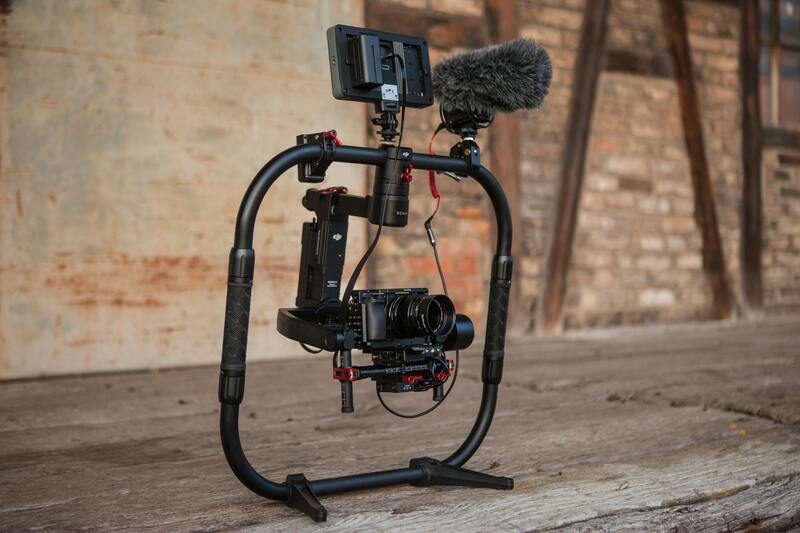
Additional accessories such as teleprompters, monitor displays, and lighting are tailored based on event requirements, ensuring that on-camera talent appears professional and visually appealing. Proper setup and calibration of these components create a technically sound foundation that supports the creative goals of the production team.
In addition to hardware, software solutions for real-time monitoring and stream management enable producers to oversee broadcast quality continuously. Integration of platforms with social media and other distribution channels extends the reach, making live content accessible to wider audiences.
Overall, meticulous selection and configuration of the key components—cameras, encoders, audio systems, networking, and distribution tools—are essential for delivering a polished and reliable live streaming event that captures the essence of the occasion while satisfying viewer expectations.
Understanding Live Event Streaming Production
Efficient live event streaming production hinges on precision, thorough planning, and seamless execution. It involves various phases, from initial planning to post-event analysis, each demanding attention to detail to ensure a high-quality broadcast experience. Selecting the appropriate technology stack and coordinating all elements are pivotal in transforming an event into an accessible, engaging live stream that resonates with audiences across different regions.

Key Components of Live Streaming Setup
A successful live streaming event depends on a robust setup comprising professional-grade hardware and sophisticated software. High-resolution cameras facilitate sharp visuals, while encoders translate video signals into optimized streams compatible with internet delivery. Utilizing content delivery networks (CDNs) ensures viewers worldwide can access the stream with minimal latency and buffering. These platforms support adaptive bitrate streaming, adjusting video quality based on individual viewer bandwidth, which enhances the viewing experience for all participants.
Networking infrastructure forms the backbone of live streaming success. Fast, reliable internet connections—preferably fiber optic—are essential, complemented by solutions such as dedicated bandwidth and backup links to prevent outages. Implementation of load balancers helps distribute streaming loads evenly, maintaining stability during peak viewership. Security measures, including firewalls and encryption protocols, safeguard data transmission against unauthorized access or cyber threats.
Complementing this core technology are essential accessories: professional audio systems deliver clear sound that matches the high video quality, while lighting ensures on-camera talent appears visually appealing under different conditions. Teleprompters and monitor displays enable smooth delivery for presenters, streamlining their interaction with content. Proper calibration of all hardware components guarantees a consistent, professional broadcast that aligns with creative or branding goals.
Additional software tools are incorporated for real-time monitoring and stream management. These platforms allow the production team to oversee broadcast quality continuously, implement instant adjustments, and troubleshoot issues swiftly. Furthermore, integration with social media and various content distribution channels broadens audience reach, making live events more accessible and engaging.
Pre-Production Planning and Coordination
Pre-production is a critical phase that determines the smoothness and professionalism of the live event. It encompasses detailed event scheduling, ensuring all technical and creative elements are aligned well in advance. This stage involves thorough planning of camera angles, graphics, and transitions, alongside rehearsals to fine-tune technical setups and troubleshoot potential issues.
Coordination with clients and venue staff is essential for aligning expectations and logistical arrangements. Clear communication ensures that all stakeholders understand their roles, timing, and technical requirements. Technical rehearsals grant an opportunity to test equipment, synchronize audio-visual components, and simulate the live environment, reducing the chances of unforeseen problems during the actual event.
Technical Execution During the Event
During the broadcast, the focus shifts to real-time management of all technical components. Operators monitor video feeds, audio levels, and internet stability diligently. Any anomalies are addressed immediately to uphold broadcast quality. Producers oversee switching between cameras, graphics, and pre-recorded content, ensuring a seamless flow that maintains audience engagement. Continuous communication among technical staff, on-camera talent, and directors facilitates swift responses to dynamic onstage or on-screen developments.
Streaming Platforms and Distribution Channels
Choosing the right platforms for content distribution ensures maximum reach and engagement. Major streaming options include dedicated live video platforms, social media channels, and embedded web players on websites. Each platform offers distinct advantages; social media, for instance, allows for wider audience sharing and interactive features, while dedicated streaming services may provide better analytics and custom branding options. Many organizations opt for multi-channel distribution, simultaneously broadcasting across different platforms to maximize visibility and viewer interaction.
Challenges in Live Streaming Production
Despite meticulous planning, live streaming can encounter hurdles such as fluctuating internet speeds, hardware failures, or unforeseen technical glitches. Managing latency issues is also critical, especially when involving multiple feeds or live interactions. Environmental factors, like venue acoustics and lighting difficulties, may compromise visual or audio quality. Adequate preparation, redundant systems, and real-time problem-solving protocols are vital to mitigate these challenges, ensuring a professional and uninterrupted broadcast.
Post-Event Review and Analytics
Post-event analysis involves reviewing stream quality, viewer engagement metrics, and overall operational performance. Gathering data on viewer numbers, geographic distribution, and interaction rates informs future production strategies. Feedback from clients and audiences also provides insights into what worked well and areas for improvement. Documenting lessons learned allows production teams to refine processes, enhance equipment setups, and optimize content delivery for subsequent live streams.
Choosing a Miami-Based Live Streaming Production Partner
Partnering with a trusted Miami-based live event streaming producer ensures access to local expertise, advanced infrastructure, and prompt support. A seasoned partner understands regional venues, compliance requirements, and audience preferences—crucial factors for delivering successful live experiences. They bring a comprehensive approach, integrating best practices, innovative technology, and creative solutions to capture the essence of your event and extend its reach effectively.
Technical Execution During the Event
As the event unfolds, the seamless coordination of various technical elements becomes paramount to delivering a high-quality live stream. The core of this process involves real-time operation of equipment, which requires skilled professionals to manage camera switching, audio mixing, and visual effects instantaneously. Camera operators monitor multiple angles and feed them into a central control system, allowing for dynamic transitions that keep viewers engaged and provide a comprehensive perspective of the event.
Audio engineers work meticulously to blend microphones, multimedia sound, and ambient noise to create a balanced acoustic experience. They adjust levels on the fly, eliminate background interference, and ensure clear speech or music output. Advanced audio processors may also be used to enhance sound clarity, suppress echoes, and eliminate feedback issues, all in real-time.
Quality control is a continuous process during live streaming. Technical staff monitors stream health indicators such as bitrate stability, resolution consistency, and latency metrics to identify and resolve issues immediately. Employing multiple redundant systems helps prevent interruptions caused by equipment failure or connectivity problems. For example, backup encoders, internet links, and power supplies ensure uninterrupted broadcasting even in cases of primary system failure.
Effective communication between crew members, utilizing intercoms and real-time reporting tools, ensures swift responses to any anomalies. The coordination of these roles—camera operators, audio engineers, technical directors, and switching specialists—culminates in a professional presentation that accurately captures the event’s atmosphere and maintains viewer engagement throughout the broadcast.
Streaming Platforms and Distribution Channels
Choosing appropriate distribution channels is critical to reaching your target audience effectively. Major live streaming platforms such as YouTube Live, Facebook Live, and Vimeo Live are popular choices due to their extensive user base and robust infrastructure. These platforms offer tools for audience engagement, real-time chat, and analytics, helping producers measure viewer interest and participation.
For more tailored or niche audiences, proprietary streaming solutions or enterprise-level Content Delivery Networks (CDNs) can be implemented. These options provide enhanced customization, security, and control over the streaming experience. Additionally, embedding live streams directly into websites or utilizing multi-platform broadcasting software—known as simulcasting—can expand reach and optimize viewer engagement across various digital channels.
Overcoming Challenges in Live Streaming Production
Despite meticulous planning, live event streaming encounters specific challenges that require proactive management. Bandwidth limitations may lead to buffering or degraded video quality, especially during high-traffic periods. To mitigate this, optimizing encoding settings and utilizing adaptive bitrate streaming ensures viewers receive the best possible quality based on their internet connection.
Latency, or delay between the live event and its broadcast, can affect viewer interaction, particularly during live Q&A sessions or interactive segments. Employing low-latency streaming protocols and optimizing network routing helps reduce delays. Environmental issues, such as poor lighting or unwanted background noise, can be addressed through pre-event venue assessments, professional lighting setups, and high-quality microphones.
Technical glitches such as equipment failure or connectivity issues are managed through redundancy; for instance, having backup hardware and multiple internet sources to switch between if needed. Training the production team thoroughly on troubleshooting procedures accelerates resolution times, minimizing any potential impact on the live broadcast.
Streaming Platforms and Distribution Channels
When it comes to broadcasting live events effectively, selecting the right streaming platforms and distribution channels is crucial for reaching the intended audience and ensuring high-quality delivery. For Miami-based event organizers, understanding the capabilities and audience reach of various platforms allows for more strategic dissemination of live content.
Among the most popular options are dedicated live streaming services such as YouTube Live, Facebook Live, and Vimeo Livestream. These platforms provide reliable infrastructure, extensive global reach, and integrated tools for audience engagement. They are particularly suitable for public events, corporate webinars, and entertainment shows aiming for wide visibility.
For events targeting a specific demographic, niche platforms or industry-specific streaming services may be preferable. These platforms often offer advanced customization, branding options, and analytics features that help event organizers gauge viewer engagement and optimize future broadcasts.
In addition to platform selection, distribution methods encompass the use of content delivery networks (CDNs), embedding live streams into organizational websites, and utilizing multi-platform broadcasting software to simulcast. Through simulcasting, live content can be streamed simultaneously across multiple platforms, such as social media channels, websites, and dedicated apps, maximizing reach and enhancing viewer accessibility regardless of their preferred digital environment.

Implementing these distribution strategies requires thorough technical setup, including ensuring compatibility between streaming hardware and platform requirements, as well as monitoring stream health continuously during the broadcast to maintain a consistent viewer experience. Leveraging analytics tools provided by streaming platforms or third-party solutions can deliver insights into viewer demographics, engagement levels, and peak viewing times, guiding future production efforts.
Understanding Live Event Streaming Production
Effective live event streaming production involves a highly coordinated effort to deliver high-quality content in real time to a diverse audience. It requires careful planning across multiple domains, including technical infrastructure, content management, and audience engagement. The goal is to ensure that viewers experience seamless broadcast quality, regardless of their device or location. This process encompasses both the technical and creative aspects of live broadcasting, ensuring that the event’s message, branding, and entertainment value are conveyed powerfully and professionally.
Key Components of Live Streaming Setup
Establishing a robust live streaming setup requires integration of specialized equipment and software that work harmoniously to manage the complexities of a live broadcast. Central to this setup are high-definition cameras, professional encoders, audio mixing consoles, and reliable internet connections. These components need to be meticulously selected and configured to handle the scale of the event and ensure crisp visuals and clear sound.
- Cameras: Multi-camera configurations provide dynamic coverage, enabling switchers to create engaging visuals, including close-ups, wide shots, and specialty angles.
- Encoding Hardware/Software: Encoders convert raw audio and video signals into digital formats optimized for streaming, with hardware options favoring low-latency performance and software solutions offering flexibility and integration capabilities.
- Audio Equipment: Microphones, mixers, and audio processors are essential for capturing and balancing sound to complement the visual presentation.
- Internet Connectivity: A high-bandwidth, dedicated internet connection with backup options ensures uninterrupted streaming and reduces latency or buffering issues.
Furthermore, staging and lighting setup contribute significantly to visual clarity and audience engagement. Video switchers, graphics overlays, and real-time announcing systems add polish and professionalism to the broadcast, elevating the overall experience for viewers.
Pre-Production Planning and Coordination
Pre-production is the cornerstone of a successful live streaming event. It involves detailed planning and collaboration among the technical team, content creators, and event organizers. Key activities in this phase include developing a comprehensive production timeline, confirming equipment readiness, and establishing communication protocols among team members.
Effective planning also involves conducting thorough site surveys to assess logistical considerations, such as power sources, internet access points, and camera placement. Content scripting or scheduling, along with rehearsals, help identify potential issues early and ensure all participants are familiar with cues and procedures.
Coordination extends to content rights management, branding integrations, and the development of contingency plans for potential technical failures. Establishing clear responsibilities and roles among crew members enhances workflow efficiency and prepares the team to adapt swiftly during live execution.
Technical Execution During the Event
During the live broadcast, maintaining technical excellence is paramount. The technical team monitors the feed continuously to prevent interruptions and swiftly address any issues that arise. Real-time monitoring involves checking internet stability, verifying camera feeds, adjusting audio levels, and managing graphical overlays.
Switching between camera angles and applying live graphics enhance viewer engagement, while overlaying lower-thirds, titles, or information banners adds contextual richness. Multiple backup systems should be in place—such as secondary internet links, redundant power supplies, and standby equipment—to mitigate hardware failures and connectivity disruptions.
Communication tools like headsets and control room interfaces streamline coordination among team members, ensuring synchronized execution of each segment. The transmitter's latency must be managed to deliver a real-time experience, particularly in interactive sessions or Q&A segments with live audience participation.
Streaming Platforms and Distribution Channels
Choosing the appropriate streaming platforms and distribution channels is crucial in expanding event reach and ensuring a broad, engaged audience. Platforms such as industry-specific portals, popular social media channels, and professional conferencing tools each offer unique benefits aligned with specific event goals.
Multiplexing capabilities – or simulcasting – enable live content to be broadcast concurrently across various platforms, increasing accessibility across different viewer preferences. Content delivery networks (CDNs) ensure scalable, high-quality distribution regardless of geographical location. Embedding the live stream directly into organizational websites or dedicated apps further enhances branding and control over the viewer experience.
Simultaneous streaming to multiple channels also allows real-time tracking of viewer engagement through built-in analytics tools. Data collected from these platforms sheds light on peak viewing times, audience demographics, and interaction levels, guiding future production strategies. Additionally, employing content management systems facilitates seamless content updates and moderated viewer interactions during live events.
Understanding Live Event Streaming Production
Live event streaming production encompasses a comprehensive set of strategies, technologies, and logistical planning required to broadcast an event in real-time to a dispersed audience. This process involves meticulous coordination among technical teams, content creators, and distribution channels to deliver a seamless viewing experience that captures the event's energy and professionalism. The goal is to replicate the live atmosphere with high quality, minimal latency, and consistent reliability, ensuring viewers stay engaged throughout the duration of the broadcast.
Key Components of Live Streaming Setup
Establishing a robust live streaming setup involves several critical elements. These include high-definition video sources, professional audio equipment, encoding hardware or software to compress video signals efficiently, and stable internet connectivity capable of supporting high bandwidth demands. Additionally, redundant systems and backup power supplies are vital to prevent interruptions caused by technical failures.
Equipment calibration and proper placement are essential to maximize visual and audio clarity, especially in large venues or outdoor settings. Using multi-camera configurations enables dynamic coverage, allowing production teams to switch between shots, zoom in on key speakers, or incorporate audience reactions. A dedicated switching system directs live feeds seamlessly, contributing to a polished final product that reflects the event's scale and significance.
Pre-Production Planning and Coordination
Effective pre-production planning sets the foundation for a successful live stream. This phase involves detailed scheduling, site reconnaissance, and technical audits to identify potential challenges. Coordinating content schedules, cue sheets, and camera cues ensures smooth transitions and timely coverage during the event. It is crucial to establish clear communication protocols among all team members, including directors, camera operators, sound engineers, and internet technicians.
Rehearsals are an integral part of pre-production, allowing the team to test equipment, troubleshoot potential issues, and familiarize themselves with the event layout. Technical checks for internet bandwidth, server capacity, and streaming platform compatibility help prevent latency or buffering issues during the live broadcast. Additionally, integrating on-site branding and audience interaction elements, such as live polls or chat features, enhances viewer engagement and overall production value.
Technical Execution During the Event
During the event, the technical team manages real-time operations, ensuring all components operate synchronously. Continuous monitoring of internet stability, audio levels, video feeds, and encoder performance is essential to maintain stream integrity. A dedicated director oversees camera switching, graphic overlays, and live transitions, coordinating with the announcers or presenters to maintain a coherent flow.
Latency management is a critical factor, especially when live interactions are involved. Teams employ low-latency streaming protocols and optimized encoding settings to minimize delays. If any technical issues arise, immediate troubleshooting and contingency plans, such as backup internet connections or alternate feeds, are implemented to keep the broadcast ongoing without noticeable disruption.
Streaming Platforms and Distribution Channels
Choosing the appropriate streaming platforms and distribution channels is fundamental in maximizing the reach and impact of the live event. Popular platforms include social media channels, dedicated streaming services, and specialized conferencing solutions, each offering distinct advantages aligned with the event's target audience and objectives.
Simulcasting or multiplexing allows simultaneous streaming across multiple channels, capturing diverse viewer demographics and increasing overall accessibility. Content delivery networks (CDNs) play a pivotal role in ensuring scalable and high-quality distribution, regardless of geographic location. Integrating the stream onto a corporate website or dedicated app provides greater control over branding elements and the user experience.
Advanced analytics tools embedded within these platforms enable real-time data collection on viewer engagement, session durations, and interaction levels. These insights are valuable for refining future events and tailoring content to audience preferences. Employing content management systems also facilitates real-time content updates and moderated viewer interactions during live broadcasts, fostering a more engaging environment.
Understanding Live Event Streaming Production
Executing a successful live event streaming production demands meticulous planning, robust technical infrastructure, and skilled personnel. It involves a dynamic process that combines audio-visual technology, real-time data transmission, and content management to deliver an engaging viewer experience across multiple digital platforms.
Integral to this process is the coordination between multiple teams—including camera operators, technical directors, sound engineers, and network specialists—working in harmony to ensure seamless content delivery. High-quality live streaming production also integrates advanced encoding systems that optimize video and audio signals for various bandwidths and viewing devices, guaranteeing clarity and minimal latency. This process begins with an understanding of the event’s scope, target audience, and distribution goals, forming the foundation for all subsequent technical and creative decisions.
The importance of audio-visual synchronization cannot be understated. Real-time audio mixing, camera switching, graphics overlay, and video playback must be executed flawlessly to maintain a professional appearance and engage viewers effectively. The use of high-definition cameras, multi-source feeds, and reliable streaming hardware ensures the production’s technical excellence, regardless of venue complexity or environmental challenges.

Equally critical is contingency planning—preparedness for potential technical issues such as network outages, equipment failure, or unforeseen disruptions. Implementing redundant systems, backup internet connections, and real-time troubleshooting protocols minimizes the risk of broadcast interruptions and maintains a consistent viewer experience.
Key Components of Live Streaming Setup
- Cameras and Video Equipment: High-definition cameras, PTZ (pan-tilt-zoom) units, and wireless transmitters capture dynamic visuals from multiple angles.
- Audio Systems: Microphones, mixers, and audio processors ensure clear sound quality, critical for viewer immersion.
- Encoding Hardware and Software: Encoders convert raw audio-visual signals into streamable digital formats, supporting multiple resolutions and bitrates.
- Streaming Hardware: Reliable routers, switches, and servers facilitate data transmission and load management for large viewerships.
- Production Control Room: A dedicated space equipped with switching consoles, monitors, and communication tools allows for real-time decision-making and broadcast oversight.
Pre-Production Planning and Coordination
Effective live streaming begins with comprehensive pre-production planning. Identifying target audiences, selecting appropriate platforms, and defining content strategies set the stage for success. Coordination between event organizers, technical teams, and content creators ensures clarity in objectives and expectations.
Key planning activities include site surveys, equipment testing, rehearsal sessions, and establishing communication channels among team members. Additionally, obtaining necessary permits and coordinating with venue staff helps streamline logistical workflows and minimizes operational hiccups during the event.
Technical Execution During the Event
During live streaming, real-time management is crucial. This involves monitoring internet stability, managing multiple camera feeds, and responding swiftly to technical issues. Automated switching systems and live graphics integration enhance viewer engagement, while multi-platform streaming extends audience reach.
Technical directors oversee the operation of video switchers, ensuring that visual transitions occur smoothly and accurately. Audio engineers continuously monitor sound levels, making adjustments as needed. Flexibility in responding to the flow of the event is vital, especially for interactive sessions or Q&A segments, which may require improvisation or additional overlays.
Streaming Platforms and Distribution Channels
Distributing the live stream across appropriate platforms maximizes visibility and engagement. Social media channels such as Facebook Live, YouTube Live, and Instagram Live provide accessible avenues for broad audiences. Dedicated streaming platforms or enterprise broadcasting solutions offer advanced features like analytics, monetization options, and enhanced content control.
Simulcasting to multiple channels, or multiplexing, allows the event to reach diverse viewer demographics simultaneously. Content Delivery Networks (CDNs) play a crucial role in scaling distribution globally, reducing latency, and ensuring stream stability regardless of viewers’ geographic locations. Embedding streams into websites or custom apps also grants sponsors and organizers greater branding opportunities and user interaction capabilities.
Challenges in Live Streaming Production
Live streaming production presents several challenges that demand seasoned expertise. Network variability can cause buffering or latency issues, especially in congested areas or with inconsistent internet service. Managing multiple data streams while maintaining video quality requires sophisticated encoding and bandwidth management strategies.
Environmental factors such as outdoor settings, lighting conditions, or interference may impact audiovisual quality. Additionally, coordinating a multi-team effort under tight schedules can lead to miscommunication or technical oversights. Effective risk mitigation—through redundancy, comprehensive testing, and clear operational protocols—is essential to overcoming these hurdles.
Post-Event Review and Analytics
Once the event concludes, analyzing performance metrics provides insights into audience engagement and technical effectiveness. Data points such as viewer count, session duration, geographic distribution, and interaction levels help refine future productions and optimize content delivery strategies.
Feedback collection from viewers and team members offers qualitative insights into overall success and areas for improvement. Archiving the live stream allows for on-demand viewing, which can extend content lifespan and generate additional revenue streams. Detailed reports and analytics ensure continuous enhancement in quality, reach, and impact of live streaming initiatives.