Overview of Corporate Live Streaming Services
Corporate live streaming services have become an essential component of modern business communication and engagement strategies. These services enable organizations to broadcast events, seminars, product launches, and town hall meetings in real-time to a broad audience across various geographic locations. By leveraging high-quality streaming platforms, Miami-based businesses and organizations can extend their reach, enhance stakeholder engagement, and facilitate transparent communication without geographical limitations.
Live streaming offers an immediate, interactive experience, allowing viewers to participate through questions, polls, and real-time feedback, thus fostering a more dynamic connection between companies and their audiences. The strategic use of these services ensures that important messages resonate effectively, supporting branding efforts, internal communication, and customer engagement initiatives.
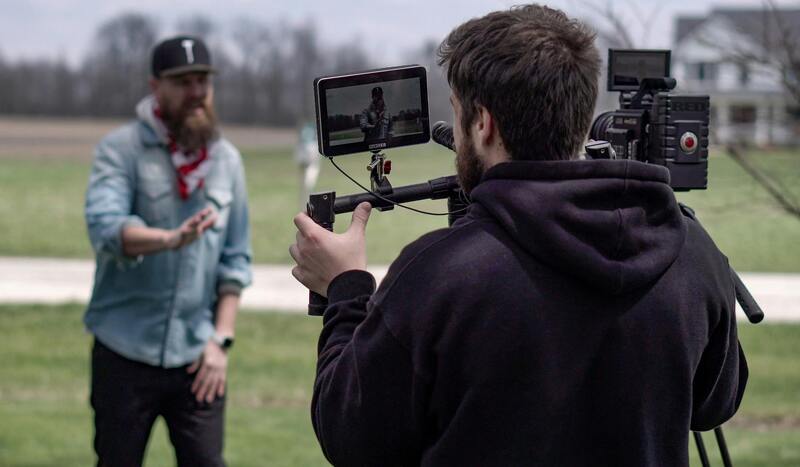
For Miami-based businesses, adopting professional live streaming solutions provides a competitive edge by ensuring high-quality, reliable broadcast delivery. These services are tailored to meet the specific needs of corporate clients, emphasizing secure, scalable, and customizable features that align with organizational goals. Whether hosting a small executive meeting or a large-scale product launch, corporate live streaming services help companies communicate effectively, increase visibility, and create lasting impressions in a digital-first environment.
As part of a comprehensive digital transformation strategy, these services also offer analytics and reporting tools that provide insights into viewer engagement and reach. This data-driven approach enhances future event planning, allowing organizations to refine their messaging and improve overall engagement metrics.

Key Features of Corporate Live Streaming Platforms
To ensure a seamless and impactful broadcasting experience, corporate live streaming platforms incorporate several critical features. These functionalities not only facilitate smooth delivery but also enhance audience engagement and data security, which are vital for professional organizational events.
High-Quality Video and Audio
Clear, crisp visuals and audio are fundamental for maintaining professionalism during live streams. Advanced compression technologies and adaptive bitrate streaming allow for high-definition playback regardless of viewer bandwidth, ensuring that the presentation remains sharp and engaging across diverse devices and network conditions.
Platform Reliability and Scalability
Robust infrastructure is essential for accommodating fluctuating viewer counts, especially during high-profile events. Reliable servers and content delivery networks (CDNs) distribute streams efficiently, minimizing latency and buffering issues. Scalability ensures that as audience size grows, the platform can handle increased traffic without compromising quality or stability.
Interactivity and Engagement Tools
- Live Chat and Q&A: Facilitates real-time communication between presenters and viewers, fostering interaction and immediate feedback.
- Polls and Surveys: Allows organizers to gather instant audience opinions, making events more participatory.
- Integrated Social Sharing: Enables viewers to share content and interact through social media channels, expanding event reach.
Security and Privacy Features
Secure streaming involves encrypted data transmission, user authentication, and access controls that restrict content to authorized viewers. These measures protect corporate confidentiality and prevent unauthorized access to sensitive information.
Content Management and Customization
Ease of content uploading, scheduling, and branding customization align with corporate identities. This adaptability allows businesses to deliver branded experiences consistent with their visual identity and messaging standards.

Benefits of Live Streaming for Corporate Events
Implementing live streaming solutions yields significant advantages that extend beyond simple event broadcasting. Companies leveraging these services can achieve broader reach, increased engagement, and more efficient resource utilization, ultimately contributing to strategic organizational goals.
Enhanced Audience Reach
Live streaming dissolves geographical barriers, enabling organizations to connect with global audiences in real-time. This extended reach not only boosts brand exposure but also facilitates inclusive participation from diverse stakeholder groups without the constraints of physical location.
Cost-Effective Event Management
Replacing or supplementing traditional in-person events with virtual broadcasts reduces expenses associated with venue rentals, travel, accommodations, and materials. It allows for better allocation of resources toward content quality and audience interaction initiatives.
Real-Time Engagement and Feedback
Interactive features such as live Q&A sessions, chat functions, and polls foster a dialogue between organizers and viewers. Immediate feedback helps tailor content to audience preferences, enhancing overall satisfaction and message retention.
Data Collection and Analytics
Advanced streaming platforms offer comprehensive analytics tools to monitor viewer behavior, engagement levels, and content performance. Such insights inform future communication strategies, helping organizations optimize their messaging and outreach efforts.
Brand Strengthening
Consistent, high-quality live streams reinforce brand identity and demonstrate corporate transparency. Professionally produced broadcasts showcase organizational expertise and maturity, fostering trust and credibility with audiences.
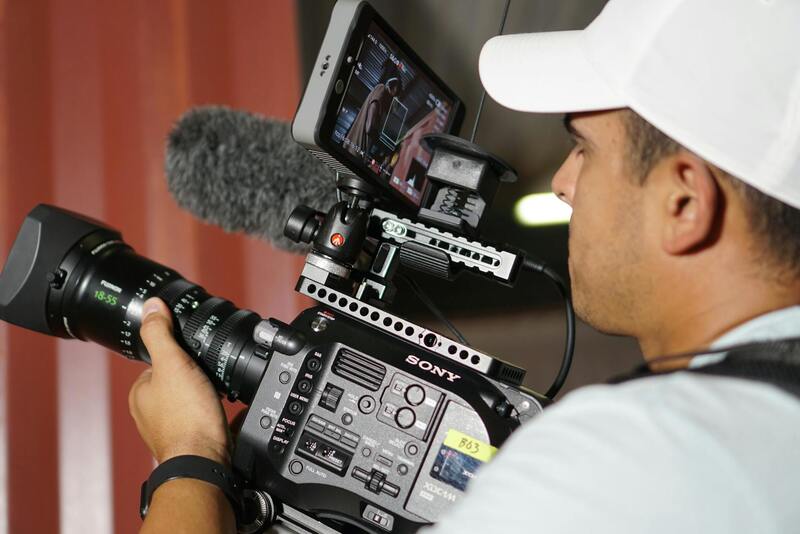
Key Features of Corporate Live Streaming Platforms
Effective corporate live streaming platforms are distinguished by a suite of integral features that ensure seamless, engaging, and professional broadcasts. These features are designed to meet the complex demands of corporate presentations, product launches, and executive communications, providing robust tools for customization, interaction, and analytics.
User-Friendly Interface and Customization Options
Modern streaming platforms prioritize intuitive user interfaces that facilitate easy setup and operation, even for users with limited technical expertise. Customization capabilities, including branding elements such as logos, color schemes, and introductory overlays, enable organizations to tailor the viewing experience to align with their corporate identity. This consistency enhances brand recognition and professionalism during live events.
Multi-Platform Compatibility and Accessibility
A core feature of advanced streaming services is their ability to broadcast across various devices and operating systems, ensuring accessibility for viewers on desktops, tablets, and smartphones. Adaptive streaming technology dynamically adjusts video quality based on the viewer’s internet connection, delivering uninterrupted viewing experiences regardless of network conditions.

Interactive Engagement Tools
Incorporating interactive elements such as live chat, Q&A sessions, polls, and real-time reactions fosters active participation from viewers. These tools transform passive viewing into an engaging dialogue, encouraging higher levels of interaction and facilitating immediate feedback that can be used to adjust ongoing presentations or future content strategies.
High-Quality Video and Audio Streaming
Quality is paramount in professional live broadcasts. Leading platforms utilize advanced encoding algorithms and scalable streaming technologies to deliver high-definition video and crystal-clear audio, minimizing latency and buffering issues. Reliable content delivery networks (CDNs) also reduce potential disruptions, ensuring a smooth viewing experience for global audiences.
Robust Security and Privacy Controls
Security features such as encrypted streams, password protection, and restricted access controls safeguard sensitive corporate content. These provisions are vital for confidential meetings, executive briefings, and proprietary product launches, ensuring that broadcasts reach only authorized viewers.
Integrated Analytics and Reporting
Data collection tools embedded within streaming platforms provide comprehensive insights into viewer behavior, engagement metrics, and content performance. Organizations can analyze real-time and post-event data to evaluate audience reach, identify popular segments, and refine future streaming strategies for maximum impact.
Scalability and Redundancy
Whether hosting a small internal meeting or a large-scale corporate expo, the ability to scale streaming capacity is essential. Platforms that offer dynamic bandwidth management and redundant servers prevent service interruptions during high traffic periods, maintaining professionalism even under demanding circumstances.
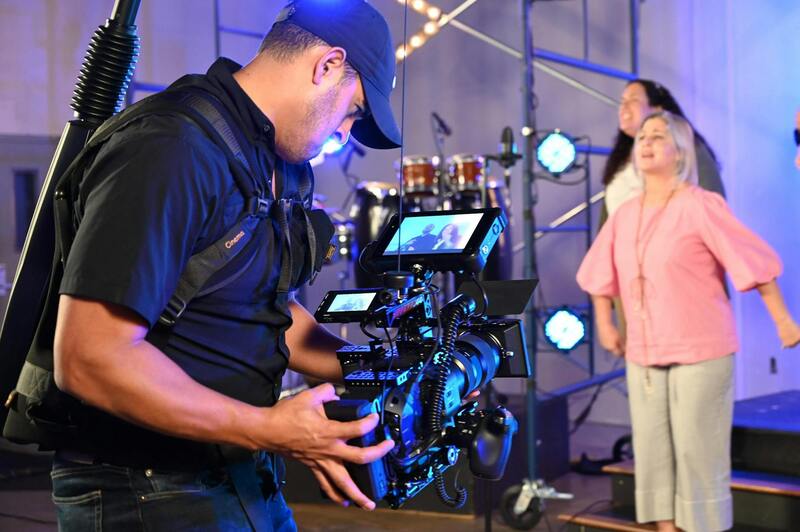
By leveraging these key features, companies can deliver compelling live streaming experiences that not only convey information but also enhance brand perception, foster engagement, and facilitate meaningful stakeholder interactions across the globe.
Technical Considerations and Setup
Implementing a seamless corporate live streaming event depends heavily on meticulous technical planning and setup. Organizations must ensure that their hardware, software, and network infrastructure are optimized to handle high-quality broadcasts with minimal latency. This involves selecting reliable encoding equipment capable of transmitting high-definition video with consistent performance. Additionally, the choice of streaming software plays a crucial role; it should support features such as multi-camera switching, overlays, and live chat integration to enhance viewer engagement.
Stable internet connectivity is fundamental. Businesses should opt for dedicated bandwidth solutions to prevent interruptions caused by network congestion. Fiber optic connections are preferred for their high speed and stability, especially during large-scale events. Redundant internet connections or backup systems are advisable to maintain broadcast continuity in case of primary network failure.

Choosing the right hardware components, such as professional cameras, microphones, and video switchers, directly influences broadcast quality. Proper lighting and sound equipment are equally vital to ensure clear visuals and audio clarity. To streamline the setup process, organizations often work with experienced technical crews who specialize in live broadcast productions, ensuring all components work harmoniously.
Pre-event testing is an essential step. Run comprehensive dry-runs to evaluate equipment functioning, internet stability, and the overall flow of the event. This allows teams to identify and resolve potential issues, ensuring a smooth live transmission. During the event, real-time monitoring tools help technicians promptly address any technical hiccups that might occur.
Security and Access Control
Safeguarding sensitive information during a corporate live stream requires carefully configured security protocols. Content encryption during transmission protects against unauthorized interception. Hosts can implement password protection, secure login portals, and restricted access links to control who can view the stream. Multi-factor authentication adds an additional layer of security for presenters and administrators.
Seamless Integration with Existing Systems
To maximize efficiency, live streaming services should integrate seamlessly with existing corporate communication and CRM platforms. This integration enables direct content sharing, registration management, and post-event analytics. Validating compatibility with email marketing tools and social media channels allows organizations to efficiently promote and distribute live content across multiple platforms for broader outreach.
Technical Considerations and Setup
Establishing a seamless corporate live streaming event requires meticulous planning and technical coordination. First, securing high-bandwidth internet connectivity is paramount. Many organizations prioritize dedicated fiber optic lines or bonded internet connections to ensure stability and minimize latency. The choice of encoding hardware or software also plays a crucial role; professional-grade encoders convert live video feeds into streaming formats optimized for various devices, providing consistent quality throughout the broadcast.
Content delivery networks (CDNs) are integral to distributing live streams efficiently, especially for large audiences. By leveraging CDN services, organizations reduce buffer times and prevent server overloads, thereby maintaining a smooth viewing experience for all participants. Additionally, choosing a platform that supports adaptive bitrate streaming allows viewers on different internet speeds to access content at the highest possible quality without interruption.
Audio quality is just as critical as visual clarity. Incorporating professional microphones, mixing consoles, and audio processing tools helps deliver clear, intelligible sound. Redundant audio feeds and backup power supplies are advisable to prevent disruptions during the event.

Technical Considerations and Setup
Successful corporate live streaming hinges on meticulous technical preparation. The foundation begins with high-quality video production equipment, including professional-grade cameras, lavalier or condenser microphones, and reliable switching hardware to manage multiple video feeds seamlessly. Ensuring optimal lighting is critical; well-lit environments reduce shadows and improve image clarity, creating a polished appearance for viewers. Proper audio setup, including noise reduction techniques and backup microphones, guarantees clear sound reproduction vital for engaging presentations.
Internet connectivity plays a pivotal role in maintaining stream stability. A dedicated, high-bandwidth internet connection with symmetrical upload and download speeds minimizes buffering and latency issues. For live events, a backup internet source or a wired connection is advisable to prevent disruptions caused by network interruptions. Network security measures, such as firewalls and VPNs, should also be configured to protect the stream from unauthorized access.
Platform integration is another key aspect. Choosing a streaming platform compatible with your existing corporate infrastructure facilitates streamlined event management. Many platforms support features like webinar registration, audience polling, and content analytics, enriching the event experience. The streaming hardware and software setup must be tested thoroughly before the live event. Conducting dry runs helps identify potential issues with video quality, audio synchronization, or connectivity, allowing technical teams to address challenges proactively.

Best Practices for Successful Live Streaming Events
An effective corporate live streaming event requires strategic planning and execution. First, establishing clear objectives and a well-structured agenda sets the tone for meaningful engagement. Assigning roles to team members, such as moderators, technical support, and content presenters, streamlines operations.
Preparation is crucial; ensure all equipment is functional, backup devices are available, and a detailed run sheet is prepared. Conducting multiple rehearsals allows for familiarization with the platform, testing of audiovisual elements, and the synchronization of presentation materials.
During the event, monitor the live stream continuously. Real-time analytics provide insights into viewer engagement, while technical staff should be ready to troubleshoot issues swiftly. Incorporating interaction tools like live Q&A sessions, polls, and chat features fosters audience participation, making the event more dynamic.
Post-event, gather feedback through surveys and analytic reports to assess performance and identify improvement areas. Sharing recorded content afterward extends the reach and reinforces key messages. Consistent branding, professional visuals, and concise messaging help reinforce brand identity and maintain viewer attention throughout the broadcast.
Technical Considerations and Setup
Implementing a successful corporate live streaming event hinges on meticulous technical planning and execution. Selecting appropriate equipment, internet connectivity, and platform configurations ensures a seamless broadcast that aligns with professional standards. Essential hardware includes high-definition cameras, professional microphones, and encoders capable of managing multiple video and audio inputs efficiently. A robust internet connection, preferably wired and dedicated, minimizes latency and buffering issues, providing a stable viewing experience for audiences.
Configuring the streaming platform involves optimizing the settings for resolution, bitrate, and latency to match the content's nature and audience expectations. Integrating streaming management tools allows for real-time monitoring and adjustment during the event. The setup process should also include configuring backup systems such as secondary internet connections, spare devices, and redundant power supplies to mitigate unforeseen technical failures.
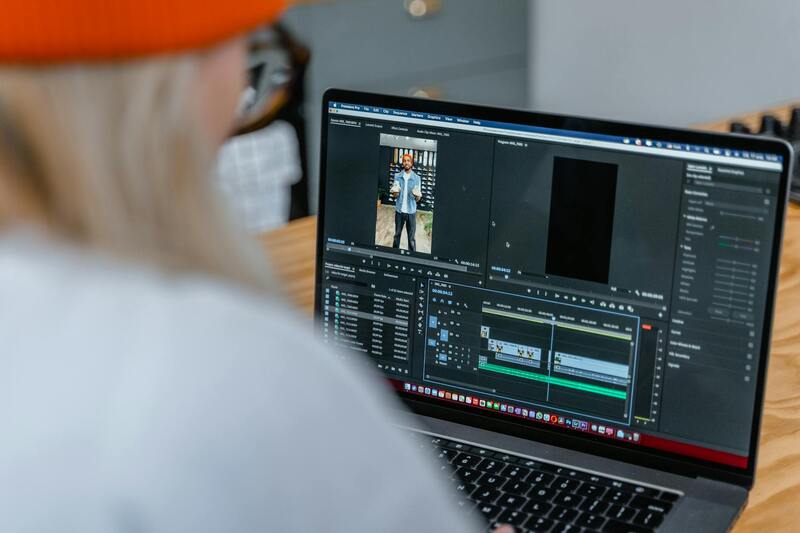
Pre-event rehearsals are vital to identify potential technical issues and ensure synchronized execution. These rehearsals should simulate the live environment as closely as possible, including testing audiovisual elements, streaming configurations, and interaction features like chat and polls. Technical teams must be well-versed in troubleshooting common issues such as audio feedback, video lag, or connectivity interruptions.
During the event, constant monitoring of the stream’s health is critical. Using analytics tools to track viewer engagement, stream quality, and system performance helps identify and resolve problems swiftly. Coordinating with content presenters and moderators ensures transitions, visual cues, and interaction segments proceed smoothly, maintaining audience engagement.
After the broadcast, comprehensive analysis of stream performance, viewer analytics, and audience feedback provides insights for future improvements. Sharing recordings, along with key highlights, extends the event’s impact beyond the live session, allowing attendees to revisit important moments and engage with content at their convenience.
Enhanced Strategies for Corporate Live Streaming Success
Implementing robust security measures is fundamental to safeguarding live streaming content in a corporate environment. Secure access controls, such as encrypted streams and password protections, help prevent unauthorized viewing and ensure that sensitive information remains confidential. Employing digital rights management (DRM) solutions further enhances content protection, allowing companies to control distribution rights and monitor usage.

The integration of moderation tools is essential to maintaining a professional and respectful online environment during live events. Administrators can monitor live chat interactions, filter inappropriate comments, and address viewer inquiries in real time. This proactive approach ensures seamless engagement and preserves the event's integrity, fostering positive brand impressions.
Post-Event Content Management and Repurposing
Post-event strategies involve utilizing recorded streams to maximize outreach and content longevity. High-quality recordings can be edited into highlight reels, promotional clips, and training materials, extending the value of the original broadcast. Distributing this content through multiple channels, such as internal portals, social media platforms, or dedicated websites, amplifies reach and engagement.
- Editing and segmenting recordings for targeted marketing campaigns
- Uploading to company websites and internal repositories for on-demand access
- Creating teaser trailers to generate interest for future events
Analytics analysis plays a pivotal role in refining future live streaming initiatives. Companies should review metrics such as viewer demographics, engagement levels, dropout points, and interaction patterns. These insights inform content adjustments, technical improvements, and marketing strategies, leading to more impactful broadcasts in subsequent events.
Compliance and Accessibility
Ensuring compliance with industry standards and organizational policies is crucial in corporate live streaming. Incorporating closed captioning, subtitles, and alternative audio descriptions enhances accessibility, accommodating diverse audience needs. Adhering to data privacy regulations and providing transparent terms of service further solidifies the company's commitment to responsible broadcasting practices.

By continuously evaluating technological advancements and integrating innovative solutions, companies can elevate their live streaming capabilities. This ongoing approach not only enhances viewer experience but also bolsters the company’s reputation as a forward-thinking, professional organization committed to excellence in digital communication.