Definition and Scope of Streaming Video Production
Streaming video production refers to the comprehensive process of creating, capturing, and broadcasting live or pre-recorded video content over the internet. This method enables real-time viewing experiences and on-demand access, making it an essential tool for various sectors including corporate, entertainment, education, and government organizations. In Miami, a vibrant hub for cultural and commercial activities, streaming video production has gained significant momentum as businesses seek dynamic ways to engage their audiences and expand their reach.
At its core, streaming video production encompasses multiple stages—from initial conceptualization and script development to technical setup and on-site filming, followed by real-time or post-event broadcasting. The goal is to deliver high-quality visual content seamlessly across digital platforms, ensuring viewer engagement and message retention. This process relies heavily on sophisticated technology, skilled personnel, and meticulous planning to produce professional-grade broadcasts suited for both live viewers and on-demand audiences.
As the digital landscape evolves, the scope of streaming video production has widened. It now includes live webinars, corporate broadcasts, virtual conferences, product launches, and social media streaming. For Miami-based organizations, particularly those in tourism, hospitality, and arts sectors, streaming offers an invaluable means to showcase Miami’s vibrant lifestyle, business opportunities, and cultural events to a global audience.
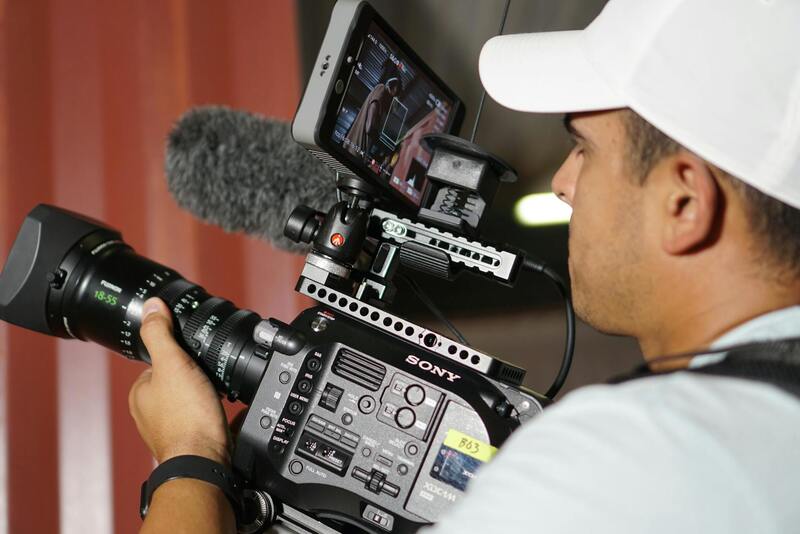
The importance of streaming video production cannot be overstated for modern enterprises aiming to stay competitive. It provides immediacy, broader reach, and cost-effective distribution channels that traditional media cannot match. As Miami continues to thrive as an international destination, effective streaming production helps local businesses and organizations uphold their visibility and reputation in an increasingly digital world.
Key Components of Streaming Video Production
Effective streaming video production hinges on a combination of advanced technology, skilled personnel, and comprehensive planning. Each component plays a crucial role in ensuring seamless content delivery and maintaining high production standards. Below, we outline the essential elements involved in creating professional streaming video content.
- Professional Equipment: High-definition cameras are the cornerstone of quality streaming, capable of capturing crisp visuals with adequate frame rates. Complementary equipment such as tripods, stabilizers, and teleprompters ensure steady shots and smooth transitions. Audio quality is equally paramount; thus, directional microphones, mixers, and soundproofing gear are utilized to produce clear, interference-free audio.
- Streaming Software and Platforms: Reliable encoding software converts raw video feeds into streaming-compatible formats. Platform choice depends on the target audience—whether for public broadcasting, private webinars, or social media distribution. Features such as multi-view capability, chat integration, and real-time analytics enhance viewer engagement and allow for dynamic content management.
- Lighting and Set Design: Proper lighting management enhances video clarity and mood. Professional lighting kits, including softboxes and ring lights, help achieve visual consistency across different filming environments. Set design and backgrounds should align with the content’s branding and messaging goals.
- Personnel: A dedicated team with expertise in camera operation, sound engineering, and technical direction is essential. Producers coordinate the production schedule, while directors manage live cues and transitions, ensuring the broadcast flows smoothly.
- Connectivity Infrastructure: Stable, high-speed internet connections are non-negotiable for uninterrupted streaming. Redundant networks and backup bandwidth options further safeguard against disconnections that could disrupt the broadcast.
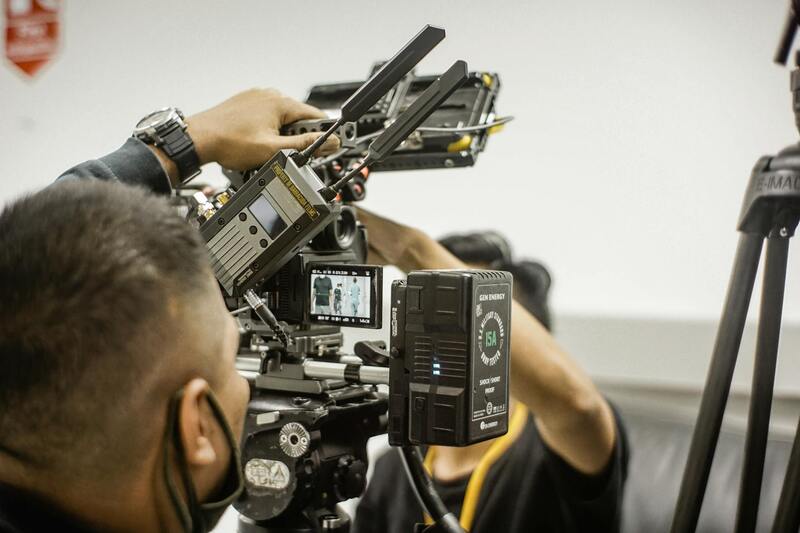
This combination of components facilitates professional-grade streaming, capable of engaging audiences and delivering content with clarity and visual fidelity. The integration of these elements requires precise coordination and a thorough understanding of the technical landscape, underscoring the importance of partnering with experienced production providers in Miami.
Planning and Pre-Production for Live Streaming
Meticulous planning and pre-production preparations significantly influence the success of live streaming projects. Prior to initiating the technical setup, production teams must clearly define the objectives and target audience, establishing a detailed roadmap for content delivery. Key steps include scripting, scheduling, and rehearsals, which help identify potential technical or logistical issues before the live event.
Technical Setup and Equipment
During this phase, the focus centers on configuring the necessary equipment, setting up the streaming infrastructure, and testing all systems. Ensuring compatibility between hardware and software, optimizing lighting and audio setups, and conducting trial runs are crucial to minimizing technical hitches during the actual broadcast. It is prudent to simulate live conditions to verify signal strength, audio clarity, and overall system performance.
Production Execution and Live Streaming Techniques
Executing a live stream requires real-time coordination among crew members. Dynamic camera switching, overlay graphics, and live chat moderation are standard techniques employed to enhance viewer experience. Employing multi-camera setups and switching between different angles provide visual interest, while seamless transitions maintain broadcast professionalism. Handling unforeseen technical challenges swiftly is essential to preserve the quality and continuity of the stream.
Technical Setup and Equipment for Streaming Video Production
Establishing a reliable and high-quality streaming infrastructure is fundamental to successful streaming video production. This process involves selecting the appropriate hardware and software, configuring network settings, and conducting comprehensive tests to ensure seamless transmission. A robust setup typically includes professional-grade cameras capable of capturing high-definition video, high-performance encoders for real-time data compression, and reliable streaming servers designed to handle large bandwidth requirements without interruption.
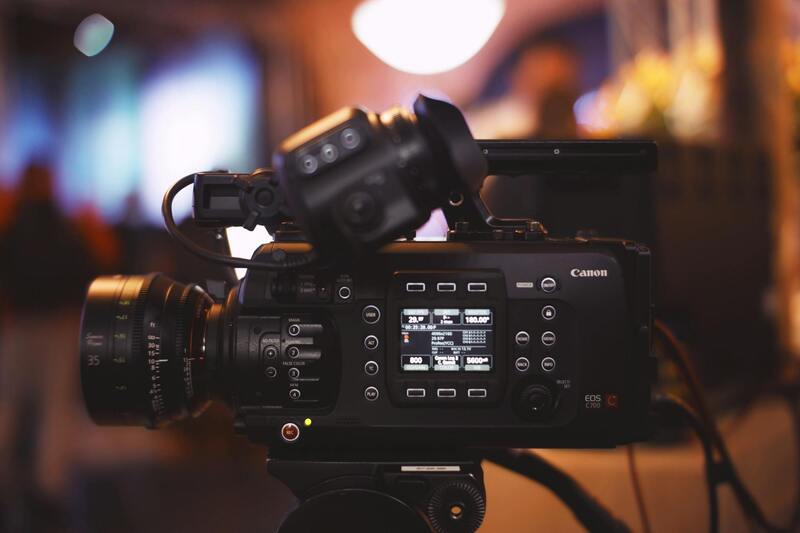
Integration of hardware components must consider scalability and redundancy to mitigate potential technical failures. For instance, having backup power supplies and secondary internet connections can prevent disruptions during live broadcasts. Software tools such as live switching consoles, real-time graphics generators, and monitoring systems are equally crucial. These tools allow production teams to seamlessly manage transitions, overlay graphics, and observe stream metrics to promptly identify and resolve issues.
Network Connectivity and Bandwidth Considerations
Ensuring a stable internet connection is paramount. High-speed fiber-optic internet with dedicated bandwidth streams offers a significant advantage, reducing latency and buffering. Technicians often perform pre-broadcast speed tests, evaluating upload and download speeds, packet loss, and jitter. In environments where multiple streams or high viewer engagement is expected, bandwidth management and Quality of Service (QoS) protocols are implemented to prioritize streaming data, thus maintaining clarity and fluidity.
Camera and Audio Equipment
The choice of cameras impacts the overall visual quality. Professional-grade cameras with variable zoom and autofocus capabilities are standard. Additionally, proper lighting and audio equipment, including directional microphones and sound mixers, are essential to produce clear visuals and crisp audio, free of echoes or background noise. Careful placement of microphones for optimal audio capture and effective use of lighting setups significantly enhance viewer immersion.
Software Solutions for Stream Management
Software platforms facilitate live production management, enabling real-time editing, graphics overlay, and multi-source switching. These tools provide intuitive interfaces for operators to execute complex live edits effortlessly. Advanced features like chroma keying (green screen effects) and real-time analytics enable creators to deliver more engaging content while monitoring stream performance continuously. Compatibility between software and hardware components is fundamental to achieving a synchronized and high-quality production environment.
Quality Assurance and Testing
Prior to the live event, comprehensive testing sessions are conducted to simulate the streaming process. These tests verify audio-visual synchronization, stream stability, and overall system performance under conditions that mimic actual broadcast scenarios. Identifying and resolving problems during these pre-production phases helps prevent disruptions during the live event, ensuring a polished experience that captivates viewers.
Additional Considerations and Best Practices
- Implement redundancy in critical equipment to minimize downtime.
- Regularly update firmware and software components to benefit from the latest features and security patches.
- Train technical staff thoroughly in operating equipment and troubleshooting procedures.
- Maintain an organized setup with labeled cables and documented configurations for quick adjustments.
Technical Setup and Equipment
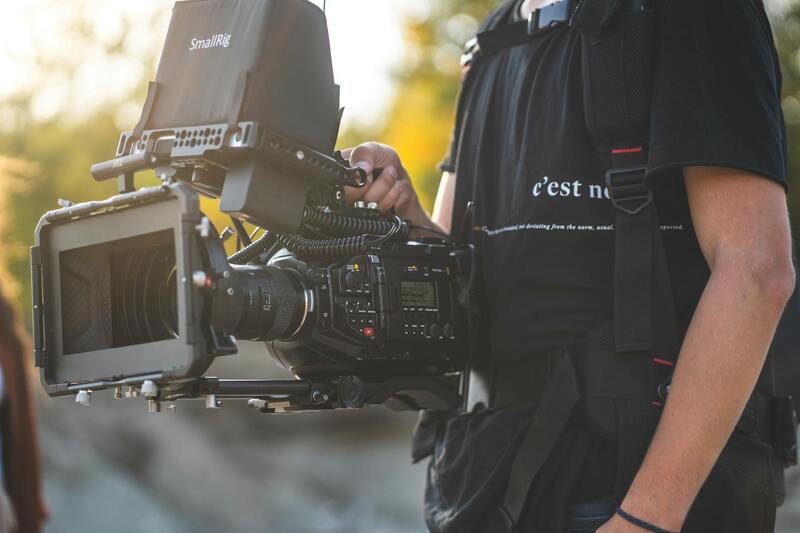
Establishing a robust technical setup is essential for delivering seamless streaming video production. The core hardware components include professional-grade cameras capable of capturing high-definition video, which serve as the foundation for high-quality broadcasts. These cameras should be equipped with features like optical zoom, low-light performance, and interchangeable lenses to adapt to various environments and production needs.
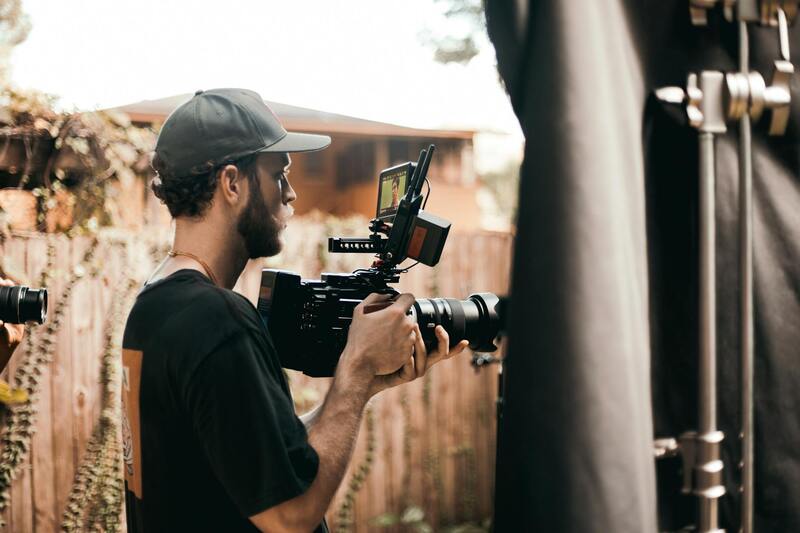
Complementing the cameras, high-quality audio equipment such as condenser microphones, wireless lapel mics, and audio mixers ensure clear sound reproduction critical for engaging live content. Proper audio balance and minimal background noise contribute significantly to viewer experience and professionalism.
Choosing the right streaming platform is equally important. Platforms should support the intended broadcast scale, offer reliable connectivity, and provide features like multi-bitrate streaming, real-time analytics, and audience engagement tools. Compatibility with hardware encoding devices and ease of integration with content management systems streamline workflow and reduce technical bottlenecks.
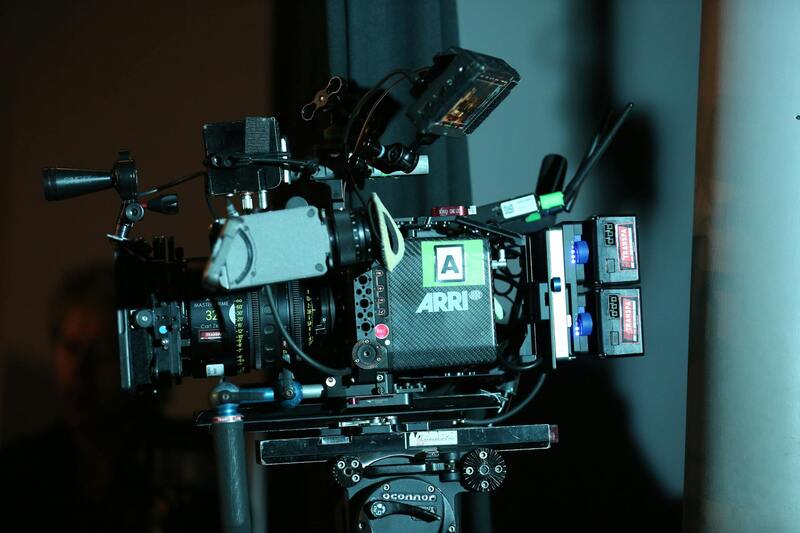
Internet connectivity is a decisive factor in streaming video production. A stable, high-bandwidth connection—preferably with a dedicated fiber optic line—is necessary to prevent interruptions. Redundant internet connections, such as failover LTE or 4G networks, provide backup in case of primary connection failure, ensuring continuous broadcast operations.
Additional Equipment and Accessories
- Video switchers for seamless multi-camera transitions.
- Matte boxes and lens filters to optimize image quality.
- Lighting kits tailored to indoor or outdoor settings, enhancing visibility and image clarity.
- Streaming encoders that convert camera signals into broadcast-compatible formats.
- Communication devices—such as intercom systems—for coordinating crew members during production.
Proper cable management and backup power supplies, including uninterruptible power supplies (UPS), help maintain uninterrupted operations, especially during critical moments of live streaming events. Ensuring that all equipment is compatible and well-maintained minimizes technical issues and fosters a smooth production flow.
Technical Setup and Equipment
Establishing an effective streaming video production requires a robust technical setup tailored to the specific demands of live broadcasting. Central to this is selecting high-quality streaming encoders, which convert video signals from cameras into digital formats suitable for live transmission. These encoders should support multiple streaming protocols and provide options for multi-bitrate streaming, enabling viewers to access the content seamlessly across various devices and network speeds.
Multi-camera setups enhance the production value, allowing for dynamic shots and professional camera switching. Video switchers facilitate smooth transitions between camera feeds, creating a cohesive viewer experience. Ensuring these switchers are compatible with the chosen encoding and distribution platforms is vital for efficient workflow.

Lighting plays a pivotal role, especially for indoor shoots or events held in low-light environments. Proper lighting kits, including key lights, fill lights, and background lighting, improve image clarity and color accuracy. For outdoor settings, weather-resistant lighting equipment and reflectors help maintain visual consistency regardless of environmental conditions.
Audio quality significantly influences viewer engagement. Professional microphones, audio mixers, and wireless systems should be employed to capture clear sound and facilitate real-time adjustments. Intercom systems enable seamless communication among production crew members, supporting coordinated operations during live streams.
Connectivity is the backbone of successful live streaming. Using high-speed internet connections, ideally dedicated fiber optic lines, ensures sufficient bandwidth for high-definition streams. Redundant internet sources, such as LTE or 4G backup connections, provide reliable failover options to prevent disruptions. Additionally, employing properly managed cables and backup power supplies, including uninterruptible power supplies (UPS), safeguards against unexpected power failures that could jeopardize the broadcast.
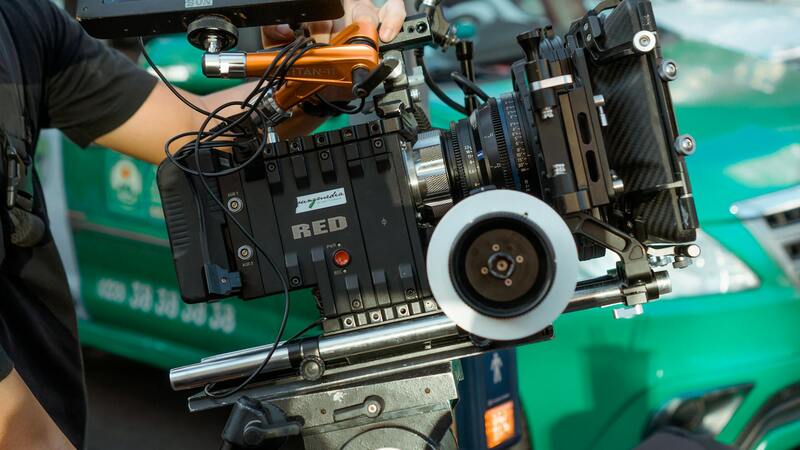
Network stability and equipment calibration are crucial, particularly during complex productions involving multiple camera angles and real-time graphics. Regular maintenance, thorough testing before the event, and detailed operational planning contribute to minimizing technical mishaps. A well-organized set-up not only enhances the technical quality but also creates a more efficient working environment for the production team.
Production Execution and Live Streaming Techniques
Executing a successful live stream involves meticulous management of various elements in real-time. A dedicated production control room equipped with a reliable switcher, streaming platform access, and monitoring tools ensures that the live broadcast remains smooth and professional. Coordinating camera operators, graphics, and audio personnel via communication systems maintains synchronization throughout the event.
Live switching allows for dynamic storytelling, engaging viewers through strategic camera angles and real-time graphics. Transition techniques, such as fade-ins, cuts, and picture-in-picture, add polish and professionalism to broadcasts. Monitoring tools continually assess stream quality and viewer engagement metrics, providing essential feedback for rapid adjustments.
Effective management of audience interactions, such as live chat moderation and real-time surveys, enhances viewer engagement and participation. Sound checks, camera calibrations, and system tests prior to the event are critical to address potential issues upfront. During the broadcast, a dedicated team should be ready to troubleshoot technical problems immediately, minimizing disruptions.
Employing crowd-sourced or dedicated multi-camera feeds and integrating live graphics help illustrate key points and maintain viewer interest. Utilizing real-time analytics allows producers to understand viewer behavior, optimize ongoing content delivery, and make data-driven decisions for future streams.
Technical Setup and Equipment
Implementing a successful streaming video production requires a comprehensive technical setup that guarantees high-quality output and seamless transmission. The foundation of this setup begins with selecting appropriate cameras capable of HD or 4K resolution to capture intricate details and deliver a professional viewing experience. Camera choices should include models with excellent low-light performance and reliable autofocus, especially when capturing dynamic live events in varying lighting conditions.
Complementing the cameras are robust audio systems, which include wireless microphones, lavalier units, and sound mixers. Clear, noise-free audio is essential as it significantly impacts viewer retention and engagement. Proper placement of microphones and sound checks before the event help prevent audio distortions or feedback issues during the broadcast.
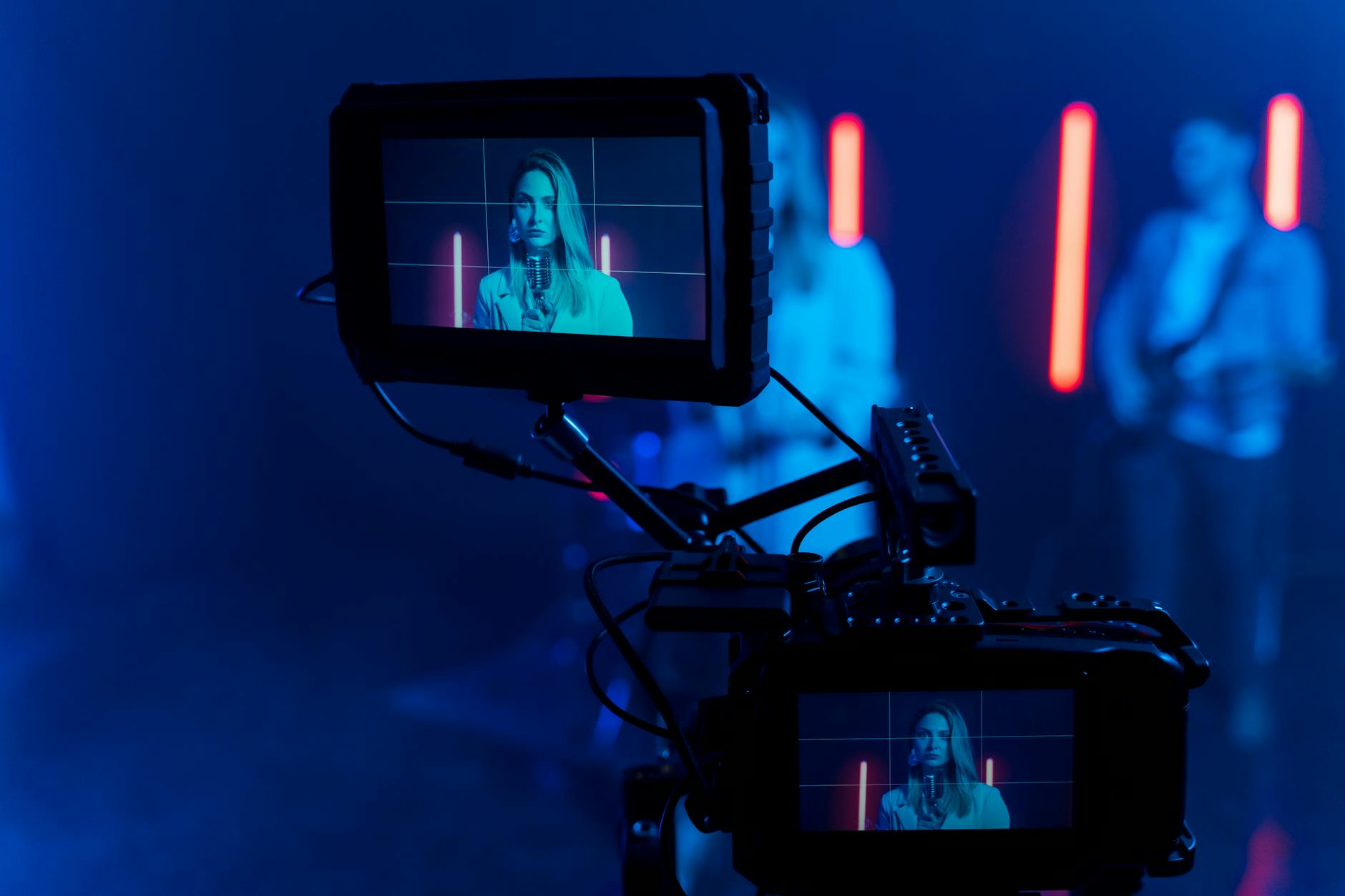
Next, video switchers or production consoles facilitate real-time switching between different camera feeds, graphics, and multimedia elements. These devices offer the flexibility needed to create a dynamic and engaging live broadcast. For larger or more complex productions, multiple switchers or multi-view monitors support efficient management of several feeds simultaneously.
Streaming hardware, including encoders and dedicated streaming servers, convert the video signals into compressed digital formats suitable for transmission over the internet. Hardware encoders typically provide higher stability and lower latency than software-based solutions, which is critical for professional live streaming.
Reliable internet connectivity is paramount. A dedicated high-speed fiber-optic internet connection with sufficient upload bandwidth minimizes buffering and stream interruptions. Redundancy plans, such as backup internet sources or failover systems, safeguard against potential disconnections, ensuring continuous broadcast even in case of technical failures.
Monitoring tools and real-time analytics platforms should be integrated into the setup to observe stream quality, viewer metrics, and engagement data. These tools enable operators to make immediate adjustments if issues arise and help tailor future broadcasts based on audience behavior.

Production Execution and Live Streaming Techniques
Executing a professional live stream involves precise coordination among the technical team, camera operators, and content creators. During the broadcast, live switching between camera angles, overlays, and graphics creates a dynamic viewing experience that maintains audience interest. Using smooth transitions like fades, cuts, or picture-in-picture features can enhance storytelling clarity and visual appeal.
Effective use of on-screen graphics provides context, branding, and information to viewers, such as lower thirds, timers, or event titles. These elements should be integrated seamlessly to avoid distraction, while graphic templates can be pre-designed for quick deployment during the broadcast.
Sound control remains a crucial element throughout. Employing audio mixers keeps sound levels balanced across multiple sources, ensuring commentary, music, and ambient noise are properly relayed. Real-time audio monitoring allows production teams to address issues immediately, maintaining clarity and professionalism.
Engagement features like live chat moderation, polls, and viewer surveys foster interaction, making viewers feel involved and encouraging their participation. These interactions can be integrated into the broadcast through overlays or on-screen prompts, creating a two-way communication stream that enhances overall experience.
Technical readiness is essential. Final system tests—including internet stability checks, audio and video calibration, and equipment diagnostics—must be conducted prior to the event. During the live stream, dedicated technical personnel should monitor stream health, troubleshooting issues as they arise to prevent disruptions.
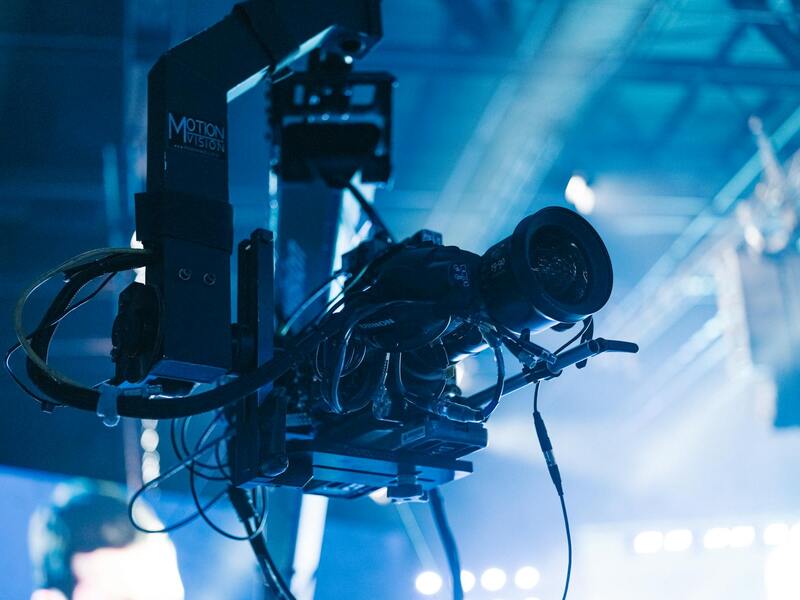
City-Specific Considerations for Miami Productions
When orchestrating a streaming video production within Miami, a thorough understanding of local considerations is vital to ensure a smooth process. Miami's vibrant and diverse venues offer unique opportunities to create compelling live or recorded content. Selecting an appropriate venue involves evaluating factors such as space capacity, technical infrastructure, acoustics, and accessibility, all of which influence production quality and logistical planning.
Obtaining necessary permits and adhering to local regulations forms a core aspect of production planning. Different venues may require specific permissions for live broadcasting, equipment setup, and crowd management. Engaging with local authorities or venue management early ensures compliance and avoids potential delays or disruptions.
Partnering with Miami-based technical teams offers distinct advantages, including familiarity with regional infrastructure, local talent, and vendor networks. These experts can streamline coordination, troubleshoot region-specific challenges, and facilitate seamless integration with local service providers. For instance, understanding Miami’s internet infrastructure and power grid capabilities helps optimize streaming stability.
Moreover, the unique cultural and environmental context of Miami can influence production planning. Considerations such as weather conditions, especially during hurricane seasons or heavy rain periods, can affect outdoor shoots or events. Planning for contingencies, such as backup power supplies or indoor alternatives, ensures uninterrupted broadcasting regardless of weather variations.
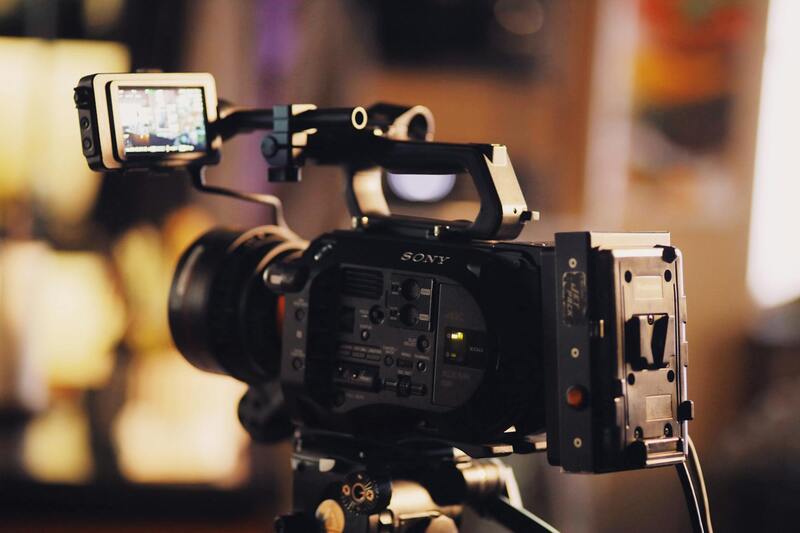
Choosing a Miami Streaming Video Production Service
Evaluating and selecting the right Miami-based streaming video production service hinges on several key criteria. A reputable provider should demonstrate extensive experience in live broadcasting, familiarity with local venues, and a solid portfolio of past projects that reflect technical skill and creative vision.
When considering a service, examine their equipment inventory, including high-definition cameras, audio systems, lighting, and reliable streaming platforms. The capacity to handle high traffic volumes and multiple feeds simultaneously is essential for larger events or multi-camera productions.
Expertise in integrating regional broadcasting standards, understanding Miami’s specific logistical challenges, and maintaining a robust support team are indicators of a service's professionalism. Additionally, transparency regarding project timeline, cost estimates, and post-production services ensures smooth collaboration.
Effective communication and a tailored approach to each client's unique needs—whether it's a corporate conference, news segment, or cultural event—are crucial. The chosen service should leverage innovative streaming techniques, such as adaptive bitrate streaming and interactive features, to enhance viewer engagement and ensure high-quality delivery across devices.
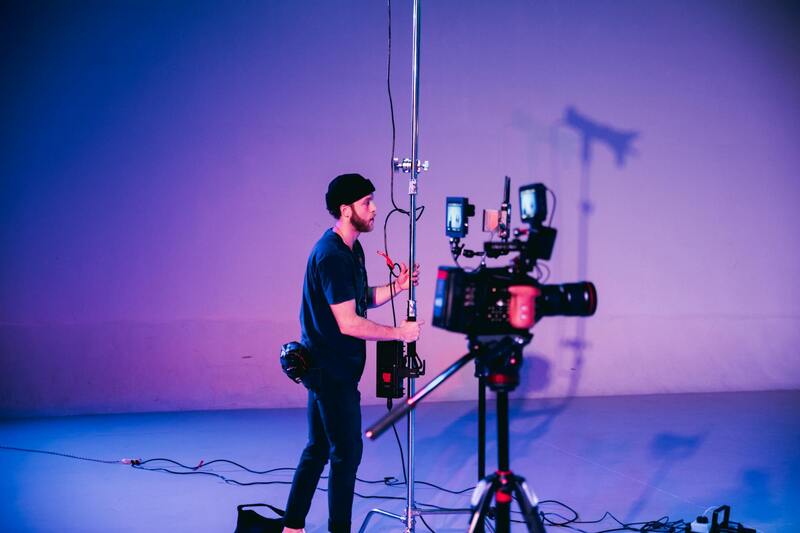
Advanced Techniques for Securing High-Quality Streaming Video Content
Achieving optimal streaming video production quality requires a focus on advanced techniques that ensure smooth delivery and viewer engagement. Implementing robust encoding protocols, utilizing adaptive bitrate streaming, and deploying multi-platform streaming solutions are essential for maintaining high standards. Proper encoding settings optimize video compression without sacrificing clarity, which reduces buffering and latency issues. Adaptive streaming dynamically adjusts video quality based on the viewer’s internet connection, ensuring continuous playback regardless of network fluctuations.
Integrating multi-platform streaming capabilities further expands reach, allowing content to be broadcast simultaneously across various devices, including desktops, smartphones, and smart TVs. For live events, deploying scalable cloud-based servers and content delivery networks (CDNs) improves global accessibility and reduces latency. Leveraging these technologies, along with reliable content management systems, helps maintain high streaming fidelity, even during peak viewer periods.
Ensuring Content Security and Copyright Compliance
Maintaining content integrity and adherence to copyright laws are critical components of professional streaming video production. Implementing secure streaming protocols, such as encrypted streams and digital rights management (DRM) systems, prevents unauthorized access and piracy. Watermarking techniques can also be employed to protect proprietary content, allowing for effective monitoring and enforcement of rights during broadcast and on-demand distribution.
Moreover, comprehensive content licensing ensures all material used complies with applicable regulations. Regular updates to security measures and licensing agreements are vital for adapting to evolving digital rights landscapes. To optimize monetization and safeguard intellectual property, producers integrate encrypted streams and secure authentication methods, which authenticate legitimate viewers and restrict unauthorized distribution.
Optimizing Viewer Engagement and Interaction
Incorporating interactive features significantly enhances viewer engagement. Real-time chat functionalities, polls, and Q&A sessions can be integrated into the streaming platform to foster audience interaction. Additionally, supporting multiple language options and custom branding during broadcasts creates a personalized viewing experience that resonates with diverse audiences.
Another key aspect is analytics tracking. Implementing live analytics dashboards provides insights into viewer behavior, engagement levels, and technical performance. These metrics enable producers to make data-driven adjustments during the broadcast and refine future content strategies, ultimately increasing viewer retention and satisfaction.
Utilizing Analytic Tools for Performance Monitoring
Comprehensive analytic tools are indispensable for evaluating the success of streaming productions. These tools gather data on viewer demographics, peak viewing times, and device preferences, enabling producers to tailor content delivery more effectively. Monitoring stream stability and bandwidth usage also helps identify potential issues before they affect the audience, facilitating rapid troubleshooting and ensuring consistent quality.
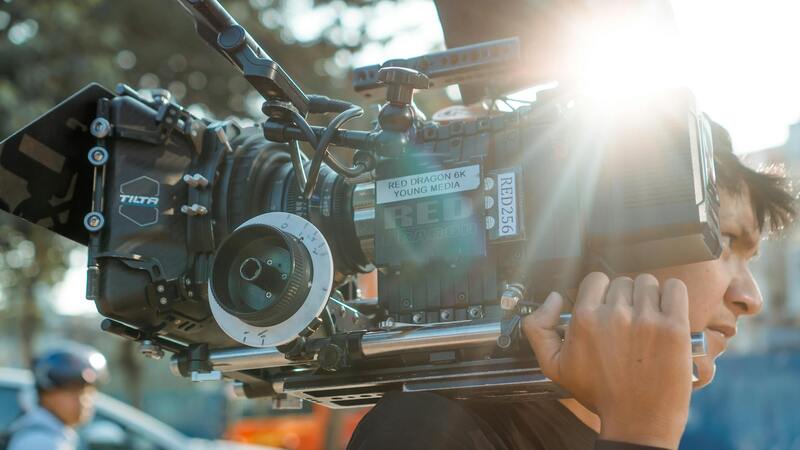
Advanced analytics platforms often include heatmaps and engagement metrics that highlight which sections of the content are most interacted with. This information guides content creators in optimizing future broadcasts, refining interactive features, and enhancing overall viewer experience. Additionally, integrating feedback mechanisms post-broadcast helps collect qualitative data, further informing production improvements and strategic planning for ongoing streaming initiatives.