Overview of Broadcast Streaming Companies
Broadcast streaming companies play a vital role in delivering live and on-demand content across various platforms, ensuring seamless viewing experiences for audiences both locally and globally. These organizations specialize in providing comprehensive solutions that cover every stage of content delivery, from capturing footage to broadcasting it over the internet with high-quality resolution and reliability. They serve a diverse array of clients including corporate entities, entertainment venues, sports organizations, and educational institutions, catering to events ranging from conferences and concerts to sports tournaments and live seminars.
As the digital landscape continues to evolve, the demand for professional broadcast streaming services has surged. Customers increasingly expect smooth, interruption-free streams capable of reaching broad audiences without latency issues. This demand necessitates that broadcast streaming companies employ cutting-edge technology, skilled personnel, and innovative strategies to ensure optimal content delivery. They act as the technical backbone for live events and on-demand media, providing vital support in event production, content management, and distribution. Their expertise ensures that broadcasters can focus on their core content while relying on specialists to handle the technical complexities of streaming.

In essence, broadcast streaming companies are essential partners in the modern media ecosystem, bridging the gap between content creators and audiences. Their capacity to tailor solutions to the unique requirements of each client fosters an environment where live and on-demand content can thrive, delivering engaging experiences that foster connection and engagement across diverse viewer bases.
Services Offered by Broadcast Streaming Companies
- Live Event Streaming: Covering concerts, sports events, conferences, and ceremonies with real-time broadcast capabilities.
- On-Demand Streaming: Creating accessible video libraries for users to view content at their convenience.
- Content Encoding and Transcoding: Ensuring videos are compatible across multiple devices and platforms through high-quality encoding techniques.
- Multi-Platform Distribution: Delivering content seamlessly across websites, social media, mobile apps, and dedicated streaming channels.
- Technical Support and Monitoring: Providing real-time oversight to identify and address streaming issues promptly.
- Integrated Content Management: Managing video assets, metadata, and rights to streamline publishing and access.
Technologies and Equipment Used in Broadcast Streaming
Modern broadcast streaming relies on sophisticated hardware and software to deliver high-quality streams. Essential equipment includes high-definition cameras, professional audio systems, encoders, and servers for content storage and delivery. Advanced streaming platforms utilize adaptive bitrate streaming technology, which adjusts video quality based on viewer bandwidth to prevent buffering. Cloud infrastructure and global content delivery networks (CDNs) significantly enhance accessibility and reduce latency, ensuring viewers receive a smooth experience regardless of location. Additionally, monitoring tools continuously track stream health, providing essential feedback to streaming operators.

Factors to Consider When Choosing a Broadcast Streaming Company
Selecting the right broadcast streaming partner involves assessing several critical factors. It is essential to evaluate their technical capabilities and equipment quality to guarantee high-definition delivery. Experience in handling similar events and content types ensures the company can meet specific project requirements. Reliability and reputation within the industry are indicators of consistent performance and professionalism. Additionally, understanding their customer support structure and responsiveness can save valuable time during live events. Cost structure and transparency also play a significant role, enabling organizations to plan effectively for their streaming needs.
Another important aspect is their ability to customize solutions based on content and audience size. The company's familiarity with local infrastructure and compliance with regional regulations further enhance their suitability for Miami-based projects. The integration of advanced analytics can also provide insights into viewer engagement, assisting in gauging the success of streamed content and planning future events accordingly.
Technologies and Equipment Used in Broadcast Streaming
Understanding the modern broadcast streaming landscape involves recognizing the sophisticated technologies and equipment deployed by leading companies. These elements are fundamental in delivering seamless, high-quality live content that meets the demands of diverse audiences and event types.
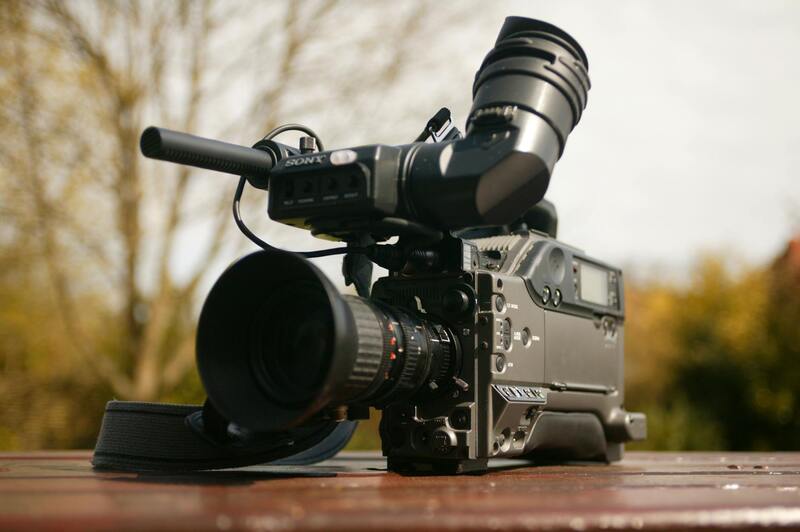
At the core of a broadcast streaming setup are high-definition (HD) encoders, which convert raw video signals into digital streams suitable for internet transmission. These encoders support multiple input formats and resolutions, ensuring flexibility across various event types—from small corporate conferences to large-scale concerts.
Video switchers facilitate real-time management of multiple camera feeds, allowing operators to seamlessly switch angles, add overlays, or incorporate graphics, creating a professional viewing experience. The stability and low latency of these devices are critical, especially during live broadcasts where timing and precision are paramount.
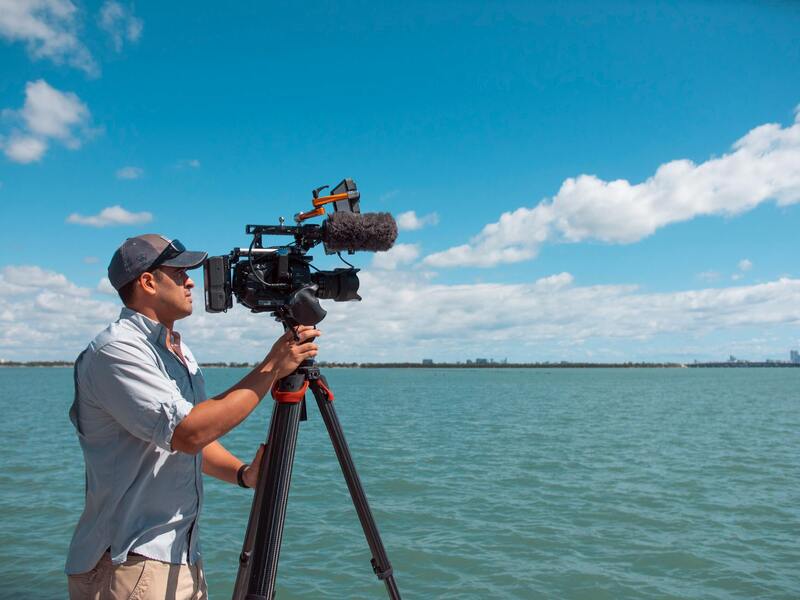
A reliable internet connection is essential for high-quality streaming. Broadcast companies employ dedicated internet circuits, often leveraging fiber-optic networks to ensure minimal latency and ample bandwidth. Redundant network pathways are typically integrated to maintain stream continuity in case of a connection failure. Advanced routing equipment and load balancers optimize network traffic, preventing disruptions during live events.
Additional hardware such as remote cameras, PTZ (pan-tilt-zoom) units, and wireless video transmission systems expand coverage, especially for events spread across large venues or outdoor locations. Coupled with professional audio equipment and mixing consoles, these setups facilitate synchronized, crisp audio and clear visuals vital for engaging broadcasts.
On the software front, encoding and streaming platforms offer features like adaptive bitrate streaming, latency optimization, and real-time analytics. These tools enhance viewer experience by reducing buffering, tailoring stream quality to viewer bandwidth, and providing immediate feedback on stream health and engagement metrics.
Furthermore, production control rooms equipped with multi-view monitors, live editing software, and collaboration tools enable the production team to orchestrate complex broadcasts efficiently. This integrated approach ensures that Miami-based events are delivered with precision, consistency, and a high level of professionalism.
Technologies and Equipment Used in Broadcast Streaming
Implementing top-tier broadcast streaming solutions necessitates advanced technologies and sophisticated equipment that guarantee high-quality delivery and seamless viewing experiences. Broadcast streaming companies utilize a blend of hardware and software tools tailored to meet the demands of live events, corporate broadcasts, sports coverage, and other large-scale productions.
Central to these operations are encoders—devices or software that convert raw video and audio signals into compressed digital streams suitable for online transmission. Professional-grade encoders support multiple inputs, adaptive bitrate streaming, and multi-bitrate output options, ensuring viewers can enjoy consistent quality regardless of their internet speed.
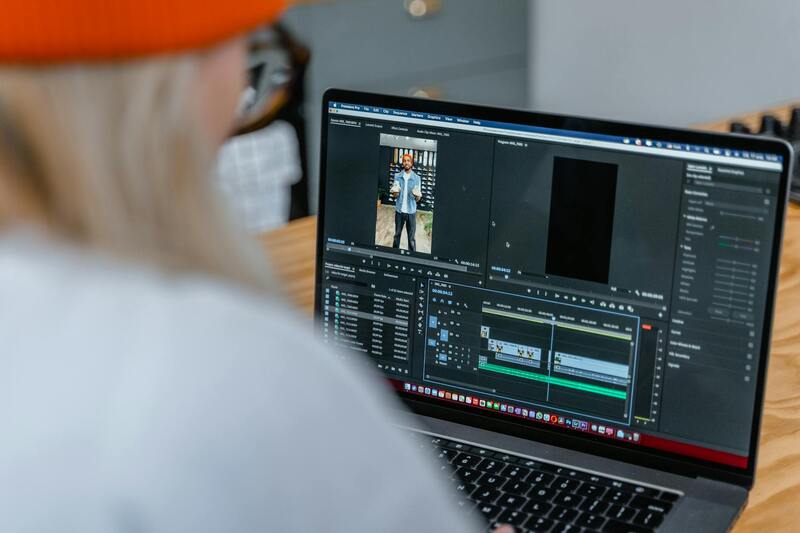
Video capture devices such as high-definition cameras, PTZ units capable of remote pan, tilt, and zoom adjustments, and wireless transmission tools facilitate comprehensive coverage. These devices are often integrated with video switchers and mixers to allow real-time switching between multiple camera feeds, enabling dynamic broadcast presentations.
In addition, production control rooms are equipped with multi-view monitors, professional audio mixing consoles, and advanced graphics systems to enhance visual storytelling. Live editing software supports real-time scene adjustments, overlays, and transitions, providing a polished broadcast output. For outdoor or large venue events, remote camera systems and mobile broadcasting units extend reach and flexibility.
Reliability is reinforced through redundant hardware components, including backup servers, power supplies, and network pathways, which are critical for uninterrupted streaming. Wireless uplinks and fiber-optic connections further secure high-capacity bandwidth that sustains live streaming without latency or buffering issues.
On the software side, content management platforms enable pre-programming of content schedules, content archiving, and viewer analytics. Adaptive streaming protocols like HLS (HTTP Live Streaming) and MPEG-DASH dynamically adjust stream quality according to viewer bandwidth, optimizing the experience for a wide audience base.
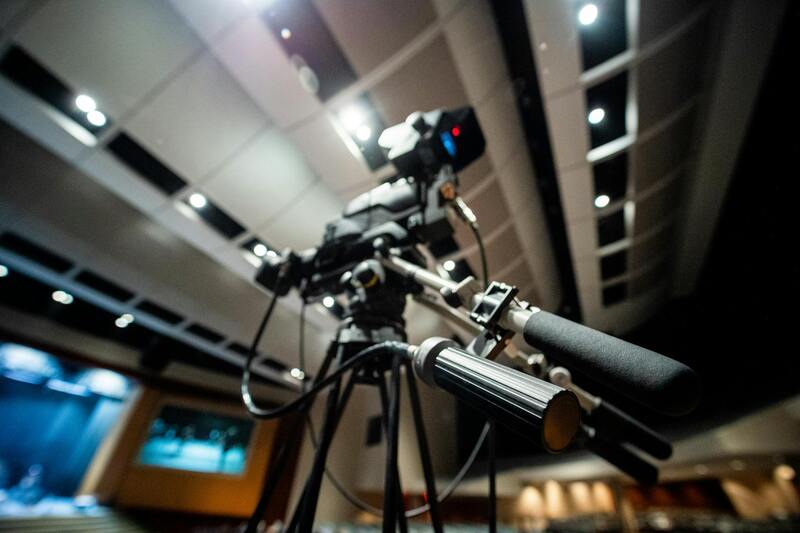
In essence, a combination of robust hardware, advanced software, and network infrastructure forms the backbone of professional broadcast streaming. These elements work collectively to deliver crystal-clear visuals, synchronized audio, and dependable streams, all essential for the success of live events and broadcasts managed by Miami-based companies.
Technologies and Equipment Used in Broadcast Streaming
Broadcast streaming companies leverage state-of-the-art hardware and software solutions to deliver seamless live content across diverse platforms. The backbone of high-quality streaming begins with professional-grade encoders and decoders, which compress and decompress audio-visual signals in real time, ensuring minimal latency and optimal picture quality. These encoders are capable of supporting multiple input sources, including cameras, microphones, and graphic overlays, facilitating a cohesive broadcast output.
High-definition cameras equipped with fiber-optic or SDI outputs form the core imaging technology. These cameras are often paired with remote-control systems that allow operators to adjust focus, zoom, and other settings remotely, ensuring the flexibility needed for dynamic live events. Complementing camera technology are advanced switching desks—either hardware-based or software-driven—that enable operators to transition smoothly between different video sources, create picture-in-picture displays, and integrate overlay graphics.

Network infrastructure plays a pivotal role. High-capacity fiber-optic internet connections, redundant bandwidth setups, and wireless uplinks guarantee reliable data transmission without interruptions. These network solutions are calibrated to support adaptive bitrate streaming protocols such as HLS (HTTP Live Streaming) and MPEG-DASH, which dynamically adjust video quality based on viewer bandwidth, enhancing clarity and reducing buffering issues.
On the software front, production and content management platforms automate scheduling, encoding, and distribution tasks. These programs facilitate pre-programmed content playlists, live stream overlays, ad insertions, and real-time analytics, providing producers with comprehensive control over the broadcast. Emerging streaming software also integrates automation features that optimize workflows, allowing seamless transitions between live segments and pre-recorded content.
Additional hardware includes audio mixing consoles, ensuring pristine sound quality across all transmitted content. Professional audio equipment captures, processes, and synchronizes sound, delivering a balanced, clear audio experience. Graphics systems, such as advanced chroma key setups and real-time graphic overlays, enhance visual appeal, especially for sports, news, and corporate broadcasts.
Emerging Technologies in Broadcast Streaming
- 4K and 8K Ultra HD broadcasting for sharper visuals
- Cloud-based streaming services for scalable distribution
- Artificial Intelligence-driven production tools for automated editing and content moderation
- Virtual and augmented reality integrations to enhance viewer engagement
- Edge computing technologies to process data closer to the broadcast source, reducing latency
These advanced hardware and software solutions collectively ensure that Miami broadcast streaming companies can deliver high-quality, reliable live content tailored to the specific needs of each event. Investing in the right combination of equipment and technological expertise is vital for producing broadcasts that meet the expectations of modern audiences, whether for large-scale concerts, sporting events, or corporate conferences.
Technologies and Equipment Used in Broadcast Streaming
State-of-the-art broadcast streaming companies leverage a combination of advanced hardware and software to ensure seamless, high-quality live content delivery. These technologies are critical in meeting the demanding standards of modern live events, whether they involve large audiences or sophisticated corporate presentations. High-definition cameras, including 4K and 8K models, are a foundational component, capturing crystal-clear visuals that satisfy the viewers' expectation for sharp, detailed imagery. These cameras are often equipped with remote control capabilities, enabling operators to adjust angles, zoom, and focus in real time, ensuring dynamic coverage of fast-moving events.
Audio fidelity plays a vital role in live broadcasts. Professional audio mixing consoles, equipped with multiple channels, allow sound engineers to meticulously balance, process, and synchronize audio inputs from various sources. This process guarantees clear dialogue, balanced background music, and ambient sounds, ultimately providing an immersive experience for viewers across different platforms. Complementing these are high-quality microphones and digital signal processors that reduce noise and improve sound clarity even in challenging acoustic environments.
Graphics systems are another technological pillar. Advanced chroma key setups enable virtual backgrounds and immersive visual effects, especially useful in news broadcasting, sports, and virtual event production. Real-time graphic overlay software allows for dynamic titling, branding, event information, and social media integration, enhancing viewer engagement. These systems support rapid transitions and customized layouts tailored to different broadcast needs.
Emerging Technologies in Broadcast Streaming
- 4K and 8K Ultra HD broadcasting: Delivering exceptional visual clarity for large screens and detailed viewing experiences.
- Cloud-based streaming services: Offering scalability, redundancy, and flexible content management without substantial on-site infrastructure.
- Artificial Intelligence-driven production: Automating editing processes, content moderation, and real-time analytics for optimized broadcasts.
- Virtual and augmented reality integrations: Engaging viewers with immersive environments and interactive content during live events.
- Edge computing technologies: Processing data closer to the event source to minimize latency and ensure stable streaming, even in remote locations.
Implementing these cutting-edge solutions allows broadcast streaming companies in Miami to deliver visually stunning, reliable live content suitable for diverse and demanding audiences. Investing in the appropriate hardware and staying current with technological advancements are essential for producing memorable, high-impact events that stand out in competitive markets.
Factors to Consider When Choosing a Broadcast Streaming Company
Selecting the right broadcast streaming company for your Miami-based event or project involves evaluating multiple critical factors to ensure seamless delivery and optimal audience engagement. A professional company should demonstrate expertise in live content delivery, technological capability, and a thorough understanding of the specific needs of Miami’s diverse and dynamic market. Here are key considerations to guide your decision-making process:
Technical Expertise and Experience
Assess the company's track record in handling similar broadcasting projects, particularly those within the Miami locale or comparable markets. Proven experience demonstrates familiarity with local infrastructure, potential challenges, and the nuances of regional viewer preferences. An adept broadcast streaming partner should have a team with a robust background in live production, troubleshooting, and real-time problem resolution.
Technological Capabilities
- Advanced equipment: Ensure the company utilizes state-of-the-art hardware, such as high-definition cameras, professional switchers, and reliable encoders that support high-quality streams.
- Streaming protocols: Confirm their proficiency with multiple streaming standards including RTMP, HLS, and MPEG-DASH, enabling compatibility across various platforms and devices.
- Scalability: The capacity to manage increased viewer loads during high-profile events without compromising stream stability is crucial in Miami’s bustling entertainment scene.
- Redundancy and failover systems: A competent company incorporates backup solutions to prevent streaming interruptions caused by technical failures.
Customization and Flexibility
Every event or project has unique requirements. Select a company capable of tailoring content layouts, adding branding elements, and integrating interactive features like live chat or social media feeds. Flexibility in adjusting streaming parameters ensures your broadcast aligns with your specific objectives.
Local Support and Availability
Proximity to Miami facilitates more immediate support and onsite assistance during live events. A broadcast streaming company with local technicians and coordinators contributes to smoother operations and rapid resolution of unforeseen issues. Their understanding of Miami's infrastructure and regulatory environment also enhances the overall quality of the broadcast.
Cost and Contract Terms
Clear pricing structures, detailed service agreements, and transparent terms are essential. Avoid companies that lack clarity on deliverables or impose hidden charges. Request detailed proposals that specify equipment, personnel, support services, and post-broadcast analytics or reports.

When evaluating potential partners, consider their ability to support your long-term vision. Do they provide ongoing support, maintenance, and updates? Are they proactive in advising on the latest streaming innovations that could benefit your events?
By meticulously analyzing these factors, Miami-based organizations can establish a partnership with a broadcast streaming company capable of elevating their digital presence, engaging audiences effectively, and ensuring broadcast reliability during critical moments. A strategic choice in this domain can significantly enhance brand reputation and viewer loyalty in an increasingly competitive environment.
Advanced Strategies for Seamless Broadcast Streaming in Miami
Prioritizing Network Infrastructure and Connectivity
One of the foremost considerations when executing broadcast streaming for Miami-based events is ensuring robust network infrastructure. Reliable internet connections with sufficient bandwidth are essential to prevent interruptions, latency, or buffering issues during live broadcasts. Many broadcast streaming companies employ dedicated fiber optic lines or enterprise-level internet solutions tailored for high-demand streams. These setups not only provide high-speed data transfer but also offer redundancy options, ensuring contingency plans are in place should primary connections falter. A company’s ability to leverage cutting-edge networking technology directly correlates with stream stability and the overall viewer experience.

Utilizing Cloud-Based Solutions for Flexible Broadcast Management
Cloud integration has revolutionized the way broadcast streams are managed and distributed. Many companies operating in Miami utilize cloud platforms for encoding, transcoding, and content delivery, which enable flexibility and scalability for diverse event types. Cloud-based workflows facilitate remote monitoring and management, reducing the need for on-site hardware and enabling real-time adjustments. They also support multi-platform streaming, allowing content to reach audiences seamlessly across social media, web portals, and other digital channels. This approach enhances operational efficiency and ensures that streams are adaptable to changing viewer demands during live events.
Implementing Advanced Encoding and Compression Technologies
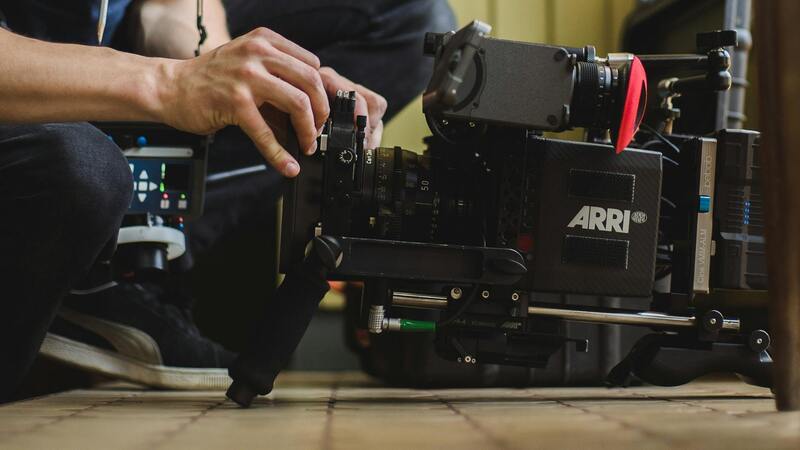
High-quality video delivery hinges on sophisticated encoding and compression technologies. Broadcast streaming companies invest in hardware and software that utilize codecs such as H.264 and HEVC (H.265) to optimize video quality while minimizing bandwidth usage. These technologies allow live streams to retain clarity and detail, even in environments with variable network conditions. For Miami events, where diverse venues and connectivity scenarios exist, this adaptive encoding ensures consistent streaming performance. Additionally, multi-bitrate streaming strategies facilitate device-specific optimization, enhancing accessibility and viewing experience across smartphones, tablets, and desktops.
Employing Skilled Technical Teams and Real-Time Monitoring
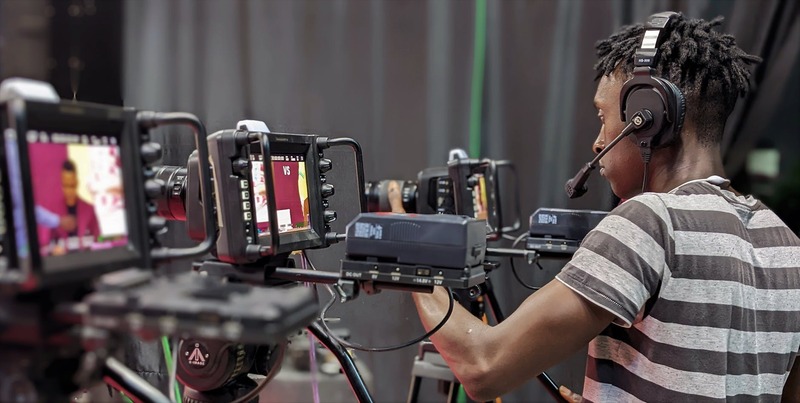
Operational excellence in live broadcast streaming is driven by a team of seasoned technicians capable of responding swiftly to technical challenges. Miami-based companies often assemble multidisciplinary teams, including engineers, camera operators, and support staff, who work collaboratively to execute flawless streams. Continuous real-time monitoring of signal quality, audio synchronization, and stream integrity is standard practice. This vigilant oversight enables immediate troubleshooting, minimizes disruptions, and ensures the broadcast adheres to the strict quality standards required for high-stakes events. The presence of local technical expertise allows for rapid on-site intervention when necessary, contributing to the success of complex live productions.
Key Strategies for Selecting a Reliable Broadcast Streaming Company in Miami
Choosing the right broadcast streaming company in Miami requires a strategic approach that emphasizes proven practices, cutting-edge technology, and an understanding of the local media landscape. To ensure a successful live broadcast, Miami-based production teams should focus on companies that utilize advanced encoding techniques, such as H.264 and HEVC (H.265), which are industry standards for delivering high-quality video content efficiently. These codecs enable the transmission of clear, detailed live streams across diverse network conditions, ensuring viewers experience minimal buffering and maximum visual fidelity regardless of their internet speeds.
Beyond the codec technology, assessing a company's hardware infrastructure is critical. Top-tier broadcast streaming firms invest in professional-grade cameras, encoders, and switches, as well as redundant server setups that guarantee uptime during live events. Cloud-based solutions are increasingly integrated into Miami companies’ workflows, providing scalability and flexibility for large-scale streams. Additionally, employing adaptive bitrate streaming ensures viewers receive the most appropriate quality based on their device and network capabilities, promoting a broader audience reach.

Evaluating Technical Support and Real-Time Monitoring Capabilities
Operational excellence in live broadcasts hinges on the expertise and responsiveness of the technical support team. Reputable companies maintain highly trained staff capable of performing real-time monitoring, troubleshooting, and immediate resolution of issues as they arise. This continuous oversight covers video and audio synchronization, signal integrity, and overall stream stability. Local teams possess the advantage of rapid onsite intervention, which significantly reduces downtime and mitigates potential disruptions during high-profile events.
- Deployment of sophisticated monitoring software for live quality assurance
- Instant troubleshooting protocols for stream interruptions
- On-site technical personnel familiar with Miami's event venues and infrastructure
Ensuring Compatibility with Local Venues and Audience Needs
Miami’s diverse venues, from waterfront conference centers to historic theaters, require a broadcast streaming partner that can adapt to varied environments. Companies adept at configuring their hardware for specific venues ensure optimal connectivity and signal strength. Furthermore, with Miami’s vibrant multicultural audience, delivering streams that are compatible across multiple devices—smartphones, tablets, desktops—maximizes engagement. Multi-bitrate streaming strategies, combined with dynamic encoding, cater to different viewer preferences and network conditions, ensuring everyone receives a seamless viewing experience.

Cost-Effectiveness and Transparent Pricing Models
While quality remains paramount, the financial aspect of broadcast streaming services should also be considered. Leading companies in Miami typically offer transparent pricing packages tailored to specific event needs. These models often include options for on-site production, cloud streaming, and post-event archiving. Flexible billing options allow clients to scale services up or down, aligning budget constraints with technological requirements. Detailed quotations that outline equipment, personnel, and bandwidth costs enable inclusive planning without unwelcome surprises.
Enhancing Audience Engagement and Interactive Features
Modern broadcast streaming companies incorporate interactive elements such as live chat, polls, and social media integration, enriching the viewer experience. For Miami events that target diverse and widespread audiences, these features foster participation and community building. Incorporation of real-time analytics facilitates monitoring viewer engagement, allowing organizers to adjust content or delivery methods accordingly. An experienced team can also implement multi-platform distribution, ensuring content reaches audiences via social media channels, websites, and dedicated apps for maximum exposure.