Overview of Live Stream Video Production
Live stream video production has become a pivotal element in the way organizations, event organizers, and content creators deliver real-time visual content. This process involves capturing high-quality video footage, managing live audio, and broadcast transmission to a target audience via internet platforms. The significance of this technology is especially prominent in Miami, a vibrant hub for corporate events, entertainment, and digital marketing campaigns. As businesses and creators seek to engage audiences instantaneously, the demand for seamless and professional live streaming solutions continues to grow.
Live stream video production encompasses everything from initial planning and setup to execution and post-broadcast analysis. It ensures that live content reaches viewers with clarity, stability, and professional-grade visuals — attributes essential for maintaining credibility and maximizing viewer engagement. Whether hosting a large corporate conference, a music festival, or an exclusive product launch, live streaming enables real-time interaction and broadens reach without geographic limitations. This capability makes live stream production an invaluable tool for organizations aiming to enhance brand visibility, generate leads, or provide immersive experiences.
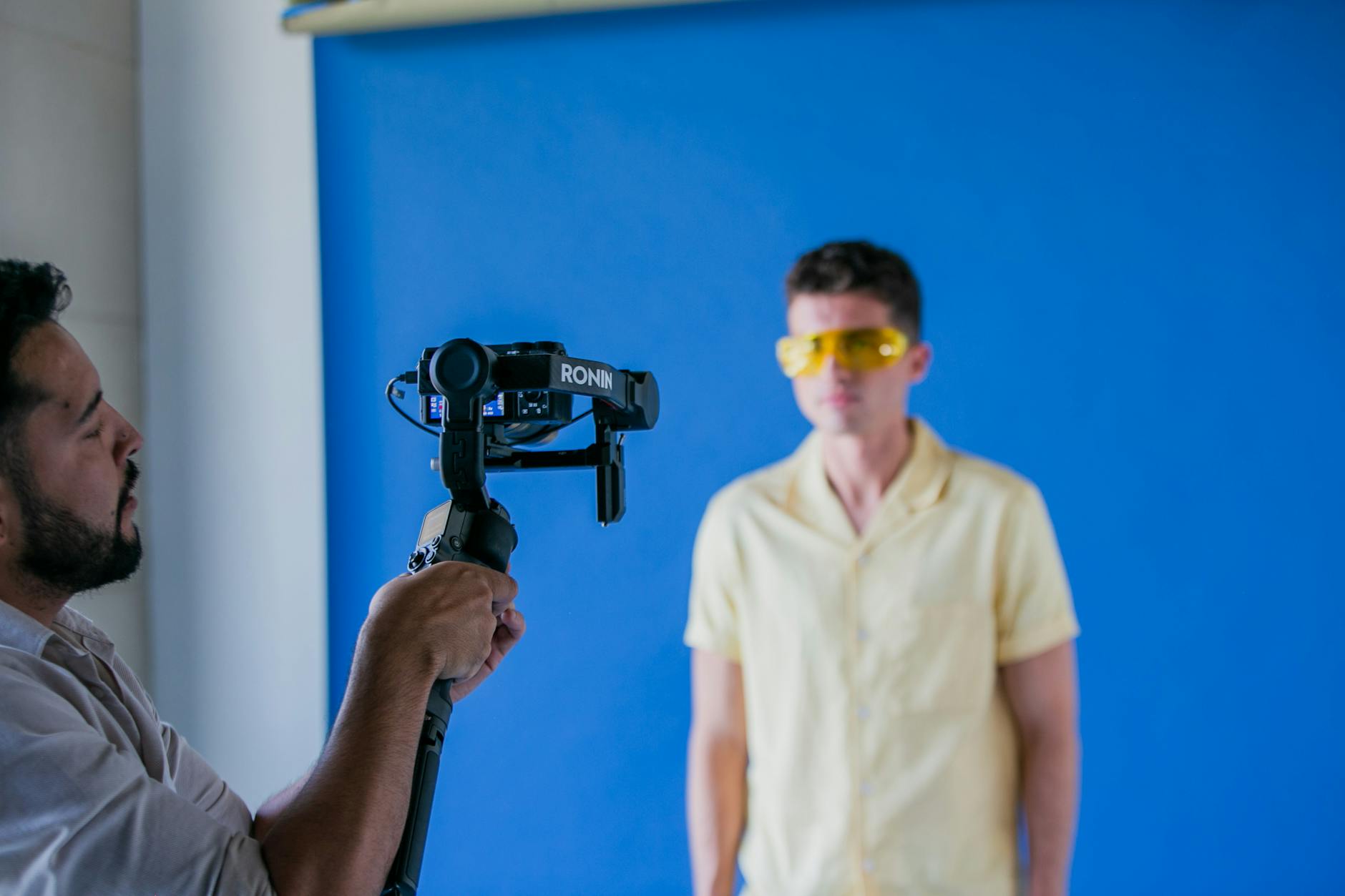
In Miami, a city known for its dynamic culture and thriving business scene, professional live stream video production plays a crucial role in connecting audiences worldwide. From waterfront corporate galas to fashion shows and cultural festivals, high-caliber live streaming setups deliver spectacular visual content that captures the essence of the event while providing viewers with an immersive experience. As digital consumption continues to grow, the capability to produce engaging, professional live broadcasts becomes an essential component for success across numerous sectors.
Investing in live stream video production not only enhances event reach but also sets a standard for contemporary digital communication. With targeted marketing and real-time engagement, organizations can amplify their messaging, strengthen relationships with global audiences, and retain competitive advantages in their respective fields. The importance of meticulous planning, state-of-the-art technology, and expert execution ensures that every live broadcast in Miami meets the highest expectations for quality and reliability, making live stream video production a cornerstone of modern digital strategy.
Pre-Production Planning and Strategy
Successful live stream video production begins with meticulous pre-production planning. This phase involves defining clear objectives for the broadcast, such as audience engagement, brand promotion, or event coverage. A comprehensive strategy ensures that all stakeholders are aligned on the desired outcomes, the target demographic, and key messaging points.
During this stage, detailed logistical arrangements are made, including site assessments to determine optimal camera placements, lighting setups, and acoustics. Equipment requirements are specified based on the project's scope, whether it involves a small executive webcast or a large-scale public event. Additionally, coordinators develop a detailed schedule that sequences each segment of the stream, allowing for smooth transitions and minimal downtime.
Scriptwriting and rehearsal are integral components of pre-production, especially for programs involving keynote speakers, panel discussions, or performances. These rehearsals help to identify potential technical issues and refine timing. Assigning roles—such as camera operators, audio engineers, and on-air talent—is crucial for streamlining the production process. Effective pre-planning minimizes technical glitches, enhances viewer experience, and ensures that the live broadcast aligns with the organization’s objectives.
Equipment and Technology Usage
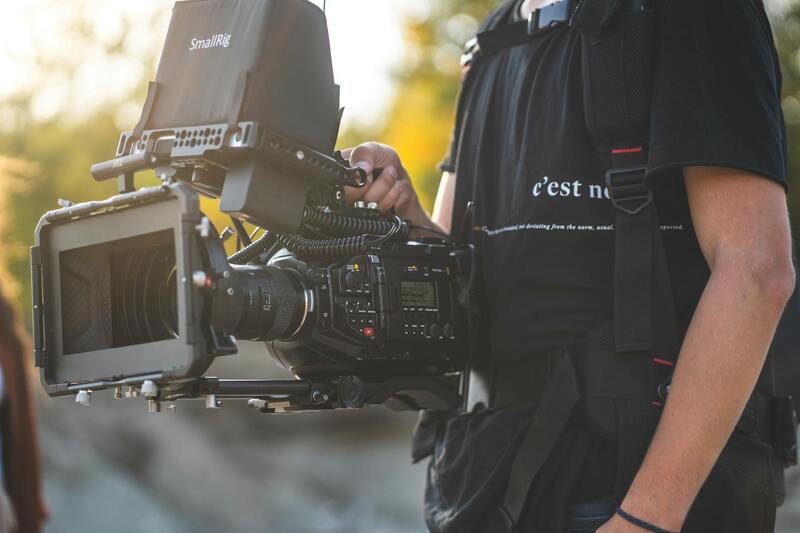
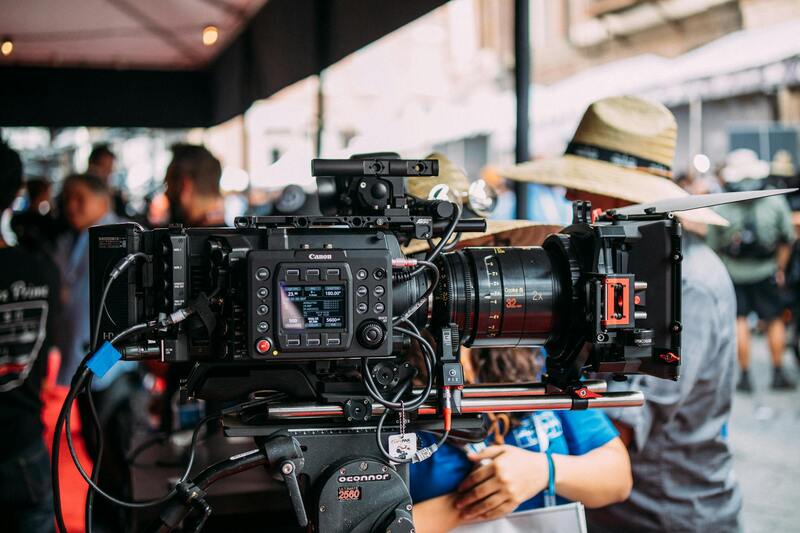
Choosing the right equipment is fundamental to delivering a professional live stream. High-definition cameras—often multi-camera setups—capture multiple angles, providing dynamic visuals that keep viewers engaged. Advanced video switchers enable real-time transitions between camera feeds, graphics, and pre-recorded content, creating a seamless viewing experience.
Audio quality is equally vital. Professional microphones, mixers, and sound processors are used to capture and optimize audio clarity, ensuring that commentary, music, and ambient sounds are balanced properly. Wireless microphones facilitate movement for presenters or performers, while on-site sound checks verify optimal audio levels before going live.
Streaming hardware and software also play a crucial role. Reliable encoders compress and transmit high-quality video data to streaming platforms with minimal latency. Popular streaming platforms may include dedicated hardware encoders or software solutions like OBS Studio or vMix, which offer real-time editing, overlays, and multi-platform distribution. These tools provide flexibility and control, allowing producers to tailor the broadcast to specific audience preferences.
Production Techniques for Live Streaming
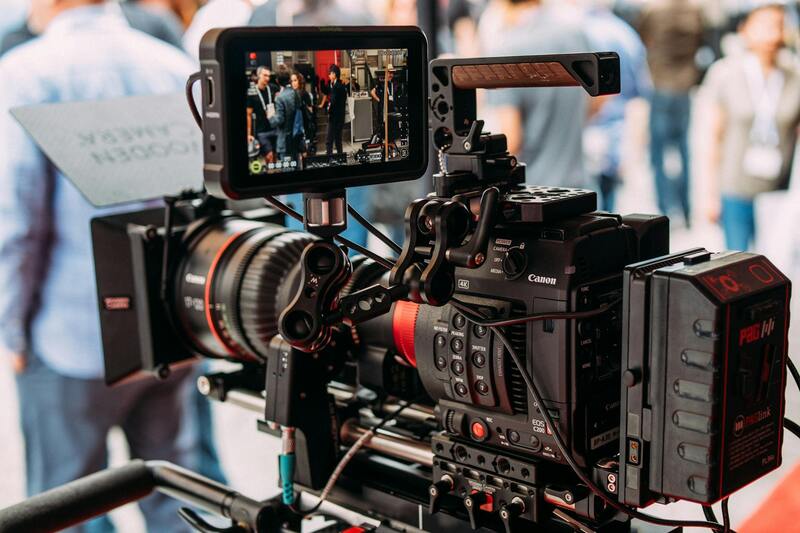
Implementing effective production techniques is essential for a polished live broadcast. Multi-camera production allows for varied shots—wide angles, close-ups, and specialty views—that cater to viewer engagement and content storytelling. Dynamic camera switching, coordinated by skilled directors, guides the audience’s focus and enhances the overall narrative flow.
Graphics, overlays, and branding elements add a professional touch. On-screen timers, lower thirds for speaker identification, and logos reinforce branding and provide context. Incorporating pre-recorded segments or B-roll footage into the live stream can diversify content and maintain viewer interest, especially during technical difficulties or transitions.
Live mixing of audio and video feeds ensures synchronization, clarity, and visual appeal. Maintaining a calm, focused director facilitates real-time problem-solving and swift adaptation to unforeseen issues.
Post-Production and Content Distribution
While live events are designed to be instantaneous, post-production editing enhances the content before dissemination. Recorded footage from the live stream can be edited to add graphics, such as titles, captions, or highlights, and then redistributed for on-demand viewing through various digital channels.
Publishing the content across multiple platforms increases reach and engagement. For instance, hosting videos on websites, social media channels, and video-sharing platforms like YouTube extends visibility beyond the live event. Analyzing viewer metrics provides insights into audience preferences, enabling future improvements to live stream strategies.
Additionally, creating highlight reels or promotional snippets from the live production can serve as valuable marketing tools to attract attention to upcoming events or reinforce branding messages.
Challenges and Solutions in Live Streaming
The live streaming process encounters various challenges, including bandwidth fluctuations, hardware failures, or unforeseen technical difficulties. Intelligent redundancy strategies are essential. This involves using backup internet connections, having spare equipment on-site, and preparing contingency plans for common issues.
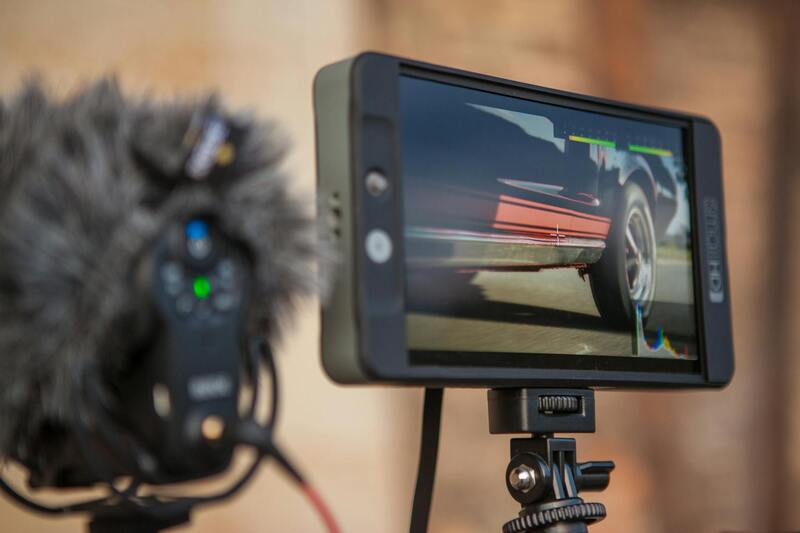
Real-time monitoring of stream health is crucial. Dedicated technicians observe signal integrity, video quality, and audio synchronization throughout the broadcast. If issues arise, swift communication among team members ensures immediate corrective action, minimizing disruption.
Advanced encoding solutions and adaptive bitrate streaming techniques allow broadcasts to adjust quality dynamically based on viewers' internet speed, reducing buffering and frame drops. Proper training and extensive rehearsals also mitigate risks, enabling the crew to respond effectively during the live event.
Choosing a Miami Live Stream Production Partner
Selecting a reliable production partner in Miami requires evaluating their technical expertise, experience, and client references. Proven capabilities in managing various event types—corporate, entertainment, or religious—demonstrate versatility and competence. Ensuring that the team has access to cutting-edge equipment and a deep understanding of local infrastructure supports seamless execution.
It’s vital to confirm that the provider offers comprehensive pre-event planning, on-site technical support, and post-event content management. Transparent communication and detailed proposals help organizations align expectations and budget considerations. Partnering with experienced professionals guarantees a high-quality, engaging live streaming experience that effectively communicates the intended message to audiences near and far.
Key Components of Live Stream Production
Technical Setup and Configuration
Establishing a robust technical setup is fundamental for successful live stream video production. This involves selecting appropriate hardware such as high-definition cameras, professional-grade microphones, and reliable encoders. Encoders play a critical role in converting raw footage into a digital format optimized for streaming, with options ranging from hardware units to software solutions that run on dedicated servers or cloud platforms. Ensuring compatibility across these devices facilitates smooth data flow and minimizes latency.

Configuration management encompasses setting optimal resolutions, frame rates, and bitrate parameters aligned with the target audience’s internet capacities. Adaptive bitrate streaming technology dynamically adjusts these parameters during the broadcast, maintaining stable viewing experiences regardless of network fluctuations. Properly configured networks with sufficient bandwidth and redundancy measures, such as backup internet connections, are essential to prevent interruptions.
Video and Audio Quality Control
To deliver compelling live streams, quality control measures are implemented at every stage of production. Camera positioning, lighting conditions, and lens choices impact visual clarity and engagement levels. Continuous monitoring of video feeds ensures that focus, exposure, and color balance are maintained throughout the event.
Simultaneously, audio quality is equally vital. High-fidelity microphones, audio mixers, and audio processing tools are employed to eliminate background noise, prevent echo, and synchronize sound with visuals. Real-time audio level monitoring ensures consistent volume, avoiding distortions or silent segments that could detract from viewer experience.
Production Workflow and Team Coordination
Effective live stream production hinges on meticulous workflow planning and seamless team communication. Roles are clearly defined among the production crew, including director, camera operators, technical director, and sound engineers. Pre-event rehearsals familiarize the team with the event flow and test all equipment and software configurations.
During the live broadcast, a dedicated director manages camera switching, graphics overlays, and transitions, while a technical director handles streaming software and hardware. Coordinated communication through intercom systems or digital messaging platforms allows quick issue resolution, ensuring the broadcast remains smooth and professional.
Content Management and Interactivity
Engaging live streams often incorporate interactive elements such as real-time chat, polls, or Q&A sessions. Proper content management involves integrating graphics, titles, and branding overlays unobtrusively into the broadcast. Utilizing professional production software facilitates layered video compositions, multiple camera angles, and seamless transitions that enhance viewer engagement.
To further maximize viewer participation, social media integration and multi-platform streaming enable outreach to diverse audiences. Ensuring these systems operate flawlessly requires comprehensive testing and synchronization ahead of the event, with team members prepared to address any technical issues swiftly.
Equipment and Technology Usage
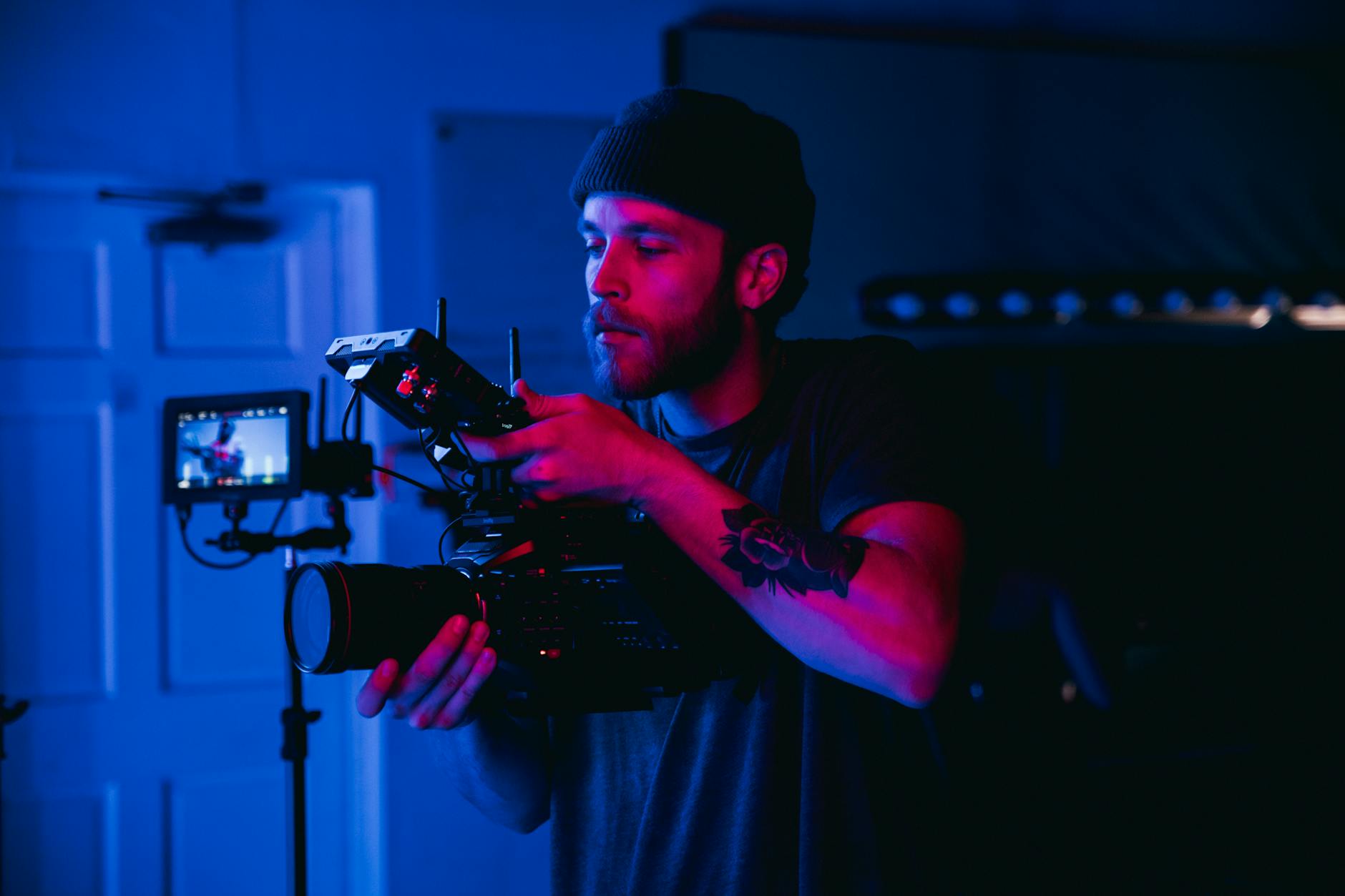
Maintaining high-quality live stream video production requires utilizing some of the most advanced and reliable equipment and technology available in the industry. In Miami, producers employ high-definition cameras capable of capturing crisp, vibrant images even in challenging lighting conditions. These cameras are often mounted on stabilizing rigs or drones to achieve dynamic, smooth shots that enhance viewer engagement. Multi-camera setups allow for varied angles, providing a more comprehensive viewing experience that mimics traditional broadcasting standards.
At the heart of the technical infrastructure are encoding devices and streaming platforms that ensure seamless data transmission. Hardware encoders convert raw video signals into digital formats suitable for internet transmission, reducing latency and preserving video quality. Modern software encoders offer versatility, such as customizable overlays and real-time adjustments, which are essential for branding and sponsor visibility during broadcasts.
Platforms like dedicated broadcast servers and cloud-based streaming services facilitate simultaneous multi-platform delivery. This ensures that audiences can access the live stream across different devices—smartphones, tablets, desktops—without compromising quality. Redundant systems and backup hardware are also integrated to minimize risks associated with technical failures, providing peace of mind during high-stakes live events.
The integration of advanced wireless communication systems, such as 5G and Wi-Fi 6, further enhances mobility and flexibility for on-site production crews. These technologies enable quick setup, real-time communication, and quick troubleshooting without tethering the crew to fixed locations, making it ideal for outdoor or large-scale events. Additionally, specialized microphones, sound mixers, and audio interfaces capture crystal-clear audio that complements high-quality video.
Data security measures, including encryption and secure streaming protocols, are vital in protecting proprietary content and viewer data. With the increasing importance of cybersecurity, Miami-based live stream producers prioritize these protocols to ensure uninterrupted and secure broadcasts. This comprehensive technological backbone supports producers in delivering seamless, engaging live stream experiences that meet the highest standards of quality and professionalism.
Production Techniques for Live Streaming
The effective execution of a live stream hinges on meticulous production techniques that ensure a smooth, engaging experience for viewers. Central to this process is strategic camera management, which involves switching seamlessly between multiple camera angles to enhance the visual narrative. Multi-camera setups allow producers to capture various perspectives—such as close-ups, wide shots, and audience reactions—creating a dynamic broadcast that maintains viewer interest throughout the event.
Graphics insertion plays a vital role in delivering real-time information, branding, and visual effects. This includes overlaying lower thirds, event titles, sponsor logos, and other graphical elements that reinforce the event's messaging and professionalism. Utilization of dedicated graphics systems integrated with production software enables swift updates without disrupting the live feed.
A typical live streaming setup involves a multi-camera configuration managed by a skilled director who coordinates camera switching, graphics application, and audio balancing. The director acts as the central figure for maintaining pacing, focus, and visual coherence, making real-time decisions that influence the overall viewer experience.
In addition to camera work, effective audio management is crucial. High-quality microphones, audio mixers, and real-time sound adjustments ensure that speech, music, and ambient sounds are captured clearly and balanced with the visuals. This harmony between audio and video is fundamental in creating an immersive broadcast.
For large or complex events, robotic cameras and remote production tools offer enhanced flexibility. They enable operators to control camera angles remotely, which reduces the need for on-site personnel and allows for more intricate shooting angles that would be difficult to achieve manually.
Top-tier production techniques also involve consistent communication among team members. Utilizing wireless intercoms and real-time monitoring systems helps keep everyone aligned, preventing miscommunications that could compromise the broadcast.
Production Techniques for Live Streaming
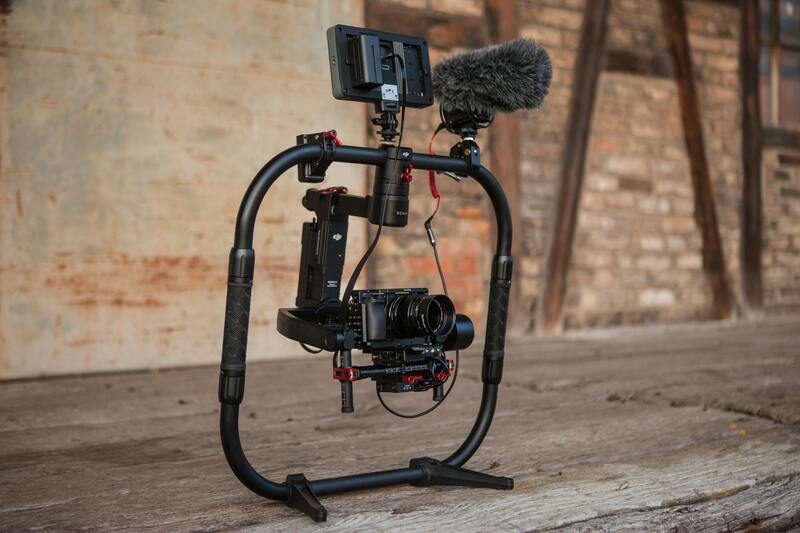
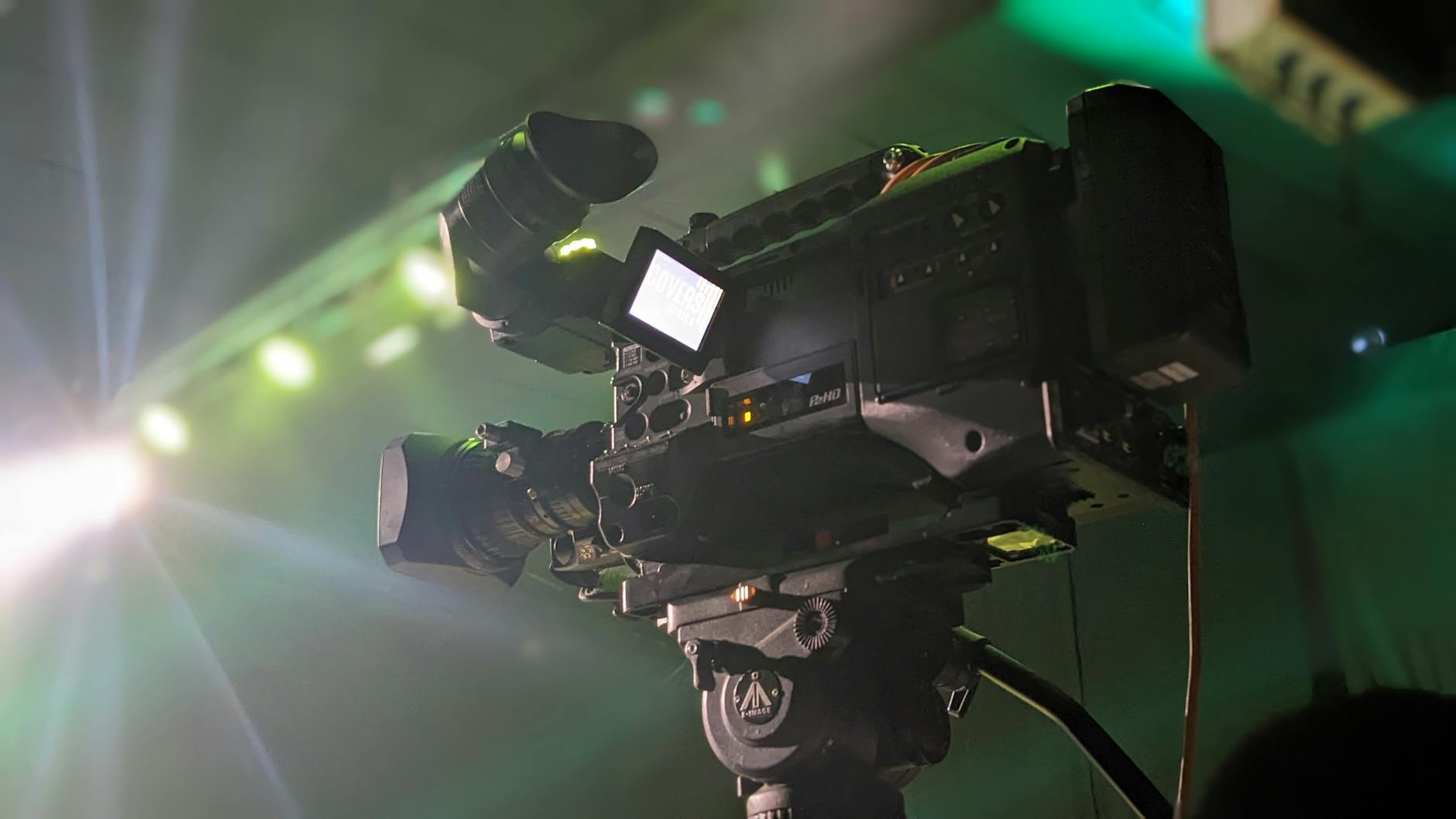
Executing a professional live stream involves a combination of precise techniques and real-time decision-making to ensure a seamless viewer experience. One of the foundational methods is the use of multi-camera setups, which allow for dynamic shot selections and a more engaging presentation. Skilled directors oversee these configurations, switching between different camera angles to highlight key moments or provide comprehensive coverage of the event.
Integrating graphics and overlays during a live broadcast enhances visual appeal and provides valuable context. This includes the insertion of lower thirds for speaker identification, event logos, and promotional banners. Software solutions that facilitate real-time graphics rendering are instrumental in maintaining a consistent and professional aesthetic throughout the stream.
Audio quality is equally critical. Utilizing high-quality microphones tailored to the environment, along with sophisticated audio mixers, ensures that speech, music, and ambient sounds are captured with clarity and balanced levels. The implementation of noise suppression and echo cancellation technologies further refines the sound, preventing distractions for viewers.
Camera Techniques and Switching Strategies
- Shot Composition: Maintaining visual interest through varied framing and focus points.
- Dynamic Switching: Transitioning predictably between wide, medium, and close-up shots to emphasize important moments.
- Remote Camera Operation: Employing robotic cameras for complex angles without additional personnel on site.
- Auto-Tracking Features: Using cameras with auto-focus and motion tracking to maintain focus on moving subjects.
Real-Time Graphics and Production Management
Advanced software solutions enable seamless graphics overlays, including live stats, social media feeds, and interactive elements. These tools help directors respond quickly to unfolding event changes, providing a professional and polished presentation. Moreover, incorporating picture-in-picture options or split screens can highlight multiple facets of the event simultaneously.
Communication and Monitoring
Maintaining clear communication channels among production team members is essential. Wireless intercom systems and dedicated monitoring screens allow for immediate coordination, adjustments, and troubleshooting. This setup ensures that technical issues are addressed swiftly, maintaining the broadcast's continuity and stability.
Comprehensive monitoring of audio and video feeds during the stream allows producers to identify and correct issues proactively. Employing redundancy in critical systems, such as backup internet connections and power supplies, further safeguards against disruptions.
Professional live streaming demands meticulous planning, high-quality equipment, and a coordinated team effort. Employing these proven production techniques results in a broadcast that meets high standards and captivates viewers from start to finish.
Understanding the Importance of Signal Transmission in Live Stream Video Production
One of the most critical aspects of live stream video production is ensuring a reliable and high-quality signal transmission from the source to the audience. The integrity of data transfer directly influences the viewer's experience, impacting both the clarity of visuals and the continuity of the broadcast. To achieve this, production teams rely on advanced methods and resilient infrastructure to facilitate stable signal flow.
Fundamental Transmission Methods
There are several primary techniques for transmitting live video signals, each suited to different production environments and requirements:
- Fiber Optic Transmission: Fiber optics are the gold standard for high-bandwidth, long-distance signal transfer. They offer superior speed and minimal signal degradation, making them ideal for large-scale outdoor events or multiple-camera setups in a studio environment.
- Satellite Uplink: Satellite communication provides live streaming capabilities in remote locations where wired infrastructure is unavailable. It allows for broad coverage but requires careful management of latency and bandwidth constraints.
- Wireless Transmission: Wireless links, including microwave and Wi-Fi technologies, are utilized for short to medium-range broadcasts. They offer flexibility and quick setup, though they depend on line-of-sight and signal strength stability.
- Ethernet and IP Networks: The integration of IP-based streaming utilizing Ethernet or local area networks enables scalable and adaptable signal routing, often used in conjunction with cloud-based streaming platforms.
Ensuring Signal Quality and Stability
High-quality signal transmission hinges upon meticulous implementation of several technical measures:
- Bandwidth Management: Adequate bandwidth allocation prevents bottlenecks. Live stream producers often perform speed tests to verify sufficient upload speeds, especially when multiple streams or high-resolution video sources are involved.
- Redundancy Systems: Deploying backup transmission channels, such as secondary internet connections or alternative satellite links, mitigates risks associated with primary system failures. Redundant power supplies also ensure continuous operation.
- Signal Encoding and Compression: Choosing appropriate codecs and compression settings optimizes the balance between video quality and transmission efficiency. Advanced codecs like H.265 enable high-quality streams at lower bitrates.
- Network Security: Protecting the data pathway through encryption and firewalls maintains the confidentiality and integrity of the broadcast, especially sensitive or proprietary content.
- Monitoring and Troubleshooting: Real-time monitoring tools track signal health and alert operators to potential issues. Quick troubleshooting minimizes downtime and ensures consistent delivery.
Integration with Content Delivery Networks (CDNs)
For broader reach, live streams are often distributed via Content Delivery Networks. CDNs optimize delivery by caching streams across multiple nodes around the world, reducing latency and buffering for viewers regardless of geographical location. This networked approach enhances the overall viewer experience by maintaining stream stability and quality, even during high traffic volumes.

Effective signal transmission is the backbone of professional live streaming. By leveraging state-of-the-art transmission methods, implementing comprehensive redundancy measures, and utilizing advanced encoding techniques, producers can deliver seamless, high-quality broadcasts that meet viewer expectations and uphold the integrity of the event.
Recent Advancements and Future Trends in Live Stream Video Production
As the landscape of live stream video production continues to evolve, newer technological innovations are shaping the future of high-quality streaming. One significant development is the integration of 4K and even 8K resolution capabilities, offering viewers unprecedented clarity and immersive experiences. This leap in resolution demands advanced hardware, such as 4K-compatible cameras and powerful encoding solutions, which are becoming more accessible for professional producers.
Another critical trend is the adoption of cloud-based production workflows. Cloud platforms facilitate real-time collaboration among remote teams, streamline content management, and allow for scalable resources based on event size. These platforms enable editors, producers, and technicians to access and control streams from anywhere, ensuring flexibility, efficiency, and rapid deployment of high-end broadcasting setups.
Artificial Intelligence (AI) and machine learning are making substantial impacts by automating various aspects of live stream production. AI-driven tools can assist in automatic camera switching, scene detection, image stabilization, and real-time captioning, enhancing overall production quality. Additionally, AI can monitor stream health, detect anomalies, and suggest corrective actions swiftly, minimizing disruption during live broadcasts.
In terms of distribution, Content Delivery Networks (CDNs) continue to improve, providing more advanced algorithms for load balancing and buffering reduction. Emerging technologies such as edge computing—where data processing occurs closer to the viewer—further enhance latency reduction, enabling ultra-low-latency streaming suitable for interactive live experiences like esports and virtual events.
Emerging standards and protocols, including the adoption of Low Latency Media Streaming protocols like CMAF (Common Media Application Format), are helping producers achieve faster delivery times and smoother viewer engagement. These advancements collectively drive the industry toward more engaging, resilient, and high-quality live streaming experiences for diverse applications—from corporate events to mass entertainment.
While the landscape is rapidly changing, the key to success remains rooted in employing proven, professional methodologies for capturing, encoding, transmitting, and distributing live content. Continual investment in cutting-edge technology and staying updated with emerging standards ensures that Miami-based production teams remain at the forefront of this evolving industry, delivering outstanding live stream experiences that meet the high expectations of today's digital audiences.