Understanding Live Stream Production Services
Live stream production companies specialize in delivering high-quality broadcasting solutions for a diverse range of events, including corporate meetings, conferences, concerts, sports events, and special occasions. These firms provide comprehensive services that encompass every stage of the live streaming process, from pre-event planning to post-event content management. Their primary goal is to ensure seamless, reliable transmission of live content to audiences across multiple online platforms, thereby maximizing engagement and reach.
At the core of a live stream production company’s offerings are meticulous event coverage, professional video production, and real-time broadcasting. This involves deploying advanced camera systems, audio equipment, and streaming platforms capable of handling large audiences. Additionally, these companies often provide multi-camera setups to create dynamic, engaging broadcasts that include different angles and shots, ensuring viewers experience the event as if they were physically present.
Beyond technical execution, live stream production companies offer comprehensive planning services, such as developing broadcast strategies tailored to specific event needs. They coordinate with clients to understand the event's goals, target audiences, and desired broadcast quality, ensuring that the final product aligns with the brand or organizational objectives.
Key services often provided include:
- Pre-production planning and consultation
- Setup of cameras, audio, and lighting
- Encoding and streaming platform integration
- Real-time switching and graphics
- Technical support during the event
- Post-event editing and content delivery
The capacity of these companies to deliver tailored, reliable, and high-fidelity live streams makes them integral to modern event execution, especially as digital content consumption continues to grow exponentially. Whether it’s a small corporate presentation or a large-scale public event, a professional live stream production service enhances audience engagement and expands reach beyond traditional venues.
Key Equipment and Technology Used
Professional live stream production companies leverage cutting-edge technology to deliver seamless broadcasts. Central to this setup are high-definition cameras capable of capturing sharps and vibrant visuals from multiple angles. These cameras often include PTZ (pan-tilt-zoom) units which can be remotely controlled to focus on speakers or specific areas, ensuring dynamic framing throughout the event. In addition, switchers or video mixers are employed to facilitate real-time transitions between camera feeds, incorporating effects and overlays that enhance the viewing experience.
In the realm of audio, broadcasters utilize professional-grade microphones, audio mixers, and sound reinforcement systems to guarantee crystal-clear sound quality. Proper management of audio levels and noise-canceling features contribute significantly to a polished production.
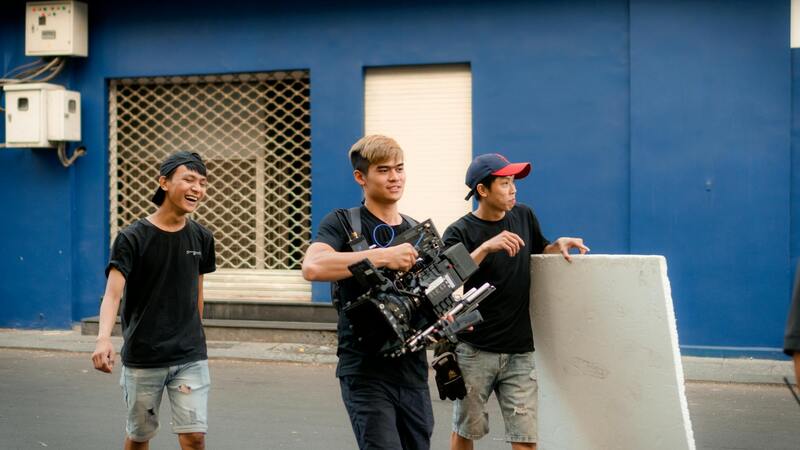
The backbone of live streaming lies in robust encoding hardware and software that compress and transmit audio-video signals to streaming platforms. These encoders integrate with platforms such as YouTube, Facebook Live, or custom RTMP servers to distribute content reliably across the internet. To mitigate potential disruptions, high-quality streaming companies implement redundant systems, including backup internet connections and secondary encoding devices, ensuring uninterrupted broadcasts even during technical hiccups.
Additional technological tools include graphics engines for dynamic overlays, lower thirds, and branding elements, as well as real-time captioning and statistics display to engage and inform viewers. Content delivery networks (CDNs) are utilized to distribute streams globally, reducing latency and buffering, thereby offering viewers a smooth, high-fidelity experience regardless of their location.
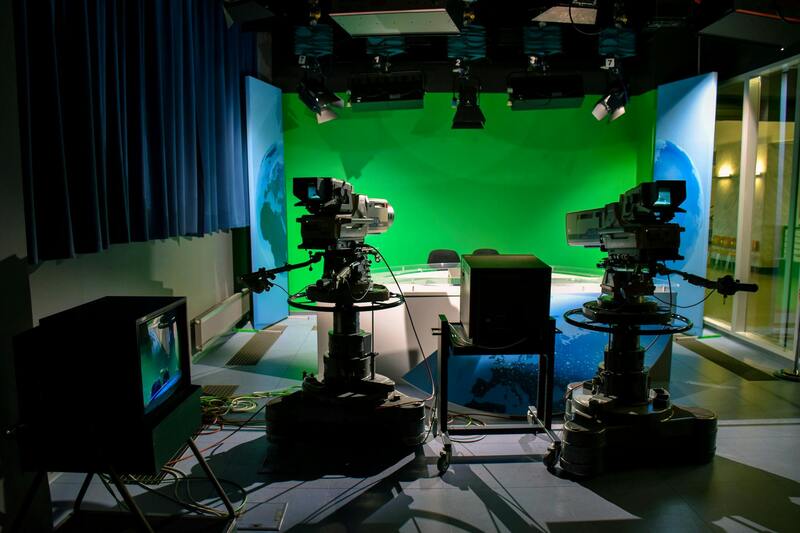
In sum, the integration of professional hardware and sophisticated software creates a resilient environment for live broadcasts. The meticulous selection and configuration of this equipment directly influence broadcast quality, viewer engagement, and overall success of the event. Miami-based live stream production companies prioritize deploying the latest technology to meet the demanding expectations of modern digital audiences, ensuring each event is captured, transmitted, and delivered with maximum fidelity and reliability.
Factors to Consider When Selecting a Miami Live Stream Company
Choosing the right live stream production partner in Miami involves a thorough evaluation of several critical factors. A company’s experience in handling diverse live events ensures they understand the nuances of different formats, whether it's corporate conferences, music festivals, or sports events. Examining their technical expertise provides insight into their ability to manage complex setups, troubleshoot issues swiftly, and adapt to unforeseen challenges during live broadcasts.
Reviewing a company's portfolio offers tangible evidence of their capabilities and style, highlighting previous successful projects that align with your event’s scope. Customer reviews and testimonials serve as valuable indicators of reliability, professionalism, and client satisfaction. Compatibility with your specific requirements—such as the type of event, audience size, and preferred streaming platforms—also plays a significant role in the selection process.
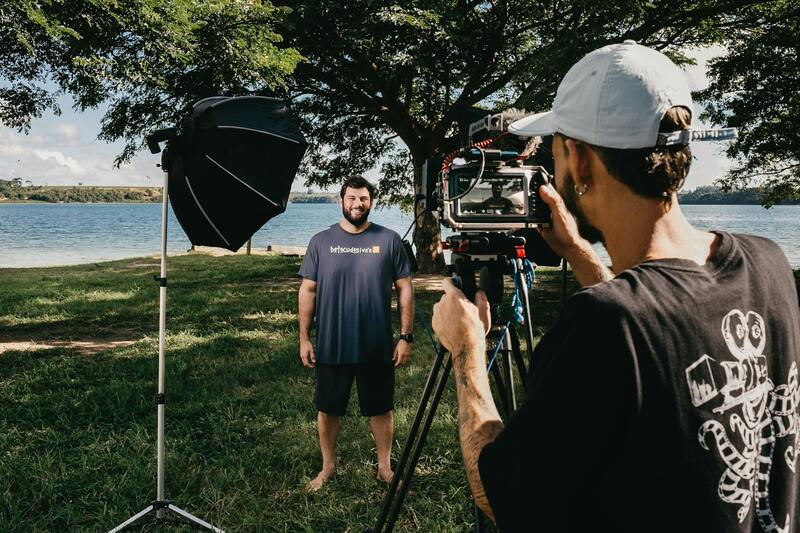
It’s essential to verify the company's proficiency with the latest broadcasting technology and equipment, including high-definition video capture, professional switching, and reliable encoding. Their ability to coordinate with event organizers, adhere to schedules, and communicate effectively during live production greatly impacts the overall success of the stream. Ensuring they have contingency plans for potential technical failures or network issues guarantees peace of mind, knowing your event will be broadcast smoothly regardless of unforeseen circumstances.
Customizing Live Stream Solutions for Different Events
Every event has unique objectives and technical requirements, making personalization of live stream services critical. Custom solutions might include multi-camera setups for a dynamic viewing experience, branded overlays for consistent visual identity, or interactive features like live chat and polls to engage audiences actively. For large-scale conferences or concerts, multiple feeds and remote participant integration may be essential, requiring tailored streaming configurations that optimize bandwidth and viewer engagement.
Understanding the target audience and platform preferences helps determine the best streaming strategies. For instance, an event aimed at a younger demographic might focus on social media integration and mobile compatibility, whereas a corporate presentation might prioritize high-resolution output and secure access. A competent live stream production company will conduct a detailed consultation to align technical capabilities with your event’s specific goals, ensuring a seamless viewer experience.
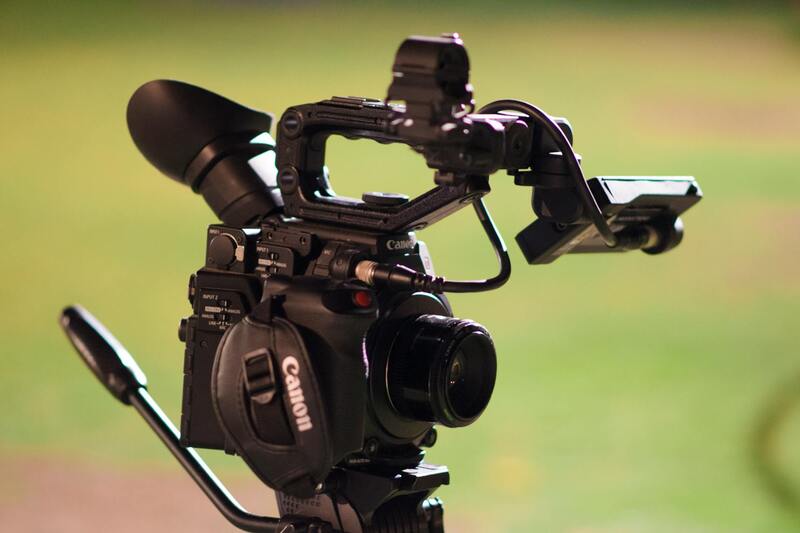
In addition to technical aspects, logistical considerations such as onsite setup, bandwidth management, and audience access also require customization. Proper planning guarantees that all elements—from camera angles to audio quality and overlay graphics—are calibrated to deliver a cohesive and professional broadcast. This meticulous attention to detail reflects a commitment to quality and audience satisfaction, making your event memorable both digitally and in person.
Understanding Live Stream Production Services
Live stream production services encompass a comprehensive range of technical and creative expertise designed to broadcast events seamlessly over digital platforms. These services involve real-time management of audiovisual components, ensuring that each element—from camera feeds to audio inputs—is synchronized and delivered with optimal quality. The role of a live stream production company extends beyond simple video transmission; it includes pre-event planning, setup, on-site operation, and post-broadcast support.
Creating an engaging live stream involves meticulous coordination of multiple facets. This begins with an initial consultation to understand the event’s scope, target audience, and desired outcomes. From there, the production team designs a technical blueprint that integrates equipment, content flow, and viewer engagement strategies. During the event, the team manages multi-camera setups, live switching, graphics overlays, and sound mixing to produce a polished broadcast. Post-event, services may extend to the archiving of content, editing, and distribution for sustained marketing value.
Key Equipment and Technology Used
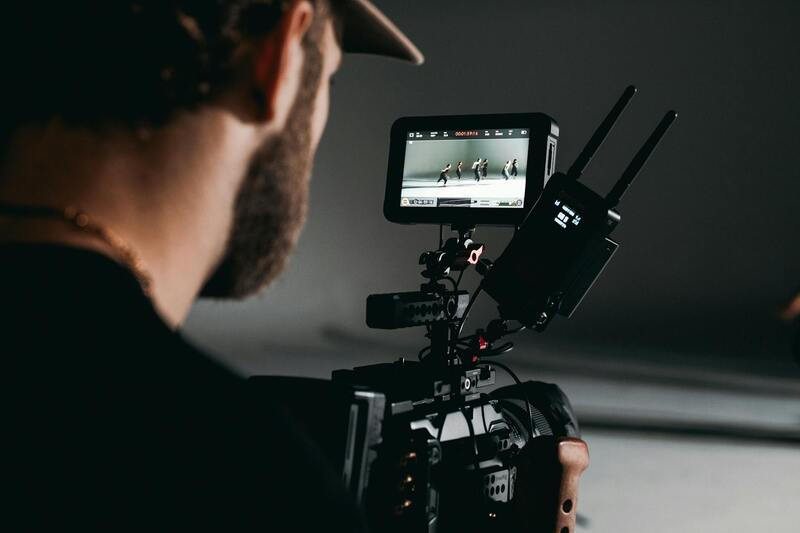
The backbone of any effective live stream production is the deployment of advanced equipment and cutting-edge technology. Professional-grade cameras, capable of capturing high-definition footage from multiple angles, serve as the visual core of the broadcast. These cameras are often complemented by robust video switchers that facilitate real-time selection and mixing of different feeds, creating a dynamic viewing experience.
Audio quality is equally critical, with industry-standard microphones, mixers, and audio processing units that ensure clear and balanced sound. For large events, wireless microphones and in-ear monitors enable performers and speakers to move freely without compromising audio fidelity.
Complementing visual and audio equipment are live streaming hardware encoders, which convert raw footage into optimized digital streams compatible with various online platforms. Encoders vary from hardware-based units to software solutions integrated into dedicated computers. Reliable internet connectivity, often with backup options, is essential to maintain uninterrupted streams, especially during high-profile or lengthy events.
Additionally, real-time graphics overlays, lower thirds, and branding elements delivered through video servers or streaming software elevate the professional appearance of the broadcast. Interactive tools like live chat modules, viewer polls, and social media integration further enhance audience engagement and participation.
Factors to Consider When Selecting a Miami Live Stream Company
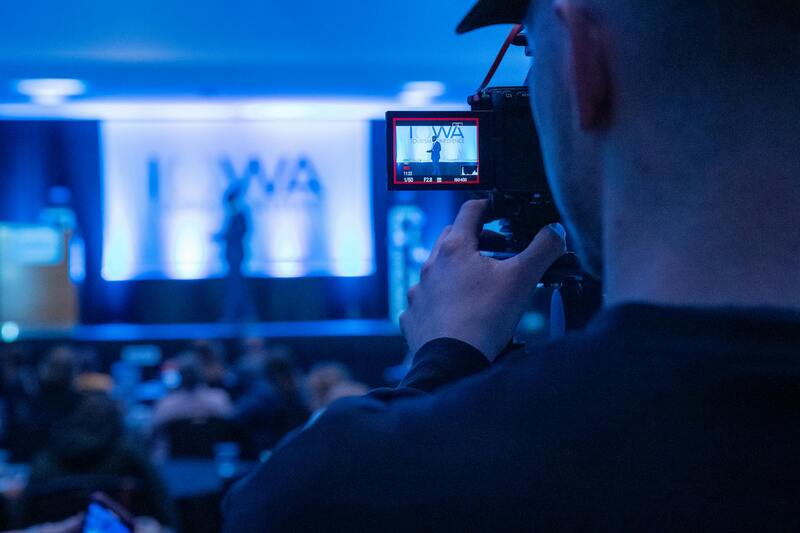
Choosing the appropriate live stream production partner requires careful evaluation of several critical factors. The first consideration should be the company’s experience and portfolio, which indicates their capability to handle events similar in scale and complexity to your own. A reputable provider will present case studies or references that demonstrate their proficiency in delivering seamless broadcasts with consistent quality.
Technical expertise is paramount. It’s essential to assess whether the company’s team is proficient with the latest streaming platforms, equipment, and troubleshooting procedures. An experienced team anticipates potential challenges and implements contingency plans to ensure a stable broadcast regardless of unforeseen circumstances.
Service offerings should align with your event’s specific needs. For instance, if your event involves complex multi-camera setups, interactive features, or remote participation, confirm that the company can accommodate these requirements. Additionally, inquire about their capability to customize workflows, incorporate branding elements, and support different streaming platforms.
Location and logistical support also influence the quality of service. A local Miami-based company offers distinct advantages, including rapid onsite setup, in-person consultation, and real-time troubleshooting during the event. Their familiarity with the local infrastructure, bandwidth options, and event venues allows them to optimize technical configurations for the best viewer experience.
Finally, transparent pricing models and comprehensive service packages are essential. Clarify what is included in the quoted costs, such as equipment rental, technical support, content recording, and post-event editing. A clear understanding of the budget helps avoid unexpected expenses and facilitates effective planning.
On-site Production and Technical Support
Effective on-site production is the backbone of delivering a high-quality live stream experience. This involves a team of skilled audiovisual technicians, camera operators, and technical support staff working cohesively to ensure uninterrupted broadcast quality. Prior to the event, comprehensive site assessments help identify potential challenges related to power, internet connectivity, and space constraints. The live stream production company sets up equipment meticulously, testing all devices and connections to confirm optimal operation.
During the event, real-time management includes monitoring audio and video feeds, adjusting camera angles, and switching between multiple streams if necessary. Technical support remains available throughout, ready to troubleshoot issues such as signal disruptions, audio feedback, or hardware malfunctions. Having technicians on-site minimizes potential delays, ensuring a smooth viewer experience.
The integration of redundant systems, such as backup internet connections and power sources, is critical in maintaining broadcast continuity. Many Miami-based companies utilize portable signal boosters and backup generators to safeguard against potential disruptions. In addition to camera operation, support staff handle streaming hardware, encoding devices, and interactivity modules, ensuring all technical elements function seamlessly.
Understanding Live Stream Production Services
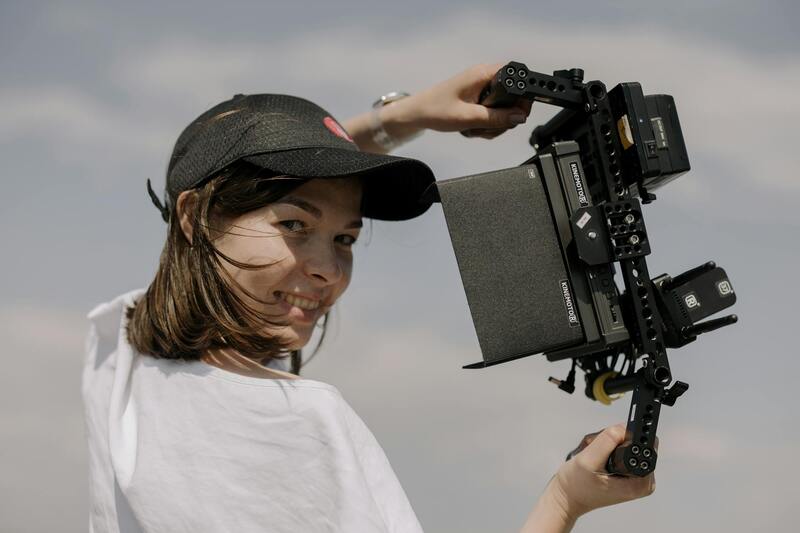
Engaging a reputable live stream production company involves more than just equipment rental; it encompasses a comprehensive suite of services designed to deliver seamless, professional broadcasts. These services include pre-production planning, where the production team collaborates closely with clients to define the event’s objectives, target audience, and desired broadcast quality. During this phase, detailed technical assessments are conducted to tailor the setup according to the venue, expected viewer engagement, and specific streaming platforms to be used. On the day of the event, the production team executes the plan by managing all technical elements, ensuring smooth camera operation, audio clarity, and stable internet connectivity. Post-event, the focus shifts to content management, including recording the broadcast for future use or on-demand viewing, alongside detailed analytics and performance reports. This end-to-end service approach guarantees that each live stream aligns with the client’s goals while maintaining the highest standards of quality and reliability.
Key Equipment and Technology Used
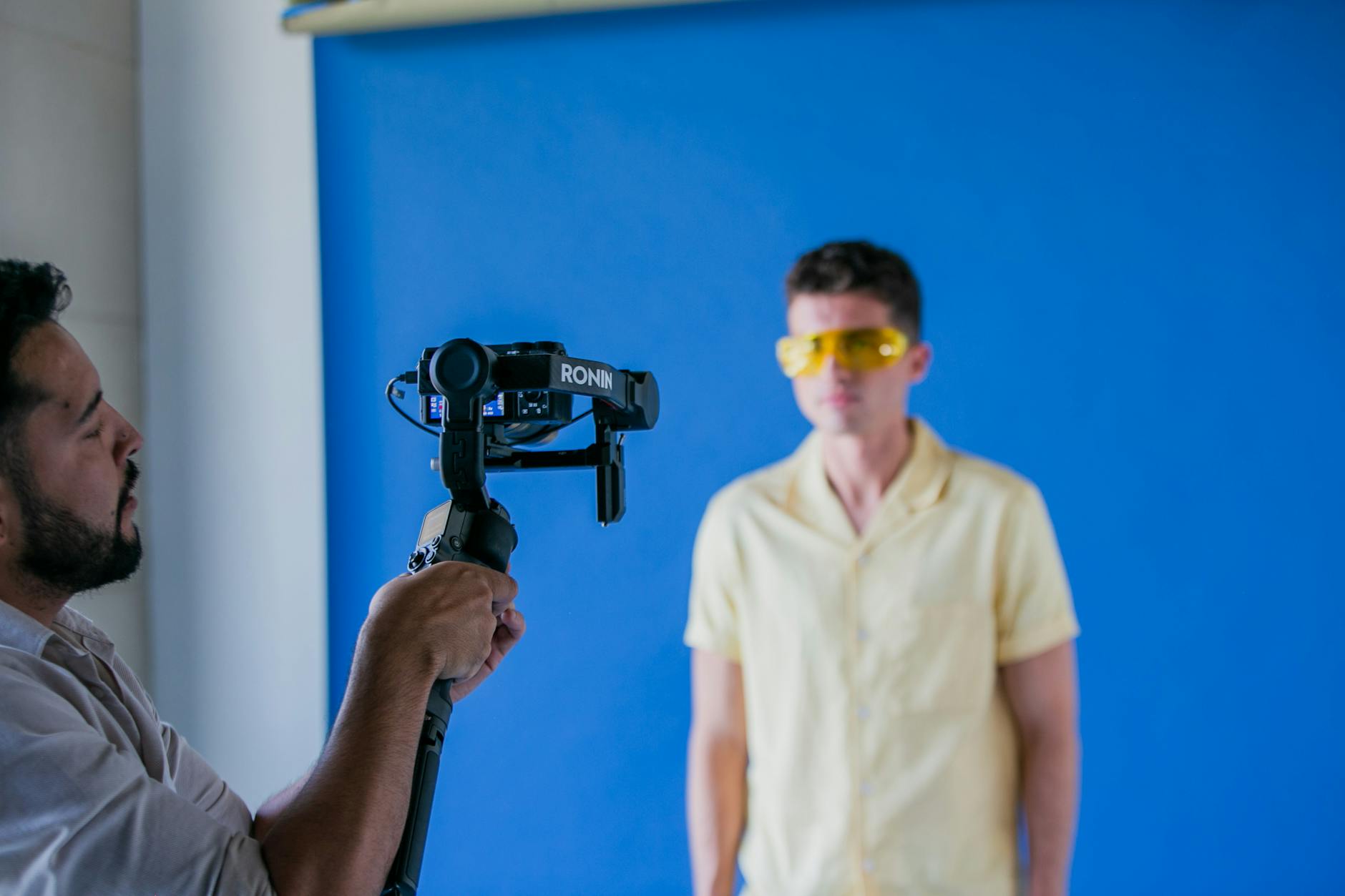
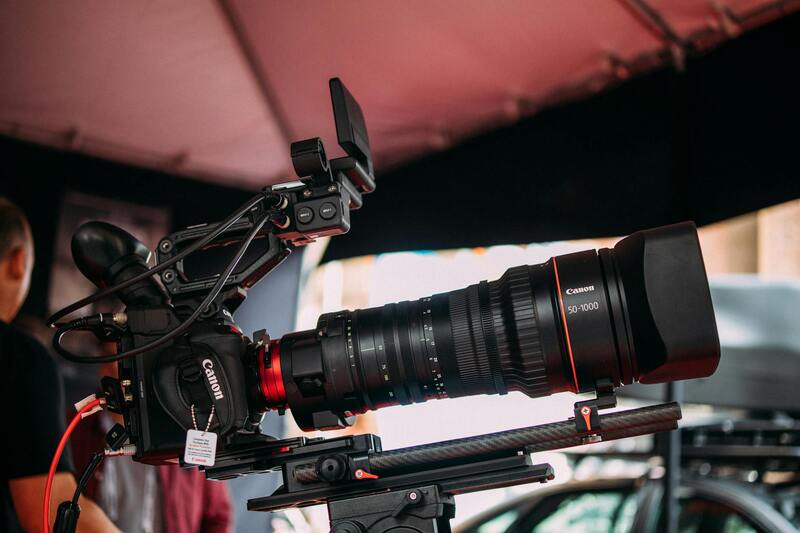
Top-tier live stream production companies in Miami utilize advanced equipment to ensure broadcast excellence. High-definition cameras capturing crisp visuals are complemented by professional-grade audio equipment such as wireless microphones and audio mixers, ensuring crystal-clear sound quality. Video switchers and live encoding hardware facilitate real-time stream management, allowing seamless transitions between camera angles and multimedia inserts. Reliable internet solutions, including bonded cellular networks, fiber optic connections, and backup internet systems, are critical to maintaining uninterrupted data flow. Additionally, dedicated streaming servers and content delivery networks (CDNs) help in efficiently distributing the stream to viewers across different platforms. Interactive tools like multi-camera feeds, graphics overlays, and viewer engagement modules enhance the viewing experience, making broadcasts more dynamic and engaging. These technological investments are crucial for delivering high-quality live content that meets professional standards and audience expectations.
Factors to Consider When Selecting a Miami Live Stream Company
Choosing the right live stream production partner in Miami requires careful evaluation of several key factors. Experience and portfolio are fundamental; a company with a track record of handling diverse events—from corporate conferences to concerts—demonstrates versatility and reliability. Technical proficiency is equally important; team members should be certified professionals adept at managing complex broadcasting setups and troubleshooting issues on the fly. Infrastructure capabilities, including available equipment and internet connectivity options, play a vital role in achieving optimal broadcast quality. Client reviews and testimonials provide insights into past performances and customer satisfaction levels. Additionally, the company’s approach to project management, communication, and contingency planning ensures a smooth flow from initial planning to post-event delivery. Finally, transparency in pricing, along with clear service packages tailored to different budget levels, allows clients to make informed decisions based on their specific needs and expectations.
Customizing Live Stream Solutions for Different Events
Every event has unique demands that call for tailored live streaming solutions. For corporate events or webinars, focus may be on professional audio clarity, presenter camera setups, and interactive features like live chat or Q&A modules. Live concerts and festivals typically require multiple camera angles, extensive lighting considerations, and real-time graphics to capture atmosphere and audience engagement. Sports broadcasts demand high-speed data transmission, multiple camera feeds, and instant replays to enhance viewer experience. For special ceremonies or religious events, discreet and reliable setups are essential to preserve the integrity of the event flow. The production team collaborates with clients to identify specific goals, venue constraints, and preferred streaming platforms, then crafts a customized plan that integrates the right mix of equipment, personnel, and technical support to deliver a flawless live broadcast suited to each event type.
Pricing Models and Budgeting for Live Stream Services
Live stream production services typically offer flexible pricing structures designed to accommodate various event sizes and complexities. Common models include flat-rate packages that cover a predetermined scope of work, such as a fixed number of cameras, standard streaming duration, and post-event recordings. Hourly rates are also prevalent, especially for events with variable or unpredictable lengths, providing cost efficiency for shorter or one-off broadcasts. Some companies offer tiered service levels, from basic streaming setups to comprehensive production packages with multi-camera operations, real-time graphics, and interactive features. When budgeting, it is essential to consider not only initial setup and streaming costs but also supplementary expenses, such as equipment rentals, additional technical personnel, and contingency funds for unexpected issues. Clear communication about deliverables, timelines, and potential extra charges ensures that clients can plan financially and avoid surprises, ultimately aligning event expectations with budget constraints effectively.
Post-Event Content Management and Recording
Effective post-event content management is a crucial aspect of professional live stream production, ensuring that the broadcast reaches a wider audience beyond the live event and provides lasting value. Once the live stream concludes, the recorded footage can be edited to highlight key moments, create promotional material, or prepare content for on-demand viewing. High-quality edits may include color correction, audio enhancement, graphics overlays, and segmenting the footage for easier consumption. These edited videos serve multiple strategic purposes, such as extending audience engagement, supporting future marketing efforts, and providing valuable content for sponsors or partners.
Archive management is equally important to facilitate easy access and retrieval of recorded content. A well-organized digital archive allows clients to maintain a library of their event footage, which can be repurposed for training, commercial use, or archival documentation. Distribution channels for on-demand content include hosting on secure portals, embedding videos on websites and social media platforms, or sharing via encrypted download links, ensuring flexible accessibility tailored to the client’s distribution strategy.
Moreover, some live stream production companies offer comprehensive post-event services that include detailed analytics, viewer engagement metrics, and performance reports. These insights assist clients in understanding their audience demographics, viewing patterns, and overall reach, enabling data-driven adjustments for future events. Having a dedicated team to handle these post-broadcast activities not only saves clients time but also ensures a consistent, professional presentation of their content across various channels.
Benefits of Hiring a Local Miami Live Stream Company
Partnering with a local live stream production firm based in Miami offers distinct advantages that can significantly influence the success of an event. Local companies possess a deep understanding of the regional venue landscape, technical infrastructure, and logistical considerations, enabling them to execute seamless production workflows tailored to Miami’s diverse event spaces. This familiarity translates into quicker setup times, fewer miscommunications, and the ability to adapt swiftly to any on-site challenges.
Additionally, local live stream companies often have established relationships with regional vendors, including equipment rental providers, technical specialists, and venue staff, streamlining the planning process. Their proximity also means faster access to necessary equipment and support staff, reducing transportation delays and ensuring a more reliable service. On-site presence further facilitates immediate troubleshooting, which is critical for maintaining broadcast continuity during live events.
Another benefit is the opportunity for enhanced collaboration and face-to-face communication, facilitating a clearer understanding of the client’s vision and expectations. Given Miami’s vibrant and diverse event scene—from corporate conferences and trade shows to cultural festivals—a local company is better positioned to create customized solutions that resonate with regional audiences. This local expertise, coupled with a commitment to quality, ensures a polished, professional live stream that accurately represents the client’s brand and engagement goals.
Post-Event Content Management and Recording
Effective post-event content management is a critical component of a comprehensive live stream production strategy. After the live event concludes, the recorded footage serves multiple purposes, including promotional materials, archival storage, and content repurposing for future marketing campaigns. A proficient live stream production company strategically manages the recorded content by securely storing high-quality copies in organized digital repositories, making it accessible for editing, distribution, or on-demand streaming.
Many Miami-based live stream companies utilize advanced editing tools to refine recorded footage, ensuring the final content aligns with branding guidelines and visual standards. This may involve color correction, audio enhancement, graphical overlays, or the integration of supplementary content such as interviews, behind-the-scenes footage, or highlight reels.
Additionally, proper metadata tagging and comprehensive documentation facilitate easy retrieval and sharing of the recordings. The dissemination process often includes uploading to secure cloud platforms, social media channels, or downloadable formats tailored to different audience segments. Leveraging such practices not only enhances the event’s ongoing visibility but also fosters long-term engagement with viewers who may access the content well after the live broadcast.
By choosing a Miami live stream production company familiar with regional best practices, clients benefit from streamlined workflows that maximize content value. Their experience ensures that recordings are stored securely, processed efficiently, and distributed effectively, facilitating sustained audience engagement and supporting broader marketing and branding efforts.