Overview of Live Video Production Services
Live video production services have become an essential component for organizations aiming to engage their audiences through real-time content delivery. These services encompass the planning, setup, and execution of live broadcasts tailored for various platforms, including social media, corporate websites, and dedicated streaming channels. In Miami, a vibrant hub for business, entertainment, and cultural events, live video production plays a crucial role in enhancing visibility and interaction. Whether it is for streaming a product launch, hosting a virtual conference, or broadcasting a local concert, professional live video production ensures high-quality visuals, seamless audio, and smooth operation throughout the event.
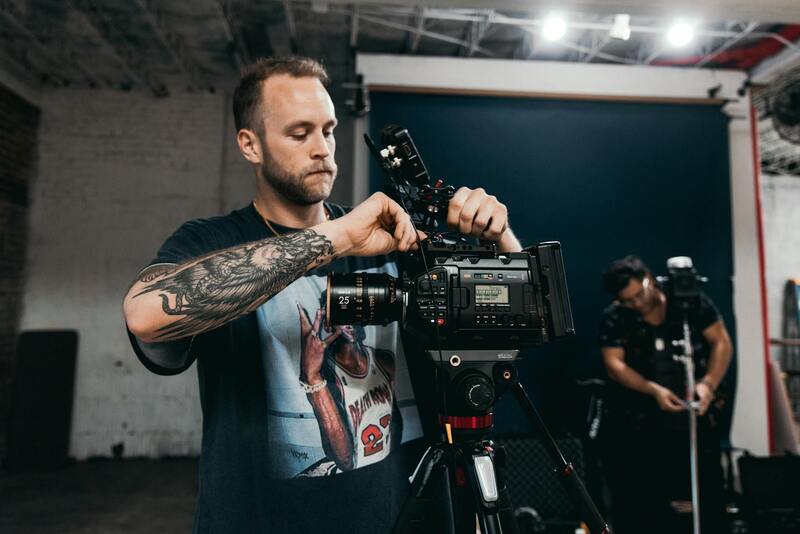
Implementing live video services involves expert knowledge in camera operation, audio management, lighting, and live switching techniques. The significance of these services extends beyond mere broadcasting; they are vital for content authenticity, audience engagement, and brand credibility. Companies investing in professional live video production often see enhanced interaction, wider reach, and significant cost savings compared to traditional event hosting methods. In Miami, where the demand for innovative digital experiences continues to grow, these services facilitate real-time interactions that can boost marketing efforts, elevate brand presence, and support live reporting during significant events.
Additionally, live video production services include the use of advanced technology such as multi-camera setups, professional mixers, high-definition streaming equipment, and reliable internet connectivity. The integration of real-time graphics, subtitles, and interactive features further amplifies viewer engagement and ensures the message is delivered clear and impactful. Businesses leveraging these professional services gain a competitive edge by providing compelling live content that captures audience attention, builds community, and fosters loyalty.
Key Equipment and Technology Used
In delivering top-tier live video production services, the integration of advanced equipment and cutting-edge technology is paramount. High-quality cameras are the backbone of any professional live broadcast, with options including 4K ultra HD options for crisp, detailed visuals that captivate viewers. These cameras are often complemented by robotic or remote-controlled systems, allowing for smooth, dynamic shot changes and versatility during live events.
Audio management is equally critical. Professional-grade microphones, including lavalier, shotgun, and boundary microphones, ensure clear sound that can adapt to diverse environments. Audio mixers with real-time monitoring capabilities help balance sound levels, filter out background noise, and incorporate audio from multiple sources seamlessly.


Key Equipment and Technology Used
Executing high-caliber live video productions requires an array of specialized equipment and cutting-edge technology. Central to any successful broadcast are high-resolution cameras capable of capturing detailed, crisp visuals across various shooting conditions. Professional-grade cameras with interchangeable lenses, high frame rates, and HD or 4K capabilities form the foundation for stunning live visuals. These cameras can be mounted on tripods, stabilizers, or remotely operated, providing flexibility for dynamic shots and complex setups.
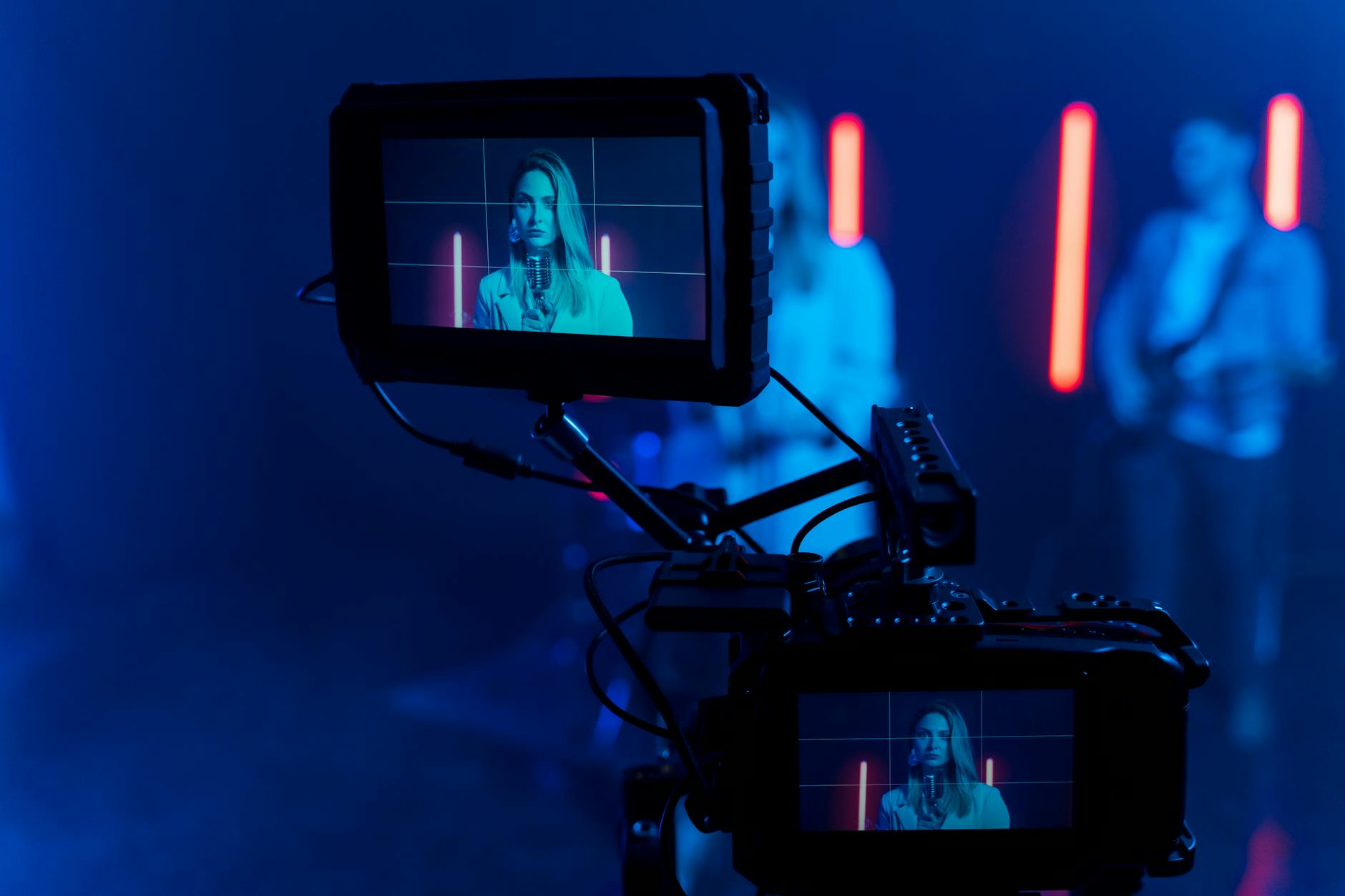
Switchers, also known as video mixers, are vital for seamlessly transitioning between multiple camera feeds, adding overlays, and managing visual effects during live production. These devices enable real-time editing, ensuring a polished broadcast that maintains viewer engagement. Combining footage from different angles or sources enhances the visual dynamism of the event, making switchers indispensable in multi-camera setups.
- Audio Equipment: High-fidelity microphones, wireless systems, and audio mixers ensure clear sound quality, which is crucial for audience comprehension and engagement.
- Streaming Hardware and Platforms: Hardware encoders compress and transmit video streams efficiently to streaming servers or content delivery networks. Modern platforms provide stable, scalable solutions that support HD and 4K streaming, adaptable to various internet bandwidths.
- Graphics and Overlay Systems: Real-time graphics engines and software allow for the integration of lower thirds, logos, captions, and other visual elements that contribute to branding and informational clarity.
- Production Control Software: Specialized software manages the live broadcast workflow, audience interaction, chat integration, and analytics. These tools help producers monitor engagement and fine-tune streams in real time.
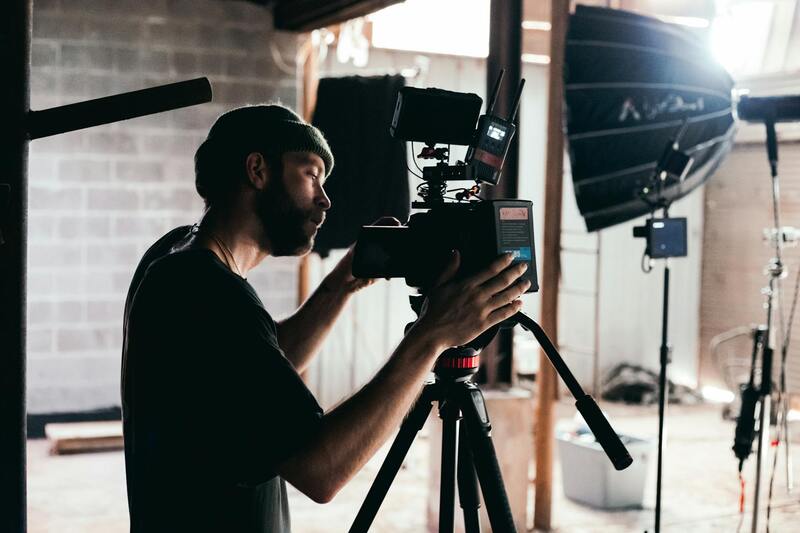
The combination of these technologies ensures a seamless, engaging broadcast experience. Choosing providers that leverage the latest equipment and software is essential for delivering reliable and visually compelling live video content. Regular maintenance, upgrades, and technical support further enhance operational efficiency, allowing seamless handling of complex shoots from simple events to large-scale productions.
Key Equipment and Technology Used
In delivering exceptional live video production services, the deployment of cutting-edge equipment and innovative technology plays a pivotal role. The foundation of any high-quality live broadcast lies in the integration of advanced hardware that guarantees seamless transmission and optimal visual output.
At the core are professional video cameras, often multi-camera setups, which are equipped with high-resolution sensors to ensure crisp, clear images regardless of lighting conditions. These cameras typically support 4K resolution, providing superior detail for large screens and future-proofing content delivery. Accompanying these are video switchers or production mixers that enable real-time scene transition, layering, and multi-source management, ensuring a fluid viewing experience.
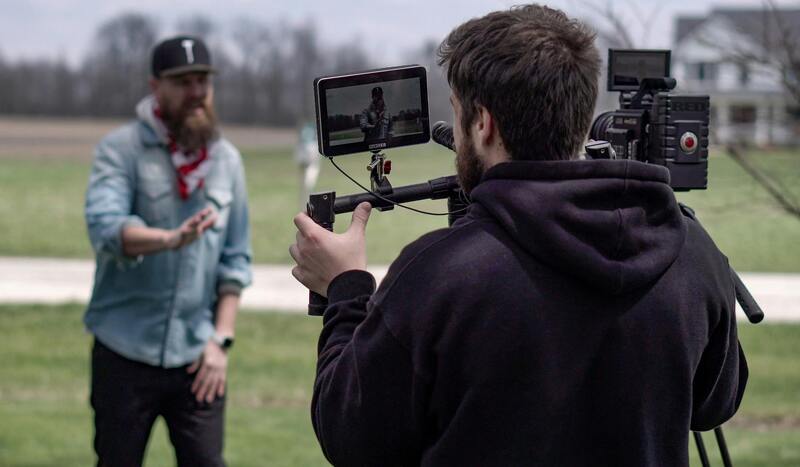
Audio quality is equally paramount, demanding the use of professional-grade microphones—such as lapel, shotgun, or boundary microphones—and sophisticated audio mixers. Wireless microphone systems offer flexibility for event hosts and performers, maintaining sound clarity without complex cabling. Such audio gear captures and transmits clear speech and ambient sounds, vital for engagement and comprehension.
Streaming hardware involves encoders capable of compressing live video streams into formats suitable for internet transmission. Hardware encoders are favored for their reliability in maintaining stable streams, especially during high-profile events where technical glitches could undermine audience experience. These encoders often support adaptive bitrate streaming, adjusting video quality based on available bandwidth, ensuring uninterrupted viewing even under less-than-ideal network conditions.
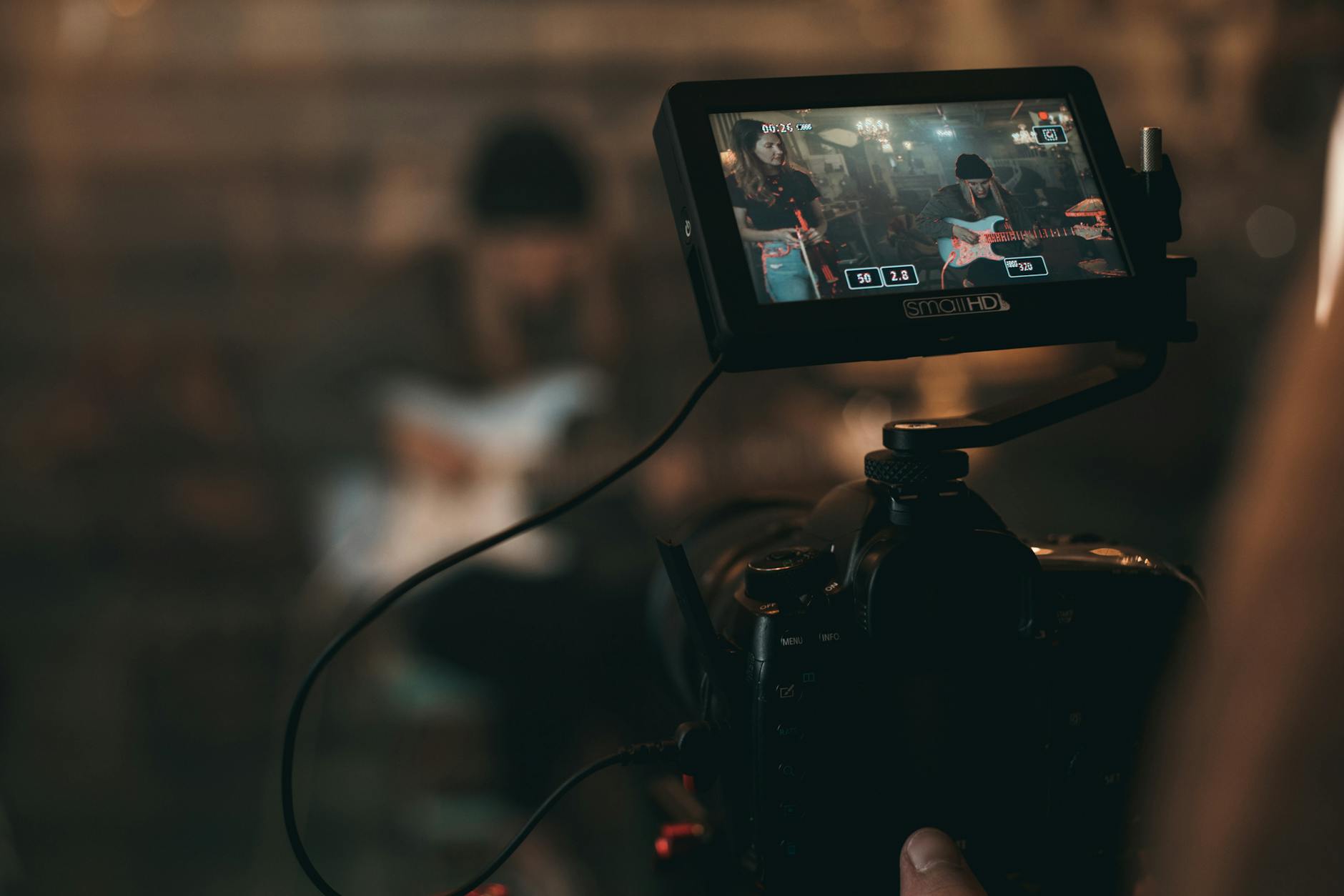
Modern live video production leverages a variety of real-time graphics and overlay systems. These tools enable the addition of lower thirds, branded logos, captions, and transitions that enhance professionalism and visual appeal. Graphics engines integrated into production workflows allow for dynamic visual elements that update seamlessly during broadcasts.
Control software offers comprehensive management of all production elements, from camera switching and audio levels to live chat integration and audience analytics. Intuitive interfaces facilitate real-time adjustments, ensuring the broadcast aligns with the desired narrative and brand identity. The software also enables remote monitoring and management, providing flexibility for producers and technical teams.
In addition to hardware and software, robust networking infrastructure—including dedicated internet lines and backup systems—is essential for maintaining stream stability. Regular maintenance and routine upgrades of equipment uphold operational efficiency and mitigate potential disruptions, allowing for flawless coverage of complex events, whether they are corporate conferences, concerts, or sports tournaments.
Embracing the latest advancements and maintaining a well-trained technical team are prerequisites for executing high-quality live productions. Providers that invest in the most recent technology, combined with rigorous maintenance protocols, provide clients with confidence that their live streams will be engaging, reliable, and visually impressive.
Factors to Consider When Choosing a Live Video Production Provider
When selecting a provider for live video production services, it's imperative to evaluate their technical expertise and experience. A seasoned team with a proven track record in handling diverse event formats and scales demonstrates their capability to deliver seamless broadcasts. Their familiarity with current industry standards ensures that each project benefits from the latest innovations in streaming technology and production techniques.
Assessing the range of services offered is crucial. A comprehensive provider should cover pre-production planning, camera operation, audio management, graphics integration, and post-broadcast analytics. This end-to-end approach minimizes the need for external vendors and guarantees a coherent production process. Expertise in various live event formats, from corporate webinars and product launches to large-scale sports events, indicates versatility and reliability.
It is equally important to examine the equipment and technology used. Advanced cameras, switchers, audio boards, and real-time graphics systems contribute directly to the quality of the final broadcast. Providers who invest in high-definition cameras, multi-camera setups, and reliable streaming infrastructure typically produce more engaging and visually captivating content.
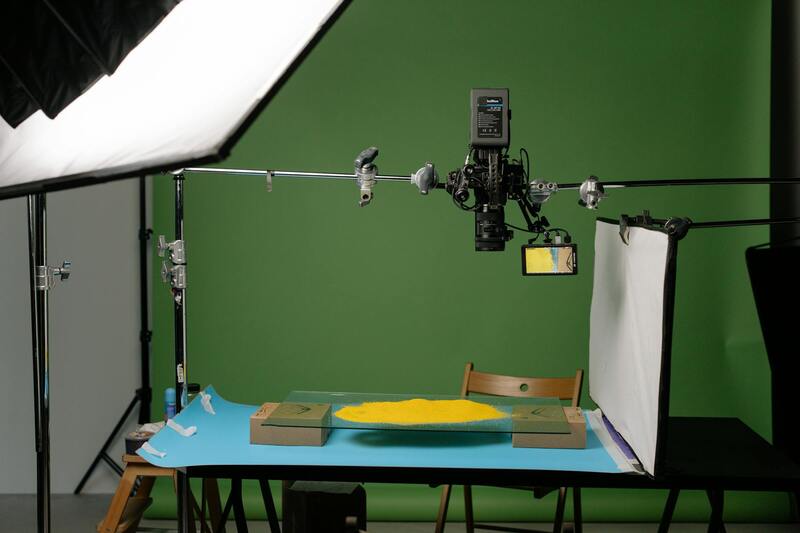
Another vital aspect is the provider’s capacity for tailored services that align with the specific objectives of a client’s project. Clear communication regarding the scope, timeline, and technical requirements fosters a smooth collaboration. Providers should be transparent about their workflows, fallback procedures, and contingency plans to address potential disruptions swiftly.
Furthermore, evaluating the provider’s ability to support remote production and multi-platform streaming expands the reach and accessibility of events. With the growing importance of digital engagement, a provider adept in multi-channel dissemination can maximize audience impact across social media, websites, and dedicated apps.
Client references and case studies serve as additional assurances of quality and professionalism. These testimonials showcase past successes and can reveal the provider’s capability to manage complex technical environments effectively. Ultimately, choosing a live video production partner involves balancing technical competence, service scope, reliability, and alignment with project goals to ensure a compelling broadcast experience that resonates with audiences and meets organizational objectives.
Key Equipment and Technology Used
High-quality live video production relies on the integration of advanced equipment and cutting-edge technology. Professional producers utilize a combination of high-definition cameras, which deliver crisp, clear visuals that engage viewers more effectively. Multi-camera setups allow dynamic switching between various angles, providing a cinematic feel that amplifies the production value. This setup is particularly beneficial for live events such as conferences, sports, or concerts, where capturing multiple perspectives enhances audience immersion.
Moreover, the backbone of seamless live streaming is robust infrastructure. Reliable encoders are crucial for converting high-quality video feeds into formats suitable for streaming across different platforms. These encoders must be capable of handling high bitrates to prevent buffering and ensure smooth playback for viewers. An optimized internet connection with sufficient bandwidth is equally important to sustain uninterrupted broadcasts, especially during high-traffic live events.
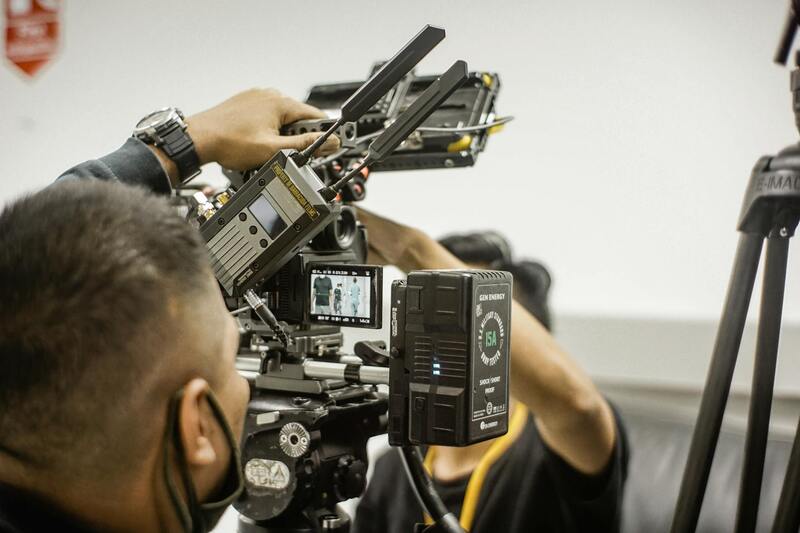
Audio quality is often overlooked but vital in live productions. Digital audio mixers, wireless microphones, and soundboards enable clear, well-balanced sound that complements the visuals. Microphone placement and mixing techniques are used to minimize background noise and enhance speech intelligibility, crucial for corporate presentations or panel discussions.
Another key technology component involves real-time graphics and overlays. These tools allow producers to display titles, branding, live polls, or other interactive elements that increase engagement. Integrated on-screen graphics can be customized to match branding guidelines, making the broadcast appear polished and professional.
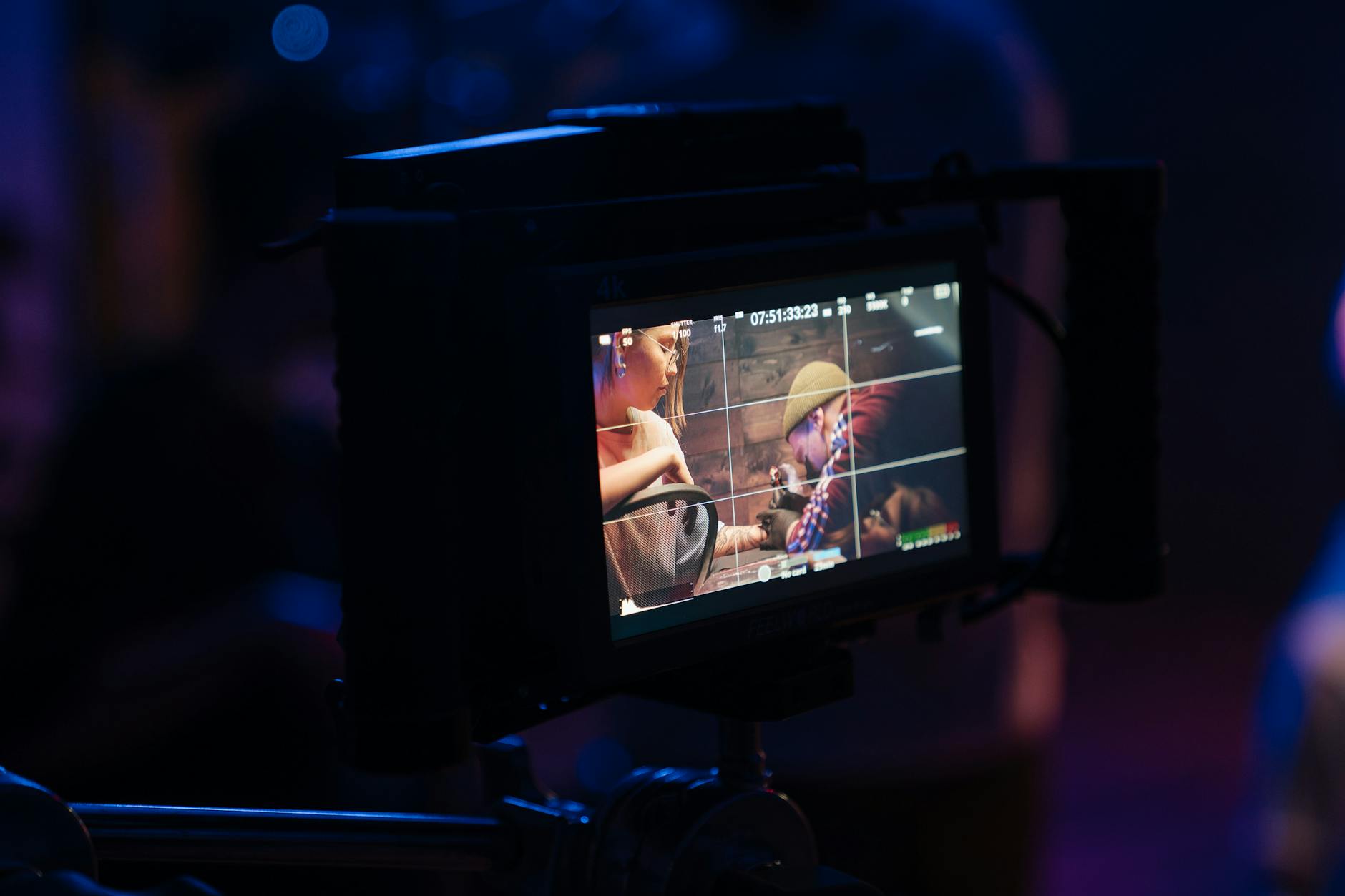
Finally, remote production tools have become indispensable. With remote control systems and cloud-based interfaces, directors and producers can manage live streams from virtually anywhere. This flexibility is particularly valuable during situations requiring quick adjustments or multi-site coverage, enabling a more agile production process without compromising quality.
Factors to Consider When Choosing a Live Video Production Provider
Selecting the right live video production service is essential to ensure your event’s success and deliver a professional experience to your audience. Several key factors come into play when evaluating potential providers, each contributing to the overall quality and reliability of your broadcast.
Expertise and Experience
One of the primary considerations is the provider's experience and track record in producing live video content. An experienced team understands the intricacies of live broadcasting, including managing unforeseen issues, and can provide strategic recommendations to enhance the viewing experience. Their familiarity with various event types—be it corporate conferences, concerts, or sports—ensures tailored solutions that meet specific requirements.
Range of Services Offered
A comprehensive provider offers a wide array of services, from simple single-camera streams to complex multi-camera productions involving multiple angles, graphics, and overlays. The ability to incorporate live editing, real-time graphics, and audience interaction tools significantly elevates the broadcast quality. Providers offering end-to-end solutions simplify the production process by managing all technical aspects within a single package.
Technology and Equipment
The quality of equipment is crucial for delivering crisp visuals and clear audio. High-definition cameras, professional audio mixers, and reliable streaming hardware form the backbone of a seamless live broadcast. State-of-the-art graphics systems and interactive tools can further engage viewers and provide branding opportunities. Ensuring the provider uses the latest technology reflects their commitment to quality and innovation.
Customization and Flexibility
Every event has unique requirements. A capable provider should be able to customize their services—adapting to different formats, integrating branding elements, and accommodating specific technical or logistical needs. Flexibility in scheduling, equipment setup, and post-production support also influences overall satisfaction and project success.
Pricing Structure
Understanding how the provider structures its pricing helps in assessing value for money. Whether offering fixed packages, hourly rates, or customized quotes based on event complexity, clarity in billing allows for budget management. Transparent pricing, with detailed descriptions of included services, prevents surprises and ensures alignment with project scope.
Client Support and Communication
A responsive and communicative team ensures smooth coordination before, during, and after the event. Clear communication channels and dedicated project managers help clarify expectations, troubleshoot technical issues proactively, and facilitate timely updates. The ability to deliver prompt support underpins a stress-free production process.
Reference Checks and Testimonials
Reviewing client feedback and case studies offers insights into the provider’s reliability and quality of work. Positive testimonials and successful project reports build confidence that their services consistently meet high standards.
Understanding the Proper Methods for Live Video Production in Miami
Utilizing Certified Equipment and Certified Operators
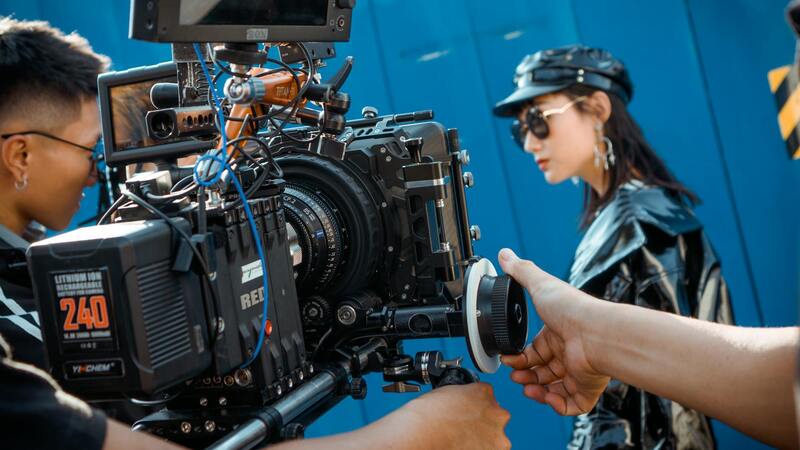
Ensuring high-quality live video content begins with the choice of certified equipment and experienced operators. Cameras, audio systems, lighting, and streaming hardware must meet industry standards, offering reliability and superior performance during live events. Certified operators are trained professionals adept at managing complex setups, troubleshooting technical issues on the fly, and adhering to safety protocols. This expertise guarantees seamless broadcasting, reducing the risk of unexpected disruptions that could compromise the viewing experience.
Adhering to Industry Standards and Best Practices
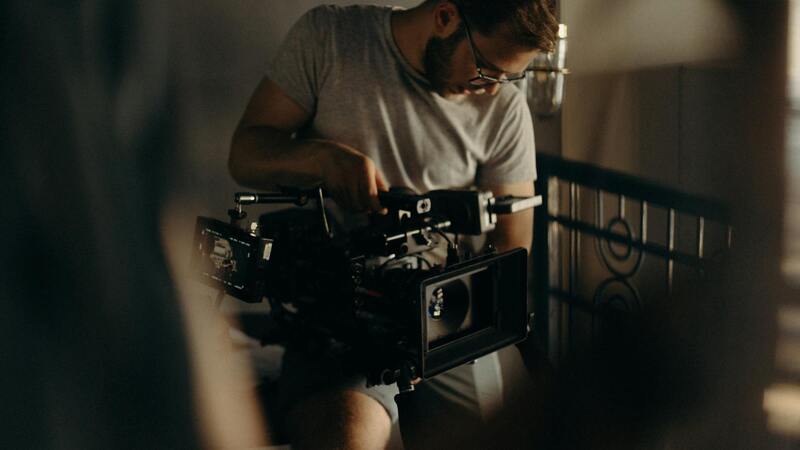
Strict adherence to established standards in signal transmission, data security, and content management is crucial. Providers committed to these best practices utilize encrypted streams, redundant backup systems, and stable internet connections to uphold the integrity of the broadcast. They follow guidelines from reputable industry organizations, ensuring compliance with technical norms that promote quality and safety. This disciplined approach safeguards against data breaches, signal loss, and other technical issues that could jeopardize the event's success.
Employing Proven Streaming Platforms and Protocols
The selection of reputable streaming platforms and protocols directly impacts the reliability of live broadcasts. Professional providers utilize well-known services such as Adobe Media Server, Vimeo Livestream, or Wowza, alongside optimized streaming protocols like RTMP, HLS, or SRT. These technologies facilitate adaptive streaming, low latency, and high resolution, ensuring viewers experience a smooth, high-quality broadcast regardless of varying internet conditions. Employing established platforms and protocols reflects a commitment to transparency and technical excellence in live video production.
Maintaining Certification and Continuing Education
Continuing education and certification for production teams are indicators of ongoing professionalism and dedication to excellence. Regular training sessions on the latest technologies, safety procedures, and industry innovations ensure teams stay current. Certifications from recognized organizations reinforce their expertise and credibility, assuring clients that the live video production team adheres to regional and international standards for quality and safety.
Image Placeholder and Caption
Conclusion: Best Practices for Ensuring Proper Methods
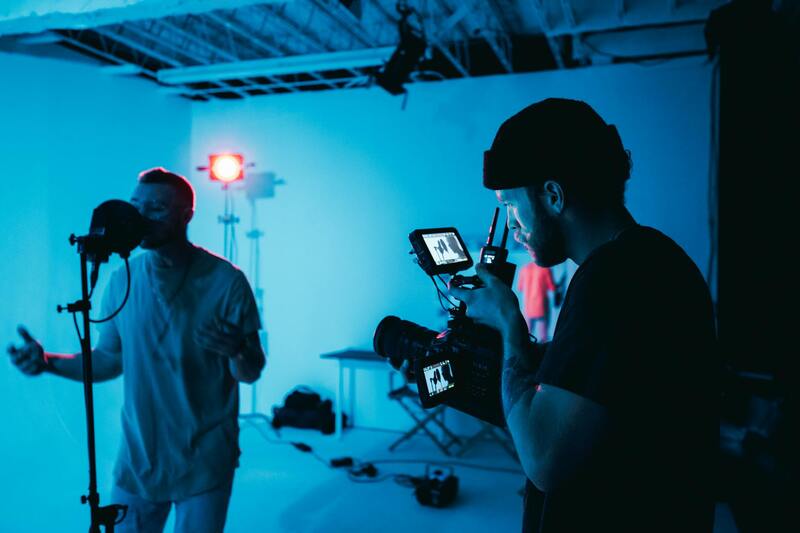
Adoption of certified equipment, strict adherence to industry standards, utilization of proven streaming technologies, and ongoing team education form the backbone of proper live video production methods. These practices ensure high-quality, reliable, and secure broadcasts that meet the expectations of clients and audiences alike. Selecting providers committed to these principles guarantees that professional standards are maintained throughout every stage of the production process, ultimately delivering exceptional live content that enhances brand reputation and audience engagement in Miami.