Understanding Live Stream Services Production
Live stream services production encompasses the comprehensive process of preparing, executing, and delivering real-time video content to an online audience. This multifaceted operation involves a series of technical and creative components working in harmony to ensure viewers experience seamless, high-quality broadcasts. At its core, live streaming production demands meticulous planning, sophisticated equipment, and a skilled team to manage each stage effectively.
A fundamental element is video capture, which involves using cameras and related hardware to record live events. These live feeds are then processed through encoding devices that compress the video data into formats optimized for internet transmission. The encoding process is critical as it directly impacts the stream’s quality, latency, and stability.
Broadcasting itself requires robust streaming servers and platforms capable of delivering content to multiple viewers simultaneously. Content delivery networks (CDNs) play a pivotal role in ensuring latency is minimized, and access remains uninterrupted, especially during large-scale events.
Beyond the technical setup, live stream production also integrates audio management, graphics overlay, and interactive features that enhance viewer engagement. Achieving a professional broadcast requires synchronization of all these elements, often under tight time constraints and with multiple live feeds.
Successful live stream services production is not solely technical; it demands strategic coordination to align with event goals, audience expectations, and branding considerations. From a corporate presentation to a large public festival, understanding these components ensures a smooth, impactful live video experience.
Key Equipment Used in Live Streaming
Successful live stream services production hinges on the deployment of advanced, reliable equipment that ensures high-quality delivery and seamless execution. A robust setup typically involves a combination of cameras, video switchers, encoders, audio systems, and supporting hardware that work together harmoniously to produce professional-grade broadcasts.
Core Equipment Components
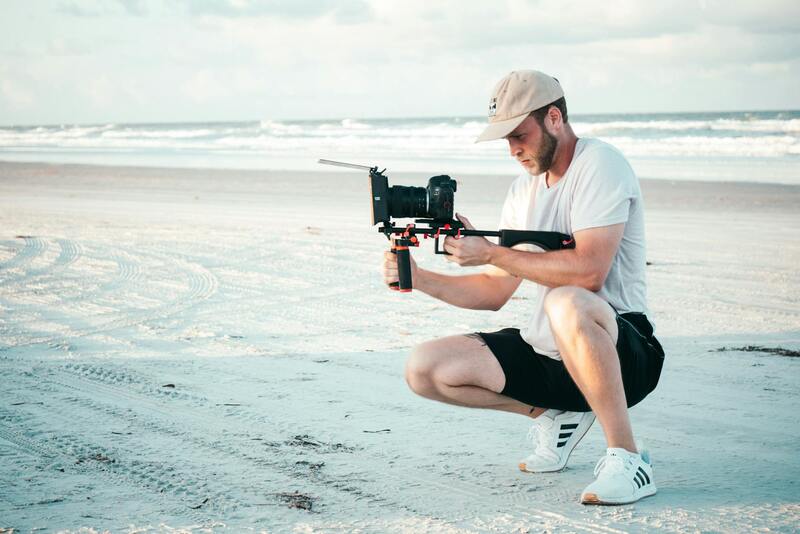
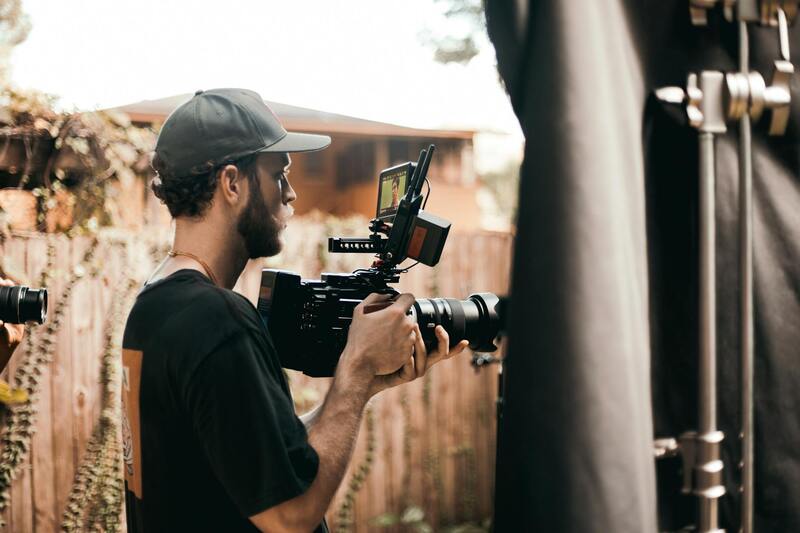
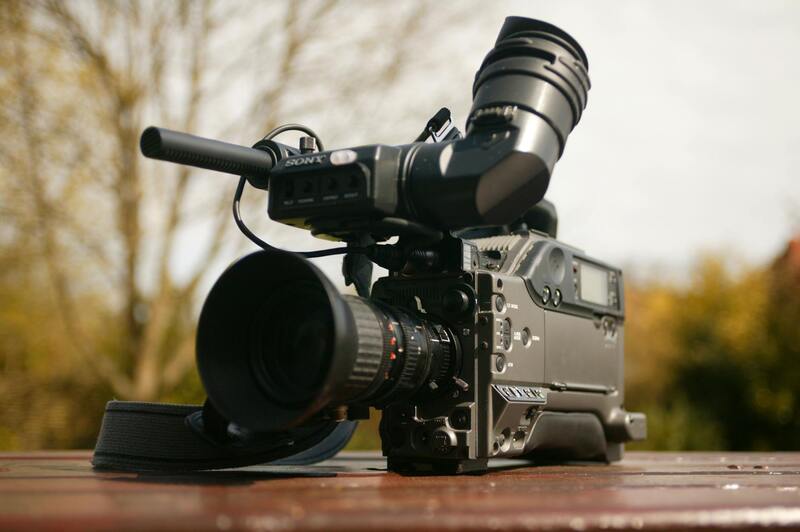
- Cameras: High-definition professional cameras capture live footage with clarity and precision, essential for engaging viewers. These range from ENG (Electronic News Gathering) cameras to studio-grade broadcasting units, depending on the scale of the event.
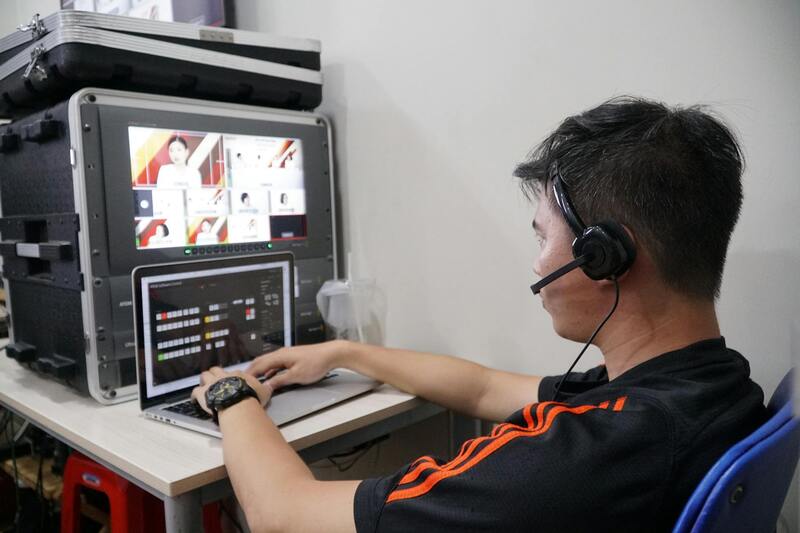
- Video Switchers and Mixers: These devices allow operators to switch between multiple video feeds, add graphics, and incorporate pre-recorded content smoothly during a live broadcast. Switchers provide the flexibility needed for complex live productions requiring multiple angles.
- Encoding Hardware: Encoding devices transform raw video signals into compressed streams suitable for internet transmission. Top-tier encoders support multiple input formats and resolutions to adapt to different streaming platforms and bandwidth conditions.
- Audio Equipment: Clear audio is equally vital as video quality. Professional microphones, audio mixers, and digital signal processors ensure sound fidelity and synchronization with visual content.
- Streaming Servers and CDNs: Dedicated servers handle the distribution of live feeds to viewers. Partnering with Content Delivery Networks (CDNs) is crucial for distributing the broadcast efficiently across large geographical areas, maintaining low latency, and minimizing buffering issues.
Supporting Hardware and Accessories
- Lighting: Proper lighting enhances visual clarity and sets the tone of the broadcast. Lighting rigs vary depending on indoor or outdoor setups and the desired aesthetic.
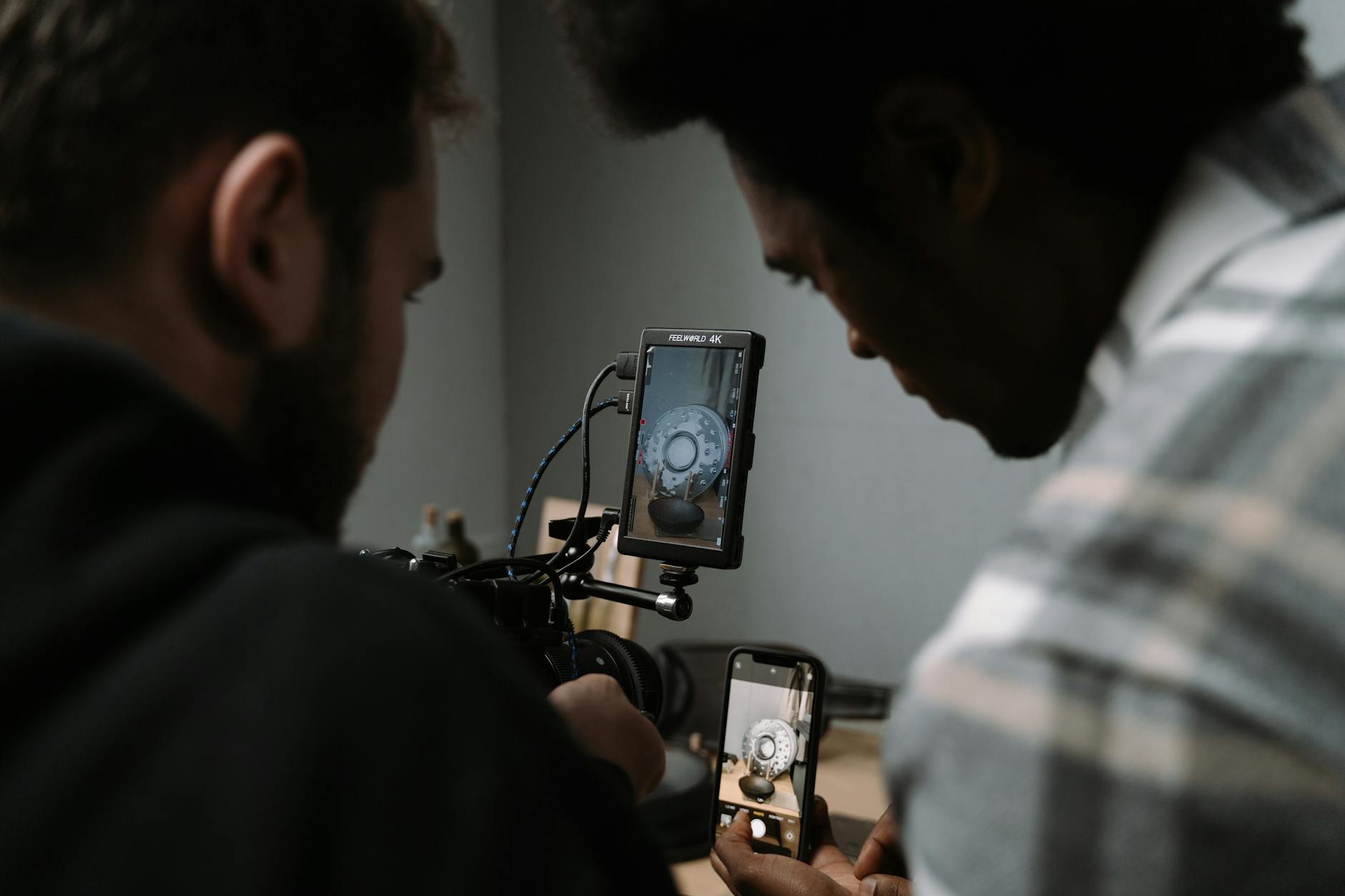
- Monitors and Control Panels: Multiple monitors allow technical staff to oversee different feeds, ensuring visual consistency and prompt troubleshooting.
- Transmission Interfaces: Devices such as wireless transmitters or fiber optic links facilitate high-speed data transfer, especially for mobile setups or remote productions.
Importance of Equipment Integration
Integrating these elements through precise configuration and calibration ensures a stable transmission, minimal latency, and high-quality output. Maintenance and regular testing of equipment are vital to prevent technical failures during live events. Additionally, integrating backup solutions, such as redundant encoders or power supplies, is essential for uninterrupted streaming.
Understanding Live Stream Services Production
Executing a seamless live streaming event requires meticulous planning and coordination of multiple technical components. The production process begins well before the event starts, with a comprehensive understanding of the various roles, equipment, and workflows involved. This includes the setup of high-quality video and audio equipment, configuring streaming hardware, and establishing reliable internet connections. Live stream services production entails a blend of real-time technical control and creative direction to deliver an engaging viewer experience.
Successful live streaming also depends on the synchronization of audio-visual elements, effective management of multiple camera angles, and ensuring that broadcast feeds are stable and high in quality. The integration of different devices, such as cameras, switchers, audio mixers, and encoding hardware, must be precisely calibrated. This ensures that the output is smooth, with minimal latency and latency that is imperceptible to the audience. Reconstruction of the event through live feeds demands unwavering attention to detail, from initial planning to on-the-fly troubleshooting during the broadcast process.

Key Components of Professional Live Stream Production
- Video Capture Devices: High-definition cameras equipped with lenses suitable for indoor or outdoor environments. Multiple cameras enable dynamic shot angles and creative framing.
- Switchers and Encoders: Hardware or software tools that manage transitions between cameras and compress the video feed into a suitable format for streaming.
- Audio Equipment: Professional microphones, audio mixers, and digital signal processing ensure clarity and balance of sound, which is vital for engaging broadcasts.
- Streaming Servers and CDNs: Dedicated servers facilitate the distribution of live feeds to viewers efficiently, reducing buffering and lag by employing content delivery networks.
- Support Hardware: Lighting rigs, monitors, control panels, and advanced transmission interfaces such as wireless transmitters and fiber optic links improve overall production quality and flexibility.
Achieving high-quality live streams relies heavily on these hardware components working cohesively, with proper configuration and ongoing maintenance. Rigorous testing before an event and proactive troubleshooting during a live broadcast ensure consistent performance. Backup solutions, including redundant encoders and power supplies, serve as vital safeguards against unforeseen technical difficulties.
Conclusion
Incorporating advanced hardware and adhering to best practices for equipment management define the backbone of professional live stream production. Ensuring seamless integration and continuous testing safeguards broadcast integrity, providing viewers with an uninterrupted and high-value experience. Optimal setup and maintenance lead to consistent broadcast quality, engaging audiences across diverse platforms and locations.
Understanding Live Stream Services Production
Producing a high-quality live stream requires meticulous planning, execution, and technical expertise. Key to this process is ensuring that the production environment is meticulously managed from the initial concept to the final broadcast. This involves selecting the appropriate production team, delineating clear responsibilities, and establishing a workflow that prioritizes technical precision and audience engagement. Every element on the set, from camera angles to audio cues, must be coordinated flawlessly to deliver a seamless viewing experience that captures the event's essence and maintains viewer interest. Additionally, it is crucial to have contingency plans in place for handling unforeseen issues, such as equipment failure or signal disruptions, ensuring that the live stream can continue without interruption. The integration of professional-grade equipment, team collaboration, and comprehensive rehearsals are vital components in elevating the production quality and ensuring that the broadcast aligns with the event's goals and audience expectations.
Key Equipment Used in Live Streaming
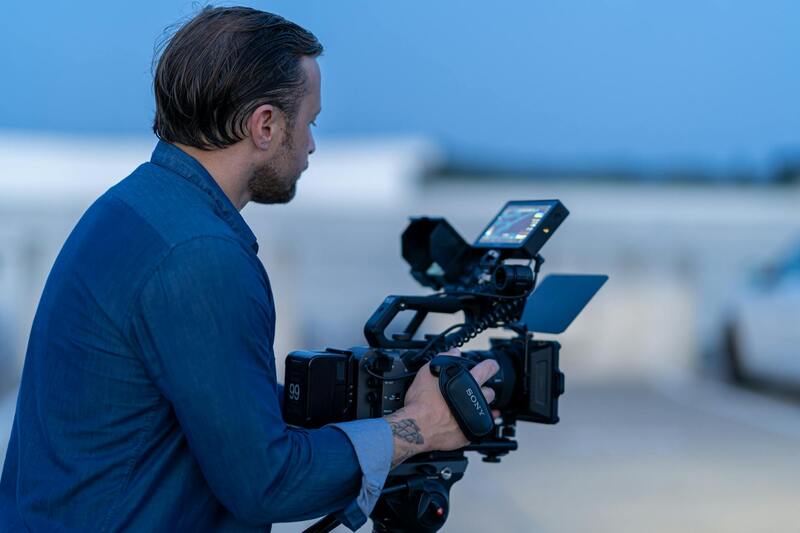
To deliver professional live streams, a variety of advanced equipment is essential. Camera systems, such as broadcast-grade cameras with high-definition outputs, provide crisp visuals and multiple angles, enhancing viewer engagement. Video switchers enable real-time transitions between different camera feeds, allowing producers to create dynamic and polished broadcasts. Audio capture devices, including lapel and shotgun microphones, combined with digital audio mixers, ensure crystal-clear sound, which is just as important as video quality.
- Cameras: High-definition, multi-camera setups for versatile shot options
- Video Switchers: Facilitate real-time switching and effects
- Audiovisual Equipment: Quality microphones, audio mixers, and digital processors
- Encoding Hardware: Hardware encoders convert video signals into streaming formats efficiently
- Content Delivery Network (CDN) Integration: Ensure smooth distribution of the streaming content across multiple platforms

Planning and Pre-production for Live Streaming Events
Successful live streaming events are founded on thorough pre-production planning. This involves defining the event's objectives, audience targeting, and platform selection to maximize reach. Detailed storyboarding and shot listing help interlocutors visualize the broadcast flow, ensuring all visual and audio elements are aligned. Technical rehearsals are critical, allowing the team to test equipment, establish signal flow, and troubleshoot potential issues beforehand. Additionally, securing all necessary permits, coordinating with venue staff, and scheduling adequate setup time are vital steps in avoiding last-minute surprises. Content preparation, including visual graphics, overlays, and any pre-recorded segments, should be finalized well in advance. Clear communication channels among the production team, host, and technical staff ensure everyone is aligned on responsibilities and timing. Proper planning minimizes on-the-fly decision-making, creating a more controlled environment for a high-quality broadcast.
Technical Aspects of Live Stream Production
Executing a successful live stream requires meticulous attention to technical details to ensure seamless delivery and high-quality audiovisual output. Central to this is the integration of reliable encoding hardware, which converts raw video signals into formats optimized for online streaming. Hardware encoders are favored in professional environments for their robustness, reducing latency and maintaining stable streams even when network conditions fluctuate. Alongside encoding, the deployment of top-tier audiovisual equipment—such as professional-grade cameras, high-fidelity microphones, and sophisticated audio mixers—ensures crisp visuals and clear sound. These elements are crucial for engaging viewers and conveying the intended message with impact.
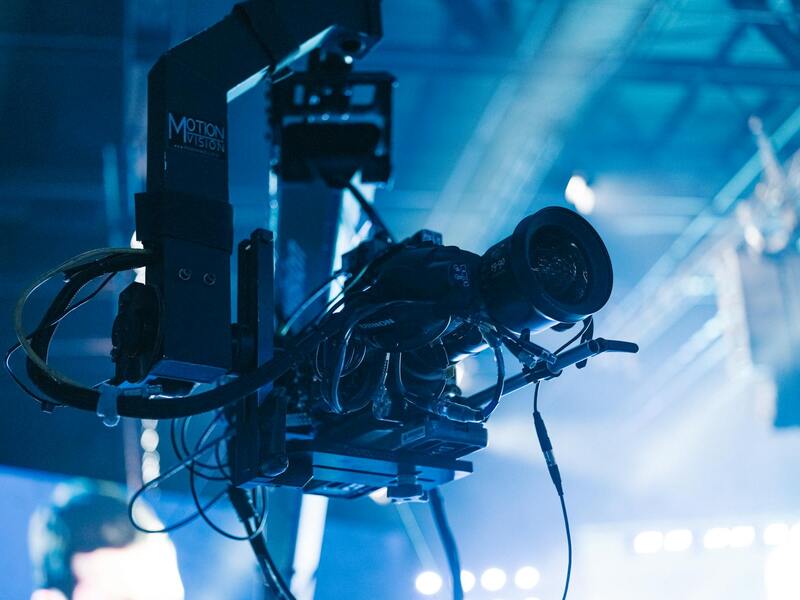
Furthermore, a solid Content Delivery Network (CDN) integration is essential for distributing the live feed across multiple platforms efficiently. The CDN reduces buffering and latency, delivering a smooth viewing experience regardless of geographic location. Combining multiple streams into a unified production involves real-time switching, overlay insertion, and effects that add professionalism and engagement to the broadcast. Live producers utilize production switchers or software platforms to dynamically manage these elements, reacting swiftly to on-air developments.
Monitoring equipment plays a pivotal role in maintaining stream integrity. Real-time analytics tools track stream health, bitrate consistency, and viewer engagement. These metrics help technical teams identify issues proactively, enabling prompt corrective actions to prevent disruptions mid-broadcast.
To optimize the entire process, reliable networking hardware such as switches, routers, and network redundancy solutions are implemented. They help sustain stable connections and prevent interruptions caused by network failures. The deployment of backup systems, including secondary encoders and alternative internet connections, adds a layer of security, ensuring the live event proceeds uninterrupted.
Audio-visual synchronization is carefully managed through calibration of equipment and the use of audio delay systems if necessary. The goal is to deliver a cohesive multimedia experience where visuals and sound are perfectly aligned. Proper cabling, signal routing, and routine checks are integral to this process.
In short, the success of live stream production hinges on the seamless integration and management of cutting-edge hardware, robust networking infrastructure, real-time monitoring, and dynamic content control systems. Each component works synergistically to deliver broadcasts that meet the high standards expected by professional audiences.
Roles and Responsibilities of a Production Team
In a professional live stream production, each team member plays a vital role in ensuring a seamless broadcast. The core members typically include a director, technical director, camera operators, audio engineers, and broadcast technicians. The director oversees the entire operation, making real-time decisions on camera cuts, graphic overlays, and content sequencing to maintain a compelling viewer experience. The technical director manages the switcher, coordinating transitions between different video sources, and ensures the live feed flows smoothly.
Camera operators are responsible for capturing high-quality footage from various angles, utilizing professional-grade cameras and equipment to deliver clear visuals. Audio engineers monitor sound levels meticulously, balancing multiple microphones and sources to produce clean, intelligible audio that complements the visual content. Broadcast technicians handle the technical infrastructure, including maintaining streaming servers, encoding equipment, and network connections, to prevent any disruptions during the live event.
Beyond the core team, additional roles may include on-screen talent, graphics operators, and social media managers. On-screen talent ensures engaging presentation and adherence to event scripts, while graphics operators manage real-time overlays, lower thirds, and branding elements. Social media managers coordinate live updates, engage viewers, and distribute content across various platforms to enhance audience reach and interaction.
Given the complexity of live stream services production, establishing clear communication channels and detailed operational protocols is critical. Regular rehearsals help identify potential issues with equipment, timing, and overall coordination, ensuring every team member understands their responsibilities and can react swiftly to any unexpected challenges that might arise during the broadcast.
Leadership within the production team must also maintain flexibility, adapting to real-time developments and technical problems. This requires skilled problem-solving and a thorough understanding of the equipment in use, as well as the ability to make prompt decisions that keep the stream on track. Proper training and experience are essential to navigate the dynamic environment of live streaming, especially for large-scale or high-profile events.
Understanding Live Stream Services Production
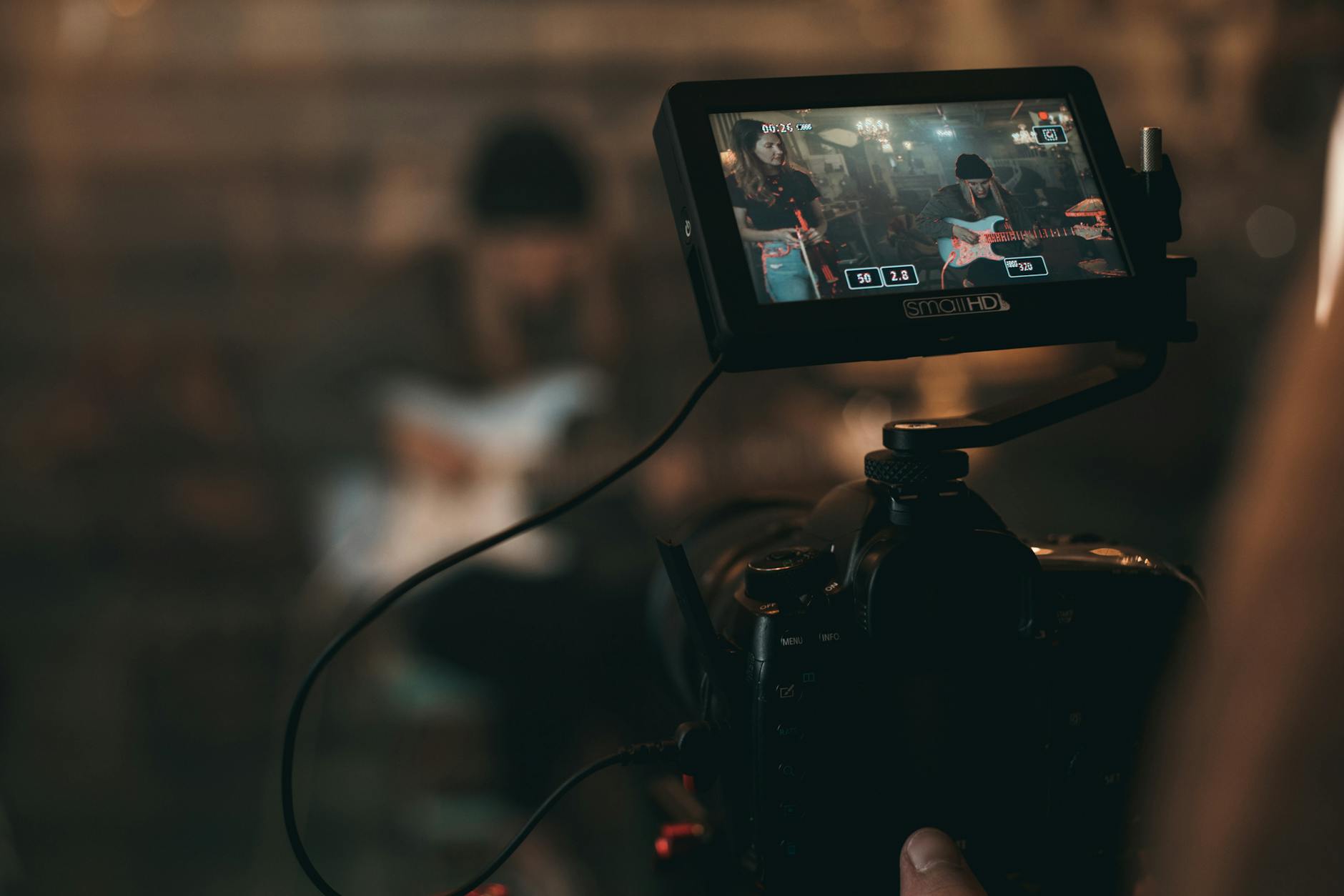
Effective live stream services production requires meticulous planning and execution. It involves coordinating various technical and creative elements to deliver a seamless viewing experience. This process begins with selecting appropriate hardware and software solutions that can handle the demands of high-quality streaming across different platforms. Ensuring compatibility with existing infrastructure and scalability for future growth is essential. Additionally, reliable internet connectivity forms the backbone of any successful live stream, making the choice of dedicated bandwidth or failover solutions a priority. Careful attention must be paid to encoding settings, camera angles, and audio clarity to maintain a professional presentation. The production team must also consider the event's visual branding, incorporating graphics, overlays, and lower thirds that align with the client's identity. Advanced live streaming setups may incorporate multi-camera switching, real-time editing, and overlay graphics, providing a dynamic and engaging broadcast. Effective coordination among team members ensures that each element functions harmoniously, minimizing errors and technical glitches. As live events are inherently unpredictable, contingency plans must be in place to address potential disruptions swiftly and efficiently. This comprehensive approach guarantees a polished presentation that reson constantly with viewers, whether they are tuning in via social media, dedicated websites, or streaming apps.
Key Equipment Used in Live Streaming
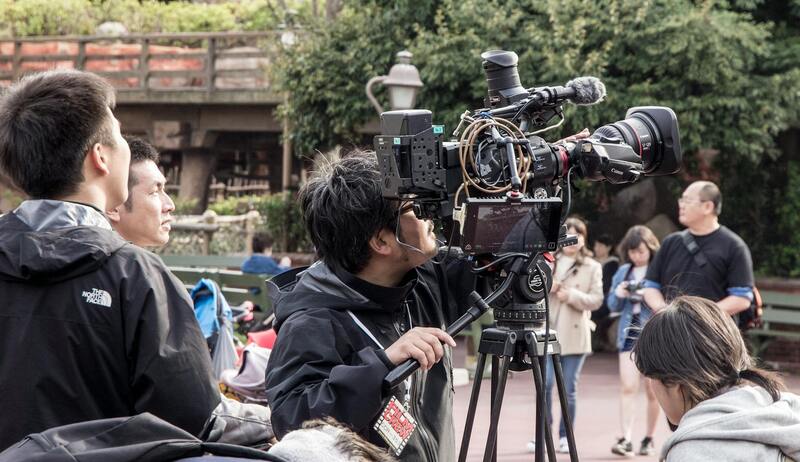
The foundation of quality live streaming begins with robust equipment tailored to meet the demands of real-time broadcasting. Central to this setup are professional cameras capable of high-definition output, with some events requiring 4K resolution for exceptional clarity. Video switchers allow producers to seamlessly alternate between camera feeds, add transitions, and incorporate special effects. Audio consoles or mixers enable precise sound control, ensuring clear narration and balanced background music. For encoding, hardware or software encoders compress video streams into formats compatible with streaming platforms, maintaining high quality while optimizing bandwidth use. Reliable network hardware, such as network switches and routers, facilitate stable internet connections, which are vital for uninterrupted streaming. On the software side, live streaming platforms or management tools coordinate stream distribution, monitor performance, and enable real-time analytics. Graphics systems generate overlays, branding elements, and lower thirds dynamically, enhancing visual appeal. To ensure redundancy, backup equipment like secondary encoders and extra power supplies are standard, minimizing the risk of technical failures. The integration of these components requires skilled technical staff to operate and troubleshoot throughout the event, emphasizing the importance of experienced professionals in live stream services production.

Planning and Pre-production for Live Streaming Events
Thorough preparation underpins successful live streaming projects. Pre-production involves defining the event’s objectives, target audience, and desired outcomes. This phase includes selecting the appropriate streaming platforms and determining technical requirements, such as camera angles, graphics, and audio setups. A detailed production schedule is created, outlining rehearsals, equipment setup, and testing timelines to ensure all elements operate smoothly. Scriptwriting and cueing are crucial for scripted segments, while to-do lists aid in coordinating responsibilities among team members. Location scouting assesses the venue's internet connectivity, lighting conditions, and space for equipment and crew allocation. Technical rehearsals replicate the live environment, allowing the team to identify and resolve potential issues. Testing internet speeds, audio quality, and video feeds ensures resilient signal transmission. Facilitating open communication channels among producers, technical staff, and on-camera talent helps synchronize efforts. Contingency plans are drafted for possible technical or logistical issues, ensuring the event proceeds with minimal disruption. This meticulous planning lays the groundwork for a slick, professional broadcast that engages viewers and fulfills stakeholders' expectations.
Understanding Live Stream Services Production
Effective live stream services production is the backbone of any successful digital broadcast. It involves a series of carefully coordinated activities and technical executions designed to deliver seamless broadcasts to viewers in real-time. This process begins with comprehensive planning, where the target audience, event objectives, and delivery platforms are explicitly defined. During production, professional equipment such as high-definition cameras, multi-channel mixers, robust streaming encoders, and professional audio apparatus are utilized to ensure top-tier visual and audio quality. The coordination of these components requires meticulous attention to detail, including managing signal inputs, optimizing lighting conditions, and integrating graphics and overlays for a polished presentation.
Throughout the production phase, operators monitor stream stability, manage transitions, and troubleshoot technical issues as they arise. Multi-camera setups allow for dynamic viewing experiences, while real-time switching offers engaging content flow. The involvement of skilled technical staff ensures that each element, from audio synchronization to video feeds, performs optimally. The deployment of dedicated streaming hardware, such as professional encoders and reliable internet connections, minimizes latency and dropout risks. Integrated communication systems enable constant coordination between on-camera talent, technical crew, and producers, fostering a cohesive workflow that adapts swiftly to live conditions.
Key Equipment Used in Live Streaming
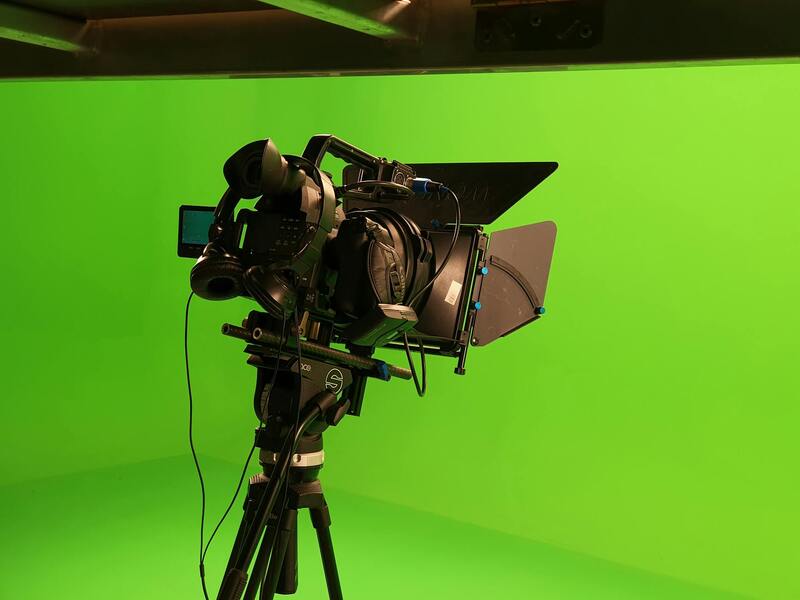
- High-definition cameras for clear visuals
- Video switchers for multi-camera management
- Professional audio equipment, including microphones and mixers
- Streaming encoders for compressing and transmitting content
- Reliable internet connections with dedicated bandwidth
- Lighting fixtures to ensure optimal visual clarity
- Graphics and overlay software for branding and information display
- Monitoring displays for real-time feedback and quality control
- Backup power supplies to maintain operations during outages
Planning and Pre-production for Live Streaming Events
Thorough preparation underpins successful live streaming projects. Pre-production involves defining the event’s objectives, target audience, and desired outcomes. This phase includes selecting the appropriate streaming platforms and determining technical requirements, such as camera angles, graphics, and audio setups. A detailed production schedule is created, outlining rehearsals, equipment setup, and testing timelines to ensure all elements operate smoothly. Scriptwriting and cueing are crucial for scripted segments, while to-do lists aid in coordinating responsibilities among team members. Location scouting assesses the venue's internet connectivity, lighting conditions, and space for equipment and crew allocation. Technical rehearsals replicate the live environment, allowing the team to identify and resolve potential issues. Testing internet speeds, audio quality, and video feeds ensures resilient signal transmission. Facilitating open communication channels among producers, technical staff, and on-camera talent helps synchronize efforts. Contingency plans are drafted for possible technical or logistical issues, ensuring the event proceeds with minimal disruption. This meticulous planning lays the groundwork for a slick, professional broadcast that engages viewers and fulfills stakeholders' expectations.
Choosing a Miami-Based Live Stream Production Service
Selecting the right Miami-based live stream services production provider involves evaluating several critical factors. It is essential to partner with local agencies that possess a proven track record of delivering high-quality broadcasts tailored to a diverse range of events, from corporate conferences to live concerts. Experience within Miami’s unique logistical and infrastructural landscape ensures smoother operations, especially revolving around venue access, permitting, and local regulations. A reputable service provider should demonstrate a comprehensive understanding of state-of-the-art streaming technology, offering customized solutions that align with specific event requirements. Reviewing testimonials, case studies, and portfolios provides insight into their technical capacity and professionalism. Additionally, assessing their ability to handle last-minute adjustments and providing reliable support during live events are key considerations. Strong communication skills and a collaborative approach enhance the planning process, ensuring all stakeholders’ expectations are managed effectively. Ultimately, selecting a local partner that combines technical expertise with dependable service guarantees a polished, engaging live stream that maximizes audience reach and engagement in the Miami area.