Overview of Live Broadcast Services
Live broadcast services encompass a range of professional solutions that enable the real-time transmission of video and audio content from a specific location to a broad audience over the internet. These services are vital for various applications, including corporate events, conferences, product launches, entertainment shows, sports events, and community gatherings. The ability to stream live content ensures immediate engagement, expands geographic reach, and offers an authentic, unfiltered experience for viewers. In Miami, a city known for its vibrant cultural scene and bustling business environment, local live broadcast providers play a crucial role in delivering high-quality streams that amplify visibility and audience interaction.
Such services typically involve a combination of advanced broadcasting equipment, skilled technical personnel, and reliable internet infrastructure. Proper execution of live broadcasts requires meticulous planning and coordination to ensure that the streaming remains smooth, clear, and accessible to all viewers. As digital consumption continues to grow, more organizations and content creators recognize the importance of professional live broadcast services to enhance their content delivery and achieve their strategic objectives effectively.
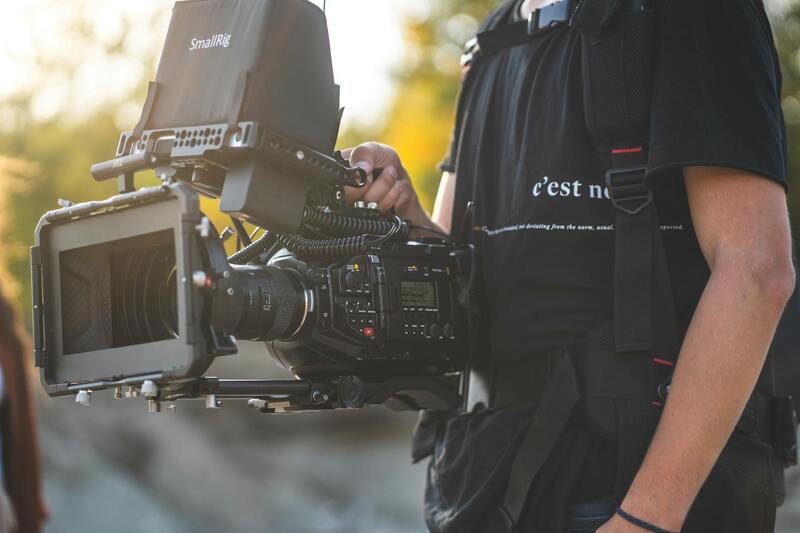
The significance of live broadcast services extends beyond simply transmitting content. They facilitate real-time interaction, audience participation, and immediate feedback, which are essential in today's fast-paced digital landscape. Whether for a business seminar, a music festival, or a community charity event, the precision and quality of a professionally managed live stream can greatly influence the event’s success and audience perception.
In Miami, leveraging a local live broadcast service provides additional advantages, including tailored support, an understanding of regional technical requirements, and faster response times for on-the-ground adjustments. As the city continues to be a hub for diverse events, having access to expert live broadcasting solutions ensures seamless execution while maintaining high production standards.

Types of Live Broadcast Services Offered
Within the realm of live broadcast solutions, service providers offer a diverse array of options tailored to meet varying event requirements. These services extend across different formats, technologies, and audience interactions to ensure optimal delivery and engagement.
- Event Live Streaming: This fundamental service involves transmitting live events directly to online audiences. Whether it's corporate conferences, product launches, or cultural festivals, event streaming allows real-time access, enhancing reach and visibility.
- Webcast Production: Beyond simple streaming, webcast production includes comprehensive content creation, professional camera work, graphics, and synchronized audio-visual effects. This approach adds a polished, cinematic quality to high-profile presentations and webinars.
- Multi-Camera Broadcasts: For events where multiple angles are essential, multi-camera setups provide dynamic coverage. This setup enables switching between different camera feeds seamlessly, capturing various perspectives to enhance viewer engagement.
- Interactive Live Streams: Incorporating live chat, Q&A sessions, polls, and viewer feedback mechanisms, interactive streams foster real-time audience engagement. These features are particularly valuable for webinars, Q&A sessions, or live auctions.
- On-Demand Content Integration: Many live broadcast services also include features to archive and repurpose live streams into on-demand videos, expanding content longevity and viewer accessibility after the event concludes.
- Hybrid Event Streaming: Combining in-person and virtual components, hybrid streaming offers flexibility for audiences who cannot attend physically. This approach maximizes participant interactions and extends event visibility across multiple platforms.
Choosing the right mix of these services depends on the event's scope, target audience, and desired engagement level. Experienced live broadcast providers in Miami can assess these factors thoroughly to recommend optimal configurations, integrating high-quality streaming technology with audience interaction tools for maximum impact.
Overview of Live Broadcast Services
Live broadcast services are integral to delivering real-time video content across various platforms, allowing organizations and event organizers to reach broader audiences instantly. These services encompass comprehensive solutions that include high-quality streaming, multi-camera setups, audience interaction features, and content archival options. In Miami, a vibrant hub for diverse industries, reliable live broadcast solutions facilitate everything from corporate announcements and cultural festivals to sports events and virtual conferences. A professional live broadcast service ensures seamless streaming, minimal latency, and high-definition visuals, elevating the audience's viewing experience. These services employ advanced technology, such as dedicated streaming servers and adaptive bitrate streaming, to maintain stability and clarity, even during high-traffic peaks. As digital engagement continues to grow, the demand for sophisticated live broadcast solutions tailored to various event sizes and types increases, making it essential to understand the core elements that define a successful broadcast.
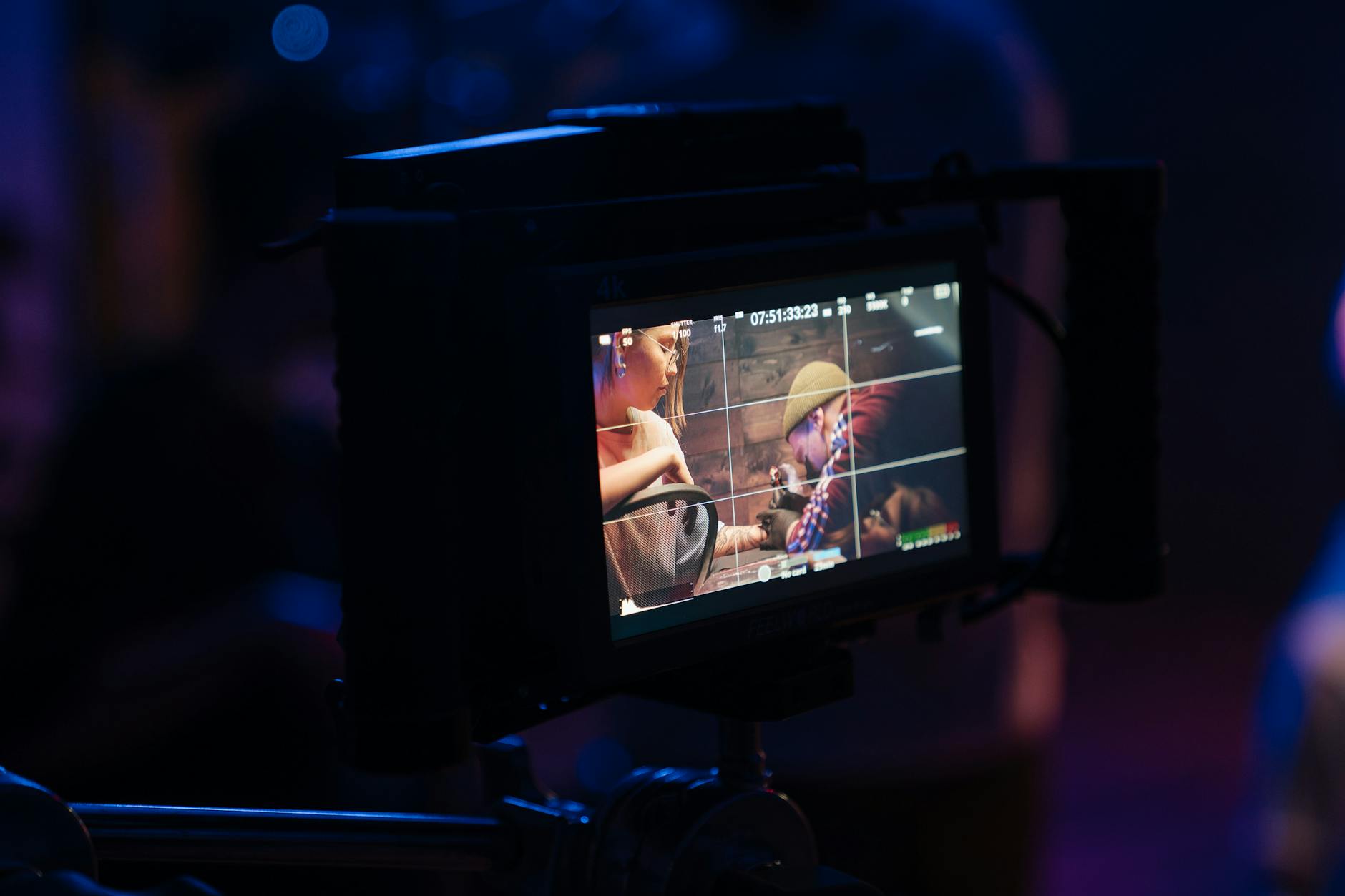
Key Features of Professional Live Broadcast Solutions
Professional live broadcast solutions incorporate a range of features designed to enhance viewer engagement and ensure content professionalism. Multi-camera configurations are standard for events requiring multiple viewing angles, providing dynamic coverage that keeps the audience visually engaged. This setup involves synchronized switching between camera feeds to highlight different perspectives, which is especially valuable for conferences, live performances, and sports events.
Interactive features such as live chat, viewer polls, and Q&A sessions significantly boost engagement levels. These tools enable real-time communication between hosts and the audience, fostering a sense of participation and immediacy. Additionally, integrating on-demand content allows for post-event viewing, extending the lifespan of the broadcast and accommodating viewers in different time zones.
Hybrid streaming capabilities, which merge physical and virtual attendance, are increasingly popular, providing flexibility and broader access. This approach is beneficial for events with both onsite and remote audiences, helping organizers reach expanding global markets without logistical constraints. Meanwhile, high-definition visuals and professional audio quality are maintained through sophisticated encoding and streaming technologies, ensuring that the presentation looks polished and retains clarity across all viewing devices.

Types of Live Broadcast Services Offered
Within Miami's diverse event landscape, various live broadcast services are tailored to meet specific needs. Corporate clients often opt for live streams of annual meetings, product launches, and training sessions. These broadcasts prioritize professionalism and secure transmission, often incorporating branded graphics, corporate messaging, and multi-speaking segments.
Sports organizations and local clubs frequently utilize live coverage for games, tournaments, and community events. The focus here is on fast-paced, high-quality video streams with minimal latency, ensuring viewers experience the event as if they were physically present. Virtual conferences and seminars are other common offerings, combining panel discussions, keynote speeches, and interactive breakout sessions, all broadcasted flawlessly to remote audiences.
In Miami, event planners and cultural institutions also leverage live streaming to showcase festivals, live performances, and art exhibitions, expanding their reach beyond traditional physical audiences. These services are often customized with supplementary features like multi-language support, exclusive access options, and integrated social media sharing, further broadening event exposure.

Technical Components of Live Broadcasts
Executing a seamless live broadcast relies heavily on a suite of sophisticated technical elements that work in harmony to deliver high-quality streams. At the core of any successful live streaming setup are reliable video capture devices, which can range from professional cameras to high-definition webcams, depending on the event's scale and requirements. These devices must be capable of recording crisp, clear images that meet industry standards for resolution, color accuracy, and frame rate. A robust encoding system is also essential. Encoders convert raw video footage into a digital format suitable for streaming over the internet. These can be hardware-based or software-driven solutions, with the choice depending on the complexity and size of the broadcast. Ensuring efficient encoding minimizes latency and buffering, delivering a smooth viewing experience. Network infrastructure plays a pivotal role in maintaining high-quality streams. A dedicated, high-bandwidth internet connection ensures uninterrupted transmission, especially during large-scale events with high viewer counts. Redundant connections and backup plans are standard to prevent disruptions. Audio quality is equally important. Professional-grade microphones and audio mixers ensure that speech and ambient sounds are captured clearly and balanced. Integrating external audio sources allows for flexibility in managing multiple sound inputs, which is crucial during interviews, panels, or musical performances. Lighting setups must be carefully designed to eliminate shadows and provide even illumination, enhancing image clarity and visual appeal. Proper lighting not only improves aesthetics but also reduces the strain on camera sensors, resulting in a sharper broadcast. Post-production components, such as live graphics, overlays, and branding elements, enhance the professionalism of the broadcast. These visual additions are integrated seamlessly through dedicated software, aligning with the event's branding and communication goals. Finally, a capable control room or dedicated technical team oversees the entire streaming process, monitoring streams in real-time, troubleshooting issues promptly, and managing multiple feeds if necessary. Employing such comprehensive technical support guarantees a polished and reliable live broadcast that meets audience expectations.

Technical Components of Live Broadcasts
Implementing a seamless live broadcast relies on a combination of sophisticated technical components working in harmony. At the core are high-definition cameras that capture visuals with clarity, color accuracy, and stability. These cameras are often equipped with professional-grade lenses and stabilization features to ensure sharp images, even in dynamic or challenging environments. The choice of camera setup—ranging from single-camera shoots for small events to multiple-camera configurations for larger productions—directly impacts the visual quality and viewer engagement.
Encoders play a vital role in converting raw video signals into digital formats suitable for streaming. Advanced hardware encoders or robust software solutions are selected based on the required video quality and scalability needs. Their efficiency ensures minimal latency and optimal compression, which are crucial for a smooth viewing experience.
Streaming platforms serve as the dissemination channels for live content. These platforms—whether dedicated broadcast servers, Content Delivery Networks (CDNs), or popular streaming services—provide scalable solutions to accommodate varying viewer numbers, ensuring high uptime and reliable delivery. The infrastructure must be capable of handling peak traffic without lag or buffering.
Bandwidth considerations are particularly significant in Miami's bustling digital environment. Adequate upload speeds and dedicated internet connections are critical components, preventing interruptions and maintaining consistent video quality. Redundant network pathways and backup systems are employed to mitigate potential disruptions caused by network failures or congestion.
Post-production elements such as real-time graphics, overlays, and lower-thirds are integrated into the broadcast through specialized software. These visual enhancements contribute to branding, event information, or live data updates, enriching the viewer experience without interrupting the live stream.
Technical control rooms staffed with experienced operators oversee the entire process. They monitor the video feed, manage switching between multiple camera angles, and troubleshoot issues promptly. This team ensures synchronization, audio-visual clarity, and overall broadcast stability.
Overall, the integration of high-caliber technical equipment and infrastructure tailored to Miami's modern connectivity landscape is fundamental to delivering professional live broadcasts that meet both audience expectations and client standards.
Technical Components of Live Broadcasts
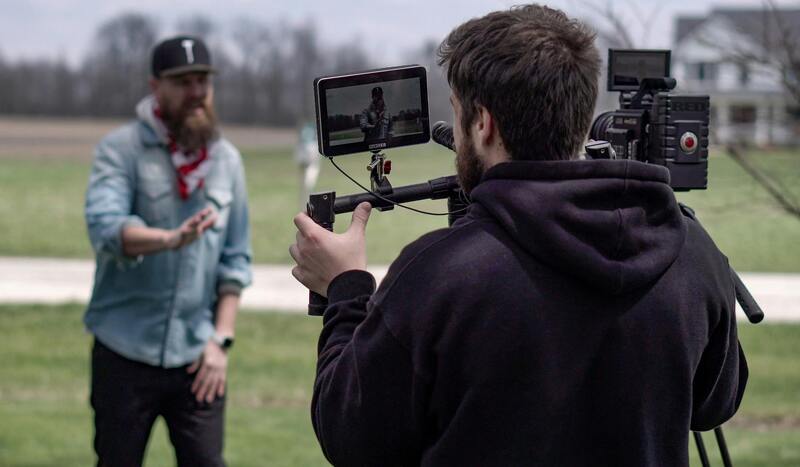
Implementing a seamless live broadcast requires a complex assembly of technical elements that work in unison to deliver high-quality content to viewers. Central to this setup are professional broadcast cameras capable of capturing crisp, high-definition footage across diverse environments. These cameras often integrate with interchangeable lenses and advanced stabilization technology to adapt to different shot requirements and ensure steady images.
Audio professionalism is equally vital. High-fidelity microphones, audio mixers, and soundboards allow for crisp, clear sound capture, minimizing background noise and ensuring audience engagement. Wireless systems further enhance flexibility, especially for dynamic events or interviews where mobility is essential.
Transmission hardware, such as encoders and modulators, convert live video and audio signals into digital formats suitable for streaming. These devices support various streaming protocols, enabling compatibility with multiple platforms and delivery networks. Reliable encoders with adaptive bitrate streaming capabilities help maintain video quality despite fluctuations in network conditions.
Networking infrastructure plays a crucial role in ensuring a stable live broadcast. Dedicated high-speed internet connections, often with fiber-optic lines, are employed to handle large data transfers without interruptions. Network redundancy, including backup connections via LTE or satellite, is standard practice to safeguard against unexpected outages or bandwidth issues.
Accumulating all these elements is a control room equipped with television production switchers and software that manage multiple video sources. Skilled operators oversee the synchronization of video feeds, apply real-time graphics or overlays, and control transitions between camera angles. This environment facilitates a professional, polished broadcast that can adapt spontaneously to any technical challenges that might arise during transmission.
Image Placeholder

Post-production capabilities such as graphic overlays, lower-thirds, and real-time data integration enhance the broadcast's visual appeal and informational value. These enhancements are executed through specialized software that allows real-time editing and graphical overlays, enriching the viewer experience with dynamic visuals without disrupting live streaming. The entire process is supervised by experienced technical staff who continuously monitor the video and audio feeds, troubleshoot issues, and make necessary adjustments to ensure consistent quality and reliability. Their expertise guarantees a smooth, professional broadcast, reflecting positively on the brand or event being showcased.
Technical Components of Live Broadcasts
Delivering a seamless live broadcast requires an intricate integration of multiple technical components, each vital for maintaining high quality and reliability. A standard professional setup begins with high-definition cameras, which capture every angle of the event with clarity and precision. These cameras connect to a centralized production switcher that allows operators to seamlessly switch between different video feeds, add graphics, and incorporate multimedia elements in real-time. The switcher acts as the core hub, making the broadcast appear cohesive and professional.
Audio quality plays a crucial role in viewer engagement. Professional-grade microphones and audio mixers are employed to gather clear sound, which is then synchronized with the video feeds. Advanced audio processing helps eliminate background noise and ensure intelligibility, creating a more immersive experience for remote viewers.
Video and audio signals are transmitted through robust encoding hardware, converting these feeds into digital streams optimized for internet transmission. This encoding process involves compressing the data to facilitate smooth streaming without sacrificing visual quality. A reliable streaming platform or Content Delivery Network (CDN) then distributes the live content globally, ensuring minimal latency and consistent playback across devices and locations.
Networking infrastructure must employ high-capacity fiber-optic lines to handle large data flows efficiently. Multiple network paths—such as backup LTE or satellite connections—are essential to prevent disruptions during transmission. This redundancy ensures an unbroken viewing experience even when unexpected network issues occur.
Monitoring and Control Systems
Throughout the broadcast, technical staff actively monitor all feeds, network performance, and system statuses through sophisticated control room software. This oversight enables rapid response to issues, such as audio/video delays or signal loss, minimizing viewer impact. Video routers and multiviewers enable operators to oversee multiple feeds simultaneously, ensuring continuity and quality of the broadcast.
Real-time graphics and overlays add informational or branding elements dynamically. These enhancements are facilitated through specialized software that allows live editing, enriching the visual experience without interrupting the stream. For example, lower-thirds with speaker names, event branding, or live captions can be integrated seamlessly.
Ultimately, these components establish a comprehensive environment where every aspect of the live broadcast is managed with precision, resulting in a professional presentation that aligns with the client’s objectives and maintains a high standard of quality.
Comprehensive Delivery and Streaming Options in Miami
Effective delivery of live broadcasts hinges on selecting suitable streaming platforms and distribution channels that align with the client's objectives and audience expectations. Miami-based live broadcast service providers leverage a variety of delivery methods to ensure seamless content dissemination. These include dedicated streaming servers, content delivery networks (CDNs), and cloud-based streaming platforms, each offering unique benefits tailored to different event sizes and viewer engagement goals.
Dedicated streaming servers offer control and exclusivity, ideal for large-scale corporate events or high-profile conferences where security and bandwidth management are paramount. CDNs are optimized for large audiences spread over wide geographic regions, ensuring minimal latency and buffer times. Cloud-based streaming solutions provide flexibility and scalability, accommodating fluctuating audience sizes with ease and allowing for rapid deployment of new content or features.
Monitoring and Audience Engagement
Beyond content delivery, robust monitoring tools are employed to track stream health, viewer engagement, and technical performance in real time. These tools gather invaluable data on viewer interactions, peak viewing times, and regional access patterns, providing actionable insights to refine future broadcasts.
Interactive features, such as live chat, polling, and social media integration, are increasingly integrated into Miami's live broadcast offerings. These elements foster a more engaging viewer experience, encouraging active participation and extending the reach of the event across multiple platforms.
Security and Broadcast Integrity
Protecting the integrity of live broadcast streams is a top priority. Modern providers implement encryption protocols, secure login procedures, and firewall protections to safeguard content from unauthorized access or interception. Additionally, redundancy systems, such as backup servers and multiple data paths, sustain broadcast continuity even amidst technical failures.
Authentication measures are also used when streams contain sensitive or proprietary information, ensuring that only authorized viewers can access the content, thereby maintaining confidentiality and controlled distribution.
These strategies collectively underpin a reliable, high-quality live broadcast that meets the standards expected by Miami’s diverse client base, which includes corporate, entertainment, and governmental sectors.