Understanding Live Stream Production
Live stream production has emerged as a vital element in today’s digital landscape, transforming the way organizations and individuals broadcast events to global audiences. At its core, live stream production involves the seamless coordination of various technical and creative components to deliver real-time video content that is both engaging and professional. Unlike traditional broadcasting, live streaming requires a dynamic approach to ensure high-quality visuals, clear audio, and reliable transmission, all while maintaining viewer engagement.
High-quality live stream production can serve numerous purposes—from corporate webinars and product launches to entertainment festivals and educational seminars. This versatility underscores its importance in reaching target audiences efficiently and effectively, offering immediacy and interactivity that pre-recorded content cannot match. A successful live stream delivers not just content, but an immersive experience that captures attention, deepens brand connection, and encourages active participation from viewers.
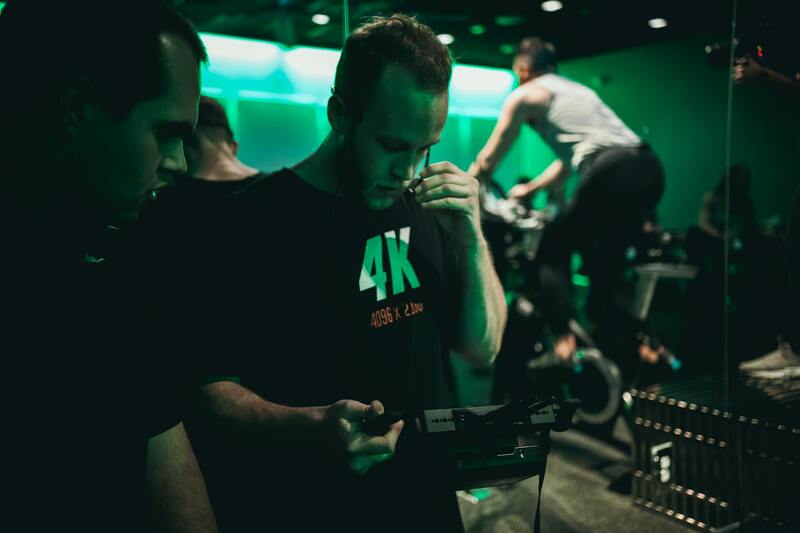
Key components involved in live stream production include comprehensive planning, cutting-edge equipment, skilled technical teams, and robust streaming platforms. These elements work together to produce a broadcast that is resilient, visually appealing, and capable of handling varying internet conditions and viewer demands. The integration of multiple camera angles, professional lighting, and high-definition audio creates a polished final product that resonates with viewers.
Furthermore, the importance of a well-structured production process cannot be overstated. It involves meticulous organization from the initial concept, through detailed pre-production planning, to live execution and subsequent review. Ensuring every element functions smoothly—such as encoding, switching between sources, and managing audience interactions—requires expertise and experience.
Effective live stream production also demands a clear understanding of the target audience and the strategic use of technology to enhance viewer engagement. Whether utilizing chat functions, real-time analytics, or interactive features, the goal is to foster a sense of connection and participation. This approach not only boosts reach but also enriches the overall experience, making live broadcasts a powerful tool for brand visibility, community building, and information dissemination.
For organizations seeking to elevate their live streaming efforts, partnering with professional production teams that specialize in live stream produktion guarantees access to the latest technology, industry best practices, and creative expertise. These specialists can assist in designing a comprehensive production workflow that aligns with the specific needs of each event, ensuring a high-caliber broadcast that meets or exceeds audience expectations.
Equipment and Technology for Live Streaming
Successful live stream produktion hinges on deploying the right equipment and technology to deliver a seamless viewing experience. High-quality cameras, professional audio gear, and robust encoding devices form the backbone of any professional broadcast. Selecting the appropriate hardware depends on the event scale, desired production quality, and audience reach.
Multiple camera setups allow for dynamic and engaging visuals, providing viewers with varied perspectives. Switchers or video mixers are essential for smooth transitions between camera feeds, enabling real-time scene changes that keep the broadcast lively and professional. Comprehensive audio systems, including mixers and microphones, ensure clarity and stereo sound, which are critical for engaging viewers and conveying professionalism.
For encoding, hardware encoders or reliable software solutions convert the live input into streams compatible with platforms like social media or custom websites. These encoding solutions must support high-resolution outputs and have low latency to minimize delays. Content delivery networks (CDNs) are employed to distribute the live stream efficiently across different geographic locations, ensuring minimal buffering and high availability for viewers worldwide.
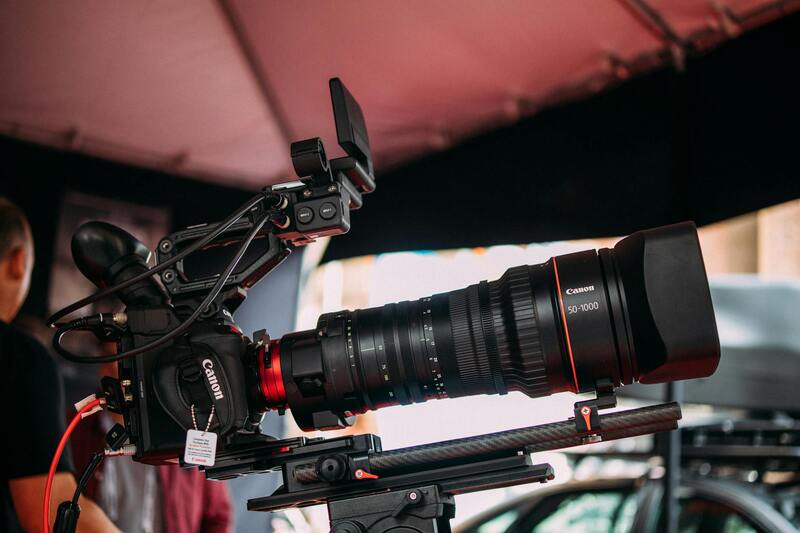
Another critical aspect involves real-time monitoring tools. These allow producers to oversee stream quality, viewer engagement, and technical performance consistently. Modern streaming platforms often incorporate integrated analytics dashboards to track viewer counts, engagement levels, and technical issues, facilitating immediate corrective actions whenever necessary.
Choosing technology that is scalable and adaptable is vital, especially as live streaming needs expand or evolve. Cloud-based solutions offer flexibility, allowing for easy customization, collaboration, and remote management. Such solutions reduce reliance on bulky hardware and provide a dependable infrastructure, especially for larger virtual events or multi-location productions.
- High-definition cameras with multiple angles
- Professional-grade audio equipment
- Reliable hardware and software encoders
- Content Delivery Networks (CDNs) for global distribution
- Monitoring tools for quality assurance
- Cloud-based infrastructure for scalability
Best Practices for Live Stream Execution
Executing a live stream with precision involves careful coordination and adherence to established best practices. Preparation begins with a detailed run-through, ensuring all equipment functions correctly and that the crew is familiar with the event’s flow. Protocols for troubleshooting should be in place to address unforeseen technical issues swiftly, minimizing disruptions.
Maintaining a dedicated production team that manages real-time switching, audio levels, and data feeds ensures the broadcast remains smooth. Clear communication channels among team members, such as headsets and communication software, are vital for seamless coordination. Conducting test streams before the actual event can reveal potential problems, allowing for adjustments in advance.
During the live event, constant monitoring of stream health and audience feedback can inform real-time decisions. Adjustments to camera angles, audio levels, or graphic overlays should be made judiciously to enhance viewer engagement. Managing the timing for transitions, overlays, and interactive elements ensures a professional finish, keeping the audience attentive and engaged throughout the broadcast.
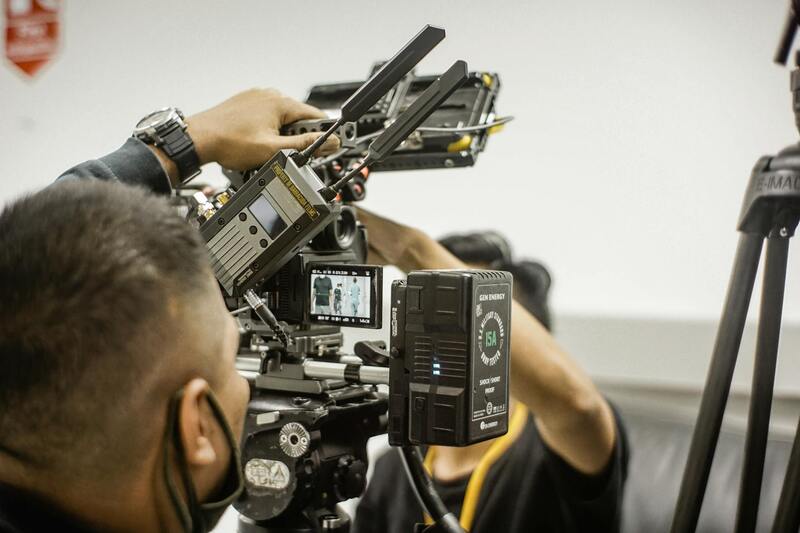
Utilizing automated tools for transitions or overlays can reduce the cognitive load on the production team, allowing focus on content quality. When coordinating complex events, adopting a detailed schedule or storyboard can streamline the process from start to finish. Consistent checks on audio and video feeds during the broadcast prevent quality degradation, ensuring the final product remains polished and professional.
Engaging Content and Audience Interaction
Crafting engaging content that resonates with the target audience enhances viewer retention and participation. This involves a strategic approach to content flow, visual presentation, and interactive features. Real-time chat functions, polls, Q&A sessions, and social media integrations foster a sense of community and involvement, turning passive viewers into active participants.
Incorporating audience engagement tools requires advanced streaming platforms that support bidirectional communication. These tools should be tested thoroughly in pre-production to ensure compatibility and responsiveness during the live event. Visual cues, call-to-action overlays, and live shout-outs create a dynamic environment that encourages interaction and sustains viewer interest.
Content for live streams must be well-structured, balancing entertainment, information, and interaction. Clearly defined segments and transitions maintain flow and viewer attention. Speakers and hosts should be prepared to respond spontaneously to audience input, enhancing authenticity and connection.
Selecting the Appropriate Live Streaming Platforms and Transmission Methods
When choosing a live stream production, selecting the right platform is fundamental to achieving a seamless broadcast experience. Several factors influence this decision, including target audience reach, required features, and intended content type. Popular live streaming services such as Vimeo, YouTube Live, and Facebook Live offer robust infrastructure and extensive reach, making them suitable choices for diverse production needs. These platforms provide high-quality streaming, real-time viewer analytics, and interactive tools that enhance audience engagement.
In addition to choosing the right platform, determining the most effective transmission method ensures optimal broadcast quality. Standard live streaming utilizes Content Delivery Networks (CDNs), which distribute the content efficiently across various geographical locations, minimizing buffering and latency. Adaptive bitrate streaming dynamically adjusts video quality based on viewers' internet speeds, guaranteeing uninterrupted viewing experiences even under varying network conditions.
For productions requiring higher reliability and minimal latency, dedicated bandwidth options such as fiber optic connections are preferred. These transmission methods provide stable, high-speed data transfer, essential for live events with complex graphical overlays or real-time interactions. Employing multiple transmission pathways, like redundant internet connections, can further safeguard against disruptions, keeping the stream running smoothly even if one channel encounters issues.
Implementing Robust Encoders and Software Solutions
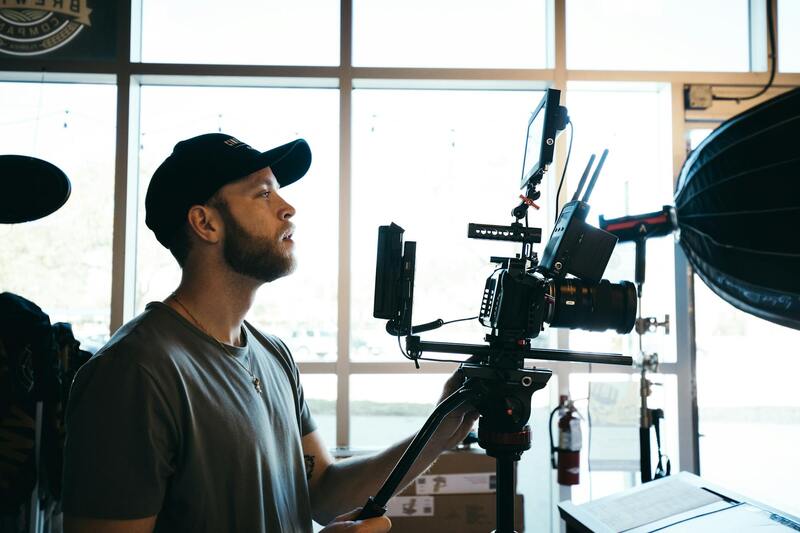
At the core of professional live stream production lies the encoder — a device or software responsible for converting raw audio and video input into a streamable format. Hardware encoders, such as dedicated streaming boxes or rack-mounted units, offer high stability and are ideal for large-scale productions requiring consistent performance. Software encoders like OBS Studio, vMix, or Wirecast provide flexibility and are suitable for productions with rapidly changing content or smaller setups.
Choosing the right encoder hinges on factors such as input-output requirements, scalability, and compatibility with broadcasting platforms. High-definition (HD) and 4K encoding capabilities ensure crisp, clear visuals that captivate viewers and enhance overall production quality. Additionally, features like multi-camera input support, graphics overlay integration, and synchronized multi-stream outputs expand the creative possibilities.
To further refine the live stream, integrating live switching software allows real-time camera switching, overlay insertion, and graphic management. These tools empower producers to craft immersive experiences, combining multiple video feeds into a cohesive broadcast.
Ensuring Audio-Visual Synchronization and Quality Control
Achieving optimal synchronization between audio and video feeds is critical for a professional live stream. Latency discrepancies can cause noticeable lip-sync issues or disjointed audio cues, detracting from the viewer experience. Proper setup involves meticulous calibration of audio and video sources, employing synchronization tools or adjusting encoding settings to align signals precisely.
Continuous quality assurance during the broadcast involves real-time monitoring of both audio and video streams. This can be facilitated through dedicated monitoring stations with multiple screens, ensuring any issues are detected promptly. Employing test runs during pre-production allows the team to identify and rectify potential sync problems or technical glitches before going live.
Maintaining consistent audio levels and visual clarity further enhances professionalism. Using quality microphones, sound mixers, and calibration of lighting setups contributes to a polished appearance. Implementing automatic gain control and audio limiters prevents distortion, ensuring clear and balanced sound throughout the event.
Equipment and Technology for Live Streaming
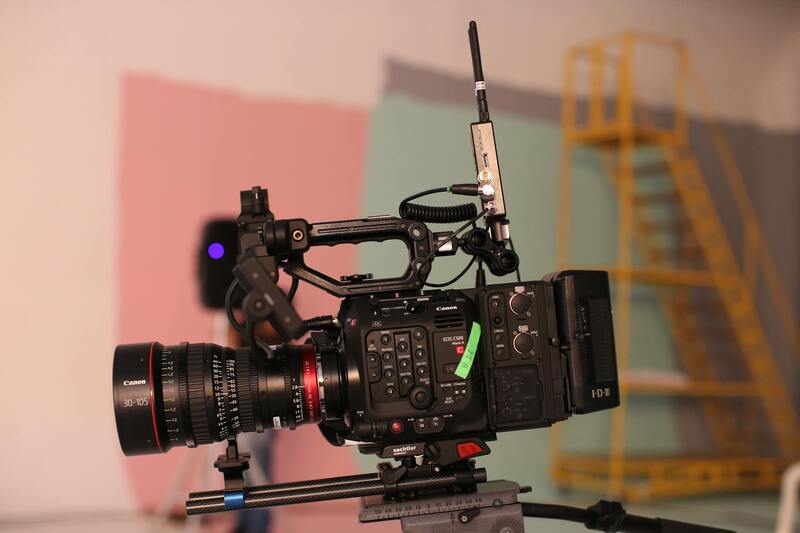
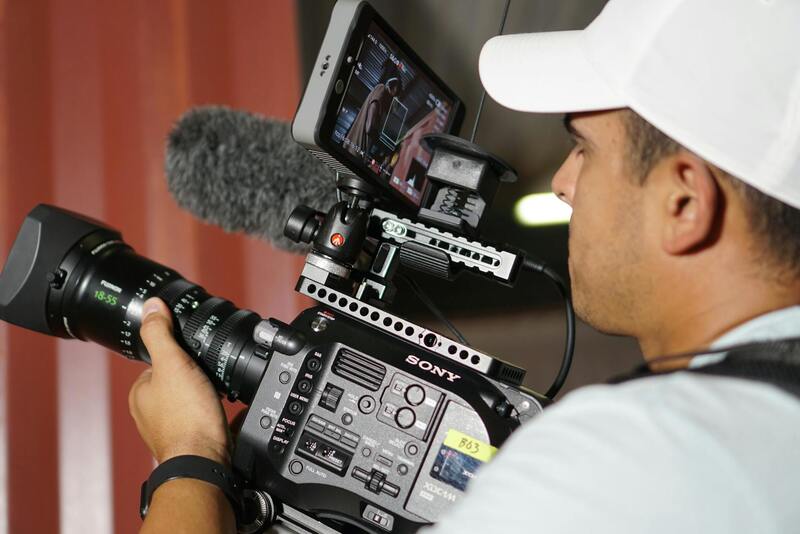
Effective live stream production hinges on the deployment of top-tier equipment and innovative technology. High-quality cameras are essential to capture clear, vibrant visuals that resonate with viewers and convey professionalism. Depending on the scale of the production, options range from DSLR and mirrorless cameras to professional broadcast cameras equipped with SDI outputs for superior image quality.
To ensure seamless transmission, reliable video encoders are vital. Hardware encoders provide stable, high-bitrate streams, while software encoders, such as OBS Studio or Wirecast, offer flexibility and ease of use, especially for multi-camera setups and integrated graphics.
Audio quality is equally crucial; therefore, investing in professional microphones—such as shotgun, lavalier, or condenser types—enhances sound clarity and richness. Sound mixers and audio interfaces allow for precise control over audio inputs, balancing levels and reducing background noise. Automated audio processing tools, including gain control and filters, assist in maintaining consistent sound quality.
Lighting equipment plays a significant role in visual clarity. Proper lighting setups—like softboxes, ring lights, and LED panels—eliminate shadows and highlight subjects effectively, creating a polished look. Light meters and color temperature controls ensure consistent lighting conditions across the broadcast.
For connectivity, robust internet solutions—such as fiber optic or bonded cellular networks—are mandatory to prevent disruptions. Redundant internet sources and backup systems provide contingency options in case of primary network failure.
Additionally, monitoring tools and multi-view software facilitate real-time oversight of multiple streams, enabling producers to make adjustments on the fly. Live switchers and graphics systems add dynamic elements such as overlays, lower thirds, and branding, further elevating the production value.

Ensuring Reliable Transmission and Signal Integrity
Achieving a seamless live stream hinges on maintaining a stable and high-quality signal from the point of origin to the viewing audience. This involves utilizing multiple layers of connectivity and signal management techniques to safeguard against interruptions or quality degradation.
Professional live stream production relies on dedicated high-bandwidth internet connections, often utilizing fiber optic lines or bonded cellular technology. Bonded cellular solutions aggregate multiple cellular networks to produce a unified, robust bandwidth, significantly reducing latency and buffering issues during critical moments of the broadcast.
Redundancy strategies, such as backup internet connections, are vital. When primary connections face issues, automatic failover systems switch seamlessly to secondary sources, preserving broadcast continuity. Signal processing tools like encoders and decoders must be configured meticulously to ensure proper data compression and error correction, which prevent artifacts and dropped frames.
Fiber optic links offer enormous capacity and stability, ideal for high-resolution streams, and are often paired with SDI or HDMI output interfaces to relay pristine video signals. Signal amplifiers and buffers further enhance transmission integrity over longer distances, especially during outdoor or large-scale productions.
Monitoring tools, including multi-view software consoles, enable real-time oversight of multiple input and output streams. These systems alert producers to any anomalies, such as signal degradation or latency spikes, allowing swift corrective actions to maintain high production standards.
Furthermore, the deployment of professional-grade switches and routers ensures consistent signal routing and minimal interference. Proper cable management and shielding reduce electromagnetic interference, which can compromise signal quality in complex studio environments.
Prioritizing Security during Live Streaming
Security measures protect live stream content from unauthorized access and potential cyber threats. Implementing encrypted connections, such as Secure Sockets Layer (SSL) or Transport Layer Security (TLS), safeguards data transmissions. Access controls utilizing secure login credentials and multi-factor authentication restrict entry to authorized personnel only.
Firewall configurations and network segmentation isolate critical production systems from external threats, preventing hacking and interception. Regular security audits and updates of streaming hardware and software are essential to patch vulnerabilities and maintain a resilient infrastructure.
Additionally, maintaining an audit trail of access logs and activity monitoring helps track any unauthorized attempts or breaches. Establishing comprehensive cybersecurity protocols ensures the production’s resilience against evolving digital threats, maintaining the trustworthiness and professionalism of the broadcast.
Understanding Live Stream Production
Executing a live stream with the highest quality requires a meticulous approach to production. Every element, from pre-production planning to post-broadcast analysis, impacts viewer engagement and overall professionalism. Systematic coordination ensures seamless transitions, real-time troubleshooting, and an immersive experience for the audience. This encompasses selecting appropriate broadcasting software, configuring different feeds, and maintaining a reliable production workflow that can handle unexpected issues efficiently.
Technical Setup and Workflow Optimization
Developing a robust workflow involves establishing clear procedures for each stage of production. Pre-broadcast rehearsals test equipment, confirm audio and video synchronization, and verify streaming parameters. During the live event, directors and technical staff monitor multiple feeds, adjust camera angles, manage overlays, and control audio levels to maintain quality. A dedicated technical team equipped with professional-grade hardware and software manages these tasks in real-time, minimizing latency and signal disruption.
Coordination and Communication
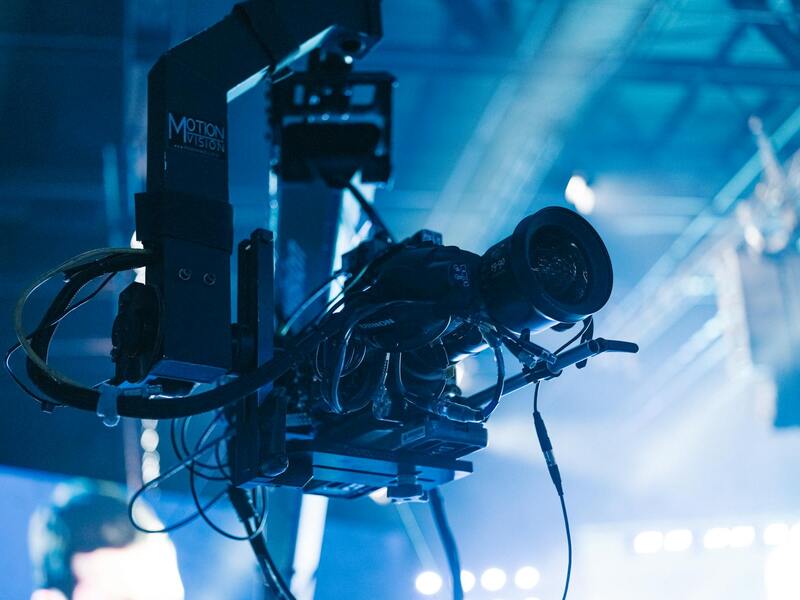
Effective communication among production team members—such as camera operators, sound engineers, and switchers—is vital. Utilizing intercom systems and real-time chat ensures coordinated actions throughout the broadcast. Clear pre-broadcast briefings prevent miscommunications and align everyone’s roles, contributing to a polished live performance.
Integration of Multiple Platforms and Media
Modern live stream production often involves multi-platform distribution. Content is simultaneously broadcasted on social media, websites, and dedicated streaming channels, requiring synchronized workflows. Incorporating graphics, lower thirds, and real-time metrics enhances viewer engagement and provides valuable insights into audience behavior.
Maintaining Stream Quality and Reliability
To uphold consistent streaming quality, redundant internet connections and backup servers are implemented, mitigating risks of outages. Monitoring tools track stream health, quality metrics, and viewer analytics, enabling immediate adjustment if issues arise. Proper encoding settings, bitrate management, and adaptive streaming technologies ensure the audience experiences minimal buffering and optimal clarity regardless of their device or internet connection.
Advanced Equipment for Live Streaming
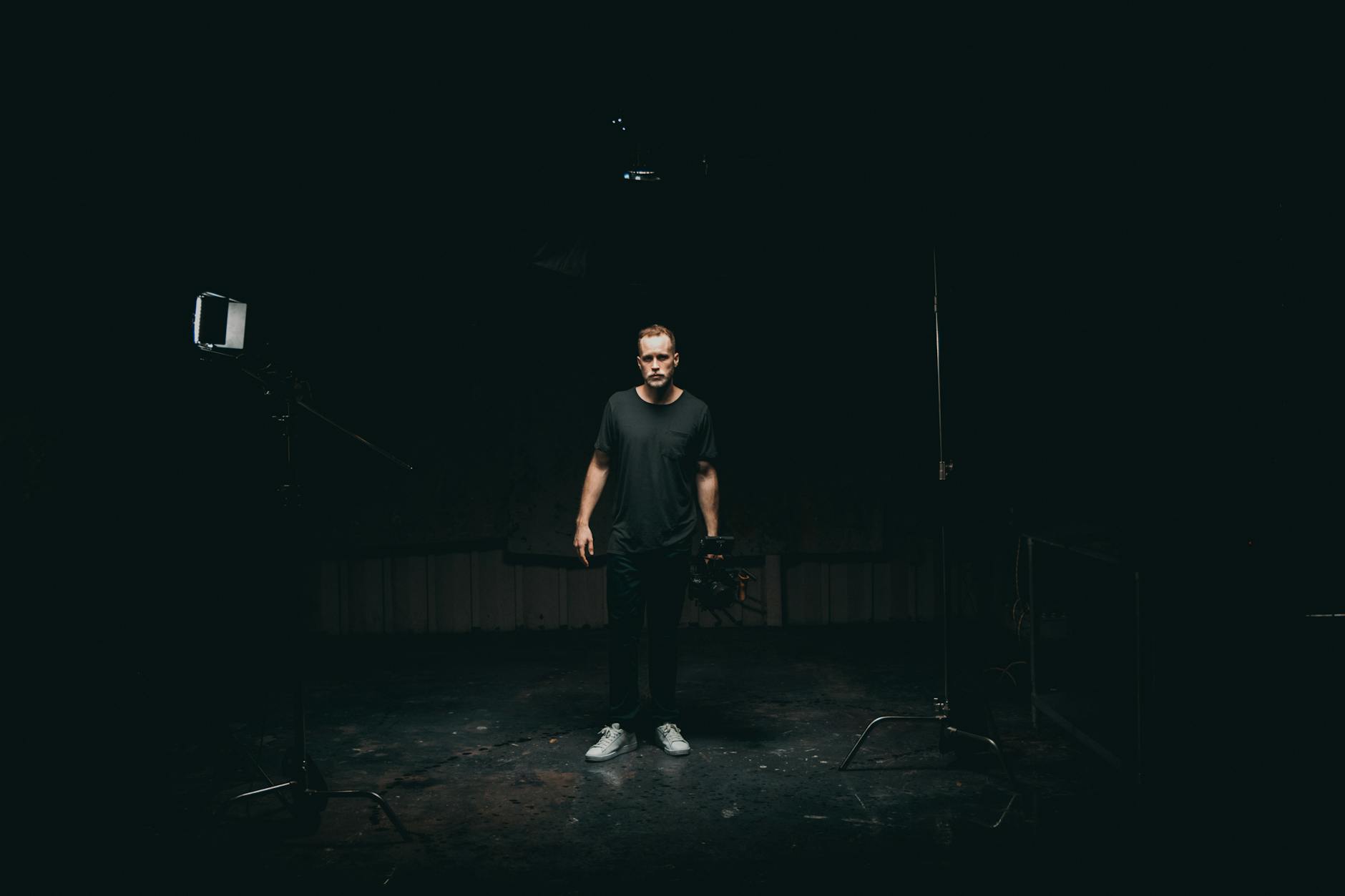
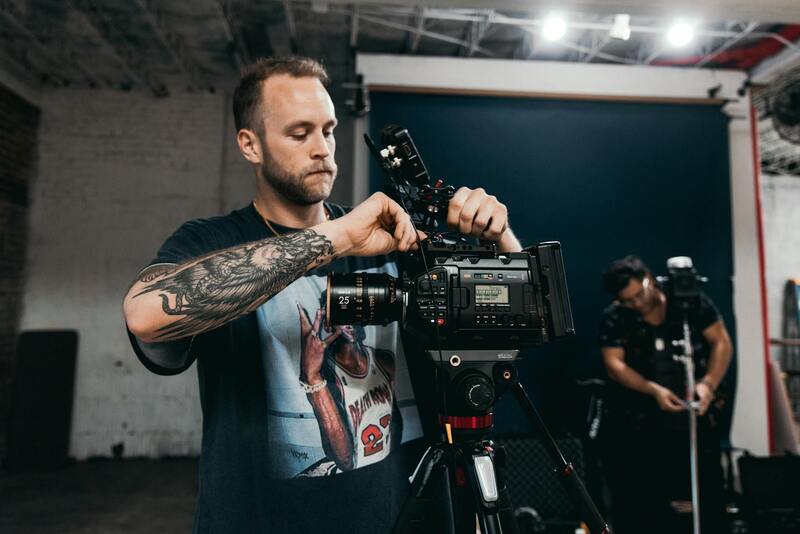
To achieve seamless and professional-quality live streams, utilizing advanced equipment is essential. This includes high-definition cameras capable of capturing crisp visuals from multiple angles, and professional-grade microphones that ensure clear audio capture. Video switchers, or switchboards, allow for dynamic scene changes, providing a cinematic feel to the broadcast by transitioning smoothly between camera feeds and pre-recorded segments.
In addition to core hardware, encoders play a crucial role in converting raw video into streamable data efficiently. Hardware encoders are preferred for their reliability and lower latency, especially during complex productions that require multiple feeds and overlays. Software encoders can be useful for more flexible setups, particularly when integrated with dedicated streaming software.
Lighting setups also significantly impact stream quality. Proper, well-positioned lighting minimizes shadows and enhances visual clarity, making content appealing across different devices and viewing conditions. For productions involving live graphics, real-time rendering hardware, such as graphic overlays and scoreboards, can be integrated into the stream, ensuring an engaging viewer experience.
Audio mixers are vital for balancing sound sources, reducing noise, and transmitting crisp audio to the audience. They help prevent audio issues such as echo, distortion, or uneven levels, maintaining professional sound quality throughout the broadcast.
Ensuring Broadcast Quality and Stream Reliability
Maintaining high broadcast quality and stream reliability is crucial for a seamless viewing experience in live stream production. One essential aspect is deploying robust encoding systems. Hardware encoders, designed specifically for live streaming, convert raw video signals into optimized streams that balance quality and bandwidth efficiency. These encoders support multiple resolutions and bitrates, allowing for adaptive streaming that adjusts to viewers' internet speeds, preventing buffering and interruptions.
In addition to encoding, the deployment of content delivery networks (CDNs) plays a significant role in expanding reach and enhancing stream stability. CDNs distribute the live stream across global servers, ensuring viewers receive data from a geographically optimal location. This minimizes latency, reduces packet loss, and enhances overall stream stability, which is critical for events with large or dispersed audiences.
To further safeguard broadcast consistency, rigorous testing of all equipment prior to the event is imperative. This includes conducting dry runs to identify potential issues with hardware, software, and network connections. Additionally, real-time monitoring during the live event helps quickly identify and rectify issues related to audio/video sync, buffering, or latency.
Stream Backup and Redundancy Strategies
Implementing backup systems is vital to prevent disruptions. This involves having secondary encoders, backup internet connections, and redundant power supplies. For internet redundancy, dual internet lines—preferably via different ISPs—are used for failover support. If the primary connection experiences downtime, the stream automatically switches to the backup without noticeable interruption.
Furthermore, maintaining access to spare hardware components and having a dedicated technical team ready to troubleshoot ensures swift resolution of unforeseen issues. These proactive measures contribute significantly to a flawless live streaming experience, ideal for transmitting important corporate events, sports, or entertainment productions.
Optimizing Viewer Engagement and Interactivity in Live Streaming
Interaction with viewers during live events enhances engagement and provides valuable real-time feedback. Incorporating live chat features, polls, and Q&A sessions within the stream allows audiences to participate actively. These elements not only foster a sense of community but also increase viewer retention and satisfaction.
Advanced streaming platforms support layered content overlays, including real-time graphics, branding, and lower thirds, which add professionalism and visual appeal. Additionally, integrating social media feeds and live comment moderation tools can create a dynamic, interactive environment that keeps the audience invested.
Effective audience management also involves analyzing viewer metrics throughout the broadcast. Data such as viewer count, engagement levels, and drop-off points provide insights into content performance. This information is critical for refining future streams, tailoring content to audience preferences, and ensuring continuous improvement in live stream production quality.