Overview of Live Streaming Video Production
Live streaming video production has become an essential tool for businesses, educational institutions, and organizations seeking real-time engagement with their audiences. This process involves capturing video content through high-quality cameras, managing audiovisual signals, encoding streams, and transmitting the content via internet platforms for viewers to access instantly. As demand for immediate content delivery grows, companies specializing in live streaming video production are leveraging sophisticated technologies to ensure seamless, professional broadcasts that enhance communication, brand visibility, and audience engagement.
In the dynamic Miami market, the importance of live streaming has amplified, driven by the city’s vibrant business environment, diverse cultural landscape, and an increasing need for remote communication solutions. Whether for corporate meetings, product launches, concerts, or community events, live streaming provides a powerful means to reach wide audiences without geographical limitations. The ability to deliver high-quality, real-time content reliably has transformed the way organizations connect with their stakeholders, offering a competitive edge in today’s digital-first world.
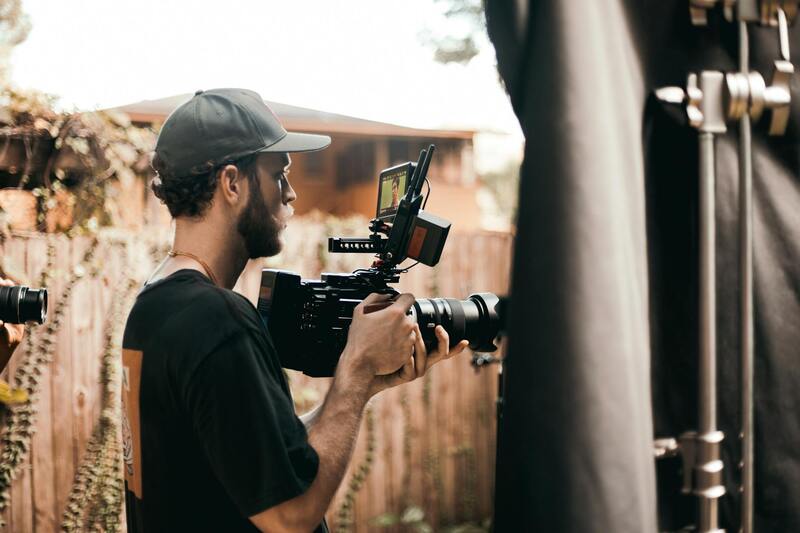
Such production solutions are designed to meet the challenges of live content delivery, including maintaining broadcast stability, ensuring clear audio and visual quality, and providing interactive capabilities for viewers. As Miami continues to grow as a hub for media and entertainment, businesses are increasingly investing in comprehensive live streaming solutions that combine state-of-the-art technology, meticulous planning, and expert execution. This integration allows organizations to produce engaging content that not only reaches a broad audience but also preserves the professionalism and credibility of their message.
To understand the full scope of live streaming video production, it is essential to recognize its core components, technological infrastructure, and the strategic planning involved. The following sections will detail the foundational elements that make up comprehensive live streaming solutions, guiding organizations in Miami toward successful content delivery in an ever-evolving digital landscape.
Key Components of Live Streaming Solutions
Implementing a successful live streaming video production requires a combination of specialized equipment, reliable infrastructure, and skilled personnel. The core elements of any comprehensive live streaming setup include high-definition video cameras, professional audio systems, robust internet connectivity, and advanced streaming platforms. Each component plays a pivotal role in ensuring the broadcast's quality, stability, and engagement potential.
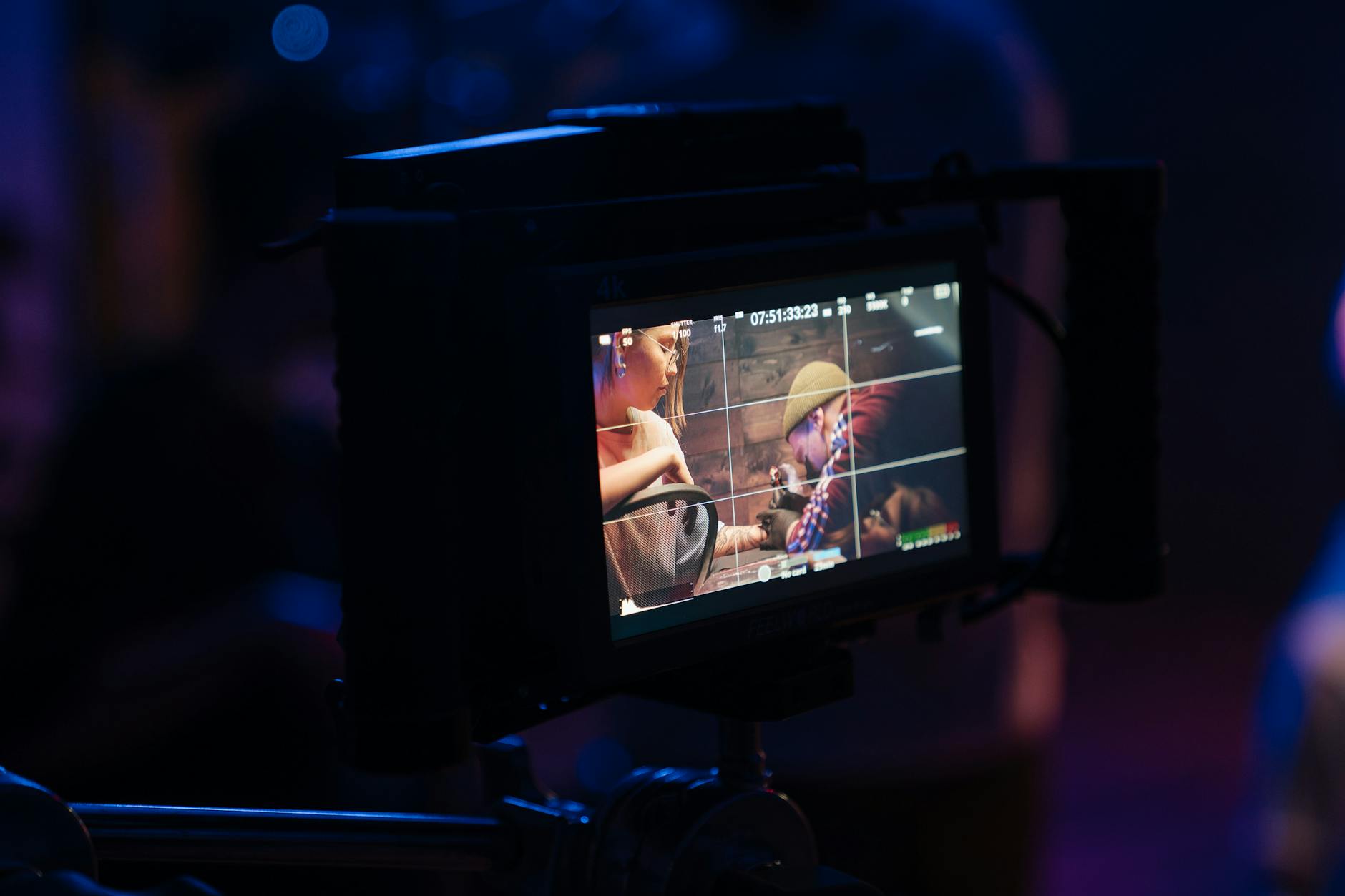
Video equipment often comprises multiple camera angles, switchers, and encoding hardware to enable seamless transitions and multi-source integration. Audio systems must include high-fidelity microphones, mixers, and audio processors to deliver crisp sound and eliminate background noise. These elements work together to produce a polished broadcast that maintains viewer interest and conveys professionalism.
Beyond hardware, stable internet connections are critical. Most live streaming services depend on fiber-optic or enterprise-grade broadband with sufficient upload speeds to handle the bandwidth demands of high-resolution content without interruption. This connection must be backed by redundant internet options, such as failover wireless connections, to prevent disruptions during critical moments.
Streaming platforms and software solutions constitute another vital component. These platforms handle encoding, live transcoding, and distribution across multiple channels, ensuring viewers can access content on various devices. Compatibility with platforms like YouTube Live, Facebook Live, or custom streaming servers allows for broad reach and tailored audience targeting. Additionally, production crews utilize specialized software for real-time editing, graphical overlays, and audience interaction features, enhancing overall broadcast quality and engagement.

Integrating these components requires meticulous planning and technical expertise. Proper setup, calibration, and testing are necessary to verify that all systems operate harmoniously before going live. Skilled personnel, including camera operators, audio engineers, and technical directors, coordinate these elements to deliver a seamless broadcast experience.
Choosing the Right Equipment and Technology
Deciding on the appropriate hardware and software depends on the scale of the event, budget constraints, and specific broadcast goals. For small webinars or corporate updates, high-definition webcams combined with popular streaming software may suffice. However, large-scale events like concerts, sports, or conferences demand professional-grade cameras, switchers, and dedicated hardware encoders. This tier of equipment guarantees high visual fidelity, low latency, and resilient streaming performance.
Emerging technologies such as 4K cameras and wireless video transmission systems are increasingly accessible, providing greater flexibility and image quality. Audio solutions must also be selected based on the event's size and acoustic requirements—ranging from lavalier microphones for speakers to multi-mic arrays for live performances.

Integrating these technological assets into a cohesive workflow involves selecting equipment compatible with existing infrastructure, ensuring interoperability, and planning for future scalability. Professional consultation with experienced production providers often results in customized solutions tailored to unique event demands, maximizing return on investment and broadcast quality.
Production Planning and Workflow
Effective live streaming begins long before the camera starts rolling. Detailed planning encompasses pre-production logistics, content scripting, team roles, and technical rehearsals. Creating a comprehensive workflow diagram clarifies responsibilities and helps coordinate the collaboration between camera operators, audio technicians, technical directors, and on-screen talent.
Key tasks include setting up the event schedule, testing equipment, running rehearsals to troubleshoot issues, and establishing communication channels among all team members. Incorporating contingency plans for common technical issues—such as internet outages or equipment failure—is crucial, especially for larger productions in Miami's vibrant event scene.
During the event, streamlined workflows facilitate real-time switching between cameras, integrating graphics or overlays, and managing live interactions. Post-broadcast procedures, such as archiving footage and analyzing viewer engagement, contribute to continuous improvement and future content strategy development.
Live Streaming Platforms and Distribution
The choice of streaming platforms impacts reach, audience engagement, and control over the broadcast. Popular options like YouTube Live, Facebook Live, and Vimeo allow instant access and wide distribution. For enterprise-level or proprietary broadcasts, private streaming servers or CDN (Content Delivery Network) solutions provide enhanced security and scalability.
Multistreaming—simultaneously broadcasting to multiple platforms—maximizes exposure and ensures content accessibility across diverse viewer segments. Utilizing dedicated streaming management software simplifies multi-channel distribution, monitors stream health, and provides analytics. This approach ensures smooth delivery under fluctuating network conditions and optimizes viewer experience.
In Miami’s dynamic event landscape, customizing distribution strategies to match audience preferences and technical requirements is essential. A tailored approach ensures broad reach, high interaction, and consistent content quality across all channels.
Guidance on Selecting Cameras, Switchers, Encoders, and Lighting Suited for Professional Streaming in Miami Environments
Successful live streaming video production hinges on deploying the right equipment tailored to the specific demands of your event and environmental conditions. Miami’s diverse venues—from outdoor waterfronts to high-tech conference halls—require adaptable, high-quality technology to ensure a seamless broadcast experience. Essential equipment includes professional-grade cameras capable of capturing high-resolution footage in various lighting conditions, ensuring clarity and color fidelity whether indoors or outdoors.
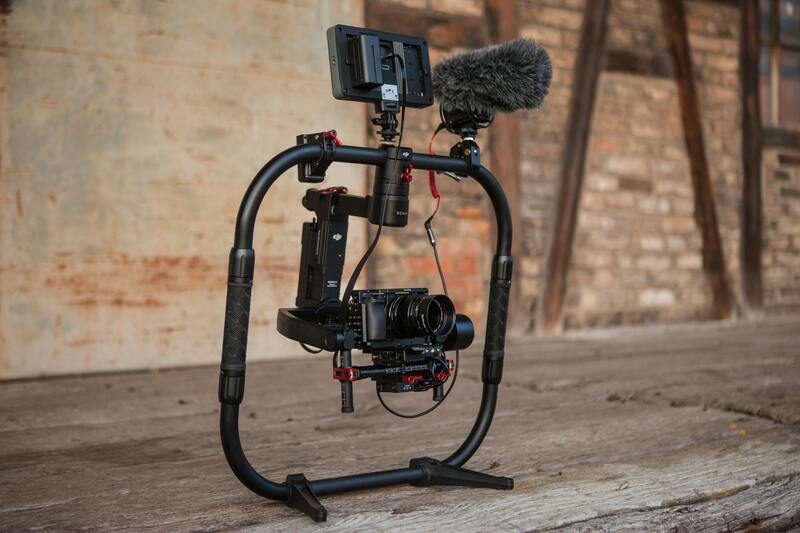
For dynamic switching and live editing, robust video switchers are indispensable. These devices facilitate real-time transition effects, overlay graphics, and multi-camera management, allowing producers to maintain a polished and engaging broadcast. Additionally, high-performance video encoders are vital for transmitting high-quality streams over multiple networks. They convert raw camera inputs into compressed digital formats optimized for stability and minimal latency, handling the demands of varying network conditions with advanced features like adaptive bitrate streaming.
Lighting plays a significant role in the quality of live streamed content. Proper lighting setups—such as key, fill, and backlighting—ensure subjects are well-illuminated, minimizing noise and emphasizing visual details. In Miami’s sunny climates and bright venues, portable LED lighting systems equipped with adjustable color temperatures help maintain consistent, professional visuals regardless of ambient lighting fluctuations.
Emerging Technologies and Trends in Live Streaming Equipment
Staying ahead in Miami’s competitive content landscape involves adopting cutting-edge tools. Motion-tracking camera systems, such as robotic or PTZ (pan-tilt-zoom) cameras, enable producers to remotely adjust framing effortlessly, focusing on key speakers or performances. Multi-view monitors and integrated control interfaces facilitate smoother operations and quicker response times during live events.

Cloud-based switchers and remote control systems offer additional versatility, allowing smaller production teams or remote directors in Miami to manage broadcasts efficiently without extensive hardware setups. These tools improve scalability and flexibility, essential for Miami’s fast-paced event schedules.
Anybody choosing equipment must prioritize compatibility, scalability, and ease of use. Investing in reputable brands and proven models ensures dependable performance, minimizes downtime, and facilitates quick troubleshooting when technical issues arise during critical live moments. Proper training on this equipment further enhances operational efficiency, providing a professional, glitch-free viewing experience for online audiences.
Key Components of Live Streaming Solutions
Effective live streaming video production hinges on the integration of multiple critical components that work seamlessly to deliver high-quality content. These elements encompass hardware, software, and operational procedures that collectively influence the final output.
Professional Camera Systems and Capture Devices
At the heart of any live streaming solution are robust camera systems capable of capturing clear, high-resolution footage. Options range from fixed cameras to sophisticated PTZ (pan-tilt-zoom) robotic cameras, allowing operators to remotely adjust angles and focus points effortlessly. In dynamic environments such as conferences, concerts, or corporate events, these cameras provide versatility and precision, ensuring audiences receive a comprehensive view of the event. Employing multiple camera angles enhances viewer engagement and allows for more immersive viewing experiences.
Audio Capture and Management
High-fidelity audio hardware, including wireless microphones, mixers, and audio interfaces, are crucial for clarity and audience comprehension. Proper acoustical treatment of the venue, along with strategic microphone placement, optimizes sound quality. Digital audio processors and mixers enable real-time adjustments, balancing levels across multiple sources to maintain consistent clarity throughout the broadcast.
Reliable Encoding and Streaming Infrastructure
Encoding hardware and software convert raw footage into digital streams compatible with various online platforms. State-of-the-art encoders facilitate adaptive bitrate streaming, which adjusts quality based on viewer bandwidth, reducing buffering and enhancing user experience. Cloud-based or hardware-based encoders are options depending on scale and flexibility needs. Underpinning all these is a robust internet connection, often supported by multiple fiber or high-speed broadband lines to ensure uninterrupted transmission, even during peak viewer engagement.
Integrated Control and Monitoring Systems
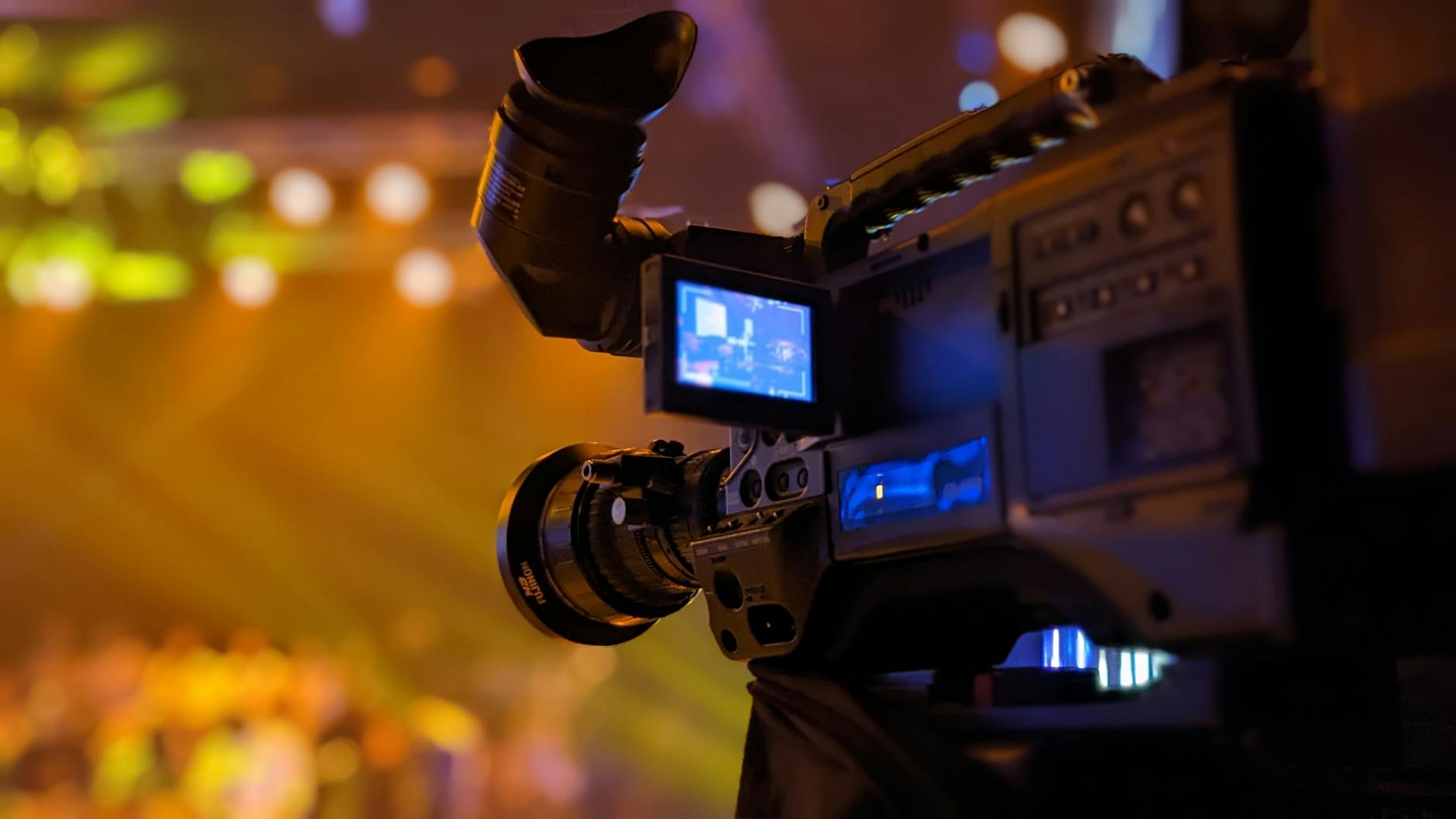
Operational efficiency during a live broadcast is supported by control rooms configured with multi-view monitors, switchers, and remote control interfaces. These tools provide real-time oversight of multiple camera feeds, audio levels, and stream health, allowing operators to make swift adjustments. Advanced control systems also include features like automated transitions, picture-in-picture, or graphic overlays, further enriching the viewer experience.
Distribution and Delivery Networks
Once the content is encoded, it must be routed through reliable delivery channels. Content delivery networks (CDNs) optimize distribution to various platforms, whether directly to social media, dedicated streaming websites, or third-party aggregators. Ensuring compatibility with multiple distribution platforms is essential for reaching diverse audiences in Miami and beyond.
Post-Production and Data Analytics Tools
Though primarily associated with pre-recorded content, live streaming solutions increasingly integrate post-event analytics. These tools analyze viewer engagement, stream quality metrics, and geographic data to inform future content strategies. In addition, post-event editing capabilities enable producers to create highlight reels or condensed versions for later dissemination.
Production Planning and Workflow
Effective live streaming video production hinges on meticulous planning and a well-structured workflow. It begins with comprehensive pre-production preparations, including defining the event timeline, outlining camera angles, determining audio setups, and establishing key moments for audience engagement. A detailed storyboard or shot list helps synchronize the team’s efforts, ensuring all technical and creative elements align seamlessly. Coordination with presenters, performers, and other stakeholders is essential to confirm timing, movement cues, and technical requirements. During the live broadcast, a clear operational hierarchy is vital. Assigning specific roles—such as camera operators, audio engineers, technical directors, and data analysts—streamlines communication and reduces errors. Coordinating real-time transitions, graphic insertions, and camera switching demands synchronized timing and responsive control systems. Having a dedicated control room equipped with multi-view monitors and switchers allows the director to oversee all feeds and make immediate adjustments as needed. Post-broadcast, a robust workflow involves immediate backup of all recorded content, detailed review of stream metrics, and feedback collection from clients and viewers. These insights enhance future productions by identifying technical bottlenecks and viewer preferences. Employing project management tools and checklists ensures all elements—from equipment setup to content delivery—are completed efficiently, leading to cleaner operations and elevated viewer satisfaction.
Utilizing standardized protocols and communication channels minimizes delays and technical hiccups during high-stakes live events. Whether managing a corporate webinar, a sports event, or a cultural festival, a strategic workflow ensures the production maintains quality, stability, and viewer engagement throughout the broadcast.
Live Streaming Video Production Solutions
Importance of Reliable Connections and Network Infrastructure
To ensure seamless live streaming, establishing a robust and high-bandwidth network infrastructure is fundamental. This involves utilizing dedicated fiber optic lines or advanced wireless connectivity that can support high data transfer rates without interruption. Implementing dual networking setups with failover mechanisms minimizes the risk of connectivity failures during a broadcast, maintaining a continuous stream for viewers. Additionally, employing Content Delivery Networks (CDNs) helps distribute content efficiently across dispersed geographies, reducing latency and buffering issues. Optimizing upstream and downstream bandwidth ensures all video, audio, and data signals maintain integrity from the production site to the viewers' screens, providing a smooth viewing experience.

Multi-Platform Streaming Technologies
Modern live streaming solutions utilize multi-platform streaming technologies that allow simultaneous broadcasting across various channels—such as social media, professional websites, and dedicated streaming portals. Implementing scalable, software-based encoding solutions enables producers to customize streaming quality based on viewer bandwidth and device capabilities, maximizing accessibility. Adaptive bitrate streaming dynamically adjusts the video quality in real time, ensuring viewers with varying internet speeds experience minimal disruptions. Cloud-based streaming platforms further streamline distribution, allowing content to be delivered efficiently without significant on-premises hardware investments. This flexibility facilitates reaching broader audiences while maintaining high production standards.
Advanced Audio-Visual Integration
Combining high-definition video with crisp, professional audio is indispensable for compelling live streams. Incorporating multi-camera setups allows for versatile shot selection and engaging visual presentation, while integrated switchers enable smooth transitions between different angles. High-quality microphones and sound mixing consoles capture clear audio, minimizing background noise and ensuring synchronized sound with video feeds. Implementing real-time graphic overlays, lower thirds, and live annotations enhances information delivery and viewer engagement. Leveraging virtual sets and augmented reality components adds a layer of professionalism, offering creative control and immersive content experiences.
Security Measures and Content Protection
Security protocols are critical to safeguarding live streaming content from unauthorized access or piracy. Implementing encrypted transmission channels and digital rights management (DRM) technologies helps protect intellectual property and maintain content integrity. Secure login portals and access control management restrict viewing to authorized audiences, especially for private or corporate events. Continuous monitoring for cyber threats, such as Distributed Denial of Service (DDoS) attacks, ensures uninterrupted service. Additionally, maintaining local backups and real-time diagnostics contributes to rapid incident response, allowing technical teams to address issues swiftly without compromising broadcast quality.
Monitoring and Analytics Capabilities
Real-time monitoring tools provide insight into stream health, viewer engagement, and technical performance metrics. Dashboards displaying data such as bitrate stability, viewer counts, and geographic distribution enable producers to make on-the-fly adjustments, optimizing the viewer experience. Post-event analytics help identify viewing patterns, content preferences, and technical bottlenecks, informing future production strategies. These insights foster continuous improvement and help demonstrate return on investment to stakeholders. Combining analytics with automated alerts ensures rapid response to potential disruptions, maintaining professional standards throughout the live broadcast.
Advanced Techniques for Secure and High-Quality Live Streaming
Ensuring a smooth and professional live streaming experience requires more than just basic equipment and platform selection. Implementing advanced techniques can significantly enhance the security, quality, and reliability of live streams, especially for content requiring high confidentiality or complex broadcasting needs. These strategies encompass a range of practices designed to mitigate risks and optimize performance in a competitive media landscape.
Encrypted Transmission and Network Security
One of the foundational elements of secure live streaming is utilizing encryption protocols such as Secure Sockets Layer (SSL) and Transport Layer Security (TLS). These protocols encrypt data streams, preventing unauthorized interception or tampering during transmission. Coupled with Virtual Private Networks (VPNs) and dedicated bandwidth, they create a secure conduit for content delivery, especially when broadcasting sensitive corporate events or proprietary content.
Network security also involves rigorous firewall configurations and intrusion detection systems (IDS) to monitor and block malicious traffic. Setting up these defenses minimizes the risk of cyber threats like hacking attempts or DDoS attacks that can disrupt broadcasts and compromise content integrity. Additionally, segmenting networks—separating production infrastructure from general internet access—reduces vulnerabilities and enhances overall security.
Content Delivery Networks (CDNs) and Geographical Optimization
Leveraging Content Delivery Networks (CDNs) is imperative for scaling live streaming solutions. CDNs distribute content across multiple servers worldwide, decreasing latency and ensuring consistent stream quality regardless of viewer location. This approach enhances the viewer experience by minimizing buffering and stream interruptions, particularly important for live events with international audiences.
Geographical optimization also involves analyzing regional internet infrastructure and bandwidth availability. In Miami, collaborating with local CDN providers or utilizing regional data centers can significantly improve latency and connection stability. Tailoring content delivery pathways to match regional network conditions ensures seamless streaming for both local and remote viewers.
Multi-Bit Rate Streaming and Adaptive Technologies
Adaptive streaming technologies dynamically adjust video quality based on each viewer's internet speed and device capability. Implementing multi-bitrate streams ensures that audiences with varying network conditions can enjoy a stable viewing experience without interruption. This technique not only maintains professionalism but also broadens the accessibility of live content across diverse devices and connection qualities.
Real-Time Monitoring and Incident Management
Advanced monitoring tools provide comprehensive visibility into every aspect of live streams in real-time. These solutions track metrics such as latency, packet loss, and stream stability. Automated alerts notify technical teams immediately of potential issues, enabling rapid response and issue resolution. Incorporating incident management systems into the workflow ensures that any interruption, no matter how minor, is swiftly addressed before it affects viewers.
Implementation of Digital Rights Management (DRM)
To prevent unauthorized access or redistribution, integrating DRM technologies adds an additional layer of security. DRM solutions restrict content viewing to authorized users via secure tokens, watermarking, or license management systems. Especially pertinent for premium or exclusive content, DRM safeguards intellectual property while enabling content providers to control distribution channels effectively.
Quality of Service (QoS) Configuration
Configuring network equipment for Quality of Service (QoS) prioritizes live streaming data packets over other internet traffic. This ensures that live stream data receives sufficient bandwidth, reducing latency and avoiding packet loss during peak usage times. Proper QoS setup is crucial in densely trafficked networks or shared infrastructure, prevalent in urban environments like Miami.
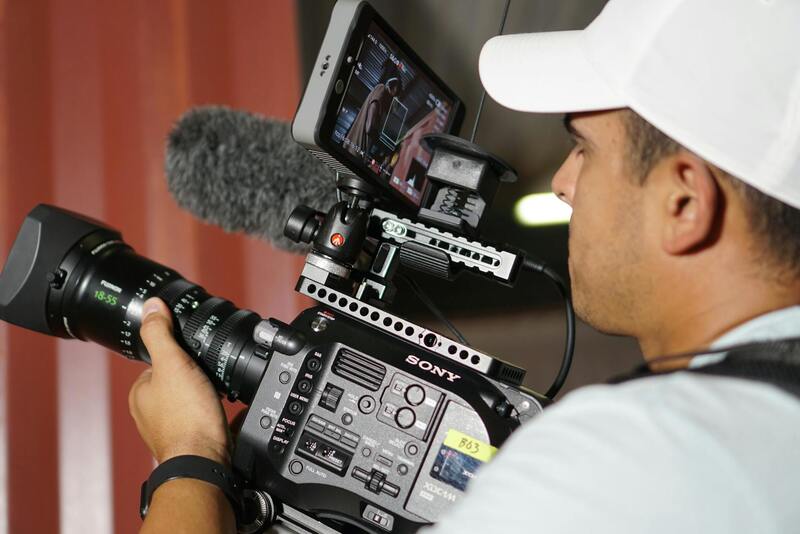
By integrating these advanced measures, content producers and broadcasters in Miami can deliver resilient, high-quality live streams capable of handling complex broadcasting demands. Combining robust security protocols with optimized content delivery and real-time management ensures a seamless experience for viewers and preserves the integrity of valuable content across diverse platforms and audiences.
Addressing Technical Challenges and Ensuring High-Quality Transmission
Maintaining uninterrupted, high-quality live streaming in Miami requires rigorous attention to technical details and proactive management of potential challenges. Live streaming video production solutions must incorporate redundant systems, such as backup encoders and failover internet connections, to mitigate risks associated with hardware failures or network disruptions. Deploying multiple internet sources, including wired broadband, wireless 4G/5G, and satellite links, ensures continuous streaming even during local outages or network congestion.
Equipping production teams with real-time monitoring tools is crucial for early detection of issues like dropped frames, audio lags, or signal degradation. Advanced analytics dashboards can provide instant insights into bandwidth utilization, latency, and packet loss, enabling swift adjustments during live broadcasts. For instance, adaptive bitrate streaming dynamically adjusts video quality based on current network conditions, optimizing viewer experience across diverse devices and connection speeds.
Implementing robust encoding and transcoding systems is essential for delivering streams compatible with various platforms and devices. High-efficiency video coding (HEVC/H.265) reduces bandwidth consumption without sacrificing quality, facilitating smoother delivery over constrained networks common in dense urban areas. Coupled with effective content delivery network (CDN) strategies, these technological solutions ensure minimal latency and buffering, even during high-traffic events in Miami.
Security Measures and Content Protection
Securing live streaming content from unauthorized access is paramount. Employing encryption protocols such as Secure Reliable Transport (SRT) or Transport Layer Security (TLS) safeguards data during transmission. Digital Rights Management (DRM) systems further restrict content availability to intended audiences, preventing piracy and unauthorized redistribution.
Watermarking technologies embed visible or invisible identifiers into video streams, deterring theft and enabling content owners to track distribution channels. Multi-factor authentication for access portals adds another layer of security, ensuring only authorized personnel and viewers can view sensitive or exclusive content. Additionally, geo-restrictions can be implemented to limit viewership to specific regions, aligning with localized broadcasting rights and audience targeting strategies in Miami.
Staff Training and Quality Assurance Protocols
Effective handling of live streaming productions involves comprehensive staff training on the latest equipment, software, and emergency procedures. Regular rehearsals allow teams to identify and resolve issues proactively, minimizing on-air errors. Establishing quality assurance protocols—such as pre-show checks, real-time quality monitoring, and post-broadcast review—helps maintain high production standards.
Incorporating standardized workflows ensures consistency and efficiency across different live events. Training personnel in rapid troubleshooting techniques equips them to resolve technical hiccups swiftly, minimizing disruptions and preserving viewer experience. Investing in the continual education of production teams is vital for adapting to evolving technologies and industry best practices.