Understanding Livestreaming Production Services
Livestreaming production companies provide comprehensive visual broadcasting solutions designed to deliver high-quality live content to audiences in real-time. These companies serve a diverse range of clients, including corporations, events organizers, educational institutions, and entertainment providers, each with unique streaming needs. In Miami, a city renowned for its vibrant events and dynamic business environment, a livestreaming production company plays a pivotal role in ensuring the seamless delivery of live video content.
Such companies typically offer a suite of services that encompass the entire lifecycle of a live broadcast. This includes pre-event planning, technical setup, live video management, and post-event content processing. By leveraging advanced production techniques, they can create engaging broadcasts that enhance audience interaction, improve brand visibility, and expand the reach of events across digital platforms.
At the core of their service offerings is live video coverage, which involves capturing real-time footage from various sources. Multi-camera setups are commonly employed to provide multiple angles and perspectives. This multi-camera approach allows for dynamic switching between views, creating a more engaging and professional viewing experience. These companies also facilitate event broadcasting through popular streaming platforms, social media channels, or dedicated websites.
In Miami, where event venues range from corporate conference centers to outdoor festival sites, the adaptability of a livestreaming production company ensures tailored services that meet specific environmental challenges. Whether broadcasting an outdoor concert or a corporate seminar, these companies are equipped to handle diverse settings with precision.
Key Equipment and Technology Used
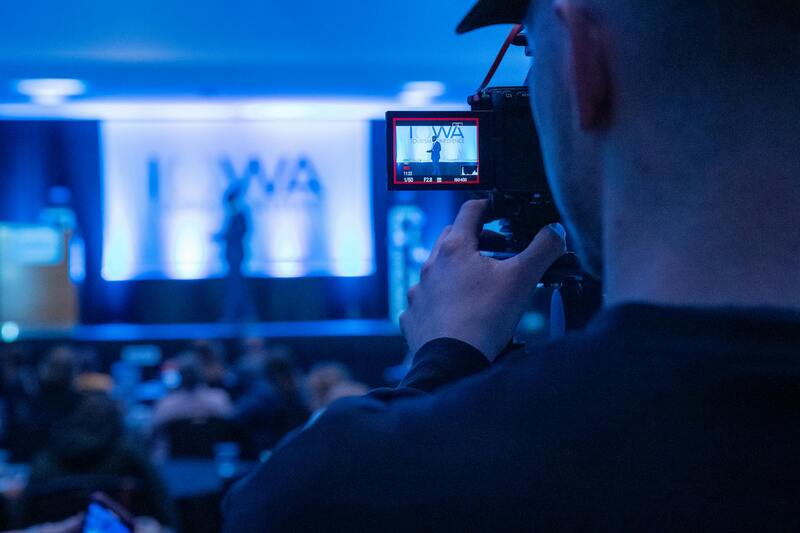
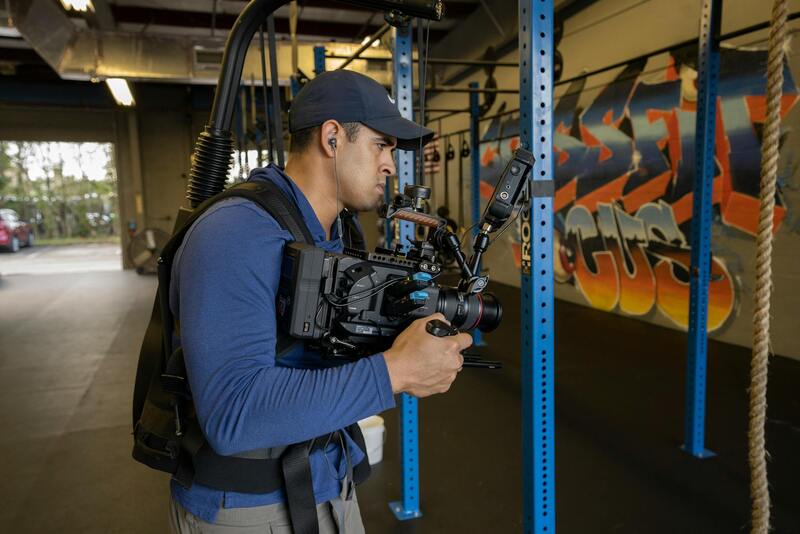
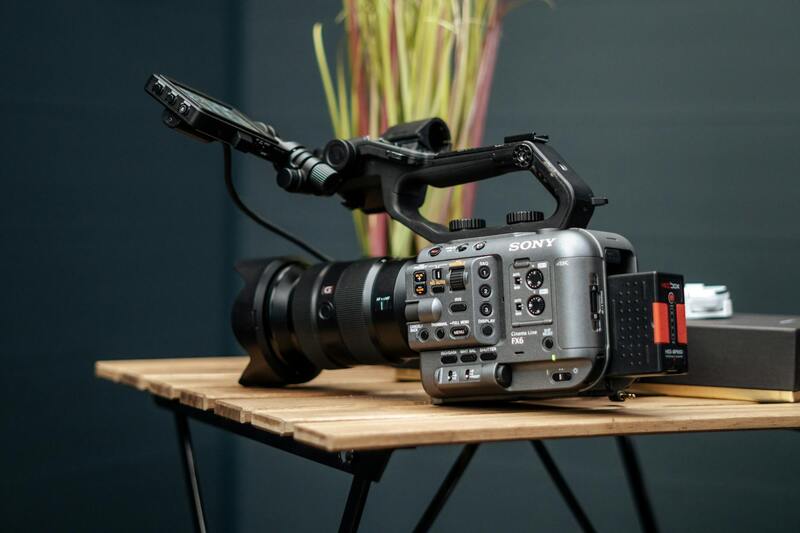
To ensure the delivery of high-quality livestreams, a professional livestreaming production company relies on advanced equipment and cutting-edge technological solutions. Central to every broadcast are high-definition cameras capable of capturing detailed visuals from multiple angles, providing viewers with an immersive experience. These cameras can be remotely operated or manually adjusted by skilled camera operators to adapt to live event dynamics.
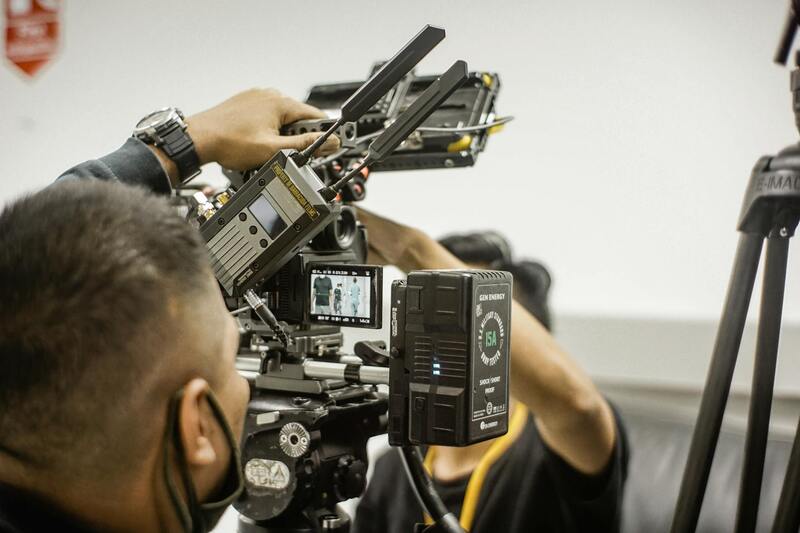
Video switchers or mixers are essential tools that allow real-time selection of camera feeds, enabling seamless transitions and overlay graphics which enhance the visual presentation. Encoder devices convert the raw video signal into a stream compatible with various online platforms, ensuring minimal latency and optimal performance across devices.
Streaming platforms and software are also critical components in professional livestreaming setups. Companies utilize robust streaming engines that support multiple channels simultaneously, facilitating simultaneous distribution across social media channels, websites, and streaming platforms like YouTube, Facebook Live, and others. These platforms offer analytics features, which help clients measure viewership engagement and gather insights to refine future broadcasts.
Audio equipment also plays a vital role. Professional microphones, audio mixers, and soundboards ensure crystal-clear sound quality, which is equally important in delivering a compelling viewing experience. Wireless microphones are often used in live event settings to reduce clutter and improve mobility for presenters and performers.
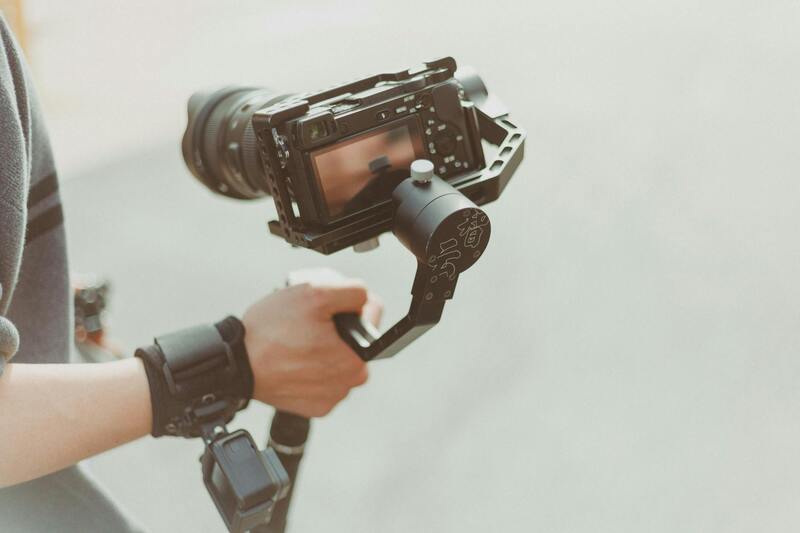
Additional technology such as teleprompters, lighting rigs, and stabilization gear (like gimbals and dollies) contribute to production quality, providing necessary support for smooth visuals and professional presentation. The integration of these tools into a cohesive workflow is what differentiates a standard event broadcast from a polished, professional livestream.
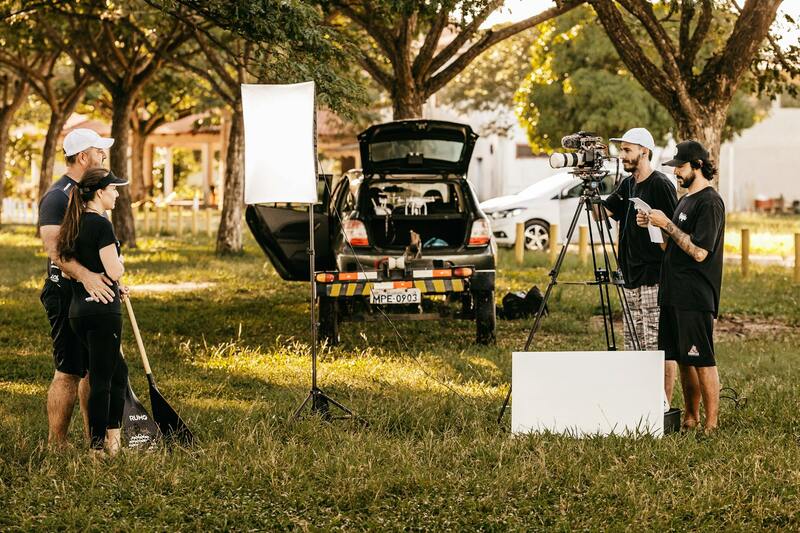
By leveraging such advanced equipment and software, a top-tier livestreaming production company in Miami guarantees a broadcast that is both visually stunning and technically reliable, capable of capturing the energy of the event and delivering it to audiences worldwide without interruption.
Advanced Equipment and Technical Support for Uninterrupted Broadcasts
Executing a successful livestream involves more than just cameras and internet connectivity. High-quality, reliable equipment is fundamental, including professional-grade video switchers, backup power supplies, and high-speed network infrastructure. These tools work in tandem to ensure that even in the face of technical difficulties, the broadcast remains seamless and professional.
State-of-the-art streaming engines are configured for redundancy, meaning that if a primary system encounters an issue, a backup takes over instantly without disrupting the viewer experience. This setup minimizes downtime and guarantees continuous delivery of content. Additionally, network security modules are integrated to prevent any unauthorized access or interference during live transmissions, safeguarding the integrity of the broadcast.
Within the studio or onsite environment, multiple camera setups—ranging from traditional HD cameras to 4K UHD equipment—are employed to capture different angles and enhance the visual storytelling. Video switchers allow real-time editing between camera feeds, providing dynamic shots that foster viewer engagement.
Complementing visual equipment, professional-grade audio systems ensure sound clarity and depth. Digital audio processors, noise reduction units, and multi-channel sound mixing deliver crisp, immersive audio, which is vital for engaging the audience.

Partnering with a dedicated team that specializes in technical support ensures that all equipment operates smoothly throughout the event. On-site engineers monitor systems continuously, troubleshoot in real-time, and make adjustments as needed to maintain optimal performance. This proactive approach minimizes the risk of technical issues and ensures a high-quality broadcast regardless of event size or complexity.
Understanding Livestreaming Production Services
Fondamental to delivering a seamless broadcast experience is the comprehensive range of services offered by a professional livestreaming production company. These services encompass every stage of the event, from initial consultation and planning to live execution and post-event content management. Clients benefit from a tailored approach that aligns technological capabilities with specific event goals, ensuring that each broadcast effectively communicates its message and maximizes viewer engagement.
A skilled production team evaluates the scope of the event, client objectives, and target audience to develop a detailed production plan. This includes determining the appropriate number of cameras, microphone placements, and visual effects, as well as establishing the streaming platforms and bandwidth requirements. Incorporating project management tools guarantees that all elements operate in harmony, resulting in a professional-grade production that consistently meets high standards of quality.
Throughout the event, the production team oversees every technical aspect—adjusting camera angles, controlling live switching, managing audio levels, and monitoring streaming stability. Expert personnel ensure that the broadcast remains smooth, avoiding interruptions that can detract from viewer experience.
Furthermore, some companies offer additional services such as multi-camera editing, synchronized graphics, and live overlay integration, which are essential for brands seeking a more dynamic and engaging digital presentation. These enhancements require synchronization between technical operators and creative directors, reinforcing the importance of a cohesive, experienced team.
In the digital age, a reliable livestreaming provider also offers multi-platform broadcasting, allowing content to simultaneously reach audiences across social media, dedicated websites, and streaming portals. This multi-channel approach broadens outreach, increases audience engagement, and ensures the content's visibility on various digital touchpoints. The coordination of these aspects demands a meticulous, phased approach that emphasizes both precision and creativity, traits that seasoned Miami-based livestreaming production companies consistently exhibit.
Key Equipment and Technology Used
Secure and reliable technology forms the backbone of any successful livestream. High-definition cameras, digital switchers, and professional sound equipment are meticulously selected to match the event’s scale and objectives. For instance, multi-camera setups provide diverse angles and ensure comprehensive coverage, while 4K UHD cameras deliver crisp, detailed visuals for high-profile broadcasts.
Live streaming platforms and encoders play a pivotal role in managing data transmission. Advanced encoders translate uncompressed video feeds into streams compatible with multiple platforms while maintaining video quality. Redundant internet connections, such as bonded cellular and fiber optic links, are employed to safeguard against connectivity issues, guaranteeing uninterrupted service.
An effective integration of hardware and software facilitates real-time graphics, branding overlays, and captioning, enhancing viewer experience and reinforcing brand identity. The use of digital audio processors and multi-channel mixing consoles ensures pristine sound quality, vital for delivering engaging content across various environments.
Onsite engineers continuously monitor equipment functionality, swiftly addressing technical glitches without disrupting the broadcast. These experts are trained in troubleshooting complex systems, including video mixers, streaming servers, and audio modules, maintaining operational stability throughout the event.
Cutting-Edge Technology for Optimal Results
- 4K UHD Cameras
- Video Switchers & Mixers
- Advanced Streaming Encoders
- Multiple Internet Connections for Redundancy
- Professional-Grade Audio Systems
- Real-Time Graphics and Overlay Software
Customization for Different Events
Each event presents unique challenges and opportunities, requiring specific adaptations in production approach. A professional livestreaming company assesses the nature of the gathering—be it a corporate conference, a concert, or a religious service—and tailors the technical setup accordingly. Dynamic visual elements, branded overlays, and interactive features are customized to enhance the event’s purpose and audience engagement.
For example, corporate webinars benefit from seamless branding overlays, slide integrations, and real-time Q&A features. Live concerts may emphasize multiple camera angles, special effects, and high-quality audio feeds. Religious services might incorporate multiple audio channels for translation and accommodate varied lighting conditions through specialized camera settings. By understanding these nuances, a dedicated Miami-based production team ensures each livestream is optimized for its specific context, thus satisfying client expectations and expanding digital reach.
Production Team and Roles
Effective livestreaming relies on a well-coordinated team, each member bringing specialized expertise to ensure seamless execution. The director oversees the entire production process, making real-time decisions on camera angles, transitions, and visual effects to maintain the flow and engagement of the broadcast. The camera operators are responsible for capturing high-quality footage, often utilizing multiple cameras with various lenses and stabilization systems to provide dynamic perspectives that align with the event’s tone.
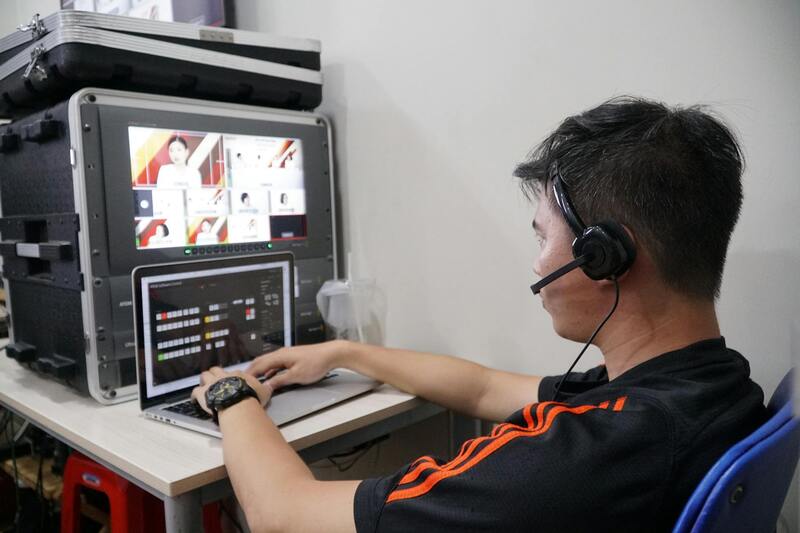
The audio technicians play a crucial role in managing sound inputs, ensuring clarity and balance across multiple channels, especially important for events that require translation feeds, musical performances, or speaker amplification. Their expertise ensures audio remains crisp and intelligible, preventing echoes, feedback, or disruptive noise.
The technical director coordinates between various technical aspects—video, audio, internet connectivity—and manages on-site troubleshooting. They monitor the stability of streaming hardware and software, quickly resolving issues that could impact broadcast continuity. This role requires comprehensive knowledge of streaming protocols, hardware diagnostics, and emergency procedures.
Additionally, a team may include graphics operators responsible for real-time overlays, branded content, and interactive elements tailored to enhance viewer engagement. The combined efforts of these professionals significantly contribute to delivering a polished, professional livestream that meets client expectations and exceeds audience engagement standards.
Pre-Production Planning and Coordination
The foundation of a successful broadcast begins long before the event starts. Precise pre-production planning involves detailed coordination between the client and the production team to define the scope, objectives, and technical requirements. During this phase, a comprehensive run-through is scheduled to confirm camera placements, audio and lighting setups, and internet connectivity arrangements. The team also prepares a contingency plan to address potential technical disruptions, ensuring responsiveness to unforeseen circumstances.
Planning includes selecting appropriate streaming platforms, establishing branding elements such as overlays and lower thirds, and creating a shot list to guide camera operators. For interactive features like live chat or polls, technical specifications and moderation protocols are established. This meticulous preparation ensures all team members are aligned on the event timeline and technical expectations, facilitating a smooth production process.
Post-Production and Content Delivery
Post-event activities are essential for maximizing the content’s reach and value. After the livestream concludes, the recorded footage undergoes editing to create highlight reels, promotional clips, or summarized versions for social media channels. These edits enhance viewer engagement and allow clients to leverage the content for future marketing efforts.
Delivery methods vary depending on client needs, including downloadable files, streaming to additional platforms, or embedding on websites. Metadata and descriptions are optimized for search engines, increasing visibility. Some service providers also offer archival services for long-term storage and easy access to the content.
Choosing a Livestreaming Production Company in Miami
Selecting a reputable Miami-based livestreaming production company hinges on assessing their technical expertise, equipment inventory, and experience with various types of events. An effective team demonstrates a comprehensive understanding of live broadcasting standards and offers tailored solutions that align with the event’s goals. Proven track records of successful productions, client testimonials, and a portfolio of diverse event types reinforce their reliability and capacity to deliver high-quality streams.
Furthermore, local knowledge is invaluable in navigating Miami’s unique logistical landscape, including venue peculiarities and community engagement practices. A competent production partner provides transparent communication, detailed proposals, and flexible service packages that adapt to different budget levels while maintaining technological excellence.
Understanding Livestreaming Production Services
In the dynamic world of digital broadcasting, a professional livestreaming production company provides comprehensive services that encompass all stages of live event broadcasting. These companies handle everything from initial concept development and technical planning to the seamless delivery of high-quality streams on various platforms. Their expertise ensures that every aspect, including signal quality, visual presentation, audio clarity, and interactive features, aligns perfectly with the client’s objectives. Utilizing a suite of advanced technology, these providers create an engaging experience for viewers while maintaining the integrity of the event's message. By coordinating multiple camera feeds, real-time graphics, and audience interaction tools, they enhance the overall broadcast, making it more compelling and accessible. Their approach typically begins with a thorough consultation where goals, target audience, and preferred platforms are discussed. This strategic planning allows them to tailor their technical setup, content delivery methods, and interactive elements to match the specific needs of different events. Whether broadcasting a corporate conference, a live concert, or a community gathering, a skilled livestreaming production company ensures that each element contributes to a polished, professional presentation.
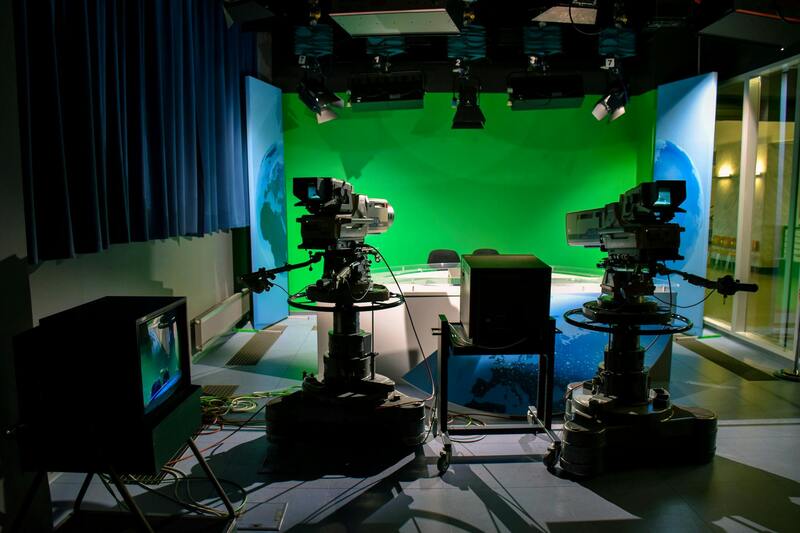
Key advantages of leveraging a dedicated team include their ability to troubleshoot on the fly, adapt to venue limitations, and seamlessly integrate multiple media sources. Moreover, their experience with industry best practices in streaming technology guarantees that the broadcast remains stable and of the highest quality throughout the event. This expertise is critical in avoiding common pitfalls such as lag, poor audio quality, or buffering issues that can diminish viewer satisfaction.
Key Equipment and Technology Used
Successful livestreaming hinges on utilizing top-tier equipment. High-definition cameras, professional-grade microphones, and advanced switching hardware form the core of a reliable setup. Encoders and streaming servers convert and transmit the live feed efficiently, which is vital for maintaining stream stability over various internet connections. Supplementary tools such as LED lighting, teleprompters, and real-time graphics generators help craft an engaging visual narrative. Additionally, remote production capabilities enable operators to oversee the live broadcast from a control room, often off-site, adding flexibility and reducing on-location staff requirements.
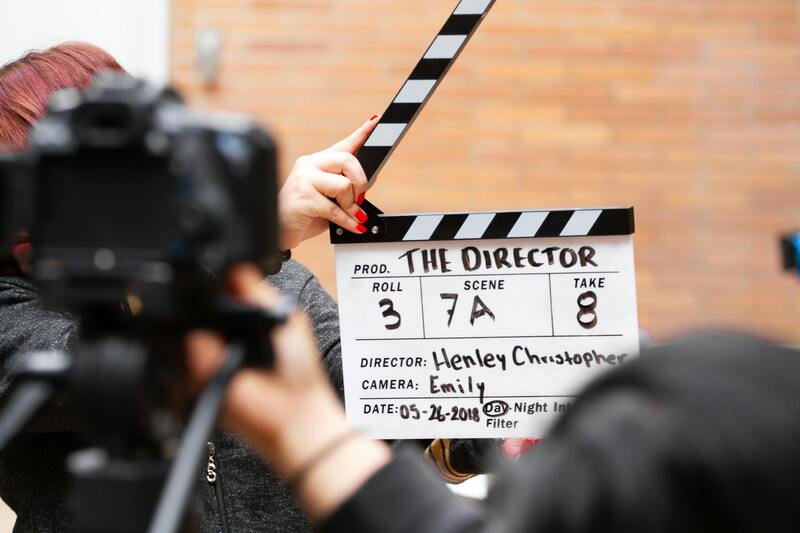
In Miami’s vibrant event scene, the selection of appropriate technology is also influenced by venue characteristics and client expectations. A production company with access to versatile gear and adaptable workflows can efficiently handle everything from small local gatherings to large-scale international broadcasts.
Customization for Different Events
Every live event presents unique challenges and opportunities for customization. A proficient livestreaming production company collaborates closely with clients to design tailored solutions that enhance each occasion. For corporate webinars, integration of branded graphics, on-screen chat, and interactive polls can foster engagement. For entertainment events, elaborate visual effects, multiple camera angles, and dynamic transitions heighten excitement. Community and educational events benefit from accessible features such as multi-language subtitles, sign language interpretation, and accessible streaming options. Flexibility is key, with modular packages that include add-ons such as on-demand content, social media clips, and multi-platform distribution. This ensures that the broadcast aligns with marketing strategies and audience reach goals while maintaining a professional standard.
Importance of Local Expertise in Miami
Miami’s diverse venues, vibrant urban landscape, and unique logistical considerations mean that working with a local team provides clear advantages. Local expertise helps navigate venue restrictions, permits, and community engagement protocols, streamlining event execution. Familiarity with Miami’s infrastructure, traffic patterns, and community expectations allows for more effective planning and quicker problem-solving. Furthermore, local production companies often maintain relationships with venue staff and technical crews, which can facilitate smoother setup and breakdown processes. Their understanding of Miami’s cultural diversity also plays a vital role in creating content that resonates with the local audience, helping to increase viewer engagement and overall event success.
This regional familiarity extends to navigating regulatory requirements, establishing good community relations, and optimizing the event’s visibility in local media and online platforms. As a result, choosing a Miami-based livestreaming production company means benefiting from finely tuned logistical support, cultural insight, and a deeper understanding of the local broadcasting landscape—elements essential for executing compelling live events in South Florida.
Understanding Livestreaming Production Services
Effective livestreaming production services encompass a comprehensive suite of technical and creative solutions designed to deliver high-quality live content to target audiences across various platforms. These services involve meticulous planning, seamless integration of technical equipment, real-time broadcasting, and post-event content distribution. Professional livestreaming production companies focus on translating event objectives into engaging visual narratives, ensuring that branding, messaging, and audience engagement strategies are consistently upheld throughout the broadcast.
Services typically start with an initial consultation to understand the client's goals, target demographics, and preferred content formats. The production team then develops a tailored approach, encompassing everything from staging and camera placement to audio management and real-time graphics. During the event, the production crew operates sophisticated systems to manage multiple camera feeds, incorporate live overlays, and control sound levels, all while maintaining a clear focus on delivering a smooth viewing experience for remote audiences.
Post-event services are equally critical, involving recording the live broadcast for archival purposes, editing highlights or key moments, and distributing the content across various digital channels. This multi-platform approach ensures maximum exposure, allowing content to reach audiences beyond the live event window, thereby increasing engagement and brand visibility.
Key Equipment and Technology Used
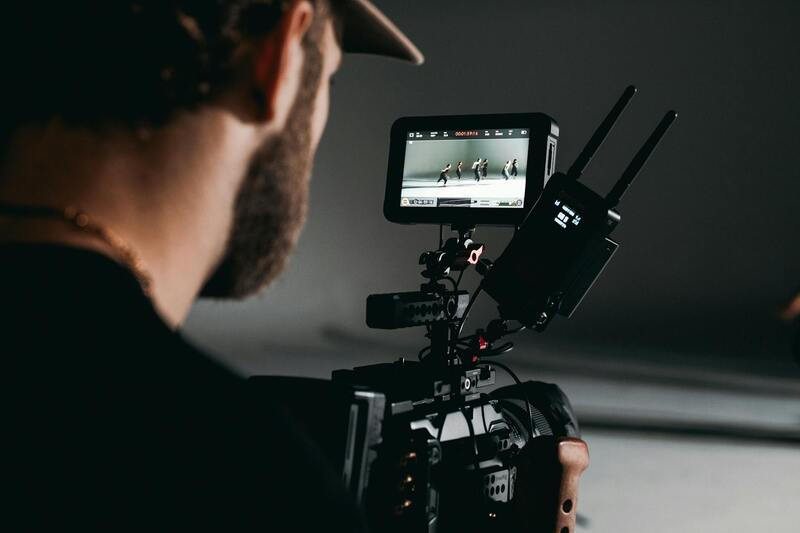
Cutting-edge livestreaming production relies on a suite of advanced equipment that enables real-time broadcasting with high fidelity. Central to this are professional-grade cameras capable of capturing crisp, high-definition footage regardless of venue size or lighting conditions. These cameras often come with mobility features, such as remote control capabilities, to facilitate diverse shooting angles and dynamic content delivery.
Complementing the cameras are video switchers and streaming encoders that seamlessly manage multiple video feeds and transmit data over robust internet connections. Audio equipment, including wireless microphones and sound mixers, ensures crystal-clear sound quality that enhances overall viewer experience. Additional technology like real-time graphics generators and lower thirds help reinforce branding and provide contextual information during the broadcast.
Customization for Different Events
Every live event possesses unique characteristics that demand tailored solutions. Whether it’s a corporate conference, music festival, or community town hall, the production team adapts the technical setup and content presentation accordingly. For corporate events, branding and data presentation take priority, with customized overlays and interactive elements to keep remote viewers engaged. Cultural events or concerts benefit from creative lighting, camera angles, and live audience interactions to enhance the entertainment value.
By customizing the production process, companies ensure that each livestream aligns with the event’s core objectives, audience expectations, and branding requirements. This approach maximizes viewer engagement and provides a memorable experience that resonates with the audience long after the event concludes.
Importance of Local Expertise in Miami
Miami’s vibrant event scene, diverse venues, and urban complexity highlight the importance of partnering with a local livestreaming production provider. Local knowledge simplifies logistical challenges, such as understanding venue restrictions, permit requirements, and local traffic patterns. Familiarity with Miami’s cultural nuances enhances the content’s relevancy, helping broadcasters connect more authentically with the audience. Local production companies often possess established relationships with venues, technical crews, and permitting offices, enabling smoother setup and breakdown operations.
Moreover, an understanding of Miami’s diverse community and audience behavior allows for targeted content creation and optimized media outreach. This regional expertise ensures that livestreams are technically seamless, culturally appropriate, and effectively promoted within the community, boosting overall engagement.
Production Team and Roles
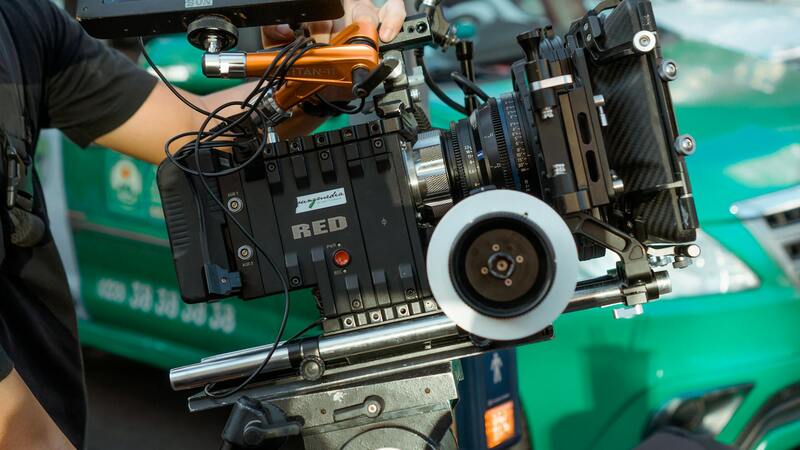
A professional livestreaming event relies on a dedicated team with clearly defined roles. The director oversees the entire broadcast operation, ensuring that content flows smoothly from camera angles to streaming schedules. Camera operators are responsible for capturing high-quality footage, while audio technicians optimize sound capture and mixing. Graphic designers and overlay specialists create visual elements like lower thirds and branding graphics that are integrated into the live stream.
Technical assistants handle the setup, maintenance, and troubleshooting of equipment, ensuring that technical glitches are swiftly resolved. If interactive or social media integration is involved, community managers or social media coordinators engage with online viewers, amplifying reach and interaction. Each role complements the others, creating a cohesive team capable of managing complex live events professionally and efficiently.
Pre-Production Planning and Coordination
Meticulous pre-production planning forms the backbone of successful livestreams. This involves developing a detailed event schedule, identifying technical requirements, and coordinating with venue staff. The team conducts site surveys to evaluate lighting conditions, electrical access, and space constraints, ensuring all technical elements are compatible and operational well before the event date.
Content is scripted or outlined along with cue sheets, which guide camera operators and on-screen talent to deliver content seamlessly. The production team also coordinates logistics related to internet connectivity, backup power supplies, and equipment transport. Effective communication with stakeholders ensures that everyone involved understands their roles, timelines, and contingency plans, reducing the risk of unexpected disruptions and enabling a smooth live broadcast.
Understanding Livestreaming Production Services
Livestreaming production services encompass a comprehensive array of technical and creative solutions designed to broadcast live events to digital audiences with high quality and engagement. These services involve everything from audio-visual setup, content coordination, and camera operation to real-time graphics and audience interaction management. The goal is to deliver a seamless, professional broadcast that captures the essence of the event while providing viewers with an immersive experience.
Specialized production companies utilize a combination of hardware and software tools to ensure high-resolution video streaming, synchronized audio, and dynamic visual overlays. They also leverage professional crew members skilled in live directing, technical support, and on-screen talent management. This integrated approach guarantees that complex elements like multi-camera switching, live graphics, and interactive features come together smoothly, avoiding disruptions and maintaining viewer engagement.
Key Equipment and Technology Used
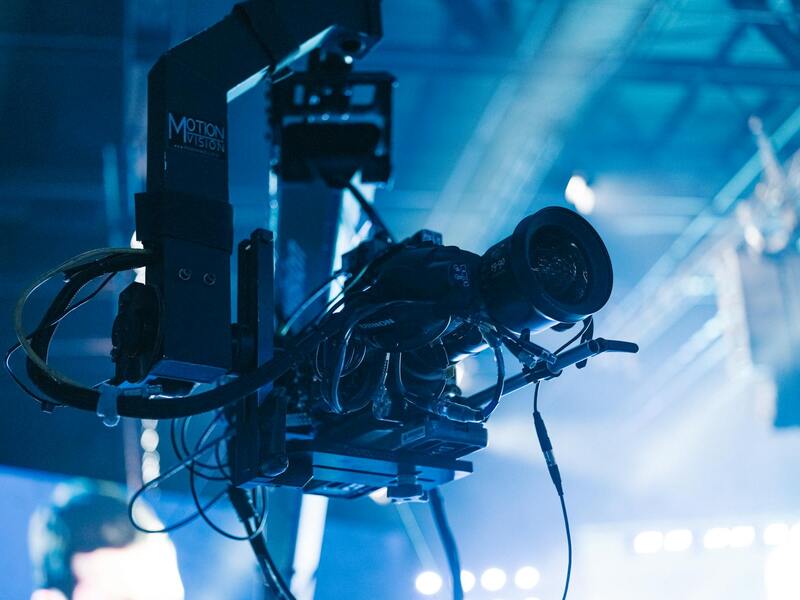
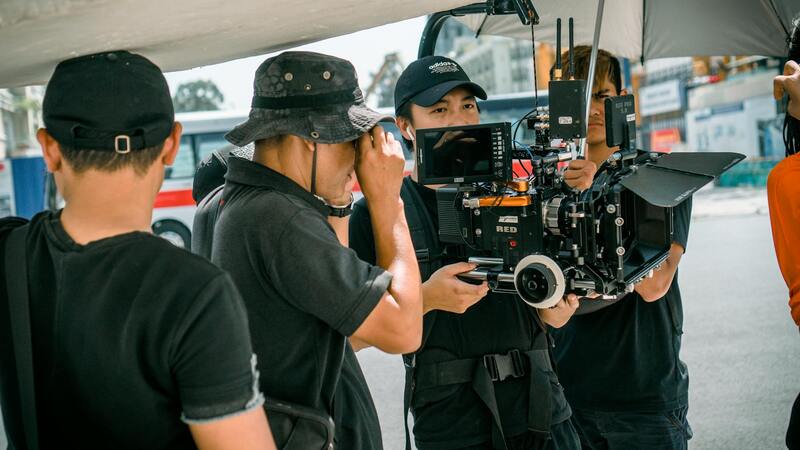
Successful livestreams rely heavily on advanced equipment to ensure broadcast quality and reliability. Key tools include professional-grade cameras capable of broadcasting in 4K or Full HD, switchers for camera feed management, and audio mixing consoles to balance sound sources. Streaming encoders or software encode the video signals into a digital format suitable for web transmission, ensuring smooth delivery across multiple platforms.
Additional essential technology comprises high-speed internet connectivity with backup options to prevent disruptions, wireless transmitters for mobility, and real-time graphic overlays created through advanced graphics software. For interactive streams, platforms integrate chat functions, reaction polls, and social media feeds, requiring specialized hardware and software solutions to handle these dynamic elements effectively.
Customization for Different Events
Each live event demands tailor-made solutions to match its unique goals and audience expectations. For corporate conferences, services may include branded visuals, presentation overlays, and multi-language capabilities. Sports events benefit from multiple camera angles, instant replays, and real-time statistical graphics. Concerts or entertainment shows often incorporate dynamic lighting, audience interaction, and high-fidelity audio setups.
Production companies analyze the event type, venue environment, and target demographic to craft customized workflows. This ensures that visual branding, messaging, and technical elements align perfectly with the event’s purpose. Flexibility in equipment configuration and scalable solutions allows for both small private gatherings and large-scale productions to be executed with precision.
Importance of Local Expertise in Miami
Leveraging local knowledge in Miami is crucial due to the city’s diverse venues, unique climatic conditions, and bustling event calendar. Local production teams are familiar with popular event spaces, permitting efficient site surveys and equipment setup. They understand Miami’s power supply nuances, electrical access points, and internet infrastructure, reducing the risk of technical issues during the broadcast.
Furthermore, local teams have established relationships with venue management, security, and service providers, facilitating smoother coordination. Their expertise ensures quick adaptations to unforeseen circumstances, such as mild weather fluctuations or schedule changes, maintaining the quality and timeliness of the livestream.
Production Team and Roles
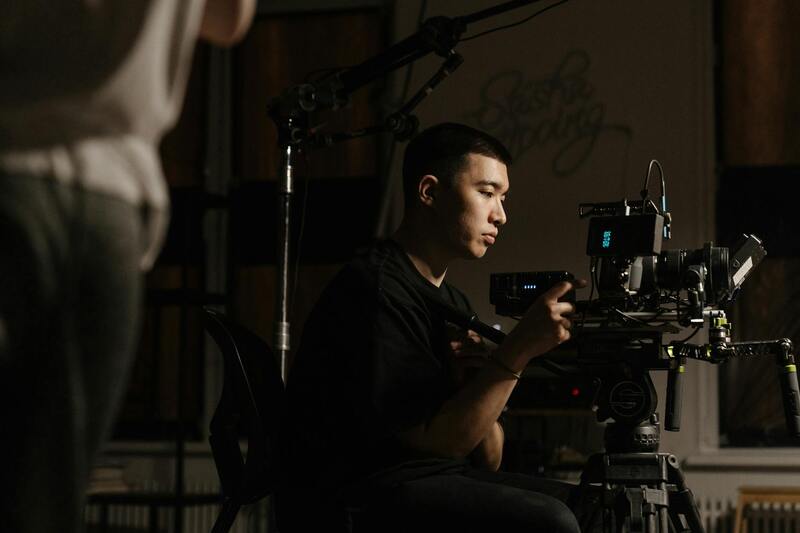
A professional livestreaming event employs a dedicated team of specialists, each contributing vital skills to ensure success. Roles include a director overseeing the entire broadcast flow, camera operators capturing key footage, and audio engineers managing sound quality. Graphics designers develop visual overlays, while technical assistants handle equipment setup, troubleshooting, and live feed stability.
Additional roles, such as a social media coordinator, engage online audiences through live chats and interactive features. Event producers coordinate logistics, ensuring content flow aligns with the scheduled program. This collaborative effort is fundamental to delivering a polished, engaging broadcast that resonates with viewers.
Pre-Production Planning and Coordination
A meticulous pre-production phase is essential for orchestrating a successful livestream. It begins with developing a detailed event timeline, identifying all technical and logistical needs. Site surveys evaluate venue conditions—lighting, electrical access, and space constraints—to inform equipment choices and positioning. Detailed scripts and cue sheets guide camera operators, hosts, and on-screen talent, fostering smooth transitions during the event.
Coordination with venue staff and stakeholders ensures technical compatibility, from internet connectivity to power supplies. Backup plans for internet failure, power outages, or equipment malfunctions are established to mitigate potential issues. Clear communication frameworks ensure that everyone understands their roles, deadlines, and contingency procedures, resulting in a cohesive workflow that minimizes risks and maximizes broadcast quality.
Post-Production and Content Delivery
After the live event concludes, professional editing and processing enhance the recorded footage for on-demand access. This includes selecting highlight reels, correcting color discrepancies, syncing audio, and adding branding elements or captions. Content is then optimized for various digital platforms, ensuring fast loading times and high visual fidelity.
Effective delivery methods involve distributing content through client websites, social media channels, or dedicated streaming servers. Some productions also provide comprehensive analytics reports, detailing viewer engagement, peak viewing times, and platform performance metrics. These insights inform future livestream strategies, enabling continuous improvement and refinement of broadcasting practices.