Understanding Live Streaming Video Services
Live streaming video services have revolutionized the way organizations, broadcasters, and content creators deliver real-time video content to audiences across the globe. At their core, these services enable seamless transmission of live video feeds over the internet, allowing viewers to access events, performances, meetings, and presentations instantaneously, regardless of geographic location. This transformative technology not only enhances viewer engagement but also provides new avenues for revenue generation and brand visibility.
A typical live streaming setup involves several essential components. First, capturing high-quality video content requires professional-grade cameras, microphones, and encoding hardware or software to convert raw footage into digital signals. These signals are then transmitted via the internet using streaming protocols optimized for minimal latency and maximum reliability.
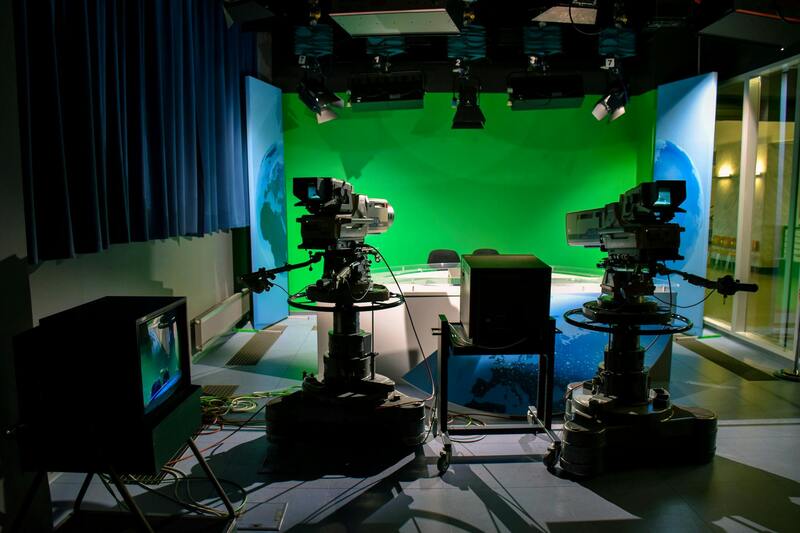
From the content provider's perspective, the process encompasses encoding, transcoding, and distribution. Encoders convert the captured video into compressed streams suitable for internet transmission. Transcoding may be necessary to adapt the feed for multiple devices and bandwidth conditions. The final step involves distributing the stream through a Content Delivery Network (CDN) or a dedicated streaming platform, ensuring optimal delivery speed and minimal buffering for viewers.
These services are versatile and scalable, accommodating small virtual meetings and large-scale concerts alike. They often include features such as real-time chat, interactive polling, multi-camera switching, and multi-platform accessibility, making them suitable for a wide range of applications from corporate events to live sports broadcasts.
Furthermore, live streaming video services incorporate robust infrastructure to support high-resolution streams, typically ranging from HD to 4K, with adaptive bitrate streaming to provide the best possible quality based on viewers’ internet speeds. This ensures a smooth viewing experience, regardless of device type or network conditions.
The growing sophistication of live streaming technology is also complemented by cloud-based solutions that simplify management and scalability. These platforms provide easy-to-use interfaces for scheduling, managing, and monitoring live streams, allowing production agencies to focus on content quality rather than technical complexities. As demand for real-time digital content increases, the capabilities of live streaming video services continue to evolve, integrating more advanced features such as augmented reality, virtual sets, and AI-powered analytics.
Understanding Live Streaming Video Services
Within the realm of digital content delivery, live streaming video services have become an indispensable component for organizations seeking to broadcast events in real time. These platforms facilitate the transmission of live video content across multiple devices and geographic locations, utilizing sophisticated infrastructure to ensure seamless and high-quality viewing experiences. They are designed to adapt to varying bandwidth conditions, providing real-time data compression and adaptive bitrate streaming to optimize playback quality. This flexibility allows viewers to enjoy uninterrupted streams whether accessing via desktop, tablet, or smartphone, even under fluctuating network speeds.
At the core, live streaming services rely on a combination of encoders, content management systems, and distribution networks. Encoders convert raw video signals into digital streams compatible with internet delivery, while content management platforms enable scheduling, customization, and multi-platform dissemination. Distribution networks, such as Content Delivery Networks (CDNs), distribute the stream across global servers to minimize latency and buffering, ensuring viewers experience minimal delay regardless of their location.
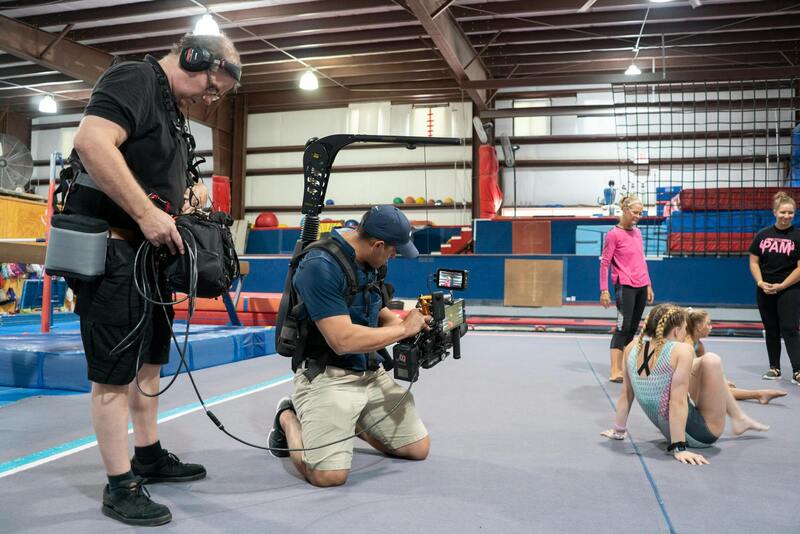
The architecture supporting live streaming is often cloud-based, allowing for easy scalability to accommodate large audiences. This cloud integration simplifies the management process, from stream setup and configuration to monitoring and analytics. Platforms typically include features like real-time chat, interactive polls, multi-camera switching, and multi-device compatibility, making broadcast content engaging and accessible across various viewer segments. Advanced analytics, powered by AI technologies, monitor viewer engagement, stream health, and platform performance, offering valuable insights to content producers.
As technology advances, live streaming platforms are increasingly integrating innovative features such as augmented reality overlays, virtual backgrounds, and virtual sets, enriching the visual experience and increasing interactivity. Furthermore, multi-stream capabilities allow simultaneous broadcasting across social media channels, websites, and dedicated apps, broadening audience reach and engagement possibilities.
Key Features and Technologies
- High-Quality Video Delivery: Support for resolutions from HD to 4K, ensuring pristine visual clarity for viewers.
- Low Latency Streaming: Critical for real-time interactions, live auctions, or sports events, reducing the delay between broadcast and viewing.
- Interactive Capabilities: Features such as live chat, reactions, and polling increase viewer engagement and participation.
- Adaptive Bitrate Streaming: Dynamically adjusts video quality based on individual user bandwidth, minimizing disruptions.
- Multi-Platform Compatibility: Compatibility across web browsers, mobile apps, and social media ensures broader accessibility.
- Security Measures: Encryption, access controls, and DRM protect content against unauthorized access and piracy.
- Scalability and Cloud Integration: Cloud-based solutions handle fluctuating audience sizes with ease.
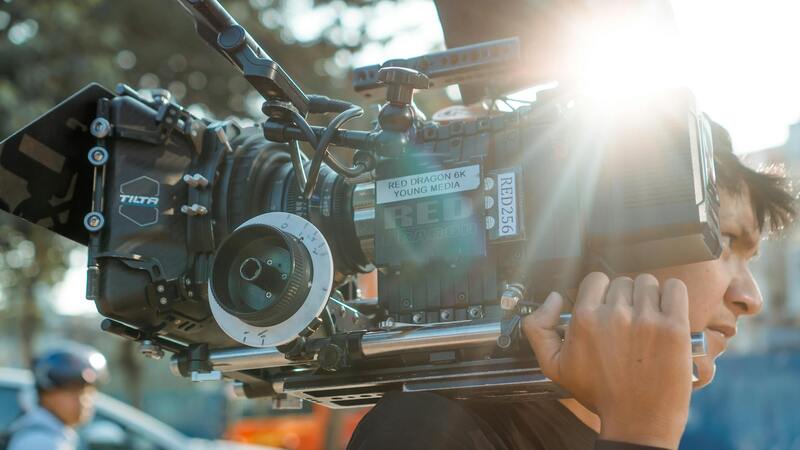
These technological components work in tandem to deliver a robust and flexible platform, capable of supporting a variety of content types, from corporate webinars to large-scale entertainment events. The continuous evolution of these features enhances the viewing experience, fostering deeper engagement and expanding reach for content creators and organizations alike.
Technical Setup and Equipment Considerations
Implementing successful live streaming video services hinges on meticulous technical planning and high-quality equipment. Production agencies looking to deliver professional-grade broadcasts must prioritize establishing a reliable infrastructure that supports seamless delivery and exceptional viewer experience. This includes selecting appropriate hardware, software, and network components to ensure that each live session operates without interruptions or quality degradation.
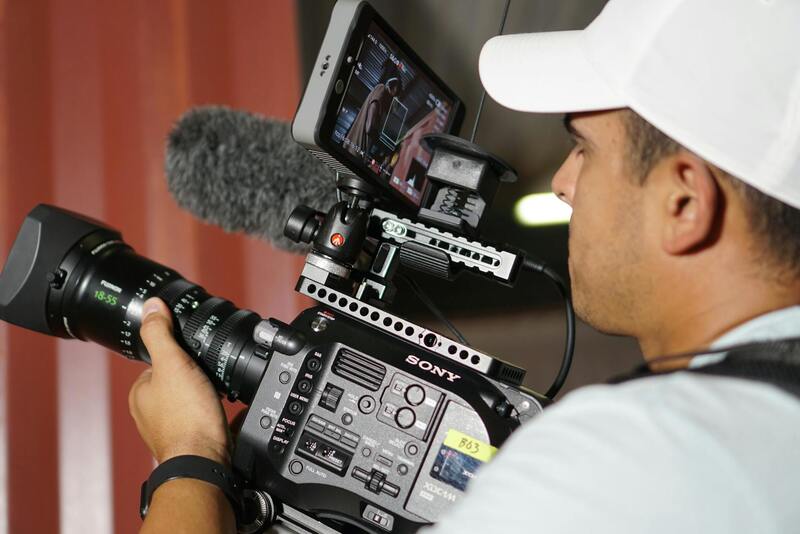
At the core of a robust live streaming setup are cameras, encoders, and audio equipment. High-definition cameras, capable of capturing crisp, detailed visuals, form the backbone of any professional broadcast. Depending on the scope, multiple cameras may be employed to provide varied angles and dynamic viewing experiences. Video encoders are crucial; hardware encoders are often preferred for their reliability, while software encoders offer flexibility and cost-efficiency—both converting video signals into a digital format compatible with streaming platforms.
Audio quality significantly impacts viewer engagement, making the choice of microphones and sound mixers vital. Lavalier microphones, directional mics, and audio interfaces should be selected to capture clear speech and ambient sounds. Integrating audio with video feeds requires precise synchronization to maintain a professional broadcast standard.
Network connectivity must be robust, with an upload bandwidth that exceeds the combined bitrates of all streams. Stable, wired Ethernet connections are preferred over Wi-Fi to minimize lag, jitter, and packet loss. For live events in Miami, where local infrastructure varies, employing backup internet sources—such as cellular bonding solutions—ensures continuity in case of primary network issues.
Other critical components include stream switchers and graphics generators, which add professionalism through seamless transitions, overlays, and branding elements. Additionally, integrating multi-view monitoring tools allows producers to oversee various camera feeds and audio levels, enabling real-time adjustments to optimize quality.
Beyond hardware, selecting appropriate broadcasting software that supports features like adaptive bitrate streaming, multi-platform integration, and latency management is equally essential. This software acts as the control hub, orchestrating the entire broadcast process from encoding to streaming delivery, and should be compatible with the chosen cloud services or content delivery networks (CDNs) for scalability and resilience.
Security measures must be embedded within the setup to safeguard content from unauthorized access. Encryption protocols, secure tokens, and access controls limit broadcasts to designated audiences. In settings with sensitive or premium content, integrating digital rights management (DRM) further adds protection, preventing piracy and unauthorized distribution.
Ultimately, a successful live streaming operation is the result of precise technical planning, quality equipment, and a comprehensive understanding of the specific needs of each event. Miami-based production agencies that invest in the right technology and infrastructure can elevate their service offerings, deliver captivating live experiences, and strengthen client relationships through dependable broadcast quality.
Technical Setup and Equipment Considerations
Implementing a robust live streaming video service necessitates precision in technical setup and equipment choices. The foundation of a seamless broadcast lies in the quality of hardware, including high-definition cameras, professional-grade audio gear, and reliable video encoders. Advanced cameras with adjustable lenses and superior low-light performance ensure clarity across diverse environments, whether indoor or outdoor settings.
Audio equipment such as shotgun microphones, lavalier mics, and audio mixers are crucial for capturing crisp sound quality. Proper synchronization between audio and video feeds prevents delays and ensures a cohesive viewing experience. Additionally, employing multi-camera setups allows for dynamic shot composition, catering to different segments of an event or production, enhancing viewer engagement.
Encoding hardware plays a pivotal role in managing the compression and transmission of video signals. Hardware encoders with low latency support ensure minimal delay between recording and broadcast, which is critical for live interactions. On the software front, choosing the right encoding software, capable of utilizing hardware acceleration, enhances efficiency and stability.
A stable and high-bandwidth internet connection forms the backbone of any live streaming operation. Dedicated fiber connections or bonded internet solutions mitigate disruptions caused by bandwidth fluctuations, maintaining consistent stream quality. Utilizing network monitoring tools helps preempt connectivity issues by providing real-time insights into upload speeds, latency, and packet loss.
Supplementary equipment, such as video switchers and streaming servers, facilitate real-time switching between multiple camera feeds, graphic overlays, and media placements. Adaptive streaming devices enable the broadcast to adjust to the viewer’s bandwidth, optimizing the experience across devices and network conditions. Audio mixers and intercom systems further empower production teams to coordinate seamlessly during broadcasts.
Important Considerations for Equipment Deployment
- Scalability: Ensure hardware can support the projected viewer counts and possible future expansion.
- Compatibility: Confirm that all equipment integrates smoothly with chosen streaming platforms and software solutions.
- Portability: For on-location shoots, lightweight and portable gear reduces setup time and maximizes flexibility.
- Redundancy: Maintain backup solutions, including secondary internet connections and spare hardware, to prevent interruptions.
Technical Setup and Equipment Considerations
Implementing professional live streaming video services requires meticulous planning of the technical infrastructure. Central to this setup are high-quality cameras capable of capturing crisp, high-definition footage. These cameras should support various resolutions and frame rates to match the content demands, whether for corporate webinars, live concerts, or sports events.
Reliable audio equipment is equally vital since sound quality directly influences viewer engagement. Using professional-grade microphones, audio mixers, and monitoring devices ensures clear audio delivery that complements the visual content. Integrating audio feeds precisely with video streams avoids issues such as audio lag or background noise interference.
Internet connectivity forms the foundation of any effective live broadcast. Fiber-optic connections provide the bandwidth necessary for stable, high-resolution streaming. When fiber options are unavailable, bonded internet solutions—combining multiple internet connections—offer redundancy and increased stability. Regularly testing upload speeds and latency before broadcasts guarantees minimal disruptions during live events.
Streaming hardware, including encoders and media servers, play a pivotal role in the process. Hardware encoders convert raw video signals into formats suitable for streaming, ensuring minimal latency and optimal quality. Software encoders are also viable options, especially when paired with powerful hardware or cloud-based infrastructures. These should be configured to support adaptive bitrate streaming, which adjusts video quality dynamically based on viewer bandwidth, providing a seamless experience across various devices.
Video switchers facilitate smooth transitions between multiple camera feeds, overlays, and prerecorded media, creating a polished production. For on-field or on-location shoots, portable lighting, stabilizers, and wireless transmission systems enhance mobility and setup efficiency. Such equipment ensures the crew can manage complex setups within tight schedules and diverse environments.
Monitoring tools are essential for overseeing stream health and quality in real-time. These include third-party software and platform-integrated dashboards, which track metrics like latency, buffer rates, and reproductions of frame drops. Promptly addressing issues based on these insights prevents viewer drop-off and preserves the professional appearance of the broadcast.
In addition to primary equipment, redundant systems should be in place, including backup encoders, secondary internet lines, and portable power sources. This redundancy mitigates potential failures during critical broadcasts, delivering a resilient streaming operation that upholds client expectations.
Implementing Live Streaming Services for Clients
For Miami-based production agencies, integrating live streaming services into client projects involves a comprehensive approach, focusing on delivering high-quality, reliable broadcasts tailored to specific needs. This process begins with a thorough understanding of the client’s objectives, audience demographics, and content type, ensuring the chosen streaming solutions align with these parameters for maximum engagement and value.
Initial consultations should address key aspects such as optimal content formats, preferred platforms, and expected viewer capacity. Developing a detailed technical plan that includes platform selection, encoding requirements, and bandwidth considerations helps preempt potential issues during the live event. Equally important is establishing a clear workflow for pre-production, real-time management, and post-broadcast analytics.
Implementing live streaming services also includes deploying appropriate hardware and software components. This may involve utilizing high-definition cameras, professional-grade audio equipment, and robust encoding solutions, all seamlessly integrated with streaming platforms that support scalability and adaptive bitrate streaming. During the event, real-time monitoring tools and technical support teams must be poised to address any unforeseen issues swiftly, maintaining broadcast continuity.
Post-broadcast activities are equally critical, involving detailed analytics reports that assess viewer engagement, stream stability, and overall performance. These insights enable agencies to refine future services, improve viewer experience, and demonstrate tangible results to clients. Additionally, maintaining open communication channels with clients throughout the process ensures that expectations are managed effectively and that the live stream aligns with their branding and messaging strategies.
Creating a tailored package for each client involves balancing technical complexity with user-friendly interfaces, ensuring that even less tech-savvy clients can access and share broadcast content effortlessly. Providing educational resources or live support during events bridges the gap between technical delivery and client satisfaction, fostering long-term relationships and attracting repeat business.
In executing live streaming projects, adherence to best practices — from pre-launch testing to post-event evaluation — guarantees a smooth process and successful outcomes. Staying updated with industry innovations and emerging technologies, such as cloud-based streaming solutions and multi-platform integrations, allows agencies to offer cutting-edge services, meeting the evolving demands of the Miami market and beyond.
Understanding Live Streaming Video Services
Live streaming video services have revolutionized how brands, organizations, and content creators engage with their audiences. These platforms enable real-time broadcasting across multiple channels, reaching viewers worldwide with minimal latency. The core of these services involves capturing live footage through high-quality cameras, encoding the video in real time, and transmitting it via robust distribution networks. This process ensures a seamless experience for viewers, whether they are watching on a desktop, mobile device, or smart TV. A vital aspect of live streaming involves selecting the appropriate infrastructure—from professional-grade cameras and microphones to reliable internet connectivity and encoding hardware or software. Stream quality and stability are directly influenced by the bandwidth, encoding settings, and the efficiency of the delivery networks used. Content creators and agencies also employ streaming servers or content delivery networks (CDNs) to distribute streams efficiently across different geographic regions, minimizing buffering and lag. Furthermore, integrated features such as interactive chat, real-time analytics, and multiple camera angles enhance viewer engagement and provide valuable insights into audience behavior. These capabilities are essential for delivering dynamic, interactive streaming experiences that can adapt to the evolving demands of Miami’s diverse market landscape.
Key Features and Technologies
Advanced live streaming solutions leverage a suite of innovative features to optimize the quality, reach, and interaction levels of broadcasts. High-definition (HD) and Ultra HD (4K) streaming, enabled by modern codecs like H.264 and H.265, provide crisp visuals that captivate viewers across different devices. Adaptive bitrate streaming ensures viewers experience smooth playback regardless of their internet connection speed. Transcoding dynamically adjusts stream quality in real time, balancing visual quality and data consumption. Another critical technology involves cloud-based streaming platforms, which allow for scalable, flexible delivery without extensive on-premise infrastructure. These platforms enable live event broadcasting, on-demand access, and multi-session management, facilitating complex productions such as virtual conferences and large-scale concerts. Security features, including end-to-end encryption and access control, protect content from unauthorized access. Analytics dashboards offer real-time data on viewer engagement, geographic distribution, and device usage, empowering content providers to make informed decisions during and after the broadcast. Finally, integration capabilities with social media and content management systems expand audience reach and streamline content distribution, ensuring Miami-based production agencies can maximize visibility across platforms like Facebook, YouTube, and Instagram.
Benefits for Miami Production Agencies
Leveraging professional live streaming video services offers Miami production agencies numerous advantages, including expanded reach, enhanced client engagement, and increased revenue streams. High-quality streams foster trust and credibility, crucial for brand positioning in a competitive market. These services enable agencies to execute diverse projects—from live sports coverage and corporate events to community festivals and political rallies—without geographical constraints. The ability to broadcast across multiple platforms simultaneously ensures maximum exposure, tapping into Miami’s vibrant and multicultural audience base. Furthermore, real-time analytics provided by streaming platforms deliver invaluable insights into viewer demographics and interaction patterns. This data allows agencies to tailor content strategies, improve future productions, and demonstrate measurable results to clients. By adopting cutting-edge streaming technologies, agencies can differentiate themselves through innovative content delivery, such as virtual reality experiences or multi-camera live productions. This technological edge attracts premium clients seeking top-tier digital engagement, thereby solidifying the agency’s reputation as a leader in Miami’s dynamic market.
Choosing the Right Live Streaming Platform
Selecting the most suitable platform requires a comprehensive assessment of project scope, expected audience size, desired features, and budget constraints. Key considerations include platform reliability, streaming quality, user interface, customization options, and integration capabilities. Popular platforms offer functionalities such as multi-camera input support, chat moderation, monetization options, and multi-language support, catering to Miami’s diverse demographic. It’s essential to evaluate the platform’s infrastructure to ensure seamless scalability during high-traffic events. Technical support and customer service also play a decisive role, helping resolve potential issues swiftly. Some agencies prefer subscription-based services with comprehensive features, while others opt for enterprise solutions that provide tailored integrations and extensive customization. Conducting trial runs and testing various options helps determine the best match for producing professional-grade live streams that meet client expectations and resonate with the local audience.
Technical Setup and Equipment Considerations
An optimal live streaming setup combines reliable hardware and software components designed to ensure broadcast quality and operational efficiency. Core equipment includes professional cameras capable of capturing high-resolution footage, high-fidelity microphones for clear audio, and robust streaming encoders that convert audio/video signals into digital formats suitable for transmission. Network infrastructure is equally vital; wired internet connections with sufficient upload bandwidth provide stability, especially during large-scale events. Backup connections and load balancing techniques mitigate risks associated with internet outages. Additional hardware such as switchers, monitors, and audio mixers allow for seamless production control and real-time adjustments. For remote or multi-site broadcasts, portable streaming kits or cloud-based solutions enhance flexibility. Moreover, investing in software solutions for video switching, graphics overlay, and real-time editing can elevate the production quality, making broadcasts more engaging. Proper setup also involves comprehensive pre-event tests to verify equipment functionality, internet stability, and content readiness. This proactive approach ensures a smooth live streaming experience, minimizes technical difficulties, and upholds service standards for Miami clients.
Understanding Live Streaming Video Services
Live streaming video services have revolutionized the way content is shared and consumed, especially in fast-paced markets like Miami. These services enable broadcasters to transmit live content to a global audience in real time, leveraging internet-based platforms that facilitate seamless, high-quality broadcasts. They serve a wide array of purposes, from corporate presentations and live events to entertainment and educational webinars. The influence of live streaming in Miami is especially pronounced given its vibrant cultural scene and thriving business environment, which demand robust and reliable streaming solutions. Recognizing the unique needs of clients, Miami video production companies are increasingly adopting sophisticated live streaming strategies to enhance viewer engagement and expand reach.
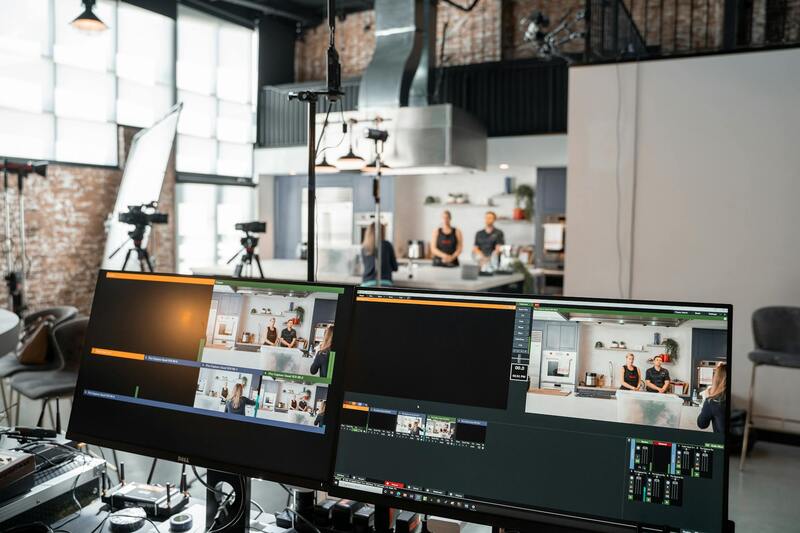
Key Features and Technologies
Adopting live streaming video services involves understanding key technological features that underpin their effectiveness. High-definition video capture and transmission are essential to ensure visual clarity, especially during detailed corporate or product demonstrations. Advanced encoding hardware compresses video content efficiently without sacrificing quality, enabling smoother streams even on limited bandwidths. Adaptive bitrate streaming further enhances viewing experiences by automatically adjusting video quality based on viewers’ internet speeds, reducing buffering and lag.
Content delivery networks (CDNs) play a pivotal role in distributing streams across multiple regions, thereby reducing latency and ensuring consistent performance even during peak traffic. Complementary technologies such as real-time chat integrations, viewer analytics, and multi-camera switching capabilities contribute to dynamic and interactive broadcasts. These tools support Miami-based production agencies in delivering professional-grade live streams that meet high-quality standards, resonate with local audiences, and facilitate greater viewer engagement.
Benefits for Miami Production Agencies
Implementing advanced live streaming video services offers considerable advantages to Miami production agencies, including increased competitiveness and diversified service offerings. These services enable agencies to confidently support high-profile events, such as city festivals, business conferences, and community gatherings, with enhanced visual and audio fidelity. They also foster greater collaboration with clients who seek innovative ways to connect with their audiences, whether locally or globally.
Furthermore, live streaming opens new revenue streams and expands market reach, allowing agencies to tap into virtual audiences and global viewers. By utilizing cutting-edge technology and official streaming platforms, agencies can maintain a reputation for delivering reliable, high-quality broadcasts that align with industry standards and client expectations. This capability not only elevates their brand presence in Miami’s competitive media landscape but also strengthens client trust and satisfaction.
Choosing the Right Live Streaming Platform
Selecting an appropriate platform is crucial for ensuring seamless broadcasts and maximizing audience engagement. Agencies should evaluate platforms based on their compatibility with existing equipment, scalability for different event sizes, and features like multi-platform streaming, customizable overlays, and integrated analytics. A platform with robust security measures helps protect content from unauthorized access or disruptions. Moreover, ease of use and technical support are vital considerations, especially when coordinating complex live events or multi-camera setups.
In the Miami context, understanding regional preferences and technical infrastructure can influence platform choice. The ideal platform should support high-resolution streaming, adjustable latency settings to suit different event requirements, and adaptable integration with third-party tools used for content management and audience interaction. Ensuring these elements helps build a dependable live streaming environment tailored to Miami’s dynamic event calendar and diverse audience base.
Technical Setup and Equipment Considerations
Proper technical setup is the backbone of successful live streaming services. Miami production teams invest in high-quality hardware, including 4K-capable professional cameras, directional microphones, and solid-state recorders. Reliable streaming encoders, either hardware or software-based, are crucial to convert captured mass media into digital signals that can be transmitted efficiently over the internet.
Network infrastructure must prioritize stability and speed; wired Ethernet connections with sufficient upload bandwidth are preferred, particularly during large-scale or high-resolution broadcasts. Backup internet sources and load balancing techniques add layers of resilience, minimizing downtime. Auxiliary equipment like video switchers, multi-view monitors, and audio mixers support real-time production control, allowing operators to switch angles, overlay graphics, and adjust audio levels seamlessly.
For remote or multi-site projects, portable high-capacity streaming kits or cloud-based solutions facilitate flexibility and reduce physical constraints. Regular pre-event testing ensures all systems are functioning correctly, bandwidth performance is adequate, and content delivers intended quality. These meticulous preparations ensure Miami agencies uphold standard broadcast quality without interruption, even under demanding operational conditions.

Legal, Compliance, and Security Aspects
Operating official live streaming services requires adherence to relevant legal and regulatory frameworks. These include acquiring necessary permissions for content broadcast, respecting intellectual property rights, and ensuring proper licensing agreements. Miami agencies must stay informed about regional guidelines on content distribution, data handling, use of copyrighted material, and privacy considerations.
Security is a paramount concern with live streaming, especially for corporate or confidential events. Implementing encryption protocols safeguards content from unauthorized access. Secure streaming platforms with authentication features help restrict access to authorized viewers, while regular security audits identify and mitigate potential vulnerabilities. Data protection policies also extend to viewer analytics and user engagement metrics, ensuring such information is handled responsibly and transparently.
Recent Trends and Innovations
The live streaming industry continues to evolve rapidly, integrating emerging technologies such as 4K and 8K resolution broadcasting, virtual and augmented reality experiences, and AI-powered production tools. These advancements allow Miami agencies to offer immersive and highly engaging content that stands out in a competitive environment. Cloud-based streaming solutions are becoming standard, providing scalable resources that accommodate fluctuating audience sizes and event complexities.
Additionally, the rise of hybrid events—combining in-person and virtual participation—requires sophisticated streaming architectures capable of delivering synchronized, multi-angle views and high-quality interactions. Real-time data analytics facilitate tailored content delivery and immediate feedback, enriching the overall viewer experience. Staying abreast of these innovations ensures Miami-based video production providers remain at the forefront of live streaming excellence, fulfilling ever-growing client expectations and audience demands.