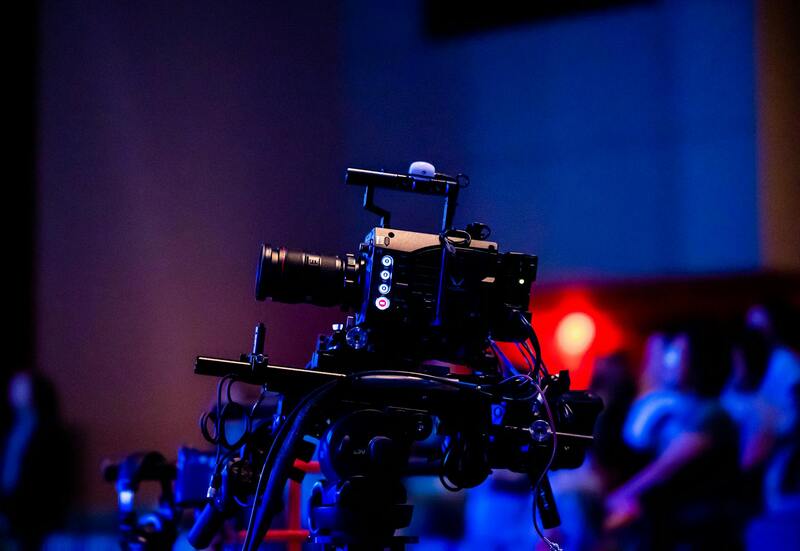
Understanding Livestreaming Production Services
Livestreaming production services play a crucial role in bringing events, presentations, and corporate communications to audiences through high-quality virtual broadcasts. These services encompass a range of professional solutions designed to ensure seamless live video delivery, combining advanced technologies, experienced personnel, and tailored production workflows. By leveraging livestreaming, businesses and organizations in Miami can expand their reach, engage audiences in real-time, and create dynamic digital experiences that were once limited to traditional in-person events.
In an era where remote engagement is increasingly vital, livestreaming production has become an essential component for a diverse array of events. This includes corporate conferences, product launches, seminars, and training sessions, as well as entertainment shows, cultural festivals, and community gatherings. With Miami’s vibrant event scene and growing digital presence, professional livestreaming services enable organizers to deliver visually compelling broadcasts that preserve the essence of in-person participation while reaching a wider audience.
Creating a successful livestream involves meticulous planning and execution. It requires a combination of reliable hardware, high-speed internet connections, and talented production teams capable of handling complex technical tasks. The core purpose of these services is to ensure a faultless viewing experience, with smooth streaming, clear audio, and high-resolution visuals. As businesses increasingly recognize the importance of digital engagement, investment in professional livestreaming solutions is becoming a strategic priority for organizations aiming to enhance their brand visibility and audience interaction.
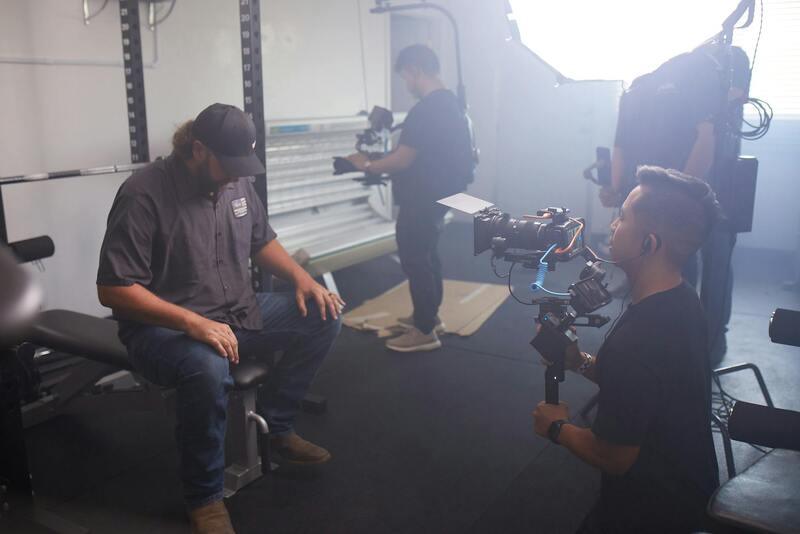
Ultimately, livestreaming production services serve as a bridge between physical events and virtual audiences, offering flexibility, scalability, and enhanced engagement opportunities. Partnering with experienced providers in Miami ensures that the technical and creative aspects of live broadcasts are managed expertly—from setup and technical support to on-air talent coordination and post-production. This comprehensive approach guarantees productively executed livestreams that elevate event experiences and achieve organizational objectives efficiently.
Understanding Livestreaming Production Services
As the demand for dynamic digital content continues to rise, professional livestreaming production services have become integral to delivering seamless virtual events. These services encompass an array of technical and creative solutions designed to provide viewers with an engaging, high-quality experience. They involve comprehensive planning, expert assistance, and state-of-the-art equipment, all geared toward effectively translating live events into digital formats. In Miami, a hub for vibrant events and innovative enterprises, professional livestreaming providers are equipped to handle diverse event types—from corporate seminars and product launches to entertainment performances and community gatherings.
The core of these services lies in delivering stable, high-resolution streaming that preserves the fidelity and immediacy of the event. This is achieved through meticulous coordination of several key elements, including dedicated high-bandwidth internet connections, professional-grade cameras, sound systems, and broadcasting software. Skilled production teams are responsible for managing these components throughout the event—monitoring feeds, adjusting audio levels, switching camera scenes, and ensuring minimal latency. Their expertise guarantees that viewers receive uninterrupted access to the event’s content, regardless of device or location.
Key Elements That Define Livestreaming Production Services
An efficient livestreaming production incorporates several interconnected elements that collectively contribute to the quality of the broadcast:
- Video Capture: Utilization of high-definition cameras to capture sharp visuals from multiple angles, tailored to the event's scope and scale.
- Switching and Management: Real-time camera switching and scene management to produce a polished and engaging broadcast experience.
- Encoding Technology: Advanced encoding solutions that compress video data without sacrificing quality, facilitating smooth streaming across various platforms.
- Streaming Platforms Integration: Compatibility with popular streaming channels and custom solutions to reach targeted audiences effectively.
- Audio Management: Clear, balanced audio capture and mixing to ensure speech and music are intelligible and professional-sounding.
- Technical Support: On-site and remote technical assistance before and during the event to troubleshoot and optimize stream stability.
Visual and Audio Quality Considerations
Achieving professional-grade visuals involves the deployment of high-resolution cameras and proper lighting setups to ensure clarity and color accuracy. Simultaneously, sound quality relies on the use of quality microphones and sound engineers to balance audio levels and eliminate unwanted noise. These quality standards are essential for maintaining audience engagement and perceptions of credibility during live broadcasts.
Investing in robust technologies and equipment is vital for smoother operations and higher production value. This includes not only the cameras and audio gear but also software solutions for managing live feeds, real-time graphics, subtitles, and interactive elements that enhance viewer participation.
Technical Support and Troubleshooting
During a livestream, technical issues can disrupt the viewer experience and diminish the perceived professionalism of the event. Therefore, comprehensive technical support is a critical element of livestreaming production services. Skilled technicians oversee all aspects of the broadcast, including sensor calibration, signal transmission, and equipment operation, ensuring seamless delivery across platforms. They perform pre-event checks to identify potential issues and provide real-time troubleshooting to address any unforeseen problems promptly. Such support minimizes downtime and guarantees a smooth, uninterrupted broadcast. Furthermore, backup systems are put in place to quickly switch over in case of hardware failures or connectivity challenges, maintaining broadcast continuity and safeguarding the event’s success.
Visual and Audio Quality Considerations
Achieving a professional-grade broadcast hinges on the deployment of cutting-edge visual and audio technology. High-resolution cameras capable of capturing crisp imagery under varying lighting conditions are essential. These are often complemented by advanced lighting setups that enhance color accuracy and reduce shadows, providing viewers with a clear and vibrant visual experience. Equally critical is the quality of the audio. Professional microphones and sound mixing consoles work together to produce balanced, clear sound, eliminating background noise and enhancing speech intelligibility. Skilled sound engineers continuously monitor audio levels throughout the event, making real-time adjustments to maintain sound quality. The integration of these elements creates an immersive experience that retains audience engagement and reinforces the event’s credibility.
Infrastructure and Equipment
For high-caliber livestreaming production, investing in robust infrastructure and equipment is crucial. This includes state-of-the-art control rooms equipped with multiple monitors for seamless monitoring of live feeds. High-definition cameras with pan-tilt-zoom capabilities, along with professional lighting and sound gear, form the backbone of the operation. Software solutions for managing live graphics, subtitles, and interactive elements further elevate the broadcast quality, offering a polished final product. Redundant systems and backup power supplies are also implemented to mitigate potential disruptions, ensuring consistent performance throughout the event. The integration of hardware and software facilitates real-time editing, instant graphics overlays, and viewer interaction, leading to a more engaging and dynamic livestream.
Technical Setup and Infrastructure
Implementing high-quality livestreaming production services requires a comprehensive technical setup that encompasses both hardware and software components. Central to this setup are professional-grade cameras capable of capturing high-definition footage, often with pan-tilt-zoom functionalities to allow dynamic framing of events. These cameras provide the flexibility needed to focus on key speakers, audience reactions, or product demonstrations, thereby enhancing viewer engagement.
Lighting plays a pivotal role in ensuring visual clarity and a polished presentation. Using a combination of softboxes, LED panels, and directional lighting helps reduce unwanted shadows and balances brightness across the scene. Proper lighting ensures that all participants and speakers are clearly visible, which is especially critical for professional interviews, panel discussions, or product showcases.
Sound quality is equally vital. Top-tier microphones, such as shotgun mics, lavaliers, and ambient microphones, are employed to capture clear audio from multiple sources. Sound mixing consoles, operated by seasoned audio engineers, manage the balance and clarity of sound throughout the event. Continuous monitoring allows for real-time adjustments, minimizing background noise and ensuring speech remains intelligible.
Network and Connectivity Infrastructure
A robust and reliable internet connection forms the backbone of successful livestreaming. Typically, professional providers utilize dedicated fiber optic internet lines or bonded cellular networks that combine multiple cellular data streams to ensure a stable data transfer rate. Temporary backup connections, such as satellite internet or secondary fiber lines, are often deployed to mitigate any disruptions. This redundancy guarantees continuous streaming even in the event of network fluctuations or outages.
Moreover, bandwidth management tools are employed to optimize data flow and prevent lag or buffering issues. Network security measures are also implemented to safeguard the broadcast from cyber threats, ensuring uninterrupted service during high-profile events.
Control Rooms and Operator Stations
Control rooms serve as command centers for overseeing the entire livestream. Equipped with multi-monitor setups and control panels, technicians can switch camera feeds, manage graphics overlays, and adjust audio levels efficiently. Live streaming software platforms facilitate real-time editing, graphics insertion, and viewer interaction functions. Skilled operators coordinate all technical aspects to produce a seamless broadcast that aligns with the event’s objectives.
Software Solutions for Enhancement and Interaction
Modern livestreaming involves advanced software tools that enhance the broadcast quality and viewer experience. These include graphic overlays for branding or informational purposes, real-time subtitles for accessibility, and interactive features like polls or chat integration to boost audience engagement. These solutions enable producers to create a dynamic viewing environment, keeping online audiences involved and attentive throughout the event.
Furthermore, integration with social media platforms allows for live sharing and real-time feedback collection, extending the reach of the livestream beyond the primary hosting site. Customizable interfaces and intuitive controls streamline the production process, making it easier for technical teams to execute complex live events efficiently.
Technologies and Equipment Used
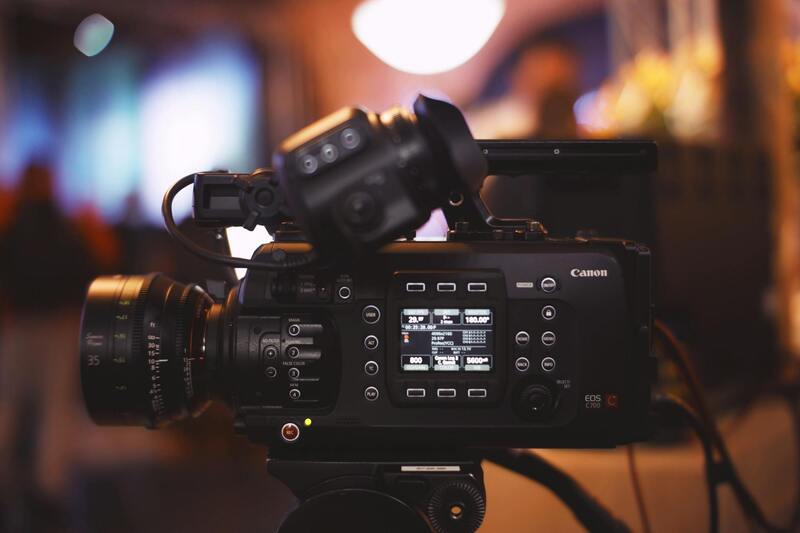
Implementing a successful livestreaming production hinges on utilizing cutting-edge technology and high-quality equipment. Top-tier production services typically incorporate a combination of hardware and software tailored to match the scale and scope of each event. Professional-grade video cameras, such as studio-quality HD or 4K cameras, ensure crisp, clear visuals that captivate viewers. These cameras are often mounted on stabilizers or tripods to maintain steady shots and may include remote control capabilities for dynamic camera switching. Additionally, advanced switchers allow seamless transitions between multiple camera feeds, creating a polished broadcast appearance.
Audio quality is equally critical. High-fidelity microphones—such as shotgun, lapel, or boundary microphones—capture clear sound across different environments. Digital audio mixers and processors help balance audio levels in real-time, eliminating background noise and ensuring commentary, music, or other audio elements are delivered with clarity.
Lighting equipment further enhances visual output, especially for indoor events. Professional lighting setups, including softboxes, LED panels, and programmable lighting, help eliminate shadows and highlight key subjects or areas of focus. These tools translate into a visually engaging experience for viewers watching from various devices.
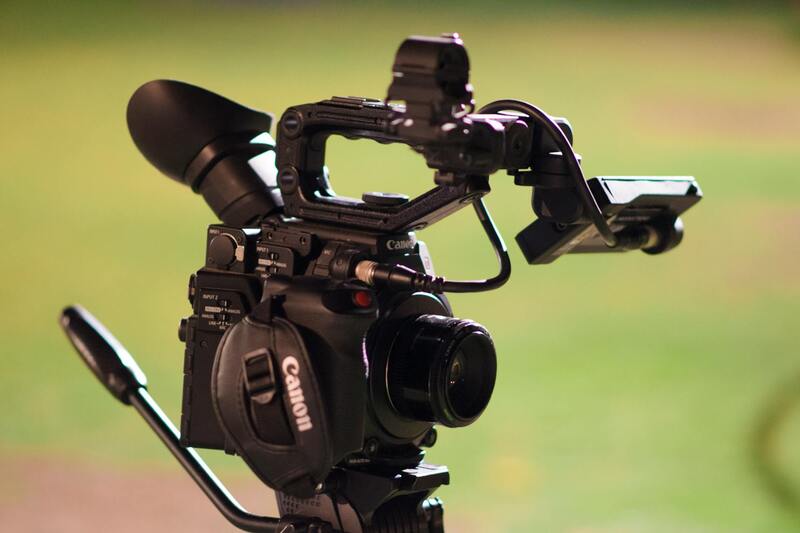
On the software front, robust live streaming platforms are employed to facilitate real-time broadcasting, graphics insertion, viewer interaction, and multi-stream management. These platforms are capable of integrating overlays, animations, and lower thirds to reinforce branding and convey essential information. Additionally, encoding software ensures efficient compression and transmission of high-definition audio-visual signals across diverse internet connections, minimizing latency and buffering issues.
Monitoring tools are vital to oversee stream stability and quality, providing technicians with data on bitrate, resolution, and viewer engagement metrics. The combination of sophisticated hardware and reliable software ensures that each livestream is delivered professionally, with minimal disruptions and maximum visual impact.
Technical Setup and Workflow Optimization
Successful livestreaming production relies heavily on meticulous technical setup and well-structured workflows. Professionals begin by assessing the event's specific requirements, including venue size, expected audience, and content complexity. This assessment guides the selection of appropriate equipment and software solutions, ensuring seamless integration and optimal performance throughout the broadcast.
Precise camera placement is essential for capturing compelling visuals. Multiple camera angles provide dynamic perspectives, which can be switch seamlessly using professional video switchers. This dynamic switching enhances viewer engagement, offering varied shots such as close-ups, wide views, and detailed shots that bring the event to life.
Audio quality is equally critical. The deployment of high-fidelity microphones, audio mixers, and processors guarantees clear, balanced sound. Proper sound checks and real-time audio monitoring prevent issues such as feedback, background noise, or volume inconsistencies, maintaining an immersive experience for the audience.
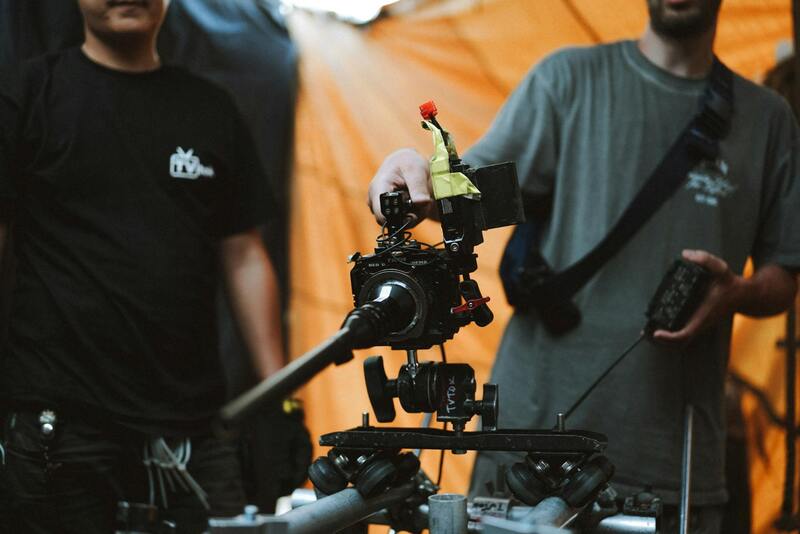
Encoding, Streaming Platforms, and Multi-Stream Management
Once the visual and audio components are configured, encoding software compresses the high-definition signals for stable transmission over the internet. These encoders are integral to managing bitrates and resolution, optimizing stream quality while minimizing bandwidth issues.
Modern livestreaming relies on advanced streaming platforms that support multi-platform broadcasting, viewer interaction, and real-time data analytics. Using reliable servers and CDN (Content Delivery Network) deployment ensures smooth delivery to viewers regardless of their geographic location. This infrastructure allows for simultaneous streaming across multiple channels, expanding reach and accessibility.
Operational Workflow and Quality Control
Operational workflow begins with pre-production planning, including script development, cueing, and dry runs. During the live broadcast, skilled technicians monitor every aspect—from video feeds and audio levels to network stability. They are ready to troubleshoot issues swiftly, ensuring minimal disruptions.
Quality control measures are embedded within the workflow. These include real-time monitoring of stream health metrics, adaptive bitrate adjustments, and backup plans such as redundant internet connections or hardware. This layered approach guarantees the reliability and professionalism of every live broadcast.
Post-event, comprehensive analytics provide insight into viewer engagement, technical performance, and overall success. This data informs future livestream strategies, enabling continuous improvement and refinement of production techniques.
Understanding Livestreaming Production Services
Livestreaming production services encompass a comprehensive range of technical and creative processes designed to deliver high-quality live video content over the internet. These services are tailored to meet the particular demands of diverse events, from corporate conferences and product launches to entertainment shows and educational seminars. A professional livestreaming provider ensures that every element—from camera angles and audio clarity to streaming stability—is managed meticulously to produce a seamless viewing experience for remote audiences. By integrating advanced broadcasting technology, real-time editing capabilities, and robust infrastructure, these services transform live events into engaging online experiences that can reach thousands or even millions of viewers globally.
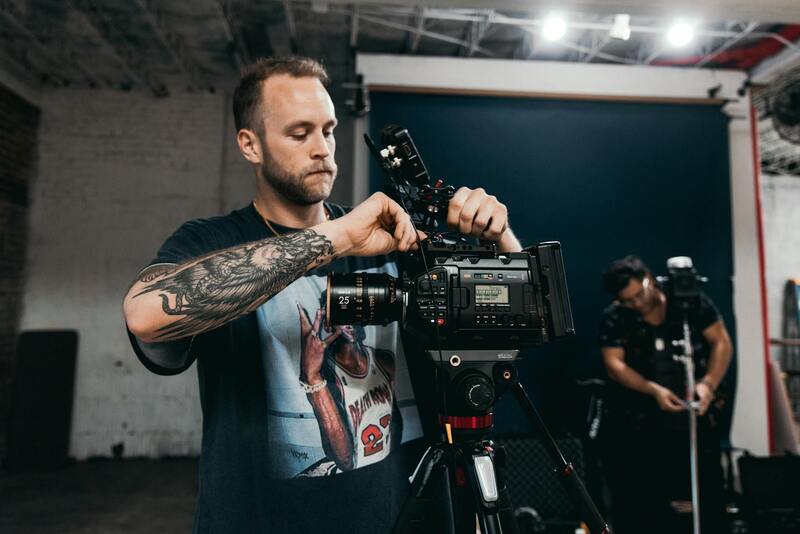
Dependable livestreaming production hinges on strategic planning, the right equipment, and skilled technical staff. The process involves pre-production setups such as content scripting, camera placement, and sound checks, followed by on-site execution, where live switching, graphics overlay, and audience interaction are managed. Post-event, detailed analytics are analyzed to assess viewer engagement and technical performance, guiding future improvements. From small-scale webinars to large-scale international broadcasts, engaging a professional team ensures operational efficiency and a high standard of broadcast quality, allowing content creators and organizations to focus on content delivery while technical complexities are seamlessly handled behind the scenes.
Key Components of Livestreaming Production
At the core of professional livestreaming services are several vital components that work together to produce a polished broadcast:
- High-Definition Cameras and Switchers: Multiple camera setups enable dynamic framing, while live switchers allow real-time transitions and effects.
- Audio Equipment: Professional microphones and audio mixers ensure clear sound quality, minimizing background noise and enhancing speech intelligibility.
- Streaming Hardware and Software: Encoders convert video signals into digital streams compatible with broadcasting platforms, with software solutions providing overlays and real-time graphics.
- Content Delivery Network (CDN): A reliable CDN infrastructure distributes the live feed efficiently, reducing latency and buffering for viewers regardless of location.
- Technical Crew: Skilled operators handle camera control, audio mixing, stream management, and troubleshooting during the event.
Types of Livestreaming Events Covered
Professional livestreaming services cater to a wide spectrum of live events, including but not limited to:
- Corporate Events: Conferences, product launches, shareholder meetings, and internal training sessions.
- Entertainment and Cultural Events: Music festivals, theatrical performances, awards shows, and art exhibitions. li> Educational Seminars: Academic lectures, workshops, and university commencements.
- Sports and Recreation: Live sports matches, fitness classes, and outdoor activities.
- Religious and Community Gatherings: Services, social events, and charity events.
Each event type demands specific technical configurations and production styles to optimize viewer engagement and ensure smooth delivery.
Advanced Techniques in Livestreaming Production
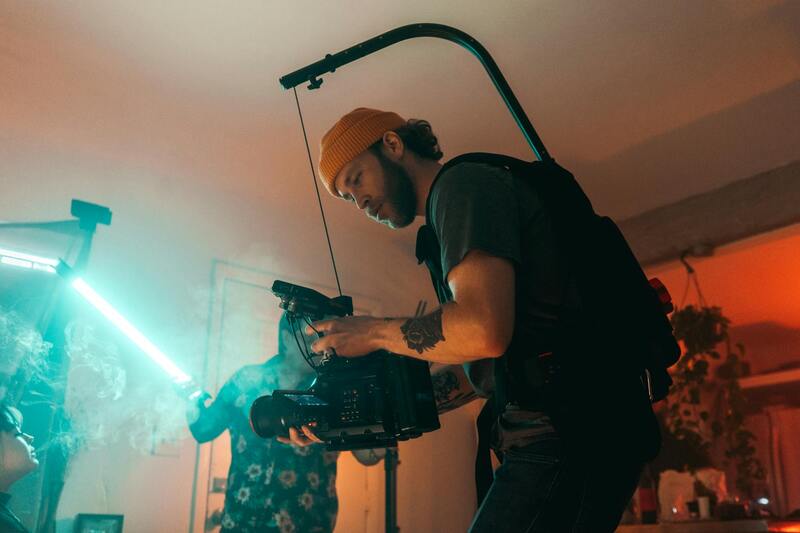
To elevate the quality and impact of live broadcasts, professional livestreaming production services utilize a variety of advanced techniques. These include multi-camera setups that allow for dynamic scene changes, enabling viewers to experience the event from multiple angles. Strategic camera placement is crucial, often focusing on key speakers, audience reactions, or specific segments to maintain engagement. Additionally, real-time switching, picture-in-picture effects, and scene transitions are employed to create a polished and seamless viewing experience. Graphical overlays and lower thirds are dynamically inserted during the broadcast to provide context, presenter names, or pertinent information, enhancing viewer comprehension. Chroma key (green screen) technology also plays a pivotal role, allowing for customized backgrounds that align with branding or thematic elements. Live graphics, animations, and interactive elements can be integrated to foster viewer interaction and create a more immersive experience. Audio engineering remains a core aspect of high-quality livestreams. Multiple audio feeds from microphones, instrument inputs, and other audio sources are mixed meticulously to ensure clarity and balance. Sound engineers monitor audio levels continuously and employ noise reduction techniques to minimize distractions. Furthermore, recording the livestream content in high definition with multiple backup streams ensures data integrity and facilitates post-event content repurposing. This approach not only secures the event but also provides additional marketing assets. Technological interoperability is key, so providers often employ industry-standard protocols and software that facilitate smooth integration of various hardware components. Network stability is maintained through dedicated fiber optic internet connections and redundant systems to prevent disruptions. Incorporating these advanced production methods significantly elevates the overall quality and professionalism of livestreamed events, ensuring a memorable experience for viewers.