Understanding Live-Streaming Video Production
Live-streaming video production has transformed the way businesses and organizations communicate with their audiences. It involves the real-time broadcasting of audio-visual content over the internet, allowing viewers to engage with events, presentations, and messages as they happen. This dynamic medium offers immediacy, interactivity, and broad reach, making it a vital tool for marketing, corporate communications, educational initiatives, and community engagement within Miami’s vibrant commercial landscape.
The process of live-streaming production encompasses several key components that work together to deliver seamless and high-quality broadcasts. These include meticulous planning, advanced technical equipment, skilled operators, and strategic execution on the day of the event. It’s not merely about hitting the 'go live' button; rather, it requires a comprehensive approach that ensures clarity of content, reliability of signal, and audience engagement. For Miami-based organizations seeking to harness this powerful platform, understanding the fundamental aspects of live-streaming video production is essential for creating compelling, professional broadcasts that resonate with viewers and achieve organizational goals.
At its core, live-streaming production involves capturing live footage through cameras, encoding the video signals into suitable formats, and transmitting these signals over robust internet connections to viewers across various devices. The entire process demands precision and expertise to avoid disruptions such as buffering or poor video quality. This necessitates the integration of advanced equipment including professional-grade cameras, audio systems, encoders, switching consoles, and streaming software that optimize the broadcast's visual and audio fidelity.
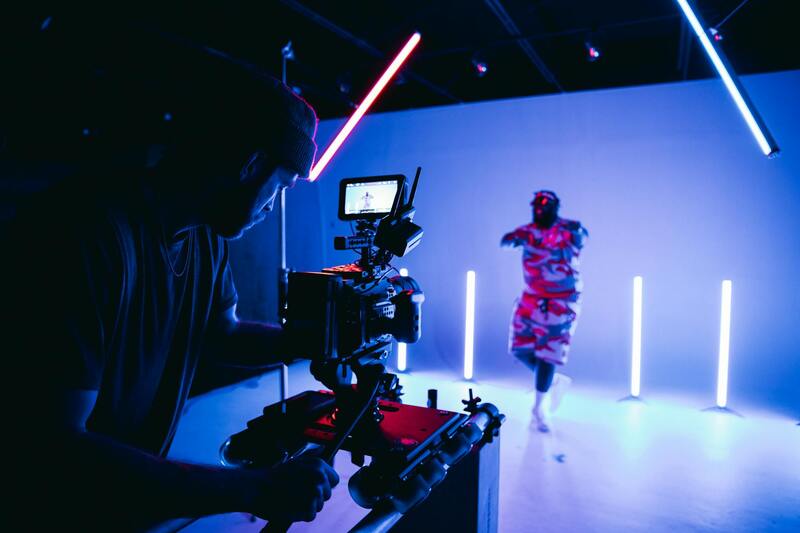
Furthermore, the relevance of live-streaming production in Miami extends across sectors—from corporate webinars and product launches to city events and cultural festivals—enabling organizations to reach wider audiences beyond physical constraints. As Miami continues to grow as a hub for innovation and cultural expression, mastering the essentials of live-streaming video production becomes crucial for businesses wishing to stay competitive and connected in this vibrant community.
Essential Equipment and Technology for Live-Streaming Video Production
Securing the right equipment forms the backbone of any professional live-streaming operation. The quality of visual and audio output hinges on the selection and integration of high-grade technology tailored to meet the specific demands of live events.
At the heart of live-streaming technology are professional-grade cameras capable of capturing high-resolution footage. These cameras are equipped with features such as optical zoom, image stabilization, and low-light performance, ensuring clear visuals regardless of lighting conditions or scene complexity. Alongside cameras, audio equipment like lavalier microphones, shotgun mics, and mixing consoles play a vital role in capturing crisp, clear sound that maintains viewer engagement and adds a layer of professionalism.
Encoding hardware or software solutions convert the raw footage into streaming-compatible formats, optimizing video quality while reducing latency. Hardware encoders offer reliability and higher bitrate management, ideal for live events where bandwidth stability is paramount. Streaming software, integrated with encoders, provides additional flexibility for scene switching, graphics integration, and real-time adjustments during the broadcast.
Switching consoles are essential during multi-camera setups, allowing producers to seamlessly transition between feeds, add visual effects, and overlay graphics. Reliable internet connectivity, preferably via wired connections with sufficient bandwidth, underpins the entire streaming process by ensuring consistent signal transmission. Backup internet solutions such as LTE/5G hotspots are often employed to mitigate disruptions.
Additional accessories—including lighting rigs, monitor displays for real-time previews, and power supply redundancies—further support a stable production environment. Investing in quality equipment and reputable technology ensures that the live stream adheres to professional standards, delivering a polished experience to viewers regardless of the scale or complexity of the event.
Production Setup and Execution
Executing a live-streamed event involves meticulous setup and operational precision. Prior to the event, a comprehensive run-through confirms equipment functionality and scene flow, minimizing potential technical hiccups. During the stream, operators coordinate camera angles, audio levels, and graphics, all while monitoring signal strength and stream health in real-time.
The setup process begins with positioning cameras to capture the key visual elements, followed by configurations of lighting to ensure proper illumination. Audio sources are adjusted for clarity and balanced with the venue’s acoustics. The control room, typically equipped with a switching console and monitoring screens, allows producers to manage multiple video feeds, incorporate overlays, and control audio outputs dynamically.
During execution, a dedicated technician oversees stream stability, promptly addressing issues such as lag, frame drops, or audio disruptions. The use of multi-camera switching combined with live graphics or subtitles enhances viewer engagement and provides a smooth, professional viewing experience. Properly coordinated efforts during setup and execution are integral to delivering seamless live broadcasts that fulfill organizational objectives.
Essential Equipment and Technology
Executing a successful live-streaming video production relies heavily on deploying the right mix of hardware and software to ensure high-quality broadcast output. Key components include professional-grade cameras capable of capturing crisp, high-definition visuals with versatile movement and zoom capabilities. These cameras are often supplemented by multiple angles, allowing producers to switch perspectives dynamically and maintain viewer engagement. Additionally, reliable streaming encoders are vital; they convert the camera feeds into a digital format suitable for internet transmission while maintaining low latency and high stability. Popular options include hardware encoders, which provide dedicated performance, or software-based solutions that run on robust computers.
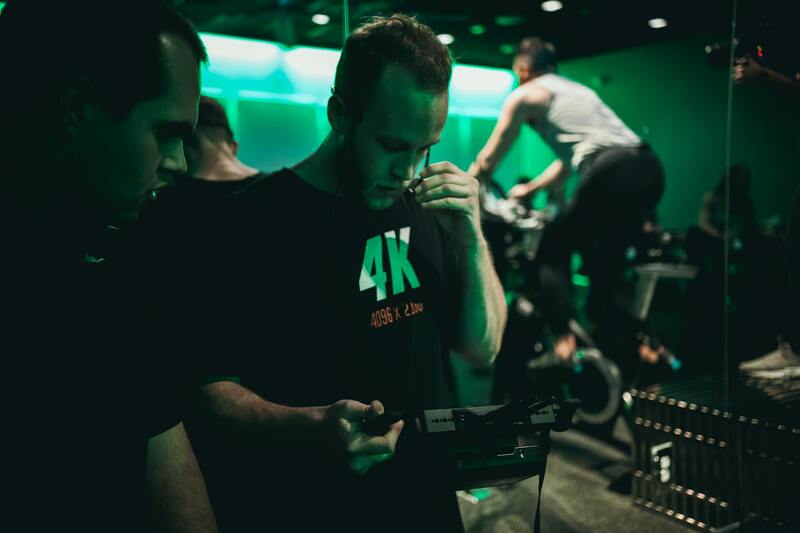
Audio quality significantly impacts viewer satisfaction; thus, high-fidelity microphones, mixers, and wireless audio systems are employed to capture clear, balanced sound that compensates for ambient noise and venue acoustics. For venues that demand complex audio configurations, digital audio workstations (DAWs) or mixing consoles are used to fine-tune sound levels and isolate specific audio sources.
Connectivity is equally crucial. A dedicated, high-speed internet connection with enough bandwidth to handle multiple data streams prevents buffering and dropouts. Multiple internet sources, such as bonded internet or secondary backup lines, are often utilized to safeguard against outages.
Software platforms for overlays, real-time graphics, and chat integration elevate the viewer experience, making broadcasts more interactive and visually appealing. Content management systems (CMS) and streaming platforms facilitate scheduling, multi-platform streaming, and audience analytics, enabling organizations to optimize content delivery and engagement strategies.
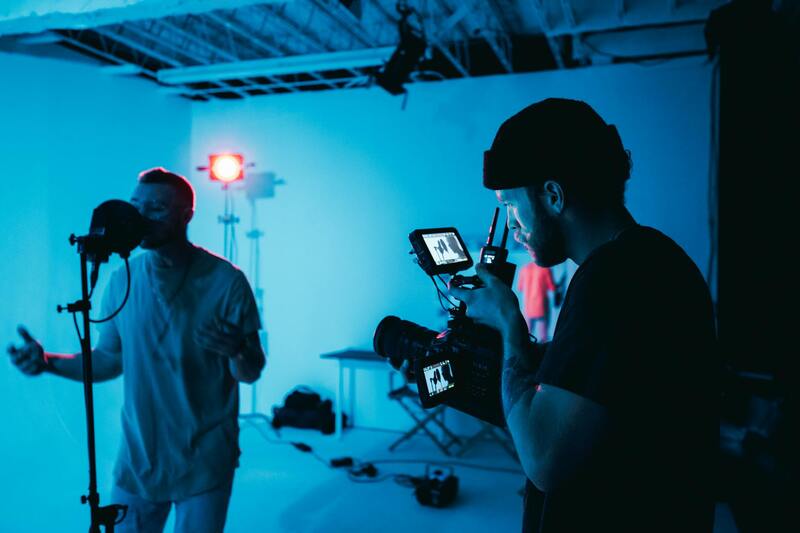
The integration of these technologies—cameras, encoders, audio systems, reliable internet, and interactive software—is fundamental for producing seamless, professional-grade live streams. Proper setup and calibration, combined with ongoing monitoring during the broadcast, are essential for maintaining broadcast quality and providing a polished viewing experience to audiences across Miami and beyond.
Understanding Live-Streaming Video Production
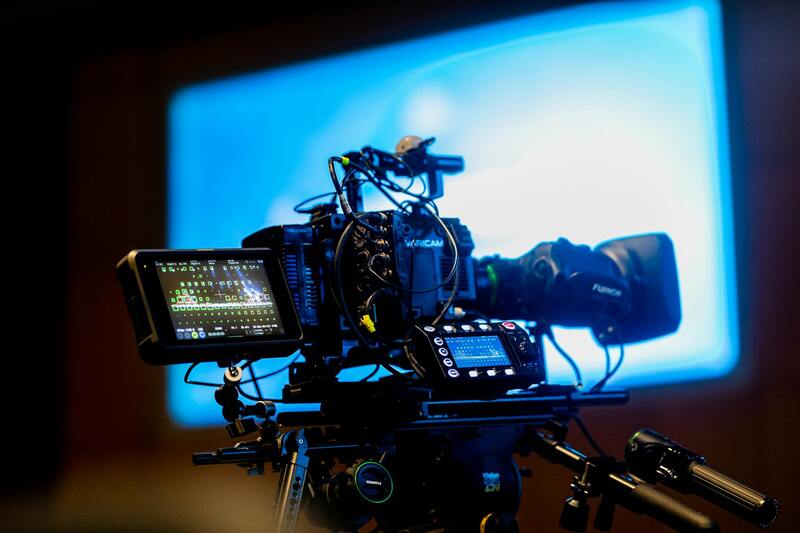
Effective live-streaming video production in Miami involves a complex interplay of technologies, skilled personnel, and strategic planning to deliver a captivating and seamless broadcast. To achieve a professional output, it is vital to understand how the components work together to produce high-quality live content. The process begins with selecting suitable cameras for different shots, such as wide-angle and close-up perspectives, depending on the event's nature. High-definition (HD) and 4K cameras are preferred to ensure crisp visuals that capture every detail vividly. These cameras are connected to video encoders capable of compressing the signal into formats suitable for streaming, such as H.264 or H.265, which balance quality and bandwidth efficiency.
Audio quality is equally critical, often overlooked but fundamental for viewer engagement. Directional microphones, lapels, and shotgun mics are strategically positioned to capture clear sound from speakers and performers. Audio mixers and digital audio workstations allow engineers to balance levels, eliminate background noise, and synchronize audio with video feeds seamlessly. For venues with complex acoustics, employing wireless microphone systems and in-ear monitors enhances audio clarity without restricting mobility.
Internet connectivity serves as the backbone of live-streaming. A dedicated high-speed internet connection that offers symmetrical upload and download speeds prevents buffering issues during broadcasts. In Miami’s bustling event scene, utilizing multiple internet sources, such as bonded internet, provides redundancy. This setup ensures that a failure in one line doesn’t disrupt the live stream. Additionally, network monitoring tools constantly check the strength and stability of connections, allowing technicians to quickly address potential issues before they impact the audience.
Integrating software platforms is essential for overlay graphics, real-time chat, and interactive features. These tools not only enhance the visual appeal but also encourage viewer participation, making the broadcast more engaging. Content management systems (CMS) facilitate scheduling, multi-platform streaming, and delivering analytics that help organizations understand audience behavior, preferences, and engagement patterns, leading to more targeted content strategies in future broadcasts.
Overall, a successful live-streaming video production setup requires precise coordination of equipment, personnel, and technology. Careful calibration and thorough testing before going live are crucial. Continuous monitoring during the event ensures all elements function optimally, allowing technicians to troubleshoot real-time issues and maintain high broadcast standards. With these practices, Miami-based organizations can confidently deliver professional-grade live streams that captivate audiences, promote brands, and extend their reach across digital platforms.
Production Setup and Execution
Effective live-streaming video production hinges on meticulous setup and seamless execution. The control room serves as the nerve center, where technicians manage video feeds, audio levels, and visual overlays. Multiple camera angles are typically employed to capture different perspectives, requiring well-coordinated switching to maintain viewer immersion. High-definition video sources, paired with reliable encoding hardware or software, ensure crisp, professional visuals that meet audience expectations.
In Miami's vibrant event landscape, managing real-time content transitions is essential. Operators utilize switchers that facilitate smooth swaps between camera feeds, graphics, and pre-recorded segments. This fluidity prevents disruptive artifacts that could detract from the broadcast’s quality. Simultaneously, audio engineers balance sound sources, ensuring dialogues, background music, and sound effects are synchronized without distortion.
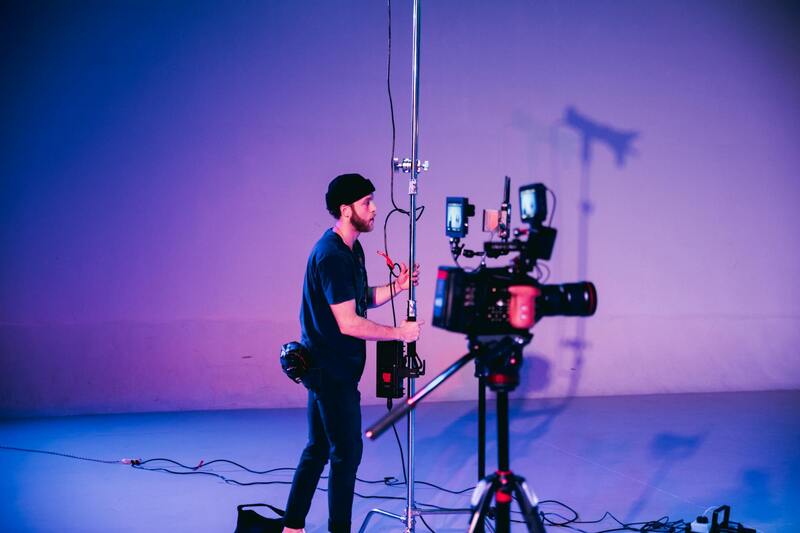
Technical coordination extends to managing internet connectivity, which is vital for uninterrupted streaming. Redundant internet sources, such as bonded connections, protect against potential disruptions. Network monitoring tools alert technicians to fluctuations or failures, prompting immediate action to maintain stream stability. Applying adaptive bit-rate streaming adjusts video quality dynamically based on available bandwidth, further reducing buffering and ensuring a consistent viewer experience.
Content delivery platforms complicate the process further, with various streaming protocols and codecs requiring compatibility and optimization. Choosing the right encoder settings guarantees minimal latency and maximum quality across all target platforms. Producing live graphics, overlays, and real-time captions requires specialized software that integrates seamlessly with the streaming workflow, enriching the broadcast visually and informationally.
Continuous quality control involves real-time monitoring of video and audio feeds, with technicians ready to troubleshoot issues as they arise. This proactive approach minimizes downtime and maintains high production standards. Prior to the broadcast, comprehensive testing of all equipment, connections, and software components is essential to identify potential issues and address them proactively.
Moreover, precise timing during live execution is critical. Coordinating cues for graphics, segment transitions, and audience interactions requires rehearsals or run-throughs. Skilled directors and technical teams work in harmony to adapt to unexpected circumstances, such as technical glitches or content delays, ensuring a polished and professional final product.
Techniques for Ensuring Live-Stream Reliability and Quality
For organizations aiming to deliver seamless live-streaming video production, employing official and proven methods is crucial. Reliable internet connectivity forms the backbone of any successful broadcast; therefore, utilizing dedicated bandwidth or high-capacity fiber connections minimizes interruptions caused by network congestion. Network redundancy, such as automatic failover systems, ensures that if primary connections experience issues, backup links take over instantly, maintaining a continuous stream without viewer notice.
Another essential practice involves rigorous equipment calibration and maintenance. Regularly checking and maintaining cameras, audio devices, encoders, and mixing consoles prevents unexpected failures during broadcasts. Using high-quality, professional-grade hardware equipped with built-in fail-safes reduces the risk of malfunction, and ensures consistent output quality.
Implementing comprehensive audio and video syncing procedures enhances the viewing experience. Audio should be synchronized precisely with video feeds to eliminate delays, which can be distracting to viewers. Advanced audio interfaces with built-in latency correction help achieve this, providing clarity and coherence throughout the broadcast.
Utilizing state-of-the-art encoding hardware and software is fundamental for efficient streaming. Choosing encoders capable of adaptive bit-rate streaming offers viewers a smooth experience regardless of their internet bandwidth. These encoders adjust video quality dynamically, reducing buffering times and preserving important visual details. It's also vital to configure and optimize encoding settings based on the streaming platform requirements, which often include specific resolutions, frame rates, and codec configurations.
Quality control measures should be integrated into every stage of the live stream. Employing real-time monitoring tools allows technicians to observe the stability of video and audio feeds, identify issues promptly, and make swift adjustments. Techniques such as latency checks, bitrate assessments, and visual inspections ensure the broadcast meets quality standards. Automating alert systems to notify technicians of anomalies helps maintain high standards throughout the event.
Furthermore, pre-stream rehearsals are constructive for verifying all system components work harmoniously. Running trial broadcasts, testing network capacity, and rehearsing cue points and transitions reduce the likelihood of unforeseen problems during the live event. This preparation ensures that the technical team is able to respond swiftly to any arising issues, thereby safeguarding the production's professionalism and viewer satisfaction.
Understanding Live-Streaming Video Production
Live-streaming video production involves a comprehensive blend of technical expertise, strategic planning, and high-quality equipment to deliver seamless digital broadcasts. For Miami businesses and organizations aiming to expand their reach, mastering legitimate production methods ensures their content resonates with authenticity and professionalism. The process starts with meticulous pre-production procedures, encompassing content scripting, scene planning, and technical rehearsals. Establishing a clear workflow minimizes potential disruptions during the live event and positions the team to handle unforeseen issues efficiently.
High-caliber live production relies heavily on cutting-edge technology, including professional-grade cameras, multi-channel switchers, robust audio mixers, and reliable internet connectivity. These components are integrated to capture multi-angle footage, audio sources, and graphics, culminating in a polished broadcast. The use of professional encoders, capable of adaptive streaming, guarantees that viewers experience consistent quality regardless of their internet bandwidth. This adaptability is essential for maintaining audience engagement, especially in fast-paced or complex streaming scenarios.
Furthermore, real-time monitoring tools are indispensable during live streams, allowing operators to oversee video and audio feeds continuously. These tools facilitate immediate response to issues such as signal loss, audio distortion, or bitrate fluctuations. Critical to the success of live streaming is pre-event testing—running comprehensive rehearsals that simulate actual broadcast conditions. These rehearsals verify that all equipment is functioning properly, transitions are smooth, and visual/audio cues are synchronized. This proactive approach minimizes on-air mishaps and improves overall viewer experience.
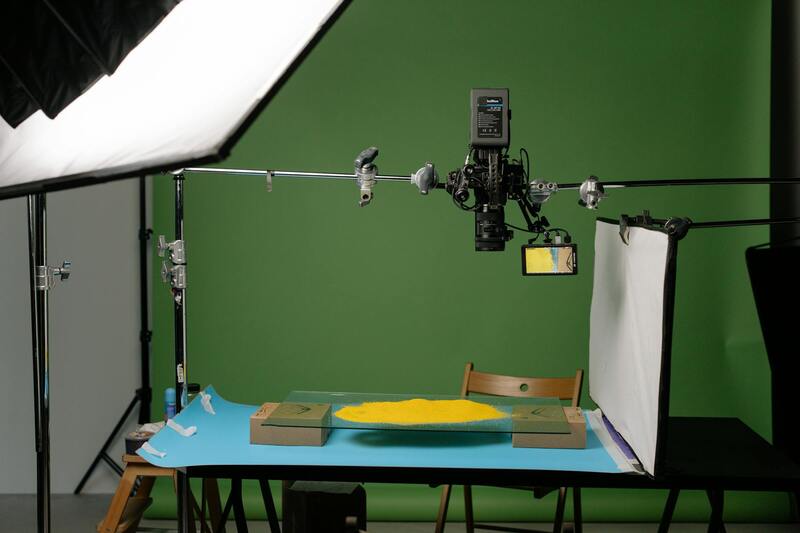
Production Setup and Execution
Executing a live-stream involves a carefully coordinated effort among technical operators, presenters, and content curators. The production team manages camera switching, visual effects, live graphics, and audio levels to create an engaging broadcast. It’s vital to establish a clear communication protocol among team members to ensure seamless transitions and to address any technical challenges swiftly. During the event, operators keep a close eye on indicators such as bitrate stability, frame synchronization, and audio clarity, making adjustments as needed to preserve broadcast quality.
In addition, strategic placement of cameras and microphones enhances visual storytelling and audience engagement. The use of professional video switchers allows for dynamic scene changes, close-ups, and picture-in-picture effects, adding professional polish to live content. Meanwhile, reliable streaming platforms and CDN (Content Delivery Network) configurations ensure wide accessibility and minimal latency, enabling viewers across Miami and beyond to experience the broadcast without interruptions.
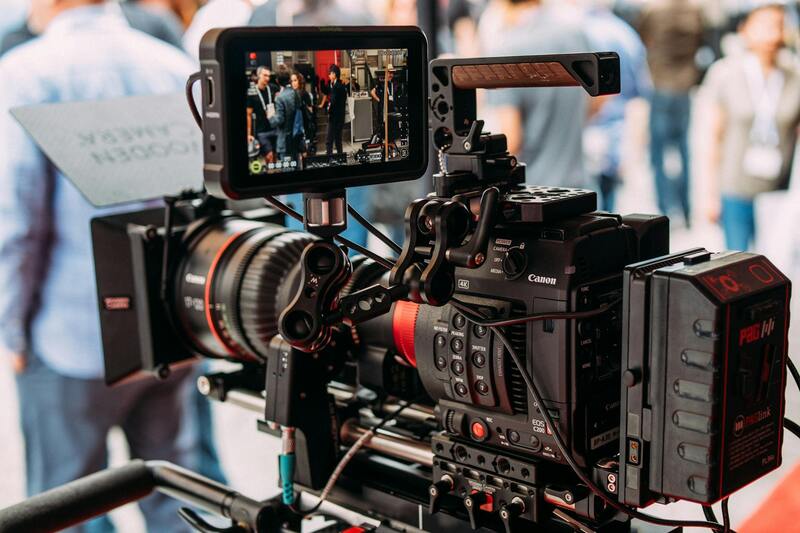
Engagement Strategies During Streaming
Active audience engagement during live streams amplifies reach and fosters community connection. Incorporating real-time chat moderation, audience polls, and interactive Q&A sessions encourages viewers to participate actively in the event. These strategies not only increase viewer retention but also provide immediate feedback and insights into audience preferences. Content creators should plan engagement points within the stream, such as dedicated segments for viewer questions or live shout-outs, to build a sense of community and interactivity.
Utilizing integrated graphics, captions, and branding elements helps maintain viewer interest, while timely call-to-actions direct viewers to related content or encourage social sharing. For Miami-based organizations, leveraging social media integration during the broadcast can significantly enhance visibility and audience growth.
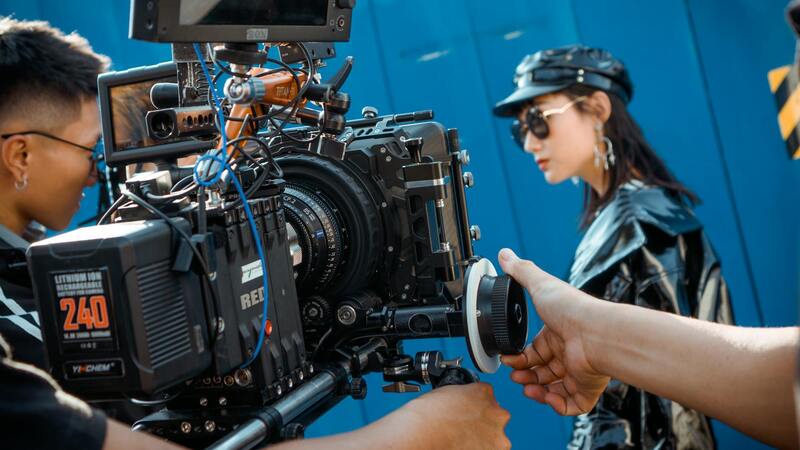
Post-Stream Monitoring and Analytics
Post-broadcast analysis is a crucial phase in live streaming, providing valuable insights that inform future productions. Monitoring tools offer data on viewer metrics like peak concurrent viewers, geographic distribution, engagement duration, and drop-off points. These analytics enable producers to understand what resonated with the audience and identify areas needing improvement.
Effective post-stream review involves examining technical performance, assessing the quality of the video and audio feeds, and reviewing audience interactions. This evaluation ensures that future live streams maintain high standards and are tailored to viewer preferences. Additionally, collecting viewer feedback through surveys or social media discussions provides qualitative insights, guiding content strategy and technical enhancements.
Consistent review and adaptation based on analytics not only enhance the technical execution but also align content delivery with audience expectations, further solidifying the reputation of Miami organizations in the digital space.
Optimizing Live-Streaming Video Production for Maximum Impact
Establishing a seamless and professional live-streaming video production requires meticulous attention to official methods that enhance broadcast quality and viewer engagement. This involves deploying industry-standard equipment, adhering to best practices in production techniques, and implementing strategies to ensure a smooth viewer experience from start to finish.
Professional Hardware and Software Deployment
Ensuring the highest quality output begins with choosing reputable hardware such as high-definition cameras, reliable switching equipment, and robust audio solutions. These components should support real-time encoding and streaming capabilities, which are essential for maintaining clarity and minimizing latency during the broadcast. Employing professional live streaming software, such as Wirecast or vMix, allows producers to integrate multiple video sources, overlay graphics, and control live transitions effectively.
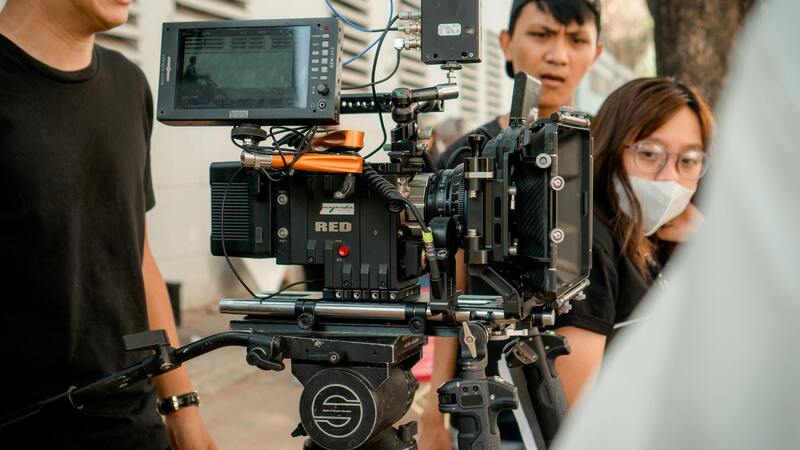
Using certified and well-maintained infrastructure ensures uninterrupted streaming, high visual fidelity, and audio clarity. This setup also facilitates emergency protocols and backup systems, safeguarding against unexpected technical issues that could disrupt the broadcast.
Network Infrastructure and Bandwidth Planning
A reliable internet connection forms the backbone of high-quality live streaming. Media organizations should secure dedicated bandwidth suitable for the expected viewer load. This might involve establishing a primary internet connection supplemented with a secondary link or dedicated fiber optic lines optimized for streaming. Quality of Service (QoS) configurations prioritize streaming traffic, reducing buffering and latency. Routine network testing prior to the stream ensures stable and consistent data flow, vital for smooth playback.
Content Security and Rights Management
Implementing clear digital rights management (DRM) measures and security protocols protects proprietary content during live-streaming sessions. Encrypted streams and secure authentication methods prevent unauthorized access, ensuring that content remains exclusive to intended audiences. These protections uphold the rights of content creators and organizations, fostering trust with viewers and stakeholders.
Leveraging Cloud-Based Solutions and Content Delivery Networks
Utilizing cloud encoding platforms and Content Delivery Networks (CDNs) enhances the scalability and distribution efficiency of live streams. CDNs distribute content through geographically dispersed servers, reducing latency and load times for viewers across different regions. Cloud solutions also facilitate seamless workflows, allowing collaboration and remote management of production elements without compromising quality.
Compliance with Industry Standards and Best Practices
Adhering to official guidelines for technical standards ensures consistent, reliable broadcasting and enhances audience trust. Standards related to resolution, encoding formats, and audio sampling rates should be followed rigorously. This adherence guarantees compatibility across devices and platforms, providing viewers with an optimal experience regardless of how they access the stream.
Secure and Efficient Content Management
Implementing official content management systems (CMS) streamlines the handling of media assets, branding elements, and overlays. Effective organization ensures that content is correctly integrated during broadcasts, allowing for real-time updates and dynamic viewer engagement. Proper management also simplifies post-broadcast analysis and archival procedures, maintaining organizational efficiency.
Training and Certification for Production Teams
Formal training programs and industry-recognized certifications equip production teams with the latest technical knowledge and operational best practices. Continuous education ensures that all personnel are proficient in using official tools and adhere to operational protocols, elevating the overall quality and consistency of live streaming projects.
Ensuring Audience Data Privacy and Compliance
Official methods also encompass privacy protections related to viewer data collection and analytics. Implementing compliant data handling policies and transparent privacy notices builds trust with audiences. Secure storage and processing of user information are paramount, aligning with established data protection standards to uphold integrity throughout the live streaming process.