Understanding Live-Streaming Production
Live-streaming production is an intricate process that involves capturing, broadcasting, and managing real-time video content over digital platforms. This technology has revolutionized how businesses, entertainment entities, educational institutions, and event organizers in Miami communicate with their audiences. It combines advanced hardware, sophisticated software, and strategic planning to deliver seamless live experiences.
The core components of live-streaming production include video capture, encoding, transmission, and delivery. Video capture involves multiple cameras to capture different angles and perspectives, providing a dynamic viewing experience. These cameras are often paired with professional audio equipment to ensure sound quality complements the visuals. Encoding converts the raw video and audio signals into a digital format suitable for internet transmission. This process necessitates powerful computers and specialized software capable of compressing high-quality content without introducing latency or artifacts.
Once encoded, the live stream is transmitted over the internet through servers or content delivery networks (CDNs), which distribute the stream across various geographic regions, ensuring viewers in Miami and beyond receive a smooth, buffer-free experience. The entire process requires precise synchronization and coordination among various technical elements to prevent disruptions during the broadcast.
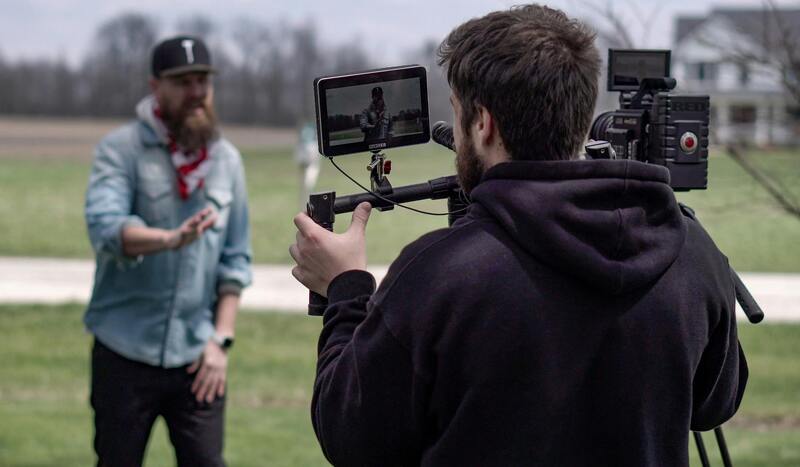
In Miami, live-streaming production finds diverse applications across numerous sectors. From corporate webinars and product launches to live concerts and sports events, the demand for professional streaming services continues to grow. These events often require tailored solutions that incorporate multiple camera feeds, graphics, overlays, and interactivity features, all coordinated by experienced production teams to ensure a polished, engaging experience for viewers.
Effective live-streaming production is not merely about broadcasting footage; it encompasses strategic content planning, high-quality technical execution, and audience engagement tactics. As digital consumption continues to rise, especially in dynamic markets like Miami, businesses and organizations increasingly rely on competent production teams to deliver live content that enhances brand visibility and audience interaction.
Key Equipment and Technology
Successful live-streaming production hinges on the deployment of advanced hardware and software that ensures the delivery of crisp visuals, clear audio, and seamless transitions. Central to this setup are high-definition cameras, which capture detailed footage from multiple angles. These cameras are often equipped with professional lenses, adjustable frame rates, and resolutions capable of broadcasting in Full HD or 4K to meet diverse content needs.

Encoders are another critical component. They compress and convert video signals into formats suitable for internet streaming, such as H.264 or H.265 codecs. Reliable encoders ensure minimal latency and preserve video quality, which is essential for maintaining a professional broadcast. For seamless switching between multiple video sources, video switchers—also known as vision mixers—are employed. These devices facilitate real-time transitions, overlays, and picture-in-picture effects, allowing producers to craft engaging visual narratives.
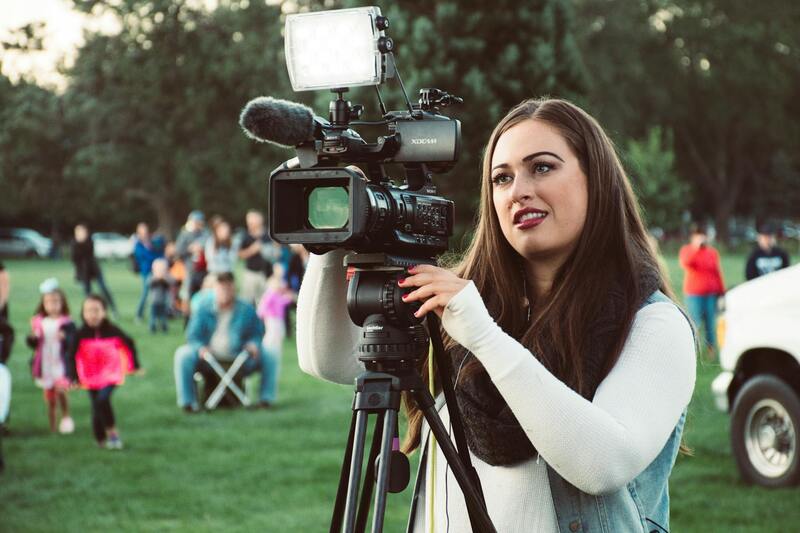
Audio quality is equally paramount. Professional sound systems including high-quality microphones, mixers, and audio processors are used to capture and synchronize sound with the video feed. The integration of ambient microphones, lapel mics, and external audio sources can add depth and clarity to the broadcast.
To bring the production to a broader online audience, reliable content delivery networks (CDNs) and streaming servers are essential. These platforms distribute the live stream across various regions, minimizing buffering and latency, and ensuring viewers in Miami and beyond experience smooth, uninterrupted content. Advanced streaming platforms also offer features such as adaptive bitrate streaming, which adjusts the quality based on viewer bandwidth, to optimize the viewing experience.
Supplementary Technologies and Tools
- Graphics and overlays software to add branding, lower thirds, and informational visuals.
- Interactivity tools such as chat modules, polls, and Q&A features to foster audience engagement.
- Monitoring systems to track stream health, viewer count, and real-time analytics.
- Backup power supplies and redundant internet connections to ensure uninterrupted broadcasting despite technical issues.
Employing a combination of these precise and robust technologies creates a foundation for professional live-streaming production. Proper integration and testing before a broadcast are critical for identifying potential issues and ensuring that every component works harmoniously during the live event.
Understanding Live-Streaming Production
Effective live-streaming production hinges on meticulous planning, advanced technology, and seamless coordination among various production teams. It serves as the backbone of delivering high-quality, engaging content that resonates with audiences both locally and globally. From pre-event preparations to on-the-fly adjustments during the broadcast, every detail influences the overall viewer experience.
Strategic Content Planning and Scheduling
Clear objectives and detailed scripting are vital to ensure the stream remains on-message and engaging. Defining the flow of the event, timing segments, and establishing cue points for transitions contribute to a smooth presentation. Coordination with speakers, performers, or presenters allows for rehearsals, which highlight potential technical challenges or timing issues that need addressing prior to the live event.
Technical Coordination and Rehearsals
A comprehensive technical rehearsal simulates the actual broadcast environment. During these sessions, all equipment—cameras, audio gear, lighting, and streaming hardware—is tested and optimized. This process ensures synchronization across feeds, verifies video quality, checks audio clarity, and confirms internet bandwidth sufficiency. Pre-broadcast checks also involve reviewing backup configurations, such as secondary internet connections or power sources, to mitigate unforeseen disruptions.
Comprehensive Crew Management
Successful live streams require skilled personnel managing different facets of production. Video directors coordinate camera shots and transitions, technical directors oversee streaming feed and graphics, sound engineers balance audio inputs, and stage managers facilitate on-set operations. Clear communication protocols and real-time monitoring enable swift responses to technical issues, minimizing impact on the audience.
Integration of Advanced Technologies
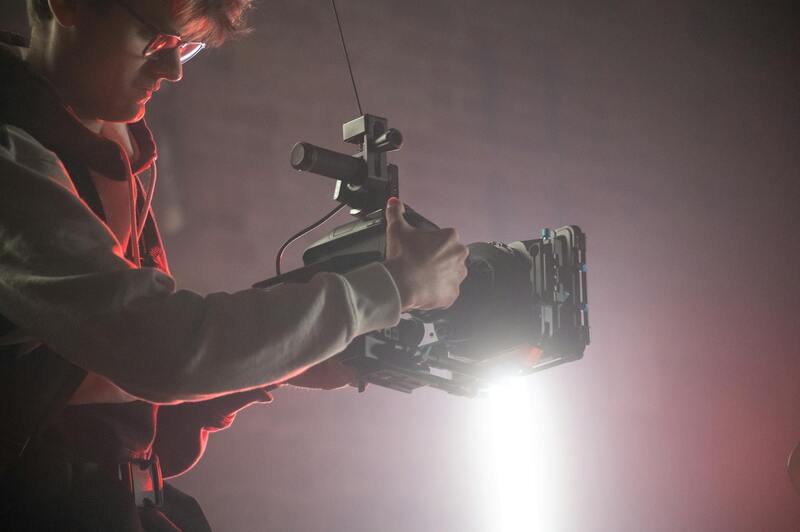
Implementing sophisticated equipment and software is essential for professional production. High-definition cameras capture detailed visuals, while multi-channel audio mixers ensure crystal-clear sound. The use of graphics overlays and virtual sets adds branding and informational visuals, enriching the viewer experience.
Streaming platforms equipped with adaptive bitrate technology automatically adjust streaming quality based on viewers’ internet speed, providing consistent playback without buffering. Content delivery networks (CDNs) play a pivotal role in transmitting the stream efficiently across multiple regions, reducing latency and preventing disruptions. Monitoring tools track stream health and viewer engagement metrics, enabling real-time adjustments for optimal performance.
Handling Live Interaction and Audience Engagement
Interactive features, including chat modules, polls, and Q&A sessions, foster community involvement and enhance viewer retention. An integrated social media feed or dedicated apps can further amplify engagement initiatives, encouraging audience participation and feedback during the broadcast. These elements not only make the experience more immersive but also provide valuable data to tailor future productions.
Post-Stream Evaluation and Content Repurposing
After the event, comprehensive analysis of streaming data highlights areas for improvement in technical setup, content delivery, and audience interaction. Edited versions of the live stream can be repurposed for on-demand viewing, marketing content, or training materials. Effective distribution through platforms like websites, social media, or dedicated streaming portals maximizes reach and engagement.
Essential Metadata and SEO Optimization
To ensure visibility and accessibility, each live-streamed event benefits from precise metadata, including descriptive titles, keywords, and tags related to the content and target audience. Optimized thumbnails and compelling descriptions enhance click-through rates and facilitate discoverability across search engines and platform algorithms.
On-Site Setup and Technical Execution
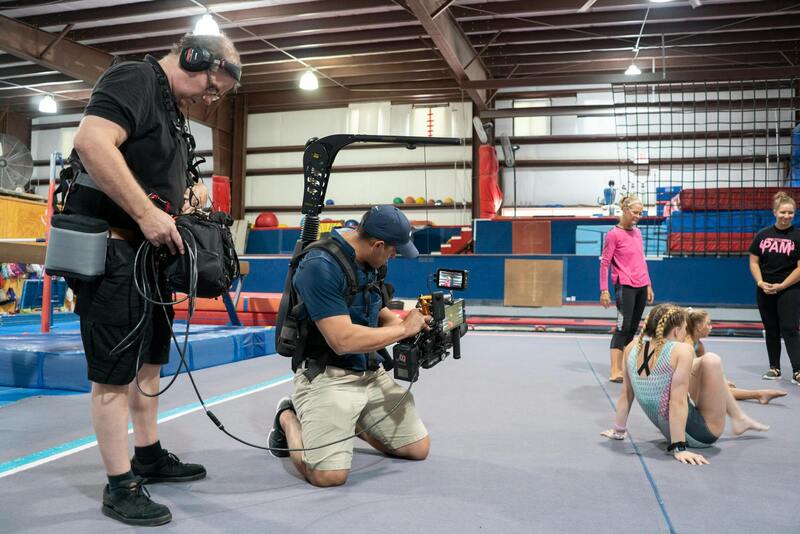
Implementing a seamless live-streaming production requires meticulous on-site setup and real-time technical management. The initial phase involves strategically positioning multiple cameras to capture different angles, ensuring comprehensive coverage of the event. High-definition cameras equipped with professional lenses provide sharp visuals, while robotic or remote-controlled cameras enable dynamic shots without interrupting the flow of the broadcast.
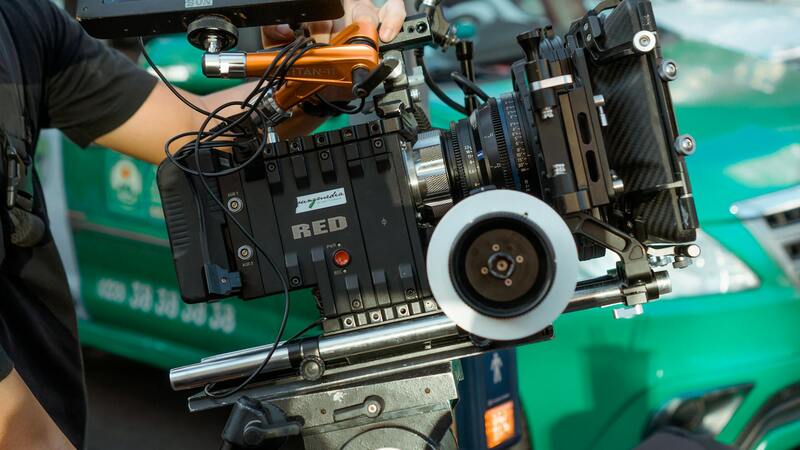
Switching between video feeds is managed with a production switcher, which allows seamless transitions, picture-in-picture effects, and overlays. These visual elements can include branding, event information, or real-time graphics to enhance viewer engagement. Skilled operators manage this hardware in real-time, ensuring that the visual output aligns with the event's tempo and content flow.
Audio quality is equally crucial; professional audio consoles or digital mixers are used to balance multiple sound sources such as microphones, musical instruments, or multimedia presentations. Clear, balanced audio enhances the viewer experience, reducing disruptions and increasing engagement.

Continuous monitoring of the stream’s technical performance involves dedicated staff overseeing bandwidth stability, server health, and signal integrity. This vigilant oversight ensures minimal latency, prevents dropouts, and maintains broadcast quality throughout the event.
Post-Stream Content Management and Distribution
After the live event concludes, the content is evaluated and processed for various distribution channels. Raw footage is edited to produce highlight reels or condensed versions suitable for on-demand access, social media sharing, or promotional use. These assets can be optimized with captioning, informative overlays, and branding elements to maximize viewer retention and brand visibility.
Effective distribution involves uploading content to multiple platforms, including proprietary websites, streaming portals, or social media networks. Employing proper metadata such as descriptive titles, keywords, and tags helps improve searchability, increasing the likelihood that target audiences discover the content organically. Thumbnails and compelling descriptions are key elements to attract clicks and encourage further engagement.
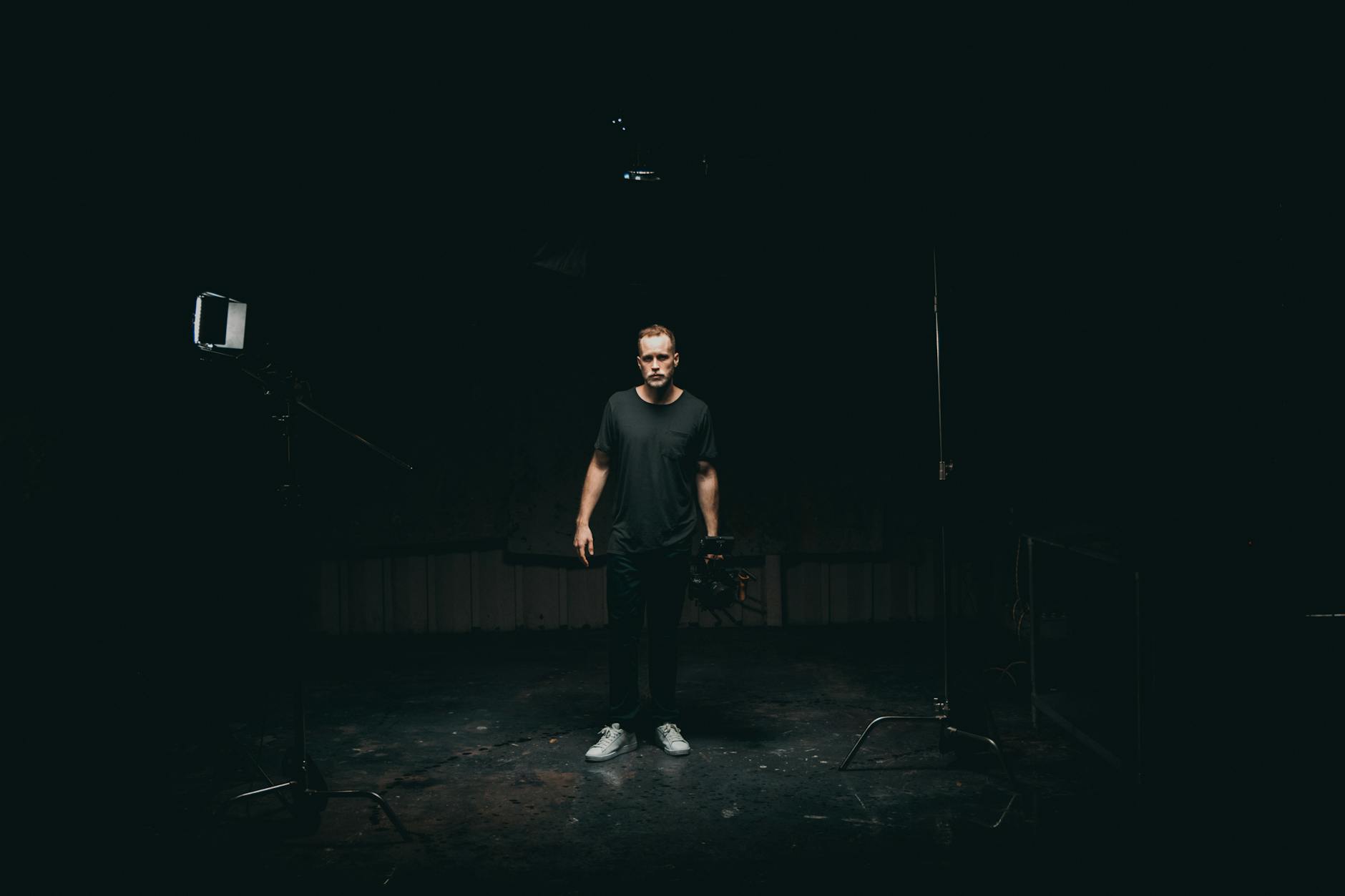
Additionally, integrating analytics tools allows content creators and producers to monitor viewer behavior, engagement metrics, and overall performance. These insights inform future production strategies, helping to refine content delivery, technical setup, and audience interaction for subsequent streams.
Ensuring Content Security and Rights Management
Maintaining the integrity of live-streamed content involves implementing strict digital rights management (DRM) measures and secure streaming protocols. These methods help prevent unauthorized access, copying, or redistribution of proprietary footage. Encrypted streaming protocols like AES (Advanced Encryption Standard) ensure that data transmitted over the internet remains secure from interception or tampering. Additionally, employing token-based authentication systems restricts access to authorized viewers, providing a controlled environment for content delivery.
Developers and producers should also establish clear guidelines for rights clearance and licensing. It is crucial to obtain proper permissions for all copyrighted material included in the stream, such as music, visual assets, and third-party videos. Working with rights holders or licensing organizations ensures that all content is used in accordance with legal agreements, which minimizes the risk of takedown notices or disputes that could disrupt the stream or damage reputation.
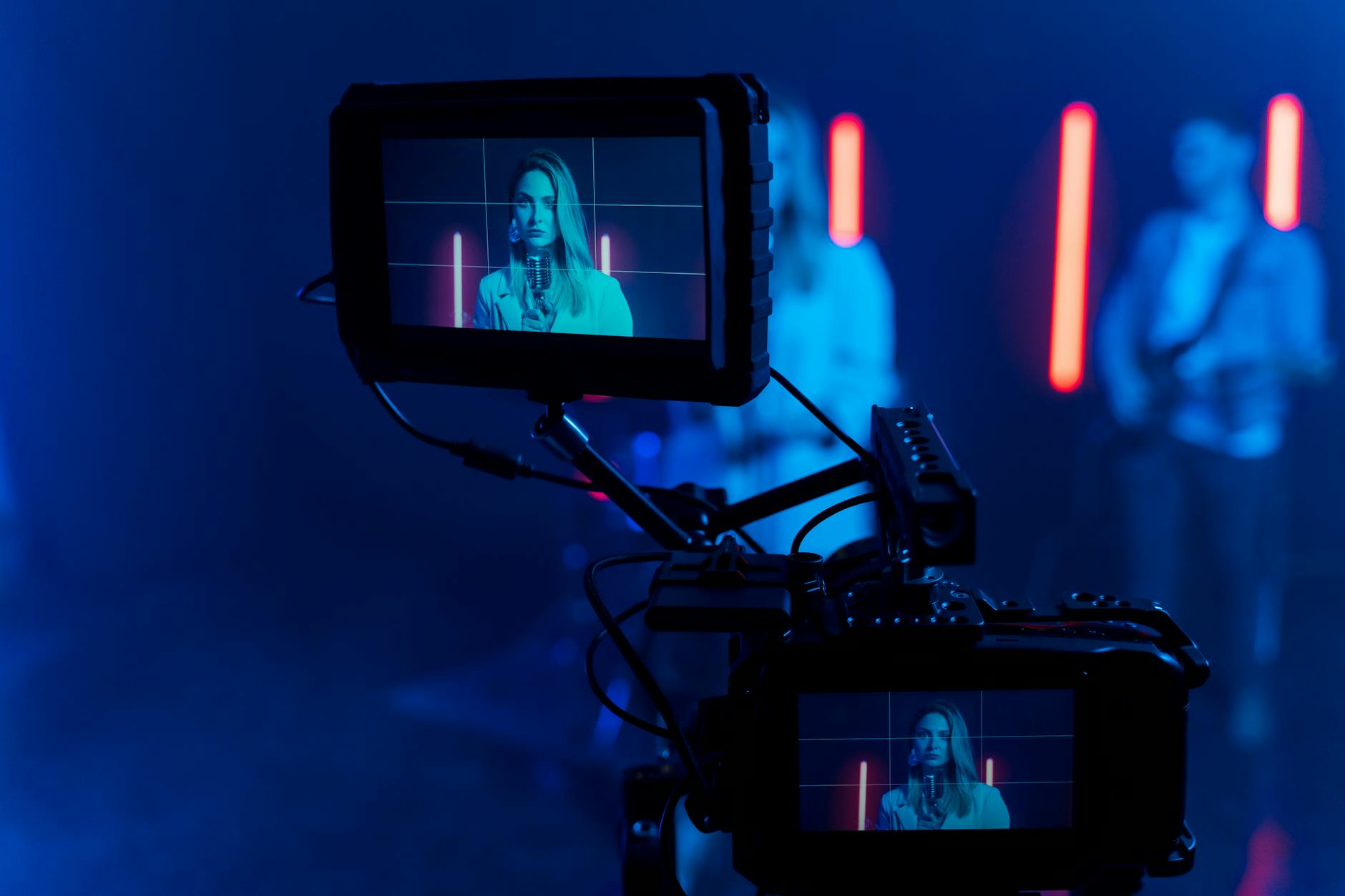
Monitoring and Troubleshooting During Live Production
Real-time monitoring is essential for identifying and resolving technical issues as they occur. Production teams often employ advanced software tools and hardware solutions that provide live dashboards displaying network stability, server performance, and stream quality metrics. These tools facilitate swift responses to potential disruptions such as lag, jitter, or frame drops, ensuring a smooth broadcast experience.
Standard troubleshooting procedures include checking internet bandwidth, verifying hardware connections, and testing audio-visual equipment prior to the event. In case of persistent problems, switching to backup internet connections or redundant streaming servers helps maintain broadcast continuity. Producers should also have a contingency plan for common issues, including pre-recorded segments that can be inserted seamlessly if live transmission is compromised.
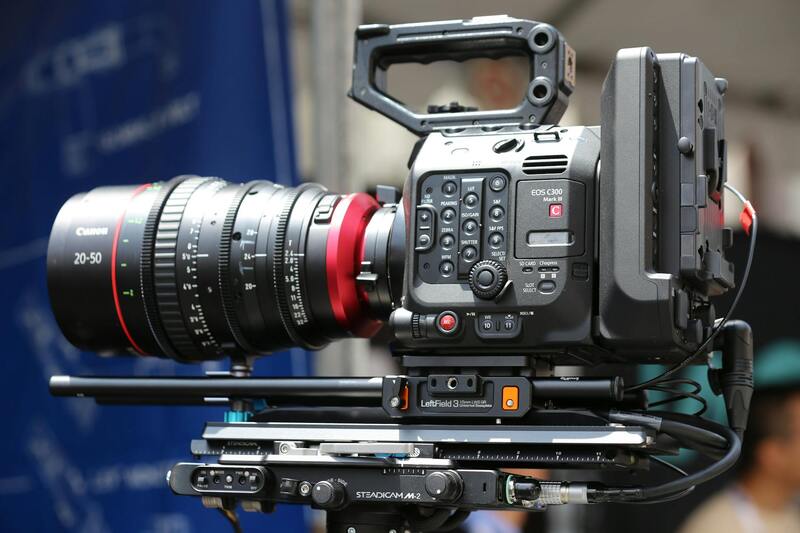
Audience Engagement and Interaction
Engaging viewers during a live-stream enhances overall experience and encourages active participation. Effective methods include real-time chat moderation, live polls, and Q&A segments that allow viewers to interact directly with presenters. Incorporating social media platforms fosters a broader conversation, enabling audiences to share highlights and insights instantly.
To maximize interaction, streamers should have dedicated personnel monitoring chat activity and responding to comments, creating a sense of community. Additionally, integrating branded overlays and call-to-action prompts can prompt viewers to like, share, or subscribe, which in turn increases visibility and reach. These interactions also provide valuable insights into viewer preferences and behaviors, informing future content strategies.
Legal and Compliance Standards
Following established standards for broadcast transparency and responsible content delivery is crucial. It involves adhering to platform-specific guidelines, such as clear disclosure of sponsored content or licensing information. Producers must also comply with advertising regulations, ensuring that any promotional messages are clearly identified. Maintaining accurate content descriptions and metadata not only improves searchability but also aligns with industry best practices.
In addition, producers should stay updated on evolving policies related to data privacy and user consent. Implementing explicit privacy notices and securing consent from participants for data collection — especially in interactive segments — helps uphold ethical standards and promotes trust among viewers.
Advanced Techniques for Secure and Reliable Live-Streaming
Maintaining a secure and dependable live-streaming environment is essential for delivering high-quality broadcasts that meet audience expectations and uphold professional standards. One of the core practices involves implementing robust network security measures, such as utilizing Virtual Private Networks (VPNs) and secure firewalls to protect the streaming infrastructure from unauthorized access. These measures ensure the integrity of the data transmission and minimize the risk of hacking or malicious interference.
Another critical aspect is redundancy in streaming setups. This involves having backup internet connections, secondary streaming hardware, and emergency protocols to switch to alternative sources promptly if primary components encounter issues. Redundancy guarantees that live events continue seamlessly without disruptions, even in the face of technical failures.
Utilizing versatile and scalable streaming platforms equipped with adaptive bitrate technology helps manage fluctuating internet speeds, providing viewers with smooth playback across various devices and network conditions. This technology dynamically adjusts video quality in real-time, reducing buffering and enhancing overall viewer satisfaction.
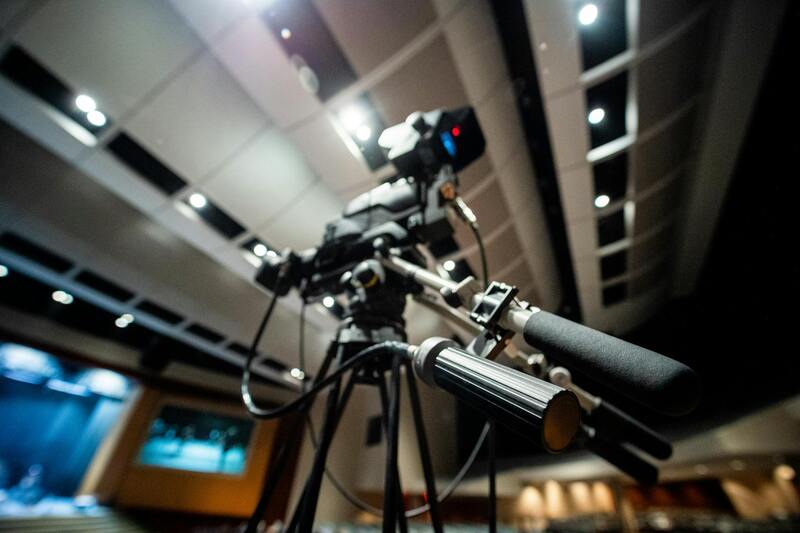
To further strengthen streaming reliability, regular maintenance and updates of hardware and software components are fundamental. Staying current with the latest firmware releases and patches can prevent vulnerabilities and optimize system performance.
Effective Troubleshooting and Contingency Planning
Despite meticulous planning, technical glitches may still occur during live streams. Establishing comprehensive troubleshooting protocols allows production teams to respond swiftly to common issues such as audio/video lag, synchronization problems, or connectivity disruptions.
- Develop a detailed checklist for pre-broadcast testing of all equipment and connections to identify potential problems beforehand.
- Maintain a dedicated technical team during live events capable of diagnosing and resolving issues in real-time.
- Implement communication channels among team members to coordinate rapid responses and minimize downtime.
- Prepare contingency plans, including fallback content or alternative streams, to ensure continuous broadcast delivery in critical situations.
Continuous staff training in troubleshooting techniques and the use of diagnostic tools is vital for maintaining operational competence. High-quality live streaming also depends on detailed planning, regular system audits, and proactive risk management strategies.
Furthermore, effective communication with viewers regarding potential technical issues and estimated resolutions can maintain audience trust and engagement. Transparent updates during unforeseen disruptions reflect professionalism and dedication to delivering a seamless viewing experience.
Choosing a Miami Live-Streaming Production Partner
When selecting a live-streaming production partner in Miami, it is essential to evaluate their technical expertise, experience, and approach to project management. A seasoned provider ensures that every aspect of the production aligns with industry standards and your specific objectives. Their familiarity with the latest broadcasting tools and platforms can significantly enhance the viewer experience, delivering crisp visuals and clear audio without interruptions.
Assessing the agency's technology stack provides insight into their capability to handle various live-streaming scenarios. This includes high-end encoders, multi-camera setups, and resilient content delivery networks. An agency’s portfolio showcasing diverse projects—from corporate events to live concerts—demonstrates versatility and a proven track record of managing different production demands.
Client support is another critical factor. An optimal partner offers comprehensive pre-production planning, on-site technical support, and post-event analytics. Responsive communication and proactive consultation ensure your vision is realized with professionalism and attention to detail. Their team should also be adept at troubleshooting and adapting to unforeseen challenges, maintaining seamless broadcasts under pressure.
Furthermore, evaluating the location’s infrastructure in Miami is vital. An experienced partner will understand the local network capabilities, available connectivity options, and potential environmental factors affecting the broadcast. Their familiarity with Miami’s venues and regulatory environment streamlines the planning process, minimizing delays and maximizing the quality of your live stream.
Engaging a local production team also facilitates real-time coordination, onsite troubleshooting, and ensures logistical arrangements are efficiently managed. Ultimately, choosing a Miami live-streaming production partner committed to excellence helps guarantee a smooth, professional, and engaging broadcast that resonates with your target audience.

Advanced Techniques and Best Practices in Live-Streaming Production
Executing a successful live-stream requires meticulous attention to advanced techniques and adherence to industry best practices. These strategies ensure high-quality content delivery, optimal viewer engagement, and reliable performance throughout the broadcast. A few key methods include dynamic camera management, real-time graphics integration, and impeccable audio synchronization, all coordinated seamlessly by skilled production teams.
Implementing Multi-Camera Setups
Using multiple cameras allows for diverse shots, providing viewers with a dynamic and immersive experience. Professional producers often switch between wide-angle, close-up, and specialty shots to highlight key moments or reactions, enhancing narrative flow. Proper synchronization and color matching between cameras are critical to maintaining a cohesive visual experience.
Integrating Graphics and Media
Real-time overlays, lower thirds, and on-screen graphics contribute significantly to brand identity and information clarity. Live captions, countdown timers, and graphics for sponsorship or branding improve viewer understanding and engagement. Utilizing scalable media servers and graphic insertion tools ensures these elements are seamlessly integrated into the broadcast without disrupting flow.
Optimizing Audio Quality
Clear, balanced audio remains a cornerstone of professional live-streaming. Employing multiple microphones, sound mixers, and audio processors guarantees optimal sound quality. Noise suppression technologies and automatic level adjustments help maintain clarity even in noisy environments or during content shifts.
Utilizing Redundant Systems for Reliability
To prevent disruptions, deploying backup equipment and redundant internet connections is essential. This includes secondary cameras, spare audio and visual equipment, and secondary streaming servers. Redundancy minimizes the risk of failure, ensuring continuous broadcast even if primary systems encounter issues.
Real-Time Monitoring and Troubleshooting
Continuous oversight during live-streaming allows teams to detect and address issues promptly. Monitoring feeds for video and audio quality, latency, and stream stability helps maintain a professional broadcast. Fast response teams equipped with diagnostic tools are vital for resolving technical challenges swiftly.
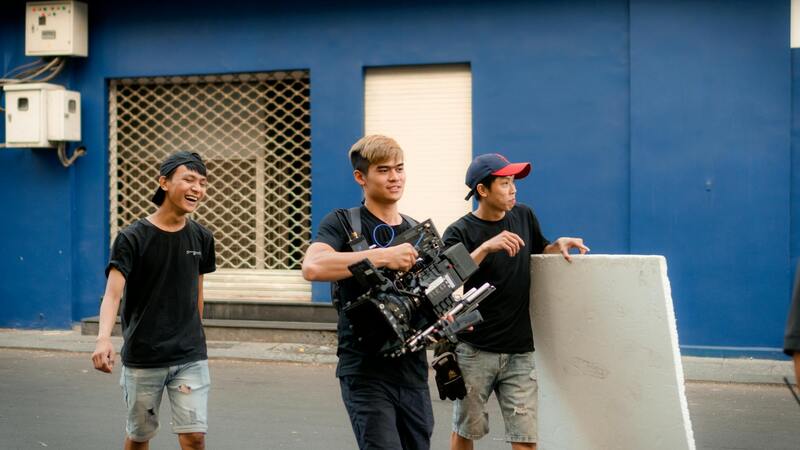
Adopting these advanced methods elevates the overall quality of live-stream content, resulting in higher viewer satisfaction and more impactful broadcasts. Integrating these practices with proven technologies presents a comprehensive approach to professional live-streaming production tailored to meet the evolving demands of audiences and content creators alike.