Understanding Live Streaming Production
Live streaming production has emerged as a vital component of modern digital communication, offering real-time connectivity between content creators and audiences around the globe. It encompasses a series of intricate processes that involve planning, technical setup, content management, and broadcast execution, all aimed at delivering high-quality video streams to viewers irrespective of their location.
For Miami-based producers, mastering the essentials of live streaming production is crucial to harness the full potential of this dynamic medium. This involves understanding key equipment such as professional cameras, switchers, encoders, and audio systems, along with sophisticated software platforms that facilitate seamless content delivery. Common terminologies like bit rate, frame rate, and resolution are integral to ensuring a smooth broadcast experience, while concepts like multi-camera switching, live graphics, and on-screen annotations enhance the viewer’s engagement.
In the vibrant Miami media landscape, local producers often leverage advanced streaming tools to cater to diverse clients ranging from corporate entities and event organizers to entertainment hubs. They utilize high-definition cameras paired with reliable internet connections to prevent buffering and lag, and employ professional-grade audio equipment to guarantee crystal-clear sound quality. Cutting-edge encoding technology compresses video data efficiently, enabling low-latency streaming that maintains synchronization with live events.
To achieve optimal broadcast quality, understanding the interplay of various elements such as lighting, camera angles, and audio synchronization is paramount. Additionally, familiarity with streaming protocols like RTMP (Real-Time Messaging Protocol) and HLS (HTTP Live Streaming) ensures that content reaches viewers across multiple platforms seamlessly. These protocols are essential for maintaining compatibility with popular streaming services and social media platforms.
As the demand for high-caliber live streams grows in Miami’s competitive environment, producers must keep pace with evolving technology. This includes adopting hardware equipment that supports 4K streaming, integrating cloud-based production platforms for scalability, and utilizing real-time analytics to monitor viewer engagement. Whether broadcasting a corporate conference, a music festival, or a community event, understanding the foundational principles of live streaming production enables local professionals to deliver captivating and professional content that resonates with audiences.
Key Equipment and Technology Requirements
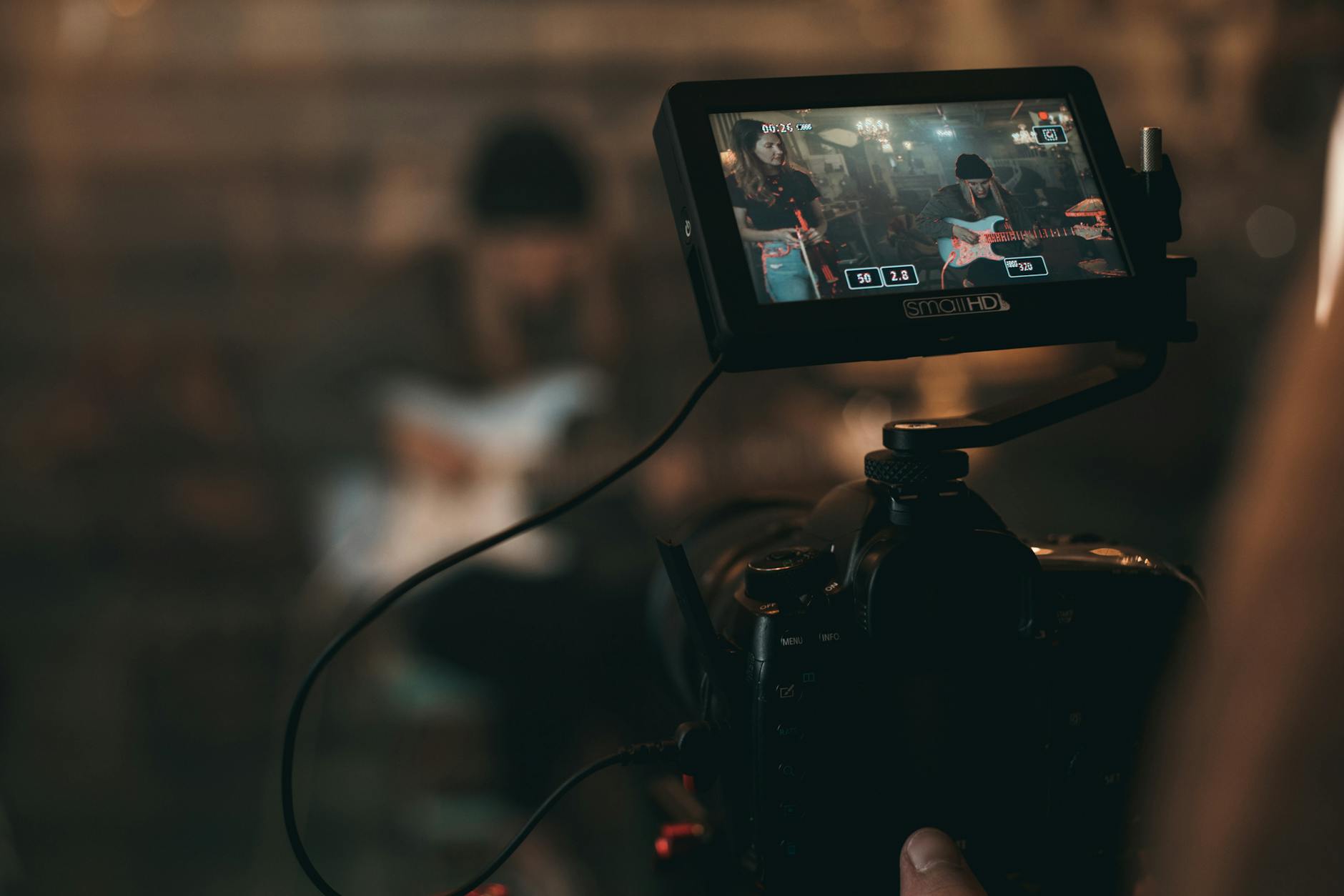
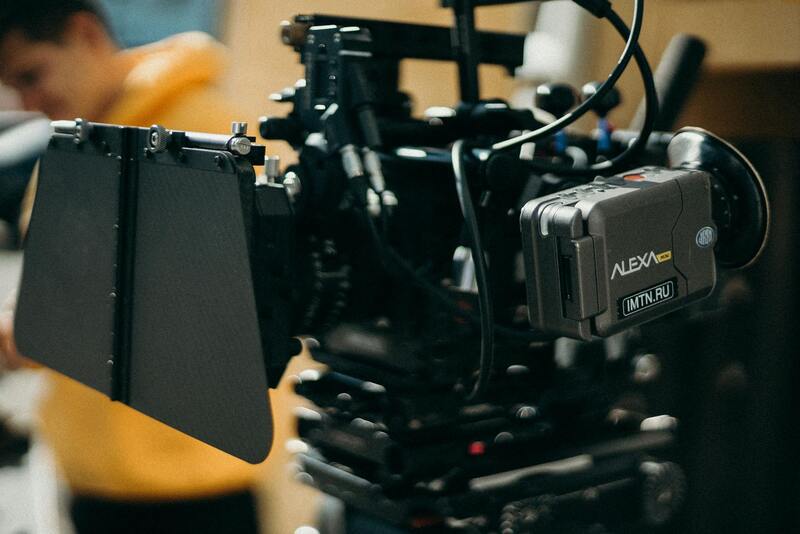
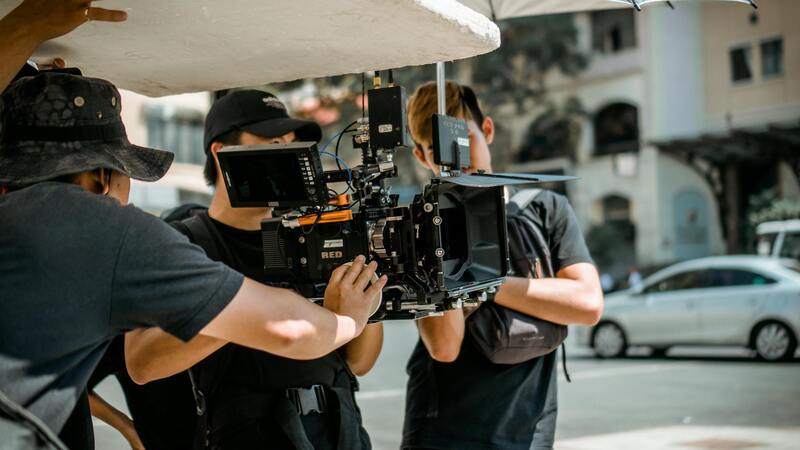
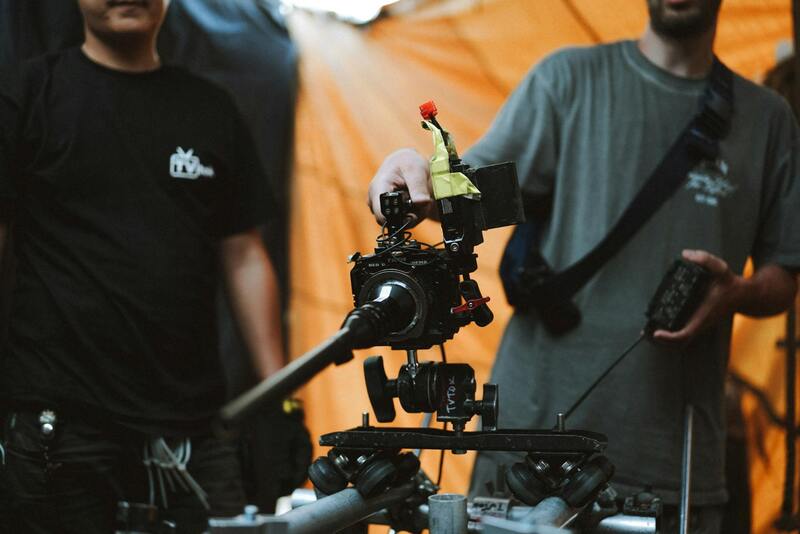
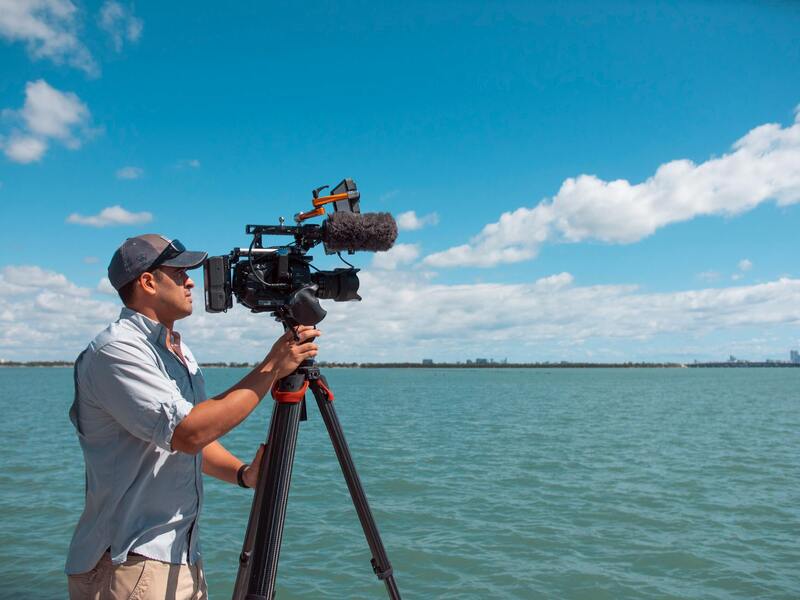
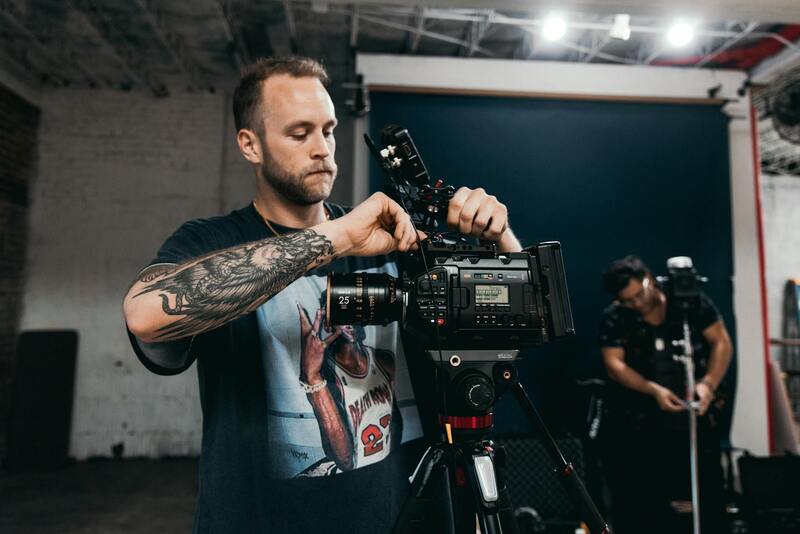
Establishing a seamless live streaming production demands a variety of high-quality hardware and software components. The choice of equipment significantly impacts the overall broadcast quality, reliability, and viewer experience. Essential hardware includes professional-grade cameras capable of capturing high-resolution video, often at 4K, to deliver sharp visuals even on large displays. Complementary to cameras are sturdy tripods, gimbals, and portable rigs that enable flexible camera movements and steady shots throughout dynamic live events.
Microphones hold equal importance as audio clarity directly influences viewer engagement. Shotgun microphones, lavalier microphones, or boundary mics are selected based on event type and environment, ensuring that dialogue, music, and ambient sounds are captured with minimal noise interference. Coupled with high-quality audio mixers, these devices balance and enhance sound outputs.
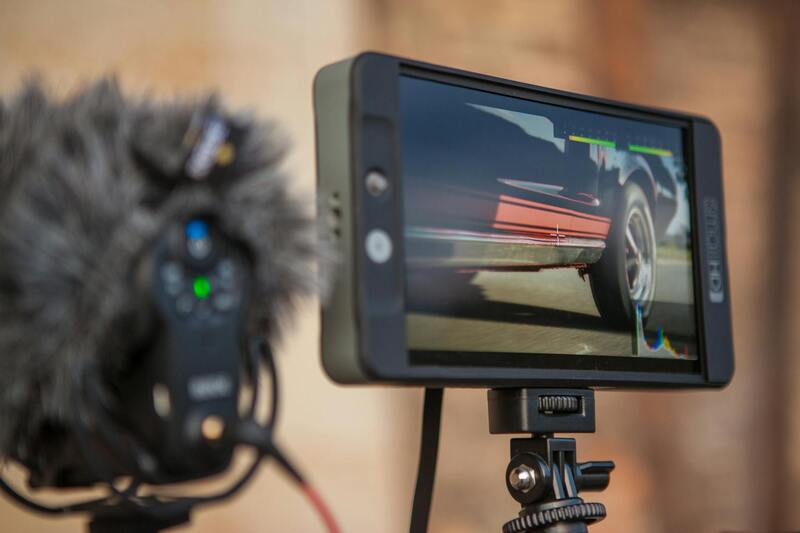
For encoding and transmitting content, hardware encoders are pivotal. These devices compress video streams efficiently and convert them into appropriate formats for online delivery. While software encoders offer flexibility and cost-effectiveness, dedicated hardware encoders provide enhanced stability and lower latency, which are crucial for live broadcasts.
Streaming platforms and infrastructure form the backbone of live production workflows. Reliable internet connectivity, often supported by dedicated fiber or high-bandwidth connections, ensures uninterrupted streams. Compression software, streaming servers, and content delivery networks (CDNs) work in conjunction to distribute content efficiently across multiple channels and devices.
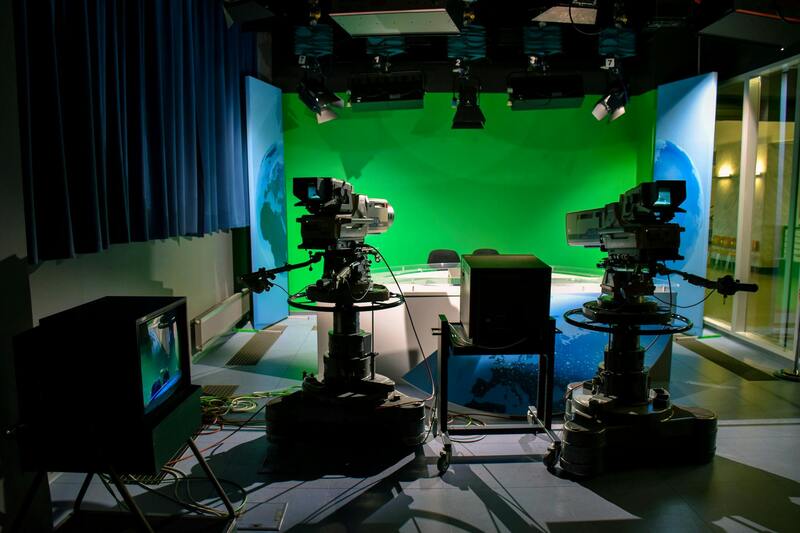
Software suites dedicated to live production, such as switching, graphics, and overlay tools, streamline operations during the event. These applications allow real-time editing, scene transitions, and graphics insertions, elevating the visual professionalism of the broadcast. Integration with social media management tools further expands audience reach, enabling simultaneous streaming across Facebook, YouTube, and custom websites.
Planning and Pre-Production for Live Streaming Events
Preparation is the cornerstone of successful live streaming. Effective pre-production involves detailed planning of content, camera angles, lighting setup, and audio configurations tailored to the event’s nature and venue. Developing a comprehensive run sheet and scene list ensures all production elements align smoothly during the broadcast.
Content rehearsal plays a vital role in ironing out technical issues and familiarizing the team with the flow of the event. This step includes testing all equipment, verifying internet stability, and conducting mock streams to troubleshoot potential glitches. Additionally, setting up backup plans for critical hardware and network components mitigates risks during the live event.
Legal considerations such as securing necessary permissions for copyrighted material, obtaining releases from participants, and adhering to broadcast standards are integral to pre-event preparations. These measures help avoid interruptions and ensure a compliant and seamless live production.
Technical Workflow in Live Streaming Production
Executing a smooth live streaming event requires a meticulously structured workflow that integrates various technical components seamlessly. The workflow typically begins with pre-production planning, where the team outlines the content structure, determines camera placements, and confirms equipment setup aligned with the event's scope.
During the event, the production team manages several core processes, including switching between multiple camera angles, incorporating graphical overlays, and managing live audio feeds. These elements are controlled via a video switcher, which allows real-time transitions and scene changes to maintain a dynamic broadcast experience.
Simultaneously, encoding software transmits the live feed to streaming platforms. Encoding settings are optimized based on resolution, bitrate, and platform requirements to ensure high-quality delivery without lag or buffering issues. Maintaining a stable internet connection and monitoring stream health throughout the event are critical tasks to prevent disruptions.
In addition to live video and audio management, overlays such as lower thirds, logos, and interactive graphics are integrated to enhance viewer engagement. These visual components are synchronized with the broadcast to appear at precise moments, adding professional polish and branding consistency.
Post-production, although minimal in live scenarios, involves immediate assessment of the recorded content for quality assurance and potential highlights extraction for promotional use. This step is vital for repurposing content and maximizing the event’s outreach.
Effective Use of Streaming Platforms and Integration Tools
Choosing the correct streaming platform is essential for reaching the target audience efficiently. Different platforms serve various purposes, from broad public engagement on social media sites to controlled, private broadcasts for specific groups. Integration tools such as multi-streaming software enable simultaneous distribution across multiple channels, expanding reach without additional hardware or setup complexity.
Furthermore, interaction tools embedded within streaming platforms or through third-party solutions facilitate real-time engagement with the audience. Live chat modules, polling features, and comment moderation help foster interaction and gather immediate feedback, transforming passive viewers into active participants.
Stream analytics are equally important for measuring success. Metrics such as viewer counts, engagement rates, and attentiveness provide insights into content effectiveness and viewer preferences. Analyzing this data guides future streaming strategies and content improvements, ensuring continued audience growth and engagement.
Choosing the Appropriate Recording and Backup Solutions
One of the critical components of a successful live streaming production is ensuring that high-quality recording and reliable backup solutions are in place. This not only safeguards the content but also offers the flexibility for post-event editing and distribution. Professional-grade recorders capable of capturing the live feed in multiple formats and resolutions are essential for maintaining content integrity.
In addition to primary recordings, deploying redundant backup systems, such as secondary servers or cloud-based storage, prevents data loss due to technical failures. These backups should be configured to automatically synchronize with the primary recording to ensure real-time redundancy. This setup guarantees continuity in the event of equipment malfunction, power outages, or unexpected disruptions.
Utilizing hardware encoders with integrated local storage options is advisable, as they can seamlessly switch to backup modes during outages, ensuring a continuous feed. Moreover, choosing scalable storage solutions that can expand with the event’s requirements allows for higher volume recordings and longer streaming durations without risking overload.
The Significance of Stream Management Tools in Live Streaming Production
Efficient stream management tools are indispensable for orchestrating a seamless live streaming experience. These tools enable producers to monitor the live feed in real-time, adjust settings dynamically, and ensure content delivery aligns with broadcast standards. Features such as real-time analytics provide insights into viewer engagement, stream quality, and performance metrics, informing on-the-fly adjustments that optimize viewer experience.
One of the core functionalities of advanced stream management systems involves the ability to handle multiple audio and video sources effortlessly. When multiple cameras or audio channels are integrated, switching between feeds smoothly becomes crucial for maintaining a professional appearance. These tools often include multi-camera switching capabilities, program outputs, and the ability to overlay graphics or lower thirds seamlessly during the broadcast.
Additionally, these platforms facilitate the management of auxiliary content, such as advertisements, sponsor logos, or interactive polls. Incorporating live interactive features rather than relying solely on static content significantly enhances viewer participation and retention. Producers can trigger interactive overlays, run real-time chat integrations, or initiate audience polls directly through the management dashboard.
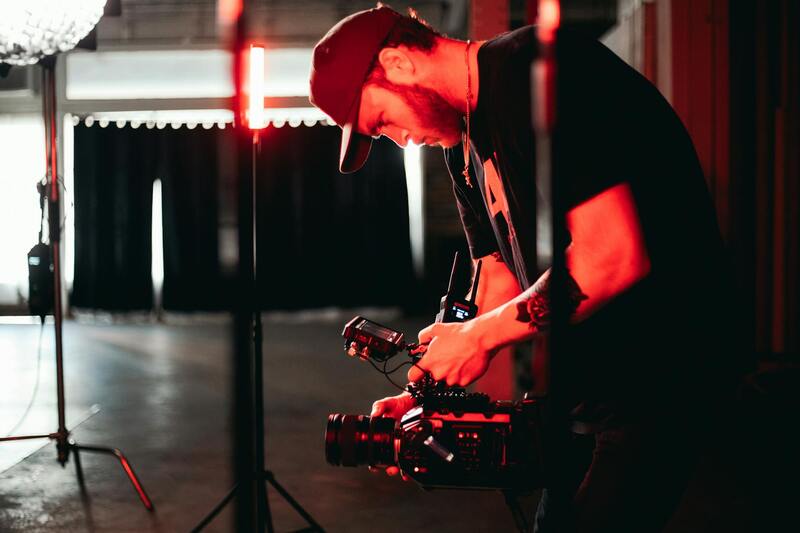
Furthermore, stream management solutions often incorporate automatic failover mechanisms. These features detect stream disruptions and switch to backup servers or redundant streams without interrupting the broadcast. This capability is vital for maintaining uninterrupted delivery, especially during large-scale events where continuous engagement is paramount.
For post-event processes, these tools assist in recording, editing, and archiving the streamed content. Many solutions offer integrated editing suites or easy export options, enabling quick turnarounds for highlights, clips, or full recordings. This capability enhances content reuse, creates additional engagement opportunities, and provides valuable assets for future marketing or training purposes.
Adopting a comprehensive stream management system tailored to live streaming production significantly elevates the quality, reliability, and professionalism of broadcasts. It equips producers with the necessary controls to respond promptly to unforeseen issues and ensures viewers experience a smooth, engaging, and high-quality stream from start to finish.
Legal and Compliance Considerations
Maintaining proper adherence to content rights and licensing agreements is essential during live streaming production. Ensuring that all multimedia elements—such as music, videos, and images—are either original, licensed, or fall under fair use policies prevents disruptions or copyright infringement issues that could compromise the broadcast and reputation.
It is crucial to verify the permissions associated with each element incorporated into the live stream. Utilizing royalty-free media or acquiring proper licenses ensures the content remains compliant with industry standards.
Additionally, producers should establish clear policies regarding audience data collection, especially in regions with strict data privacy regulations. Proper handling of user information, transparent data use disclosures, and secure storage practices foster a trustworthy environment for viewers and clients alike.
For events that involve speakers, entertainers, or sponsors, securing permission for public appearances and branding is vital. These arrangements safeguard against potential disputes and uphold the professional integrity of the broadcast.
Producers should also stay informed about regional and international broadcast regulations that could impact live streams, especially when targeting a global audience. Compliance with these standards promotes seamless distribution and protects against penalties or shutdowns.
Developing comprehensive legal checklists and collaborating with legal advisors familiar with media production enhances the overall professionalism and vulnerability management of the live stream. This thorough approach integrates legal considerations into every stage of the planning and execution process, minimizing risks and ensuring a smooth broadcast experience.
Technical Support and Contingency Planning
Preparing for live streaming events involves comprehensive technical support to address potential issues swiftly. Establishing a dedicated support team capable of monitoring broadcast quality, troubleshooting audio-visual discrepancies, and managing network stability is essential. These professionals should be familiar with the specific equipment and software used during the event to ensure quick resolution of any anomalies.
Moreover, contingency planning is vital for minimizing disruptions. This includes having backup equipment on-site, such as additional cameras, microphones, and internet sources like dedicated fiber or LTE backup connections. Predefined procedures for rapid problem identification and resolution help maintain a seamless viewing experience.
A well-designed contingency strategy also involves detailed checklists and rehearsals to simulate high-pressure scenarios. Regular testing of all systems and connections before the event minimizes unexpected failures. Technical teams should be on standby during live streams to monitor signal integrity, audio clarity, and overall broadcast stability.
Finally, integrating real-time monitoring tools can alert producers and support staff to issues as they happen. By implementing these measures, live streaming providers can uphold professional standards and avoid significant disruptions that could impact viewer engagement.

Ensuring Quality and Reliability in Live Streaming Production
Maintaining high standards during live streaming events requires rigorous attention to the quality of the content, the stability of the broadcast, and the security of the transmission. This encompasses selecting reputable service providers, utilizing advanced technology, and implementing comprehensive testing protocols. To achieve this, organizations should prioritize working with established live streaming production specialists who demonstrate a track record of successful executions, especially within the Miami area, known for its vibrant media landscape.
Implementing Professional Encoder and CDN Solutions
An essential element for reliable live streaming involves deploying professional-grade encoders that can handle multiple input sources while maintaining optimal bitrate and resolution settings. These encoders convert raw audio-visual signals into streams compatible with various devices and platforms, ensuring viewers enjoy a seamless experience across smartphones, desktops, and smart TVs. Supporting these encoders with a Content Delivery Network (CDN) accelerates content distribution worldwide, reducing buffering times and latency issues, especially important for large-scale events or global audiences.
Monitoring and Quality Assurance During Broadcasts
During live events, real-time monitoring of audio and visual signals is critical. Technical teams should utilize monitoring dashboards that display metrics such as stream stability, bit rate consistency, and viewer engagement analytics. Alert systems can notify staff instantly if signal degradation, audio dropouts, or network interruptions occur, enabling prompt corrective actions. This continuous oversight ensures minimal disruptions and maintains the professionalism of the broadcast.
Prioritizing Input Security and Content Safety
Security measures, such as encryption and secure access controls, safeguard the live stream from unauthorized access or tampering. Platforms offering encrypted streaming protocols and robust authentication reduce risks associated with unwanted interception or interference. Additionally, content protection tools, such as watermarking or digital rights management (DRM), help control distribution and prevent piracy, preserving the integrity of the broadcast and respecting intellectual property rights.
Post-Event Analysis and Feedback
Following the live stream, comprehensive analysis provides insights into performance metrics, viewer engagement, and technical issues encountered. Gathering feedback from viewers and production staff informs future improvements. Recording broadcasts allows for detailed reviews, which can help refine workflows, upgrade equipment, and enhance overall production quality. A focus on continuous improvement ensures that each live stream adheres to the highest professional standards and contributes to building a reputable brand presence.