Understanding Live Broadcast Services
Live broadcast services have revolutionized the way events, conferences, and entertainment are shared with audiences worldwide. These services facilitate the real-time transmission of audio, video, and data streams, ensuring that viewers receive content instantaneously without delays or significant latency. In essence, they serve as an indispensable tool for organizations and content creators aiming to reach audiences in the moment, whether for corporate communications, sports events, concerts, or community gatherings.
What distinguishes live broadcast services from other content distribution methods is their ability to deliver high-quality streams with minimal lag. This requires robust infrastructure, including high-capacity data servers, reliable internet connections, and sophisticated streaming protocols. The seamless delivery of live content depends on a synchronized interplay between encoding devices, transmission channels, and viewer endpoints.

Key features of professional live broadcast services include real-time encoding, adaptive bitrate streaming, multi-platform accessibility, and security measures to protect against unauthorized access. These services are designed to accommodate large audiences with varying internet speeds, which is critical for maintaining a high-quality viewing experience across multiple devices and locations. Additionally, advanced features such as multi-camera switching, graphics overlay, and integration with social media platforms enhance the overall broadcast quality and viewer engagement.
Successful live broadcasting hinges on precise coordination of technology and execution. Experienced service providers employ a combination of hardware tools like professional video cameras, audio mixers, and switchers paired with sophisticated software that manages the streaming process. This coordinated effort ensures that content is delivered reliably and professionally, matching the high standards expected by clients and their audiences.

In summary, live broadcast services are comprehensive solutions combining cutting-edge technology and expert management to deliver real-time content to global audiences. Their utilization requires meticulous planning, advanced equipment, and skilled personnel to ensure each broadcast runs smoothly and meets quality expectations. As digital consumption continues to grow, the importance of these services in maintaining engagement and facilitating instant communication cannot be overstated, especially in vibrant markets such as Miami where live events are a cornerstone of cultural and business activities.
Understanding Live Broadcast Services
Live broadcast services form a crucial component of modern digital communication, enabling real-time content delivery across diverse platforms and audiences. These services utilize an array of sophisticated technologies designed to ensure seamless transmission, minimal latency, and high-quality visuals and sound. By leveraging robust encoding systems, reliable internet connectivity, and advanced streaming protocols, live broadcast providers guarantee that content reaches viewers without interruptions, regardless of their locations or devices.
In professional settings, live streaming encompasses various elements—from the capture of high-definition video footage using broadcast-grade cameras to sophisticated audio mixing that preserves clarity. The integration of multiple media sources allows for dynamic content presentation, including multi-camera views, graphics overlays, and live interactions. Such features enhance viewer engagement and provide a richer viewer experience. Moreover, the ability to broadcast simultaneously to multiple platforms, including social media, websites, and dedicated streaming channels, broadens the reach and impact of the content.


Understanding Live Broadcast Services
Live broadcast services serve as the backbone of real-time digital communication, enabling organizations to share events, announcements, or entertainment with audiences across the globe instantaneously. These services leverage advanced broadcasting technology combined with reliable internet infrastructure to deliver seamless content. They encompass a range of capabilities from simple social media streaming to complex multi-camera productions suitable for large-scale events. The core purpose is to connect diverse audiences through engaging, uninterrupted live content while maintaining high visual and audio standards.

Fundamentally, live broadcast services involve multiple integrated components that function harmoniously to produce a professional output. These include high-definition cameras, multi-channel audio systems, encoding hardware and software, switching desks for camera angles, and secure streaming servers. Additionally, the process relies heavily on robust internet connectivity with sufficient bandwidth to handle high data transfer rates essential for HD streaming. Real-time monitoring and technical support are critical to address issues proactively, ensuring the broadcast's integrity continues unbroken.
Types of Live Broadcast Services Offered
In the realm of professional live broadcasting, service providers often customize their offerings based on client needs. These include:
- Event Streaming Services: Covering concerts, sports competitions, conferences, and festivals, ensuring attendees and remote viewers experience the event as it unfolds.
- Corporate Live Streaming: For product launches, shareholder meetings, and training seminars, enhancing corporate communications and remote participation.
- Religious and Community Events: Broadcasting church services, cultural celebrations, and community gatherings to wider audiences.
- Educational Live Streams: Facilitating live classes, webinars, and seminars with interactive features for real-time engagement.
Each service type requires tailored solutions that optimize production quality, accommodate specific technical needs, and ensure minimal latency. Professional broadcasters also provide additional features such as multiple camera angles, graphic overlays, live chat integrations, and recorded playback options to enhance viewer experience and engagement.
Advantages of Professional Live Broadcast Services
Utilizing specialized live broadcast services extends beyond simple streaming. It ensures a consistent, high-quality output that can elevate the perceived professionalism of the event or message. These services deliver:
- Reliability: Through expert handling of equipment and connection management, reducing the risk of disruptions.
- Production Quality: High-definition visuals, balanced audio, and professional graphics make the content visually appealing and easy to follow.
- Audience Engagement: Interactive features enable viewers to participate through live chats or Q&A sessions, increasing involvement.
- Brand Credibility: Well-executed broadcasts portray a polished image, fostering trust and authority in the viewer’s eyes.
- Accessibility: Streamlined platforms and tools ensure content can be accessed across various devices and locations seamlessly.
Adopting professional live broadcast services in Miami leverages modern infrastructure and technical expertise, providing an advantage in attracting broader audiences, whether local or international. The city’s vibrant mix of entertainment, cultural festivals, and business events makes the deployment of such services especially beneficial for organizers aiming to maximize reach and impact.

It is essential for organizations to choose providers with proven experience and a comprehensive understanding of their specific requirements. The right partner will not only deliver technical excellence but also offer strategic consultation on content planning, technical setup, and post-broadcast analysis to enhance future productions. As Miami continues to grow as a hub for events and live entertainment, the role of sophisticated broadcast services becomes increasingly integral in communicating effectively with diverse audiences.
Understanding Live Broadcast Services
Live broadcast services encompass a comprehensive range of solutions designed to transmit real-time video and audio content across various platforms. These services utilize advanced streaming technology to deliver high-quality content to viewers worldwide, enabling organizations to reach their audience instantaneously without delays. Professionals specializing in live broadcast services ensure meticulous planning, technical execution, and post-event analysis to maximize effectiveness. They incorporate robust infrastructures including high-capacity servers, sophisticated encoding equipment, and reliable transmission protocols to guarantee seamless delivery. By leveraging these services, content creators, event organizers, and corporate entities can elevate their outreach, convey messages with clarity, and foster interactive engagement through real-time interactions. Such capabilities are especially essential for large-scale events, corporate conferences, entertainment festivals, and community gatherings seeking a broad and engaged audience.

Types of Live Broadcast Services Offered
Providers in Miami offer a diverse array of live broadcast services tailored to meet specific event needs, ranging from simple stream setups to elaborate productions. These include:
- Basic Live Streaming: Ideal for small events or internal corporate meetings, this service provides straightforward streaming solutions with minimal equipment.
- Multi-Camera Broadcasts: For larger productions, multiple cameras and professional switching systems are employed to create dynamic content, enhancing viewer engagement.
- Webcast with Interactive Features: Incorporates live chats, Q&A sessions, and polling to foster viewer participation and interaction, vital for webinars and seminars.
- Event Coverage and Production: Turnkey solutions including on-site technical management, multi-camera coverage, graphics integration, and live editing for concerts, festivals, and conferences.
- Hybrid Events: Combining physical presence with virtual components, these services facilitate seamless integration of in-person and online audiences, expanding event reach.

Key Equipment and Technologies Used
Effective live broadcasting relies heavily on specialized equipment and cutting-edge technology to ensure clarity, stability, and scalability. Key components include:
- Cameras: Professional-grade video cameras capable of high-definition recording and live switching are fundamental for capturing content from multiple angles.
- Encoding Devices: Hardware or software encoders convert raw video streams into compressed formats suitable for online transmission, optimizing bandwidth usage.
- Switchers and Mixers: Video switchers allow seamless transitions between camera feeds, integrating graphics, overlays, and effects in real-time.
- Streaming Platforms and Protocols: Secure, reliable streaming protocols like RTMP, HLS, or DASH facilitate stable content delivery to various devices and networks.
- Audio Equipment: High-quality microphones, mixers, and audio processors ensure crisp sound, which is crucial for maintaining viewer engagement and professionalism.
- Networking Infrastructure: Dedicated internet connections, fiber optics, and backup systems minimize interruptions and ensure continuous streaming even amidst technical issues.
Complementing the hardware, software solutions for real-time monitoring, content management, and audience analytics enable broadcasters in Miami to refine their output and deliver engaging experiences consistently.
Understanding Live Broadcast Services
Live broadcast services encompass a comprehensive suite of solutions designed to transmit real-time video and audio content over the internet to audiences across various locations. These services are essential for delivering dynamic content during corporate events, concerts, sports competitions, religious gatherings, educational seminars, and other large-scale happenings. The core of any successful live broadcast lies in seamlessly capturing, encoding, transmitting, and streaming high-quality multimedia content, often requiring sophisticated technology and expert management to ensure a smooth viewer experience.
Definition and Scope of Live Broadcast Services
Live broadcast services refer to the professional processes and technological frameworks developed to enable real-time content delivery. These services often include equipment setup, content management, signal encoding, transmission over secure networks, and adaptive streaming to various end-user devices such as smartphones, tablets, and desktops. Precision, reliability, and scalability are pivotal aspects, demanding meticulous planning and execution by experienced broadcast specialists.
Components of a Robust Live Broadcast System
- High-Quality Video Capture: Utilization of professional-grade cameras capable of high-definition recording ensures that visual content remains crisp and engaging. Multiple camera angles provide versatility, capturing different perspectives for a more immersive experience.
- Audio Clarity: Sound quality is equally vital. High-fidelity microphones, audio mixers, and processors help deliver clear, balanced sound, preventing viewer disengagement caused by poor audio quality.
- Encoding Technology: Hardware or software encoders convert raw footage into compressed streams compatible with streaming protocols, balancing quality and bandwidth efficiency.
- Real-Time Switching and Graphics: Video switchers integrate multiple feeds, overlay graphics, and apply effects, allowing dynamic content presentation in real-time.
- Reliable Streaming Protocols: Protocols like RTMP, HLS, and DASH facilitate secure and adaptive delivery across networks, accommodating different connection speeds and device types.
- Networking and Infrastructure: Robust internet connections, utilizing fiber optics and backup systems, are fundamental to prevent interruptions and maintain a steady stream, even under technical challenges.

Technical Expertise and Support
Operating live broadcast services also involves skilled technicians who monitor streams continuously, troubleshoot issues promptly, and optimize performance throughout the event. Content management systems and audience analytics tools enable broadcasters to refine their delivery, ensuring viewer engagement and achieving broadcast goals effectively.
Integration of Emerging Technologies
As technology evolves, live broadcast services are incorporating innovative solutions such as cloud-based streaming, 4K resolution, virtual reality integration, and interactive features. These advancements enhance viewer experiences, extend reach, and open new avenues for audience interaction and monetization.

Understanding Live Broadcast Services
Live broadcast services have become an essential component of contemporary media distribution, offering real-time transmission of events, conferences, and entertainment content to audiences across diverse platforms. These services enable organizations to reach viewers instantly, ensuring immediate engagement and interaction. Precision in delivery, high-quality streaming hardware, and reliable network infrastructure are cornerstones of effective live broadcasting. As technology advances, the capabilities of live broadcast services expand, incorporating cutting-edge solutions to meet increasing viewer expectations and evolving content demands.
Types of Live Broadcast Services Offered
Professional live broadcast providers in Miami deliver an array of services tailored to various event types and audience sizes. Here are some common formats:
- Event Streaming: Covering corporate meetings, product launches, and large-scale conferences with high-definition feeds, multi-camera setups, and synchronized audio.
- Sports Broadcasting: Providing real-time coverage of sporting events with instant replays, graphics, and commentary enhancements.
- Concerts and Performances: Capturing the ambiance of live music, theater, and cultural events with immersive audiovisual production.
- Webinars and Virtual Conferences: Facilitating interactive online seminars with integrated chat features, Q&A sessions, and on-demand viewing capabilities.
- Live News Coverage: Delivering instant updates from ongoing news scenes, often requiring fast turnaround and minimal latency.
Key Equipment and Technologies Used
To ensure high-quality live broadcasts, providers utilize a range of advanced equipment and technological solutions:

- Video Capture Equipment: High-definition cameras, wireless transmitters, and portable encoders for versatile coverage.
- Streaming Hardware: Video switchers, audio mixers, and graphic overlays that allow dynamic content manipulation and seamless transitions.
- Encoding Solutions: Hardware and software encoders compatible with protocols like RTMP, HLS, and DASH to facilitate adaptive streaming.
- Network Infrastructure: Redundant fiber optic internet connections, load balancers, and backup systems to guarantee steady data flow and prevent interruptions.
- Transmission Protocols: Secure, adaptive protocols that optimize delivery based on real-time network conditions, ensuring consistent quality across devices.
Benefits of Using Professional Live Broadcast Services in Miami
Employing expert live broadcast services confers numerous advantages for businesses, event organizers, and content creators in Miami:
- Superior Production Quality: Professional equipment and technical expertise translate into crisp visuals, clear audio, and engaging graphics, elevating the overall viewer experience.
- Reliable Delivery: Advanced infrastructure minimizes latency and buffering, providing a smooth streaming experience regardless of audience size.
- Scalable Solutions: Whether broadcasting small internal meetings or large public events, services can adapt to meet specific scale requirements efficiently.
- Enhanced Engagement: Interactive features, high-definition visuals, and multi-camera angles help capture audience attention and foster interaction.
- Technical Support and Expertise: Continuous monitoring and immediate troubleshooting by skilled technicians ensure uninterrupted transmission and optimal performance.
- Local Knowledge: Miami-based providers understand regional infrastructure, permitting tailored solutions that address local network conditions and event logistics.

Challenges and Considerations for Live Broadcasting
While the advantages are compelling, undertaking live broadcasting involves overcoming certain challenges. Reliable internet connectivity remains paramount; Miami's diverse infrastructure can require careful planning around bandwidth and network stability. Spatial constraints and event logistics often influence equipment deployment and camera positioning, demanding meticulous coordination. Additionally, managing multiple technical elements such as audio synchronization, graphics overlays, and real-time switching necessitates experienced personnel. Advanced preparation, including thorough rehearsals and contingency planning, is critical to address potential disruptions swiftly.
Implementing Proper Authentication and Security Measures
Ensuring the security of live broadcast streams is a critical aspect that professional service providers prioritize. Authenticating viewers through secure tokens or passwords helps restrict access to authorized audiences, preventing unauthorized interception or sharing of proprietary content. Encryption protocols such as SSL/TLS are employed to safeguard data transmission, ensuring that live feeds remain confidential and immune to malicious interceptions.
Content protection extends beyond encryption. Digital Rights Management (DRM) solutions can be integrated to control device access and prevent unauthorized recording or redistribution. Additionally, intricate firewall and network security configurations are vital when transmitting high-bandwidth live feeds over local and wide-area networks, especially considering Miami's diverse infrastructure.
Technical teams implement real-time monitoring tools to track stream integrity and detect any irregularities promptly. Setting up multi-layered security measures mitigates risks associated with hacking attempts or service disruptions, ensuring that the live broadcast maintains its professionalism and integrity throughout the event.
Optimizing Streaming Quality for Audience Engagement
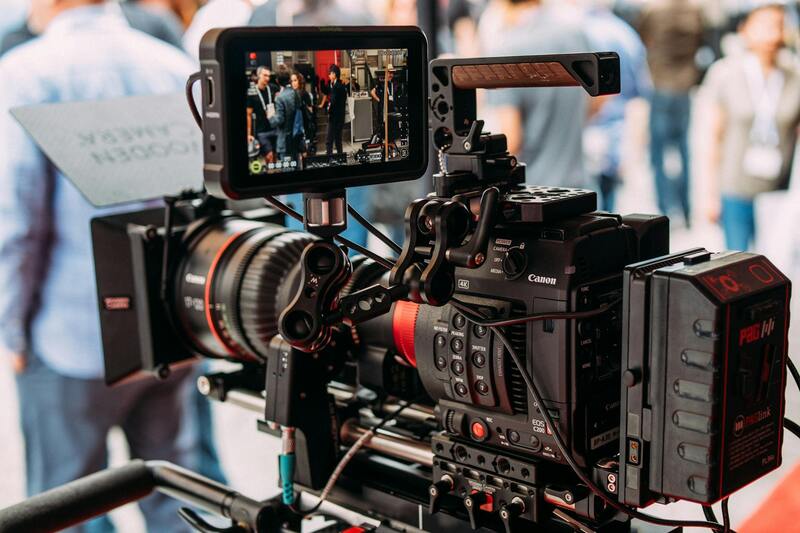
High-quality video output significantly impacts viewer engagement, emphasizing the necessity for optimized streaming solutions. To deliver 4K or even higher-resolution streams, service providers use state-of-the-art encoding hardware combined with robust bandwidth management strategies. Adaptive bitrate streaming is a key technology that adjusts video quality in real-time, depending on the viewer’s internet speed, minimizing buffering and ensuring a seamless experience.
Multiple camera angles and dynamic switching enable broadcasters to present a professional, engaging visual narrative. Skilled operators synchronize audio and video feeds meticulously, thereby avoiding delays or mismatches that can detract from the broadcast quality. Additionally, overlay graphics, live captions, and interactive features are integrated to enhance audience interaction and informational clarity.
Network infrastructure plays a pivotal role, especially in a vibrant city like Miami, where local connectivity options vary. Service providers often collaborate with local ISPs to guarantee sufficient bandwidth and low latency, which are crucial for maintaining high-definition streams without interruptions.
Managing Audience Interaction and Engagement Features
Effective live broadcast services incorporate a range of interactive tools designed to foster viewer participation. Live Q&A sessions, chat functionalities, real-time polls, and social media integrations help bridge the gap between broadcasters and their audiences. These features are particularly significant for corporate events, educational seminars, or community outreach programs held in Miami, where engagement levels can enhance the overall impact of the broadcast.
Implementation strategies include dedicated moderation teams, audience analytics, and customized interactive modules that tailor content delivery based on viewer responses. This approach encourages active participation, increases viewer retention, and promotes a sense of community among remote attendees.
From a technical standpoint, ensuring these interactive elements function smoothly during a live session involves careful planning of bandwidth allocation and server capacity. For instance, real-time polling or chat features demand sufficient server resources to handle high traffic volumes without introducing delays or lag, which could negatively influence user experience.

Upcoming Innovations and Technological Advancements in Live Broadcast Services
Emerging Technologies Shaping the Future of Live Streaming
The landscape of live broadcast services continues to evolve rapidly, driven by advancements in technology that enhance broadcast quality, interaction, and accessibility. Virtual and augmented reality are increasingly integrating into live streaming platforms, offering immersive experiences that captivate audiences in Miami and beyond. These technologies enable viewers to experience events from multiple perspectives or explore environments virtually, revolutionizing how live content is consumed. Artificial intelligence (AI) and machine learning are being employed to optimize streaming quality dynamically. AI algorithms analyze network conditions in real time, adjusting data compression rates, bitrates, and resolution to ensure minimal buffering and high-definition playback even during peak traffic periods. Furthermore, AI-driven analytics support broadcasters by providing insights into viewer behavior, engagement levels, and content preferences, allowing for tailored broadcasts that resonate with Miami’s diverse audience. 5G networks play an instrumental role as well, facilitating ultra-fast, low-latency streaming ideal for live events. The widespread adoption of 5G infrastructure in Miami boosts the potential for high-quality, real-time broadcasts that support large-scale interactive features without compromising on performance. This connectivity boost opens avenues for innovative content formats, including 360-degree streams, live virtual tours, and multi-camera angles, further enriching viewer engagement.
Integration of Cloud-Based Solutions and Remote Production
Cloud technology is transforming the operational aspects of live broadcasting, enabling seamless content management, storage, and distribution. Cloud-based platforms allow Miami broadcasters to access powerful editing tools, collaborate with remote teams, and deploy streams instantly from any location with internet access. This flexibility minimizes logistical challenges and reduces reliance on physical infrastructure, leading to cost-effective and scalable broadcast setups. Remote production solutions are gaining popularity, especially in scenarios where bringing all equipment and personnel to the event venue is impractical. These solutions leverage robust internet connections and cloud infrastructure to enable technical crews to orchestrate complex live broadcasts remotely while maintaining high production standards. This approach helps Miami-based organizations adapt quickly to changing circumstances, ensuring continuous content delivery.
Enhanced Content Personalization and Viewer Interaction
The future of live broadcast services in Miami involves delivering highly personalized content that aligns with viewer interests and preferences. Advanced data collection and analytics facilitate targeted advertising, custom content segments, and real-time personalization. Interactive features such as multi-language options, customizable viewing interfaces, and tailored chat experiences foster deeper connections with audiences. Interactive technology advancements also support more sophisticated engagement methods, including holographic displays, live AR filters, and gamification elements during live events. These innovations promote active participation, transform passive viewing into interactive experiences, and increase viewer retention.
The Growing Importance of Security and Data Privacy
As live broadcasts become more integrated with social media and other online platforms, ensuring security and data privacy remains critical. Secure streaming protocols, end-to-end encryption, and robust access controls safeguard content and viewer information. Miami broadcast providers are adopting advanced cybersecurity measures to protect against unauthorized access, cyber threats, and stream disruptions. Regular security assessments, compliance with data protection standards, and transparency regarding data handling practices offer reassurance to broadcasters and viewers alike. Maintaining trust and safeguarding sensitive content is paramount as the live streaming industry gears toward more interconnected and interactive experiences.
Concluding Insights on Future Directions
The trajectory of live broadcast services points toward increasingly immersive, interactive, and secure streaming experiences. As Miami continues to grow as a hub for entertainment, corporate events, and cultural activities, the utilization of cutting-edge technologies will be essential to meet evolving audience expectations. Broadcasters who adopt these innovations will be primed to deliver compelling live content that stands out in a crowded digital landscape, fostering stronger engagement and expanding their reach within the vibrant Miami community.