Understanding Live Video Streaming Services
Live video streaming services have become an essential component for modern event coverage, brand promotion, and real-time communication. These platforms enable organizations and individuals to broadcast live footage directly to their target audiences via the internet, ensuring immediate and broad accessibility. The core features of these services typically include high-definition video output, multi-platform compatibility, scalable bandwidth options, and seamless integration with social media channels. Their primary advantage lies in the ability to reach a global audience without the geographical limitations of traditional broadcasting methods.
Employing a professional live video streaming company offers numerous benefits. It increases audience engagement through real-time interaction, provides a dynamic platform for product launches, conferences, and concerts, and amplifies brand visibility through targeted dissemination. Additionally, these services often include features such as live chat, viewer analytics, and archived content, enhancing the overall user experience and providing valuable insights for future marketing strategies.

Accuracy, professionalism, and technical quality are critical factors that determine the success of a live streaming event. A reliable live video streaming service ensures minimal latency, superior visual and audio clarity, and consistent performance throughout the broadcast. This reliability is particularly vital during high-profile events or marketing campaigns where image and reputation are at stake.
In the Miami area, leveraging local expertise in live video streaming can significantly enhance the quality and effectiveness of broadcasts. Local companies possess an intrinsic understanding of the regional audience, logistical considerations, and necessary permits. They are also better equipped to manage last-minute technical adjustments and provide on-site support, which is vital for smooth and uninterrupted streaming experiences.

As the demand for live content grows, so does the necessity for robust infrastructure and professional expertise. Selecting a live video streaming company that prioritizes technological innovation, offers customizable packages, and maintains high standards of quality will deliver optimal results. Whether for corporate events, cultural festivals, or sporting competitions, understanding the fundamentals of live streaming services helps organizations make informed decisions that maximize their outreach and engagement potential.
Integration with Production and Branding Elements
One of the critical aspects of choosing a live video streaming company is how seamlessly their services integrate with your overall production and branding strategies. A professional streaming partner should be capable of incorporating branded graphics, overlays, logos, and other visual elements that align with your organization's identity. This integration not only enhances the visual appeal of the broadcast but also reinforces brand recognition among viewers.
Effective integration requires close collaboration between your team and the streaming provider. This involves planning graphics placement, ensuring consistent branding across all visual components, and synchronizing live elements such as lower thirds, countdowns, or sponsor logos. Moreover, a sophisticated streaming solution will enable dynamic content updates during the broadcast, allowing real-time modifications without disrupting the live feed.

Successful integration extends beyond visuals. It also includes ensuring that audio branding, cueing of advertisement slots, and interactive features such as live chat or polls are smoothly incorporated. By doing so, the streaming service supports a cohesive brand experience that engages viewers and elevates the overall production quality.
Technical Infrastructure and Reliability
At the core of effective live streaming lies a robust technical infrastructure. The ideal service provider operates with state-of-the-art servers, reliable content delivery networks (CDNs), and redundant systems to prevent interruptions. This infrastructure guarantees consistent streaming without buffering or blackouts, even during high-demand periods.
Assessing a company's technical infrastructure involves evaluating their capacity to handle large audiences and their resilience in adverse conditions. For instance, advanced load balancing techniques and failover mechanisms are crucial for maintaining seamless streaming during events with fluctuating viewership. Furthermore, comprehensive testing and quality assurance procedures should be standard practice to ensure each broadcast meets expected standards.
Reliability also extends to technical support. A dedicated team of professionals should be available onsite or remotely during the event to troubleshoot issues swiftly. This preparation minimizes downtime and guarantees that the broadcast proceeds smoothly from start to finish.

Pricing Structures and Packages
Understanding the pricing frameworks offered by live streaming companies is essential for aligning services with budget constraints and event requirements. Many providers offer tiered packages based on factors such as streaming resolution, bandwidth, on-site technical support, customization options, and post-event analytics.
Fixed-price packages are common for straightforward events, but some companies provide customizable solutions tailored to unique needs. These can include multi-camera setups, content recording, advanced graphics, and interactive features. When evaluating pricing, it is important to consider the total value offered—such as technical support, data security, and scalability—rather than just initial costs.
Additional fee considerations may involve expenses for equipment rentals, personnel, permits, or specialized camera or lighting setups. Clear communication with the streaming partner about what is included ensures there are no surprises during the event. In Miami, local providers often offer flexible options to accommodate various event sizes and budgets, making it easier to select a package aligned with your goals.

Understanding Live Video Streaming Services
Choosing a live video streaming company involves assessing a provider’s technical capabilities, experience, and commitment to quality. A reputable company employs advanced encoding hardware and software to ensure seamless transmission of content across multiple platforms. Their servers are strategically deployed to optimize content delivery, minimizing latency and buffering, even during high-traffic events. Such providers often utilize content delivery networks (CDNs) to distribute streams efficiently, which is crucial for reaching large audiences simultaneously without quality degradation.

Furthermore, a distinguished streaming service implements robust redundancy protocols. These include backup servers and failover strategies that automatically activate in case of technical disruptions, preserving broadcast continuity. They also carry out rigorous pre-event testing to troubleshoot potential issues ahead of time, ensuring a reliable streaming environment. Additionally, support for various formats, resolutions, and device compatibilities guarantees that viewers have a consistent experience regardless of their viewing platform.
Security features are integral to reputable live streaming companies, particularly when sensitive content or proprietary material is involved. Encryption during transmission and secure access controls prevent unauthorized viewing and content piracy. Moreover, many providers offer comprehensive analytics tools post-broadcast that provide insights into viewer engagement, geographical reach, and technical performance. These data points enable organizers to evaluate success metrics and refine future events.

Advanced Features that Elevate Live Streaming
- Multi-camera production capabilities for dynamic, engaging content
- Integration with social media platforms for broader reach
- Customizable overlays, graphics, and branding elements
- Interactive functionalities such as live chat, polls, and Q&A sessions
- On-site technical support to manage hardware and broadcast quality
These features enable event organizers to craft immersive viewing experiences that resonate with audiences, encourage engagement, and effectively showcase their brand or message. Building a comprehensive understanding of what streaming services can deliver ensures that every aspect—from audio-visual quality to viewer interaction—is optimized for impact.
Understanding Live Video Streaming Services
Live video streaming services have become essential tools for organizations, businesses, and content creators aiming to reach audiences in real time. These platforms offer robust solutions that encompass encoding, transmission, and distribution, ensuring high-quality broadcasts across multiple devices and networks. They employ advanced content delivery networks (CDNs) to distribute streams efficiently, minimizing buffering and latency issues, even during high-traffic events.
In addition, these services support diverse streaming protocols such as RTMP, HLS, or DASH, providing flexibility in deployment and compatibility with various third-party tools and hardware. They also facilitate seamless integration with content management systems and analytics platforms, enabling organizers to monitor viewer metrics, engagement levels, and stream performance in real time. This comprehensive approach to delivery ensures that audiences receive consistent, professional-grade viewing experiences, making live video streaming services indispensable for impactful digital communication.

Key Features to Consider in a Streaming Company
- Bandwidth and Scalability: Reliable scalability ensures streams can handle fluctuating viewer numbers without compromising quality.
- Compatibility: Compatibility across various devices and operating systems broadens audience reach.
- Security Measures: Encryption and access controls protect content from unauthorized viewing and copying.
- Customization Options: Custom overlays, branding, and interactive features enhance viewer engagement.
- Support and Maintenance: Dedicated technical support prevents and swiftly resolves streaming issues.
- Analytics and Reporting: Post-broadcast insights inform future strategies and content improvements.
Importance of Local Expertise in Miami
Partnering with a Miami-based live video streaming company offers significant advantages, particularly for events tailored to the local market. Local providers typically have a deep understanding of regional internet infrastructure, audience preferences, and legal considerations. They can swiftly respond to on-site technical issues, coordinate with local vendors, and adapt broadcast strategies suited to Miami’s unique demographic and cultural landscape. This localized approach ensures that live streams are not only technically sound but also resonate culturally with the target audience, maximizing engagement and attendance.

Furthermore, working with Miami-based companies facilitates quicker deployment times and cost efficiency, which can be crucial for last-minute events or complex productions. Their familiarity with regional regulations and permitting processes streamlines compliance and logistics. This local insight guarantees a more personalized, effective streaming experience that aligns with the specific goals and context of Miami-based events or businesses.
Technical Infrastructure and Reliability
Evaluating the technical infrastructure of a live video streaming company is essential to ensure seamless broadcast quality and uninterrupted delivery. A robust platform typically integrates high-capacity servers, advanced content delivery networks (CDNs), and scalable bandwidth solutions that can handle fluctuating viewer loads without compromising performance.
Reliability extends beyond hardware capacity; it encompasses the company's ability to maintain consistent uptime through redundant systems and failover protocols. An experienced provider will employ multiple data centers and backup streams that automatically activate in case of primary feed disruptions, minimizing downtime and protecting brand reputation.
Furthermore, the expertise of technical staff in troubleshooting real-time issues cannot be overstated. They should have extensive hands-on experience managing large-scale live events, ensuring swift resolution of potential technical glitches that could impact the viewer experience. Regular testing, maintenance, and system updates are crucial to adapt to evolving streaming standards and prevent issues before they occur.

Understanding a provider's capacity for adaptability during live events is critical. This includes the ability to increase bandwidth temporarily during high-traffic peaks, manage multiple streams for different audiences, and provide detailed real-time monitoring dashboards. These features enable proactive management and ensure a high-quality viewing experience from start to finish.
Pricing Structures and Packages
Pricing models for live video streaming services vary based on factors such as broadcast duration, complexity of production, and customization requirements. Transparent fee structures that outline costs for dedicated bandwidth, production support, and additional features facilitate better planning and budget management.
Many companies offer tiered packages, ranging from basic live streaming solutions suitable for smaller events to comprehensive enterprise packages that include multi-camera setups, real-time analytics, and advanced branding options. It’s important to compare what is included within each package—such as technical support, equipment rental, and post-event reporting—to select the solution that best fits your event objectives and audience size.

Additionally, some providers now offer custom quotes tailored to specific needs, especially for complex productions such as multi-location conferences or high-profile public events. Clear understanding of all associated costs helps prevent unforeseen expenses and ensures that the streaming service aligns with your financial planning.
Understanding Live Video Streaming Services
Live video streaming has become an essential component for businesses and event organizers seeking to reach wider audiences instantly and effectively. A live video streaming company specializes in delivering real-time video content over the internet, ensuring seamless broadcasts with minimal latency and high-definition quality. The core function involves capturing live footage through professional cameras and encoding it into digital signals, which are then transmitted via robust servers to viewers across various devices including smartphones, tablets, and desktop computers.

These services encompass a broad spectrum of solutions, ranging from basic live streams for smaller events to complex multi-camera productions tailored for large-scale conferences or entertainment festivals. Typically, live video streaming companies handle all technical aspects, such as video encoding, bandwidth management, and content delivery networks (CDNs), which optimize broadcast stability and clarity worldwide.
Service providers often include additional features like integrated chat functions, viewer analytics, and on-screen graphics, enriching the viewer experience and providing broadcasters with valuable audience data. Delivery platforms are selected meticulously to ensure latency remains low, enabling real-time interactions that enhance engagement. Whether streaming a corporate webinar, a sports event, or a music concert, leveraging professional streaming services ensures that the content is delivered without interruption, preserving the intended visual quality and timing essential for viewer satisfaction.
Key Features to Consider in a Streaming Company
Choosing the right live video streaming partner involves evaluating several fundamental features that impact the overall success of your broadcast:
- Bandwidth and Infrastructure: Adequate bandwidth allocation and server infrastructure are vital for handling traffic spikes and maintaining stream stability. Look for companies with scalable solutions capable of adjusting resources dynamically.
- Production Capabilities: Multi-camera setups, graphic overlays, and professional audio integration support high production standards that match your event’s scope.
- Ease of Use: Intuitive control panels and integration options with existing systems facilitate smoother operation and timely setup.
- Customizability: The ability to incorporate branding elements, customized overlays, and interactive features tailor the broadcast to your specific needs.
- Support Services: Around-the-clock technical support and on-site assistance mitigate potential issues promptly, ensuring minimal downtime during live events.
- Analytics and Reporting: Post-event insights help evaluate viewer engagement and identify improvement areas for future broadcasts.
Image: Live streaming setup with multiple cameras and control units
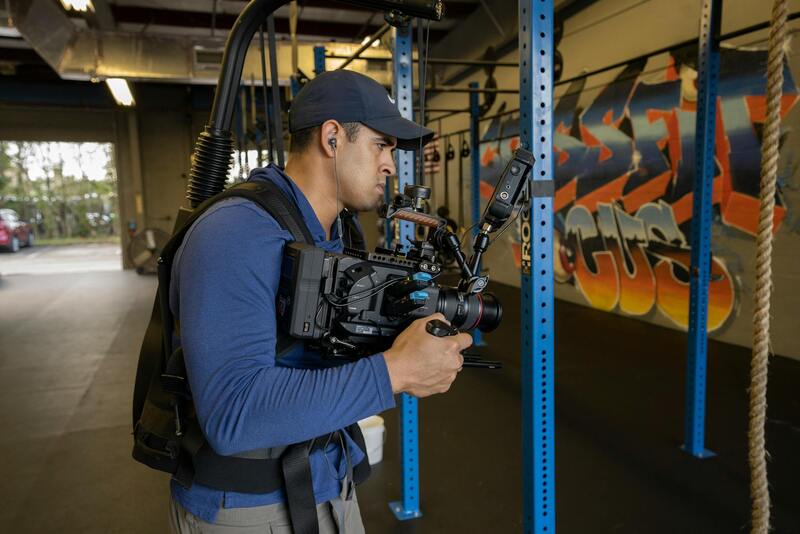
Evaluating these features assists in selecting a partner that aligns with your technical requirements, budget, and strategic objectives, ensuring a smooth and professional broadcast experience every time.
Importance of Local Expertise in Miami
Miami’s unique market dynamics necessitate a streaming provider with deep local knowledge. Regional expertise ensures familiarity with local venues, permits, and logistical considerations that can influence broadcast quality and success. With a provider based in Miami, there is immediate access to on-the-ground support for set-up and troubleshooting, significantly reducing response times during events.
Staff experienced with Miami’s diverse event landscape can anticipate environmental challenges such as outdoor weather conditions or high-profile public gatherings. They are well-versed in coordinating with local vendors, security, and city officials to streamline operations. This localized understanding guarantees that extensive pre-event preparations translate into flawless execution, with particular attention paid to ambient noise, lighting conditions, and reliable internet access throughout Miami’s vibrant event venues.

Moreover, regional providers often have established relationships with local networks and authorities, facilitating smooth logistics and compliance with all relevant regulations. Such partnerships play a crucial role in mitigating unforeseen delays or barriers, ensuring the broadcast proceeds as scheduled. Engaging a Miami-based live video streaming company with local expertise yields a significant advantage in customizing solutions that resonate with regional audiences and align with your event goals.
Integration with Production and Branding Elements
Seamless integration of live streaming with your overall production and branding strategy enhances audience engagement and reinforces brand messaging. Professional streaming providers coordinate closely with your creative team to embed logos, overlays, lower thirds, and other graphic elements that communicate your brand identity throughout the broadcast. Custom transitions, animations, and promotional graphics can be programmed into the stream, creating a visually cohesive experience that embodies your brand’s personality.
Integration extends beyond visuals. Audio elements such as background music, speech clarity, and sound effects are synchronized meticulously to maintain high quality and audience immersion. Additionally, live chat features and interactive polls foster direct engagement, allowing viewers to participate actively while reinforcing brand loyalty.
Image: Branded graphics integrated into a live stream
Technical teams collaborate to ensure that all production aspects—from camera angles to graphic overlays—are aligned with your branding guidelines. This cohesive approach guarantees that every element of the broadcast reinforces your messaging and creates a memorable experience for viewers across all platforms.
Technical Infrastructure and Reliability
The backbone of any successful live stream is a resilient technical infrastructure capable of supporting high-quality, uninterrupted broadcast delivery. This includes robust data centers, high-speed internet connections, and scalable CDN networks that distribute content efficiently and securely. Providers frequently employ multiple redundant systems—such as backup encoders, power supplies, and failover servers—to prevent outages and maintain continuous streaming in the event of technical failures.
Real-time monitoring tools are indispensable, offering insights into stream health, bandwidth usage, and viewer engagement metrics. These dashboards enable proactive adjustments, such as rerouting traffic during peak times or addressing latency issues swiftly. A dependable infrastructure minimizes buffering, lag, and pixelation, preserving clarity and engagement throughout the event's duration.

Additionally, the integration of optimized delivery networks ensures that content reaches viewers with minimal delay, regardless of their geographic location. A well-constructed technical ecosystem transforms potential disruptions into seamless viewing experiences, critical for maintaining professional standards and audience trust in Miami’s dynamic event environment.
Technical Infrastructure and Reliability
Ensuring a seamless live video stream is heavily dependent on the underlying technical infrastructure of the streaming service provider. The backbone of reliable broadcasting hinges on state-of-the-art data centers equipped with high-capacity servers managed by expert technical teams. These facilities are designed to handle large volumes of data transmission, reducing the risk of buffering and latency issues, which can detract from the viewer experience.
High-speed, redundant internet connections are vital components that facilitate continuous data flow, preventing interruptions caused by network failures. An effective live streaming company implements load balancing across multiple servers, ensuring that viewer requests are distributed evenly, which maintains quality even during traffic spikes. Load balancing helps distribute bandwidth efficiently, avoiding overload situations that could lead to degraded stream quality or drop-outs.
Content delivery networks (CDNs) play a crucial role in distributing digital content across widespread geographic locations, especially important for Miami’s diverse demographic. CDNs enable the content to be cached at various points around the globe, minimizing delivery latency and maintaining stream stability. In conjunction with these, multiple redundant systems—such as backup encoders and failover servers—act as safety nets, automatically switching to backup systems if primary components encounter issues. This multi-layered approach ensures that live streams remain uninterrupted, even in unforeseen circumstances.
Monitoring tools integrated into the streaming infrastructure provide real-time insights into every aspect of the broadcast. These dashboards display metrics such as stream health, server performance, bandwidth consumption, and viewer engagement. Operators can leverage this data to make on-the-fly adjustments, such as rerouting traffic or optimizing encoding parameters to reduce latency and improve overall quality. This dynamic adaptability is essential for maintaining a professional standard of broadcast, particularly during large-scale live events in Miami.

Scalability and Support
In addition to core infrastructure, a hand-in-hand approach with support services ensures optimal performance. An experienced live video streaming company offers 24/7 technical support, proactive system health checks, and rapid troubleshooting capabilities. Scalability is another critical aspect, allowing the platform to accommodate increasing viewer numbers during major events. Cloud-based solutions facilitate this scalability, enabling dynamic resource allocation to meet fluctuating demands seamlessly.
Investing in such resilient technical infrastructure minimizes disruptions, enhances viewer experience, and sustains the professionalism needed for high-profile events. For organizations hosting live events or broadcasts in Miami, selecting a provider with robust infrastructure and meticulous monitoring systems is crucial to delivering consistent, high-quality content across all digital platforms.
Advanced Techniques for Optimizing Live Video Streams in Miami
Enhanced viewer engagement and seamless broadcasting in Miami require more than just a reliable streaming platform. Implementing advanced technical strategies and utilizing cutting-edge technology can significantly elevate the quality of live video content. This involves leveraging adaptive bitrate streaming, real-time analytics, and robust content delivery networks (CDNs) to ensure smooth, high-definition streams regardless of fluctuating viewer conditions or network constraints.
Adaptive bitrate streaming dynamically adjusts the video quality based on each viewer's internet speed, providing uninterrupted viewing experiences that minimize buffering and enhance visual clarity. By integrating this technology, Miami-based live video streaming companies can cater to diverse audiences, ensuring consistent quality whether viewers are on mobile devices or high-bandwidth desktop connections.

Real-time analytics further contribute to stream optimization by offering insights into viewer behavior, stream performance, and potential technical issues. These data points allow broadcasters to make immediate adjustments, such as modifying encoding parameters or rerouting traffic through more efficient servers, thus minimizing latency and ensuring a professional standard of delivery.
Content delivery networks optimize the distribution of live streams across geographically dispersed servers, reducing latency and improving load balancing. For Miami-based events, partnering with a streaming provider that employs a geographically strategic CDN ensures that viewers experience minimal delay, regardless of their location within the region.
Implementing multi-platform streaming solutions enables simultaneous distribution across various digital channels, including social media, websites, and dedicated apps. This multi-channel approach broadens audience reach and increases engagement opportunities while maintaining a unified, high-quality stream regardless of platform-specific constraints.

Additionally, leveraging cloud-based encoding and distribution systems provides scalability and flexibility, accommodating sudden surges in viewer traffic during major Miami events. The capacity to dynamically allocate resources and adjust stream parameters in real time enhances overall reliability and viewer satisfaction. Such technical sophistication ensures that every live video broadcast is executed with efficiency, clarity, and professionalism, regardless of size or scope.
Therefore, integrating these advanced techniques into the live streaming process is crucial for Miami organizations and event organizers seeking to deliver compelling, high-quality live experiences to their audiences across all digital platforms.