Understanding Live Stream Productions
Live stream productions encompass the process of broadcasting real-time video content over the internet to audiences across various locations simultaneously. This technology has transformed the way events, businesses, and content creators engage with their viewers, providing a dynamic platform to showcase products, host conferences, or share entertainment. In Miami, a vibrant hub for cultural, corporate, and entertainment events, live streaming offers unparalleled opportunities to reach broader audiences beyond physical limitations.
Successfully executing a live stream requires a comprehensive understanding of the technical and creative elements involved. It involves meticulous planning, advanced equipment, and skilled personnel to ensure seamless delivery. The essence of live stream productions lies in their ability to deliver high-quality, uninterrupted content that maintains viewer engagement and upholds the professionalism of the brand or event. From live concerts, corporate webinars, to community festivals, live streaming bridges geographical gaps and creates an immersive experience for viewers.
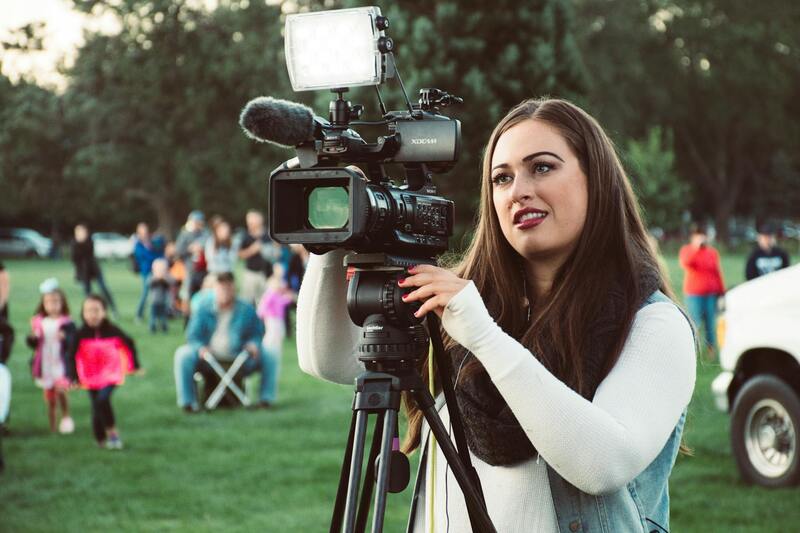
As Miami continues to grow as an international destination for events and entertainment, the demand for expert live stream productions increases. These productions not only enhance the visibility of local events but also serve as powerful marketing tools, fostering global connections and digital interactions. Developing a robust live streaming strategy tailored to Miami’s unique environment is essential for organizations aiming to maximize their outreach and impact in this thriving city.
Key Components of Live Stream Productions
Executing an effective live stream involves several foundational elements that work in harmony to deliver a polished final product:
- High-Quality Video and Audio Equipment: Cameras, microphones, and video switchers are core components that determine the clarity and professionalism of the streamed content.
- Reliable Internet Connection: Bandwidth stability is critical to prevent interruptions and buffering during live broadcasts.
- Streaming Platform and Software: Selection of appropriate software ensures smooth encoding, multi-platform streaming, and easy content management.
- Production Crew and Technical Support: Skilled personnel manage camera operation, sound, lighting, and real-time adjustments to adapt to live conditions.
Planning and Pre-Production
Effective live stream production begins with thorough planning. This phase involves defining the objectives, identifying the target audience, and selecting suitable content or event formats. Pre-production tasks include developing a detailed schedule, storyboarding key segments, and coordinating logistics such as venue layout, technical requirements, and personnel roles. Adequate preparation ensures all elements function cohesively on the day of the broadcast.
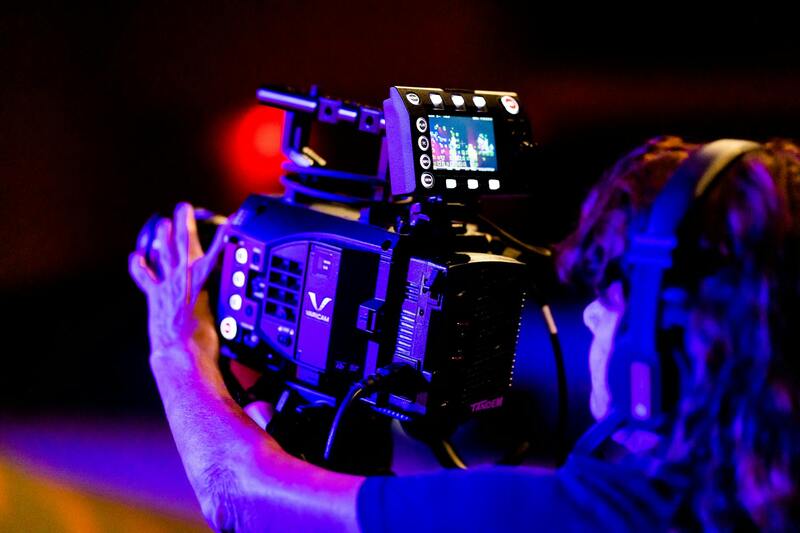
Securing the right location, understanding the venue's technical capacities, and conducting test runs are crucial steps before going live. These activities help identify potential issues and allow for adjustments, minimizing risks during the actual broadcast. Clear communication among the production team and stakeholders enhances coordination and contributes to a successful live streaming experience.
Equipment and Technology Requirements
Executing a high-quality live stream production in Miami necessitates the deployment of reliable and advanced equipment tailored to the specific needs of the event. The core components include cameras, audio gear, encoding hardware, and a robust streaming platform. Selecting suitable equipment ensures the content is delivered with clarity, precision, and professionalism.
High-definition cameras form the backbone of any live production, capturing visuals with sharp detail and vibrant colors. Professional-grade microphones and audio mixers are critical to capturing clean, balanced sound that complements on-screen visuals. Wireless microphones, lavaliers, and boom mics are often used to provide flexibility and clarity for spoken content and performances.
Encoding devices, such as hardware encoders, convert video signals into digital formats suitable for live broadcast. These devices must be compatible with the chosen streaming platform and capable of handling multiple inputs for multi-camera setups. In addition, reliable internet connectivity, often supported by dedicated fiber or wired Ethernet connections, is essential to prevent interruptions.
Lighting technology plays a significant role in ensuring visually appealing broadcasts. Proper lighting equipment enhances subject visibility and reduces shadows, especially in indoor venues or constrained spaces. The use of portable lighting rigs allows flexibility during on-location shoots.
Furthermore, synchronization tools and quality control monitors help the production team make real-time adjustments to maintain a seamless broadcasting experience. Up-to-date hardware and software solutions contribute significantly to a polished, professional live stream that resonates with viewers.
Execution and Live Management
During the live broadcast, meticulous management of all technical elements ensures a smooth viewer experience. A dedicated technical director oversees the operation, coordinating camera angles, audio levels, and transitions while monitoring stream stability.
Multiple camera operators capture different perspectives, which are switched in real-time to maintain viewer engagement. Audio engineers continuously monitor sound levels to avoid distortion or background noise. Lighting adjustments may be made on-the-fly to adapt to changing conditions or performances.
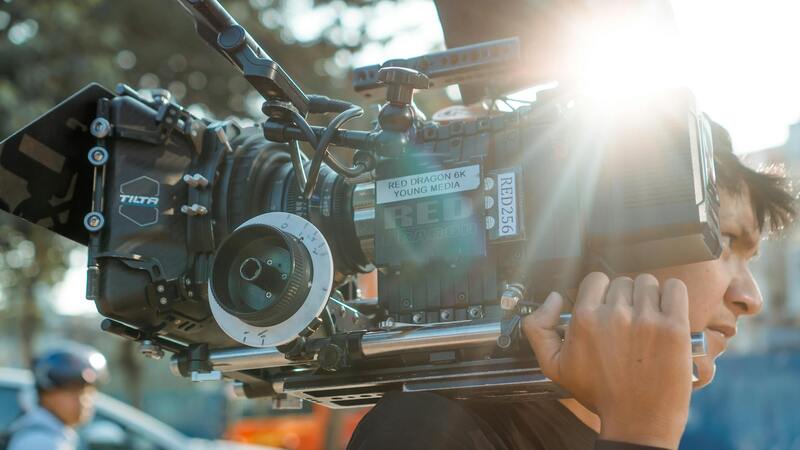
In addition to technical oversight, the team must be prepared to address unforeseen issues promptly. This includes troubleshooting connectivity problems, hardware failures, or unexpected disruptions. Having backup equipment, such as secondary internet connections and redundant audio sources, minimizes the risk of significant interruptions.
Clear communication protocols among the crew, supported by headsets or intercom systems, enable swift coordination. The live management phase demands a combination of technical expertise and adaptive problem-solving skills to deliver a seamless viewing experience.
Equipment and Technology Requirements
When planning professional live stream productions, selecting the appropriate equipment and technology is crucial for achieving high-quality results. The backbone of any successful broadcast hinges on reliable hardware and advanced software solutions designed specifically for live streaming scenarios. Key elements include high-definition cameras with multiple angles, professional-grade audio mixers, and high-capacity streaming encoders capable of handling multiple data streams simultaneously.
Deploying robust internet connectivity is essential. This often involves dedicated fiber-optic lines or bonded internet solutions that combine multiple connections to ensure uninterrupted data transmission. Backup internet sources are standard practice, minimizing disruptions caused by network issues.
Software solutions like live switching platforms and real-time graphics tools enhance the visual appeal and interactivity of the stream. These applications support seamless transitions, overlays, and multimedia integrations that engage viewers more effectively.
Additional technology considerations include:
- Stream stabilization and compression tools to optimize video quality and reduce latency.
- Monitoring systems for real-time analytics and stream health diagnostics.
- Audio processing equipment to ensure sound clarity and eliminate background noise.
- Remote control interfaces for seamless operation from different locations.
Investing in professional-grade gear and up-to-date technology stacks guarantees the reliability and visual professionalism viewers expect from enterprise-level live streaming.
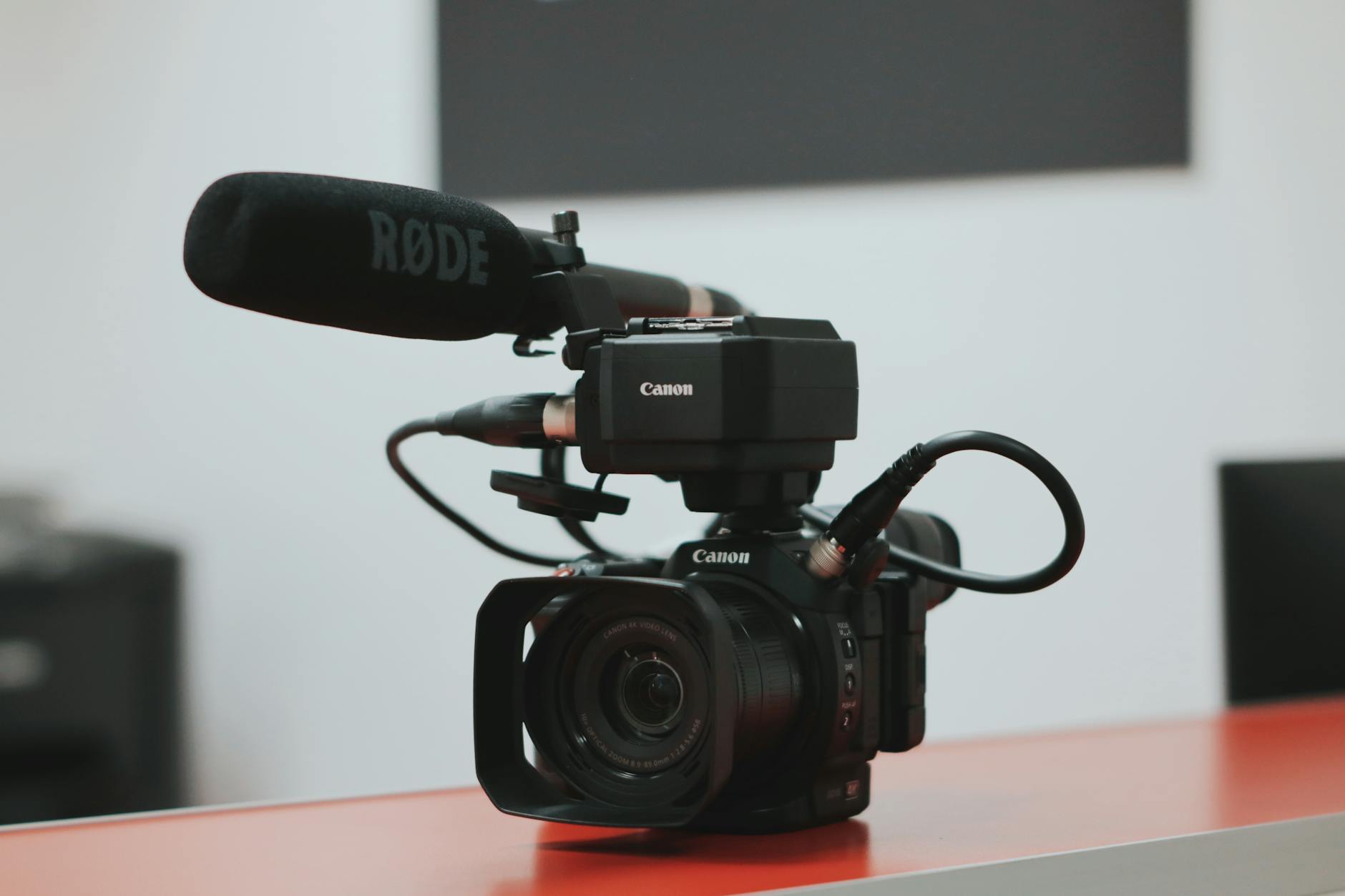
Understanding the Role of Technical Expertise in Live Stream Productions
Successful live stream productions hinge heavily on the technical proficiency of the crew involved. This expertise is critical in managing complex equipment, troubleshooting unforeseen issues, and ensuring the broadcast transitions smoothly without hiccups. A team skilled in real-time video editing, audio mixing, and signal management can adapt swiftly to changing conditions, ensuring high-quality output throughout the event.
Among the key technical competencies required are proficiency with professional broadcasting hardware such as switchers, multi-view monitors, and high-capacity encoders. Understanding how to calibrate cameras, set optimal lighting, and manage audio levels is essential in producing visually appealing and clear audio streams.
The capability to utilize streaming software effectively also plays a vital role. This includes controlling live overlays, graphics, and incorporating multimedia elements seamlessly. Advanced knowledge in using these platforms allows producers to craft engaging broadcasts that balance informational content with dynamic visual presentation.
Furthermore, experts in network management are invaluable. They monitor internet bandwidth and signal integrity in real time, making adjustments as needed to prevent buffering and lag. Implementing redundant connections, such as bonded internet solutions, is a common practice among experienced production teams.
Preparation is equally vital in minimizing errors during live streaming. This involves meticulous testing of all equipment and establishing clear communication channels among production staff. Running rehearsals to simulate live conditions helps identify potential issues and refine technical workflows.
Overall, the success of live stream productions, particularly in a vibrant market like Miami, depends on the combination of cutting-edge technology and the skills to operate it flawlessly. Experienced technicians and engineers ensure that every aspect of the production adheres to high standards, delivering a professional experience to viewers regardless of location or device.
Execution and Live Management
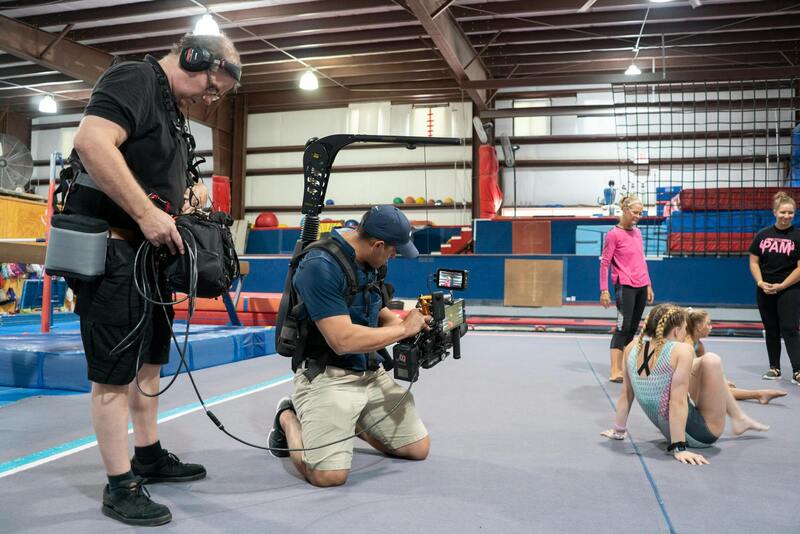
During the live broadcast, meticulous execution is essential to ensure a smooth and engaging viewer experience. This involves real-time workflow management, where dedicated technical support personnel monitor all aspects of the stream—from audio levels to video quality—to promptly address any issues that may arise. They stay adaptable, making immediate adjustments to mitigate disruptions, whether they are caused by software glitches, hardware failures, or network fluctuations. A well-coordinated communication system among the production team is vital. Should any technical anomalies occur, rapid information exchange allows for quick problem-solving without disrupting the flow of the broadcast. This may include switching to backup equipment or rerouting feeds to maintain broadcast continuity.
Troubleshooting and Risk Management
Proactive troubleshooting strategies are embedded into every live stream production. This includes having contingency plans for common issues such as internet outages, audio dropouts, or video lag. For instance, redundancy in internet connections through bonded broadband links ensures continuous streaming even if one connection experiences degradation. Technical staff also keep spare equipment ready to replace any faulty hardware swiftly, minimizing downtime. Furthermore, familiarizing the team with the streaming software's advanced features, such as real-time cueing, overlay management, and multimedia integration, enhances flexibility during the broadcast. When issues arise, quick adjustments are made to overlays, graphics, or transitions, preserving the visual appeal and professionalism of the stream.
Best Practices for Live Stream Management
- Continuous monitoring of all streaming channels for stability and quality
- Clear communication protocols for rapid response to technical issues
- Utilization of backup systems for critical components like power supplies, internet, and hardware
- Regular rehearsals that simulate live conditions to identify potential pitfalls
- Keeping detailed checklists to address pre-production and live operation tasks efficiently
- Ensuring all team members are trained on the latest software updates and troubleshooting procedures
Managing Audience Interaction
Engagement during live streams enhances viewer retention and satisfaction. Real-time moderation of chat, Q&A sessions, and interactive polls helps to foster a community feel. Employing dedicated personnel or automated moderation tools ensures a respectful and engaging environment. Additionally, integrating social media feeds and audience comments into the stream adds a layer of interaction that can increase visibility and promote viewer participation.
Execution and Live Management
During a live stream, maintaining flawless execution is paramount. This involves real-time coordination among multiple team members, including camera operators, sound engineers, directors, and technical support staff. A designated director oversees the broadcast, ensuring each element transitions smoothly and that the overall storytelling remains compelling.
Employing robust streaming software with advanced control features allows for seamless transitions, overlays, and multimedia integration. Such software enables switching between multiple camera feeds, inserting graphics, and managing split screens effectively. Quick access to these features during the broadcast allows the team to respond promptly to unforeseen issues or to adapt to audience interactions in real-time.
Key elements of live management include vigilant monitoring of stream quality, stability, and latency. Maintaining a dedicated technical control room equipped with multiple screens displaying streaming health, chat feedback, and camera feeds ensures swift identification and resolution of potential problems. Regular communication protocols, such as headsets and status updates, facilitate immediate troubleshooting and coordination.
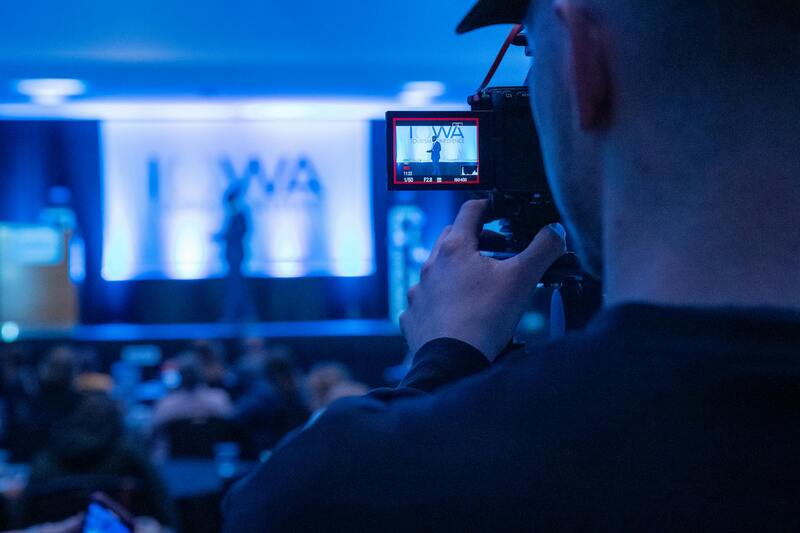
Ensuring redundancy is critical; backup systems for power, internet connectivity, and hardware components minimize disruptions. For example, using secondary internet connections or mobile hotspots as fail-safes provides additional security against connectivity issues. Hardware backups for critical equipment like encoders or microphones prevent delays caused by malfunction.
Rehearsals that mimic actual live conditions are invaluable; they help identify potential technical and logistical challenges before the real broadcast. Detailed checklists covering pre-stream setup, cue points, and emergency procedures streamline the operational process and ensure nothing is overlooked.
Training team members on the latest software upgrades, troubleshooting protocols, and emergency procedures enhances overall responsiveness. This preparation contributes to a smooth viewing experience, free of interruptions or technical anomalies. Moreover, setting up clear communication channels and predefined responses for common issues bolsters operational efficiency.
Audience engagement during a live production significantly influences its success. Real-time moderation of chat and comment sections, facilitated by dedicated personnel or automated tools, sustains a respectful and interactive environment. Incorporating features like live polls, Q&A segments, or social media comments directly into the stream boosts viewer participation and fosters community connection.
To further enhance engagement, consider integrating social media feeds and audience-generated content into the live broadcast. This approach not only diversifies content but also increases viewers’ sense of involvement and investment, encouraging them to share and promote the stream within their networks.
Overall, efficient execution and live management hinge on meticulous preparation, advanced technological tools, constant monitoring, and proactive engagement strategies. These elements work together to deliver a professional, engaging, and glitch-free live streaming experience that aligns with the production’s goals and audience expectations.
Understanding Live Stream Productions
Live stream productions encompass the entire process of creating, managing, and broadcasting digital content in real-time, often for entertainment, corporate events, educational sessions, or promotional campaigns. The essence of a successful live stream lies in its ability to deliver seamless, high-quality content while engaging the audience effectively. This requires meticulous planning, sophisticated equipment, and skilled personnel to ensure that every technical aspect—from video and audio quality to interactive features—operates flawlessly. As the digital landscape evolves, live stream productions have become an essential method for connecting brands with their target audiences, providing immediacy and authenticity that pre-recorded content cannot match.
Key Components of Live Stream Productions
Executing a high-caliber live stream involves several critical elements:
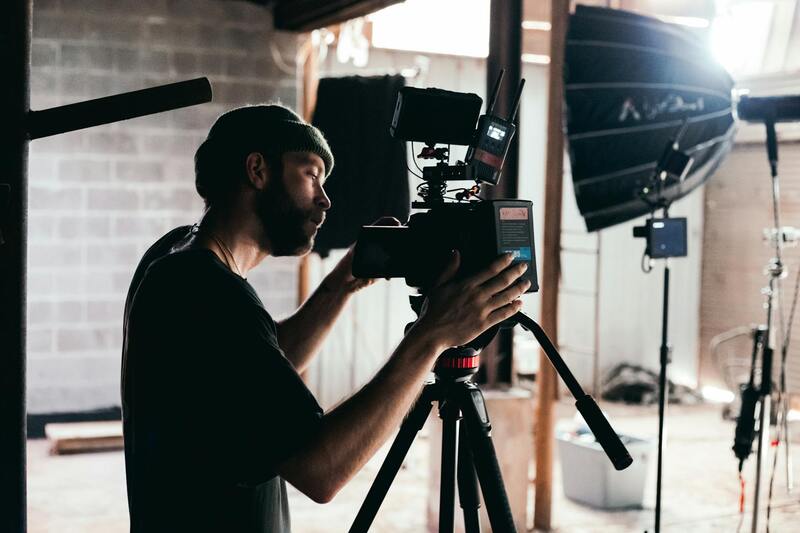
- Video and Audio Equipment: Investing in professional-grade cameras, microphones, and mixers to capture and transmit clear visuals and crisp sound.
- Streaming Software and Platforms: Utilizing robust software solutions for encoding, multi-source switching, overlays, and real-time editing. Platforms should support high bandwidth and provide reliable distribution channels.
- Internet Connectivity: Ensuring stable, high-speed internet access is paramount. Multiple connection pathways, such as wired Ethernet alongside backup wireless options, help maintain uninterrupted streams.
- Crew and Talent: Skilled operators and hosts are essential for managing technical elements and engaging with viewers effectively.
- Lighting and Set Design: Proper lighting enhances video quality, while thoughtfully designed sets reflect branding and thematic elements.
Planning and Pre-Production
Preparation is the backbone of a successful live stream. This phase involves defining objectives, outlining content flow, and scheduling rehearsals. Detailed checklists help confirm that all equipment is operational, and roles are assigned. Technical rehearsals allow teams to troubleshoot issues, coordinate transitions, and synchronize timing, reducing the likelihood of on-air glitches. Additionally, preparing visual assets such as titles, lower thirds, and branding overlays ensures a polished appearance. Establishing contingency plans for unforeseen circumstances, such as connectivity issues or equipment failure, minimizes disruptions and maintains viewer confidence.
Equipment and Technology Requirements
Choosing the right hardware and software depends on the scale and scope of the production. For smaller events, a professional camcorder combined with streaming software on a powerful computer may suffice. Larger productions might require multiple cameras, switchers, and dedicated encoding hardware. Network infrastructure must support high data throughput, with at least 10 Mbps upload speeds typically recommended for HD streaming. Backup systems, including spare hardware, secondary internet connections, and uninterruptible power supplies (UPS), are vital to ensure continuity. Integration of real-time graphics and interactive elements can elevate audience engagement and provide a dynamic viewing experience.
Execution and Live Management
During a live broadcast, real-time oversight involves the coordination of multiple operational facets. Technical staff monitor audio/video feeds, switch between camera angles, and manage overlays and graphics for visual clarity. Communication tools facilitate instant coordination among the production team, ensuring that transitions and segment introductions occur seamlessly. Viewer interaction is managed through moderation of comments and live polls, fostering engagement and community participation. Troubleshooting protocols are activated immediately if technical anomalies arise. Moreover, maintaining a calm and professional on-camera presence helps deliver a confident, authoritative broadcast. Constant monitoring of internet stability and hardware performance prevents loss of quality and minimizes the likelihood of stream interruptions.
Post-Production and Content Repurposing
Once the live session concludes, the content undergoes editing and repurposing to maximize value. Highlights can be extracted for promotional clips, social media snippets, or on-demand viewing. This process involves removing redundant segments, enhancing video quality, and adding supplementary graphics or subtitles if necessary. Hosting the recorded material on accessible platforms allows broader reach beyond the live event, increasing exposure and engagement. Additionally, analyzing viewer metrics provides insights into audience preferences, informing future live stream strategies. Content repurposing ensures longevity of the material and can serve as a resource for training, marketing, or educational purposes, extending the impact of the original production.
Understanding Live Stream Productions
Live stream productions involve capturing real-time events and broadcasting them over the internet to reach a global audience. These productions encompass various formats, including corporate webinars, concerts, sports events, and community gatherings. The primary aim is to deliver high-quality, engaging content that maintains viewers' attention and provides a seamless viewing experience. Successful live stream productions require meticulous planning, a robust technical setup, and dynamic execution to cater to the demands of live audiences, all while ensuring that the broadcast is both visually appealing and technically reliable.
Key Components of Live Stream Productions
- **Content Planning**: Defining the show's structure, scripting, and scheduling to keep the event organized and engaging.
- **Technical Setup**: Selecting and configuring cameras, microphones, streaming hardware, and software to ensure optimal broadcast quality.
- **Crew Coordination**: Assembling a team of technicians, directors, and on-camera talent to manage various aspects of the production.
- **Graphics & Overlays**: Implementing visual elements such as lower thirds, logos, and real-time data to enhance professionalism and branding.
- **Audience Engagement Tools**: Integrating live chat, polls, and interactive features to foster viewer participation.
Planning and Pre-Production
Effective live streaming begins long before the event goes live. Pre-production involves detailed planning, including location scouting, technical rehearsals, and content rehearsals. This stage helps identify potential challenges, test equipment, and refine cues. Developing a comprehensive run sheet and backup plans ensures readiness for unexpected issues. Additionally, securing licensing for copyrighted music, visuals, or third-party content is vital for compliance and smooth operation. Clear communication channels among the production team facilitate coordinated efforts, and establishing roles ensures that each team member understands their responsibilities during the broadcast.
Equipment and Technology Requirements
The backbone of any live stream is the quality of its equipment and technology. Professional-grade cameras with high resolution and multiple angles make the broadcast visually compelling. High-quality microphones and audio mixers capture clear sound, essential for maintaining viewer engagement. Streaming hardware, such as encoders and switchers, facilitate seamless transitions and high-quality output. Reliable internet connections with ample bandwidth are critical to prevent buffering or stream drops. Additionally, broadcast software enables scene switching, overlay management, and stream monitoring. Incorporating backup hardware and internet fail-safes safeguards against technical failures during live events, ensuring continuity and professionalism throughout the production.
Execution and Live Management
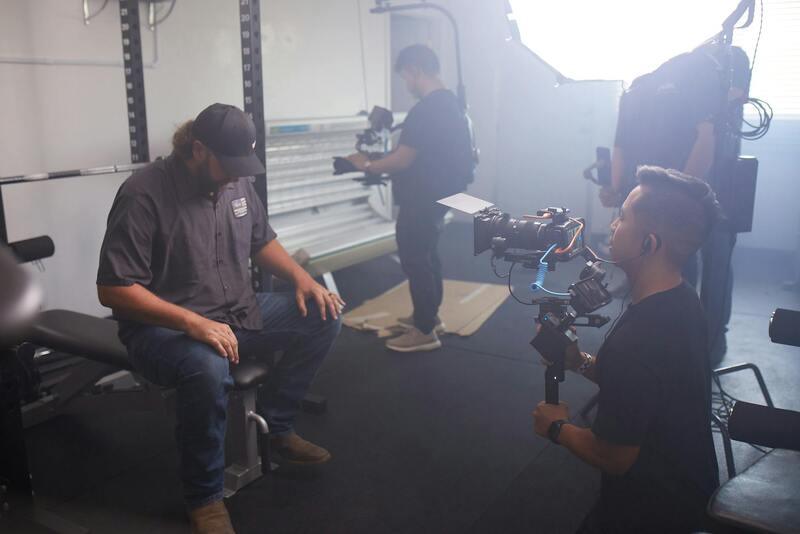
During the live broadcast, real-time management is crucial. Camera operators and technicians monitor their feeds, adjusting angles and shot compositions for visual interest. The director oversees the show flow, cueing talent, managing transitions, and integrating graphics and overlays in sync with content. Technical support staff continuously monitor stream quality, internet stability, and hardware performance, troubleshooting issues immediately to minimize disruption. Social media managers or moderators oversee viewer interactions, filter comments, and relay audience questions or feedback to presenters. A calm, focused approach from the production team helps maintain a professional atmosphere, even amidst unforeseen technical challenges. Effective communication tools allow seamless coordination between crew members, ensuring the broadcast proceeds smoothly and professionally.
Post-Production and Content Repurposing
Following the live event, the recorded footage offers an opportunity for extended audience reach and content repurposing. The raw video is edited to highlight key moments, improve visual quality, and add graphics or subtitles for clarity and branding purposes. Edited content can be uploaded to various digital platforms for on-demand viewing, allowing viewers who missed the live event to access it later. Clips and highlights are ideal for social media promotion, attracting new viewers and increasing engagement. Analyzing viewer response and engagement metrics informs future content strategies. Repurposing live stream content not only maximizes return on investment but also creates a valuable resource for marketing, training, or internal communication efforts, extending the lifespan and impact of the original production.
Local Considerations for Miami Live Streaming
Hosting live stream productions in Miami presents unique opportunities and challenges related to local infrastructure, licensing, and audience demographics. Selecting an experienced Miami-based production agency ensures compliance with regional regulations and access to local talent and resources. High-quality internet connectivity is essential, given Miami's urban infrastructure, but backup plans should be in place for potential disruptions. Understanding the local audience's preferences and cultural nuances informs content customization, making broadcasts more relatable and engaging for regional viewers. Moreover, collaborating with local venues, event organizers, and community groups enhances the authenticity and reach of the live event. A strategic approach to location scouting, permits, and community engagement can significantly impact the overall success of Miami-based live stream productions, delivering content that resonates with the local audience while maintaining professional quality standards.