Understanding Live Streaming Production
Live streaming production has become an integral component of modern event management, offering real-time broadcasting to audiences across various digital platforms. For Miami-based events, the process involves a detailed orchestration of multiple elements designed to deliver seamless and high-quality content. The foundation of effective live streaming starts with a solid understanding of the key components involved.
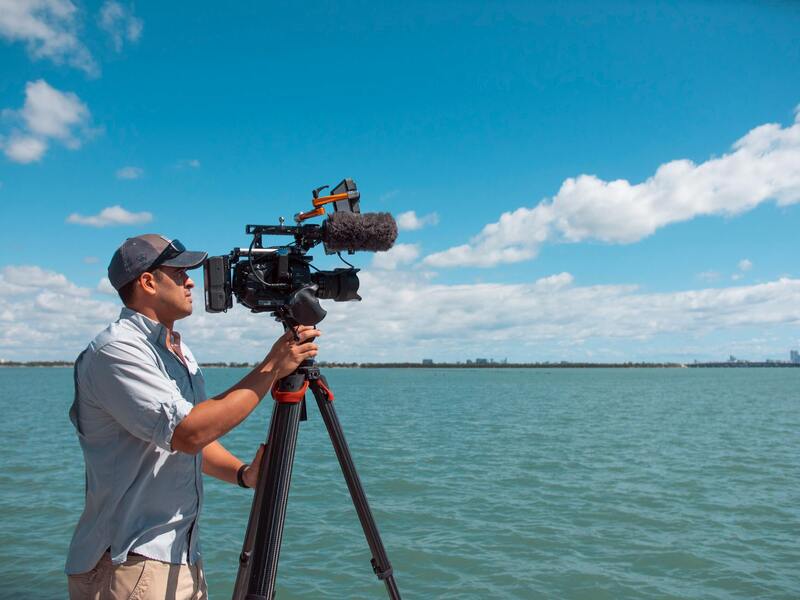
Core Components of Live Streaming Production
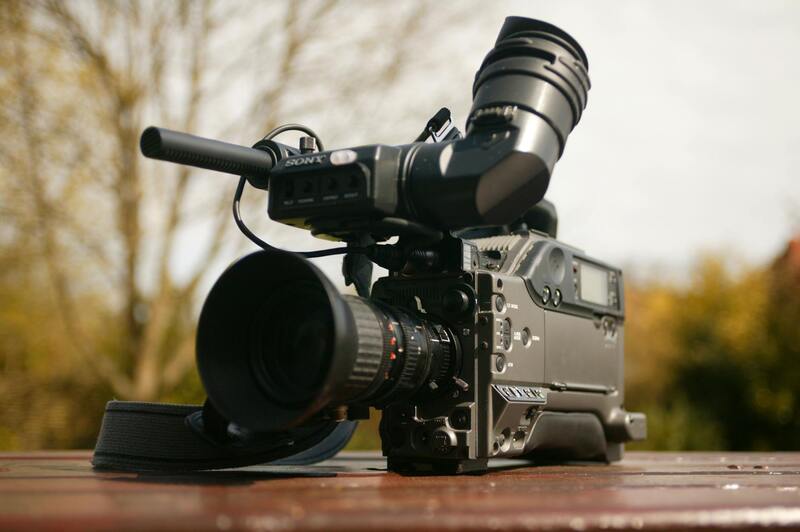
- Production Equipment: This includes professional cameras, switchers, microphones, and audio equipment that capture and enhance the event’s visual and auditory elements. High-definition cameras are essential for clarity, while audio equipment ensures crisp sound quality.
- Encoding Devices and Software: Encoding hardware or software transmits raw footage into a digital format suitable for streaming. Popular software options provide real-time editing capabilities, graphics, and overlays to elevate the broadcast’s professionalism.
- Streaming Platforms: Selecting appropriate channels like YouTube Live, Facebook Live, or custom RTMP servers is crucial for reaching the target Miami audience effectively. Platform choice often depends on audience demographics and event goals.
- Networking Infrastructure: A robust and stable internet connection is the backbone of live streaming. High bandwidth, load balancing, and backup connections help prevent interruptions that could diminish viewer experience.
- Production Workflow: The overall process encompasses pre-production planning, live execution, and post-production review. Establishing a clear workflow optimizes efficiency and ensures each event segment is captured and broadcast properly.
Workflow for Miami-Based Live Streams
Effective live streaming workflow for Miami events involves several stages:
- Pre-Event Planning: Including technical rehearsals, venue assessments, and content scheduling to align all technical and creative elements.
- Setup and Testing: Ensuring all equipment is properly installed and tested before the event day to minimize technical issues.
- Execution: Combining camera switching, audio mixing, graphics overlay, and live interactions to produce engaging content.
- Monitoring and Troubleshooting: Continuously overseeing the stream and addressing any technical difficulties promptly.
- Post-Event Review: Analyzing stream performance, viewer engagement, and content quality to inform future productions.
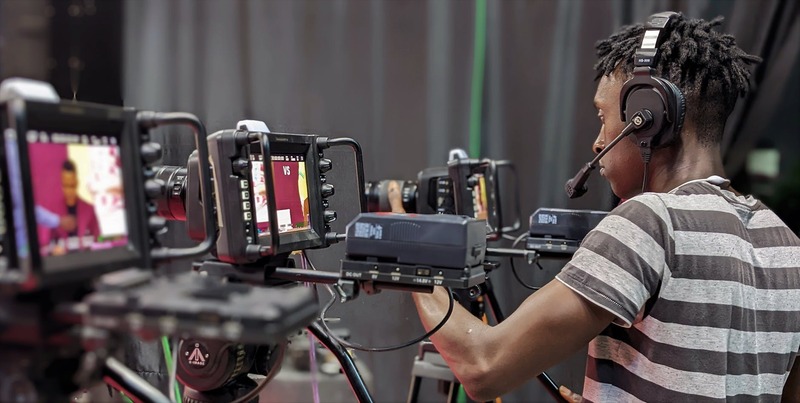
Mastery of each component and step within the workflow translates to a professional live stream that captures the vibrancy and energy of Miami’s events, delivering an engaging experience for remote viewers. As live streaming continues to evolve, understanding these foundational elements supports the creation of compelling and high-quality broadcasts tailored specifically for the dynamic Miami event landscape.
Advanced Techniques in Live Streaming Production
Achieving a seamless and high-quality live stream in Miami requires mastery over a range of advanced production techniques that enhance viewer engagement and broadcast professionalism. These methods focus on optimizing video quality, managing multiple sources, integrating dynamic graphics, and ensuring smooth transitions throughout the broadcast.

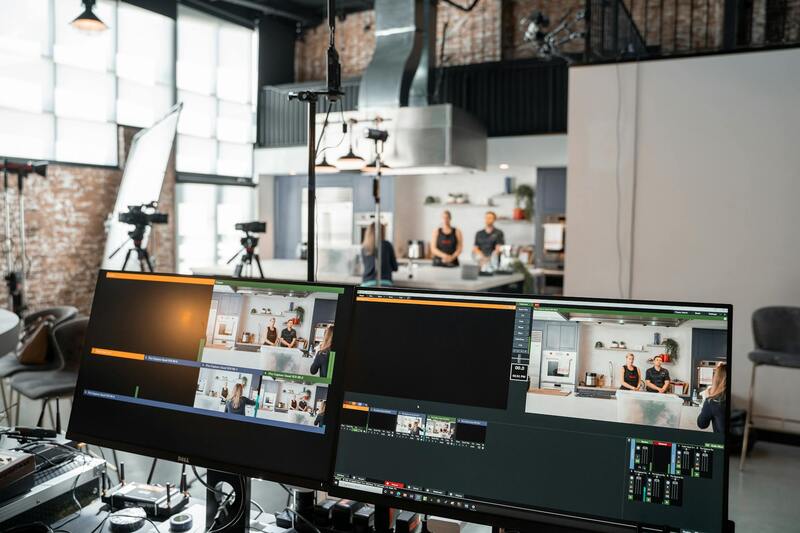
One essential technique involves multi-camera setups, which allow producers to capture different angles and perspectives, creating a more immersive experience for viewers. Switching smoothly between camera feeds requires real-time video switching software or hardware that is capable of handling high-resolution feeds with minimal latency. This flexibility enables producers to highlight key moments, facial expressions, or wide venue shots, thereby elevating the overall broadcast quality.
Graphics overlays and dynamic content integration are also vital. Incorporating lower thirds to display speaker names, real-time social media comments, or event updates keeps viewers informed and engaged. Advanced broadcasting software enables real-time graphics rendering, which can be customized to match event branding and themes, adding a professional touch to live streams.

Audio quality is equally critical. Expert audio mixing involves balancing microphones, ambient sound, and any pre-recorded content to produce clear and consistent audio throughout the event. Using professional-grade microphones, soundboards, and noise reduction hardware ensures that audio complements the video content, reducing distractions and improving viewer retention.
Transition effects and digital zooms are additional techniques that can add polish to a live broadcast. Properly timed fades, cuts, and zooms can emphasize important moments or react to live interactions, providing a dynamic viewing experience. Implementing these effects seamlessly demands practiced operation of production tools and a well-organized production team.
Ensuring low latency transmission is fundamental. This involves selecting streaming platforms and encoding hardware that prioritize minimal delay between the live event and broadcast. High-speed internet connections, optimized encoding settings, and dedicated streaming servers contribute to a buffer-free viewing experience, which is crucial for live Q&A sessions or real-time audience interactions.
Key Tools and Software for Live Streaming
- Professional encoders, such as hardware streaming boxes or software solutions like OBS Studio or vMix, which facilitate multi-source management and streaming to multiple platforms simultaneously.
- Real-time graphics overlays created via specialized software integrated into the production workflow.
- Audio mixers and microphones capable of capturing and processing high-fidelity sound.
- Stream management platforms that offer analytics, real-time monitoring, and redundancy options to ensure broadcast stability.
Implementing these advanced production techniques ensures that each live streaming event not only meets technical standards but also delivers engaging, visually appealing content that resonates with Miami’s vibrant audience. By leveraging the right tools and maintaining a focus on quality, live streams can effectively showcase the energy and personality of Miami’s dynamic event landscape, attracting larger audiences and fostering memorable experiences.
Understanding Live Streaming Production
Executing a seamless live streaming production requires meticulous planning, technical expertise, and state-of-the-art equipment. The core of successful live streams lies in the integration of various production elements—such as camera work, audio clarity, graphic overlays, and stable streaming platforms—that work harmoniously to deliver captivating content. Production live streaming in Miami, a city renowned for its vibrant cultural scene and diverse events, emphasizes the importance of high-quality visuals and sound, real-time audience engagement, and reliable technology solutions. A key aspect of understanding live streaming production involves grasping the flow of content from conceptualization to broadcast. This includes establishing a detailed production timeline, assigning specific roles to team members—such as director, camera operators, audio engineers, and technical support—and preparing all necessary equipment ahead of time. Additionally, seamless coordination between on-site staff and remote operators ensures smooth transitions and effective handling of unexpected technical challenges. Fundamental to high-quality production is the synchronization of multiple feeds, which may include multiple cameras, pre-recorded clips, and live graphics. Multi-camera setups provide viewers with dynamic angles, enhancing engagement and delivering a professional experience. For instance, during Miami’s bustling live music events or fashion shows, a presenter might switch between wide shots, close-ups, and audience views—all managed in real time to maintain a fluid narrative. Audio quality cannot be overlooked in production live streaming. Using high-fidelity microphones and sophisticated audio mixing consoles guarantees clear sound that captures the atmosphere and energy of live Miami events. Proper sound balancing ensures dialogue, music, and ambient sounds are proportionate and free of distracting noise, establishing an immersive experience. Moreover, incorporating real-time graphics—such as lower thirds, animations, or sponsor branding—elevates the visual appeal and provides crucial context to viewers. Specialized software integrated with the production workflow allows for swift graphic overlays, which can be updated dynamically during the broadcast. Critical to the success of a live stream is robust internet connectivity, emphasizing the need for high-bandwidth internet connections and dedicated streaming servers. These prevent interruptions and buffering, particularly during complex events with multiple input sources. Backup plans and redundancy options are also in place to swiftly address unforeseen issues, ensuring uninterrupted transmission. In essence, the production live streaming process is a meticulously orchestrated event that combines technology, creativity, and coordination. By focusing on these elements, Miami event organizers and production professionals can deliver compelling live content that genuinely reflects the city's energetic spirit and diverse cultural tapestry.
Live Streaming Production Techniques
Implementing effective production techniques is essential for delivering a seamless live streaming experience. A key component involves the strategic use of multiple camera angles to capture different perspectives of the event, providing viewers with a dynamic and engaging viewing experience. Skilled camera operators should be positioned to monitor critical segments, such as keynote speeches, performances, or interactive segments, ensuring that the coverage aligns with the flow of the event.
Transition effects and real-time editing tools can significantly enhance the visual narrative. Techniques such as smooth transitions, picture-in-picture displays, and overlays allow producers to highlight important moments or display supplementary information without disrupting the continuity of the stream. This requires integrating professional-grade switching hardware or software that supports multiple sources and effects.
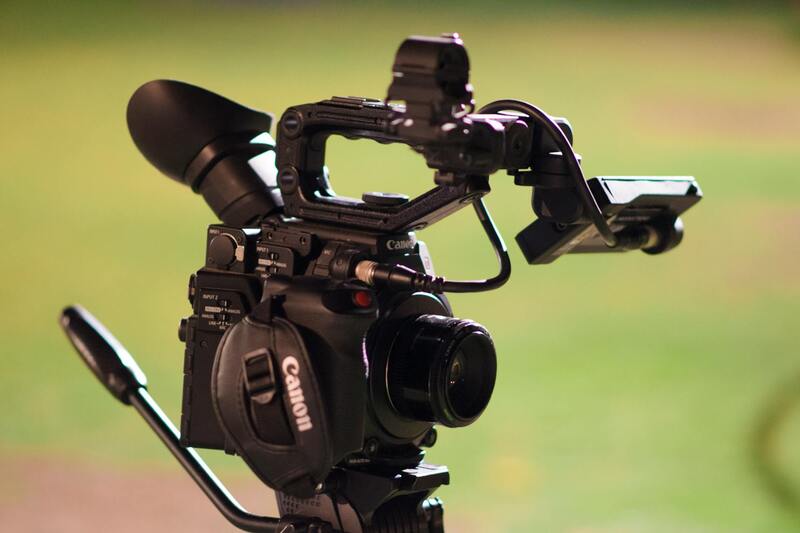
Audio management also plays a pivotal role. Employing audio mixers and precision microphones ensures the sound quality remains clear and balanced throughout the broadcast. Directional microphones capture specific audio sources, while ambient microphones provide a sense of venue atmosphere, creating an immersive experience for viewers.
Another advanced technique involves incorporating live graphics and real-time data feeds. This can include displaying participant names, event hashtags, or live social media comments, fostering engagement and providing additional layers of context. When executed correctly, these elements contribute to a polished and professional presentation that resonates with the Miami audience.
Furthermore, utilizing multi-platform streaming capabilities allows content to reach diverse audiences across various channels simultaneously. This broad distribution increases event visibility and engagement, especially important for large-scale Miami events that attract multiple stakeholder groups.
In all, mastering these production techniques ensures a high-quality, engaging broadcast that accurately captures the vibrancy and energy of Miami's events. It requires meticulous coordination among technical teams, creative staff, and event organizers to maintain production standards and adapt swiftly to on-the-fly adjustments.
Implementing Effective Live Streaming Production Techniques
Executing a professional live stream involves leveraging a combination of advanced production techniques that enhance visual appeal, audio clarity, and overall viewer engagement. Multi-camera switching allows producers to dynamically select different angles and shots, creating a visually compelling experience that mimics traditional television broadcasting. This technique is crucial in Miami's vibrant event scenes, where capturing different perspectives—such as wide shots of the venue, close-ups of key participants, or audience reactions—can significantly elevate the broadcast quality.
Integrating graphics and overlays into the live feed provides additional context and branding opportunities. This may include real-time lower thirds displaying participant names or titles, event hashtags, or sponsor logos. The seamless insertion of these graphics requires precise timing and coordination, which can be achieved through professional broadcast software or hardware switchers. When used effectively, graphics contribute to a polished, informative presentation that resonates with Miami's diverse viewing audience.
Audio management is equally critical. Expert audio mixing ensures that the sound remains balanced and clear, whether capturing live performances, speeches, or ambient sounds from the event. Employing high-quality microphones—including directional and ambient types—allows for precise audio capture, reducing background noise and enhancing speech intelligibility. Mixing console integration enables real-time adjustments, ensuring the audio complements the visual elements without distractions.
On-the-fly editing capabilities are essential for maintaining the flow of live content. Live editors can cut between camera feeds, insert pre-recorded segments, or add graphics during the broadcast. This real-time flexibility helps keep the stream engaging and synchronized with event cues. Combining these production methods results in a seamless viewer experience, elevating Miami's live events to a professional level that captures the city's dynamic spirit.
Optimizing Live Streaming Operations
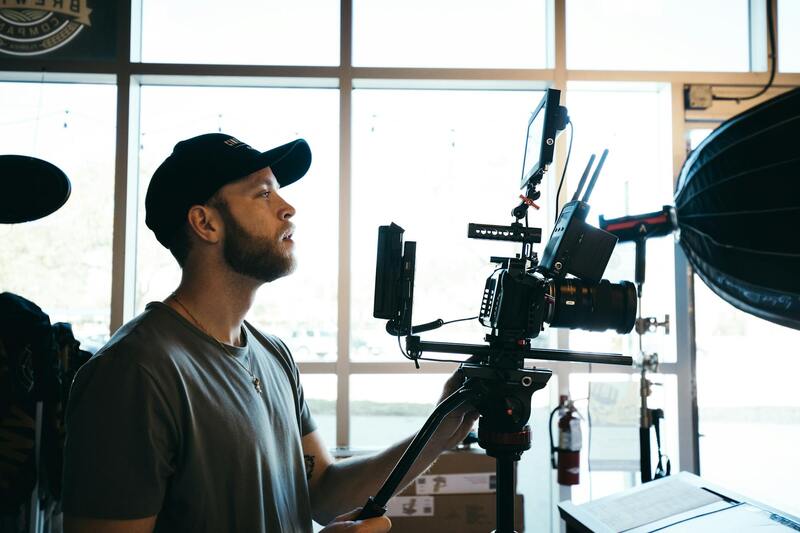
Efficient management of live streaming operations requires robust coordination among technical teams, event organizers, and content producers. Designating specific roles—such as camera operators, technical directors, and graphic specialists—streamlines the workflow and ensures that each aspect of the broadcast operates smoothly. Pre-event rehearsals are vital in Miami's fast-paced environments, enabling teams to troubleshoot potential issues and fine-tune equipment settings.
Reliable encoding hardware is central to maintaining stream stability, especially when broadcasting to multiple platforms simultaneously. Configuring encoding settings appropriately balances video quality and bandwidth consumption, minimizing buffering or lag during high-traffic events. Monitoring tools should be in place to track stream health during live broadcasts, allowing quick response to any technical disruptions.
Effective communication channels among team members—such as intercom systems or staging apps—facilitate real-time coordination, ensuring that transitions between shots, graphics, and audio levels occur smoothly. Additionally, having backup equipment and contingency plans safeguards against unforeseen technical failures. This comprehensive approach to live stream operations supports a professional presentation that captures Miami's energetic events with precision and reliability.
Optimizing Production Live Streaming: Technical Methods for Seamless Broadcasts
Implementing Reliable Encoding Strategies
One of the cornerstones of effective production live streaming involves the deployment of dependable encoding hardware and software solutions. Professional-grade encoders—whether hardware devices or software-based solutions—are critical for converting your high-definition video signals into streams compatible with various online platforms. These encoders facilitate adaptive bitrate streaming, automatically adjusting video quality based on viewers’ bandwidth, ensuring a smooth experience regardless of device or network conditions. Consistent use of redundant encoding channels further bolsters resilience, providing failover options in case of hardware or network failures. Regular firmware updates and performance testing of encoding systems are essential to maintain optimal streaming quality and avoid disruptions during live events.

Leveraging Multi-Platform Streaming Technologies
Maximizing audience reach requires deploying multi-platform streaming solutions capable of simultaneous broadcasts to various venues such as social media platforms, websites, and dedicated streaming services. This approach involves using cloud-based ingest and distribution networks that can efficiently broadcast and monitor multiple streams in real time. Effective content delivery networks (CDNs) are employed to distribute live footage across geographies with minimal latency. Selecting robust streaming protocols, including HLS (HTTP Live Streaming) and DASH (Dynamic Adaptive Streaming over HTTP), allows seamless delivery regardless of device or network type. Integration with multi-platform streaming management tools ensures coordinated broadcast operations, providing real-time analytics and stream health checks, thereby maintaining high-quality streams across all channels.
Applying Advanced Video Switching and Graphics
Professional live streams benefit greatly from high-quality video switching and dynamic graphics integration. Switching between multiple camera feeds enables producers to create engaging, visually appealing presentations that reflect the energy of Miami's vibrant event scenes. Video switchers—whether hardware mixers or software-based solutions—allow smooth transitions, picture-in-picture effects, and overlays. Incorporating real-time graphics, such as event branding, lower thirds, or live commentary, enhances viewer engagement and provides crucial information without disrupting the flow of the broadcast. These visual elements must be prepared precisely and triggered accurately during the live event, requiring a skilled production team and reliable hardware controllers or software interfaces.
Implementing Effective Audio Management
Clear, balanced audio is vital for professional production live streaming. High-quality microphones, audio mixers, and digital signal processors (DSPs) are used to ensure crisp sound reproduction. During live broadcasts, audio levels must be continuously monitored and adjusted to prevent distortion or inaudibility, especially in dynamic event environments. Integrating automated audio ducking or noise suppression technologies can improve clarity, while backup audio channels safeguard against technical failures. Coordinating audio with visual cues—such as synchronized audio mixing of camera feeds—contributes to a cohesive and immersive viewer experience.
Ensuring Robust Network Infrastructure and Backup Systems
At the heart of successful live streaming lies a resilient network infrastructure. Employing high-bandwidth internet connections, such as dedicated fiber optic lines, reduces latency and packet loss, which are critical for maintaining stream stability. Multiple internet sources—such as Ethernet, LTE, or 5G—should be configured for automatic failover, allowing the broadcast to continue uninterrupted if one connection drops. Network monitoring tools provide real-time insights into bandwidth usage and latency, alerting technical teams to potential issues before they impact production. Implementing backup hardware, including spare encoders, switches, and audio equipment, ensures swift replacement during unforeseen equipment failures, preserving broadcast continuity and professionalism.
Managing Live Streaming Operations
Effective management of live streaming operations is essential to deliver a seamless viewing experience for audiences and uphold broadcast standards. This process encompasses monitoring the live feed in real-time, coordinating technical teams, and ensuring all digital and audiovisual components function synchronously. Constant vigilance over network performance, audio-visual synchronization, and switching between camera feeds safeguards against potential disruptions during the broadcast.
Technical directors and production managers utilize specialized control room software to oversee the entire live stream operation. These platforms provide real-time feedback on camera feeds, audio levels, latency, and stream health. Having a centralized control system aids in rapid decision-making and troubleshooting, minimizing viewer-side issues.
One of the fundamental roles in live streaming management is coordinating between various technical departments such as camera operators, audio technicians, graphics operators, and network engineers. Clear communication protocols, including headset systems and instant messaging, are employed to facilitate quick responses to unforeseen circumstances, such as equipment failures or sudden content changes.
During live streams, it is crucial to have well-defined escalation procedures for addressing issues. This might involve switching to backup equipment or rerouting audio and video signals seamlessly to prevent noticeable disruptions. Additionally, real-time analytics dashboards help track viewer engagement, stream stability, and quality metrics. These insights allow operators to make immediate adjustments, such as optimizing bitrate settings to suit varying viewer bandwidths.

Post-event, comprehensive review of stream data is invaluable. Analyzing audience engagement statistics and technical logs helps identify strengths and areas for improvement. This feedback loop informs future production strategies, equipment upgrades, and workflow optimizations, leading to higher quality broadcasts over time.
Robust documentation of procedures and regular training sessions for technical staff bolster operational readiness. Such practices prepare teams to handle complex live event scenarios efficiently, reducing the risk of operational errors that can compromise stream quality.
In addition to on-site coordination, a detailed contingency plan must govern all aspects of the live production. This includes backup power supplies, redundant streaming paths, and preset configurations for rapid implementation during emergencies. Maintaining an organized, well-documented operational structure ensures the broadcast continues smoothly, even when unexpected challenges arise.
Implementing Authentic and Ethical Live Streaming Methods
Establishing a reliable and professional live streaming operation demands adherence to well-established, official techniques that ensure content quality, security, and viewer trust. These methods hinge on utilizing reputable streaming platforms, secure encoding practices, and licensed broadcast workflows. Working with recognized platforms that comply with industry standards guarantees a seamless streaming experience while maintaining content integrity and reliability.
One of the foundational practices is the use of authorized streaming protocols such as RTMP (Real-Time Messaging Protocol), SRT (Secure Reliable Transport), or HLS (HTTP Live Streaming). These protocols facilitate stable, high-quality video delivery from the production site to the audience’s devices. Proper configuration of these protocols prevents issues like buffering, latency, and stream interruptions, which can undermine viewer engagement.
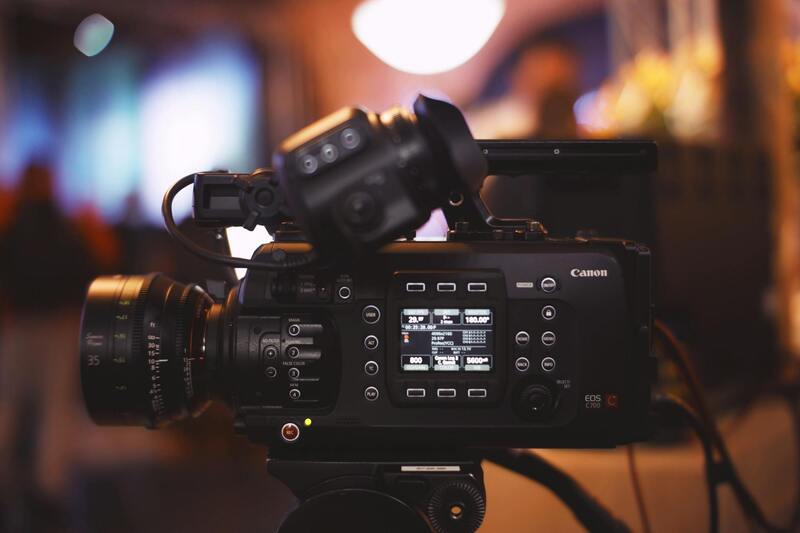
Investing in certified gear and software from trusted providers enhances both the security and efficiency of the live broadcast. Licensed encoders, streaming appliances, and CDN (Content Delivery Network) services ensure content is delivered securely, reliably, and in compliance with industry practices. This not only improves production quality but also safeguards content against unauthorized access or piracy.
Legal and Compliant Content Management
Adherence to copyright laws and licensing agreements is vital when streaming live content. This involves obtaining necessary permissions for using music, video clips, images, and branded material. Employing licensed media ensures that all content elements meet regulatory requirements and avoids potential legal complications or takedown notices.
- Use official licensing channels for copyrighted material.
- Maintain records of permissions and licenses for reference.
- Implement content screening processes to verify rights clearance prior to transmission.
Ensuring Audience Data Privacy and Security
Secure login procedures, encrypted data streams, and robust user authentication methods protect viewer information and streaming content. Ensuring that data privacy standards align with established guidelines helps foster trust and professionalism.
For organizations hosting private or members-only live streams, employing solutions with built-in security features such as encryption, password protection, and access controls is essential. Regular security audits and updates further uphold the integrity of the broadcast environment.
Maintaining Transparency and Reporting
Clear communication regarding content sources, licensing, and broadcasting practices enhances the credibility of the live stream. Documenting compliance measures and producing transparent reports on production processes demonstrate a commitment to ethical standards and bolster audience confidence.
By integrating these trusted, compliant practices into live streaming workflows, Miami-based producers and broadcasters can deliver high-quality, engaging content while safeguarding intellectual property rights and viewer trust. Using legitimate methods is the cornerstone of sustainable, professional live streaming that serves both content creators and audiences effectively.