Understanding Conference Streaming Services
Conference streaming services have revolutionized the way organizations and event organizers broadcast their content to a global audience. These platforms enable seamless live transmission of conferences, seminars, workshops, and other professional gatherings, ensuring that participants can join from any location with an internet connection. By utilizing robust streaming solutions, event hosts can extend their reach beyond physical venues, accommodating remote attendees and facilitating a more inclusive experience.
At its core, a conference streaming service provides the infrastructure and tools needed to capture, encode, and distribute live video content efficiently. Modern solutions typically offer high-definition video quality, adaptive streaming protocols that adjust to varying internet speeds, and multiple viewing options, including desktop, mobile, and dedicated apps. Their role is to ensure that participants receive a smooth, high-quality viewing experience while maintaining the integrity of the event’s presentation.
Additionally, these platforms often come equipped with features that enhance interactivity and engagement, such as live chat, Q&A sessions, polls, and networking tools. They also support on-demand content, allowing attendees to review sessions they may have missed during the live event. As the demand for virtual and hybrid events continues to grow, the importance of reliable and feature-rich conference streaming services becomes increasingly evident.

When selecting a conference streaming platform, organizers consider factors such as scalability, ease of use, integration capabilities, and customization options. The goal is to deliver a polished broadcast that mirrors in-person experiences while offering flexibility for participants worldwide. With the right conferencing solution, organizations can enhance visibility, increase participation, and generate measurable impact from their events.
As the industry's technological landscape continues to evolve, the reliance on sophisticated conference streaming services is becoming a cornerstone of successful event management. These services empower organizations to communicate effectively, foster networking, and share knowledge on a broader scale, transforming traditional event formats into dynamic, interactive digital experiences.
Key Features of Conference Streaming Platforms
Effective conference streaming platforms are distinguished by a comprehensive suite of features designed to optimize the delivery and engagement of virtual events. One of the core capabilities is multi-camera support, which allows producers to switch seamlessly between different camera feeds, providing varied perspectives that mimic an in-person experience. This adds a dynamic visual element that keeps viewers engaged and highlights key moments effectively.
High-definition streaming is fundamental, ensuring that content looks professional and is accessible across a range of devices and internet conditions. Platforms often incorporate adaptive bitrate streaming, which automatically adjusts video quality to provide the smoothest experience possible for viewers with different bandwidths.
Interactive features are also pivotal. Live chat modules enable real-time communication between attendees and presenters, fostering a sense of community. Polling tools and Q&A sessions further enhance interaction, allowing participants to voice their opinions and ask questions during sessions, thereby increasing engagement and participation.
Another critical attribute is content management and on-demand access. This allows organizers to upload recordings and supplementary materials, making sessions available post-event for review or for attendees who could not join live. Such features extend the lifespan and reach of the conference content, adding value for both organizers and participants.
To support networking, some platforms integrate virtual breakout rooms, enabling small group discussions similar to in-person networking sessions. These features facilitate meaningful connections and discussion among attendees, which is crucial for professional events aiming to promote collaboration.
Additional functionalities often include:
- Screen sharing and presentation control for seamless presentation delivery.
- Recording and archiving capabilities for future reference.
- Integration with social media to broaden reach and promote engagement.
- Analytics and reporting tools to assess engagement levels and gather actionable insights post-event.
Some platforms also include security measures such as encrypted streams, secure login protocols, and access controls to ensure that content remains protected and only accessible to authorized viewers.
Investing in a platform with these key features ensures that virtual conferences are not only visually professional but also highly interactive, engaging, and secure. These attributes are essential for delivering valuable, memorable experiences that mirror or surpass traditional in-person exhibitions and seminars, thereby elevating the overall success of the event.
Technical Considerations and Infrastructure
Implementing a seamless conference stream requires meticulous planning of the technical foundation. Key elements include high-quality internet connectivity, reliable streaming hardware, and a robust platform that can handle the expected viewer load without interruptions. To ensure minimal latency and buffering, organizers should consider dedicated bandwidth and redundant internet connections, especially for large-scale events. Additionally, using professional-grade cameras, microphones, and encoders enhances the visual and audio clarity, creating a professional viewing experience that reflects the event’s importance.
Software choices also play a pivotal role. Selecting a platform that supports adaptive bitrate streaming ensures viewers with varying internet speeds can access content smoothly. Integration with content delivery networks (CDNs) can further optimize distribution, reducing load times and preventing server overloads during peak moments.
Also, an organized technical rehearsal prior to the event helps identify and resolve potential issues. Testing connectivity, stream stability, and audio-visual synchronization minimizes the risk of disruptions during live sessions. It’s beneficial to have a dedicated technical team on hand during the event to manage real-time troubleshooting, monitor stream health, and ensure a consistent viewing experience for all participants.
Best Practices for Live Conference Streaming
Setting clear objectives is fundamental for a successful stream. Ensure that all content is meticulously planned, with a detailed schedule and contingency plans for unforeseen issues. Clear communication with speakers and moderators helps maintain smooth transitions and engages viewers effectively.
Reliable communication channels, such as dedicated chat tools or internal messaging systems, enable coordination among production staff and presenters. Graphic overlays, lower thirds, and branding consistent with the event theme create a polished appearance, augmenting the professionalism of the stream.
Real-time monitoring of the stream provides immediate insights into technical issues, audience engagement levels, and viewer feedback. This allows quick adjustments, such as switching to backup streams or addressing latency problems, ensuring the event proceeds without significant interruptions.
Audience Engagement and Interaction
Encouraging active participation enhances the overall experience of virtual conferences. Incorporating live Q&A sessions, polls, and chat functionalities offers participants opportunities to interact directly with speakers and fellow attendees. Facilitating breakout sessions or virtual networking rooms enables small-group discussions, mirroring the intimacy and engagement of in-person networking.
Providing multiple channels for interaction—such as social media hashtags, dedicated event apps, or interactive dashboards—broadens engagement beyond the streaming platform, fostering a dynamic and collaborative environment. Hosting interactive segments at strategic intervals can sustain interest and focus, making the event memorable and valuable for attendees.
Security and Privacy in Conference Streaming
Protecting the content and participant information is paramount during online events. Implementing secure login procedures, such as single sign-on or token-based authentication, restricts access to authorized viewers. Encryption of streams and data ensures that sensitive information remains protected from interception or unauthorized distribution.
Access controls allow organizers to manage multiple user roles and permissions, providing restricted access to certain sessions, networking features, or downloadable materials. Additionally, watermarking content and monitoring for unauthorized sharing can further safeguard intellectual property and proprietary information.
Maintaining privacy agreements and communicating clearly about data use protocols assure participants of their confidentiality and compliance with relevant regulations. Employing comprehensive cybersecurity measures helps create a safe environment where attendees can focus on engaging with the content without concerns over privacy breaches.
Technical Considerations and Infrastructure
Effective conference streaming relies heavily on a robust technical framework that guarantees seamless content delivery and a positive attendee experience. Organizers must prioritize high-quality hardware, reliable internet connectivity, and comprehensive backup solutions to mitigate potential disruptions. Hardware components such as professional cameras, audio equipment, and streaming encoders are fundamental for capturing and transmitting high-definition video and clear audio. Selecting equipment that integrates well with chosen streaming platforms ensures minimal latency and optimal output quality.
Internet bandwidth is a critical factor; a dedicated high-speed connection with sufficient upload capacity is essential to handle simultaneous streams and large viewer counts without buffering or interruptions. A dedicated connection reduces latency issues and stabilizes the streaming quality, especially during peak viewing times. Implementing backup internet solutions, such as secondary broadband connections or cellular data links, provides redundancy in case of primary connection failure, ensuring uninterrupted broadcast continuity.

In addition to hardware and connectivity, employing reliable streaming software or platform integration that supports scalable broadcasting and real-time analytics is vital. Content delivery networks (CDNs) can distribute streams efficiently across geographical regions, reducing latency and buffering issues for viewers regardless of location. To support effective moderation and interaction, organizers should incorporate tools such as chat moderation, audience polls, and attendee management modules.
Best Practices for Live Conference Streaming
Achieving professional-grade live streams requires meticulous planning and execution. Practicing rehearsals ahead of the event helps identify potential technical issues and allows technicians to fine-tune equipment. Ensuring all team members are familiar with the streaming setup, including troubleshooting procedures, minimizes on-the-fly problems during the live broadcast.
Clear audio and visual cues, such as dedicated microphones for speakers and multiple camera angles, enhance engagement and facilitate a more dynamic presentation. Employing a dedicated moderator to manage live chats and questions ensures interaction remains controlled and meaningful, fostering a collaborative atmosphere.
Audience Engagement and Interaction
Creating opportunities for real-time interaction is key in elevating the online conference experience. Incorporating audience polls, Q&A sessions, and live chat features encourages active participation and makes attendees feel involved. Facilitating networking sessions through virtual breakout rooms or dedicated chat channels can simulate the in-person networking dynamic.
To deepen engagement, consider integrating social media platforms with event-specific hashtags and interactive dashboards that display real-time social media activity. These strategies help broaden reach and stimulate conversation across multiple channels, creating a vibrant community around the event.
Security and Privacy in Conference Streaming
Protecting the integrity of your online event involves deploying comprehensive security measures. Secure login processes, including single sign-on (SSO) and multi-factor authentication, help verify attendee identities and restrict access to authorized users. Encrypting all streams and data transmissions prevents interception and unauthorized viewing.
Likewise, access controls enable event organizers to assign specific permissions, safeguarding sensitive content and restricting attendee interactions as necessary. Watermarking streams and monitoring for content sharing can serve as deterrents against unauthorized distribution.
Transparency about data collection and usage policies reassures participants about their privacy, fostering trust and compliance with relevant standards. Regular cybersecurity audits and real-time threat monitoring further reinforce the safety of your virtual conference environment.
Measuring Success and ROI of Conference Streaming
Evaluating the success of your streaming initiative involves collecting comprehensive data on viewership and engagement metrics. Analytics tools can track viewer numbers, session durations, participation in interactive elements, and geographic distribution. Analyzing this data helps assess content relevance and platform performance.
Gathering attendee feedback through surveys or post-event evaluations provides insights into overall satisfaction and areas for improvement. Additionally, measuring business outcomes—such as lead generation, partnerships formed, or knowledge dissemination—offers a tangible understanding of return on investment.
Technical Considerations and Infrastructure for Conference Streaming
Implementing an effective conference streaming setup requires meticulous attention to technological infrastructure. Reliable internet connectivity, high-quality hardware, and scalable cloud services form the backbone of successful virtual events. Ensuring sufficient bandwidth is vital to support simultaneous streams, especially for large conferences with numerous attendees. Administrators should opt for content delivery networks (CDNs) that facilitate fast, localized delivery of streams across different geographic regions, minimizing latency and buffering issues.

Choosing an appropriate streaming platform involves evaluating its capacity to handle peak viewership without compromising quality. Features like cloud encoding, adaptive bitrate streaming, and load balancing improve viewer experience by adjusting stream quality in real-time based on network conditions. Additionally, comprehensive platform diagnostics and analytics tools help monitor stream health, identify issues promptly, and optimize performance throughout the event.
Security measures are integral to protecting sensitive content. Encrypted transmission channels, such as Secure Real-Time Protocol (SRTP), guard against unauthorized access during live broadcasts. Multi-tiered access controls ensure that only authorized participants can view or interact with the stream, which is crucial for maintaining confidentiality for proprietary topics or confidential discussions. Setting up virtual private networks (VPNs) for internal staff and presenters further enhances security layers during event preparations and broadcasting.
Another critical infrastructural element involves hardware and software redundancy. Backup servers, power supplies, and failover systems minimize disruptions caused by technical failures. Pre-event testing, including dry runs with all necessary equipment, helps identify potential issues and ensures that each component functions seamlessly when the event goes live.
Integrating Professional Equipment for Live Clarity
High-definition cameras, professional microphones, and reliable mixing consoles contribute significantly to audio-visual quality. In larger venues, deploying multiple cameras allows dynamic framing and close-up shots, enriching the viewing experience. Use of encoders and streaming software that support multi-source feeds enables seamless switching between presenters and multimedia content.
Properly managing latency—delays between live actions and streamed content—is vital for real-time interaction. Encoding, transmission, and decoding times should be optimized to maintain minimal latency, fostering smoother conversations and audience participation.
Scalability and Future-Proofing
During the planning phase, consider platforms that accommodate future growth and technological advancements. Cloud-based streaming services often offer scalability, allowing organizers to effortlessly increase participant capacity or add features like breakout rooms or interactive Q&A sessions. Regular updates to streaming hardware and software, aligned with industry standards, ensure that your infrastructure remains compatible with emerging tools and formats.
In essence, a robust technical framework underpins the success of conference streaming efforts. Through strategic planning, investment in quality equipment, and rigorous testing, organizations can deliver engaging, secure, and high-performance virtual events that meet the highest standards of professionalism.

Technical Considerations and Infrastructure
Implementing effective conference streaming services requires a solid foundation of technical infrastructure designed to deliver a high-quality, uninterrupted viewing experience. Central to this is selecting reliable hardware capable of supporting the demands of live streaming at scale. High-performance encoding devices, backup power supplies, and robust network equipment form the backbone of a professional streaming setup.
Network connectivity plays a pivotal role in ensuring smooth stream delivery. A dedicated, high-bandwidth internet connection minimizes latency and buffering issues, which can detract from the viewing experience. It is advisable to utilize wired connections over Wi-Fi whenever possible, as they offer greater stability and consistent bandwidth during live events.
Content delivery networks (CDNs) are instrumental in distributing streaming content efficiently across various geographic locations. By leveraging CDNs, organizations can reduce load times, prevent server overloads, and maintain high stream quality for audiences regardless of their physical location.

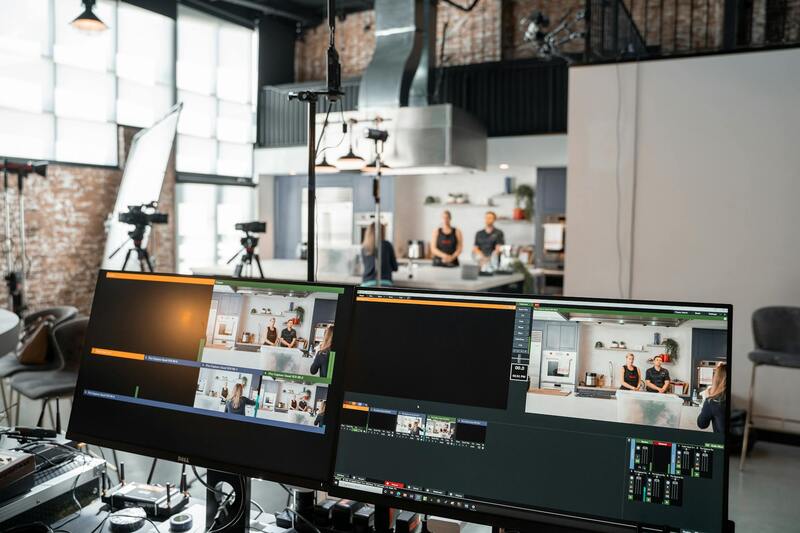
Hardware accessories such as professional cameras, audio mixers, and multiple microphone systems elevate the production quality. Combining these with live switching software allows organizers to control multiple video sources, switch angles, and incorporate multimedia content effortlessly.
Encoding software solutions like OBS Studio, vMix, or Wirecast should be selected based on their ability to support multi-source inputs, offer customizable streaming layouts, and integrate with various CDN platforms. These tools enable the transformation of raw audio-visual content into optimized live streams compatible with web and mobile viewers.
- Prioritize high-speed, dedicated internet connections with sufficient upload bandwidth.
- Utilize professional-grade cameras and audio equipment for top-tier production quality.
- Implement Content Delivery Networks (CDNs) to distribute streams efficiently globally.
- Choose flexible encoding software capable of handling multiple sources and formats.
- Regularly test all hardware and network configurations ahead of the event to identify and resolve issues proactively.

Overall, the integration of advanced infrastructure and strategic planning ensures that live conference streaming proceeds smoothly, with minimal technical disruptions. This foundation not only guarantees a professional presentation but also provides the scalability needed for future events, accommodating larger audiences or more complex interactive features as required.
Ensuring Secure and Private Conference Streaming
Maintaining the confidentiality and integrity of conference content is essential when selecting streaming solutions. Employing encryption protocols such as SSL/TLS during data transmission protects against unauthorized interception. Secure token-based access controls and authentication mechanisms verify participant identities before granting entry to the stream, reducing the risk of uninvited viewership.
Organizers should leverage platform-specific privacy settings to restrict access to registered attendees or authorized personnel only. Implementing Digital Rights Management (DRM) tools further safeguards proprietary content from unauthorized redistribution. Additionally, utilizing secure content delivery networks (CDNs) with anti-piracy features ensures that streams are delivered through encrypted channels, reducing vulnerabilities.
Monitoring and Analyzing Streaming Performance
Continuous oversight during a live event is vital to identify potential disruptions promptly. Modern streaming platforms offer real-time analytics dashboards displaying metrics such as viewer count, bandwidth usage, latency, and buffering incidents. Monitoring these parameters allows technical teams to troubleshoot issues instantly, ensuring minimal impact on viewing experience.
Post-event analysis further aids in evaluating success. Key performance indicators (KPIs) such as viewer engagement rates, dropout points, and geographic distribution help refine future streaming strategies. Collecting feedback through surveys or integrated polling features also provides insights into attendee satisfaction and areas for improvement.

Adapting to Diverse Audience Needs and Platforms
Effective conference streaming requires accommodating various devices and internet conditions. Platforms should support multiple streaming formats like HLS, RTMP, and DASH, ensuring compatibility across desktops, tablets, and smartphones. Adaptive bitrate streaming allows the content to dynamically adjust quality based on the viewer's bandwidth, preventing buffering and disconnects.
Customizable user interfaces enhance accessibility, providing options such as closed captioning, multiple language support, and easy navigation. Integrating social media sharing features increases reach and engagement, encouraging attendees to share highlights or key moments. These considerations foster a more inclusive and interactive environment that resonates with diverse participants.

Security and Privacy in Conference Streaming
Implementing robust security measures is an essential aspect of delivering a seamless conference streaming experience. Authenticated access controls prevent unauthorized viewing, ensuring that only registered participants can access the content. Password protection and unique login credentials are standard practices to safeguard sensitive information and proprietary content.
Encryption protocols, such as TLS (Transport Layer Security), are vital for protecting data transmission against interception or tampering during live streams. Utilizing DRM (Digital Rights Management) solutions further adds a layer of protection, preventing unauthorized redistribution or copying of valuable conference materials.

Additionally, secure hosting environments on reputable cloud platforms can provide advanced firewall protections, intrusion detection systems, and regular security audits. These measures help in maintaining the integrity of the streaming infrastructure, preventing malicious attacks that could disrupt service.
Data Privacy and Compliance
Meeting data privacy standards like GDPR or CCPA is a critical part of conference streaming. Organizers should inform attendees about data collection practices, secure consent, and provide options for data management, including opting out where applicable.
Proper handling of personal information, such as names, email addresses, and engagement metrics, builds trust with participants and aligns with best practices in digital event management. Regular reviews of privacy policies and adherence to industry standards are vital to ensure ongoing compliance.
Monitoring and Incident Management
Proactive monitoring tools should be employed to detect anomalies or potential security breaches in real-time. Immediate response protocols—such as temporarily suspending streams or isolating affected systems—are necessary to mitigate risks.
Having a detailed incident management plan ensures that technical teams can swiftly address any issues that arise during live streaming, minimizing downtime and preserving a professional appearance for sponsors and attendees alike.