Overview of Broadcast Streaming Production
Broadcast streaming production has revolutionized the way live events, media content, and corporate communications are delivered to audiences worldwide. In Miami, this technology plays a critical role in connecting audiences instantly, whether during large-scale live sports, concerts, or business conferences. The process involves capturing high-quality video and audio content, encoding it efficiently, and transmitting it over the internet to viewers across different devices and platforms.
At its core, broadcast streaming production ensures seamless delivery of live content with minimal latency, high resolution, and reliable streaming performance. It encompasses everything from the initial setup of cameras, microphones, and streaming hardware to real-time switching, graphics integration, and distribution to multiple online channels. The ability to broadcast in real time enables organizations and media providers in Miami to engage audiences actively, interact with viewers, and enhance the overall experience of live coverage.

In the context of Miami’s vibrant media landscape, broadcast streaming production caters to a diverse range of industries including entertainment, sports, corporate communications, and public sector events. As the city continues to grow as a hub for multimedia innovation, the demand for professional, efficient, and scalable streaming solutions has increased notably. From small corporate webinars to large televised events, having a solid understanding of broadcast streaming production is essential for delivering polished content that meets professional standards.
Effective broadcast streaming production involves more than just equipment; it requires strategic planning, technical expertise, and a thorough understanding of audience engagement metrics. When executed properly, it transforms traditional broadcast methods into dynamic digital experiences, allowing Miami-based organizations to expand their reach, improve viewer interactions, and harness the full potential of online video dissemination.
Key Elements of Broadcast Streaming Production
- High-definition video and audio capture
- Reliable encoding and compression algorithms
- Network infrastructure supporting high bandwidths
- Content management and scheduling systems
- Integration with various streaming platforms and social media channels
- Monitoring tools for performance and quality assurance
Understanding these components and their interplay is fundamental for producing professional-grade broadcasts that satisfy the expectations of viewers and clients alike.
Key Components of Broadcast Streaming Equipment
Creating a seamless broadcast streaming experience hinges on utilizing specialized equipment designed to capture, encode, transmit, and display high-quality content. In Miami, professional producers rely on a suite of advanced tools to ensure that every event meets the rigorous standards expected by viewers and clients alike. The primary hardware components include high-definition cameras, robust encoders, sophisticated switchers, and precision audio systems.

Essential Components in Detail
- Cameras: Professional broadcast-grade cameras capture live video in high resolution, with options for remote control and multiple angle support to enhance production quality.
- Encoders: Hardware encoders convert raw audio and video signals into compressed digital streams suitable for online transmission. These devices support various streaming protocols and adaptive bitrate streaming to accommodate fluctuating internet conditions.
- Video Switchers: Also known as mixers, switchers enable real-time editing of multiple video sources, allowing producers to seamlessly transition between different camera angles, graphics, and pre-recorded content.
- Audio Systems: High-fidelity microphones, audio mixers, and wireless systems ensure clear sound reproduction. Proper audio management is essential for maintaining professional broadcast standards and audience engagement.
Supporting Technologies
Beyond core equipment, various supplementary technologies enhance the broadcasting process. These include network interface devices to support high bandwidth demands, reliable power supplies for uninterrupted operation, and backup hardware to mitigate potential failures. Integration of these components into a cohesive system optimizes workflow efficiency and broadcast reliability.
Networking and Connectivity
Effective streaming depends heavily on robust internet infrastructure. Miami’s broadcast setups utilize dedicated fiber optic lines or bonded internet connections to ensure stable, high-speed data transfer. Network switches and routers are configured to prioritize streaming traffic, minimizing latency and packet loss that could degrade the viewer experience.
Technical Setup and Customization
Each broadcast production requires tailored configurations based on event scope and scale. During pre-production, technical teams assess venue layouts, available infrastructure, and specific content requirements to design an optimal equipment setup. This includes determining the number of cameras, encoding modalities, and server capacity, ensuring all components work harmoniously during live transmission.

Ensuring Compliance with Standards
Miami-based streaming producers adhere to industry standards for equipment operation, signal integrity, and safety protocols. Regular calibration, testing, and maintenance of devices ensure consistent performance and compliance with technical guidelines, reducing the risk of disruptions during live events.
Optimizing Signal Transmission and Data Management
In the realm of broadcast streaming production, the integrity of data transmission plays a pivotal role in delivering a seamless viewing experience. High-quality signal management involves sophisticated encoding standards, optimized streaming protocols, and reliable data pathways. Employing advanced codecs such as H.264 or HEVC (H.265) ensures efficient compression without compromising clarity, thereby reducing bandwidth consumption and buffering issues.
Additionally, data management strategies focus on minimizing latency and jitter through the use of content delivery networks (CDNs) and edge servers. These systems distribute streaming content closer to end viewers, which not only improves load times but also enhances overall stability during peak traffic periods. For Miami-based productions, leveraging local or regional CDN providers can significantly augment stream resilience and reduce potential disruptions.
Implementing Redundancy and Fail-Safes
To maintain uninterrupted streaming, thorough redundancy planning is essential. This involves deploying backup servers, secondary encoders, and alternative data pathways that can be activated instantly if primary systems encounter issues. Dual power supplies, uninterruptible power supplies (UPS), and redundant networking hardware are integrated into the setup to mitigate power outages or hardware failures.
Miami productions often incorporate real-time monitoring tools that track system performance metrics, flag anomalies, and automate failover procedures. These measures ensure that any unforeseen technical glitches are swiftly contained, safeguarding the broadcast’s continuity and quality.
Advanced Integration of Hardware and Software
The integration of diverse broadcast components demands meticulous coordination. Modern systems utilize software-defined networking (SDN) and centralized control interfaces to streamline device management and synchronization. This coordinated approach simplifies workflows, allowing operators to seamlessly switch between sources, adjust parameters in real-time, and optimize encoding profiles for different content types.
Furthermore, compatibility between hardware modules such as cameras, switchers, and streaming servers is paramount. Proper integration reduces latency, enhances signal coherence, and facilitates efficient content routing across multiple outputs and platforms.
Prioritizing Viewer Experience Through Network Management
In Miami's vibrant broadcast environment, prioritizing network traffic for streaming packets minimizes latency and packet loss, crucial for live event coverage. Network configurations utilize Quality of Service (QoS) protocols to allocate bandwidth dynamically, ensuring critical streaming data has precedence over less sensitive traffic. This approach reduces lag and jitter, creating a stable and high-quality stream for viewers.
Additionally, implementing firewall and security measures protects streaming data from external threats, preserving both content integrity and operational security.
Production Workflow and Execution
Executing a broadcast stream demands a structured workflow that ensures seamless delivery of high-quality content. The process typically begins with meticulous setup, where all equipment—cameras, audio systems, video switchers, and encoding hardware—is configured and tested. Clear communication channels among crew members are vital to coordinate camera cues, graphic insertions, and audio adjustments, maintaining synchronization throughout the broadcast.
During live production, operators continuously monitor video feeds and audio levels via dedicated control interfaces. This real-time supervision allows for immediate adjustments to maintain visual clarity and sound fidelity, even amidst unpredictable happenings. Camera operators must be adept at framing shots, adjusting focus, and managing camera movements to capture dynamic scenes effectively.
Switching between multiple video sources is streamlined through advanced video switchers that support instant transitions. These systems enable seamless cut-ins, fade-outs, and graphic overlays, ensuring branding elements and informational inserts are integrated smoothly.
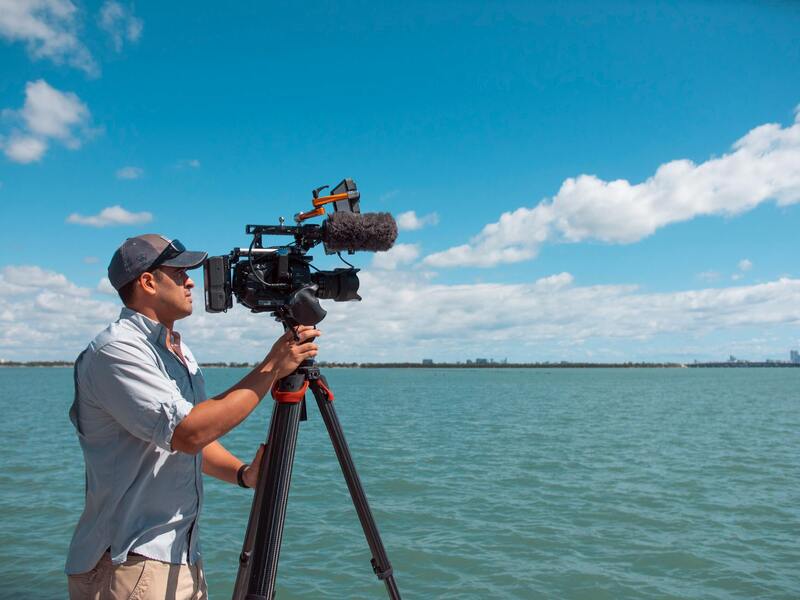

Advanced Techniques for Broadcast Streaming Production
Mastering broadcast streaming production involves utilizing cutting-edge methodologies that elevate the quality and reliability of live content delivery. Advanced techniques include multi-camera synchronization, which ensures seamless transitions and consistency across various angles. Using synchronized timecode systems and robust video networking protocols, production teams can align multiple cameras to produce a cohesive and professional visual experience. This synchronization minimizes latency and ensures that switching between sources appears fluid and natural, crucial for high-stakes live sports, corporate events, and entertainment broadcasts.
Implementing real-time graphics and overlays is another sophisticated layer of production. Live graphics, such as lower thirds, scoreboards, and branding elements, are integrated seamlessly during broadcasts. This requires sophisticated graphic engines capable of quick rendering and API integrations that allow for dynamic updates based on live data feeds. Proper overlay management not only enhances viewer engagement but also maintains clarity and branding consistency throughout the stream.
The application of remote production workflows is increasingly common, allowing producers and directors to control multi-camera environments from centralized or even off-site locations. This setup involves reliable IP-based transmission systems, often leveraging low-latency protocols like SRT or RIST, to transmit high-quality video feeds over public internet connections. Remote production reduces logistical costs and expands creative possibilities, enabling deliverance of complex live productions from virtually any location with proper infrastructure.

Monitoring and quality assurance are vital during broadcast streaming. Professionals employ automated quality control tools that analyze parameters such as signal integrity, audio levels, and encoding efficiency in real time. These systems identify and flag issues promptly, facilitating immediate intervention to prevent audience disturbances. Additionally, implementing adaptive bitrate streaming ensures that viewers experience continuous, optimal quality regardless of fluctuating internet conditions, by adjusting resolution dynamically during playback.
Security is a fundamental concern in broadcast streaming production, especially when sensitive or proprietary content is involved. Encryption protocols such as AES and secure media delivery networks safeguard content against unauthorized access during transmission. Digital rights management (DRM) systems further protect intellectual property rights, ensuring that content is consumed within authorized contexts. Employing these measures guarantees the integrity and confidentiality of streamed material, fostering trust with clients and audiences alike.
Investing in training and certification for production personnel guarantees adherence to best practices across all stages of broadcast streaming. Skilled operators are adept at managing complex hardware, troubleshooting issues swiftly, and adapting to evolving technological standards. Continuous education ensures that teams remain current with industry innovations, contributing to seamless production workflows and high-quality content delivery.

Quality Control and Troubleshooting
Maintaining high standards in broadcast streaming production involves rigorous quality control measures and swift troubleshooting to address unforeseen issues. Ensuring optimal video and audio quality requires continuous monitoring throughout the live broadcast. Real-time analytics provide insight into stream performance, allowing operators to detect and rectify anomalies promptly.
Common technical problems encountered during live streaming include latency, buffering, and signal dropouts. To mitigate these, broadcasters utilize adaptive streaming technologies that dynamically adjust quality based on viewers’ internet speed, minimizing disruptions. Additionally, redundant encoding systems and backup servers are essential to safeguard against hardware failures. These redundancies allow the stream to continue seamlessly even if an initial system encounters a fault.
Bandwidth management is a critical aspect of troubleshooting. An overloaded network can cause significant degradation in stream quality. Network monitoring tools help identify bottlenecks and optimize data flow, ensuring that sufficient bandwidth is allocated for high-quality streaming. During broadcasts, constant communication among production teams facilitates rapid identification and resolution of issues. Regular pre-broadcast testing is also vital; it helps identify potential points of failure and enables technical staff to implement necessary adjustments beforehand.

In the event of persistent problems, troubleshooting protocols include checking connectivity, updating firmware and software, and inspecting hardware components for damage or misconfiguration. Employing diagnostic tools such as network analyzers and hardware testers expedites problem resolution, reducing downtime and ensuring an uninterrupted viewing experience.
Training for technical personnel is critical for effective troubleshooting. Skilled operators are equipped to handle complex hardware setups, diagnose issues swiftly, and implement corrective measures with minimal disruption. Additionally, establishing detailed incident logs supports ongoing improvement by analyzing past issues and refining processes to prevent recurrence.
Advanced Techniques for Optimizing Broadcast Streaming Quality
Infrastructure Enhancements and Network Optimization
Achieving high-quality broadcast streams demands robust infrastructure tailored to handle intensive data transmission. Utilizing dedicated fiber optic connections significantly reduces latency and packet loss, ensuring a stable, high-bandwidth pathway for live content delivery. Deploying load balancing solutions across multiple servers prevents bottlenecks, especially during high viewer engagement periods. Implementing Content Delivery Networks (CDNs) strategically positioned worldwide mitigates regional bandwidth constraints, enabling seamless streaming experiences regardless of geographic location.
Employing hardware acceleration technologies like GPUs for encoding processes enhances processing speeds while maintaining visual fidelity. Additionally, adopting adaptive bitrate streaming dynamically adjusts video quality based on each viewer's network condition, reducing buffering and ensuring continuous playback. This method involves multiple encoded versions of the stream, which are selected in real-time, providing a tailored experience that maximizes viewer satisfaction.

Content Management and Workflow Automation
Effective content management systems streamline the production process, from asset ingestion to live broadcasting. Automating the scheduling, transcoding, and transmission tasks minimizes human error and accelerates the overall workflow. Integration of metadata and digital rights management (DRM) protocols ensures compliance with licensing agreements and protects intellectual property. Robust digital asset management (DAM) systems facilitate quick retrieval and organization of media assets, which is crucial during live productions requiring swift access to critical content.
Workflow automation tools also enable remote control and monitoring of production elements, reducing the need for extensive on-site presence. This is particularly beneficial in hybrid or fully remote broadcast setups, where centralized control can oversee multiple feeds from different locations. Automated alerts and real-time analytics provide immediate feedback on stream health, viewer engagement, and technical performance, allowing proactive adjustments.
Implementing Redundancy and Backup Systems
To guarantee uninterrupted streams, establishing redundant pathways and backup equipment is essential. Redundant hardware, such as additional encoders, servers, and switchers, can be seamlessly activated if primary components fail. Dual network connections—such as primary Ethernet and secondary wireless links—provide alternate routes for data transmission, minimizing risk during outages. Backup power solutions, including uninterruptible power supplies (UPS) and generators, ensure that critical systems remain operational during power disruptions.

Data Security and Privacy in Broadcast Streaming
Ensuring data security is vital in protecting proprietary content and viewer information. Employing end-to-end encryption during signal transmission prevents unauthorized interception. Secure credential management and access controls restrict system interaction to authorized personnel only. Regular security audits and software updates close vulnerabilities, reducing exposure to cyber threats.
Moreover, compliance with data privacy standards—such as encryption protocols for viewer data and secure storage practices—mitigates risks associated with information leaks. Incorporating multi-factor authentication for content management systems adds an extra layer of protection, especially when remote access is involved in the production workflow.
Monitoring Performance and Continuous Improvement
Consistent monitoring of streaming performance involves real-time analysis of metrics such as bitrate stability, latency, and viewer engagement. Utilizing sophisticated analytics dashboards enables production teams to identify patterns and diagnose potential issues proactively. Adjustments to encoding settings, network parameters, or server configurations can be implemented swiftly based on these insights.
Post-broadcast analysis provides valuable feedback for refining future productions. Reviewing incident logs and performance reports helps identify recurring challenges and develop targeted solutions. This cycle of continuous improvement ensures that broadcast streaming quality aligns with evolving industry standards and viewer expectations.
Final Tips for Successful Broadcast Streaming Production in Miami
Mastering broadcast streaming production requires a meticulous approach to technical execution, platform selection, and ongoing quality management. Miami's vibrant media landscape offers numerous opportunities for broadcasters to leverage advanced techniques and stay ahead in a competitive environment. Here are essential strategies to ensure your live streams are professional, seamless, and impactful.
Optimizing Encoder Settings and Network Infrastructure
At the core of a high-quality broadcast stream lies the encoder configuration. Selecting the right encoder settings—including resolution, bitrate, and frame rate—is vital for balancing visual clarity with smooth playback. Typically, for live HD streaming, a bitrate between 4,000 and 8,000 kbps delivers optimal quality without causing excessive buffering. For 4K content, higher bitrates are necessary, often exceeding 20,000 kbps.
Equally important is the robustness of the network infrastructure. Utilizing dedicated transmission lines or high-speed fiber optic connections minimizes latency and packet loss. Implementing redundant internet connections through multi-homing or load balancing ensures continuous streaming even if one link encounters issues. QoS (Quality of Service) configurations prioritize streaming data to prevent network congestion from affecting broadcast quality.
Effective Deployment of CDN and Edge Servers
Content Delivery Networks (CDNs) are critical for distributing streams efficiently across diverse geographic locations. Strategically positioning edge servers in Miami and neighboring regions reduces latency and enhances viewer experience. CDN providers offer scalable solutions that automatically adapt to fluctuating viewer demand, providing consistent quality during peak traffic.
Utilizing adaptive bitrate streaming allows viewers to receive the best possible quality based on their device capabilities and internet speed. This ensures that even viewers with slower connections can access the content without interruption, maintaining audience engagement and satisfaction.
Implementing Robust Monitoring and Analytics Systems
Continuous monitoring during broadcasts provides real-time insights into stream health and viewer interactions. Employing sophisticated analytics tools enables producers to track metrics such as bit rate fluctuations, viewer dropout rates, and latency issues. These insights facilitate immediate corrective actions, such as adjusting encoder settings or reallocating server resources.
Post-broadcast data analysis supports strategic planning by highlighting areas for improvement. Regular performance reviews help refine production processes, update equipment, and tailor content delivery methods that align with evolving viewer preferences.
Ensuring High-Quality Audio and Video Synchronization
Synchronization between audio and video streams is essential for professional broadcasts. Using high-quality microphones, proper audio mixing, and synchronized video feeds ensures a seamless viewer experience. Employing genlock systems and timestamping technologies can prevent lip-sync issues, which are particularly noticeable in live content.
Managing Viewer Engagement and Feedback
Engaging audiences during live streams enhances overall effectiveness and brand loyalty. Incorporate interactive elements such as live chat, polls, and social media integration to foster viewer participation. Monitoring viewer feedback in real-time allows production teams to respond swiftly to questions or technical issues, creating a more personalized experience.

Investing in high-quality production equipment combined with strategic planning, technical expertise, and vigilant quality control is essential for elevating broadcast streaming projects. Miami’s dynamic media environment offers diverse opportunities to showcase innovative content through reliable and immersive live streaming experiences, providing a compelling advantage for local broadcasters and content creators alike.