Overview of Live Streaming Production Studios
Live streaming production studios are sophisticated facilities designed to facilitate high-quality, real-time broadcasting of events, presentations, or entertainment content. These studios serve as the backbone for delivering engaging, seamless live content to audiences across digital platforms. Their primary function is to integrate various multimedia elements—video feeds, audio, graphics, and on-screen interactions—into a cohesive broadcast experience. This integration requires not only technical expertise but also a meticulous approach to studio setup and workflow management.
In an era where digital connectivity is paramount, live streaming production studios play a crucial role in marketing, education, corporate communication, and entertainment. They provide a controlled environment where content producers can execute complex productions with precision, ensuring that the audience receives a professional and engaging experience regardless of geographic boundaries.
The importance of such studios extends beyond simple broadcast capabilities. They enable real-time interaction between hosts and viewers, facilitate multi-angle video switching, and incorporate on-screen graphics and multimedia content dynamically. This level of production quality helps brands and content creators maintain credibility, attract larger audiences, and enhance viewer engagement.
In essence, a live streaming production studio acts as a professional broadcast hub, combining technical sophistication with creative vision to produce content that resonates, informs, and entertains. Whether used for corporate webinars, product launches, or live concerts, the significance of these studios in the modern digital landscape is undeniable.
Studio Design and Layout Optimization
Effective design and strategic layout of a live streaming production studio are crucial for operational efficiency and optimal content quality. A well-planned studio layout not only enhances the technical workflow but also supports a seamless creative process. Key aspects to consider include spatial arrangement, acoustic treatment, lighting, and equipment placement.
Spatial arrangement should allow easy access to all necessary equipment, including cameras, switchers, and audio interfaces, while providing enough room for movement and flexibility. Implementing dedicated zones for control, talent, and technical staff helps streamline operations and reduce the risk of disruptions during live broadcasts.
Acoustic treatment plays an important role in ensuring sound clarity, minimizing echo and background noise, which is critical for high-quality audio transmission. Soundproofing materials, strategic placement of microphones, and sound absorption panels contribute to a professional audio environment.
Lighting design should facilitate proper illumination of talent and set, avoiding harsh shadows or uneven lighting that can detract from video quality. LED lighting fixtures with adjustable color temperatures are commonly used to maintain consistent, flattering lighting conditions throughout the broadcast.
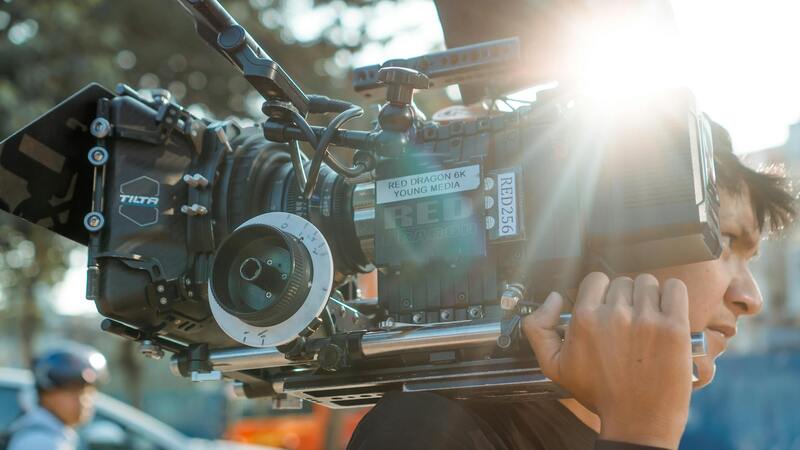
The positioning of cameras should allow for dynamic shots, multi-angle coverage, and easy switching between views. This often involves installing camera mounts, remote-controlled pan-and-tilt systems, and ensuring sufficient power and data routing. Additionally, a central control room equipped with monitors and interface controls is essential for real-time monitoring and management of the production elements.
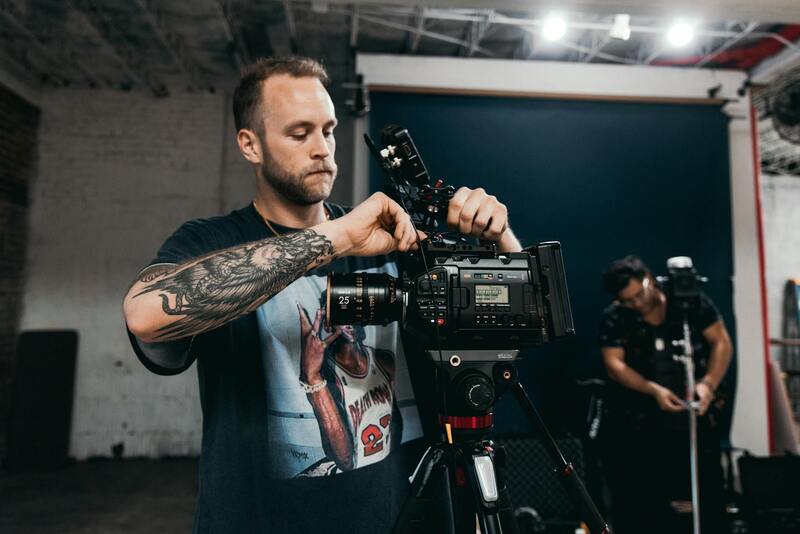
Achieving an optimal studio layout involves collaboration between technical specialists and creative teams, ensuring the environment supports both the technical demands of live streaming and the artistic vision. Incorporating modular furniture, adjustable rigging, and flexible set pieces can further enhance the adaptability of the studio to different production scenarios.
In sum, designing a live streaming studio with careful attention to space utilization, acoustics, lighting, and camera positioning lays the foundation for professional and high-quality broadcast content. This meticulous planning is vital in meeting the expectations of clients and viewers alike, especially when working from a vibrant hub like Miami, known for its creative industry and technological innovation.
Studio Design and Layout Optimization
Creating an efficient layout for a live streaming production studio involves strategic planning of space to support seamless workflows and high-quality output. The design process starts with analyzing the type of content being produced and the number of personnel involved, allowing for zoning of different functional areas such as control rooms, talent zones, equipment storage, and technical support stations.
One of the core principles in studio design is flexibility. Modular furniture, movable set pieces, and adaptable rigging systems enable quick reconfiguration to accommodate various production formats. This flexibility allows studios to handle multiple project types—from interviews and panel discussions to product launches and live events—without extensive downtime or reorganization.
Acoustic treatment remains a priority. Installing sound-absorbing panels and diffusers minimizes echo and external noise, resulting in clearer audio capture. Proper placement of microphones relative to talent, along with dedicated sound booths or isolation rooms, ensures pristine sound quality that complements high-definition visuals.
Lighting layout plays a crucial role in achieving professional visuals. Adjustable LED lights, strategically positioned to eliminate shadows and highlight talents, contribute to a consistent aesthetic. The integration of controllable lighting systems allows operators to change ambiance and focus quickly, enhancing the visual storytelling aspect of live broadcasts.
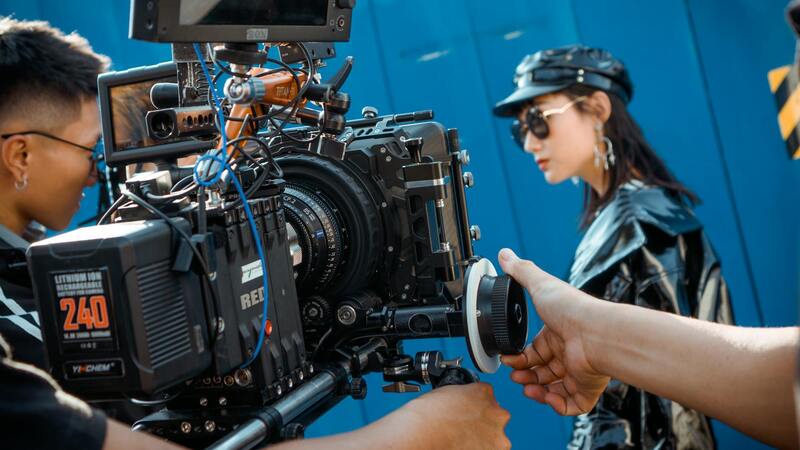
Camera placement is another vital element. Using a combination of static and remote-controlled cameras provides versatile angles that keep viewers engaged. Tiered camera mounts, on-trend pan-and-tilt systems, and easy power/data access points support fluid camera switching and movement, vital for maintaining dynamic coverage during fast-paced live streaming.
Implementing an organized cabling infrastructure, with concealed routing and labeled connections, reduces clutter and simplifies troubleshooting. Adequate power outlets, backup generators, and surge protection safeguard equipment and ensure uninterrupted production even during electrical fluctuations.
Incorporating a central control room with multiple monitors and intuitive interface systems allows real-time monitoring of all production aspects. This space functions as the command hub where technicians can oversee video feeds, audio levels, lighting controls, and streaming quality metrics, enabling prompt adjustments and immediate response to any issues that arise during live broadcasts.
When designing a Miami-based studio, local factors such as available space, climate considerations, and integration with surrounding creative industries influence the final layout. Collaborating with experienced designers and technical specialists ensures the studio’s architecture supports both current technological standards and future expansion plans, making it a resilient hub for live streaming innovation.
Integration of Video and Audio Technologies
Achieving high-quality live streaming requires seamless integration of advanced video and audio technologies to deliver a professional viewer experience. This integration is not merely about combining technical components but ensuring they work in harmony, producing clear visuals and crisp sound that engage audiences effectively.
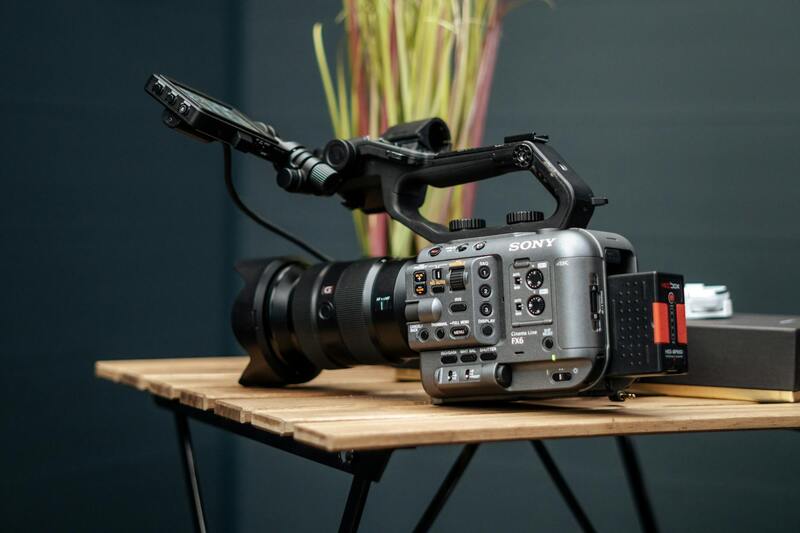
Video technology in a live streaming studio often involves multiple high-definition cameras, video switchers, and real-time encoding hardware. Modern switchers allow operators to select different camera feeds instantly, add graphic overlays, and apply transitions smoothly, ensuring dynamic and engaging broadcasts. Incorporating IP-based video routing systems provides flexible and scalable infrastructure, simplifying the management of multiple video sources while reducing cable clutter.
Audio integration is equally critical for achieving broadcast excellence. Professional-grade microphones, audio mixers, and digital processing units deliver clean, balanced sound. It's vital to employ a variety of microphones suited for different scenarios—lapel mics for presenters, shotgun mics for directional audio, and ambient mics to capture environment sounds. Digital audio consoles enable precise control and mixing, ensuring that audio levels remain consistent and clear regardless of the complexity of the broadcast content.
Synchronization between video and audio feeds is managed through sophisticated timecode and signal management systems. These ensure lip-sync accuracy and prevent delays that could disrupt viewer experience. Implementing redundancy in key elements such as audio signal paths and encoding hardware minimizes disruptions caused by equipment failure, maintaining a stable broadcast simultaneously across multiple platforms.
To foster seamless integration, many studios utilize control interfaces that centralize management of all technical inputs and outputs. Touchscreen panels or software dashboards allow operators to monitor real-time performance, adjust parameters on the fly, and troubleshoot issues promptly. Coupled with high-bandwidth internet connections and reliable streaming servers, this setup ensures that the live feed remains smooth, with minimal latency and data loss.
Implementing Effective Workflow and Production Protocols
Efficient workflow protocols streamline live production, minimize errors, and enhance overall broadcast quality. This begins with comprehensive pre-production planning, including run sheets, cue sheets, and contingency plans. During the event, constant communication between directors, technical operators, and talent maintains coherence and timing. Utilizing integrated hardware and software tools for script management, cue control, and live chat facilitates quick decision-making and rapid response to unforeseen issues.
Furthermore, training staff regularly on equipment use and best practices ensures preparedness. Conducting rehearsal sessions before the actual live stream helps identify potential problems and optimize timing, camera angles, and audio levels. Post-production review of the broadcast using detailed analytics and feedback supports continuous improvement, confirms technical reliability, and refines future workflows.
Integration of Video and Audio Technologies
Unifying video and audio systems within a live streaming production studio is fundamental to delivering a polished, professional broadcast. High-quality visuals and crystal-clear sound capture the audience's attention and ensure an engaging viewer experience. Achieving seamless integration involves selecting compatible equipment and establishing optimized workflows that facilitate smooth transitions during live events.
At the core, professional-grade cameras should be paired with reliable video switchers or routers that allow switching between multiple sources effortlessly. Encoding hardware or software solutions work alongside these systems to compress and transmit the video feed efficiently, reducing latency and buffering issues. Employing redundant encoders and backup systems guarantees continuous broadcast even if primary equipment encounters issues.
Audio integration demands robust microphones suited to the environment, combined with a sophisticated mixing console that provides precise control over levels, EQ, and effects. Digital audio interfaces can connect these consoles to the streaming infrastructure, enabling real-time processing and synchronization. Acoustic treatment within the studio space minimizes background noise and echoes, further enhancing audio clarity.
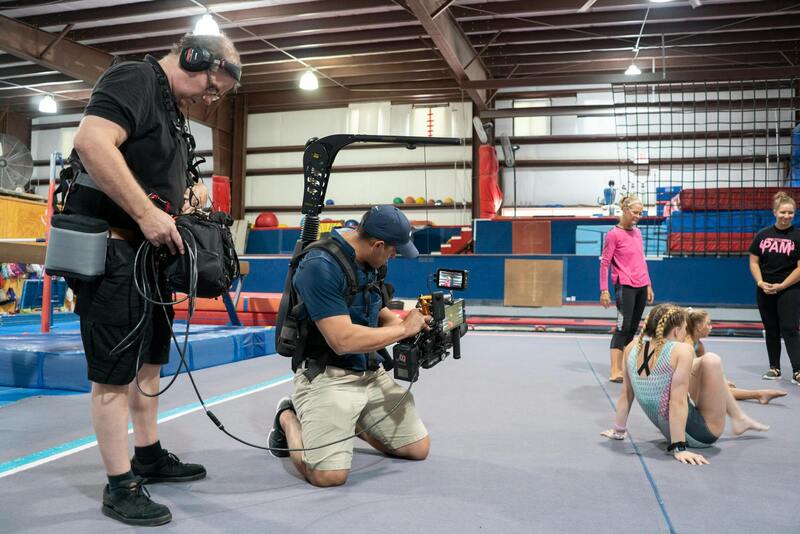
Synchronizing video and audio feeds requires meticulous attention to timing, achieved through timecode systems or automated synchronization tools. These ensure that visuals and sound remain in sync during fast-paced transitions or complex live productions. Regular calibration and testing of all equipment are essential to maintain optimal performance across all elements.
Choosing the Right Hardware and Software Solutions
- Opt for professional-grade cameras with high resolution and low light performance.
- Utilize hardware switchers capable of multi-source input management and real-time effects.
- Implement advanced encoding software or hardware to streamline live data compression.
- Deploy digital audio workstations or mixers for fine-tuned sound management.
- Leverage integrated control systems for unified operation of video, audio, and streaming outputs.
In addition to equipment, selecting intuitive software platforms that facilitate effortless control and monitoring is critical. These tools should support multi-camera input, real-time editing, audio mixing, and reliable streaming delivery. Proper integration of these technologies enhances operational efficiency and ensures a seamless viewer experience during live broadcasts.
Integration of Video and Audio Technologies
Achieving a professional-grade live stream demands seamless integration of multiple video feeds, graphics, and audio sources. This process ensures a cohesive broadcast that appears polished and well-coordinated. To accomplish this, broadcasters rely on advanced hardware and software solutions that facilitate efficient merging and switching between sources without latency issues.
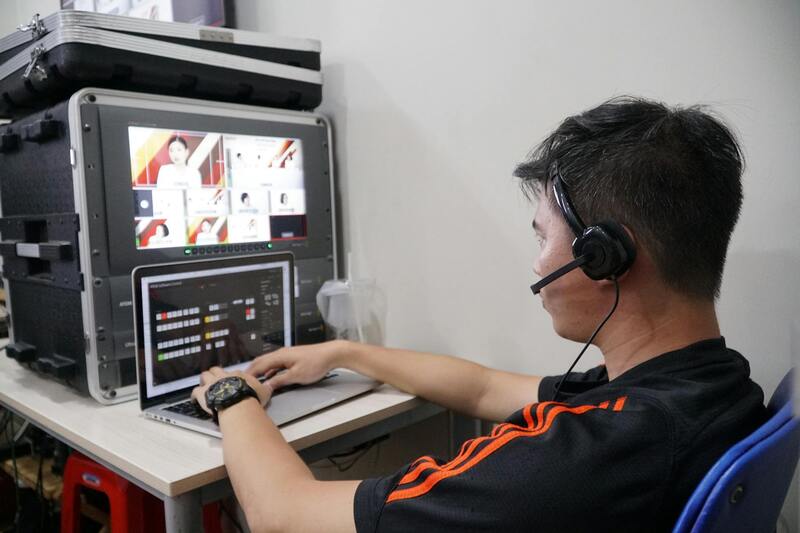
Key to this integration is the use of multi-input video switchers, which allow operators to transition smoothly between different camera angles, static graphics, and animations. These switchers often support real-time effects, picture-in-picture overlays, and transitions that enhance viewer engagement. Coupled with high-performance graphics engines, broadcasters can incorporate branding elements, lower thirds, and live annotations to enrich the visual experience.
Audio integration requires careful management of multiple sound sources such as microphones, music tracks, and embedded system sounds. Digital audio mixers or audio interfaces enable precise control over levels, equalization, and effects, ensuring clarity and consistency throughout the broadcast. Using audio routing software can help manage complex setups, allowing easy adjustments and diagnostics during live streams.
Synchronization between video and audio feeds is crucial to maintain timing accuracy. This is often achieved through the implementation of timecode systems, which synchronize all sources precisely. Automated synchronization tools can further streamline this process, reducing manual intervention and minimizing the risk of desynchronization during dynamic production scenarios.
Ultimately, the success of a live streaming production hinges on the interoperability of these systems. Proper calibration, real-time monitoring, and routine testing ensure that all components work harmoniously, providing a stable and professional broadcast output. This integrated approach not only boosts production values but also allows for flexibility, creativity, and quick adaptation during live events.
Integration of Video and Audio Technologies
Achieving seamless integration between video and audio components is fundamental to delivering a polished live streaming experience. Video sources typically include multiple cameras, screen captures, and pre-recorded media, while audio sources encompass microphones, music, sound effects, and system sounds. Modern live streaming setups utilize sophisticated mixing consoles and digital audio interfaces that enable real-time control over sound levels, tonal quality, and spatial effects. These tools facilitate quick adjustments during broadcasts, ensuring audio remains clear and synchronized with visual content.
Managing complex audio routing is streamlined through specialized software that allows producers to assign audio signals, apply effects, and monitor levels remotely. This flexibility is critical during live events to address issues promptly without interrupting the broadcast. For example, integrating digital audio workstations with video management systems ensures that any audio adjustments are reflected immediately in the live feed, maintaining the integrity of the viewer's experience.
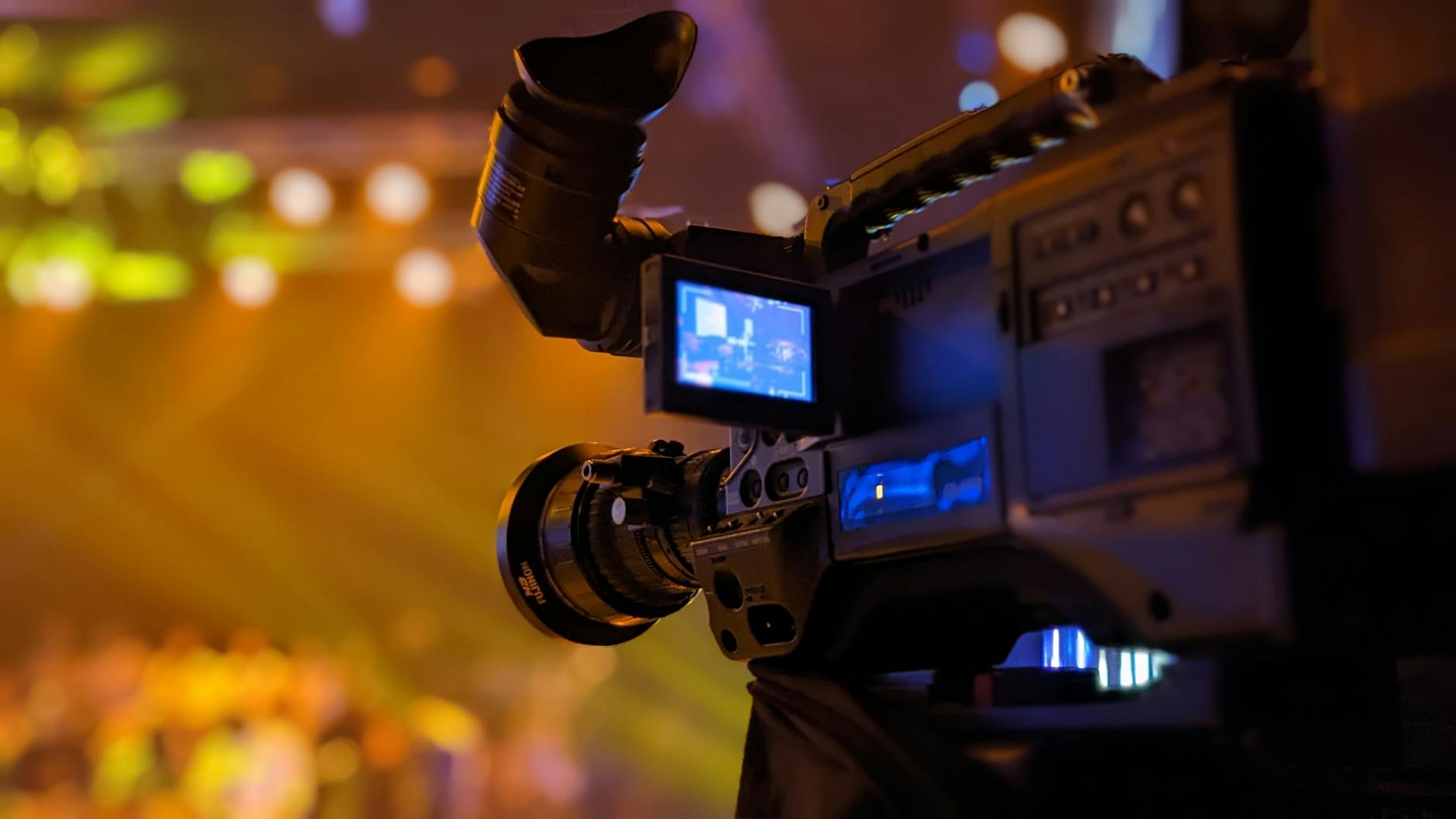
Synchronization is achieved through timecode systems or genlock technology, which ensures that audio and video streams remain perfectly aligned. This synchronization prevents visual and auditory discrepancies that could distract viewers or diminish production quality. Automated synchronization tools further enhance this process by reducing manual intervention, minimizing errors, and allowing producers to focus on content delivery rather than technical adjustments.
Optimization of the integration process directly impacts viewer engagement and overall broadcast professionalism. Consistent calibration of audio and video equipment, routine system testing, and real-time monitoring allow for immediate corrective actions when necessary. Properly synchronized and high-quality audio-visual feeds contribute to a stable, immersive viewing environment that meets the expectations of diverse audiences and enhances the credibility of the content.
Advanced Techniques for Live Streaming Production
For professional live streaming studios, leveraging sophisticated techniques is essential to ensure broadcast quality, reliability, and audience engagement. This includes meticulous planning around multi-camera setups, dynamic switching, and advanced graphics integration. Multi-camera configurations allow producers to smoothly transition between different angles, providing a more immersive experience for viewers. These setups require precise camera placement and consistent calibration to ensure seamless visual continuity. Additionally, real-time switching between camera feeds with sophisticated software enables fluid storytelling, which is particularly vital during live events or performances.
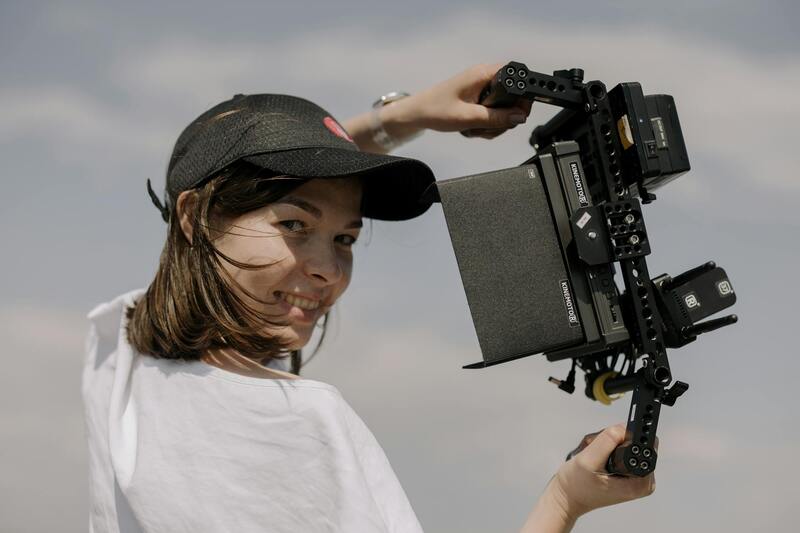
Graphics and overlays play a crucial role in enhancing the aesthetic appeal and informational value of live streams. Integrating animated overlays, lower thirds, and real-time score updates or branding elements helps maintain viewer interest and reinforce brand identity. These visual enhancements should be precisely synchronized with the audio and video streams to avoid disjointed viewing experiences. Employing dedicated graphics servers or software solutions ensures smooth rendering and real-time updates, preventing lag or disruption during live broadcasts.
Another critical aspect involves the deployment of fail-safe systems and redundancy protocols. Backup power supplies, redundant internet connections, and failover streaming servers are necessary components to mitigate risks associated with technical failures. These measures guarantee continuous broadcast even in the face of technical issues, minimizing downtime and maintaining professional standards. Rigorous pre-production testing, along with detailed contingency plans, prepares the team to respond swiftly to unexpected challenges, preserving the quality and integrity of the live stream.
Data Management and Live Analytics
Effective data management and real-time analytics are transforming how producers monitor and optimize live streams. Advanced analytics tools offer insights into viewer engagement, dropout rates, geographic distribution, and device usage. By analyzing this data during the broadcast, producers can make informed decisions such as adjusting streaming quality, switching content segments, or engaging with audiences through live chat. Moreover, integrating audience interaction features like polls or Q&A sessions can significantly boost engagement and viewer retention. Implementing sophisticated data dashboards allows the production team to observe key performance indicators (KPIs) continuously and make adjustments instantaneously, ensuring a seamless viewer experience.
Security and Content Protection Measures
Securing live streams against unauthorized access and content theft is a vital consideration for any professional operation. Encryption protocols like Secure Real-Time Transport Protocol (SRTP) or Transport Layer Security (TLS) safeguard streams during transmission, preventing interception or tampering. Digital Rights Management (DRM) tools and watermarking techniques further protect proprietary content from unauthorized redistribution. Additionally, implementing user authentication, such as access controls and digital certificates, ensures that only authorized viewers can access premium content. Regular system audits and adopting cybersecurity best practices help identify vulnerabilities and reinforce the overall security posture of the live streaming setup.
Post-Broadcast Analysis and Content Archiving
Post-broadcast analysis provides valuable insights into what worked well and where improvements are needed. Collecting data on viewer metrics, stream stability, and technical issues helps refine future productions. Recording the live stream in high quality ensures that content can be repurposed for on-demand viewing, highlights, or promotional materials. Organized archiving systems facilitate easy retrieval of past broadcasts for editing, licensing, or distribution. Additionally, segmenting archived content into manageable clips supports diverse monetization strategies and helps extend the reach of the content beyond the initial broadcast.