Understanding Live Streaming Productions
Live streaming productions have become an integral component of modern communication strategies, especially for businesses, event organizers, and content creators in Miami. These productions involve the real-time broadcasting of live events through digital platforms, enabling audiences to engage from anywhere with internet access. The process encompasses a comprehensive setup that includes planning, technical execution, and audience interaction, all aimed at delivering seamless and high-quality content.
In Miami, a city renowned for its vibrant events, diverse business landscape, and bustling entertainment sector, live streaming is particularly vital. Whether showcasing a corporate seminar, a music festival, a fashion show, or a community gathering, live streaming expands reach beyond physical boundaries and offers dynamic engagement with viewers worldwide.
The relevance of live streaming productions for Miami-based entities extends beyond mere broadcasting. It helps enhance brand visibility, increase event accessibility, and create lasting digital content. This is especially crucial in a competitive environment where capturing audience attention in real time can significantly impact marketing efforts and audience loyalty.
Implementing effective live streaming requires an understanding of both the technical and creative components involved. From selecting the right platform and equipment to ensuring smooth transmission and engaging content delivery, every aspect plays a role in crafting a professional streaming experience.
Moreover, as technology advances, Miami's live streaming professionals leverage innovative solutions like multi-camera setups, high-definition streaming, real-time graphics, and interactive features. These enhancements not only improve video quality but also foster a more interactive and engaging environment for viewers.
The growth of live streaming productions also reflects broader trends in digital media consumption, where audiences increasingly prefer watching content on-demand and in real time. For Miami businesses and event organizers, mastering live streaming can significantly impact audience reach, revenue, and overall event success.
Technical Requirements and Equipment for a Flawless Broadcast
Achieving high-quality live streaming productions necessitates a thorough understanding of the essential technical requirements and equipment. The foundation begins with selecting reliable encoding hardware or software that can handle high-definition video inputs while maintaining stable transmission. This ensures that the video quality remains sharp and clear for viewers, reducing buffering and glitches that can detract from the viewing experience.
Audio quality is equally vital. Using professional microphones, audio mixers, and sound interfaces helps deliver crisp, echo-free sound that complements the visuals. Proper audio calibration and mixing are crucial for maintaining clarity, especially during multi-speaker events or live interviews.

Beyond video and audio apparatus, ancillary tools like lighting setups, teleprompters, and stabilization equipment contribute significantly to broadcast quality. Proper lighting enhances visibility, while stabilization gear such as gimbals, tripods, and steadicams ensures smooth shots, especially in dynamic environments or outdoor settings.
Network infrastructure also plays a critical role. A dedicated high-speed internet connection with sufficient bandwidth mitigates lag and ensures uninterrupted streaming. Redundant internet connections or backup options, such as bonding multiple connections, provide additional security against potential disruptions, safeguarding the integrity of the broadcast.
Leveraging Cutting-Edge Technologies to Enhance Live Streaming
Integration of advanced technologies elevates the professionalism of live streaming productions. Multi-camera setups allow producers to switch dynamically between different angles, creating a more immersive viewing experience. High-definition streaming ensures crisp visuals, making even the smallest details clear across all devices.
Real-time graphics, overlays, and lower thirds present information seamlessly during broadcasts, adding a layer of polish to the production. Interactive features such as live polls, chat integrations, and viewer participation tools foster engagement and make viewers feel more connected to the event.

Implementing streaming platforms that support multi-streaming capabilities, adaptive bitrate streaming, and robust content delivery networks (CDNs) ensures that content reaches audiences reliably, regardless of device or location. These technological advancements are vital for large-scale events or high-profile corporate broadcasts, where quality and stability are non-negotiable.
Furthermore, integrating new broadcasting software tools that enable remote camera control, live editing, and instant replay features streamlines the production workflow and allows for a more dynamic presentation. Combining high-end equipment with innovative technology solutions results in a seamless, professional-grade streaming experience that elevates your brand and captivates your audience.
Essential Equipment and Technology
Achieving a high-quality live streaming production hinges on the integration of dependable hardware and cutting-edge software. Central to any successful broadcast are professional-grade cameras capable of capturing crisp, smooth visuals across various lighting conditions. These cameras often feature high frame rates and adjustable lenses to ensure high-quality images whether filming indoor events or dynamic outdoor scenes.
Encoding devices are crucial in converting raw video signals into digital streams compatible with streaming platforms. Hardware encoders offer stable, consistent output, minimizing latency and buffering issues during live broadcasts. Additionally, software encoders provide flexibility for more complex productions through features such as multiple input sources, graphics overlay, and real-time editing.

Stabilization gear like tripods, gimbals, and steadicams ensure smooth footage, especially in dynamic environments or mobile shoots. Proper lighting equipment enhances image clarity and color accuracy, which are vital for maintaining visual appeal especially when streaming in varied locations or venues. Microphones and audio mixers are equally important, as clear sound quality significantly impacts viewer engagement and overall production professionalism.
Advanced streaming software applications facilitate on-the-fly adjustments, multi-camera switching, and real-time graphics integration. These tools enable producers to manage complex workflows seamlessly, whether handling live interviews, panel discussions, or multi-location events. Coupled with reliable internet connectivity and content delivery networks (CDNs), this technological ecosystem ensures viewers receive consistent, high-definition content without interruptions.
In recent years, remote control systems for cameras and live editing software have gained prominence. These innovations allow directors and producers to operate professional camera setups and manage live edits from a centralized control room or even remotely from different locations. This connectivity simplifies coordination and enhances the flexibility of live production teams.
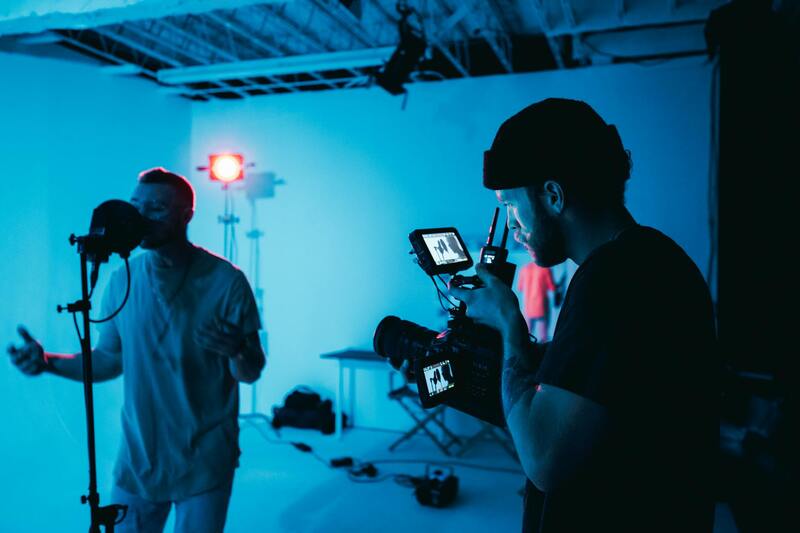
Investing in top-tier hardware and software is fundamental for producing broadcasts that stand out. They not only ensure high standards of video and audio quality but also provide scalable solutions tailored to the specific needs of a live event, whether it's a small seminar or a large-scale corporate conference. Reliable technology diminishes the risk of technical difficulties, enabling a smooth viewing experience from start to finish.
Understanding Live Streaming Productions
Live streaming productions encompass a comprehensive array of processes that transform a pre-planned concept into a real-time broadcast accessible to viewers worldwide. These productions require meticulous coordination of technology, personnel, and content to ensure a seamless experience. Whether broadcasting a corporate event, a concert, or an educational seminar, live streaming demands attention to detail from initial planning through post-event practices.
Central to successful live productions is the integration of multiple technical components, including high-quality cameras, professional audio systems, and robust internet connectivity. The production team must synchronize these elements in real-time to maintain optimal video and audio fidelity. Advanced production trucks or portable setups often serve as the central hub, where all signals are managed before transmission. Additionally, utilizing broadcasting software that supports multi-camera switching, graphics insertion, and live editing enhances the production's professionalism and viewer engagement.
Content management and flow are also critical. Planning the live event timeline, cue points for camera switches, graphics, and speaker transitions ensures a polished output. Engaging hosts or moderators are vital for maintaining viewer interest, guiding the broadcast smoothly through various segments. Overall, understanding the intricacies of live streaming productions enables producers to deliver compelling content that meets audience expectations and capitalizes on digital engagement opportunities.
Planning and Pre-Production for Live Streaming
Effective live streaming starts long before the cameras roll. Pre-production planning involves detailed coordination across various teams to define the purpose, target audience, and content structure of the broadcast. Key considerations include selecting the appropriate streaming platform, developing a content script or outline, and scheduling rehearsals to troubleshoot potential technical issues.
Pre-production also encompasses logistical arrangements such as venue setup, equipment checklists, and the recruitment of on-camera talent and technical crew. A thorough site survey helps identify potential challenges related to lighting, acoustics, and internet connectivity. Creating detailed shot lists and cue sheets ensures every participant understands their role and timing, contributing to a fluid broadcast flow.
Moreover, pre-event testing of equipment, internet speeds, and streaming configurations minimizes the risk of disruptions during the live event. Advanced planning involves aligning backup systems and contingency protocols in case of technical failures, ensuring continuous broadcast continuity. Ultimately, comprehensive pre-production efforts lay the foundation for a professional live streaming experience that resonates with viewers and accomplishes the event’s objectives.
Essential Equipment and Technology
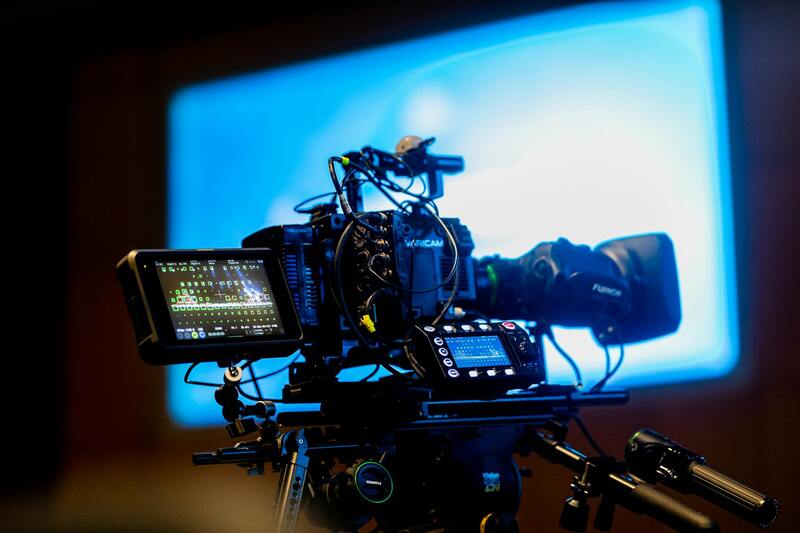
The backbone of successful live streaming involves deploying reliable, high-quality hardware and software solutions tailored to the requirements of each event. Key equipment includes professional-grade cameras capable of capturing crisp visuals in varying lighting conditions. Video switchers allow for seamless transitions between camera angles, while encoders convert raw video signals into digital formats suitable for streaming.
Audio quality plays a vital role; therefore, high-fidelity microphones, mixers, and sound processing tools are essential to produce clear and balanced sound. Complementary to hardware, streaming software applications facilitate real-time editing, multi-camera switching, and the integration of graphics or on-screen annotations. These tools enable producers to manage complex live workflows with precision, enhancing overall broadcast quality.
In addition, a reliable internet connection, often supplemented with backup options, is paramount to prevent interruptions. Content delivery networks (CDNs) distribute the stream efficiently across the globe, maintaining low latency and high availability. Modern remote control systems for cameras and live editing software further streamline operations, allowing directors to oversee production remotely or from a dedicated control room. Investing in top-tier equipment and software solutions ensures a high standard of production that aligns with the professional expectations of parts of the target audience.
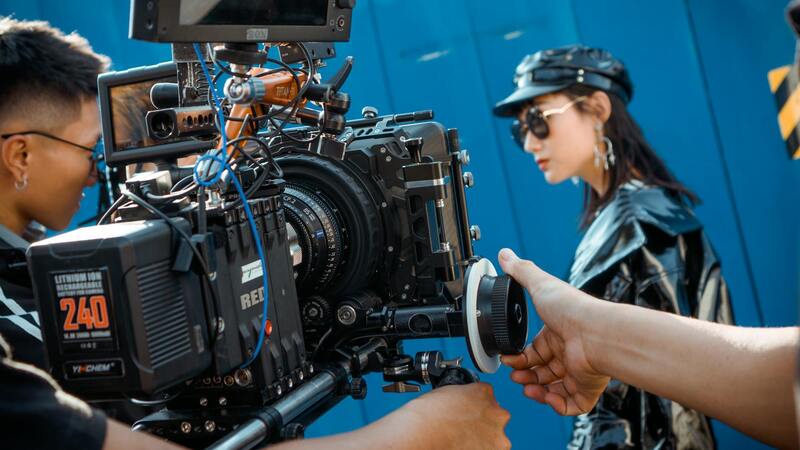
Understanding Live Streaming Productions
Live streaming productions encompass a comprehensive set of processes that transform events into real-time digital broadcasts accessible to audiences worldwide. The core of a successful live stream lies in meticulous planning, advanced technological integration, and expert execution. These productions are not merely about broadcasting; they involve synchronization of multiple components such as camera feeds, audio inputs, graphics, and audience interaction elements. Employing sophisticated production techniques ensures that viewers experience a seamless, high-quality broadcast regardless of the event's complexity or scale.
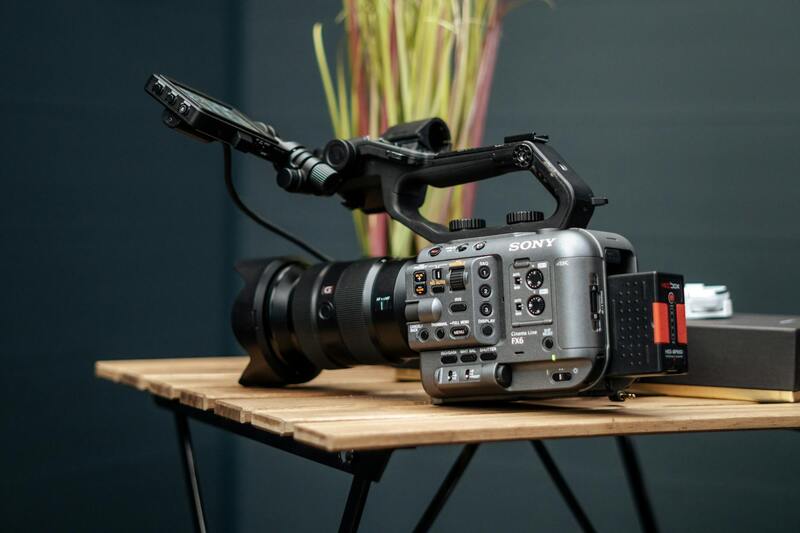
The importance of understanding the intricacies of live streaming productions cannot be overstated. It allows organizers to reach larger audiences, engage viewers more effectively, and deliver content with a professionalism that reflects positively on the brand or event. By leveraging advanced hardware and software solutions, producers can manage multiple video and audio sources, overlay graphics, incorporate live comments, and ensure the stream maintains stability and quality throughout its duration.
Planning and Pre-Production for Live Streaming
Effective live streaming begins well before the event goes live. Planning involves defining the target audience, setting clear objectives, and designing a detailed production blueprint. This includes selecting appropriate locations, coordinating camera angles, designing graphics and overlays, and scheduling the sequence of scenes and transitions. Pre-production also involves testing all equipment and internet connections to identify and address potential technical issues. Content rehearsals are vital, especially for complex productions involving multiple camera operators, presenters, and interactive elements. This phase ensures that everyone involved understands their roles, timing, and technical requirements, reducing the risk of disruptions during the live event.
Essential Equipment and Technology
Achieving a professional standard in live streaming relies on utilizing the right equipment tailored to the specific needs of the event. Key components include high-definition cameras capable of delivering crisp visuals across various lighting environments. Video switchers or mixers allow for seamless transitions and multi-angle views, while encoders convert video signals into formats optimized for streaming platforms. Reliable internet connectivity is vital, often supported by backup solutions such as dedicated fiber lines or cellular data to prevent interruptions. Audio equipment such as high-fidelity microphones, mixers, and monitoring systems ensure crystal-clear sound that complements the visual quality. Complementary software for live production management provides functionalities like multi-camera control, graphics overlay, and live editing, which are essential for producing polished broadcasts.
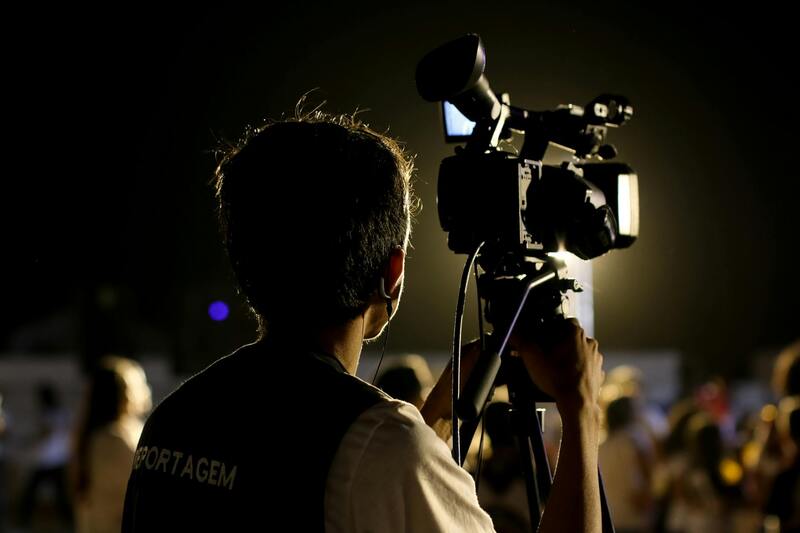
In a typical professional setup, multiple camera units capture different angles and scenes, which are then switched seamlessly by the director or automated systems. Encoders process the signals in real-time, ensuring they are compatible with streaming platforms like Facebook Live, YouTube, or bespoke delivery networks. Advanced audio systems, including wireless microphones and sound mixers, guarantee that live sound remains balanced and intelligible. The integration of these hardware pieces with robust streaming software creates an efficient workflow capable of handling live updates, graphics, and real-time audience engagement features. This combination of equipment and technology forms the backbone of any high-end live streaming production, elevating the quality and professionalism of the broadcast.
Optimizing Your Live Stream for Success
Achieving a seamless live streaming production extends beyond just the technical setup; it necessitates careful planning of content delivery and audience engagement strategies. Content optimization begins with a clear understanding of the target viewers and the platforms used for broadcasting. Tailoring content to meet audience interests increases viewer retention and interaction, fostering a more vibrant online community. Incorporating interactive elements such as live polls, Q&A sessions, and real-time shout-outs enhances viewer participation, making the experience more dynamic and memorable.
Stream sustainability often depends on effective bandwidth management. This involves ensuring high upload speeds, prioritizing network traffic for live streams, and utilizing adaptive streaming technology that adjusts video quality based on viewers’ internet conditions. Employing Content Delivery Networks (CDNs) can also ensure consistent streaming performance by distributing the content across multiple servers geographically closer to viewers, reducing latency and buffering issues.
Pre-event communication is crucial; announcing the streaming schedule, sharing troubleshooting guides, and providing clear instructions for accessing the stream can significantly improve the viewer experience. Incorporating analytics tools allows producers to monitor real-time performance metrics such as viewer counts, engagement levels, and technical issues, enabling quick adjustments during the live broadcast for optimal results.
Additional considerations include backup plans for technical failures. For instance, maintaining alternative internet sources like cellular hotspots or secondary network lines ensures continuity should primary connections falter. Similarly, having pre-recorded segments as contingencies can fill potential gaps, maintaining a smooth flow even if live issues arise.
From a branding perspective, integrating custom graphics, overlays, and consistent branding elements reinforces professional appearance and promotes brand awareness throughout the broadcast. A well-executed post-event report that analyses viewer data and feedback aids in refining future streaming strategies, helping to grow your audience and improve content quality over time.
Ultimately, a holistic approach combining technology, content strategy, audience interaction, and data analysis elevates live streaming productions from simple broadcasts to compelling visual experiences. This integrated effort ensures your live streams remain impactful, professional, and engaging for your audience, establishing a strong reputation within your industry or community.
Optimizing Production Quality with Proper Equipment and Techniques
Achieving high-quality live streaming productions hinges on the use of professional-grade equipment and mastering key technical techniques. To ensure clear visuals, crisp audio, and minimal latency, investing in quality hardware is vital. This includes high-definition cameras capable of delivering sharp images, professional-grade audio mixers and microphones that capture sound accurately, and robust encoders that efficiently compress and transmit live video streams without sacrificing quality.
Lighting setup plays a critical role in enhancing visual clarity and creating a professional appearance. Proper lighting not only improves image quality but also emphasizes subject focus and reduces shadows. This can be achieved through strategic placement of softbox lights or ring lights that diffuse light evenly, avoiding harsh contrasts and ensuring consistent illumination throughout the broadcast.
Among the essential technological components are reliable internet connections and content delivery networks (CDNs). A stable, high-bandwidth connection minimizes buffering and latency issues, delivering a seamless viewer experience. Using wired Ethernet connections over Wi-Fi is recommended for stability, especially in environments with multiple network devices. Additionally, employing CDNs helps distribute your stream efficiently across different geographic locations, reducing regional buffering and lag.
Implementing multisource switchers and professional streaming software provides greater control over content transitions, graphics, and overlays. This equipment allows producers to switch seamlessly between camera angles, incorporate live graphics or lower thirds, and manage multiple media sources effectively, fostering a more engaging and polished broadcast.
Additional tech-focused practices include pre-test runs to identify potential issues, real-time monitoring of stream performance, and prompt troubleshooting. Keeping backup equipment, such as spare cameras, microphones, and power supplies, ensures continuity in case of equipment failure. Leveraging these advanced tools and techniques enables the creation of high-quality live streaming productions that captivate audiences and uphold brand standards.
Advanced Strategies for Live Streaming Productions
Achieving a highly professional live streaming production extends beyond basic setup and equipment. It involves meticulous planning, sophisticated technological integration, and strategic execution to ensure a broadcast that is both visually compelling and technically flawless. One of the key components in elevating your live streams is the integration of advanced remote control systems, enabling production teams to manage multiple aspects of the broadcast with precision from a centralized console, regardless of their physical location. This approach not only streamlines operations but also enhances the flexibility to adapt dynamically to the flow of the event.
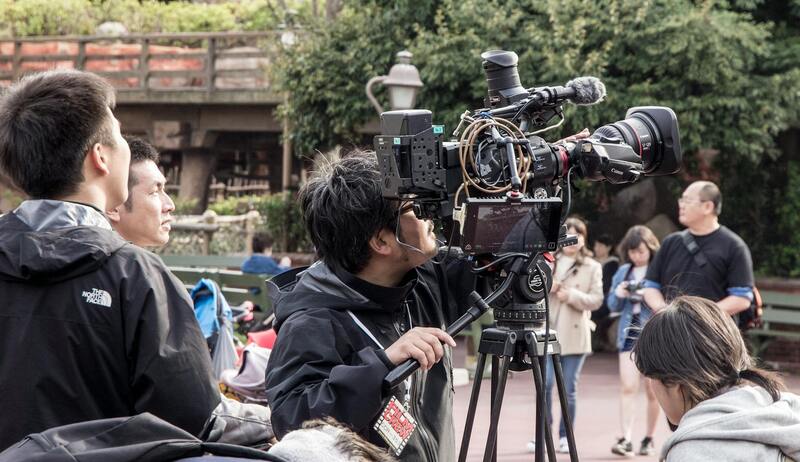
Moreover, employing state-of-the-art multi-camera setups with robotic camera systems can significantly elevate the production value. These robotic cameras allow for smooth, pre-programmed camera movements and quick adjustments during the live event, providing diverse angles and professional transitions without the need for multiple camera operators. Coupling this with professional-grade switchers and overlay systems enables producers to seamlessly incorporate graphics, branding elements, and real-time data feeds into the broadcast, enhancing viewer engagement.
Optimizing Streaming Networks and Delivery
Another critical aspect involves optimizing content delivery through the implementation of advanced Content Delivery Network (CDN) solutions. Modern CDNs are designed to distribute live content efficiently across various geographic regions, minimizing latency and buffering issues. For live events with large audiences, deploying a multi-CDN strategy ensures redundancy and load balancing, thereby preventing stream disruptions and maintaining a consistent viewing experience.
Security features are also essential, including encryption protocols and digital rights management (DRM), to protect your content from unauthorized access and ensure compliance with distribution policies. Integrating anti-piracy measures not only safeguards your intellectual property but also ensures that your streaming platform maintains a reputable and trustworthy image among viewers and partners.
Post-Production and Content Archiving
After the live event concludes, comprehensive review processes come into play. High-quality recordings of the broadcast serve as valuable assets for content repurposing—such as creating highlight reels, promotional clips, or on-demand video archives. Implementing robust post-production workflows allows for the editing, captioning, and branding updates, which can enhance content engagement on various platforms long after the live event has ended.
Furthermore, detailed analytics of the live stream performance—including viewer metrics, engagement rates, and technical data—provide insights that inform future productions. Leveraging this data helps refine staging, content pacing, and technical setups to optimize audience retention and interaction. Ongoing training and skill development for production teams ensure that they stay updated with the latest technological advancements and industry best practices, maintaining high standards of quality and professionalism in every broadcast.