Understanding Live Broadcast Production
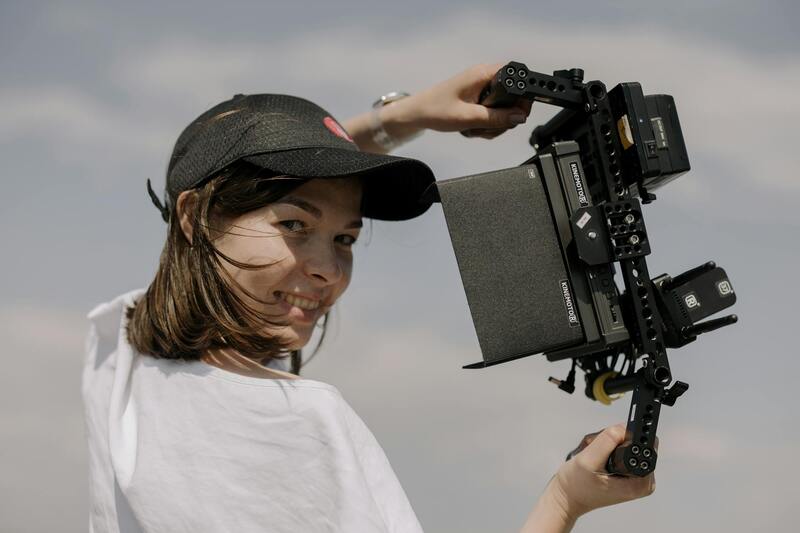
Live broadcast production is a comprehensive process that involves the planning, execution, and management of real-time video and audio content transmission to audiences across various platforms. In Miami, a bustling hub for media and event hosting, live broadcast production plays a critical role in ensuring the seamless delivery of events ranging from corporate conferences, sports events, concerts, to major cultural festivals. This process encompasses multiple phases, each requiring specialized skills, sophisticated technology, and meticulous coordination.
At the core of live broadcast production are several key components: content generation, technical infrastructure, and distribution channels. Content generation involves capturing live footage and audio through cameras, microphones, and other recording devices. The technical infrastructure includes switching equipment, encoders, and servers that process and transmit the content efficiently. Distribution platforms, often streaming services or broadcast networks, connect the live feed with the end viewers, ensuring a broad reach and high-quality viewing experience.
Typical use cases for live broadcast production in Miami demonstrate its versatility and importance. These include live streaming of large-scale concerts at renowned venues, broadcasting international sports tournaments, and delivering corporate event coverage for Miami businesses to enhance their marketing reach. Additionally, live production facilitates real-time interaction with viewers, which is increasingly vital in today's digital landscape. The integration of sophisticated production techniques allows Miami-based broadcasters to deliver professional-grade live content that captivates audiences and maintains engagement.
Key Benefits of Professional Live Broadcast Production
- Enhanced audience engagement through real-time delivery
- Broader reach via multiple streaming platforms
- High-quality audiovisual content aligned with brand standards
- Flexibility in content delivery—live, on-demand, or hybrid models
- Ability to incorporate real-time graphics, multiple camera angles, and interactive elements
Understanding the nuances of live broadcast production is essential for organizations and event organizers aiming to maximize their content's impact. Employing a dedicated production team ensures technical excellence and effective coordination, thereby transforming a live event into a compelling viewing experience for audiences in Miami and beyond. With the continual advancement of media technology, live broadcast production remains a dynamic and vital facet of modern media and event execution.
Technical Setup and Equipment Required
Meticulous technical setup is fundamental to achieving seamless live broadcast production. This involves selecting high-definition cameras capable of delivering crisp visuals across various lighting conditions, ensuring that each shot is clear and professional. Video switchers are essential for managing multiple camera feeds effectively, allowing quick transitions between different angles to enhance viewer engagement. Additionally, broadcast-grade encoders are used to convert raw video signals into streaming formats compatible with various online platforms, which is vital for maintaining stream stability and quality.
A robust network infrastructure is a cornerstone of live production, requiring high-bandwidth, low-latency internet connections to facilitate uninterrupted streaming. Redundant internet links and backup systems are often implemented to mitigate potential connectivity issues. Audio equipment, including wireless microphones, mixing consoles, and audio processors, ensures crystal-clear sound delivery, which is just as critical as video quality. Proper lighting setups are also necessary to illuminate subjects evenly and eliminate shadows, contributing to a professional visual presentation.
Other vital components include monitoring devices for real-time quality checks, intercom systems for on-site communication among crew members, and power supplies with backup generators to sustain equipment during power fluctuations. All these elements work cohesively to create a stable environment where live content can be produced without technical disruptions.
Investing in top-tier equipment and establishing a detailed technical setup are prerequisites for delivering a polished live broadcast. Professional production teams meticulously calibrate each piece of gear to ensure optimal performance throughout the event, enabling real-time adjustments and troubleshooting as needed. This comprehensive setup guarantees that content remains visually appealing and acoustically clear, meeting the standards expected of professional broadcasts.
Content Creation and Live Switching
Content creation for live broadcasts involves orchestrating a coherent narrative or event flow that captivates viewers from start to finish. This includes planning camera angles, storyboard layouts for graphics, and scripted segments, all coordinated in advance. During filming, live switching acts as the backbone of content presentation, enabling the production team to toggle between multiple camera feeds and overlay graphics or videos dynamically.
Using sophisticated live switching software, operators can seamlessly transition between different video sources, incorporate effects, and add overlays such as lower thirds or branding visuals. This ensures that the broadcast remains engaging and informative, with a professional appearance. The live switching process also allows for real-time adjustments depending on audience reactions or unexpected event developments, thereby maintaining the broadcast’s flow and engagement.
Effective content creation and switching strategies are vital for producing engaging live broadcasts that resonate with audiences. A well-coordinated team, equipped with advanced tools and a clear plan, ensures that the broadcast runs smoothly, maintains viewer interest, and delivers a compelling visual experience.
Technical Setup and Equipment Required for Live Broadcast Production
Executing a seamless live broadcast hinges on meticulous technical setup and the right assortment of equipment. High-quality cameras, capable of capturing crisp, clear images in various lighting conditions, are fundamental. These are typically supplemented by professional-grade audio systems, which ensure that sound is captured and transmitted with precision, reducing ambient noise and maintaining clarity for remote viewers.
The core of the technical setup also includes live switching consoles, which allow producers to dynamically control which camera feed or graphic overlay is visible at any moment. These consoles should be integrated with software that supports multi-source input, real-time effects, and transitions, creating a polished presentation that engages the audience.
Complementing the core hardware are streaming platforms that facilitate content distribution across various digital channels. These platforms often require robust internet connectivity and specialized encoder hardware or software that compresses and transmits video and audio streams efficiently. Additional peripherals such as teleprompters, lighting rigs, and monitor displays further enhance production quality and coordination.
Integrating these components successfully demands a detailed understanding of each device's capabilities and optimal configuration. The choice of equipment should prioritize reliability, compatibility, and ease of use, as technical issues during a live event can disrupt viewer experience profoundly.
Additional Essential Equipment for Live Broadcasts
- Video switchers capable of handling multiple input sources simultaneously
- High-definition broadcast cameras with remote control capabilities
- Professional-grade microphones and audio mixers for high fidelity sound
- Lighting kits that provide consistent illumination and enhance image quality
- Reliable internet connections with backup options to prevent stream interruptions
- Monitoring screens for real-time preview and shot adjustments
- Wireless communication devices for on-the-fly coordination among crew members
Optimizing this technical infrastructure forms the backbone of a successful live broadcast, ensuring a smooth, professional presentation that meets audience expectations and industry standards.
Image Placeholder 1
Beyond selecting the appropriate hardware, thorough testing prior to the event helps identify potential issues, allowing for timely adjustments. Proper training for technical personnel guarantees that everyone is familiar with the equipment and protocols, facilitating quick resolution of any unforeseen challenges during the broadcast.
Technical Setup and Equipment Required (Continued)
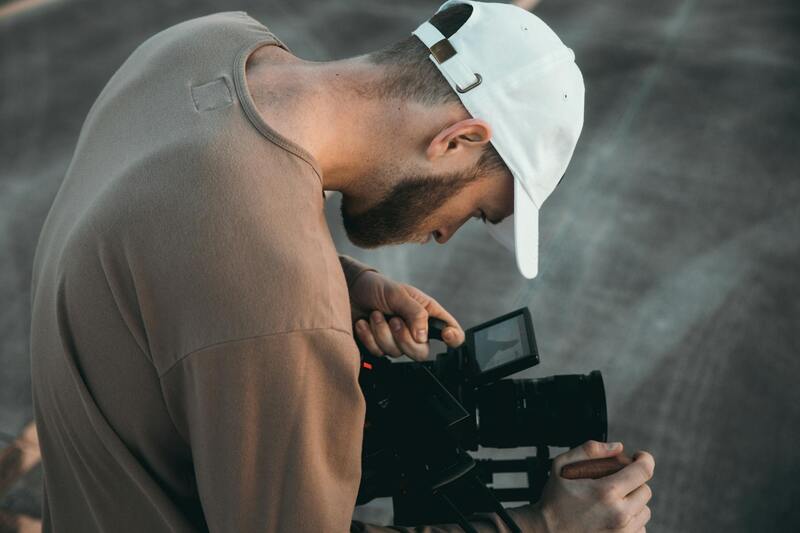
Implementing a robust technical infrastructure is crucial for maintaining a seamless live broadcast. This begins with selecting high-performance equipment capable of handling the demands of live production. Professional-grade video cameras should offer high-definition resolution along with remote control features, allowing operators to adjust angles and focus remotely, which is essential for dynamic content capture. Video switchers serve as the core of the production setup, enabling seamless switching between multiple camera feeds, integrating graphics, effects, and overlays in real-time.
Audio quality greatly influences viewer engagement, making professional microphones and audio mixers indispensable. Clear, high-fidelity sound ensures messages are conveyed effectively and enhances the overall production quality. Lighting setups should be consistent and adaptable, emphasizing subjects and creating a visually appealing environment.
Reliable internet connectivity forms the backbone of any successful live stream, with dedicated bandwidth and redundancy options available to mitigate potential interruptions. Monitoring setups with multiple screens allow producers to keep a close eye on different feeds, ensuring quality control throughout the broadcast. Wireless communication devices support coordination among various crew members, enabling swift responses to any on-the-fly adjustments required during the event.
Pre-broadcast testing is a critical step, meticulously verifying each piece of equipment’s functionality to prevent technical issues during the live event. Technical personnel must be well-trained, familiar with the equipment and protocols to troubleshoot effectively when necessary. Having backup equipment, such as spare cameras, microphones, and power supplies, further safeguards the production against unforeseen failures.
Effective technical setup not only ensures a high-quality broadcast but also reduces the risk of disruptions, keeping the content flowing smoothly and maintaining the professionalism expected in live production settings.
Technical Setup and Equipment Required
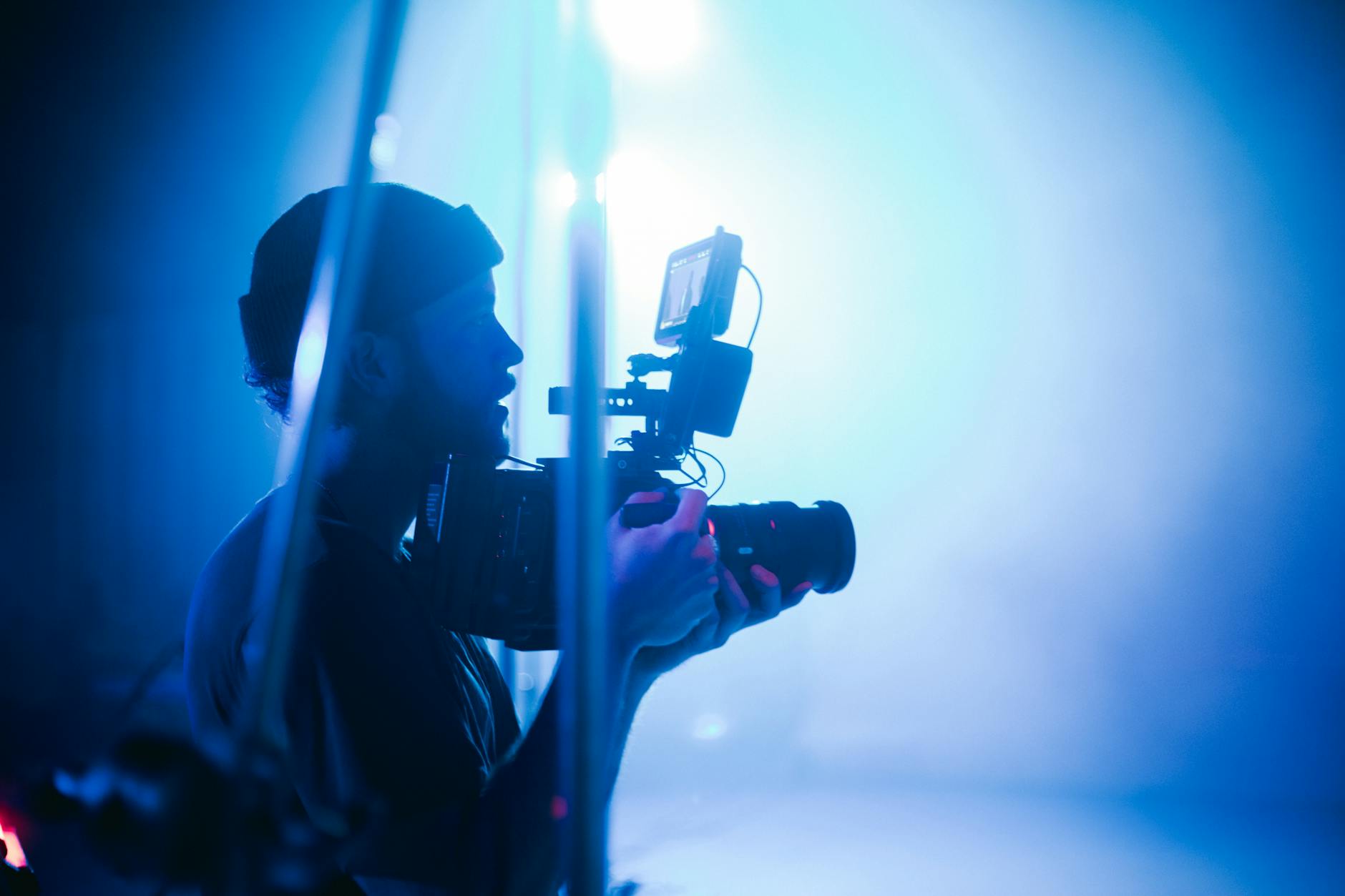
Successful live broadcast production depends heavily on meticulous technical setup and the right equipment. High-quality cameras are essential; professional-grade video cameras with adjustable lenses and high-resolution capabilities provide clarity and a professional appearance. Multiple camera angles create a dynamic viewing experience and allow for seamless switching during live production.
Audio equipment is equally crucial, including professional microphones (such as lavalier, shotgun, or handheld models) that capture clear sound. Audio mixers help balance levels, reduce background noise, and ensure consistent sound quality. Additionally, high-definition switchers enable real-time transitions between video feeds, enhancing broadcast fluidity.
Reliable connectivity is foundational. A dedicated internet line with sufficient bandwidth reduces latency and buffering issues. Redundancy options, such as backup internet connections or mobile hotspots, are vital to maintain an uninterrupted stream if primary connections fail. Network switches, routers, and signal amplifiers should be configured to optimize data flow and prevent bottlenecks.
Monitoring systems with multiple screens and control panels allow the production team to observe all video feeds, audio levels, and streaming status simultaneously. This constant oversight helps identify issues proactively and ensures seamless operation. Additionally, wireless intercoms facilitate effective communication among crew members, enabling quick responses and on-the-fly adjustments during the event.
Preparation involves pre-broadcast testing, during which each piece of equipment is verified for functionality. Technical personnel should be well-trained to troubleshoot potential issues swiftly, minimizing the risk of disruptions. Having backup devices such as spare cameras, microphones, and power supplies helps maintain production continuity in case of equipment failure.
Effective technical setup not only elevates the production quality but also significantly reduces the likelihood of technical failures that could compromise the broadcast. Attention to detail in the setup phase ensures that complex elements such as transitions, audio levels, and streaming parameters are optimized before the event begins, allowing for a polished and professional live experience.
Understanding Live Broadcast Production
Live broadcast production involves coordinating a multitude of technical elements and creative components to deliver an engaging, high-quality viewing experience. It is essential to develop a comprehensive plan that encompasses every stage of the broadcast, from initial setup to final transmission. This process demands meticulous attention to detail, experienced personnel, and efficient use of technology to ensure a seamless live event. Proper implementation enhances viewer engagement and guarantees that content reaches the audience without interruption or degradation in quality.
Pre-Production Planning and Coordination
Effective live broadcast production begins long before the cameras start rolling. Pre-production planning involves detailed coordination among the production team, content creators, and technical staff. It is crucial to define the broadcast’s objectives, select the appropriate content, and establish clear roles and responsibilities for each team member. This phase includes creating a comprehensive script or storyboard, scheduling rehearsals, and testing all equipment in advance. Additionally, establishing communication protocols ensures that every team member can relay critical information swiftly during the live event.
To facilitate smooth on-site operations, detailed production schedules are developed, outlining timing, camera angles, and cue points. Pre-event runs improve familiarity with the setup, identify potential issues, and allow for troubleshooting. This proactive approach minimizes production delays and ensures all elements align with the broadcast’s creative vision.
Technical Setup and Equipment Required
The backbone of a successful live broadcast lies in the technical setup. This involves deploying high-quality cameras, video switchers, encoders, and audio equipment tailored to the event’s scope. Multiple cameras capturing different angles provide dynamic visuals, while professional-grade switchers facilitate seamless transitioning between feeds. Reliable internet connectivity, including wired connections and backup options, is essential to maintain uninterrupted streaming.
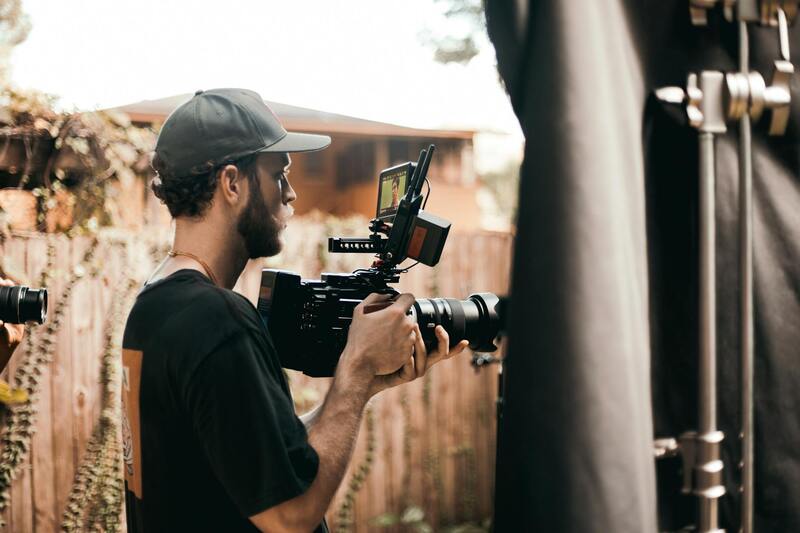
Audio equipment, including microphones, sound mixers, and monitoring systems, is equally critical—clear sound enhances viewer engagement and prevents misunderstandings. Technical infrastructure must include signal routing and distribution systems, such as routers, switches, and signal amplifiers, configured to optimize data flow and prevent bottlenecks.
Redundancy is a key factor for uninterrupted production. Backup devices like spare cameras, microphones, batteries, and other essential components should be readily available. Testing all equipment before the event helps identify potential problems and confirm that everything is functioning correctly. Configuration of streaming parameters, video resolutions, and audio levels should be finalized during this phase, ensuring the live broadcast maintains a professional appearance.
Content Creation and Live Switching
During the actual live broadcast, the production team manages real-time content creation and switching. Content sources include cameras, pre-recorded videos, graphics, and live feeds from remote locations. The director or technical producer oversees the switching process, selecting the best shots and ensuring smooth transitions to keep the audience engaged.
Effective live switching demands a skilled operator who understands the event's flow and vision. Transition effects, graphics overlays, and on-screen text are utilized to enhance storytelling and audience interaction. For multi-camera setups, maintaining synchronization and timing is crucial to avoid visual dissonance and to deliver a polished presentation.
Simultaneously, the team manages multiple video feeds and audio streams, adjusting parameters in real time to counteract any issues that arise. This requires a high level of coordination and communication among crew members, often facilitated by wireless intercom systems that enable quick responses and adjustments while the broadcast is live.
Audio Management and Quality Control
Maintaining high audio quality is vital for delivering a professional live broadcast. This involves meticulous management of microphone levels, audio mixing, and sound distribution. Sound checks are performed during pre-production, with continuous monitoring during the event to detect and rectify audio issues immediately.
Quality control measures include real-time audio level monitoring, feedback suppression, and noise reduction techniques. Integrating audio processors and equalizers ensures clarity and consistency across different segments of the broadcast. The use of high-fidelity microphones and directional audio capture devices minimizes background noise and enhances voice intelligibility.
Additionally, audio feeds should be synchronized precisely with video streams to prevent lip-sync issues. This synchronization is managed through dedicated hardware and software solutions, providing a seamless listening experience for viewers. As with video, having backup audio channels and equipment ready enables quick swaps if technical problems occur, thus maintaining continuous broadcast flow.
Understanding Live Broadcast Production
Producing a seamless live broadcast demands meticulous planning, advanced equipment, and expert execution. Central to this process is the integration of various technical elements that work harmoniously to deliver a professional viewing experience. Every aspect, from camera operation to audio management, plays a critical role in maintaining the production's quality and viewer engagement.
Pre-Production Planning and Coordination
Efficient live broadcast production begins well before going live. The planning phase involves detailed coordination among producers, directors, and technical staff to outline the content flow, camera shots, graphics, and timing. This phase also includes selecting suitable locations, securing permits, and establishing backup plans for potential technical difficulties. Thorough rehearsals ensure that everyone involved understands their roles, and technical checks help identify possible equipment issues before the event. Clear communication channels are established, with designated roles for each crew member, including camera operators, sound technicians, and technical directors.
Technical Setup and Equipment Required
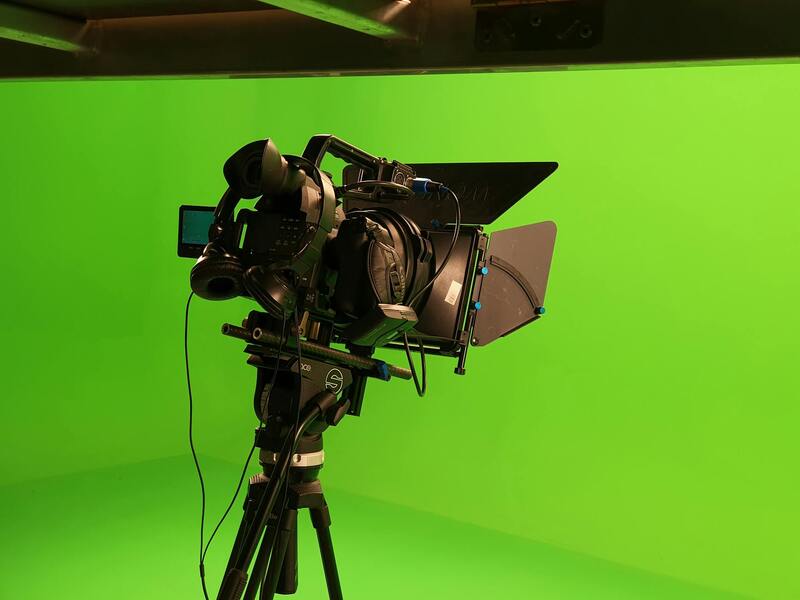
A dependable technical setup forms the backbone of live broadcast production. Essential equipment includes high-definition cameras capable of capturing various angles, live switchers for real-time video mixing, and reliable encoding hardware to transmit data efficiently. Video routers and matrix switchers coordinate multiple feeds, while broadcast servers ensure seamless streaming. Auxiliary equipment such as teleprompters, green screens, and lighting systems support on-camera talent and visual presentation. Audio equipment—microphones, mixers, and processors—must be calibrated with precision to ensure clear sound quality. Wireless transmission systems and backup power supplies are also vital to maintaining uninterrupted broadcast delivery.
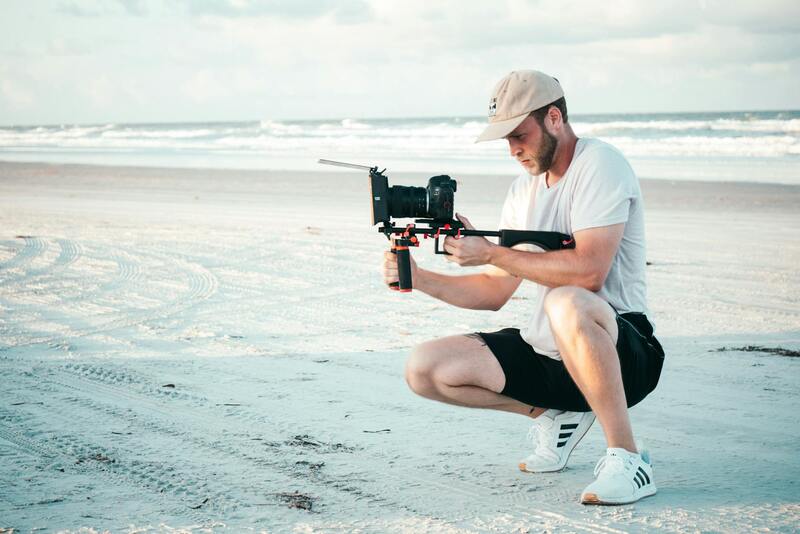
Content Creation and Live Switching
Executing engaging content during a live broadcast hinges on effective live switching capabilities. A skilled director manages multiple camera feeds, graphics, and pre-recorded segments to craft a dynamic narrative. The transition between camera angles, graphics overlay, and multimedia content must be seamless, requiring precise timing and technical expertise. Additionally, real-time editing of footage, incorporating graphics or live statistics, enhances viewer engagement. Remote contributors or pre-recorded segments can be integrated smoothly through a robust live switching system, allowing for versatility and adaptability during the broadcast.
Audio Management and Quality Control
Achieving superior audio quality during a live broadcast involves careful management of sound sources and sound engineering. Microphone placement is key to capturing clear audio, while mixing processes balance various sound levels to prevent distortion or background noise. Continuous monitoring during the event allows technicians to address issues promptly, such as feedback or drops in audio levels. Implementing noise reduction techniques and equalization ensures clarity and intelligibility. Moreover, audio synchronization with video streams is critical; any discrepancy can affect audience perception and comprehension. Backup audio channels and redundancies help mitigate risks, maintaining the broadcast’s integrity even during technical setbacks.
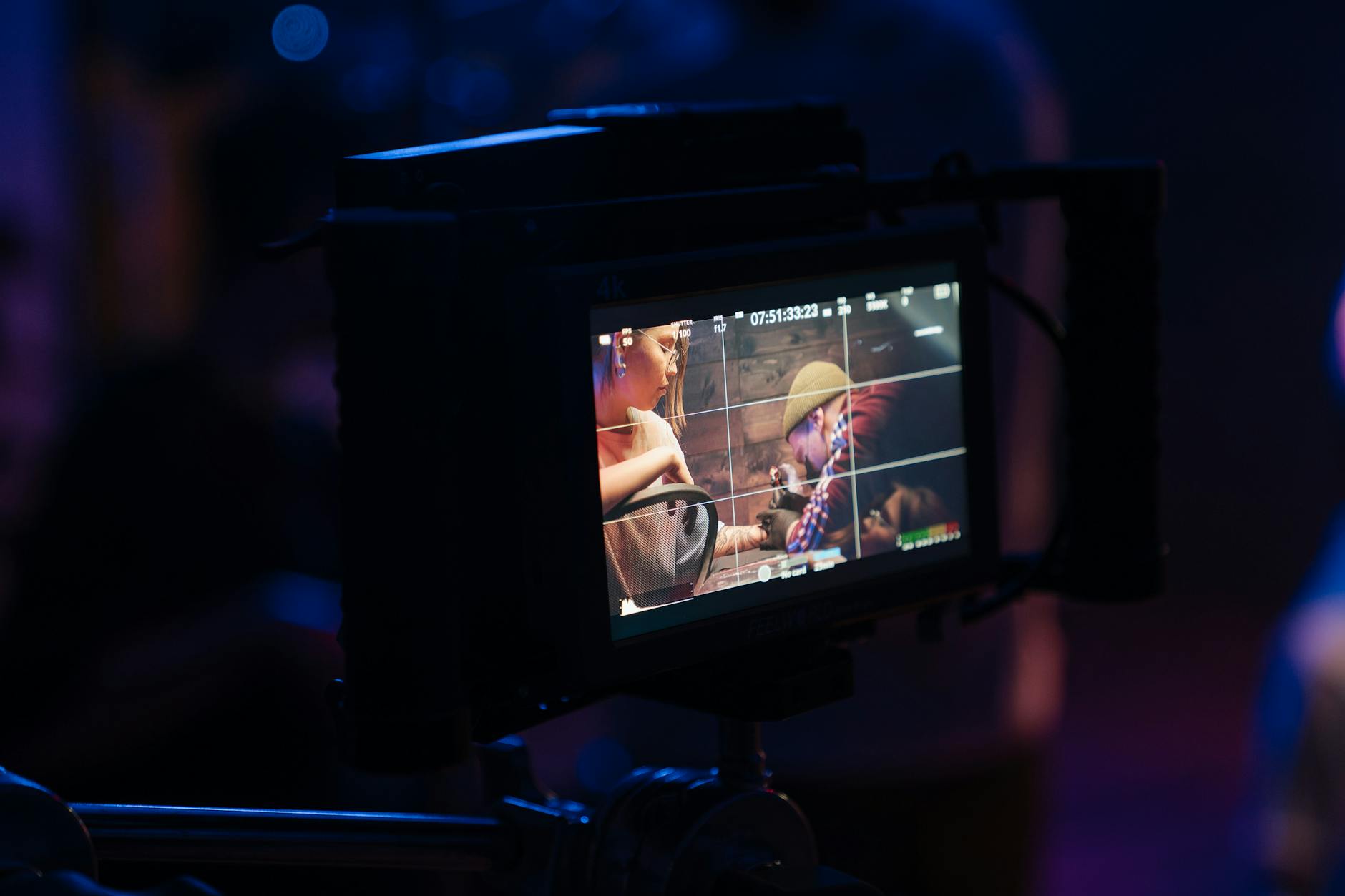
Streaming and Broadcast Platforms
Selecting appropriate platforms for streaming is vital to reaching the target audience efficiently. The production team evaluates various high-capacity CDN (Content Delivery Network) options to ensure low-latency streaming and minimal buffering. Compatibility with multiple devices, including smartphones, tablets, and desktops, enhances accessibility. Encoders configured for adaptive bitrate streaming dynamically adjust quality based on viewer bandwidth, providing a smoother experience. To maximize reach and engagement, multiple platform integrations such as social media, dedicated apps, or proprietary portals are utilized. Regular testing of streaming workflows and connection stability guarantees consistent delivery, especially during high-traffic events.
Ensuring Broadcast Quality and Reliability
After the technical setup and initial streaming logistics are in place, maintaining a high standard of broadcast quality throughout the live event is paramount. This involves continuous monitoring of the live feed to detect and rectify issues promptly, ensuring viewers experience seamless coverage. Experienced technicians utilize advanced monitoring software to oversee video resolution, frame rates, and audio synchronization in real time. By employing redundant systems, such as backup encoders and power supplies, production teams can quickly switch to alternative streams or hardware if primary components encounter failure, minimizing downtime.
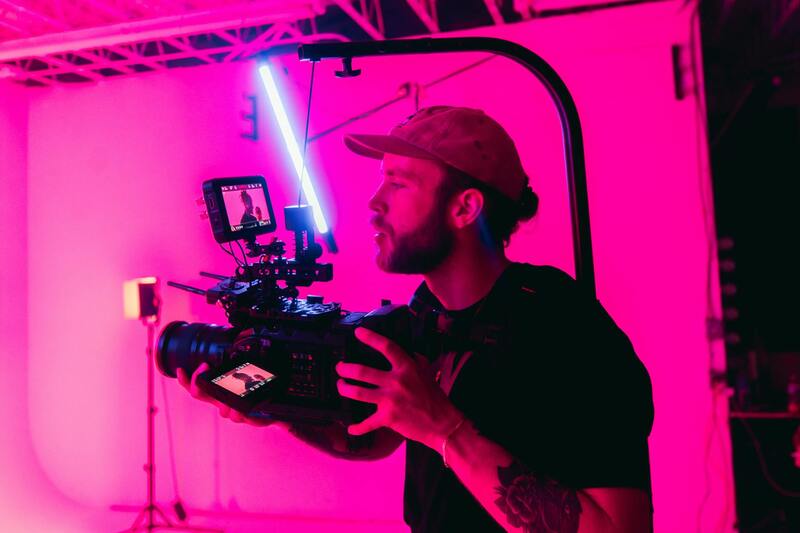
Audio and video feeds are meticulously calibrated during the event. Real-time color correction and video scaling ensure consistent visual quality, while audio levels are adjusted dynamically to prevent clipping or distortion. In addition, live graphics and overlays are integrated seamlessly to enhance viewer engagement and provide informational context. The implementation of latency management techniques ensures audio and video remain synchronized, preserving the professional integrity of the broadcast.
Utilizing Redundancy for Seamless Broadcasts
Redundancy strategies are crucial for managing technical uncertainties inherent in live production. Dual streaming pathways are established through multiple internet connections or CDN providers to prevent interruption caused by network fluctuations. Similarly, secondary audio and video sources are prepared to take over instantly if primary streams encounter issues. This redundancy not only safeguards against unexpected failures but also bolsters the overall reliability and quality of the broadcast—especially critical during content-sensitive events where maintaining continuous coverage is essential.
Employing Quality Control Procedures
A comprehensive quality control (QC) process is implemented before and during the live event. Pre-broadcast QC involves testing all equipment, verifying connectivity, and simulating live scenarios to identify potential problems. During the broadcast, designated QC personnel monitor the stream's health, audio levels, and caption accuracy. Any anomalies are addressed immediately by technical teams, who may adjust equipment settings, troubleshoot network issues, or switch to backup systems if necessary. This diligent approach ensures a polished, professional live presentation and sustains viewer trust and engagement.
Post-Event Content Management
Once the live broadcast concludes, immediate steps are taken to archive the event's media files securely. Recorded streams are processed for post-production editing, highlighting key moments or correcting any unforeseen issues encountered during the live transmission. The content is then stored in structured digital libraries, facilitating easy retrieval for future distribution across various platforms. Moreover, analyzing real-time performance data and viewer metrics provides insights to refine future production workflows, ensuring continuous improvement in broadcast quality and operational efficiency.