Overview of Event Live Streaming
Event live stream services have become integral to modern event coverage, offering a dynamic way to broadcast core moments to a global audience in real time. This technology enables viewers to experience conferences, concerts, corporate gatherings, sports competitions, and cultural festivals from any location with internet access. In Miami, a vibrant city known for its diverse cultural landscape and bustling event scene, professional live streaming solutions are especially valuable for expanding reach and enhancing audience interaction.
Leveraging event live stream services ensures that the essence of an occasion is preserved and disseminated far beyond the physical confines of the venue. Live streaming allows event organizers to tap into a broader audience, including remote attendees, sponsors, and media outlets. This increased exposure can lead to heightened engagement, increased revenue opportunities, and stronger community presence. With Miami’s year-round calendar of events, from art fairs to corporate summits, high-quality live streaming has become a vital component of effective event planning and execution.
Moreover, professional live streaming solutions facilitate seamless broadcasting through optimized technical setups, ensuring even large-scale or complex events are delivered with clarity and reliability. As digital consumption continues to rise, event organizers recognize that offering a live digital channel enriches overall event experience and builds lasting impressions among viewers. The importance of reliable event live stream services in Miami extends to maintaining brand reputation and fostering ongoing audience loyalty in a competitive event landscape.
Key Features of Professional Live Streaming Services
- High-Quality Video and Audio: Ensures crystal-clear visuals and sound for an immersive viewer experience.
- Multi-Platform Compatibility: Facilitates transmission across social media, websites, and dedicated streaming portals.
- Interactive Capabilities: Includes live chat, Q&A sessions, and real-time polling to boost engagement.
- Reliable Streaming Infrastructure: Utilizes robust servers and fallback systems to minimize downtime and buffering.
- Custom Branding and Graphics: Enhances professionalism with event logos, overlays, and branding elements integrated into broadcasts.
- Post-Event Analytics: Provides detailed metrics on viewer engagement, reach, and performance for future planning.
Choosing a Live Stream Service Provider in Miami
Selecting the right provider involves evaluating their technical expertise, experience handling diverse events, and the scope of their service offerings. Prospective clients should consider providers with a proven track record in Miami's vibrant event scene, ensuring familiarity with local venues and regulations. Key factors include the quality of production equipment, ability to customize streams, and support services during event execution. Clear communication and understanding of budget constraints are also critical to achieving the desired outcomes in live broadcasting.
Technical Setup and Equipment for Live Streaming
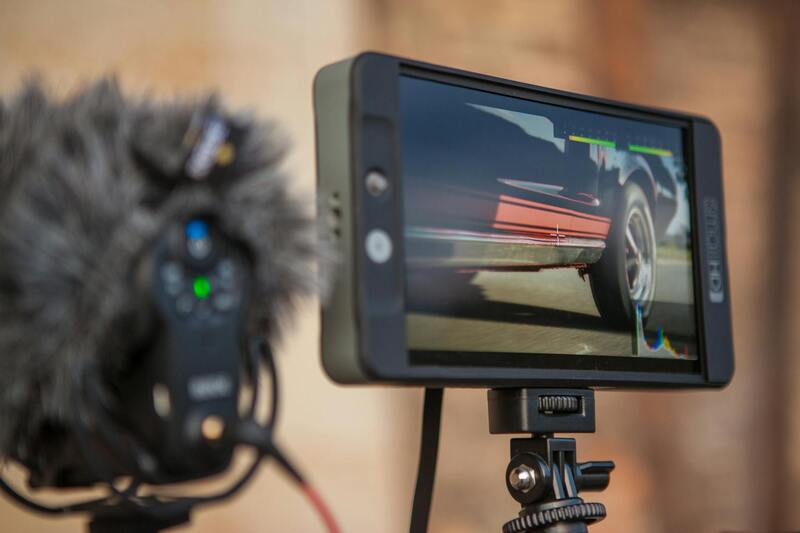
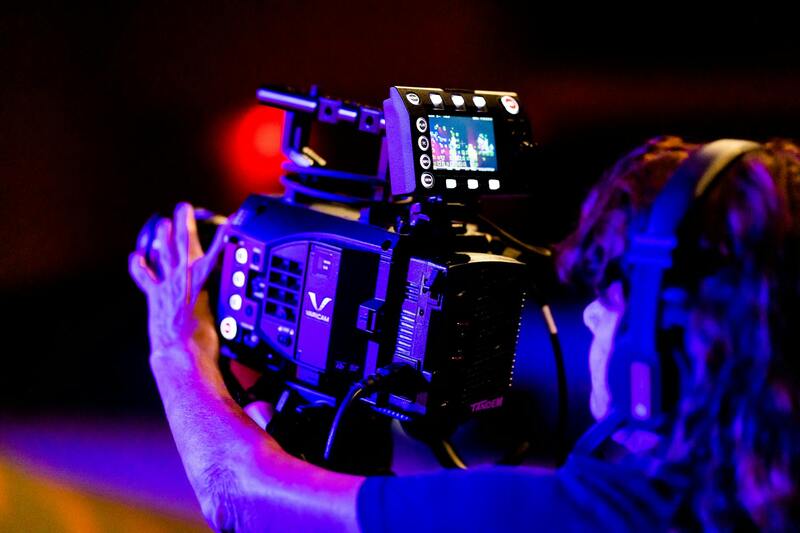
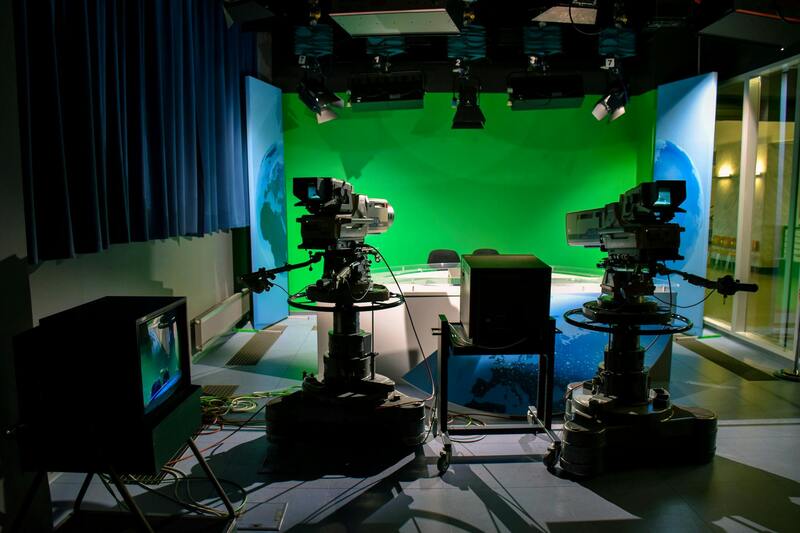
Implementing a successful live streaming event depends heavily on meticulous technical planning and the right hardware. A professional approach includes several key components that work in tandem to deliver a seamless broadcast. Central to this is high-definition video capture, which typically involves multi-camera setups to capture various angles and provide dynamic visuals that keep viewers engaged. These cameras should support HD or 4K resolution, coupled with professional-grade lenses to ensure clarity and focus.
Complementing the cameras are high-quality audio systems, including wireless microphones, mixers, and audio interfaces. Clear sound is just as vital as visual quality in delivering an immersive experience. The audio equipment must be compatible with the streaming platform and capable of handling the acoustics of the event space.

Reliable internet connectivity forms the backbone of live streaming operations. A high-bandwidth, wired Ethernet connection is preferable to ensure stable transmission. In many cases, backup internet options, such as cellular data tethering or secondary broadband lines, are implemented to prevent interruptions.
Video encoders play a crucial role in compressing and transmitting the video signal efficiently, often incorporating hardware encoders for higher reliability and software encoders for flexibility. Additionally, streaming hardware servers should be equipped with sufficient processing power and buffering capabilities to handle the data flow without lag or dropout.

Integration of broadcast graphics like overlays, event logos, lower thirds, and real-time information requires professional streaming software. These tools enable customization and branding, elevating the overall event presentation. Technical teams also configure multistream outputs, allowing simultaneous broadcasting to various platforms, including social media channels and custom websites.
Finally, comprehensive testing of all equipment and connections before the event ensures the flow is smooth during the live broadcast. This includes performing trial runs, syncing audio and video, and verifying all platform integrations, which reduces the risk of technical issues during the event itself.
Legal and Privacy Considerations in Live Streaming
When deploying event live stream services, it is essential to prioritize compliance with relevant legal and privacy standards. This involves obtaining necessary permissions from all individuals appearing on camera or involved in the event, ensuring they are aware of the recording and streaming process. Proper consent forms should be implemented, clearly outlining how the broadcast will be used and who will have access to the recorded footage.
In addition, copyright considerations must be addressed, particularly when incorporating third-party media such as music, videos, or images into the live event. Securing the appropriate licenses and rights prevents potential legal disputes that could disrupt the broadcast or lead to financial penalties.
Data privacy is another critical aspect. It is vital to safeguard personal information collected during the event, especially if registration data, chat interactions, or other user-generated content are involved. Ensuring compatibility with data protection regulations helps maintain trust with the audience and protects the organization from complications arising from mishandled information.
Effective management of these considerations involves consulting with legal professionals, establishing clear guidelines for content and privacy, and integrating secure platforms that comply with established standards. This proactive approach is fundamental for delivering high-quality live streams that uphold the integrity and reputation of the event and its organizers.
Ensuring High-Quality Stream Delivery and Reliable Infrastructure
Delivering a seamless live stream requires a robust technical foundation. Professional event live stream services employ high-definition cameras, sophisticated encoding hardware, and multi-channel audio systems to capture every detail of the event. These technical assets are integrated within a reliable infrastructure that minimizes downtime and buffering, ensuring viewers experience uninterrupted coverage.
Bandwidth management is a critical component in this process. Service providers utilize dedicated internet lines with sufficient upload speeds, often supplemented with load balancing techniques to handle high viewer traffic. This setup prevents lagging or disconnections, especially during peak engagement hours.

Adaptive streaming protocols, such as HLS or DASH, are employed to adjust video quality dynamically based on the viewer’s internet speed. This ensures that individuals with varying connection strengths can enjoy the broadcast without interruption. Additionally, content delivery networks (CDNs) distribute the stream across multiple servers worldwide, reducing latency and improving the viewing experience for a global audience.
Enhanced Audience Engagement Tools
Engagement plays a vital role in maximizing the impact of live streamed events. Professional providers incorporate interactive features such as live chat, real-time polls, and Q&A sessions to foster audience participation. Simultaneously, integration with social media platforms allows for easy sharing, broadening the event’s reach beyond traditional viewing channels.
Furthermore, overlay graphics, branding elements, and professional signage can be added during the broadcast. These visual enhancements reinforce the event's identity and ensure a polished, cohesive presentation that aligns with the organizer’s branding guidelines.
Ensuring Compliance and Data Security
With high-quality streaming comes the responsibility of maintaining data security. Secure transmission protocols like HTTPS and encrypted streams prevent unauthorized access and tampering. Event organizers should work with experienced service providers who implement strict security standards, including access controls, secure login procedures, and regular system audits.
It is also important to establish clear guidelines regarding user data collection and management. This includes safeguarding personal information gathered through registration portals or interactive features, in compliance with relevant data protection frameworks. Handling such data with integrity enhances trust and protects against potential breaches that could compromise the event’s reputation.
Monitoring and Technical Support
Throughout the event, dedicated technical support teams monitor system performance, troubleshoot emerging issues, and coordinate with on-site staff. This proactive approach minimizes disruptions, quickly resolves technical glitches, and maintains stream quality at all times. Having a contingency plan, including backup equipment and redundant connections, further guarantees consistent delivery regardless of unforeseen problems.
Legal and Privacy Considerations
When hosting a live stream event, understanding the parameters around legal and privacy considerations is essential to ensure a smooth broadcast process and respect for all participants and stakeholders involved. One primary aspect involves ensuring that content shared during the live stream does not infringe upon copyrighted material or intellectual property rights. This means securing necessary permissions for music, videos, images, or any third-party material incorporated into the broadcast.
Additionally, it is vital to clarify the consent process related to capturing and broadcasting individuals’ appearances, especially in public or semi-private settings. Establishing clear notifications and obtaining explicit consent from participants helps maintain transparency and builds trust. This includes informing viewers about how their data may be used, stored, or shared in accordance with pertinent privacy regulations.
Effective management of user data is another aspect that requires meticulous attention. Implementing secure registration systems, encrypted streams, and access controls helps protect sensitive information collected during the event, such as contact details or registration data. For live streams involving interactive features like chats or polls, moderation policies should be in place to prevent the dissemination of inappropriate content and ensure a respectful environment.
Furthermore, adherence to regional regulations and industry standards, such as the General Data Protection Regulation (GDPR) or local Miami ordinances, helps in aligning the event’s compliance framework. This includes maintaining accurate records of consent, managing data breach protocols, and implementing secure data handling practices.
Working with experienced live stream service providers, like those found at MiamiVideoProducers.com, ensures that these legal and privacy concerns are addressed proactively. Such providers are equipped with knowledge of applicable laws and employ robust measures to uphold the integrity of the broadcast, the privacy of individuals, and the overall security of the streaming environment.
Legal and Privacy Considerations
Ensuring compliance with legal and privacy standards is paramount when broadcasting events, especially to safeguard against potential disputes and maintain the integrity of the live stream. Securing the necessary permissions and rights involves verifying that all content, including audiovisual elements and participating individuals, have granted explicit consent for live broadcast. This typically includes obtaining model releases for individuals featured prominently, as well as rights for copyrighted materials such as music, video clips, or proprietary visuals.
Implementing robust privacy measures helps protect attendee data and viewer information. When streaming live, it is crucial to clearly communicate data collection practices, including how information is stored and used. Encryption technologies should be employed to secure the stream, preventing unauthorized access and content theft. For interactive broadcasts that include features like chat modules or polls, moderation protocols help prevent inappropriate behavior and ensure a respectful environment.
Proper management of privacy also involves aligning with regional regulations that govern data handling, such as the local restrictions in Miami. Maintaining comprehensive records of consent forms, access logs, and data management policies assists in demonstrating compliance and auditing the event’s adherence to these standards.

Partnering with experienced live streaming providers in Miami, like those at MiamiVideoProducers.com, ensures that legal and privacy safeguards are integrated into the technical setup. These providers stay updated on pertinent laws and industry best practices, deploying secure streaming protocols and privacy controls that uphold the event’s credibility.
Advanced Techniques for Ensuring Streaming Quality and Reliability
Maintaining a high-quality live stream requires more than just reliable internet; it involves a combination of advanced techniques and strategic planning. Utilizing multiple encoding methods, such as adaptive bitrate streaming, ensures viewers experience minimal buffering regardless of their internet speed. This technology automatically adjusts the stream quality based on the viewer’s connection, providing a seamless viewing experience.
Implementing redundant streaming pathways is another critical strategy. By establishing backup servers and alternative content delivery networks (CDNs), any interruption or failure can be quickly mitigated, ensuring the live event remains uninterrupted. Live monitors and real-time analytics enable producers to gauge stream health continuously, allowing on-the-fly adjustments to improve overall quality.
Furthermore, selecting a professional-grade encoder and ensuring proper configuration can dramatically enhance video quality. Proper lighting, stable camera setups, and high-definition output contribute significantly to a polished broadcast. Regular pre-event testing and dry runs help identify potential technical issues, preventing disruptions during the actual event.
Effective Audience Engagement Strategies During Live Streams
Engagement is a key factor in the success of live streamed events. Interactive features such as live chats, polls, and Q&A sessions foster a sense of community among viewers. Incorporating social media integration allows viewers to share highlights, increasing visibility and reach. Real-time moderation ensures the interaction remains respectful and constructive, which enhances the overall viewer experience.
Offering multiple viewing options and overlays can also enrich engagement. For example, providing behind-the-scenes content, interview segments, or different camera angles gives viewers a broader experience. Additionally, hosting post-event content like recordings and highlight reels extends the reach beyond the live broadcast, maintaining interest and engagement well after the event concludes.
Partnering with Dedicated Live Streaming Providers in Miami
Collaborating with experienced providers such as MiamiVideoProducers.com ensures access to cutting-edge technology and local expertise. These specialists handle all technical aspects, from equipment setup to streaming protocol optimization, allowing organizers to focus solely on their event. Their knowledge of regional network infrastructures and regulatory considerations ensures that the live stream complies with regional standards and runs smoothly throughout its duration.
Additionally, these providers offer customized solutions tailored to the unique requirements of each event, whether it’s a corporate conference, concert, or educational seminar. Their support includes troubleshooting, live technical assistance, and post-event analytics, all critical for refining future broadcasts.
Technical Setup and Equipment for Live Streaming
Effective live streaming of events requires a robust and reliable technical setup. High-quality audio and video equipment are fundamental components that significantly influence the viewer experience. Using professional-grade cameras capable of HD or 4K resolution ensures clear, crisp visuals, which are vital for engaging viewers and conveying the event's atmosphere authentically.
Audio clarity is equally crucial. Directional microphones and mixer consoles help capture sound accurately, minimizing background noise and ensuring speech and performances are heard distinctly. Incorporating backup audio sources and power supplies provides redundancy, preventing disruptions during the broadcast.
Streaming hardware such as encoders plays a pivotal role in transmitting your content efficiently. Hardware encoders convert video signals into digital data compatible with streaming platforms, supporting multiple input sources and ensuring high encoding quality. Software encoders, while more flexible, often require stable and high-performing computers to manage the load without buffering or lag.

A stable internet connection is non-negotiable. Dedicated fiber optic lines or high-bandwidth broadband connections offer the stability necessary for uninterrupted streaming. Redundancies such as backup internet connections or mobile hotspots act as safeguards against connection failure, which could otherwise result in streaming downtime.
Additional equipment like video switchers, monitors, and streaming control panels allows for real-time management of multiple video feeds, overlays, and transitions, enhancing the broadcast's production quality. Lighting setups tailored for live events help ensure well-lit visuals, especially for indoor settings or low-light environments.
Pre-event testing of all equipment and connectivity is essential. This process identifies potential technical issues beforehand, allowing time for adjustments and fine-tuning. A dedicated technical team familiar with all devices and streaming protocols is pivotal in executing a smooth live broadcast.
Ensuring Security and Confidentiality During Live Streaming
Securing the live stream and safeguarding audience privacy are paramount. Utilizing encrypted streaming protocols ensures that the broadcast remains inaccessible to unauthorized viewers. Password-protected streams and restricted access links allow organizers to control who can view the content, maintaining confidentiality for sensitive or exclusive events.
It's also important to implement secure content delivery networks (CDNs) that distribute streams efficiently while protecting against unauthorized access and potential cyber threats. Regular security audits and updates to streaming software further enhance protection against vulnerabilities.
For events involving sensitive information or confidential discussions, organizers can incorporate secure login credentials and authentication measures. Clear guidelines and communication about privacy policies help set viewer expectations and ensure compliance.