Overview of Live Event Video Streaming
Live event video streaming has transformed the way organizations, corporations, and entertainment providers deliver content to audiences. It encompasses the real-time transmission of live events through high-quality internet connections, enabling viewers to experience the event from anywhere with an internet-enabled device. As technology advances, the scope of live streaming has expanded, covering everything from corporate seminars and trade shows to music festivals and sports competitions held across Miami.
At its core, live event video streaming provides an immersive experience that bridges physical and virtual engagement. It allows event organizers to reach a broader audience beyond geographical limitations, facilitating virtual attendance that was once impossible or highly restricted. This capability is especially vital in a vibrant, diverse city like Miami, where cultural, corporate, and entertainment events generate widespread interest.
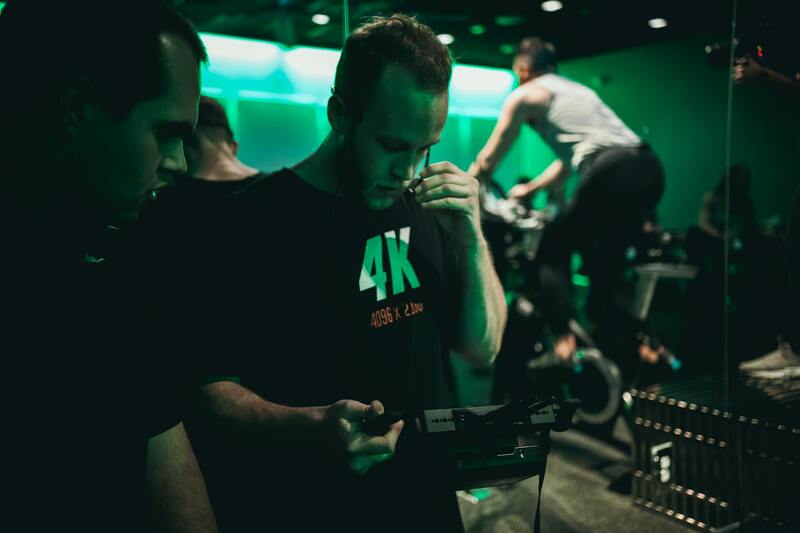
Implementing professional live streaming processes ensures high production value, reliability, and an engaging viewer experience. It not only enhances the visibility of events but also helps creators and organizers track engagement, gather real-time feedback, and extend their event’s reach far beyond physical limits. Whether streaming a business conference or a local music concert, the accessibility of live streaming can significantly boost exposure and interaction.
In Miami’s dynamic event landscape, leveraging live video streaming becomes a strategic tool for expanding influence, increasing attendee participation, and creating lasting digital content archives. It has become an integral element of modern event planning and execution, aligning with the growing expectations of an audience that values immediacy and interactivity.
Key Technologies and Equipment
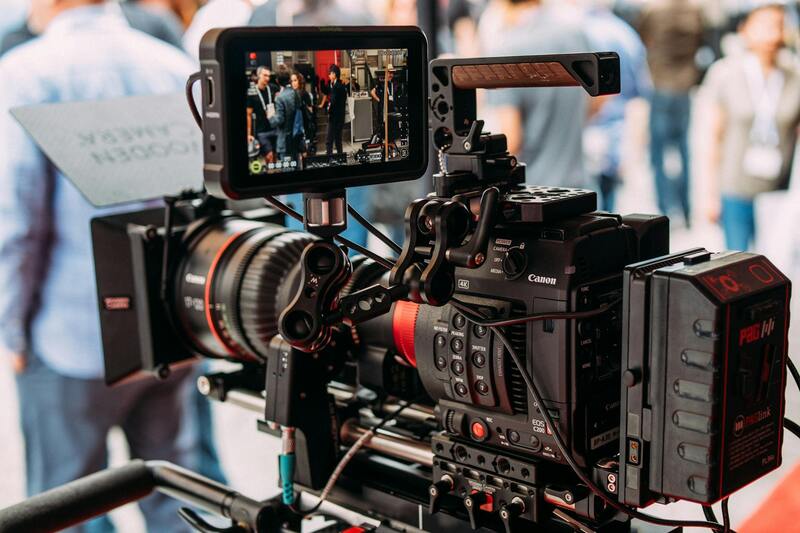
Ensuring a seamless live event video streaming experience in Miami requires the integration of advanced hardware and sophisticated software solutions. The choice of equipment directly impacts the quality, reliability, and overall professionalism of the broadcast. Critical components include high-definition professional cameras capable of capturing detailed visuals under varying lighting conditions typical of Miami’s vibrant event venues. These cameras should support multiple angles and smooth movements to provide dynamic perspectives that engage viewers remotely.
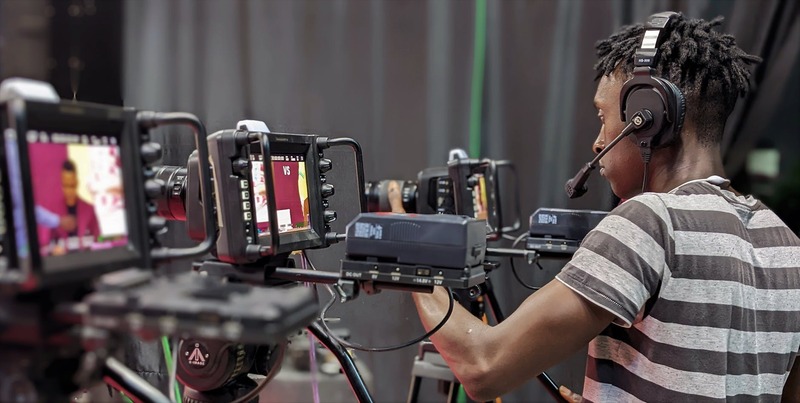
Stream encoders are essential for converting the raw video feed into a digital format compatible with streaming platforms. Hardware encoders, preferred for their reliability, process streams in real-time, reducing latency and ensuring smooth delivery. Additionally, software encoders can be customized for advanced production needs, offering flexibility in integrating graphics, overlays, and multiple audio sources.
Robust internet connectivity is paramount. Business-grade fiber optic internet connections with sufficient upload speeds and backup options should be in place to prevent disruptions. Miami’s infrastructure supports such connectivity, enabling high-bandwidth streams that maintain consistent quality. Wireless options, such as 4G/5G networks, can serve as supplementary streams or mobile broadcasting solutions, especially in outdoor or remote venues.
Audio quality profoundly influences the viewer experience. Professional-grade microphones—such as lavalier, shotgun, and ambient microphones—capture clear, crisp sound, minimizing background noise and ensuring narration and live sounds are distinctly heard. Audio mixers facilitate the balancing of multiple audio sources, providing a polished audio output synchronized with the visuals.
Streaming platforms require reliable, versatile software solutions for live distribution. These platforms manage stream encoding, transcoding, and delivery to multiple channels simultaneously while offering features like chat, analytics, and viewer engagement tools. Additionally, live switching software allows producers to seamlessly transition between camera angles, add graphics, and include pre-recorded content to enrich the live stream.
In terms of storage and broadcast management, professional video switchers, multi-view monitoring systems, and backup streaming options guarantee continuous production quality. Equipment calibration and regular maintenance ensure all devices operate at peak performance, minimizing technical issues during live events in Miami’s bustling scene.
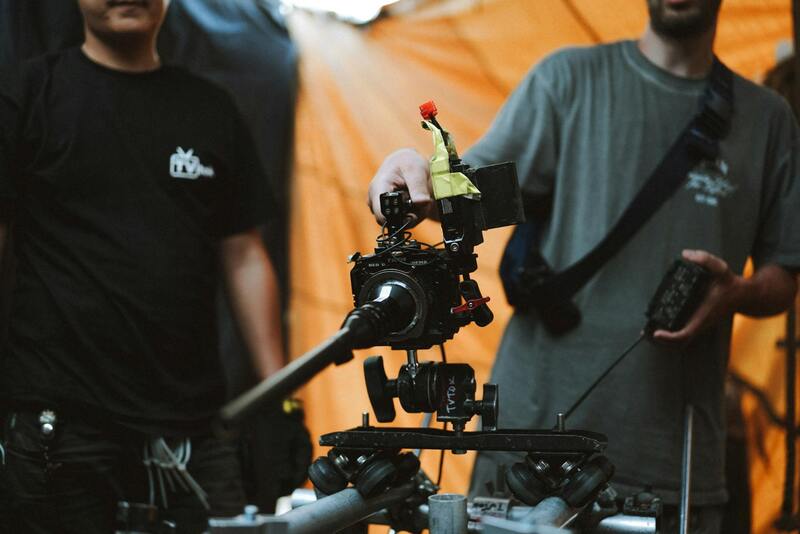
Investing in these technologies and equipment strategically aligns with the goal of delivering engaging, high-quality live content that captures both the essence of Miami’s energetic events and the professionalism of the broadcasting team. Complementing hardware and software with skilled technical operators ensures the setup runs flawlessly from start to finish, creating an immersive experience for audiences tuning in remotely.
Overview of Live Event Video Streaming
Live event video streaming has become a vital component for showcasing events in real time, reaching audiences beyond traditional physical attendance. It involves transmitting high-quality video and audio content over the internet, allowing viewers to experience events as they happen from remote locations. This method serves as a powerful tool for enhancing visibility, engaging audiences, and expanding the reach of live happenings in Miami’s dynamic scene. Effectively capturing the energy and atmosphere of an event through live streaming requires meticulous planning, top-tier equipment, and expertise in broadcasting technology.
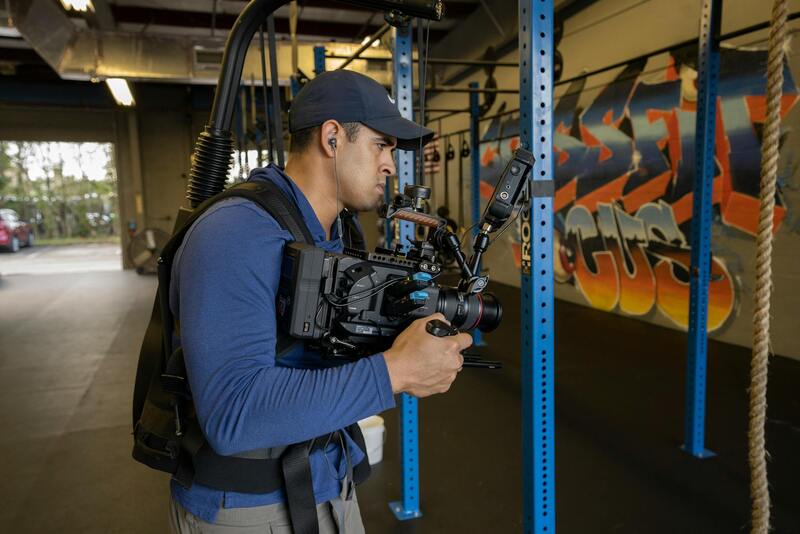
To ensure a seamless experience, event organizers and production teams leverage dedicated streaming infrastructure that encompasses both hardware and software components. This infrastructure enables real-time encoding, transmission, and distribution of event footage across multiple channels, whether social media platforms, dedicated websites, or specialized streaming services. The effectiveness of live streaming rests on several factors: the quality of camera work, audio clarity, low latency transmission, and stable internet connectivity. Each of these elements plays an essential role in delivering a polished, professional broadcast that captures the essence of Miami’s energetic events.
Core Components of Live Streaming Infrastructure
- Camera Systems: High-definition cameras with remote control capabilities allow for versatile coverage of the event space, capturing multiple angles and key moments.
- Audio Equipment: Professional microphones, audio mixers, and soundboards ensure that speech, live music, and ambient sounds are crisp and well balanced.
- Encoding Devices: Hardware or software encoders convert video signals into internet-friendly formats, enabling smooth streaming to various platforms.
- Streaming Platforms: Reliable platforms facilitate multi-channel delivery, real-time analytics, and audience interaction.
- Internet Connectivity: A high-bandwidth, redundant internet connection guarantees minimal interruptions during the live broadcast.
Importance of Skilled Technical Operators
Behind the seamless broadcast are experienced technicians who manage various aspects of live streaming—from camera operation and audio mixing to stream encoding and troubleshooting. Their proficiency in real-time problem-solving ensures smooth transitions, accurate graphics overlay, and uninterrupted streaming. The professionalism of these operators directly correlates with the broadcast’s quality, emphasizing the importance of investing in knowledgeable personnel for Miami’s high-profile events.
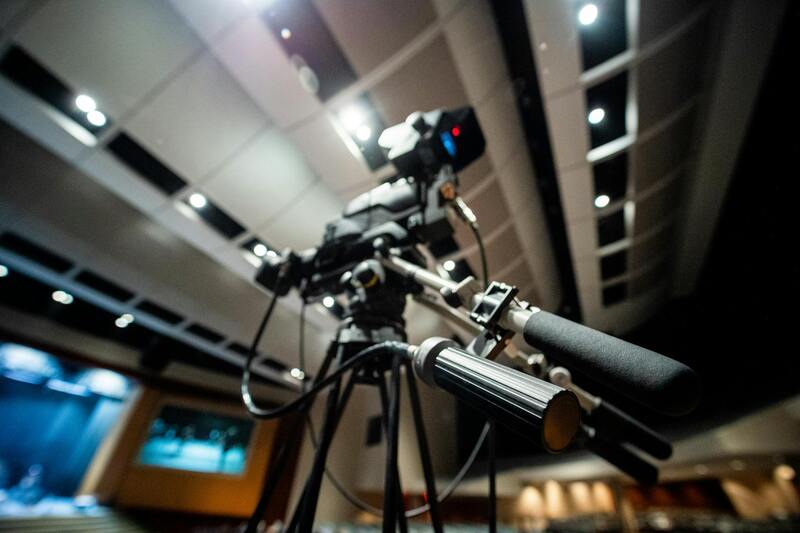
In addition to hardware, the integration of software solutions such as live switches, graphic overlays, and audience engagement tools enhances the overall viewer experience. These technologies enable dynamic production elements, like switching between camera feeds, adding lower thirds, and incorporating pre-recorded content, to create a compelling broadcast that mirrors the excitement of in-person experiences.
Maintaining high technical standards extends beyond equipment; regular calibration, maintenance, and system testing are essential to prevent disruptions. Professional-grade solutions often include backup systems and redundant streams that automatically activate if the primary feed encounters issues, ensuring continuous delivery regardless of unforeseen challenges.
Strategic Planning for Successful Live Streaming
- Site Evaluation: Assessing the venue for optimal camera placement, lighting, and power supply.
- Connectivity Testing: Verifying internet bandwidth and backup options to mitigate connectivity issues.
- Equipment Setup: Configuring and testing all hardware and software components prior to the event.
- Technical Run-Throughs: Conducting rehearsals to identify potential issues and streamline operations.
- Staff Coordination: Ensuring all technical personnel understand their roles and communication protocols.
Managing Live Stream Production
Effective management of live stream production involves meticulous coordination between technical and creative teams to ensure a seamless broadcast. Prior to the event, comprehensive planning includes creating detailed shot lists, shot transitions, and scene setups, which facilitate a smooth flow during the live transmission. During the event, real-time decision-making plays a crucial role—adjusting camera angles, switching between shots, and overlaying graphics to enhance viewer engagement. Professional directors oversee the overall production, ensuring shot compositions align with the event dynamics and audience interests.
Utilizing multi-camera setups allows for dynamic coverage, capturing different perspectives and adding visual interest. These setups require precise synchronization and communication between camera operators and the director to guarantee shot continuity and coordination. Audio management also plays a vital role; clear sound capture and synchronization with video feeds enhance the production quality, making the live event feel immersive and professional.
Integrating real-time graphics, such as lower thirds, sponsor logos, and event information, adds a layer of professionalism and branding to the broadcast. These elements are typically managed through live production software, enabling instant updates without interrupting the stream. Additionally, audience interaction features—such as live chat, polls, and Q&A sessions—are incorporated to foster engagement and make virtual viewers feel part of the event community.
The production team must also maintain constant connectivity checks and system monitoring to address potential technical issues proactively. Backup systems, redundant streams, and contingency plans are essential components of a robust live streaming setup, minimizing the impact of any unforeseen disruptions and ensuring an uninterrupted viewing experience.
As the event progresses, coordinators should keep communication channels open among team members, utilizing headsets or other reliable communication devices. This seamless collaboration guarantees rapid response to any technical or logistical challenges, helping to preserve the stream’s quality throughout the duration of the event. Post-event, the production team often conducts a review to evaluate performance, identify improvement opportunities, and archive footage for future use.
Managing Live Stream Production
Effective management of a live event video stream encompasses a range of critical control processes designed to ensure a seamless viewing experience for remote audiences. Central to these efforts is the operation of multiple camera feeds, which require on-the-fly switching to highlight different angles, speakers, or segments of the event. The production team must skillfully coordinate these transitions to maintain visual interest and context, often utilizing professional live switching hardware or software that allows for smooth, real-time transitions seamlessly integrated into the broadcast.
Audio management plays an equally vital role, requiring meticulous balancing of multiple microphone feeds, handling of ambient sound, and synchronization with visual content. Clear, high-quality audio ensures that viewers can fully engage with presentations, interviews, or performances without distraction or miscommunication. During the event, sound levels and sources are continuously monitored and adjusted to preserve audio clarity and prevent disruptions.
Advanced graphics, including lower thirds, event branding, and sponsor logos, are overlaid onto the video feed using specialized real-time graphics software. These visual enhancements contribute to a polished production aesthetic, promote sponsors, and provide viewers with pertinent information throughout the event. Troubleshooting is an ongoing responsibility, with dedicated staff monitoring feeds, connectivity, and equipment to swiftly address any technical issues that may arise, such as signal interruptions or audio feedback.
Implementing redundancy systems, such as backup internet connections and secondary streaming hardware, is essential to mitigate risks associated with technical failures. These measures enable seamless switching to backup streams or hardware, preserving the integrity of the broadcast even under adverse conditions. Regular testing and system checks before the event are critical to identify potential points of failure and implement solutions proactively.
Effective communication among the production team is facilitated through headsets, instant messaging apps, or dedicated communication channels, allowing for rapid coordination in response to emerging technical or logistical challenges. Post-event, a comprehensive review of the broadcast is conducted to evaluate performance, gather insights for improvement, and archive footage for future marketing or archival purposes. This continuous feedback loop enhances the quality of subsequent streams and supports ongoing growth and professionalism in live event coverage.
Legal and Security Considerations
Ensuring all aspects of a live event video stream adhere to official and approved methods is crucial for maintaining quality, consistency, and public trust. This involves rigorous management of intellectual property rights, which includes securing the necessary licenses for copyrighted content, music, visuals, and any branded material incorporated into the broadcast. Proper licensing agreements prevent disruptions or takedown notices that can compromise the stream and damage reputation.
Furthermore, privacy considerations are integral to uphold the confidentiality of participants and viewers. This involves implementing consent protocols for capturing and broadcasting individuals, especially in sensitive environments or private gatherings. Clear communication of data handling procedures and opt-in mechanisms supports transparency and responsible content management.
Cybersecurity plays a vital role in protecting the live stream from potential threats. Utilizing secure encoding protocols, encrypted data transmission, and firewalls safeguards the streams from unauthorized access or hacking attempts. Compliance with local data protection regulations ensures that viewer information is safeguarded, fostering trust among audiences and stakeholders alike.

Technical staff typically conduct pre-broadcast audits, including network vulnerability assessments, to identify and address potential security gaps. This anticipatory approach minimizes risks during the live event. During the event, dedicated security teams monitor the network and broadcast systems continuously, ready to address any anomalies swiftly. Post-event, a comprehensive review of security protocols enhances future preparedness and mitigates emerging threats.
Best Practices for Secure and Official Live Event Streaming
- Obtain all necessary permissions and clearances before going live to ensure authorized content dissemination.
- Implement encrypted data streams to prevent interception or tampering during transmission.
- Use secured login credentials and access controls for streaming accounts and management systems.
- Maintain a comprehensive log of permission releases, content rights, and compliance documentation for accountability.
- Enforce strict cybersecurity protocols, including regular software updates and antivirus measures, to reduce vulnerabilities.
- Train staff on secure handling of sensitive data and best practices for maintaining broadcast integrity.
Ensuring High-Quality Signal Transmission
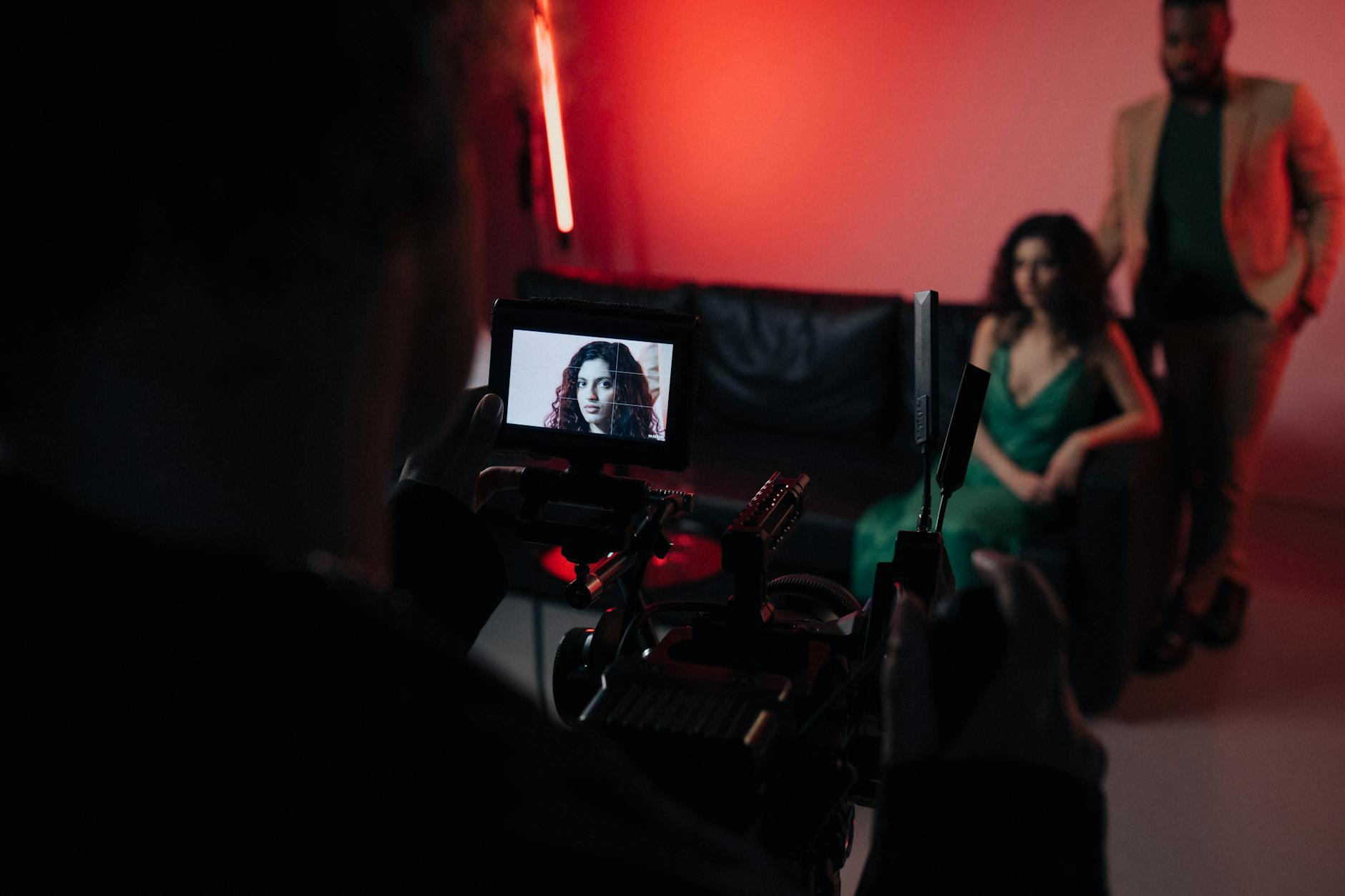
One of the primary considerations in official live event video streaming is maintaining a stable and high-quality signal throughout the broadcast. This involves a combination of reliable internet connectivity, professional-grade hardware, and optimized streaming protocols. Business-grade broadband connections, equipped with sufficient upload speeds, are essential to prevent interruptions and buffering issues that can diminish the viewer experience. Additionally, using dedicated lines or bonded internet solutions can provide redundancy, ensuring continuous coverage even if primary connections face disruptions.
Implementing adaptive bitrate streaming technologies allows the stream to automatically adjust quality based on viewers' internet speeds, fostering seamless viewing experiences across various devices and network conditions. Proper encoding equipment, such as professional cameras and hardware encoders, ensures that video and audio signals are captured in high definition and transmitted without latency or quality loss. Furthermore, establishing a detailed broadcast workflow and backup setup minimizes the risk of technical failures during the event.
Integration of Professional Equipment and Infrastructure
- High-definition cameras with multiple angles for dynamic coverage
- Hardware encoders capable of real-time compression and streaming
- Quality audio equipment to ensure clear sound quality
- Reliable and redundant internet connections
- Stream management software for real-time control and adjustments
Monitoring and Troubleshooting During Broadcasts
Continuous monitoring of streams is critical to quickly identify and resolve issues. Technical teams should track stream health metrics, such as latency, jitter, and buffer rates, through dedicated dashboards. Having skilled personnel on-site or remotely overseeing the broadcast allows for swift troubleshooting, ensuring minimal disruption. Pre-event rehearsals and network testing help identify potential bottlenecks or vulnerabilities, enabling proactive measures to safeguard stream stability.
Post-Event Content and Analytics
Following the conclusion of a live event, effectively managing post-broadcast content and analyzing viewership data are essential for maximizing engagement and refining future streaming efforts. Recorded segments of the live broadcast provide valuable assets for promotional campaigns, highlight reels, and on-demand content availability, significantly extending the event's lifespan and audience reach.
High-quality post-event content often involves editing raw footage to create polished videos that showcase key moments, guest appearances, or audience interactions. These highlight reels not only serve as promotional tools but also help in building a lasting digital footprint for the event organizers or sponsors. When repurposing live footage, it’s important to ensure smooth transitions and consistent visual quality, which can be achieved through professional editing tools and experienced post-production teams.
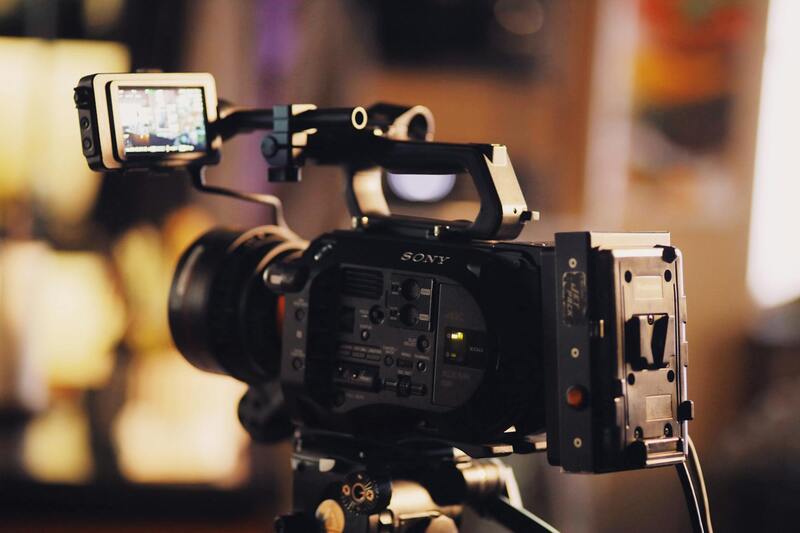
Analytics derived from live streaming platforms provide critical insights into viewer behavior, engagement levels, and technical performance. Metrics such as peak concurrent viewers, average watch time, geographic distribution, and device usage help organizers understand audience preferences and optimize future streams accordingly. Additionally, monitoring stream quality metrics like buffering rates, latency, and dropout points can reveal underlying technical issues that need to be addressed in planning subsequent events.
Intelligent data collection involves integrating analytics tools with the streaming infrastructure. Many professional streaming platforms offer built-in analytics dashboards, or it is possible to incorporate third-party solutions to gain more comprehensive insights. These tools enable real-time tracking during the event and detailed reports afterward, informing decision-makers about the success of the broadcast and areas for improvement.
Archiving and Content Distribution
Archiving the recorded footage ensures content is preserved for future use, whether for internal review, promotional distribution, or providing on-demand access to viewers. Secure storage solutions are critical, especially for high-value or sensitive content, to prevent unauthorized access or data loss. Once organized and stored appropriately, the content can be distributed across various channels, such as dedicated websites, social media platforms, or partner networks, expanding the event’s overall exposure.
Engaging Audience Feedback
Post-event surveys and feedback forms are valuable tools for gauging audience satisfaction and gathering suggestions. Feedback helps content creators understand what resonated with viewers and highlights areas to enhance, including technical aspects like stream stability or content quality. Incorporating viewer insights into future planning fosters a more tailored streaming experience and helps build stronger community engagement.