Understanding Event Streaming Production
Event streaming production has become a vital component in the landscape of modern event management, especially with the growing demand for live broadcasting and remote viewer engagement. This process involves capturing live event content, processing it in real-time, and transmitting it over digital networks to audiences worldwide. It ensures seamless delivery of live footage, enabling participants and viewers to experience events as if they were physically present. Fundamentally, event streaming production includes several core elements: high-quality video and audio capture, reliable encoding hardware, robust transmission protocols, and adaptable streaming platforms. These components work synergistically to facilitate a consistent and professional viewing experience, regardless of geographical barriers. The purpose of event streaming production extends beyond mere broadcast; it involves strategic planning to amplify audience engagement, increase event reach, and generate measurable impact through targeted digital content distribution. This comprehensive approach ensures that live events do not solely depend on in-person attendance but also leverage online platforms for wider visibility. A typical event streaming setup begins with advanced video cameras capable of capturing high-definition footage, complemented by clear audio recording equipment. Signal processing units, such as encoders, convert raw footage into streamable formats compatible with various online platforms. Streaming engines and content delivery networks (CDNs) then distribute this content efficiently, minimizing latency and buffering issues. Moreover, the integration of multimedia elements—including graphics, overlays, and interactive features—enhances viewer engagement and presentation professionalism. The entire process demands meticulous coordination among technical teams, event organizers, and digital strategists to execute a flawless live stream. Effective event streaming production also involves contingency planning. It is crucial to have backup systems, such as redundant internet connections and spare equipment, to address potential technical failures swiftly. This preparation guarantees uninterrupted streaming, preserving the integrity of the event. Overall, event streaming production is a sophisticated blend of technology, planning, and execution, designed to deliver captivating live content that reaches audiences across diverse platforms and devices. Mastery of these elements ensures your event’s success in the competitive digital landscape.
Key Technologies and Equipment Used
Successful event streaming production in Miami relies on a suite of cutting-edge technologies and specialized equipment that ensure high-quality delivery and seamless viewer experiences. This infrastructure forms the backbone of professional live broadcasts, enabling producers to meet the demands of diverse audiences and complex event formats.
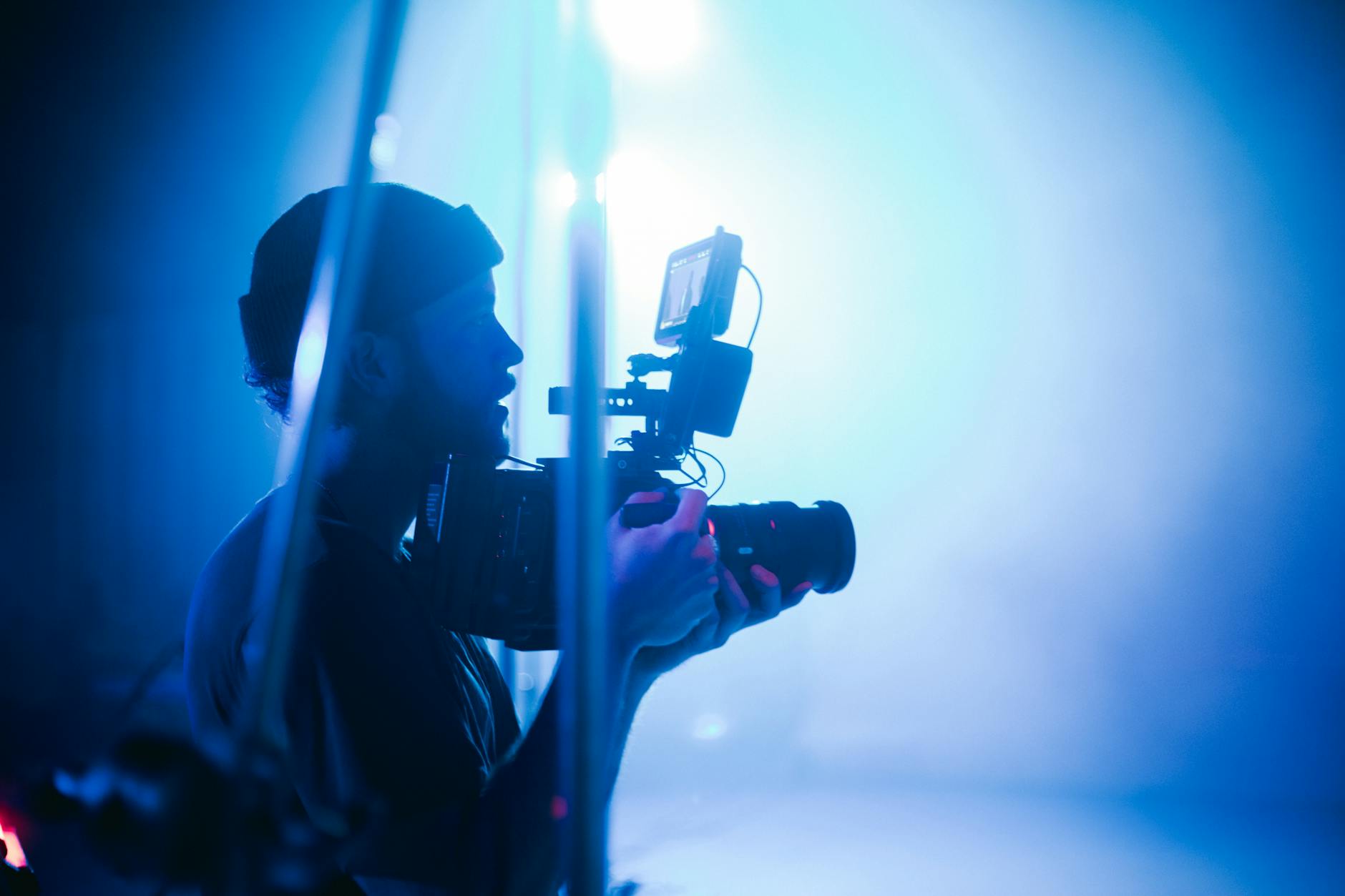
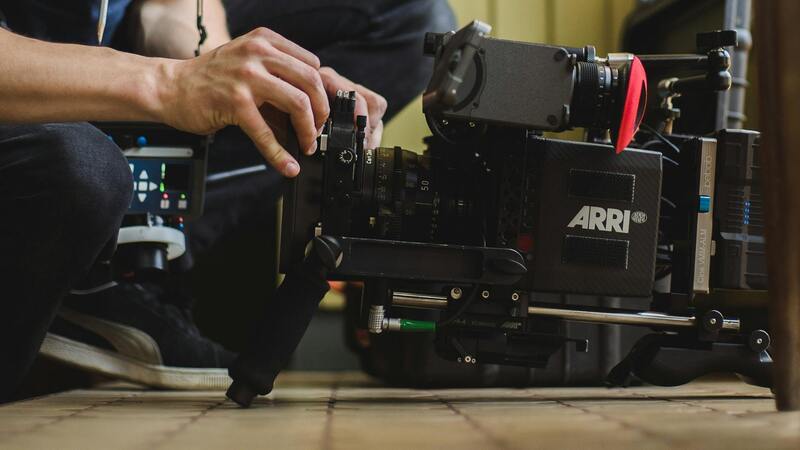
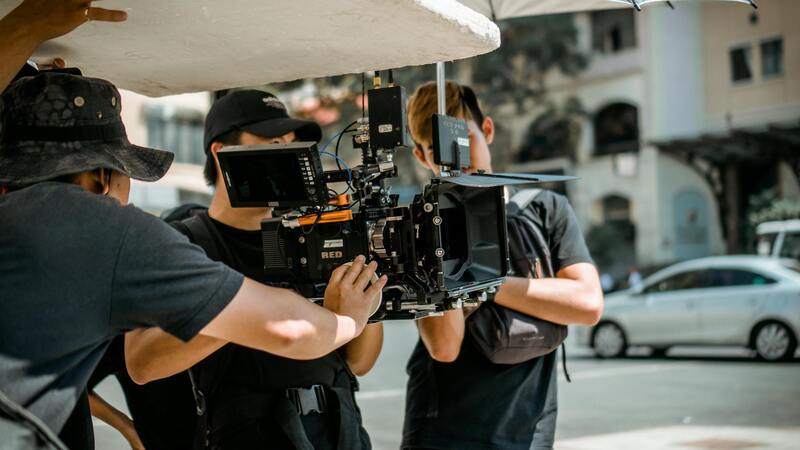
At the core, high-definition video cameras with advanced image sensors capture detailed visuals. These cameras often feature flexible mounting options and minimal latency capabilities, allowing for dynamic shot compositions and multi-camera setups during live events. Complementary audio systems include directional microphones, lapel mics, and system mixers that deliver clear, balanced sound vital for audience engagement. Professional audio mixers enable real-time adjustments to sound levels, filtering out background noise and ensuring speech clarity even in challenging acoustic environments.
Encoding hardware represents a critical juncture in event streaming. Hardware encoders convert captured signals into streaming-compatible formats, such as H.264 or H.265, maintaining high quality while optimizing bandwidth usage. These devices support multi-bitrate encoding, facilitating adaptive streaming that adjusts to viewers’ internet speeds, thus reducing buffering and lag. In addition, real-time switching equipment allows operators to seamlessly transition between camera angles or incorporate pre-recorded content, creating a dynamic viewing experience.
Content delivery responsibility falls to Content Delivery Networks (CDNs), which distribute streams across various geographic locations efficiently. CDNs reduce latency and ensure high availability by caching content close to viewers. For Miami-based event producers, selecting a CDN with robust infrastructure within the region enhances performance, especially during high-traffic events or international broadcasts.
Visualization and graphics are integrated through switchers and graphics generators. These allow the addition of overlays, lower thirds, branding, and real-time data displays, enriching the visual narrative. Interactive elements, such as live polls or Q&A features, require reliable streaming platforms that support two-way communication without compromising video quality.
Moreover, software solutions like streaming management systems enable comprehensive control over live feeds. These tools facilitate monitoring stream health, managing multiple sources, and executing pre-defined workflows to streamline production tasks. For event organizers, having a control room equipped with such systems ensures smooth operation throughout the broadcast.
In terms of connectivity, robust internet infrastructure is imperative. This includes fiber optic connections, bonded internet solutions that combine multiple sources, and backup connections to guarantee continuous streaming despite potential network disruptions. The integration of these technologies demands precise coordination among technical teams, often requiring specialized skills to operate and troubleshoot complex setups during live events.
Finally, safety and quality assurance measures include surge protectors for equipment, environmental controls to prevent overheating, and regular maintenance schedules. These practices prolong the lifespan of vital components and uphold consistent production standards, critical factors in the high-stakes environment of live event streaming.
Key Technologies and Equipment Used in Event Streaming Production
Successful event streaming production relies heavily on a range of sophisticated technologies and equipment that ensure seamless delivery of content. These tools encompass both hardware and software components, each playing a vital role in capturing, processing, and transmitting live video streams. A comprehensive understanding of these technologies empowers production teams to deliver high-quality broadcasts suited to the dynamic needs of Miami's vibrant event scene.
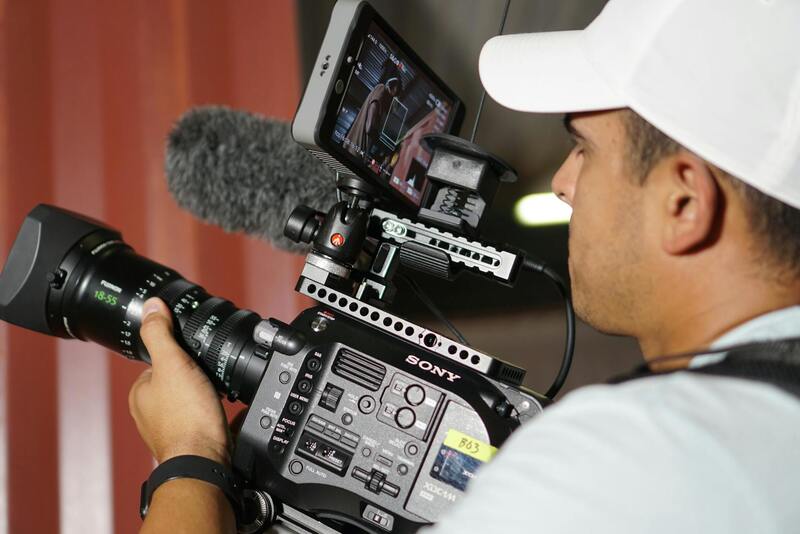
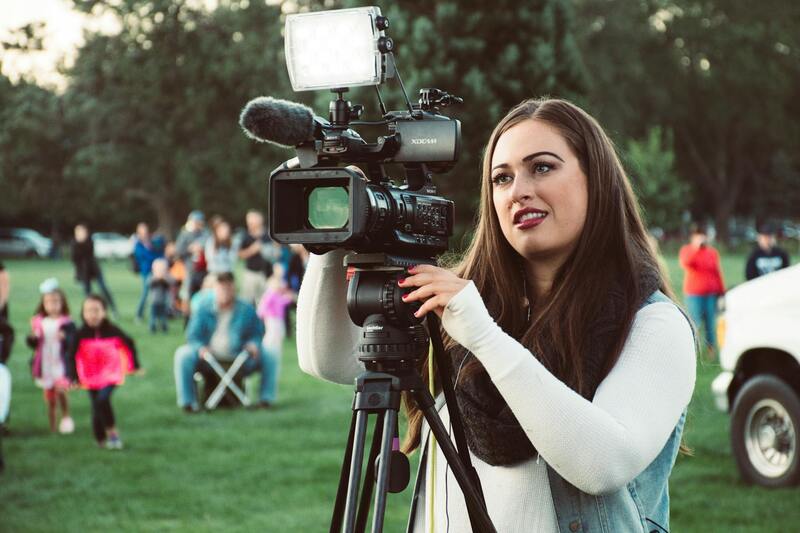
At the core of any professional streaming setup are high-definition cameras, which serve as the primary sources of live video footage. These cameras range from traditional broadcast models to more portable options, each chosen based on the event’s scale and environment. To support multi-camera setups, production teams utilize video switchers or production switchers to seamlessly alternate between feeds, add transitions, and overlay graphics, ensuring a polished live presentation.
Complementing visual hardware are audio mixing consoles and microphones that guarantee crisp sound quality. Proper audio equipment ensures synchronization of sound with video, vital for maintaining audience engagement and clarity. Additionally, graphics generation systems and real-time overlays are integrated to enhance visual communication with branding, titles, and event information, creating a dynamic viewing experience.
On the software front, streaming platforms and management solutions provide the backbone for content distribution. These platforms facilitate encoding, transcoding, and distribution of streams across multiple channels. Professional streaming software allows producers to control stream quality, monitor performance metrics, and make live adjustments to optimize viewer experience. Integration with analytics tools further enables real-time monitoring of viewer engagement and stream health.
Hardware encoders and network infrastructure are crucial for transmitting high-quality streams. Dedicated hardware encoders offer superior reliability and lower latency compared to software-based solutions, making them suitable for high-stakes productions. Robust networking hardware, such as bonded internet solutions, ensures stable bandwidth and redundancy, preventing disruptions during live broadcasts.
Event producers also utilize powerful hardware control surfaces, servers for media storage and management, and backup power supplies to maintain operations during unexpected interruptions. The integration of these elements requires meticulous planning and specialized technical expertise to align with the event’s specific requirements.
Moreover, environmental considerations such as proper cooling, surge protection, and secure installation sites help preserve sensitive equipment, ensuring continuous operation over extended periods. The combination of precise technological deployment and expert handling guarantees a resilient infrastructure capable of delivering impeccable live streams in the bustling, diverse environment of Miami’s event venues.
Execution and Live Management
Effective execution during an event streaming production hinges on meticulous coordination among technical teams and real-time decision-making. Pre-production planning sets the foundation, but during the live broadcast, operators must adapt to dynamic conditions. This includes managing multiple camera feeds, ensuring seamless switching between video sources, and maintaining optimal audio quality. Skilled personnel oversee the streaming platform, monitor stream stability, and troubleshoot issues instantly to prevent disruptions. Dedicated personnel are responsible for managing chat moderation, audience engagement, and responding to technical anomalies as they arise.
A critical aspect of live management in Miami’s vibrant venues involves real-time bandwidth monitoring. Network conditions must be continuously evaluated to prevent buffering or lag, especially given the high-density internet usage typical in large events. Redundant streaming redundancies, such as secondary encoders or backup internet connections, are crucial for uninterrupted delivery. During high-profile events, remote technical support teams may be on standby, ready to intervene swiftly if an issue occurs.
Furthermore, comprehensive communication protocols are established so all team members stay synchronized. Use of intercom systems, dedicated channels, and real-time dashboards facilitates streamlined coordination. Accurate timing and cue management ensure that content transitions, speaker introductions, and multimedia elements align flawlessly, enhancing the viewer experience.
Post-Event Processing and Analytics
After the live event concludes, attention shifts toward post-production activities which extend the value of the event streaming experience. Recorded footage is often edited to create highlight packages, promotional content, or on-demand viewing options, contributing to ongoing engagement with the audience. Data analysis plays a pivotal role in understanding viewer interactions and overall stream performance. Detailed analytics provide insights into viewer demographics, engagement metrics, peak viewing times, and dropped connections. These metrics help producers refine future event strategies, optimize content delivery, and enhance technical setups. Moreover, archived streams serve as valuable assets for marketing and training, allowing clients to repurpose content across multiple channels. In Miami’s fast-paced event environment, leveraging comprehensive analytics ensures continuous improvement and maximizes the return on investment for event streaming initiatives. Legal considerations, such as securing necessary rights for streamed content and adhering to privacy regulations, support these efforts. Proper post-event documentation and compliance reinforce the integrity and professionalism of the production, fostering trust among clients and audience members alike.
Advanced Techniques in Event Streaming Production
To elevate the quality and engagement level of live streams, event streaming production often incorporates advanced techniques that deliver more immersive and reliable experiences. These methods include multi-camera switching, virtual sets, augmented reality (AR), and real-time graphics overlays. Multi-camera setups enable producers to offer dynamic angles, close-ups, and wider shots, enhancing viewer engagement and creating a cinematic feel. Virtual sets and AR technology allow hosts and presenters to interact within virtual environments, adding a layer of visual interest and professionalism that can transform a standard live stream into a compelling visual presentation.
Implementing these techniques requires sophisticated equipment, such as switchers, AR engines, and real-time graphics generators, all integrated to ensure smooth transitions and minimal latency. High-performance graphics engines generate overlays that provide contextual information, branding, or interactive elements, directly engaging online viewers. Clear audio management is equally vital; utilizing audio mixers and directional microphones helps maintain sound clarity and prevent disruptive noise, especially in bustling Miami venues.
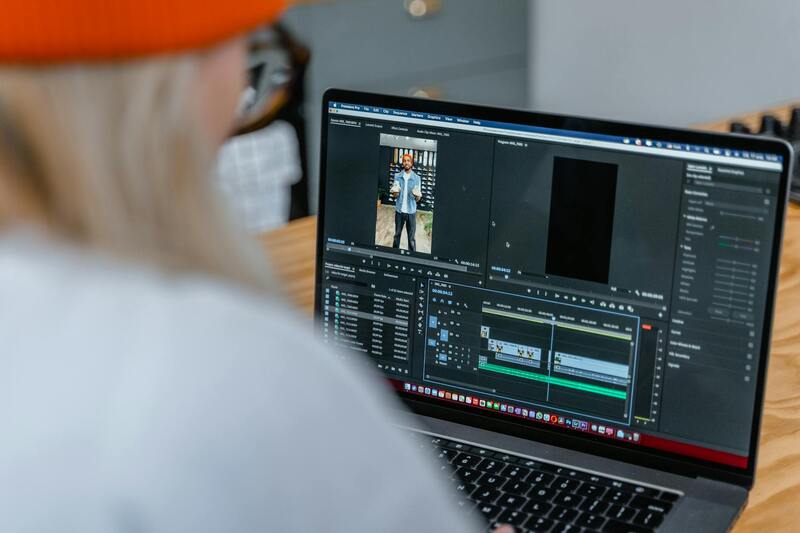
Another emerging trend is the use of cloud-based production tools that facilitate remote collaboration among production teams. Cloud platforms enable editors, directors, and technical operators to work concurrently, streamlining workflows and reducing on-site clutter. This approach is particularly advantageous in Miami's vibrant event scene, where rapid setup and adjustments are often necessary to accommodate real-time changes or last-minute client requests.
Efficiency in Live Event Management
Efficient execution during the live broadcast hinges on meticulous planning, real-time monitoring, and proactive troubleshooting. Pre-event rehearsals are indispensable for testing all technical components, calibrating camera angles, syncing audio feeds, and verifying data connections. During the event, dedicated operators monitor equipment health, stream stability, and viewer engagement metrics. Constant communication between the control room and on-site staff ensures quick responses to any unforeseen issues.
Networking infrastructure plays a critical role; high-bandwidth internet connections with redundant pathways help prevent disruptions. Load balancing across servers and content delivery networks (CDNs) distributes the streaming load, ensuring consistent quality even with large audiences. The presence of backup equipment, such as spare cameras, microphones, and power supplies, facilitates rapid replacement and minimizes downtime.
Technicians also utilize real-time analytics dashboards to gauge audience engagement, identify connectivity issues, and adapt content delivery as needed. Clear signage, designated troubleshooting protocols, and on-site technical support professionals streamline problem resolution, guaranteeing a seamless viewing experience for the Miami audience. By employing these strategies, producers can manage live streams efficiently, maintaining professionalism and viewer satisfaction throughout the event.

Execution and Live Management
Successful event streaming production in Miami involves precise execution of all planned elements, supported by a robust live management framework. During the event, operators and technical staff oversee the entire streaming process to ensure continuous quality and minimal disruptions. Real-time monitoring systems are employed to track stream stability, bandwidth usage, and viewer engagement metrics. These dashboards enable quick identification of potential issues such as signal degradation, audio/video desynchronization, or platform-specific glitches. When problems arise, dedicated troubleshooting protocols enable rapid response, often involving switching to backup feeds, adjusting encoding settings, or rerouting data through alternative pathways.
Maintaining a high-quality connection to content delivery networks (CDNs) is pivotal. Engineering teams establish multiple internet connections—often through fiber optic lines—to create a resilient network infrastructure. Load balancing across servers ensures that large audiences do not overwhelm any single point, preserving stream quality and reducing latency. Redundant hardware components such as backup cameras, audio interfaces, and power supplies are strategically placed for immediate replacement should equipment fail during the live event.

Continuous feedback loops between technical personnel and on-site staff streamline the management of live content. Clear communication channels facilitate swift coordination, allowing for proactive adjustments. Employing dedicated tech support, including audio-visual specialists and network engineers, ensures that any irregularities are swiftly addressed to uphold broadcast integrity. Additionally, visual cues such as real-time engagement stats and viewer feedback inform on-the-fly decisions about content delivery or camera angles. The combination of advanced monitoring technology and experienced staff results in a smooth broadcast, capable of handling multiple contingencies seamlessly.

Effective Content Delivery and Audience Engagement Strategies
Achieving a seamless event streaming experience extends beyond technical infrastructure to encompass content delivery strategies that maximize audience engagement. Central to this is the deployment of adaptive streaming protocols, which adjust video quality dynamically based on each viewer's internet bandwidth. This ensures minimal buffering and a consistently high-quality viewing experience. Implementing multi-bitrate streams allows viewers to transition smoothly between different quality levels without interruption, enhancing overall satisfaction.
Moreover, integrating real-time engagement tools such as live chat, polls, and Q&A sessions encourages active participation. These interactive elements foster a sense of community and connection, even in a virtual environment. To support this, dedicated moderation teams monitor interactions for relevance and professionalism, maintaining the event’s integrity and ensuring a positive environment for all viewers.
Advanced analytics systems are employed to gather detailed viewer data, including engagement rates, dropout points, and geographic distribution. Analyzing these metrics enables producers to refine content on the fly, such as by adjusting camera angles or switching to more engaging segments based on real-time feedback. These insights also inform post-event evaluations, helping to craft better strategies for future productions.

Technical Support and Troubleshooting During Live Events
Maintaining uninterrupted streaming during a high-profile event necessitates comprehensive technical support. On-site teams are equipped with troubleshooting tools that provide instant diagnostics for network issues, hardware malfunctions, or software glitches. Constant monitoring dashboards provide a real-time overview of stream health, enabling rapid response to anomalies.
Structured communication channels between on-site technicians, network specialists, and content coordinators ensure swift escalation and resolution. Backup systems, including redundant servers and failover internet connections, act as safeguards against potential failures. Regular pre-event checks are performed to verify the operational readiness of all equipment and infrastructure components.
Compliance and Risk Management
Successful event streaming production adheres meticulously to compliance standards that encompass intellectual property rights, data privacy, and audience safety. This includes securing necessary permissions for content broadcasting, implementing encryption protocols to safeguard viewer data, and providing accessible features such as closed captioning and sign language interpretation.
Risk management strategies are developed to mitigate potential incidents, from cyber threats to weather disruptions. Contingency plans are in place, detailing actions to be taken during technical failures, power outages, or natural events. Regular staff training ensures that everyone involved is familiar with emergency procedures, promoting a rapid and organized response to unexpected situations.
Choosing a Local Miami Production Partner
When planning high-quality event streaming, partnering with a Miami-based production company with extensive expertise in local logistics, infrastructure, and audience engagement becomes vital. An experienced local provider understands the unique nuances of Miami’s vibrant event scene, from its diverse demographics to the specific technical challenges posed by the city’s coastal atmosphere and urban environment. By selecting a seasoned local partner, event organizers can ensure seamless coordination, reliable service delivery, and adherence to regional standards, all of which are crucial for a successful live stream.
Key factors to consider when choosing a Miami production partner include their portfolio of past projects, technical certifications, and familiarity with cutting-edge streaming technologies. A reputable company should demonstrate a track record of handling similar events, whether they are large international conferences, music festivals, or community celebrations. It’s equally important to evaluate their capacity for rapid problem-solving, especially given Miami’s unpredictable weather and occasional infrastructure challenges that can impact live broadcasts.
Moreover, effective communication and transparency are indicators of a reliable partner. They should offer comprehensive pre-production planning, including site assessments, equipment audits, and detailed project timelines. Ensuring that they provide tailored solutions to match specific event needs, such as multi-camera setups for immersive coverage or augmented reality integrations, enhances the overall spectator experience. Collaboration and clear delineation of responsibilities are also essential to prevent overlaps or gaps during the event.

In addition to technical capabilities, a local Miami production company should have a thorough understanding of legal and safety regulations pertinent to large gatherings and public broadcasts in the city. This includes compliance with city permits, crowd management protocols, and health and safety standards. They should also be adept at integrating accessible features, such as closed captioning and sign language interpretation, to cater to diverse audiences and ensure inclusive experiences.
Finally, evaluating their client support and post-event services can provide insights into their sustainability practices and commitment to client satisfaction. A dedicated support team capable of providing on-site assistance, troubleshooting, and post-event analytics will help maximize the return on investment by offering valuable insights for future events. These collaborations foster a reliable, innovative streaming experience that resonates with Miami’s dynamic cultural landscape.